The Mystery of Japan’s Best-Kept Culinary Secret: Sapporo Soup Curry
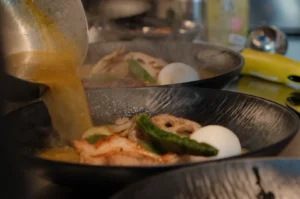
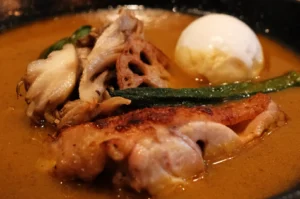
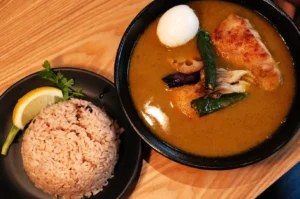
Picture this: you’re sitting in a cozy soup curry restaurant in Sapporo, right in the heart of Chuo Ward, and the server places before you a large pot with an aromatic, golden broth brimming with tender chicken legs, perfectly deep fried vegetables full of vibrant colors, and a small bowl of steamed rice on the side. This isn’t your regular Japanese curry with its thick, sweet curry roux ladled over rice. This is Sapporo soup curry—a uniquely Japanese style light curry flavored soup that has captivated Hokkaido residents since 1971, yet remained virtually unknown to the rest of Japan for decades.
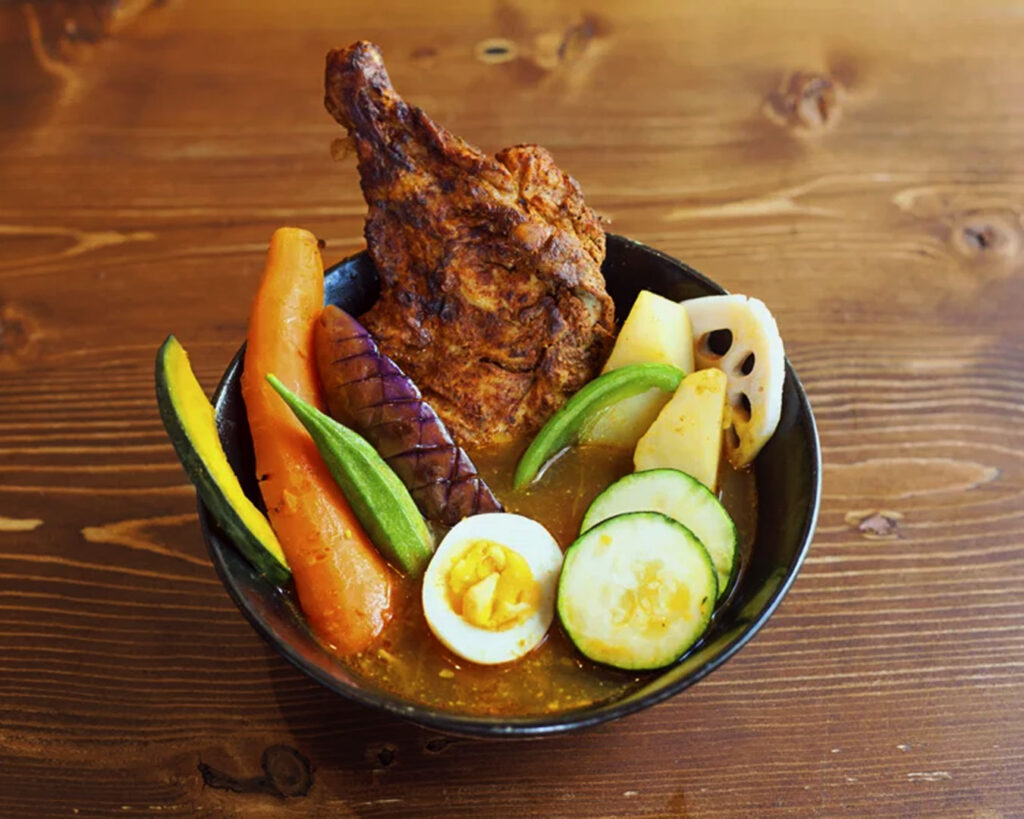
Unlike traditional Japanese curry that’s served as a thick sauce over rice on a single plate, Japanese soup curry maintains its identity as a curry soup dish. The fresh vegetables—bell peppers, carrots, potato, onion, eggplant, and even lotus root—are individually prepared and arranged in the light broth, each piece nicely browned through careful preparation. The flavor profile is built from more than 30 spices, like garam masala and curry powder, resulting in a taste that is simultaneously warming and refreshing.
So why did this beloved Hokkaido soup curry remain Sapporo’s best-kept secret for over 40 years? And what has changed to make this popular dish accessible far beyond Hokkaido’s borders? The answer reveals unique perspectives on Japanese food culture, regional identity, and the digital era’s influence in breaking through culinary boundaries.
Cultural Barriers That Kept Sapporo Soup Curry Local
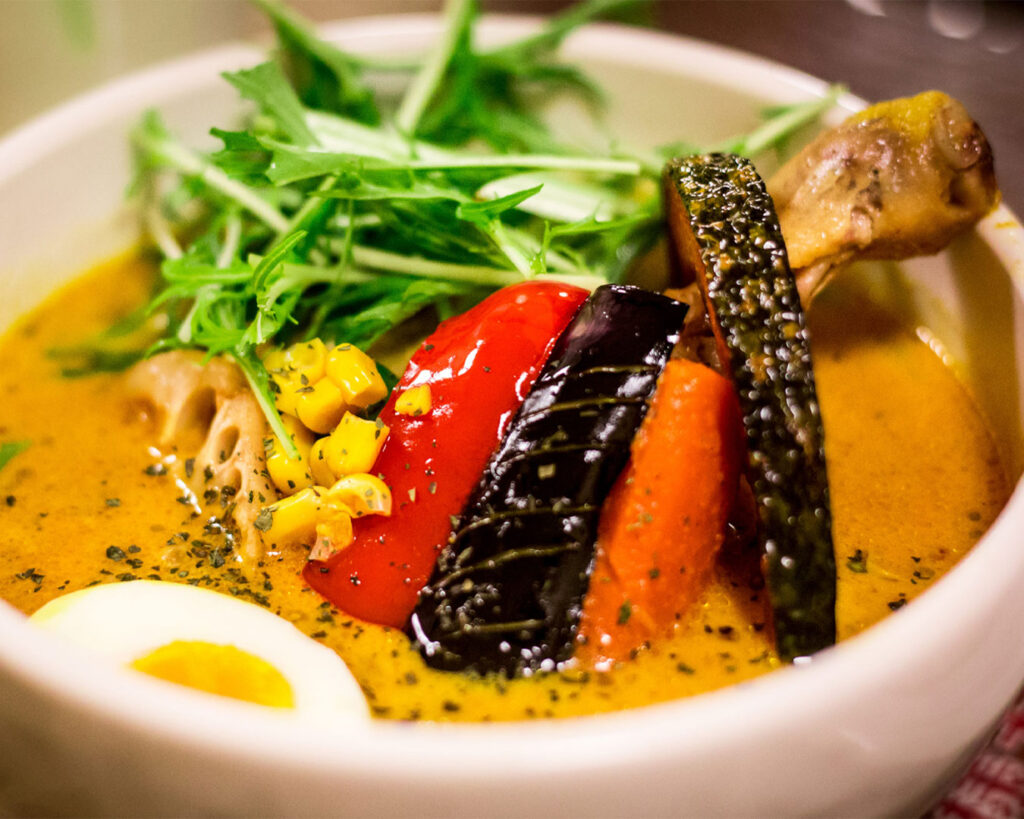
The story of Sapporo soup curry’s regional isolation starts with Hokkaido’s strong local identity. Unlike other Japanese regional foods that gradually migrate across prefectures, Hokkaido soup curry became a symbol of pride. Locals didn’t just eat soup curry—they cherished it as part of their heritage.
Hokkaido’s established soup culture, filled with hearty soup dishes such as ishikari nabe (salmon and vegetable soup) and butajiru (pork and vegetable soup), paved the way for vegetable soup curry to fit naturally into local food customs. Residents were used to the idea of substantial soup dishes being served with rice. So when soup curry emerged from Ajanta Café in 1971, it felt authentic to the region’s palate.
However, mainland Japan’s attachment to traditional Japanese curry—built on thick, sweet curry roux served hot over rice—posed a challenge. The thick, rich curry most Japanese people knew left little room for curry soup as a mainstream concept; a light broth paired separately with rice felt out of place compared to what the rest of Japan considered “curry.”
Climate also played a part. Hokkaido’s cold winters and deep snow made soup-based dishes not only comforting but necessary for warmth and sustenance. The warming spices, spiced broth, and the ability to customize how much rice to eat gave soup curry a unique fit for the region.
Practical Challenges of Expansion: Deep Fry Technique & Fresh Vegetables
Practical hurdles also prevented soup curry’s early spread. Unlike regular Japanese curry, which can be prepared quickly with curry roux blocks in a heavy-bottomed pot, authentic Japanese soup curry and vegetable soup curry demand a more elaborate recipe and preparation.
The soup base for authentic curry soup starts with chicken bones, pork bones, and chicken stock, simmered for hours in a large pot or Dutch oven to produce a light broth full of flavor. Curry powder, garam masala, garlic, and ginger are slowly stirred in to build a deeply layered and satisfying taste.
One of the most distinctive elements is the preparation of the vegetables—thinly sliced and deep fried (su-age) until golden brown. Vegetables like carrots, potato (often cut in half lengthwise), eggplant, and lotus root are deep fried on medium high heat in a thick, stable oil. The freshly fried vegetables are then set on paper towels or a wire rack to drain, maintaining their flavor, structure, and vibrant colors.
Most chefs outside Hokkaido didn’t know how to deep fry vegetables Japanese style for soup curry. They lacked the specialized equipment, kitchen towel techniques, and the skill to get the vegetables nicely browned yet tender. Furthermore, sourcing fresh vegetables of the quality Hokkaido is famous for proved difficult. The region’s produce—so crucial for the distinctive taste of soup curry—wasn’t widely available across Japan.
Operation challenges also loomed. Unlike curry dishes that can be batch-prepared and served quickly, each bowl of soup curry requires care: fried vegetables, customized spice levels, separate servings of steamed rice, and optional meat ranging from chicken legs to pork or even seafood. Soup curry restaurants needed extensive staff training, a deep understanding of the dish, and a passion for authenticity to deliver on expectations.
Even logistics became an issue—transporting a light, spiced broth and nicely fried vegetables isn’t the same as moving thick curries. Retaining texture and taste while maintaining food safety was a challenge for establishments aspiring to spread outside Hokkaido.
The Turning Point: Hokkaido Soup Curry Goes Mainstream
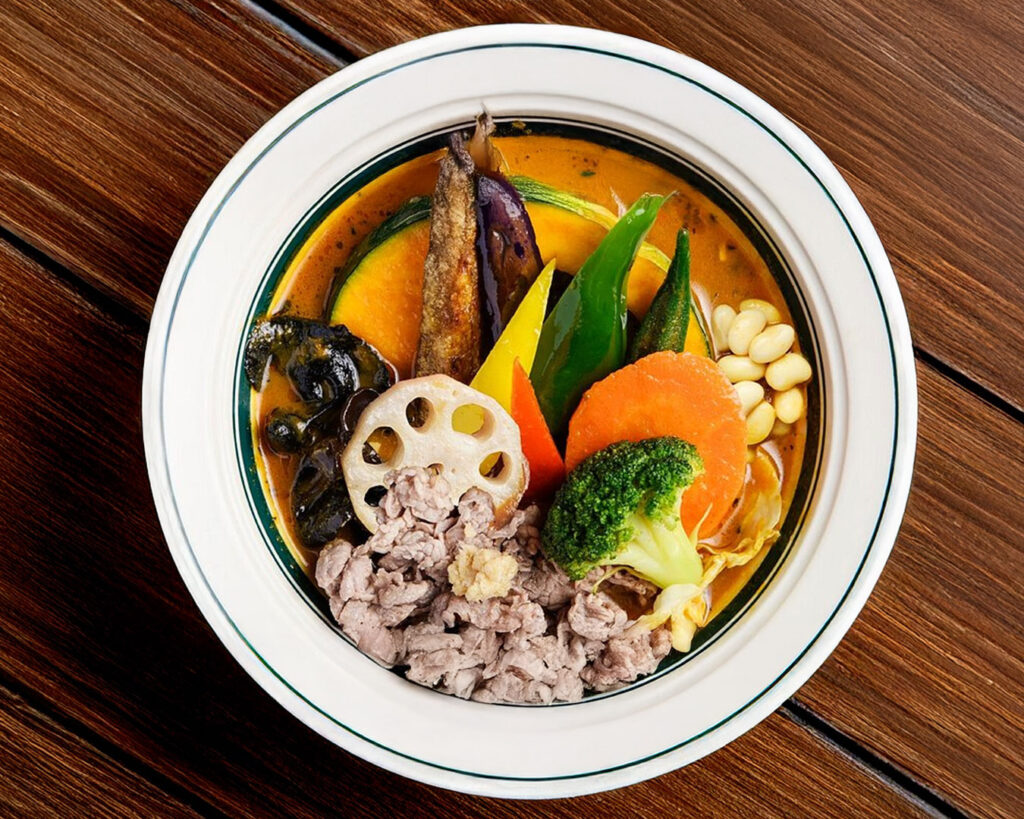
The crucial breakthrough came in the 2000s, when the broader Japanese food scene, especially through Japanese style food magazines and television, began highlighting Hokkaido soup curry as a must-try soup dish. Media coverage and food shows introduced curious viewers to the world of Sapporo soup curry, drawing attention to its curry soup base, the colorful array of deep fried vegetables, and the artistry required to build each bowl.
Tourism to Hokkaido also surged, supported by regional promotions. People traveled for snow festivals, seafood, and increasingly, to eat soup curry at local specialty restaurants.
Social media further fueled soup curry’s popularity—photos showcasing the rainbow of fried vegetables layered in golden broth and small bowls of white rice created viral moments online. It was a soup curry renaissance, spreading awareness both within and outside Japan.
An emerging health consciousness in Japan aligned perfectly with the dish’s vegetable soup curry base. Instead of a heavy curry, diners discovered a lighter soup full of fresh vegetables, lean meat, and clear flavors that could be enjoyed every day. The option to control how much rice or meat was added made soup curry compatible with both hearty appetites and lighter diets.
Entrepreneurs took note. Pioneering Sapporo soup curry restaurants began expanding into Tokyo and beyond, sometimes opening near major stations for greater accessibility. These efforts proved that, with dedication to authentic preparation—like using a proper soup base, correctly deep frying fresh vegetables, and focusing on the Japanese style—soup curry could win over diners outside its native region.
The Digital Age and Recipe Revolution: Curry Soup Around the World
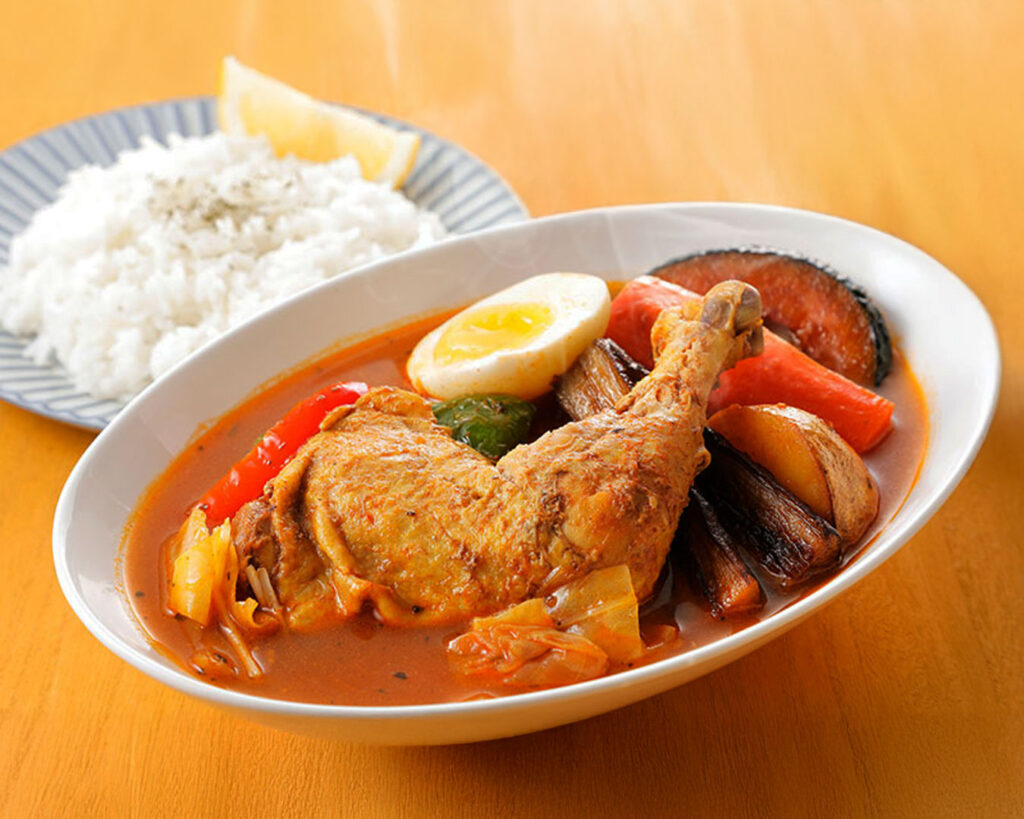
The rise of digital content and recipe sharing platforms made it easier than ever to learn how to make soup curry at home. Suddenly, any home cook could access detailed guides on simmering chicken bones, tempering spices, and mastering the deep fry technique for vegetables. Bloggers and influencers posted step-by-step recipes, from heating a heavy-bottomed pot to draining fried vegetables on kitchen towel and plating with steamed rice.
Food delivery apps revolutionized how people could eat soup curry, transporting this restaurant experience to home kitchens while maintaining the signature freshness of nicely browned, fried vegetables and flavorful broth. Some restaurants even developed takeaway kits, allowing diners to enjoy soup curry with all the trimmings—from chicken legs and lotus root to coconut milk and garam masala—without ever leaving their home.
The pandemic’s home-cooking boom accelerated this spread, as people everywhere sought comforting soup dishes with customizable levels of spice and flavor. Creative cooks made soup curry with available ingredients, using store-bought curry powder or curry roux, substituting meats or adding coconut milk for a new twist, all while preserving the heart of the dish.
From virtual cooking classes to international food blogs, Sapporo soup curry established its presence as a must-try Japanese style soup dish. Foreigners visiting Japan increasingly sought it out—sometimes braving long lines at renowned Sapporo soup curry restaurants near Susukino Station, sometimes ordering delivery to their hotel, and sometimes simply following a recipe in their own kitchen.
Why the Rise of Soup Curry Matters for Japanese Food
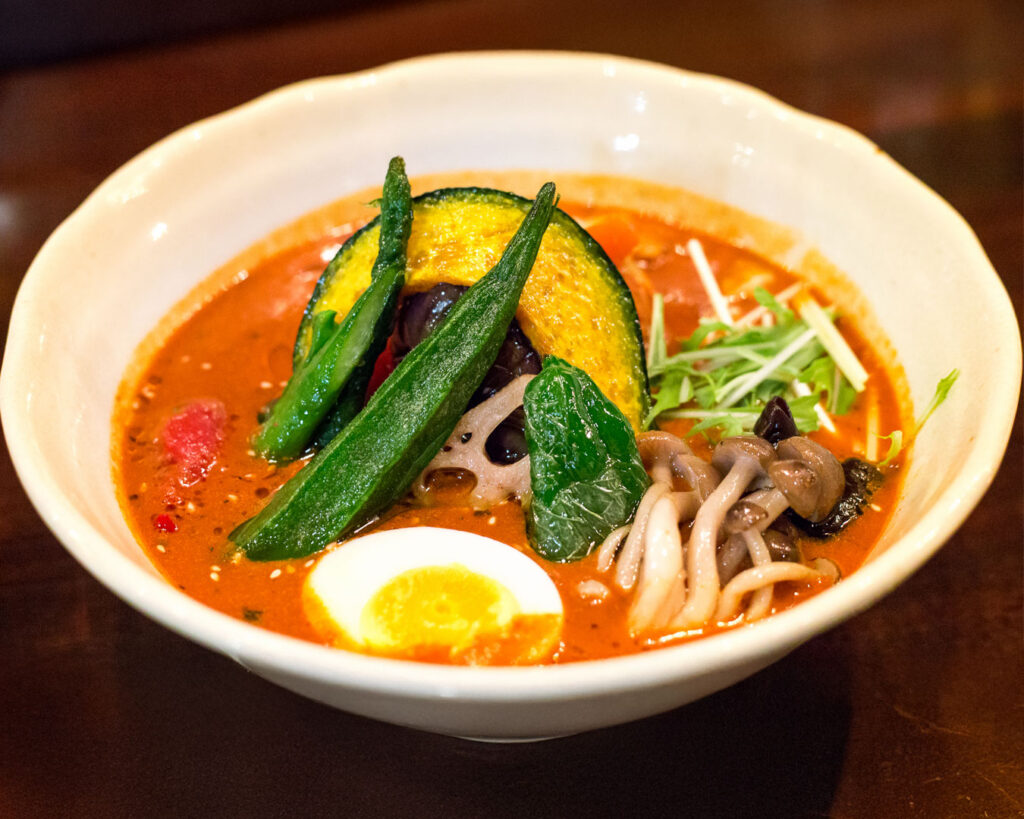
Soup curry’s global rise serves as a culinary bridge, inviting people to taste, prepare, and appreciate the depth of Japanese soup curry culture. Each time someone outside Japan learns to deep fry fresh vegetables, stir together a home-made curry soup base, or select a mix of spices and chicken legs for a hearty meal, they’re taking part in a delicious cultural exchange. The dish’s origins, influenced by Asian spice blends, local Hokkaido vegetables, and meticulous Japanese style culinary tradition, offer a real window into the heart of Japanese food history.
Today, as more people seek vibrant flavors, healthy options, and authentic experiences, the popularity of Sapporo soup curry is only set to grow. Its light broth, abundance of properly fried vegetables, and colorful, healthful presentation offer an answer to the modern craving for comfort food that is both nourishing and exciting. With every small bowl of golden broth and every serving of steamed rice, more people discover why this soup curry is much more than simply a dish—it’s a story, a tradition, and an invitation to eat, connect, and celebrate Japanese culinary creativity.
For those eager to dive deeper, Soup Curry by Ki-Setsu is your ultimate resource for authentic recipes, cooking tips, and the latest news from the vibrant soup curry scene. Whether you’re a seasoned chef or a curious foodie, we offer everything you need to master this delicious soup dish and bring a taste of Hokkaido into your own kitchen.