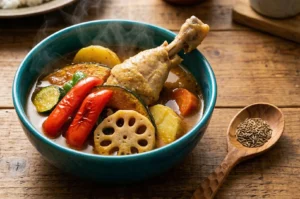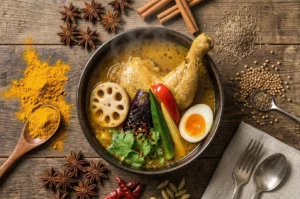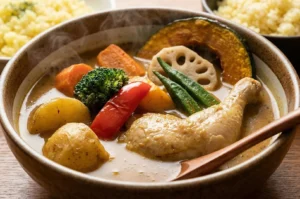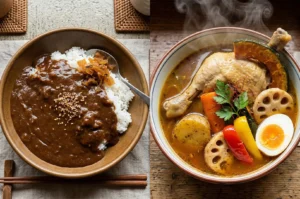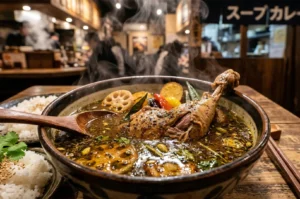
There is something undeniably comforting about a bowl of hot soup. It warms you from the inside out, offering solace after a long day. But sometimes, you want more than just comfort; you want flavor, excitement, and creamy texture without heavy cream. Enter soup curry. This dish is rapidly climbing the ranks as a favorite soup recipe for home cooks who crave variety. Unlike the thick, roux-heavy curries many of us are used to, soup curry is a lighter, broth-based marvel that allows individual simple ingredients to shine.
The magic of this dish lies not just in its aromatic, spicy broth, but in the colorful array of vegetables that sit atop it like jewels. It is this combination of a drinkable, savory soup and perfectly cooked toppings that makes it a contender for the best soup you’ll ever make. As the dish gains international attention, many are discovering why it is becoming such a phenomenon. In fact, you can read more about Why Soup Curry is Singapore’s Next Big Japanese Food Trend to understand its rising popularity. But today, we are focusing on the practical side: selecting the right vegetables and preparing them perfectly to elevate your homemade bowl.
Understanding Soup Curry: Why It's Not a Blended Vegetable Soup
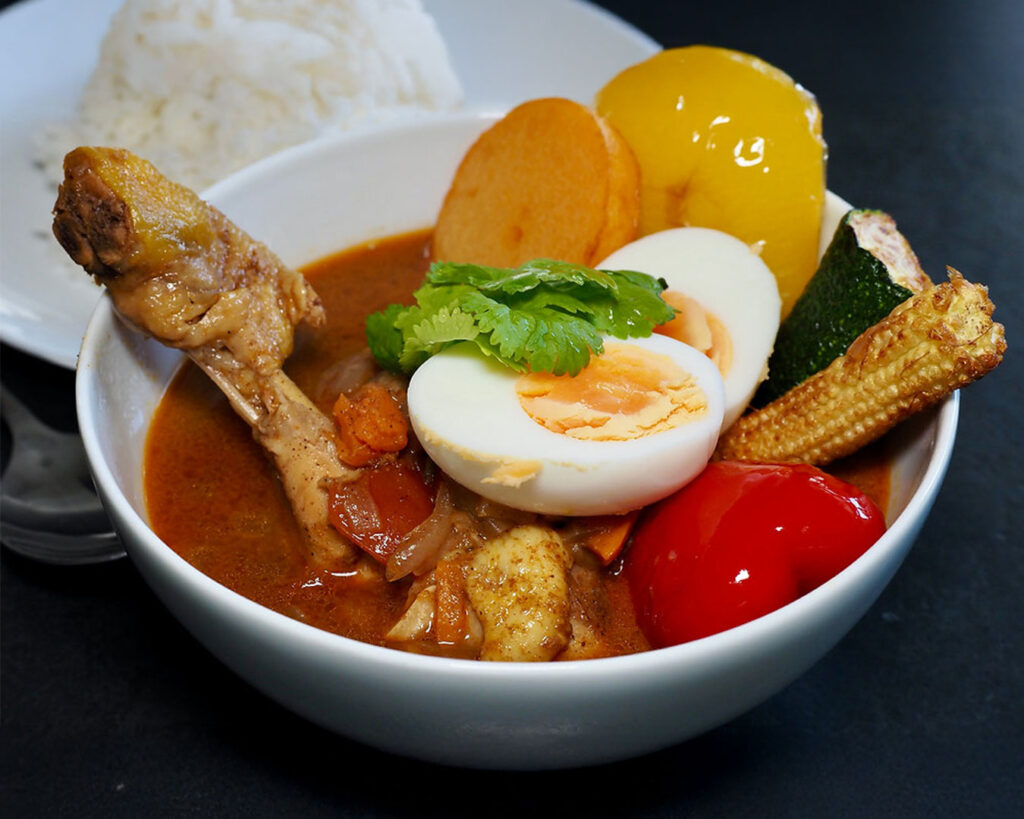
Before we dive into specific ingredients, it is crucial to understand why this soup recipe demands a different approach than a standard classic beef stew recipe. In a traditional thick Japanese curry, vegetables like carrots and potatoes are simmered for hours until they are soft and almost dissolving into the sauce. The goal there is homogeneity. We know that method works for rich stews or a blended vegetable soup, such as butternut squash soup, but it sacrifices texture.
Soup curry is the opposite. It is a celebration of distinct textures. The broth is thin, spicy, and packed with umami, serving as a stage for the toppings rather than a blanket that hides them. Because the vegetables are often cooked separately—roasted or flash-fried—before being added to the broth, they retain their individual integrity. A bite of charred bell pepper should taste sweet and smoky, distinct from the starchy comfort of a potato or the crunch of lotus root. This technique is what separates our best soup recipes from an easy soup tossed into a slow cooker.
Creating the best soup curry experience relies heavily on this textural contrast. You want vibrant colors that pop against the dark, rich broth. You want a mix of crunch, softness, and chew. If you simply boil everything together, you lose the essence of what makes soup curry so special. Proper preparation ensures that each vegetable contributes its own unique character to the final masterpiece.
The Best Vegetables for Our Soup Recipe
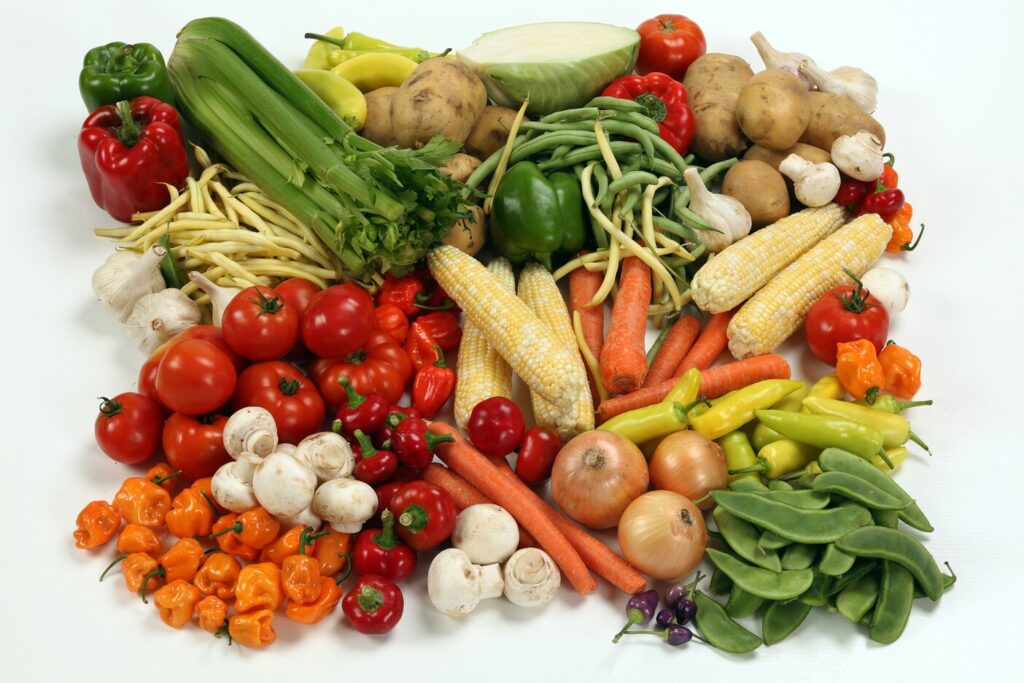
The beauty of soup curry is its versatility, but certain vegetables have become staples because of how well they complement the spicy broth. Here are the top contenders and how to handle them. We encourage home cooks to view this soup recipe as a blueprint for seasonal creativity.
Potatoes
Potatoes are non-negotiable in almost any curry, but for this soup recipe, variety matters. They provide a starchy, filling counterpoint to the spices, much like in a potato leek soup.
Preparation: Par-boil whole small potatoes (or large ones cut into chunks) until a knife pierces them easily. Then, shallow fry until the skin is golden and crispy. This creates a delightful texture—crisp outside, creamy inside—that stands up beautifully to the liquid, unlike a crumbling potato soup.
Bell Peppers (Capsicum)
They add sweetness and a burst of color (red, yellow, and green) that makes the bowl visually stunning.
Preparation: The goal is a light char. Quick deep-frying (flash frying) for 30-45 seconds brings out their vibrant color and sweetness without making them soggy. The sweetness of the pepper balances the savory heat of the curry broth.
Eggplant (Aubergine)
Eggplant has a creamy, melt-in-your-mouth texture that absorbs the spicy broth like a dream. It is often cited as a fan favorite element in the best soup curry bowls.
Preparation: Eggplant loves oil. Deep frying is the gold standard here; it cooks the eggplant instantly, sealing in moisture and creating that signature silky texture. If you prefer less oil, brush generously with oil and roast until tender.
Lotus Root (Renkon)
Visually, the lace-like pattern is iconic. Texturally, it offers a satisfying, crisp crunch that doesn’t get soggy.
Preparation: Deep frying brings out a nutty flavor and creates a chip-like texture that contrasts wonderfully with the softer vegetables. It adds an architectural element to your soup recipe.
Kabocha Squash (Japanese Pumpkin)
Its intense natural sweetness provides a necessary respite from the heat of the spices. It is dense and rich, unlike watery pumpkins used in a typical squash soup.
Preparation: Fry until the edges are browned and the flesh is tender. The sweetness of Kabocha is often what makes people declare this the best soup they’ve tasted.
Okra
Okra adds a fresh, green element and a unique texture.
Preparation: Leave the pods whole. High-heat cooking mitigates “slime.” Flash fry for 30 seconds or blanch quickly in boiling water. They should remain bright green and have a snap to them.
Carrots
Sweet, earthy, and colorful, carrots are a comforting soup staple.
Preparation: Cut carrots using the rangiri method (rolling wedges) to create more surface area. Roast them with a touch of oil and brown sugar until tender-crisp. This enhances their natural sugars, which pairs perfectly with spicy savory broths.
Zucchini or Courgette
Mild and juicy, zucchini is a great vehicle for the soup’s flavor.
Preparation: The danger with zucchini is mushiness. A quick sear in a hot pan or a flash fry ensures the outside is browned while the inside stays firm and juicy. Do not overcook; they will continue to soften in the hot broth.
Preparation Techniques for Perfect Soup Curry Vegetables: Beyond the Slow Cooker & Black Bean Soup
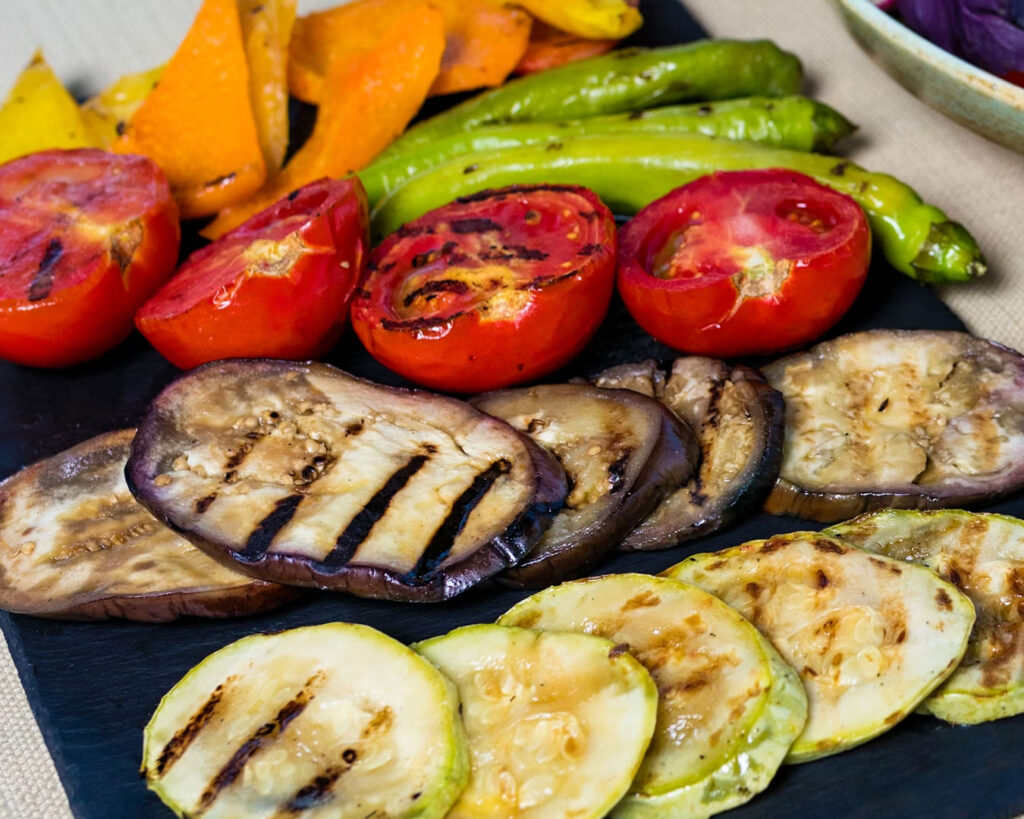
To execute this soup recipe like a pro, you need to master a few simple cooking methods. The “secret ingredient” to restaurant-quality soup curry is that the vegetables are cooked separately from the broth. This is fundamentally different from a homemade soup like lentil soup or black bean soup that relies on a single dutch oven for all cooking and simmering.
The Deep-Frying Method (Su-age)
This is the most authentic technique used in Hokkaido soup curry shops.
Why it works: It cooks vegetables instantly, locking in vibrant colors (especially veggies like spinach or kale) and intensifying flavors. It creates a microscopic crust that helps the sauce cling to the veggies.
The Blanching Technique
For a lighter, healthy soup recipe, blanching is effective, especially for greens like broccoli, okra, or asparagus.
Why it works: It preserves the crunch and nutrients. We use this method to ensure the veggies remain healthy.
The Roasting Approach
If you don’t want to deal with a large pot of hot oil, roasting is the best alternative for home cooks.
Why it works: It concentrates sugars (caramelization), adding depth to the best soup bowls. This is essential for elevating simple ingredients like onions and garlic.
Seasoning the Vegetables
Even though the broth is flavorful, the vegetables need their own seasoning.
Technique: Immediately after frying or roasting, while the vegetables are still hot, sprinkle them lightly with salt. You can also use a pinch of smoked paprika or cumin powder on the root vegetables to bridge the flavor gap between the topping and the curry broth.
Assembly: More Than Just a Bowl of Chicken Soup
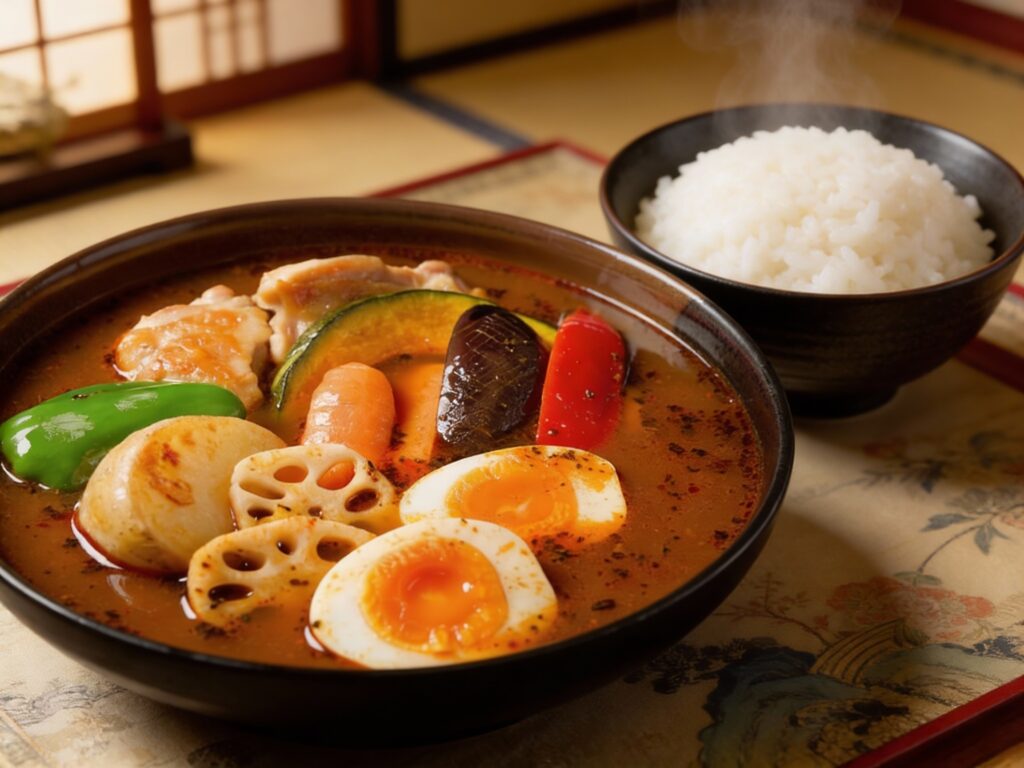
Presentation is half the battle in making the best soup curry. The visual appeal invites you in before the first taste. We absolutely love the presentation. This is far more involved than simply ladling out a bowl of chicken soup or a noodle soup.
Broth First: Ladle your hot, spiced broth into a wide, shallow bowl. We ensure our broth is always intensely flavorful—unlike the milder bases of a classic tomato soup or lentil soup.
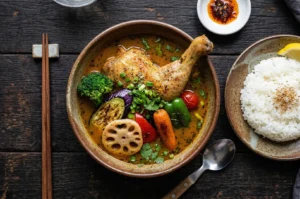
Arrangement: Carefully place the cooked vegetables on top. Do not stir them in! Arrange them so they peek out of the broth. The goal is a colorful mosaic.
Rice on the Side: Soup curry is traditionally served with rice on a separate plate, often topped with a lemon juice or lime juice wedge. You scoop a spoonful of rice and dip it into the soup. This keeps the rice from getting soggy and allows you to customize the soup-to-rice ratio in every bite. We consider this customizability a key feature, much like customizing toppings on a chicken tortilla soup with tortilla chips and a generous drizzle of sour cream.
Your Next Best Soup: Transforming Simple Ingredients into Delicious Flavor
Creating the best soup curry at home is an adventure in texture and flavor. It shifts the focus from long, slow cooker simmering of red lentils or white beans to precise, vibrant preparation. By treating each vegetable with care—frying the lotus root for crunch, roasting the pumpkin for sweetness, and searing the peppers for char—you build a bowl that is so much more than the sum of its parts. We believe this makes it the best soup recipe available.
This soup recipe encourages you to look at the produce aisle with fresh eyes. What is in season? What offers a good crunch? Whether it’s spring asparagus or autumn sweet potatoes, the soup curry format welcomes experimentation. So, grab your favorite soup recipes and ideas—even pulling inspiration from leftover chicken or tomatoes—heat up that oil or oven, and get ready to transform simple ingredients into a spectacular meal. Once you master these preparation techniques, you’ll understand why this dish is capturing hearts and stomachs everywhere.