When exploring Japanese dining culture, few establishments capture social life like the izakaya. An izakaya is a type of Japanese bar known for its informal, casual atmosphere, serving as a relaxed spot for drinks and snacks with friends or colleagues.
These casual Japanese bars are central to after-work gatherings, friend reunions, and celebrations across Japan and beyond. At Soup Curry by Ki-Setsu, celebrating Hokkaido’s culinary heritage, understanding izakaya culture helps appreciate how regional specialties like soup curry fit into Japan’s diverse dining scene.
The izakaya experience evokes the spirit of the rising sun, a symbol of Japan that reflects the country’s authentic atmosphere and cultural identity.
An izakaya is more than a restaurant—it’s a cultural institution where colleagues become friends, strangers become acquaintances, and daily formalities dissolve into warm conversation and shared food.
What Is an Izakaya?
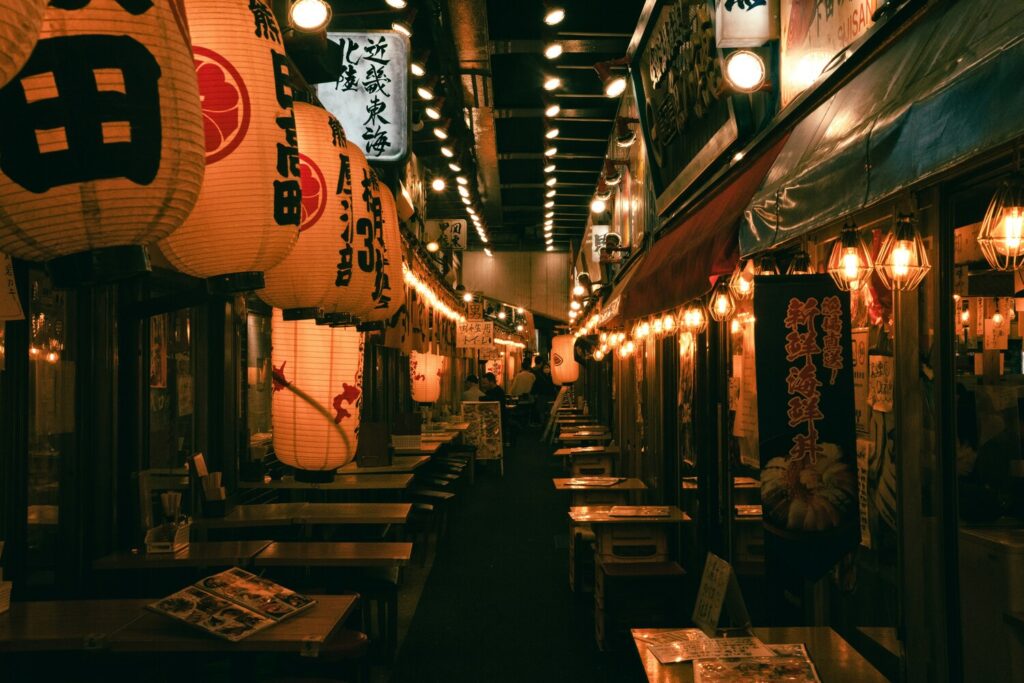
An izakaya is Japan’s answer to a Western pub or Spanish tapas bar but with unique Japanese traits. These informal Japanese bars serve alcoholic drinks alongside an extensive menu of small, shareable food items. Unlike formal restaurants with individual meals, izakayas focus on communal dining, where groups dine together by ordering multiple dishes to share while enjoying drinks and conversation in a relaxed, social setting.
Typical izakayas are casual and welcoming, offering seating options from low tables with floor cushions to raised counters for guest-staff interaction. Many izakaya feature private booths for intimate gatherings, while others encourage lively social environments. Chain izakaya establishments often blend traditional and modern elements to cater to diverse diners. Tokyo is especially renowned for its vibrant izakaya districts, such as Shinjuku and Yurakucho, and plays a central role in shaping izakaya culture.
Izakaya dining is flexible—groups linger for hours, ordering dishes and drinks gradually. This relaxed pace fosters deep connections and meaningful conversations. Meals often start with an otoshi, a small appetizer served automatically, setting the tone for the shared experience.
Traditional Izakaya Menu and Hokkaido Influences
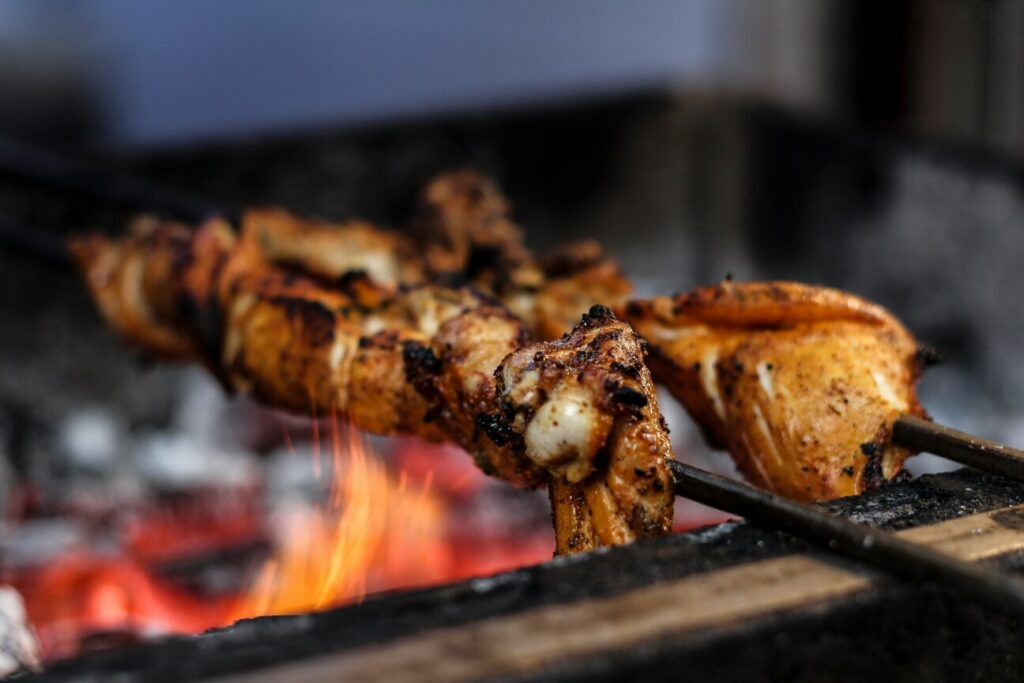
Traditional izakaya menus celebrate Japanese comfort food: grilled yakitori skewers, appetisers, fresh sashimi, crispy fried karaage, grilled meat including tender chicken thigh, pork, and chicken skewers cooked over a charcoal fire, and seafood like fish, prawn (ebi), snow crab, and noodles.
Many menus highlight regional ingredients, with Hokkaido’s bounty enhancing traditional offerings. Its pristine waters provide exceptional seafood for sashimi and grilled fish. The dairy industry contributes unique items like kani tama gratin featuring local crab and cheese.
Seasonal specials reflect Hokkaido’s agricultural calendar, cycling spring vegetables, summer seafood, autumn roots, and winter comfort foods. Grilled skewers may include Hokkaido vegetables alongside chicken and pork, while seafood selections feature tender foie gras when available. Noodles are also commonly offered as part of the menu.
Popular Public Izakaya Dishes vs. Soup Curry
Traditional izakaya dishes like yakitori, tempura, gyoza, and grilled items are designed for gradual picking during drinking and socializing. Many izakaya favorites are served hot, such as steaming hot pot dishes or freshly grilled skewers, adding to their comfort and appeal. Portions are modest to encourage multiple orders and extend the experience. In contrast, soup curry is a substantial, individual meal—a warming broth with vegetables, meat, and spices that demands focused attention.
Both celebrate fresh ingredients, careful preparation, and seasonality but serve different social and culinary purposes. Izakaya meals involve many small shared dishes; soup curry centers on a single, expertly crafted bowl.
Izakaya dining usually begins in the evening as after-work socializing, while soup curry suits lunch or dinner when diners want a hearty, nourishing meal. Unlike thick, sweet Japanese curry, soup curry offers a lighter, aromatic broth highlighting individual ingredients.
The Izakaya Dining Experience
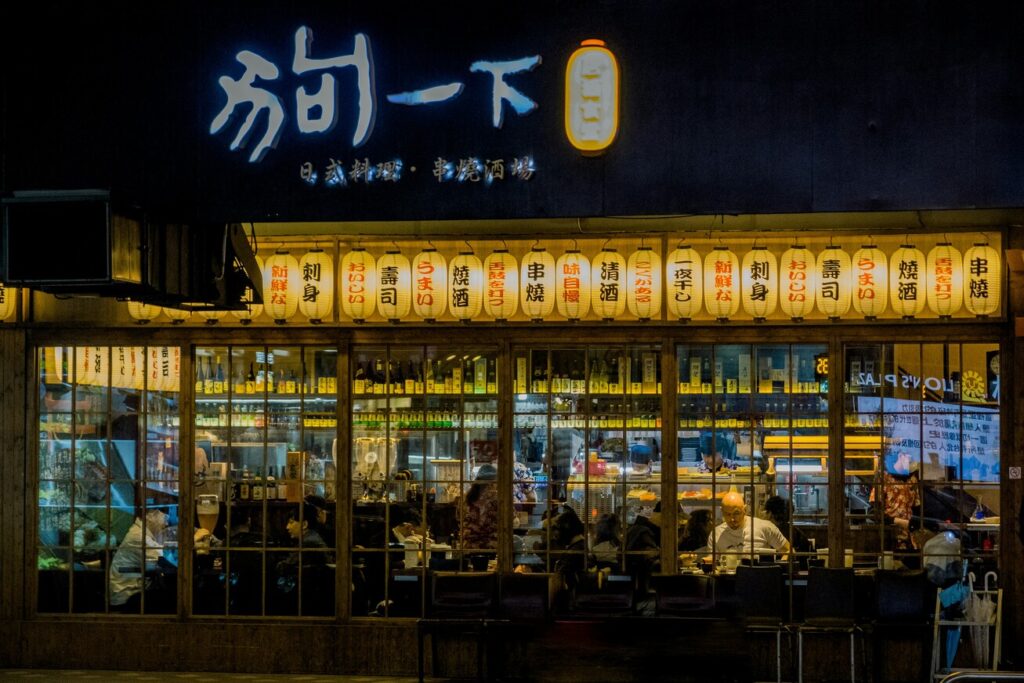
An izakaya’s environment promotes relaxation and social connection.
Seating varies: low tables with cushions for friends, counter seats for solo diners or couples engaging with the chef and appreciating their expertise, and private booths for business or romance.
Dining customs reflect Japanese hospitality and social harmony. Groups receive otoshi upon seating—a small appetizer serving as a table charge and welcome gesture, signaling the communal meal ahead.
Drink culture is central, featuring sake (warm or cold), crisp beer, flavored shochu, and popular highballs. The drinks menu rivals food offerings with seasonal cocktails, regional specialties, and an extensive selection of beverages.
Evening timing is vital—many izakaya serve as transitional spaces between work and home. Colleagues gather post-work to decompress or celebrate. The atmosphere builds from quiet to lively as drinks flow. While guests often linger and enjoy the relaxed pace, some izakaya may enforce a time limit, typically around two hours, during busy periods to accommodate more patrons.
Izakaya Atmosphere vs. Soup Curry Dining
Izakayas offer lively social environments with flowing conversation and laughter, encouraging lingering without time limits. Diners indulge in a variety of dishes like negitoro garlic toast, sushi platters, and donburi rice bowls.
Soup curry dining is quieter and focused on savoring balanced spices, fresh vegetables, and warming broth. Diners engage in more contemplative conversation to appreciate complex flavors.
Both embody Japanese omotenashi—wholehearted service—but express it differently. Izakaya staff create casual warmth, ensuring drinks never run dry. Soup curry establishments focus on timing, temperature, and presentation for optimal enjoyment.
Choosing between izakaya dining and soup curry depends on occasion and experience desired. Izakayas suit long social evenings with shared food and drinks; soup curry offers a satisfying, individual meal showcasing Hokkaido’s culinary innovation.
Hokkaido’s Culinary Identity Beyond Izakaya Culture
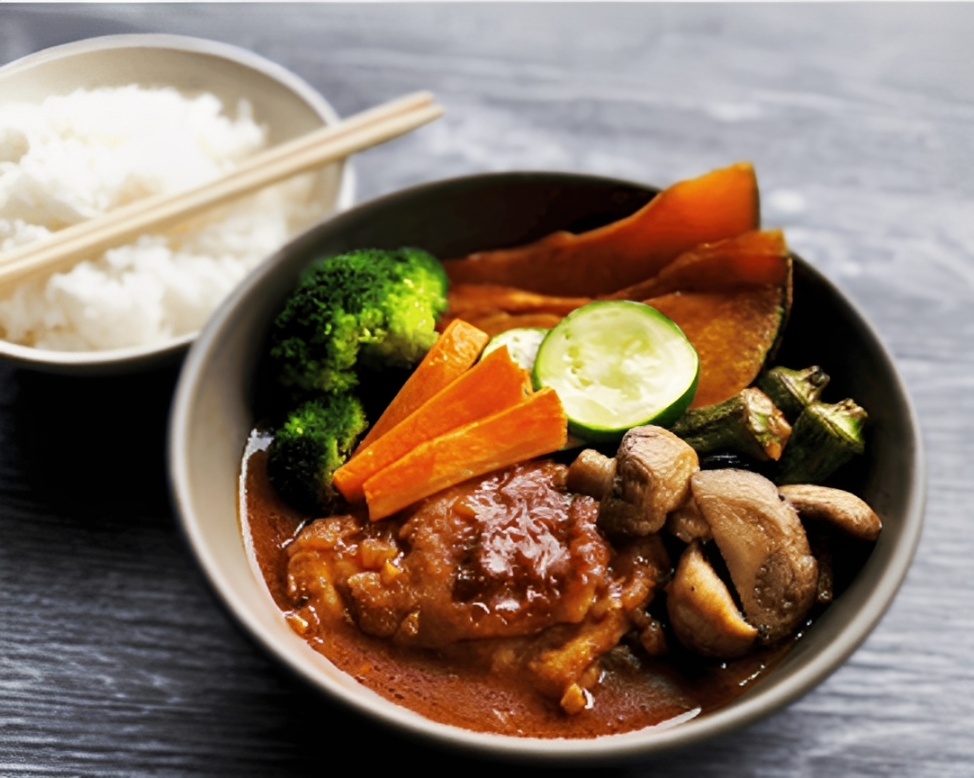
Hokkaido holds a unique place in Japanese cuisine, offering ingredients and flavors distinct from other regions yet connected to broader traditions. Its agricultural abundance, pristine environment, and recent settlement history create a distinct food culture honoring tradition and innovation.
While many izakayas serve similar core dishes with minor regional tweaks, Hokkaido has signature preparations reflecting its environment and culture. The dairy industry, agriculture, and seafood enable dishes not found elsewhere.
Soup curry exemplifies Hokkaido’s innovative spirit. Emerging from a multicultural dining scene, it blends Japanese ingredient focus, Southeast Asian spices, and European soup techniques into a uniquely Japanese dish.
This innovation influences other traditional dishes. Local izakayas feature jaga mentaiko (potato with seasoned cod roe) and grilled Hokkaido beef and seafood. Crispy skin fish, Hokkaido cheese gratin, fresh prawn, and local vegetables highlight the region’s resources.
Casual dining in Hokkaido emphasizes ingredient quality and seasonality more than elsewhere. This focus connects traditional izakaya dining with innovative dishes like soup curry, both celebrating the region’s bounty. Some izakayas further enhance their nostalgic and rustic atmosphere by sourcing authentic memorabilia and decor from antique markets, contributing to a traditional dining environment.
Why Soup Curry Stands Apart
Soup curry’s origins in Hokkaido’s multicultural scene set it apart from traditional Japanese curry and izakaya dishes. It combines Japanese ingredient respect, Southeast Asian spices, and European soup styles into a lighter, aromatic broth allowing ingredients’ flavors and textures to shine.
Vegetable and spice combinations reflect Hokkaido’s agricultural diversity and creative spirit. Chefs experiment with seasonal vegetables, adjust spice levels to complement, and present balanced meals showcasing the best ingredients.
Experiencing Authentic Japanese Dining Culture
Japanese dining offers a rich spectrum reflecting social and culinary values. Understanding izakaya culture helps appreciate other traditions from formal kaiseki to casual ramen and innovative dishes like Hokkaido soup curry.
Izakaya Culture and Japanese Hospitality
Each style serves social and cultural roles. Chain izakaya and independent establishments remain key social spaces where relationships grow over shared food and drinks. Public izakayas in Japan and abroad provide authentic hospitality and traditional dishes alongside beer, sake, and seasonal drinks.
Japan’s dining diversity honors tradition while embracing innovation. Traditional izakayas coexist with modern fusion dishes; noodle dishes appear alongside contemporary classics; regional specialties like soup curry enrich the landscape.
Soup Curry: Hokkaido’s Unique Culinary Spirit
At Soup Curry by Ki-Setsu, we embody Hokkaido’s innovative dining spirit while respecting Japanese culinary traditions. We uphold izakaya principles—quality ingredients, careful preparation, and genuine hospitality—while offering a distinct shared-plate alternative.
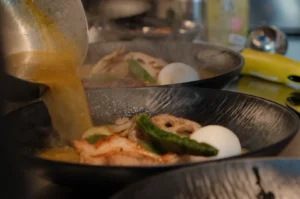
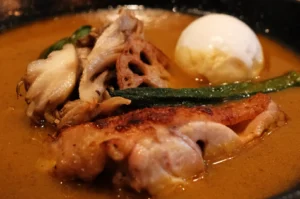
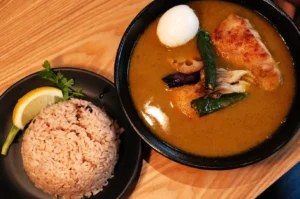
Our menu highlights Hokkaido’s exceptional ingredients through soup curry with seasonal vegetables, tender chicken, fresh seafood, and balanced spices. Unlike shared izakaya plates, each bowl is a complete, satisfying meal showcasing agricultural abundance and culinary creativity.
Plan Your Visit: Authentic Hokkaido Soul Food and Our Opening Hours
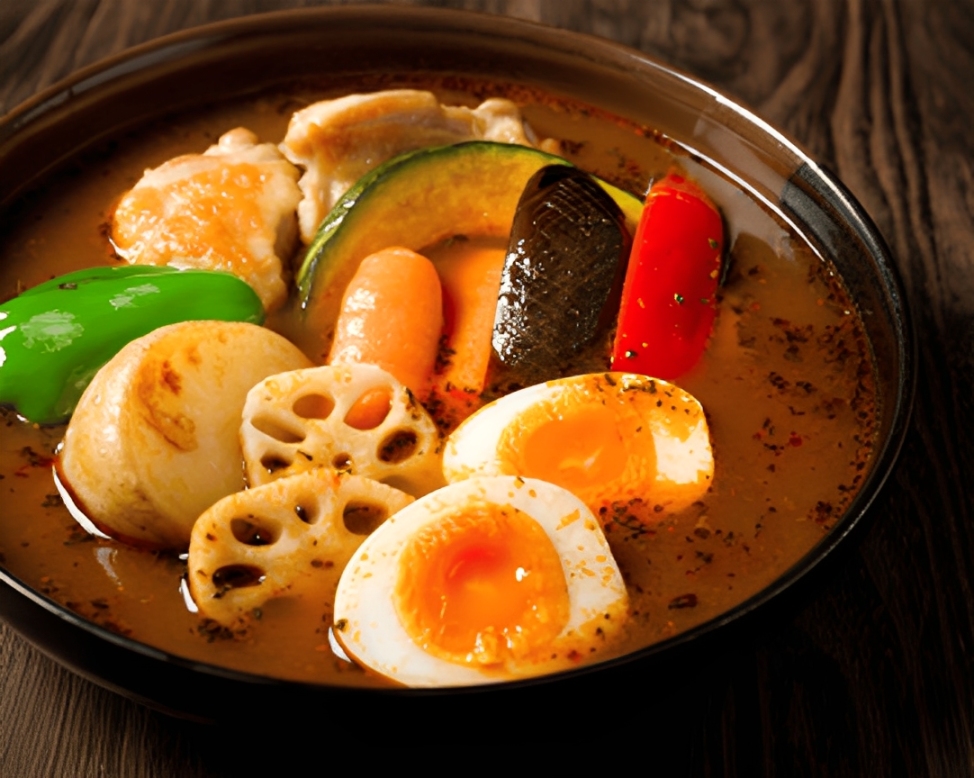
Our restaurant, Soup Curry by Ki-Setsu, shares a culinary lineage reflecting Hokkaido’s casual, quality dining—welcoming, unpretentious, and focused on exceptional regional cuisine. This hidden gem is perfect for those seeking authentic Japanese dining experiences that stand out from the usual options. Whether familiar with izakaya culture or new to Japanese dining, soup curry offers an accessible introduction to Hokkaido’s unique culinary identity.
Located in Singapore, we invite you to explore both traditional izakaya dining and authentic Hokkaido soup curry. Each provides insight into Japanese food culture and distinct, memorable experiences, bringing the flavors of Hokkaido to Singapore’s vibrant food scene. Reserving a table ensures you enjoy the care and quality defining authentic soup curry.
The link between izakaya culture and Hokkaido cuisine reveals Japan’s dynamic food traditions—rooted in history and social customs yet evolving with new influences and regional traits. Visit Soup Curry by Ki-Setsu to taste Hokkaido’s creative spirit honoring tradition with fresh, delicious innovation.