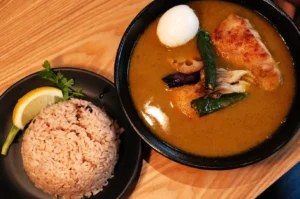
Singapore has always been ahead of the curve when it comes to Japanese cuisine. From the ramen revolution that swept the island in the early 2000s to the current obsession with omakase, Singaporeans have consistently embraced authentic Japanese flavors. But while diners queue for their favorite bowl and reserve tables weeks in advance for premium experiences, a gap has emerged in the market. The question isn’t whether Singapore is ready for the next Japanese food trend—it’s what that trend will be.
Enter soup curry, Hokkaido’s beloved soul food that represents the perfect fusion of aromatic spices and comforting broth. This isn’t just another addition to Singapore’s already saturated Japanese dining scene; it’s a strategic evolution that aligns perfectly with local palates and emerging food trends. As the food industry continues to evolve, we, at Soup Curry by Ki-Setsu, stand as champions of this dish, positioning it to become Singapore’s next major Japanese culinary import.
The Next Japanese Food Frontier: Beyond Favorite Soups
The Singaporean Palate and Japanese Cuisine
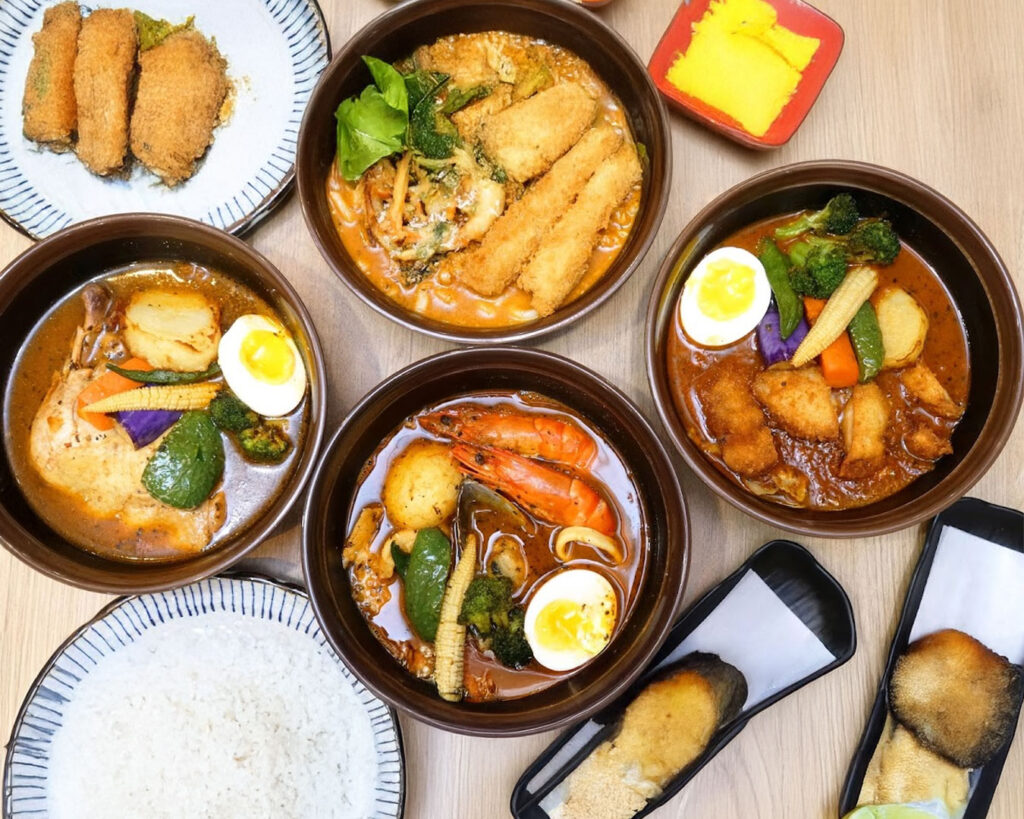
Singapore’s relationship with Japanese cuisine runs deep, extending beyond trendy dishes. The city-state’s diners have developed sophisticated palates for authentic flavors, creating fertile ground for nuanced Japanese dishes. The success of ramen culture in Singapore tapped into local love for complex, brothy soup recipes. Similarly, yakitori and traditional curry rice offered familiar comfort with new flavors. However, market saturation with these categories now creates space for innovative culinary imports.
Singapore’s enduring love for a hearty, satisfying meal centered on a bowl of soup is key. While many associate soup with cold weather or traditional Western soup season, Singapore’s consistent climate demands year-round comfort. This demand is reflected in popular soup recipes worldwide, such as the comforting chicken noodle soup, earthy mushroom soup, elegant potato leek soup, and maritime clam chowder. These favorite soup recipes prove soup’s universal appeal.
This cultural appreciation for soup-based meals creates an ideal environment for soup curry’s introduction. We recognize this inherent Singaporean appreciation for broth as a cornerstone of our success.
Why Soup Curry is Poised to Succeed
Singapore’s established preference for brothy and soup-based dishes provides the perfect foundation for soup curry’s success. Local favorites like laksa and bak kut teh have conditioned diners to appreciate complex, aromatic broth as a complete meal. This cultural framework means soup curry won’t feel foreign—instead, it will feel familiar yet excitingly different.
The health-conscious dining trend that has swept Singapore also favors soup curry’s lighter profile. Unlike traditional thick Japanese curry, which can feel heavy in Singapore’s tropical climate, soup curry offers the satisfying flavor of curry spices without the dense, roux-based consistency.
This lighter approach aligns perfectly with the growing demand for meals that are both indulgent and health-conscious. Unlike the heavy, creamy base of a creamy mushroom soup or the richness derived from heavy cream in many Western potato soup recipes, soup curry achieves depth through its concentrated chicken broth and spices. It is not built on a creamy texture derived from dairy, but rather a rich, layered broth. Our commitment to using authentic, slow-simmered chicken broth is paramount to delivering this light yet intense flavor.
What is Soup Curry? Differentiating the Broth from Noodle Soup
Hokkaido’s Signature Dish
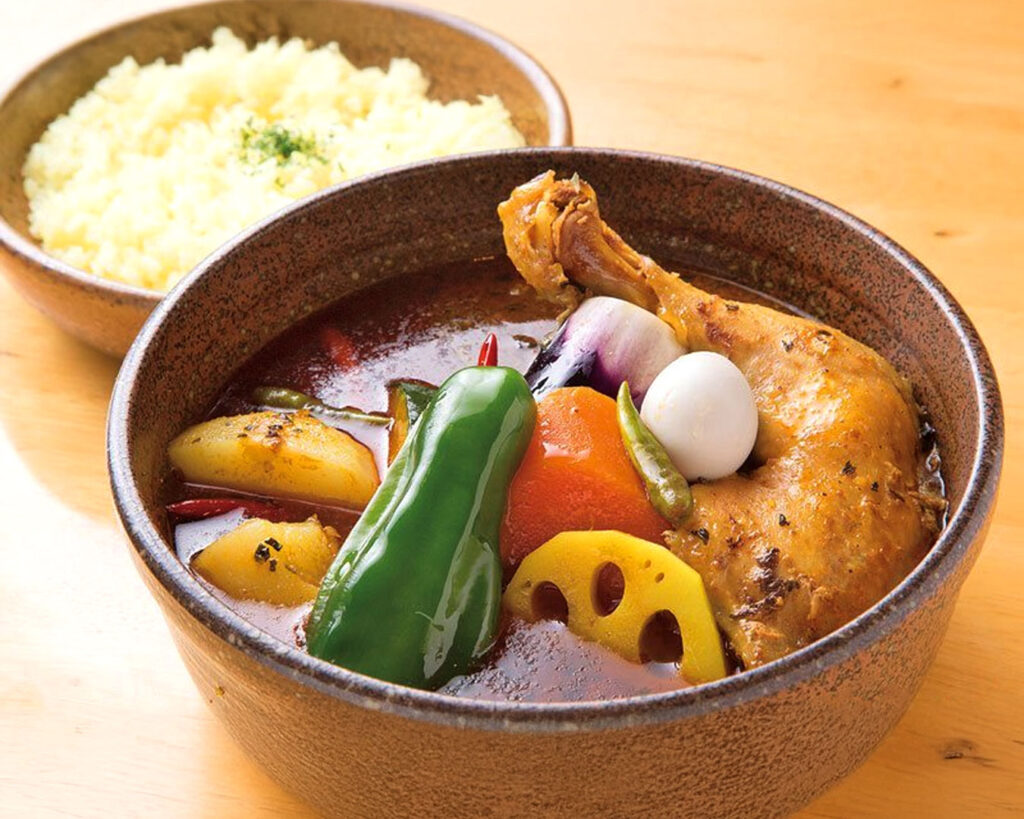
Born in Sapporo, Hokkaido, in the early 1970s, soup curry represents a unique fusion of curry spices and Japanese soup culture. It emerged from Hokkaido’s unique position as a region with harsh winters, abundant fresh produce, and a culinary culture open to innovation.
The development of soup curry showcases Japanese culinary innovation at its finest. It takes the comforting, healing properties associated with traditional Japanese soup recipes and enhances them with the complex spice profiles typically found in curry preparations. This internal fusion created something entirely new while remaining distinctly Japanese in its approach to balance and presentation.
What makes soup curry particularly special is its role as Hokkaido’s signature comfort food. In a region known for exceptional vegetables, soup curry serves as the ultimate expression of local ingredients elevated through careful preparation. The dish embodies the Hokkaido philosophy of letting high-quality ingredients shine while providing the warming, restorative qualities essential for surviving winter long. We bring this exact philosophy of ingredient focus and restorative qualities to Singapore.
Key Differentiation: Broth vs. Roux
The fundamental difference lies in their base preparation. Traditional Japanese curry relies on a thick roux, creating the familiar dense sauce. Soup curry, however, uses a deep, flavorful chicken broth foundation seasoned with curry powder and garam masala, resulting in a transparent, aromatic soup. This fundamental difference makes it an ideal meal for Singapore, especially when compared to noodle soup predecessors like ramen. We commit to this strict, hours-long broth preparation to ensure the maximum depth and purity of the broth.
Where thick, heavy curry can feel overwhelming in humid weather, soup curry’s lighter profile provides satisfying flavors without the dense, coating sensation. The aromatic steam rising from the bowl carries complex spice notes that stimulate appetite rather than overwhelming the senses, making it ideal for year-round consumption. This is a stark contrast to heavier options. For instance, while some creamy beans dishes, or those using a base of coconut milk, offer richness, soup curry achieves a similar rich satisfaction through broth concentration. It is an ideal go to recipe for those seeking depth without density.
Essential Ingredients: From Potato Soup to Gourmet Spices
Aromatic Complexity Without Heaviness
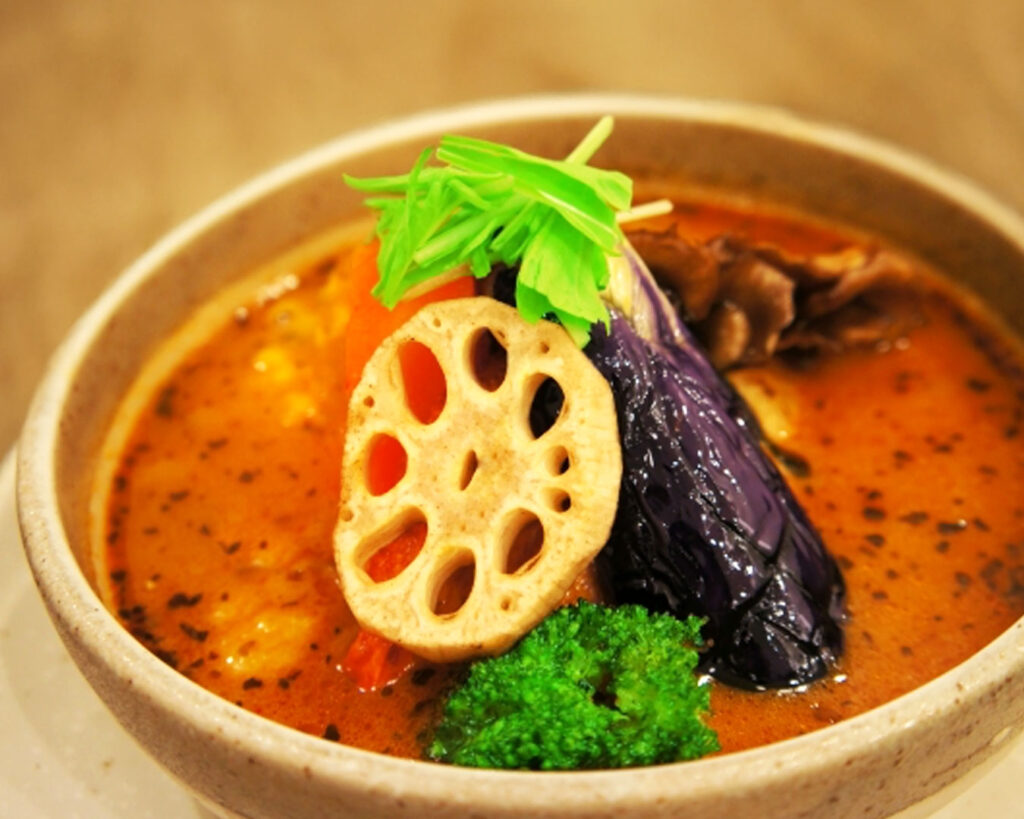
The sophisticated flavor profile begins with carefully prepared chicken broth, simmered for hours. This base provides the clean taste that allows the curry powder and garam masala to add complexity. Unlike creamy soups that can feel rich to the point of discomfort, soup curry achieves depth through layered spicing rather than fat content. This sophisticated approach appeals to Singapore diners who have developed refined palates. It is pure comfort food that doesn’t sacrifice culinary sophistication.
Temperature plays a crucial role in soup curry’s appeal. Served hot enough to release aromatic steam, the dish creates an immersive dining experience. However, the brothy consistency means it cools to comfortable eating temperature more quickly than thick, traditional curry, making it practical for tropical dining conditions.
Vegetable Variety and Presentation (Visual & Health Appeal)
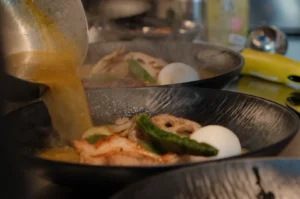
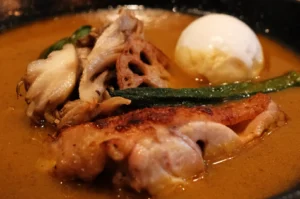
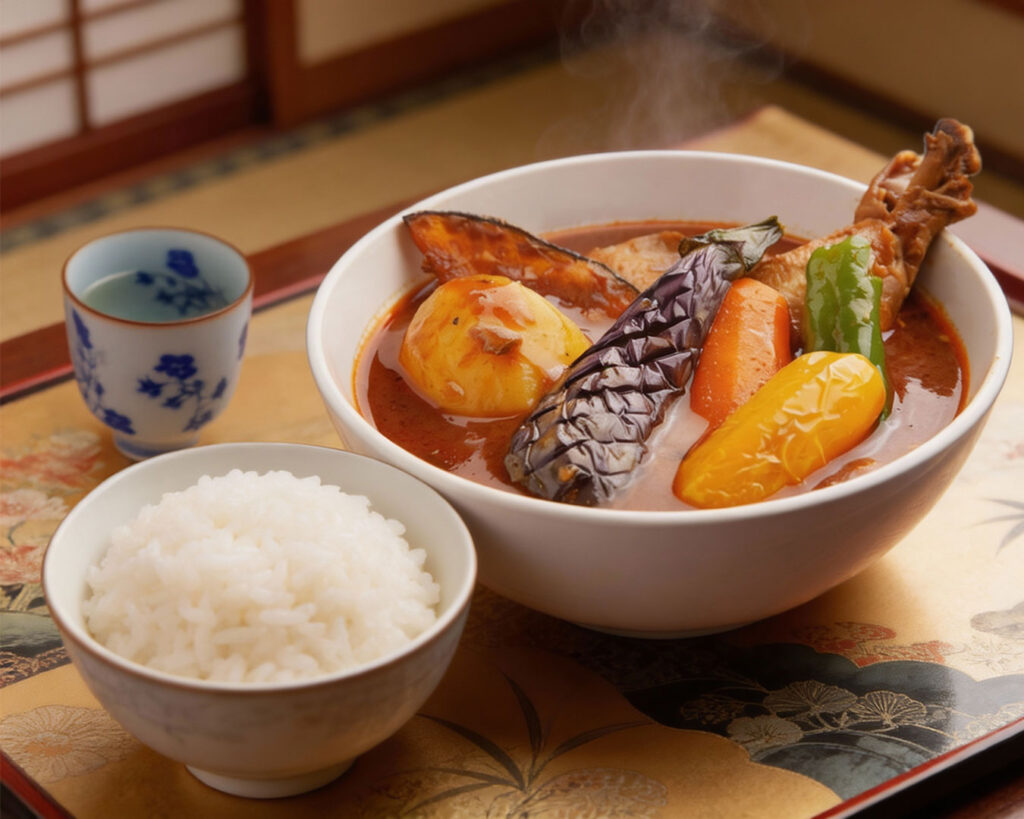
Soup curry’s treatment of vegetables represents a perfect intersection of health consciousness and visual appeal. Rather than dissolving, the dish features whole, deep-fried seasonal vegetables that maintain their integrity and vibrant colors.
Typically, a large pot is used to cook the base, while the vegetables—including potatoes, carrots, onion, and garlic—are prepared separately to retain distinct textures. Sweet potatoes may add natural sweetness, and a touch of acidity from tomatoes offers brightness similar to fresh tomatoes in classic tomato soup. Unlike rich potato soup made with heavy cream, soup curry highlights potatoes using only the flavorful broth base. We carefully select seasonal vegetables to ensure quality and presentation.
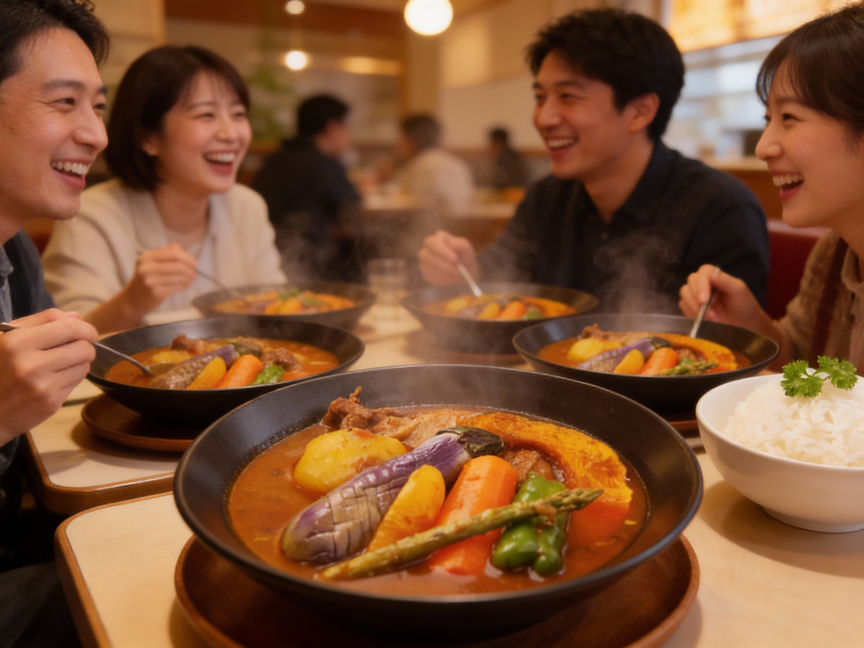
The visual appeal of soup curry also aligns with contemporary dining trends. The contrast of colorful, whole vegetables floating in a golden broth delivers on visual presentation. Unlike traditional curry where ingredients dissolve into a uniform brown sauce, soup curry celebrates each component individually—vibrant bell pepper and other vegetables maintain their distinct appearance and texture.
The health benefits of this vegetable-forward approach are substantial. Each bowl provides diverse vegetables, addressing the common challenge of making healthy eating enjoyable rather than obligatory. The visual contrast and quality of the vegetables make for inherently beautiful food.
Beyond the Bowl: Interactive Dining and Custom Spice
The interactive nature of soup curry dining creates engagement. Unlike traditional soup recipes where everything is pre-mixed, soup curry requires active participation from diners who control how much rice to dip into the flavorful broth. This customization element appeals to Singapore’s dining culture, where personal preference is highly valued. We designed our entire experience around this interaction, offering multiple broth and spice level choices (including optional coconut milk base) to ensure maximum personalization.
Spice level customization represents another layer of personalization. This flexibility means soup curry can accommodate various settings, from mild lunch preferences to intensely spicy preparations that challenge experienced chili lovers. The serving style encourages a more leisurely pace, inviting diners to savor each component. This natural pacing aligns with Singapore’s growing appreciation for mindful dining experiences. The dish offers an extra hearty and fulfilling meal.
The Market Opportunity: Setting the Trend in Singapore
Carving the Niche: Soup Curry’s SG Market Attack
Successfully positioning soup curry requires understanding its unique value proposition as the Soul Food of Northern Japan. This positions it as pure comfort food with sophistication. This timing for its introduction couldn’t be better. As diners seek alternatives to familiar Japanese options, soup curry offers familiarity through its soup format while providing novelty through its unique spice profile. This balance of familiar and fresh addresses market fatigue with existing categories.
The market has room for an extra hearty contender. For example, globally, many turn to bean soup varieties, such as split pea soup, cabbage soup, or white bean soup (sometimes prepared with cheesy tortellini or Italian sausage for an absolutely love-able rich meal), for deep satisfaction. Similarly, black bean soup, sometimes seasoned with smoky paprika and green chiles, serves as a fan favorite go to recipe for a filling dinner. Soup curry taps into this same deep-seated desire for a substantial, hearty soup, but delivers it through a clean, light Japanese lens.
Authentic Hokkaido Soup Curry Today
The success of the trend relies on the commitment to authentic preparation. This authenticity factor becomes a crucial differentiator. The evening transformation into a cozy izakaya experience showcases the versatility of the soup.
Our dual concept maximizes space utilization while creating different atmospheric experiences. At Soup Curry by Ki-Setsu, lunch service can focus on the comfort of soup curry as a complete meal, while evening service appeals to Singapore’s after-work socializing culture. The preparation, whether using a Dutch oven for deep broth simmering or a large pot for the vegetables, speaks to the care taken in the cooking process. We believe this blending of authentic Hokkaido methods with a versatile dining atmosphere is essential for establishing the trend.
Why Soup Curry Wins Over The Most Popular Soup Recipes
Soup curry satisfies multiple converging trends: the demand for healthier options, the appetite for novel Japanese cuisine, and the preference for customizable dining. These factors create ideal market conditions. It represents the logical next step in Japanese cuisine’s evolution in Singapore. The market has been educated and primed for exactly this type of innovation.
The convergence of health consciousness and appetite for culinary adventure creates a perfect storm of opportunity for soup curry. While many consider chicken soups and heavy stews to be the best soups for the winter long, soup curry provides the same sense of pure comfort food without the associated heaviness, making it ideal for the tropics. The simple ingredients, from potatoes and carrots to chicken and fresh tomatoes, are transformed by the unique broth and spices. Early adopters who introduce authentic soup curry now have the potential to establish category leadership before competitors recognize the opportunity. We, at Soup Curry by Ki-Setsu, aim to be the torchbearers of this delicious, unique northern Japan soul food. The timing is now.