In a city as culinarily diverse as ours, Japanese food Singapore is more than just a dining category; it is a local obsession. From the brightly lit basements of Ngee Ann City to the hidden gems in heritage shophouses, the sheer volume of options for Japanese dining Singapore is staggering. Whether you are seeking a refined sushi bar experience or a casual meal in a bustling mall, the choice is endless. Yet, as diners become more sophisticated, they begin to look beyond the convenience of a typical Japanese restaurant found in every shopping center. They seek the specific, regional flavours of Japan.
At Soup Curry by Ki-Setsu, we believe that authenticity isn’t just a marketing buzzword—it is a sacred promise. To truly respect the heritage of Japan is to refuse the dilution of its flavors. In this article, we explore why seeking the “real deal” matters and how we are bridging the gap between Singapore and the snowy streets of Hokkaido. We believe that the Japanese dining experience should be an immersive journey, one that respects the traditional while providing a modern interpretation of comfort.
The Authenticity Problem: Finding a True Japanese Restaurant in a Modern World
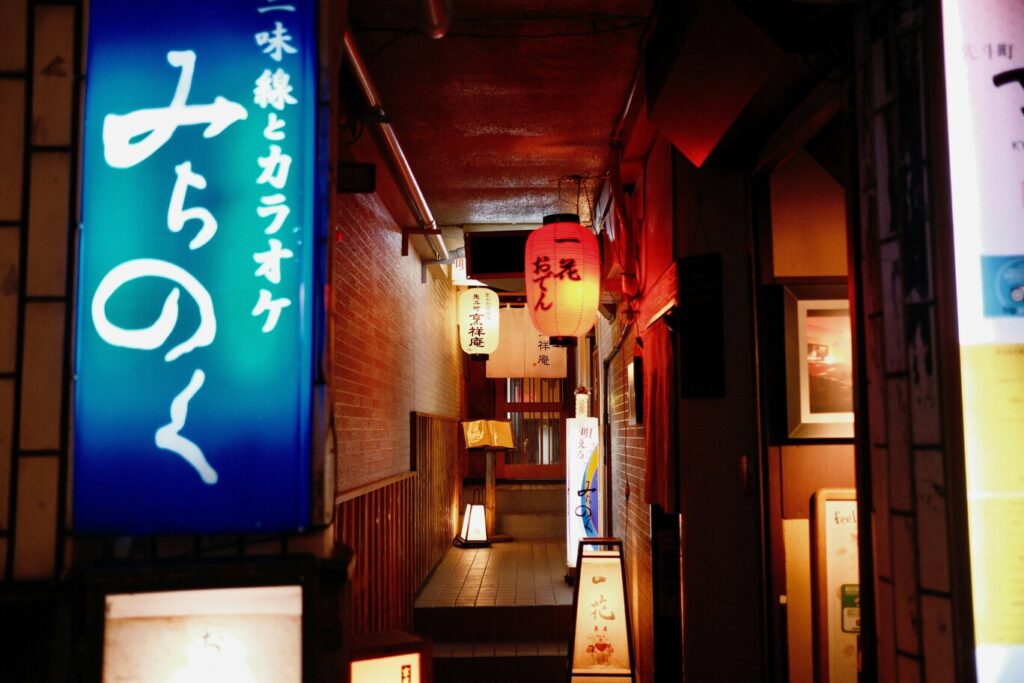
Singapore is home to thousands of Japanese eateries, but many operate on a “one-size-fits-all” model. To appeal to the widest possible audience, regional nuances are often smoothed over. While these establishments offer convenience, they often lack the “soul” of the dish. From the fast-paced outlets in Far East Plaza and East Plaza to the crowded corridors of Cuppage Plaza or Fortune Centre, the shift toward efficiency over heritage is evident. Many best Japanese restaurants in the city are struggling to maintain the high standards of fresh ingredients as they scale, leading to a landscape filled with modern Japanese dishes that lack a historical anchor.
When a dish is localized or simplified for mass production, the first things to disappear are the complex base stocks and the patient simmering times that define Japanese cuisine. For those seeking a true Japanese dining experience, the result is often a meal that looks right but tastes incomplete. Authentic Japanese cooking is notoriously labor-intensive, requiring a chef who understands that there are no shortcuts to a perfect broth. Whether you are in Holland Village, Mandarin Gallery, or International Plaza, the search for a meal that hasn’t been “adjusted” for the local palate can be difficult.
Defining the Art of Japanese Cuisine Through Heritage
Authenticity in Japanese cooking is built on an unbreakable respect for fresh ingredients and traditional preparation. It begins with the fresh quality of the seafood and meat, but it extends to the very vessel used in the kitchen. A heavy bottomed pot is essential for maintaining the steady heat required for a rich stock, while a wire rack and paper towels are necessary to ensure that fried elements remain crisp rather than greasy. This attention to detail is what separates a standard Japanese restaurant from an exceptional one.
In a world of modern Japanese dishes, the true Japanese restaurant stands out by focusing on seasonal produce and seasonal ingredients. Instead of relying on a thick broth thickened with flour—as seen in typical Japanese curry—authenticity demands a depth of flavor achieved through time. Whether it is a small bowl of miso soup or a complex omakase, the total bill should reflect the exceptional quality of the food.
Authenticity is also about the recipe. When searching for a review recipe online, one often finds simplified versions that skip the crucial steps. A real Japanese kitchen doesn’t just follow a set of instructions; it follows a philosophy. The chef must manage the balance of ginger, garlic, and spices to ensure the taste is layered rather than overwhelming. This is why Japanese recipes passed down through generations are so guarded. They represent a cultural lineage that cannot be replicated by a machine or a pre-mixed sauce.
Why the Traditional Japanese Curry Differs from Regional Varieties
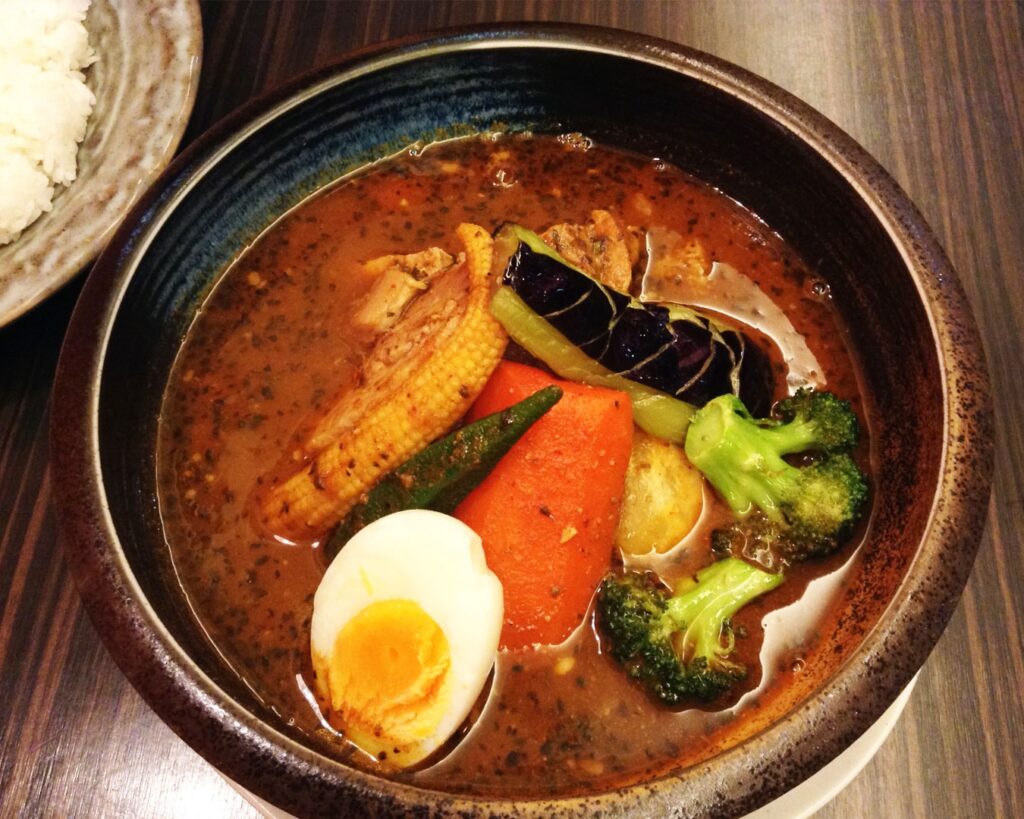
While many are familiar with traditional Japanese curry or the sushi found across Singapore, Hokkaido offers a culinary landscape that is honest and warming. Born in the cafes of Sapporo in the early 1970s, Sapporo soup curry represents the perfect marriage of Japanese broth-making and medicinal spice blending. Unlike typical Japanese curry, this is a light curry flavored soup base that prioritizes the clarity of the chicken broth.
To truly understand how this spicy broth became the island’s signature comfort food, one must appreciate its origins as a “soul food” meant to nourish the body during harsh northern winters. You can learn more about this journey in our dedicated feature: Soup Curry Hokkaido: How a Spicy Broth Became the Island’s Signature Comfort Food.
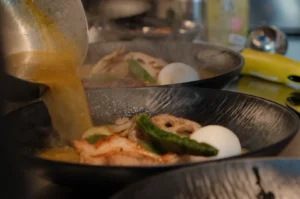
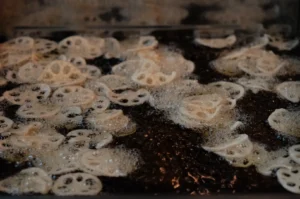
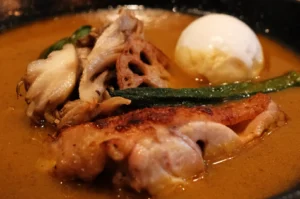
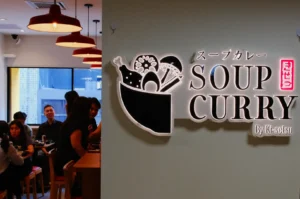
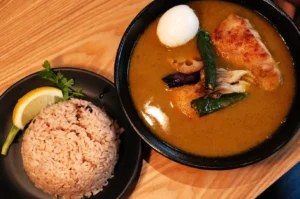
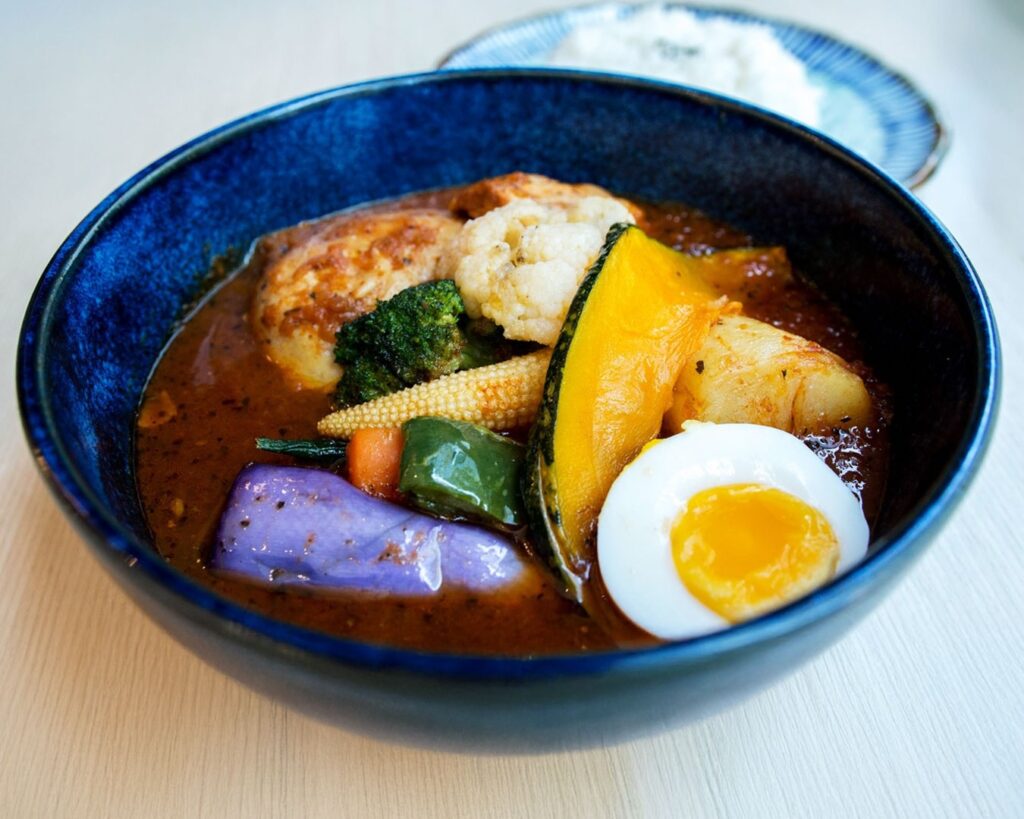
As Singapore’s first and only authentic Hokkaido food Singapore restaurant, Soup Curry by Ki-Setsu was founded to fill a void. Our chef Masa brings decades of expertise to the kitchen, ensuring that every bowl captures the true taste of the north. This recipe involves a complex curry soup made with high-quality curry powder, garam masala, and a hint of ginger. The vibrant colors of our deep fried vegetables—including bell peppers, lotus root, eggplant, and potato—are achieved by frying them to a perfect golden brown before they are added to the soup.
The preparation is an art form. We don’t just throw vegetables into a pot. Each piece is handled with care, ensuring that the lotus root maintains its snap and the eggplant remains creamy. This is the hallmark of best Japanese cooking—where even the humblest potato is treated with the same respect as a premium cut of meat.
Moving Beyond Simple Japanese Recipes for Real Depth
Finding the best Japanese restaurants often means looking past the flashy interiors of Ngee Ann City or the trendy spots in Thomson Plaza. True excellence is found in the details of the menu. At Soup Curry by Ki-Setsu, our menu items are designed to be enjoyed at a specific pace. We serve our curry with a side of steamed rice, allowing you to eat by dipping the rice into the broth to savor the fresh infusion of spices. This ritual is part of the dining experience.
Many establishments in Singapore offer dry ramen or quick sushi sets to hit a minimum spend or manage high turnover. However, a real meal should not be rushed. When you sit at our table, you are participating in a tradition of hospitality. We believe that every Japanese dish should be a reflection of its origin. This is why we avoid the diluted versions often found in large chain restaurants or the overly simplified Japanese recipes that lack the nuances of a professional kitchen.
Our focus remains on the total bill representing value through quality. We source the best chicken, the freshest seafood, and seasonal ingredients to ensure that every soup we cooked meets the standards of Sapporo. Whether you are looking for a hearty lunch or a quiet dinner, the fresh aroma of curry powder and slow-simmered broth creates an atmosphere that transports you straight to Japan.
Sourcing the Best Japanese Ingredients for Sapporo Soup Curry
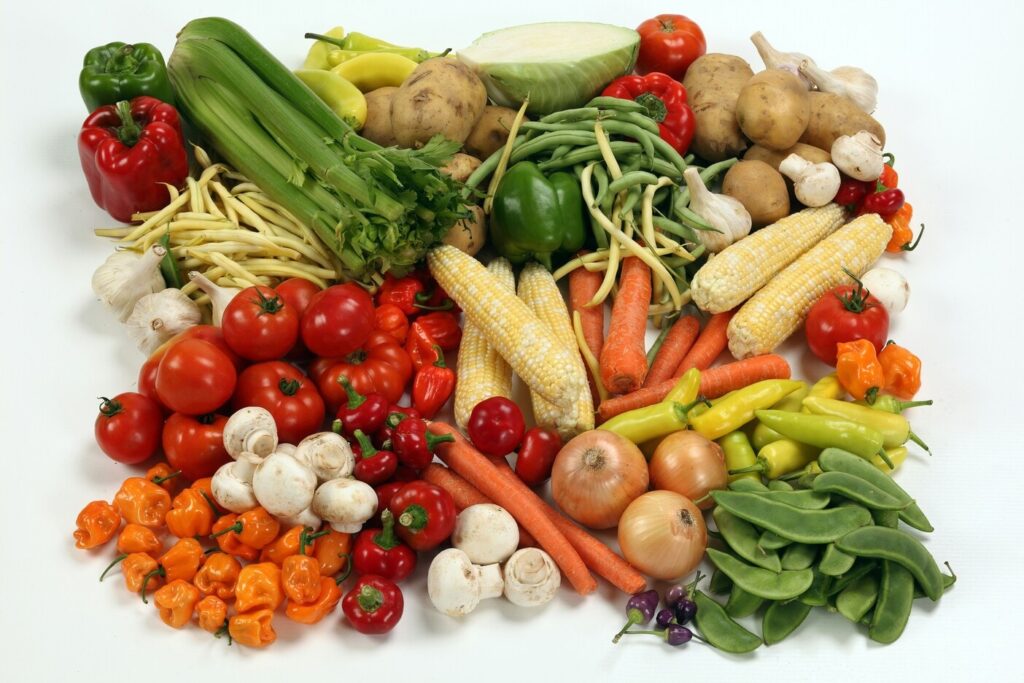
A significant part of our promise to Japanese food lovers is the way we source our seasonal produce. In Hokkaido, the quality of the soil leads to incredibly flavorful vegetables. To replicate that Japanese dining experience here, we must be selective. We look for bell peppers that have a natural sweetness and potato varieties that hold their texture in a curry soup.
The technique of making Sapporo soup curry is vastly different from a traditional Japanese curry. While the latter is often thick and served over rice, our light curry flavored soup is a testament to the power of a well-made chicken broth. We use a heavy bottomed pot to simmer the bones and aromatics for hours, extracting every bit of umami. Before the dish reaches your table, it has undergone a process of refinement that a typical Japanese curry simply doesn’t require.
When we prepare our deep fried vegetables, we use a wire rack to ensure they are never oily. This attention to detail ensures that the vibrant colors stay bright and the textures remain distinct. This is the difference between a meal and a dining experience. It is why authenticity matters—because without these steps, the food loses its identity.
Creating an Authentic Dining Experience for Discerning Guests
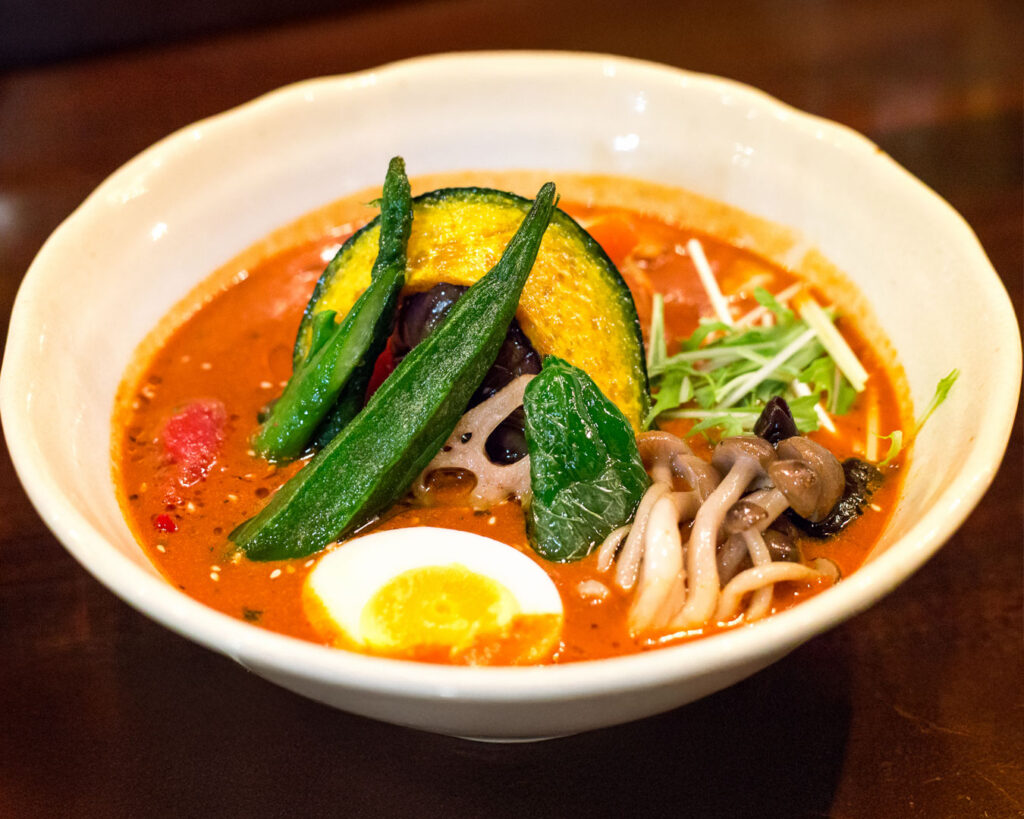
Choosing an authentic meal is an act of cultural appreciation. When we seek out the true flavours of a region, we are not just looking for a Japanese restaurant near us; we are connecting with the history and the people of Japan. In a world of fast food and globalized menu items, the promise of authenticity is our way of respecting our guests and the Japanese cuisine we love.
We invite you to step away from the familiar sushi and ramen to discover the depth of Hokkaido’s soul food. At Soup Curry by Ki-Setsu, we don’t just serve food; we serve a heritage. Whether it’s the specific blend of garam masala or the way we prepare our chicken, every element is a reflection of our promise to you.
Come and eat with us, and see why we are considered one of the best Japanese destinations in Singapore for those who value the real taste of Sapporo. It is an experience that enriches your understanding of what Japanese dining can be—warm, complex, and entirely genuine. Your total bill is a small price for a journey across the sea, and we look forward to welcoming you to our table to share a bowl of our signature soup curry.