Stepping into a lively Japanese dining space at the end of a long day offers a unique kind of comfort. The atmosphere hums with conversation, glasses clink in celebration, and the rich scent of simmering broth and grilled snacks fills the air. This welcoming environment is the hallmark of the izakaya. For decades, these establishments have served as the beating heart of Japanese culinary and social culture.
To truly appreciate this enduring tradition, we must explore how the izakaya was invented and why it remains such a vital part of dining today. At our restaurant, we deeply value the history behind this cultural phenomenon. Understanding its origins helps us appreciate why people still gather to share food, drinks, and good company.
How Was the Izakaya Invented in Early Japan?
The story of how the izakaya was invented begins in the Edo period. During this vibrant era of Japanese history, sake was traditionally sold in dedicated liquor shops known as sakaya. Customers would purchase their preferred beverages in large wooden casks or ceramic jugs to carry back and consume at home. However, a significant shift occurred when shop owners noticed a change in consumer behaviour. Many patrons, weary from their daily labours, preferred to drink their purchases immediately rather than wait until they returned to their residences.
To accommodate this growing desire for immediate refreshment, sakaya owners began placing simple wooden benches or empty barrels outside their storefronts. This modest addition allowed customers to sit, rest, and enjoy their sake directly on the premises. The term “izakaya” itself translates perfectly to this new practice. It elegantly combines “i” meaning to stay or sit, and “sakaya” meaning sake shop. The invention was not a sudden, dramatic culinary revolution. Instead, it was a natural, organic evolution of hospitality. By offering a physical place to sit, these resourceful merchants transformed simple retail transactions into vibrant social experiences. This foundational concept of staying to drink remains the core identity of the establishment today.
Why Did the Invented Izakaya Begin Serving Food?
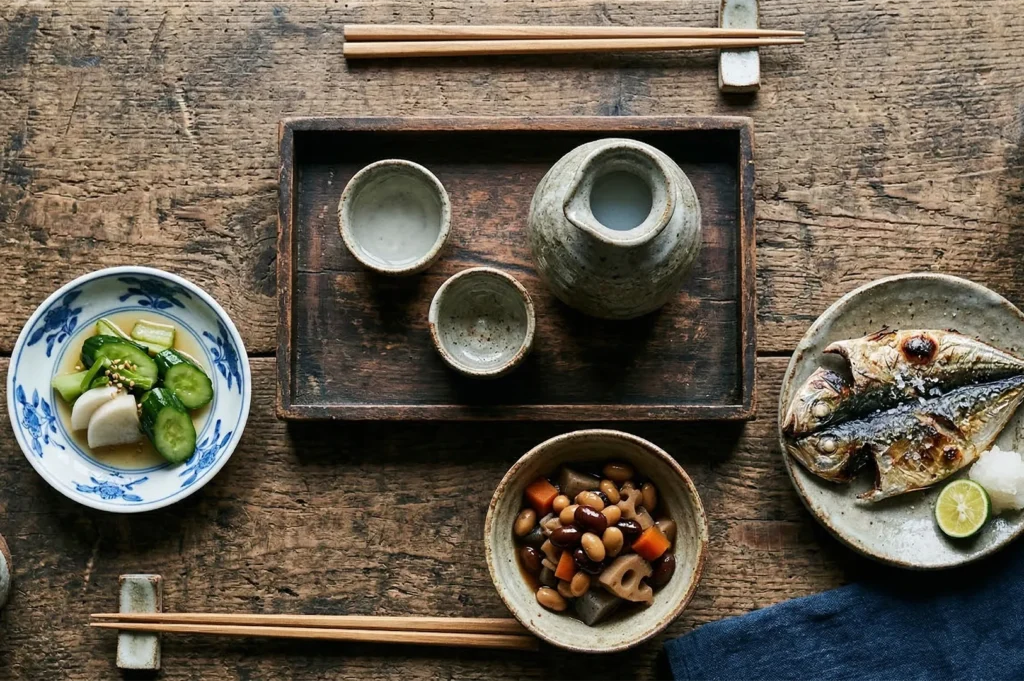
As the trend of sitting at the sake shop grew in popularity, patrons naturally began requesting small bites to accompany their drinks. Drinking alcohol on an empty stomach was far from ideal, and the merchants quickly responded by offering simple, easy-to-prepare snacks. Initially, these early menus consisted of basic, readily available items like pickled vegetables, simmered beans, or dried fish. This seemingly small addition of food marked a crucial turning point in how the izakaya was invented. It transitioned the space from a makeshift drinking spot into a genuine dining destination.
Over time, the culinary offerings expanded significantly. Cooks began experimenting with fresh, regional ingredients to create small, shareable plates designed specifically to complement the complex, nuanced flavours of sake. This culinary expansion solidified the establishment’s role in society. It became a democratic space where people from all walks of life could gather for affordable, deeply satisfying food and drink. The focus was never on formal, structured, multi-course meals. Instead, the emphasis was placed entirely on relaxed, communal dining. Guests were encouraged to order dishes gradually as the evening progressed, creating a rhythmic flow of food that kept conversations lively and glasses full.
Why Does the Izakaya Still Exist in Modern Society?
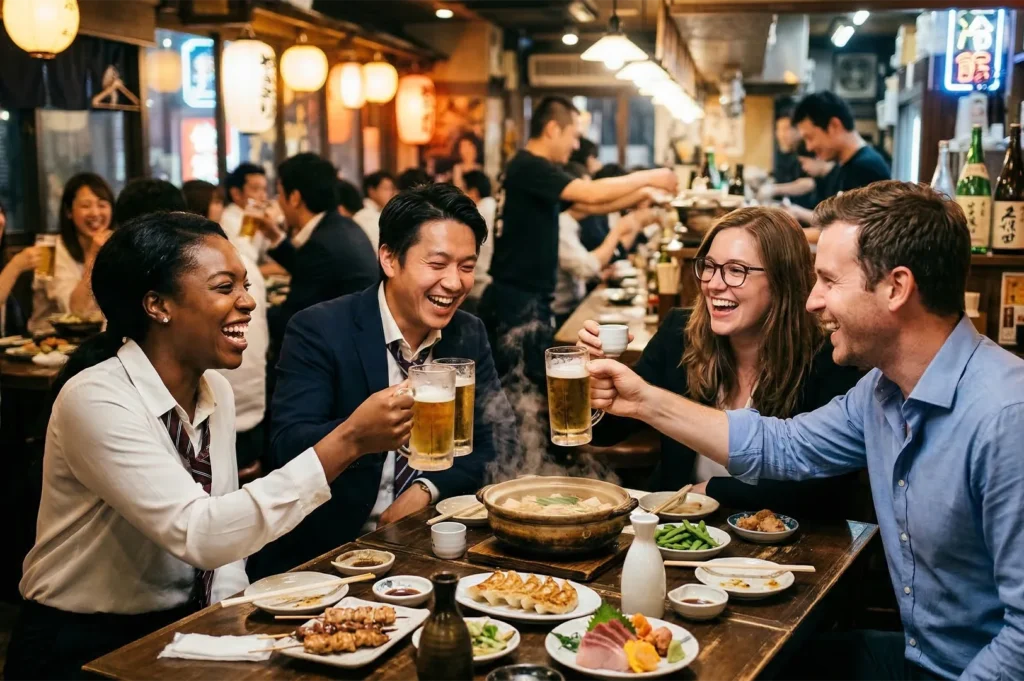
Centuries after its modest inception, one might wonder why this traditional format continues to flourish in our rapidly changing world. The reason the izakaya still exists lies in its unique, unwavering ability to foster authentic human connection. In modern society, people often seek a refuge between the pressures of their workplaces and the responsibilities of their homes. The izakaya provides this exact sanctuary. It operates as a vital “third place” where formalities are checked at the door, ties are loosened, and guests can truly unwind.
You can order a few small plates, share a warm bottle of sake, and let the natural flow of conversation dictate the pace of the meal. This unparalleled flexibility makes it the perfect setting for casual catch-ups, joyous business celebrations, or quiet, restorative evenings with close friends. The atmosphere is deliberately unpretentious and universally welcoming, ensuring that every single guest feels an immediate, comforting sense of belonging.
How the Izakaya Spirit Aligns with Sapporo Soul Food
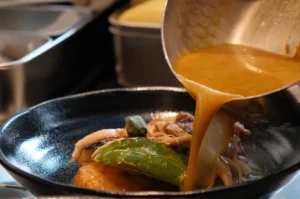
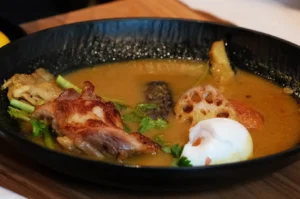
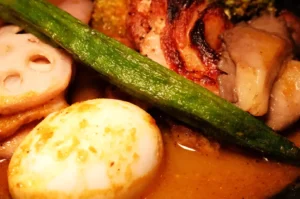
While the traditional format originated with simple sake shop snacks, its underlying philosophy of comfort aligns perfectly with other regional culinary traditions. In the early 1970s, the snowy city of Sapporo birthed its own iconic soul food. Residents sought intense warmth and rich nourishment during the freezing, unforgiving Hokkaido winters. They found their salvation in soup curry, a light, deeply aromatic curry-flavoured soup base made with slow-simmered chicken broth, complex curry powder, and warming garam masala.
At first glance, this rich, watery broth served with steamed rice on the side might seem distinct from typical sake shop fare. However, the underlying purpose of both culinary traditions is identical. Both concepts exist entirely to warm the physical body and comfort the emotional spirit. They are meticulously designed to be enjoyed in a cosy, welcoming environment where the heavy stresses of the day simply melt away. Integrating the soul-warming nature of Hokkaido comfort food with the lively, communal energy of a shared dining space creates an experience that honours the very best of Japanese hospitality.
Why Does the Izakaya Concept Continue to Thrive at Our Restaurant?
By understanding the history of the izakaya, we can bring its authentic, joyous spirit to life every day. It’s the lively atmosphere, the genuine warmth, and the shared pleasure of dining together that make a meal truly great, going beyond just exceptional ingredients or precise cooking. We strive to capture the welcoming essence of those early Edo period sake shops while celebrating the rich culinary heritage of northern Japan.
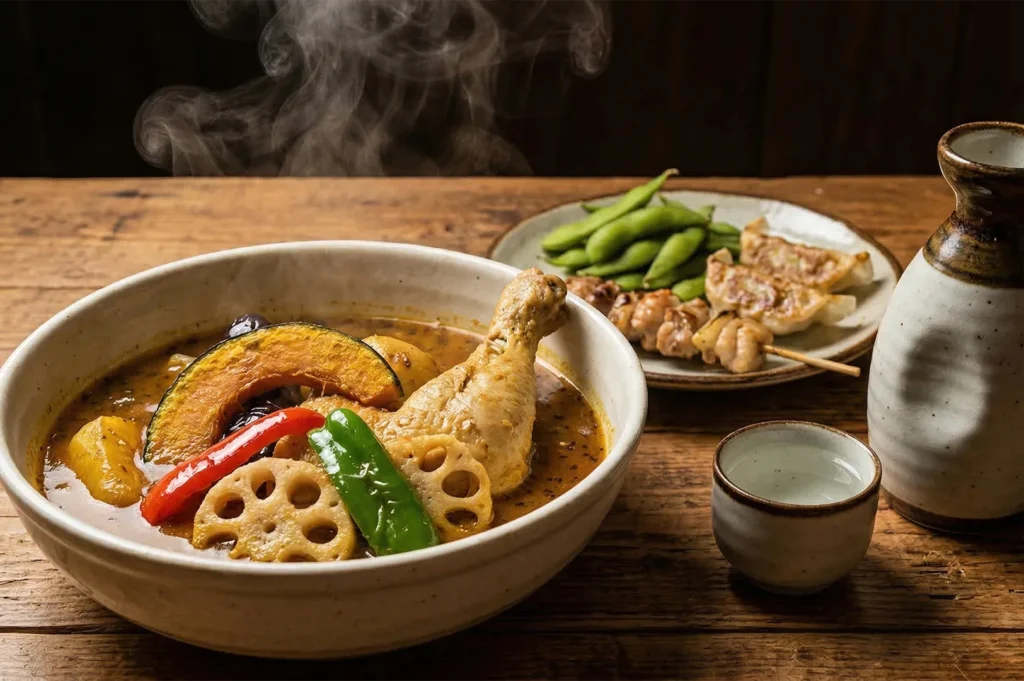
If you are curious about the true spirit of evening hospitality, you must visit us at Soup Curry by Ki-Setsu after the sun sets. From 6 PM onwards, our dining place undergoes a wonderful transformation into a vibrant izakaya. You can enjoy delightful Japanese small plates, excellent sake, and good company alongside our signature soup curry.
For this special evening experience, we accept reservations exclusively at 6:30 PM, holding tables for a maximum of 15 minutes. Join us soon at our cosy spot, and discover exactly why this centuries-old tradition continues to bring people together in perfect harmony.