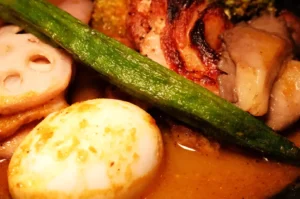
Singapore’s appetite for Japanese food shows no sign of slowing. From tucked away sushi bars in Far East Plaza to sprawling dining halls in Marina Bay Sands, the sheer density of Japanese restaurants in Singapore has made this one of the most competitive food scenes in the region.
Diners here can walk into almost any shopping centre, from Raffles City Shopping Centre to Ngee Ann City, Palais Renaissance, Shaw Centre or Millenia Walk, and find a menu built around nigiri, sashimi, tempura and ramen.
Yet for all this abundance, there remains a curious gap. Certain dishes that define regional Japanese cuisine, especially those tied to Hokkaido’s cold winters and hearty comfort food traditions, are still largely absent from the city’s culinary map. Hokkaido soup curry, in particular, is a dish most diners here have simply never had the chance to try.
We say this as a team that has spent considerable time thinking about what Japanese food in Singapore does well, and what it still overlooks.
The Sushi Bars That Built Singapore's Love For Japanese Restaurants
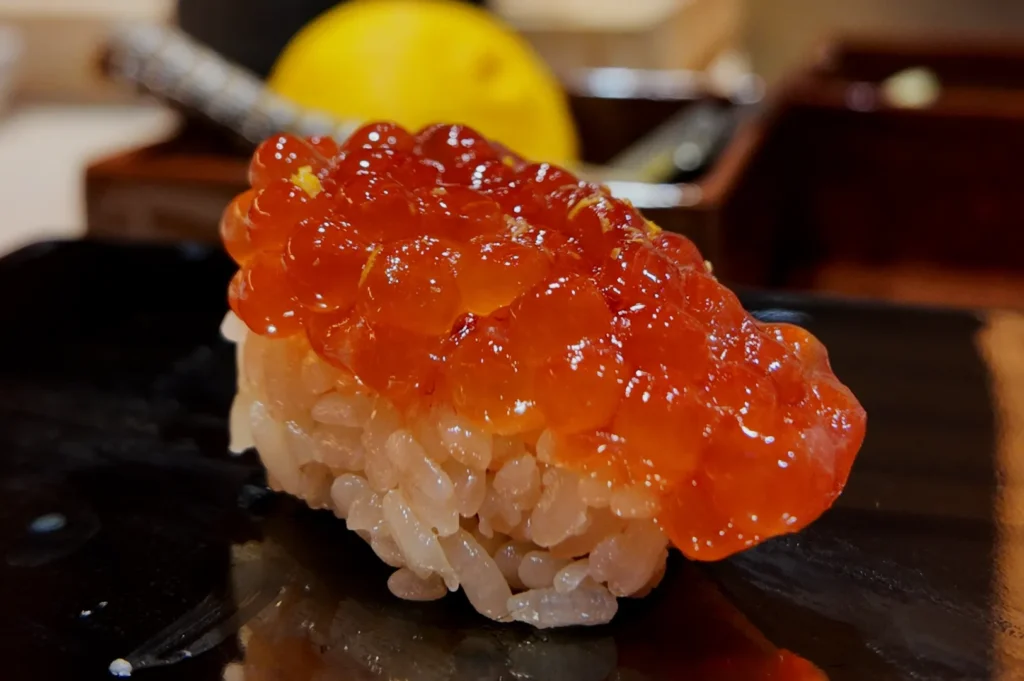
There is no shortage of excellent sushi in this city. Many establishments have built loyal followings around Edomae sushi, prepared using traditional Tokyo style curing and ageing techniques that bring out deeper, more complex flavours in the fish.
A good sushi bar today does more than slice fresh sashimi. It sources fresh ingredients directly, references Tokyo’s Toyosu Market for premium produce, and trains chefs for years before they are allowed to touch nigiri sushi meant for paying guests. Many of these menus lean on signature dishes built around rare cuts, creamy mentaiko sauce and seasonal fish that keep regulars coming back to test their taste buds against something new.
Some restaurants have carved out a niche around tuna specifically, offering wagyu don and rich, buttery cuts that showcase how far Singapore’s appreciation for seafood has come. Others have popularised the idea of unlimited servings, giving diners a more casual, approachable way to enjoy nigiri sushi without the formality or price tag of an omakase counter. Affordable options like these have made what was once considered a treat into an everyday indulgence.
Charcoal Grilled Favourites And The Best Japanese Restaurant Debates
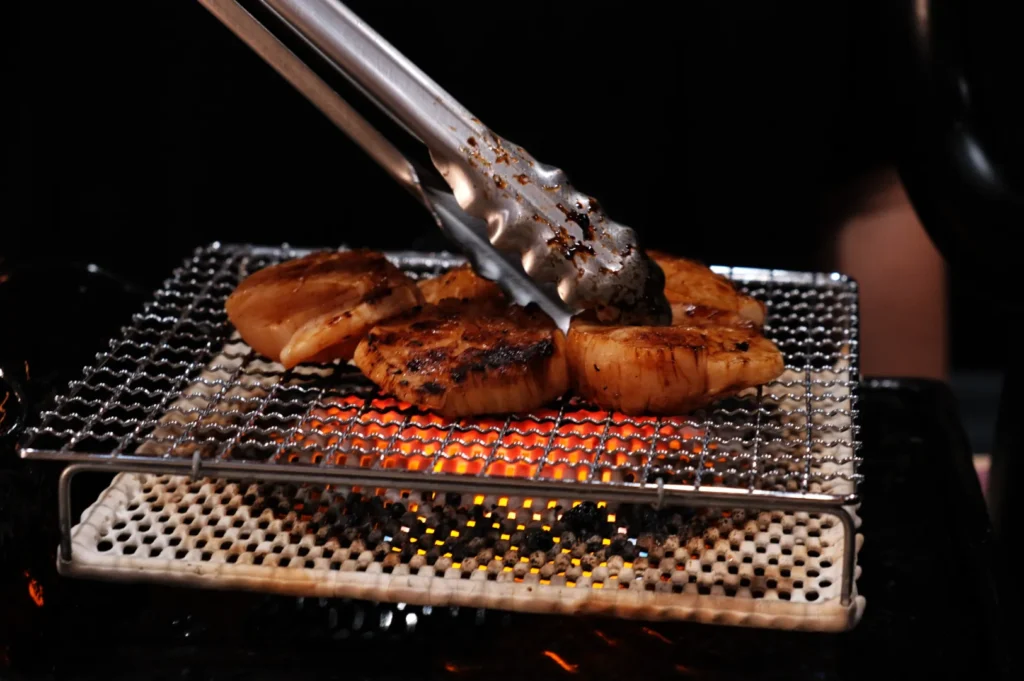
Then there is the charcoal grilled category. Certain restaurants have introduced diners to the smoky, caramelised finish that only an open flame can produce, whether on salmon, pork or seasonal vegetables. The open kitchen concept has become something of a signature across many of these spaces, letting guests watch as chefs torch nigiri or sear cuts of meat to order. Ask ten people to name the best Japanese restaurant in Singapore and you will get ten different answers, most of them built around this exact experience of live fire, fresh fish and a menu that rewards a slower, more theatrical dinner.
Ramen, too, is everywhere. Numerous establishments across the island serve everything from rich tonkotsu broths to lighter shoyu based bowls, and cold soba has found its own dedicated following among those wanting something lighter, particularly during Singapore’s warmer months. Add to this a wave of Michelin starred restaurants offering elaborate a la carte menus and lunch sets priced for accessibility, and it becomes clear why so many consider Singapore offers one of the strongest Japanese food markets outside Japan itself. Quality, in this city, is rarely the issue.
Where Japanese Cuisine In Singapore Still Falls Short
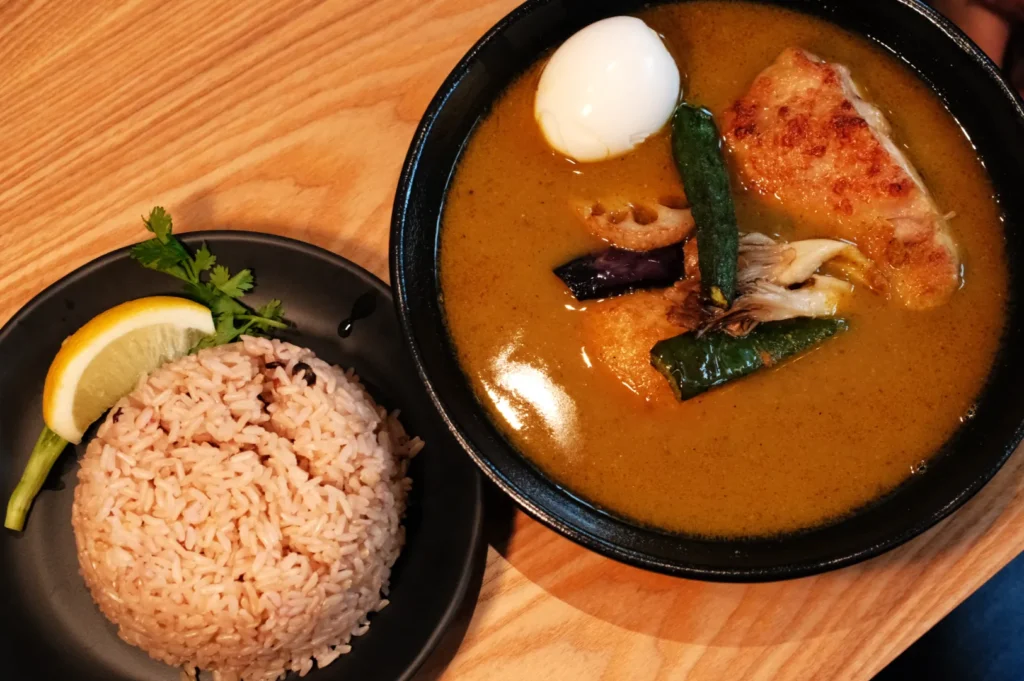
For all this depth, though, Japanese restaurants in Singapore have settled into a fairly narrow set of categories. Sushi, ramen, tempura and charcoal grilled meats dominate almost every conversation about where to eat well. What is far harder to find is anything representing Japan’s regional comfort food traditions, the kind of dishes built not around delicate sashimi or precise nigiri sushi, but around slow simmered, deeply spiced soup.
Hokkaido, in particular, has a food identity that barely registers on Singapore’s Japanese food landscape. Sapporo’s soup curry tradition, born from the need for something warming and restorative during brutal winters, has never really found its footing here despite Singapore’s own enthusiasm for spicy, comforting bowls of rice and meat.
This is where our restaurant enters the picture. We are the first and, at the time of writing, only establishment in Singapore dedicated entirely to authentic Hokkaido soup curry, and we exist specifically because this dish was missing from an otherwise crowded field. Soup Curry by Ki-Setsu made its Singapore debut with that gap in mind, bringing a genuinely different category of Japanese food into a market that already excels at sushi and ramen but has largely ignored soup based curry as its own culinary tradition.
What Makes Soup Curry Different From Everything Else On The Menu
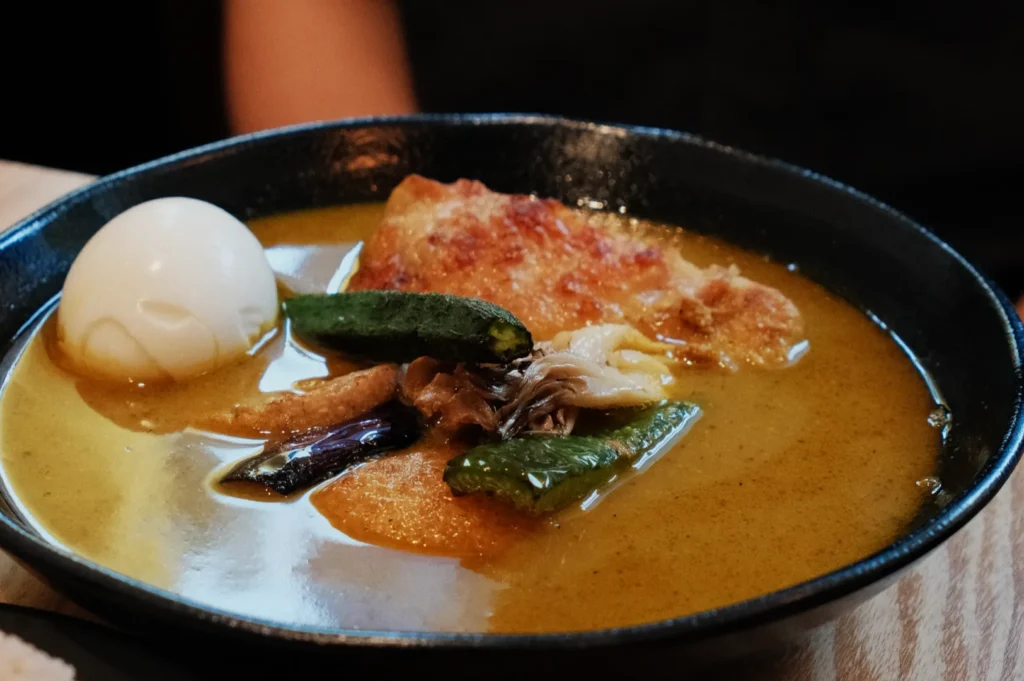
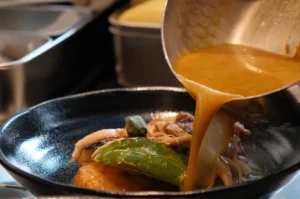
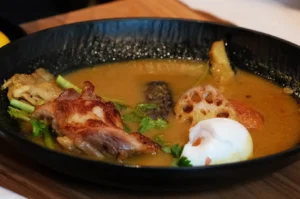
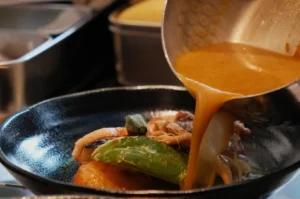
Where a typical curry restaurant in Singapore leans on a thick, roux based sauce, soup curry is intentionally lighter and more brothy, closer in texture to a rich, spiced consomme than a Japanese style curry rice. The base is built slowly, often for hours, layering vegetables, aromatics and spices until the soup carries real depth without becoming heavy. Chicken, simmered until tender, sits in this fragrant broth alongside vibrant deep fried vegetables such as bell pepper, lotus root, aubergine and potato, each cut using traditional Japanese methods that preserve texture and colour.
The result is something that eats more like a meal built for comfort and restoration than a rich, indulgent dish meant to impress. The taste is warming rather than heavy, spiced rather than simply hot, and built around the idea that a bowl of soup can be a complete, satisfying meal on its own. That is a genuinely different proposition to the sushi bar experience, the ramen counter, or the charcoal grilled izakaya format that so many Japanese restaurants have already perfected.
A Different Kind Of Dining Experience
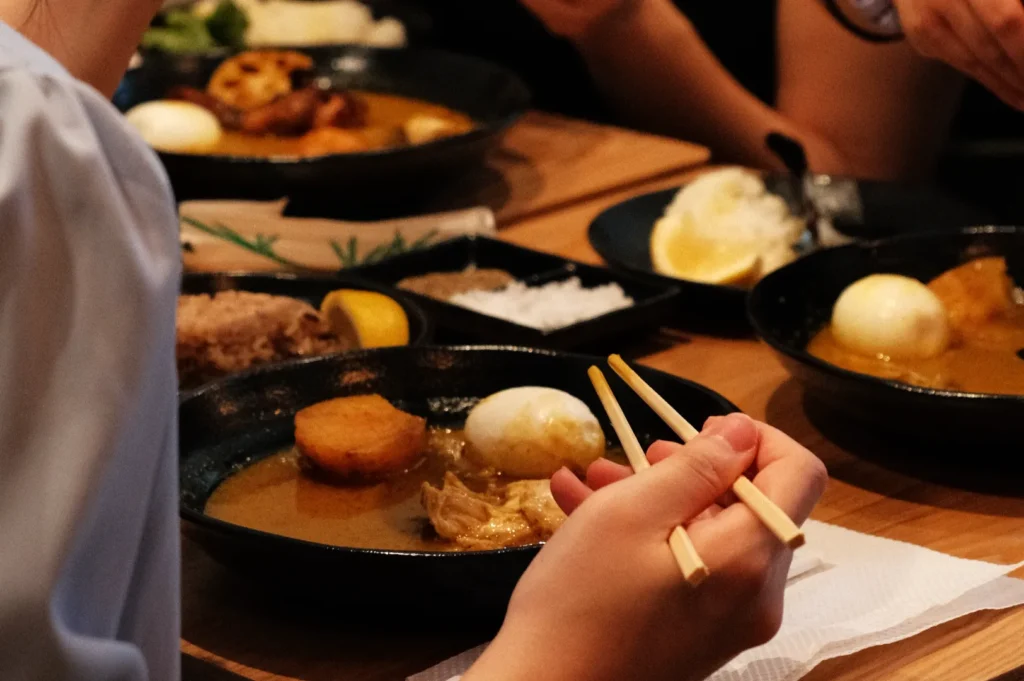
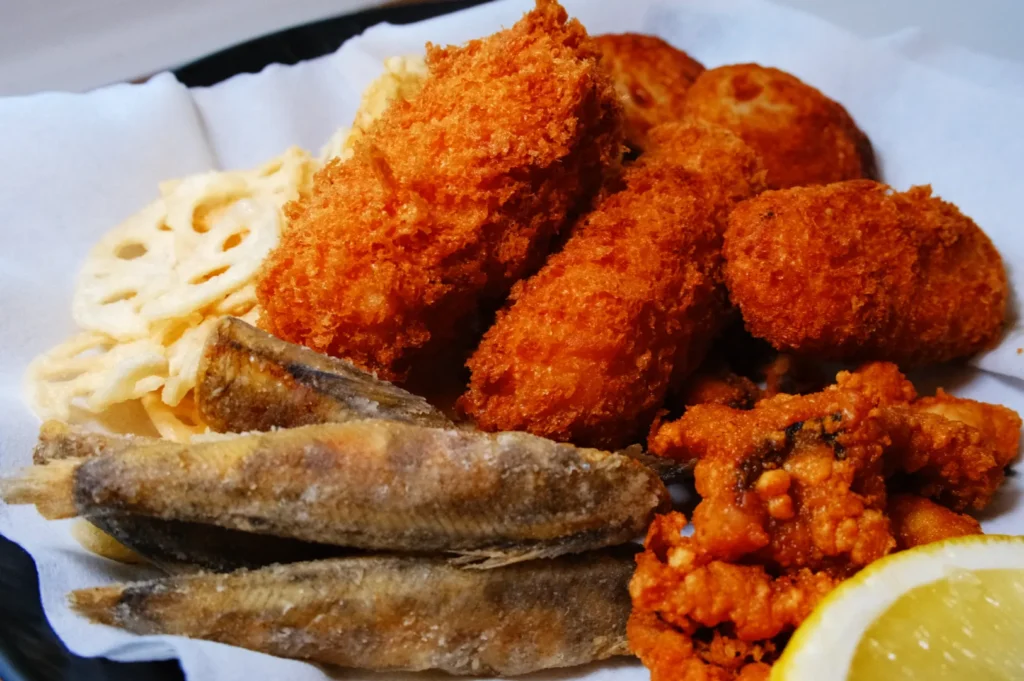
Part of why soup curry has taken longer to arrive in Singapore may simply be that it does not fit neatly into existing dining categories. It is not quite a ramen shop, not quite a curry house, and not quite an izakaya, though it shares elements of all three. Our own space leans into that overlap. During the day, we serve soup curry in its traditional form, alongside miso soup and rice, much like a focused lunch set experience. But from six in the evening onwards, our restaurant transforms into a cosy izakaya, offering small plates, sake and a more relaxed, social atmosphere that still carries the same Hokkaido influenced philosophy.
This dual identity means guests can experience Japanese cuisine in two distinct registers within the same space, something that is still fairly unusual among Japanese restaurants in Singapore, where most establishments commit fully to either a formal omakase style service or a casual all day menu. Opening hours reflect that split deliberately, with the space shifting mood and menu as the day goes on, Mon to Fri lunch crowds looking for something warming and quick, evenings drawing a slower, more social dinner service.
We have found this format has become a popular choice among guests who want to indulge without needing to choose between a light lunch and a proper night out. The lunch sets suit a working day, while the izakaya hours suit an evening spent lingering over small plates and conversation.
Why This Gap Deserves Attention
Singapore’s diners have shown, again and again, that they are willing to explore beyond the familiar once given the chance. The same curiosity that turned nigiri sushi and Edomae sushi into everyday indulgences, and that filled sushi bars across Far East Plaza and beyond, could easily extend to soup curry if more people knew it existed as its own category of Japanese food.
We do not see ourselves as competing with the sushi counters, ramen shops or charcoal grilled specialists that have already done so much to build Singapore’s reputation for excellent Japanese cuisine. If anything, we see our restaurant as filling in one of the last remaining blank spaces on that map, offering something built around comfort, patience and regional authenticity rather than spectacle.
For a food scene this rich in sushi, ramen and grilled specialities, it is worth remembering that Japan itself is far larger than any single style of cooking. Hokkaido’s soup curry tradition is one of the more compelling reminders of that, featuring seasonal vegetables alongside savory broth, and one that Singapore’s diners are only just beginning to discover.