Somewhere between the first spoonful of sliced fish soup at a hawker stall and the last sip of herbal broth at a family dinner, Singapore decided what a good soup should be. It should be clear or rich, never muddy. It should taste of something patiently simmered, whether pork bones, dried flounder or a handful of herbs. This is a country that knows broth.
That is why soup curry feels less like a foreign import and more like a natural next step for Singapore diners. At our restaurant, we have never needed to convince guests that soup deserves respect. What we offer is a Hokkaido twist on a language they already speak: a broth built with care, then lifted by layers of spice. Singapore already understands great broth. Soup curry simply adds spice.
A City That Judges Soup Seriously
Walk through any hawker centre at lunchtime and the proof is everywhere. Queues form for sliced fish soup with its milky, bone-deep sweetness. Bak kut teh regulars debate whether the peppery or the herbal style is superior. Old cucumber soup, ginseng chicken soup and double-boiled herbal broths appear at family tables for celebrations, recoveries and ordinary Tuesdays alike.
Palates trained on those bowls are discerning. Singaporeans can tell when a broth has been rushed, and they notice when stock tastes of salt rather than substance. When we first imagined bringing soup curry to this city, that knowledge shaped everything. We knew the bar was high, and we were glad of it.
The Bowl as Everyday Comfort
In many Singaporean households, soup is medicine, affection and routine at once. A parent simmers a pot when someone feels unwell, and care is expressed without needing words. Hokkaido has a remarkably similar relationship with soup curry.
Winters in Sapporo are long and bitterly cold, and a steaming bowl of spice, vegetables and tender meat warms you from the inside. Singapore sits on the equator, yet the emotional logic travels well. Warmth in a bowl is universal, and spice makes it feel even more alive.
Patience Is Already Part of the Culture
Great broth cannot be hurried, and Singaporeans accept this without complaint. Bones are blanched, skimmed and simmered for hours, and many cooks guard their timing like a family secret.
Soup curry rewards the same patience. Its base is not a thick, roux-heavy sauce but a thin, aromatic soup that depends on a deep stock and a thoughtful blend of spices. Anyone who has watched a pot of bak kut teh bubble gently through the afternoon will recognise the discipline. We see it as a shared craft, not a different one.
Where Familiar Broth Meets Spice
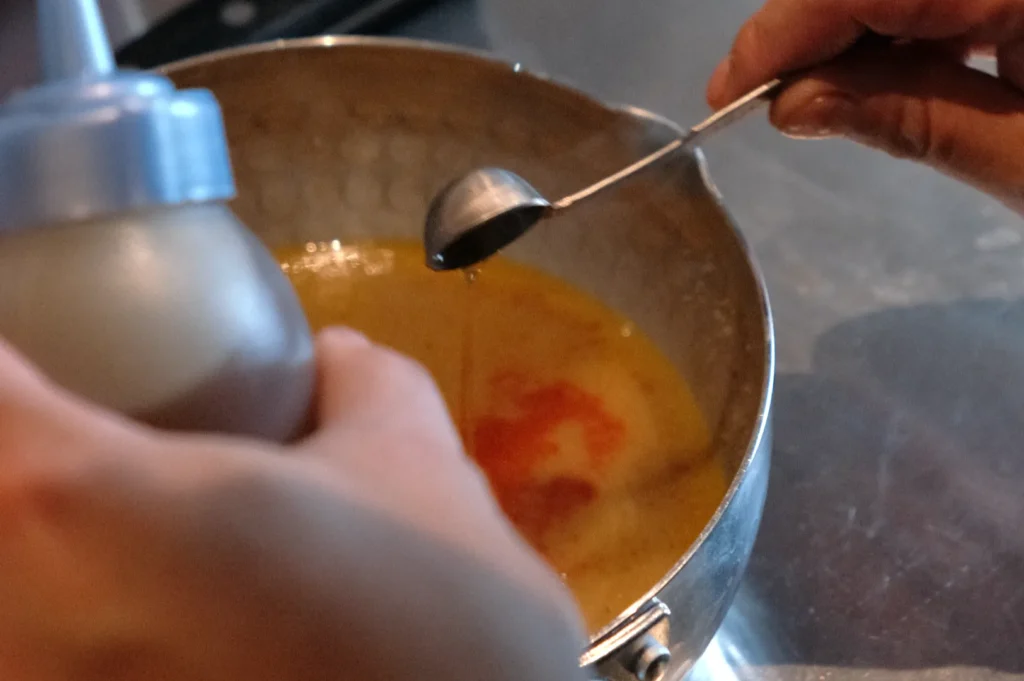
The leap from a beloved local soup to a Hokkaido soup curry is shorter than it first appears.
Singapore’s Own Spiced Broths
Local cuisine has never shied away from spice in soup. Laksa carries chilli, lemongrass, galangal and coconut in one fragrant bowl. Mee soto is perfumed with turmeric and warm spices. Singaporeans already associate heat and aroma with comfort, and they expect a spiced broth to be complex rather than simply hot.
So when guests try soup curry for the first time, the surprise is rarely about the concept. It is about the details: the clarity of the soup, spices that sit quietly before blooming at the finish, and a generous parade of toppings arriving alongside rice.
What Soup Curry Changes
What soup curry adds is a particular balance. Where laksa is rich and creamy, Hokkaido soup curry is lighter in body yet deeply aromatic. Where bak kut teh leans on pepper and garlic, soup curry layers a wider spice palette over a savoury stock. It sits between a clear soup and a curry, and that in-between quality makes it easy for Singaporeans to embrace.
We often tell guests that it is not a replacement for the soups they love. It is another chapter in the same book, written with different spices and a Sapporo accent.
Staying Faithful to Sapporo While Cooking for Singapore
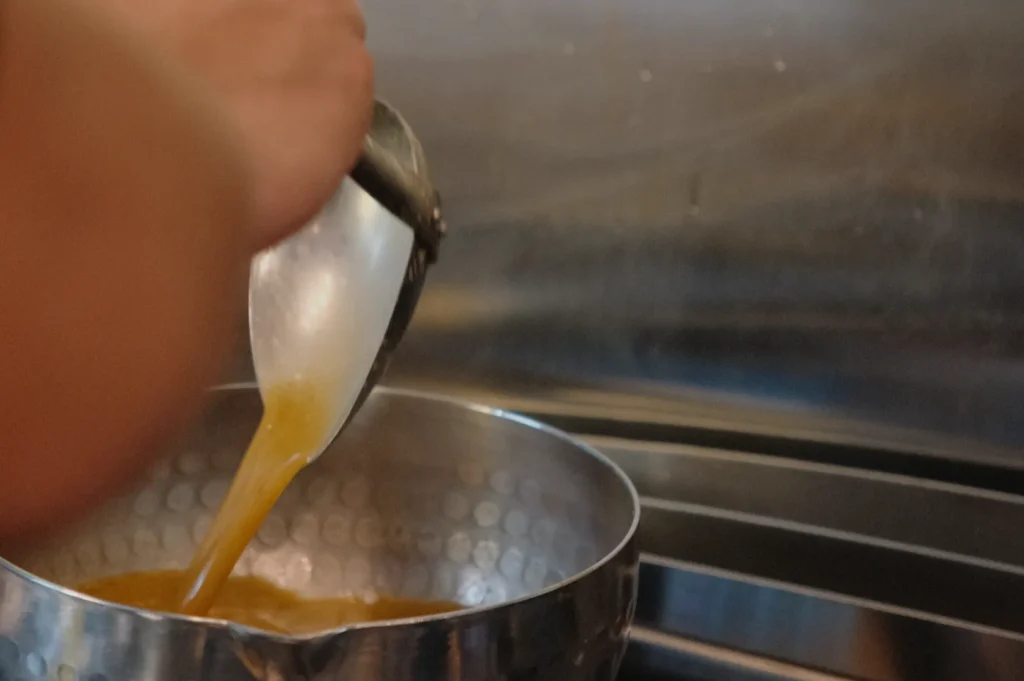
Authenticity matters to us, but it never means ignoring who we are cooking for. As Singapore’s first and only authentic Hokkaido soup curry restaurant, we carry a responsibility to respect the style as it exists in Sapporo, where soup curry grew into a local obsession. At the same time, we know how formidable our guests’ expectations of broth are.
A soup curry in Singapore cannot rely on novelty. It has to stand beside the bowls people grew up with and hold its own on depth, balance and honesty. That challenge is exactly what keeps our kitchen focused.
Building Flavour Layer by Layer
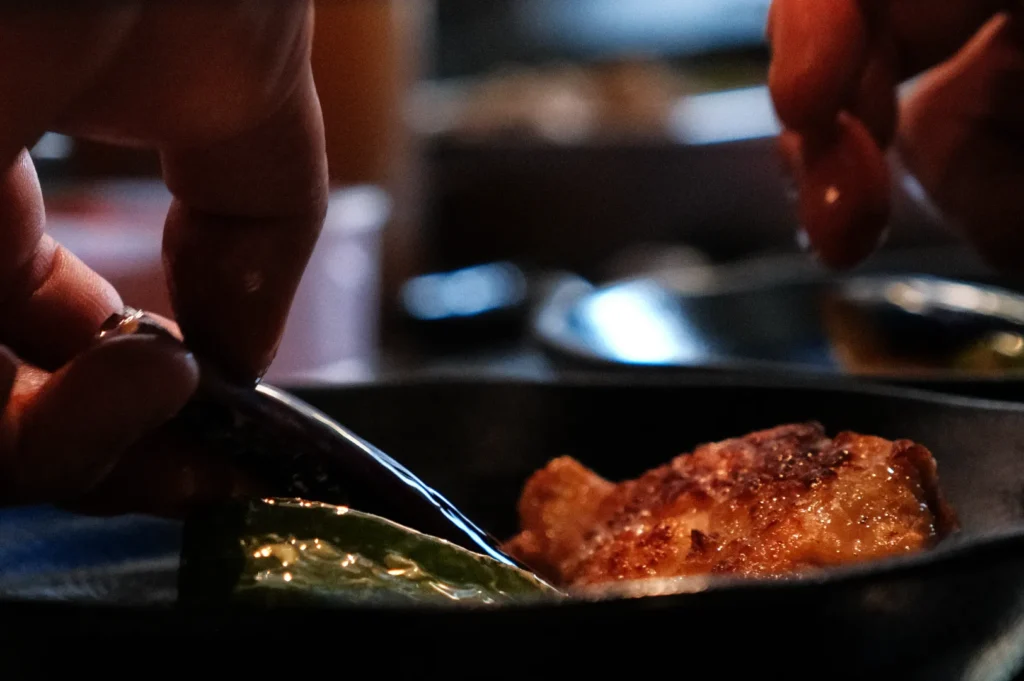
Great soup is rarely about a single ingredient. It is about the order in which flavours arrive and the care taken at each stage. Soup curry follows the same logic.
Starting With the Stock
Every good broth begins with patience, and soup curry is no exception. The soup is built on a rich base before the spice blend is introduced, because spice cannot rescue a weak foundation. Singaporean cooks understand this instinctively. A clever seasoning cannot hide thin stock, and the best bowls taste of depth first and seasoning second. The aromatic spices simply give that depth more dimensions to travel through.
Spice as Seasoning, Not Noise
A common misunderstanding is that curry means heavy, sticky and overwhelming. Soup curry does the opposite. The spices sharpen and perfume rather than flatten everything into a single note. Sip the soup and you taste the stock first, then a rise of warmth, then a fragrance that lingers. Anyone who can pick out the lemongrass in laksa or the white pepper in bak kut teh can appreciate the structure of a well-made soup curry.
Heat is adjustable too, which suits a city of mixed tolerances. Some guests want a gentle glow, others want to sweat through lunch, and a thin, aromatic soup lets the spice level shift without losing the character of the broth.
Toppings That Feel Instantly Familiar
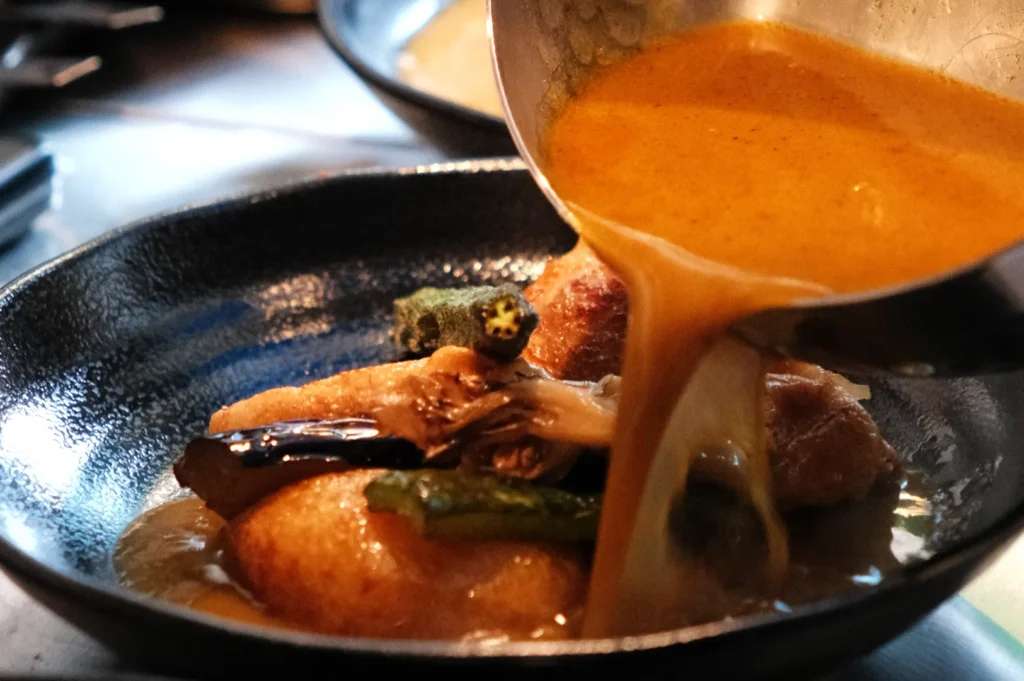
Singapore’s soup traditions are about what sits in the bowl as much as the liquid around it. Fish slices, tofu, mushrooms and tender meats all matter. Soup curry shares this generosity.
Tender Chicken in Aromatic Soup
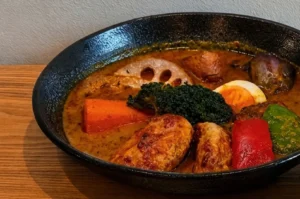
Our chicken is cooked until tender, soaking up the curry soup as it goes. For anyone raised on ginseng chicken soup or chicken rice with a side of broth, this feels deeply recognisable. The meat becomes part of the soup rather than something placed on top, and each spoonful carries a little of both.
Deep-Fried Vegetables, Cut the Japanese Way
Here soup curry offers something distinctively its own. Bell pepper, lotus root, aubergine and potato are deep-fried and prepared using Japanese cutting methods, so each piece holds its shape and brings its own texture. Lotus root stays crisp and slightly sweet. Aubergine drinks up the soup like a sponge. Potato turns soft and comforting, while bell pepper adds brightness.
Singaporeans already love lotus root in herbal soups and aubergine in home-style dishes, so these ingredients feel like old friends in new clothes. The frying adds a subtle richness that the soup carries through every spoonful.
How Singapore Takes to the Bowl
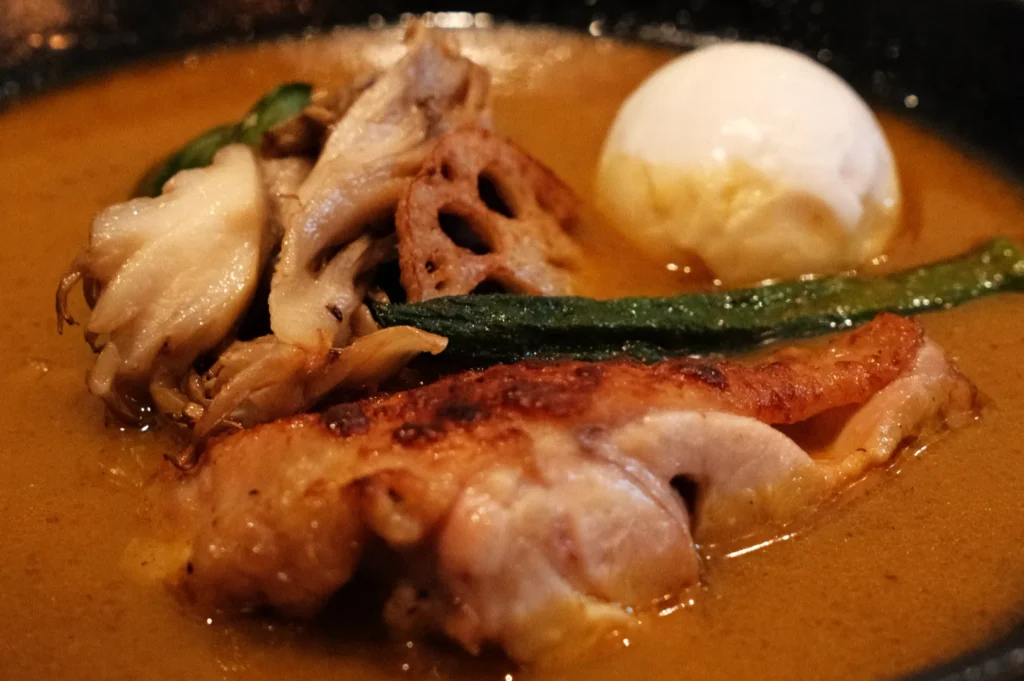
Once the bowl reaches the table, a few small habits make the meal richer. Guests here adapt quickly, and the way soup curry fits into the day feels familiar.
Eating It the Singapore Way
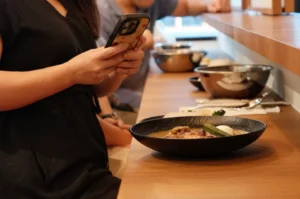
There is a rhythm to enjoying soup curry that locals pick up quickly. Sip the soup first to understand the base. Then work through the toppings, letting vegetables and chicken gather flavour. Rice arrives alongside, and many guests spoon it into the soup as the meal progresses, much as one might soak rice in the last of a good fish soup. By the final spoonful the bowl has changed character, and that evolution is part of the pleasure.
From Lunch Bowl to Izakaya Evening
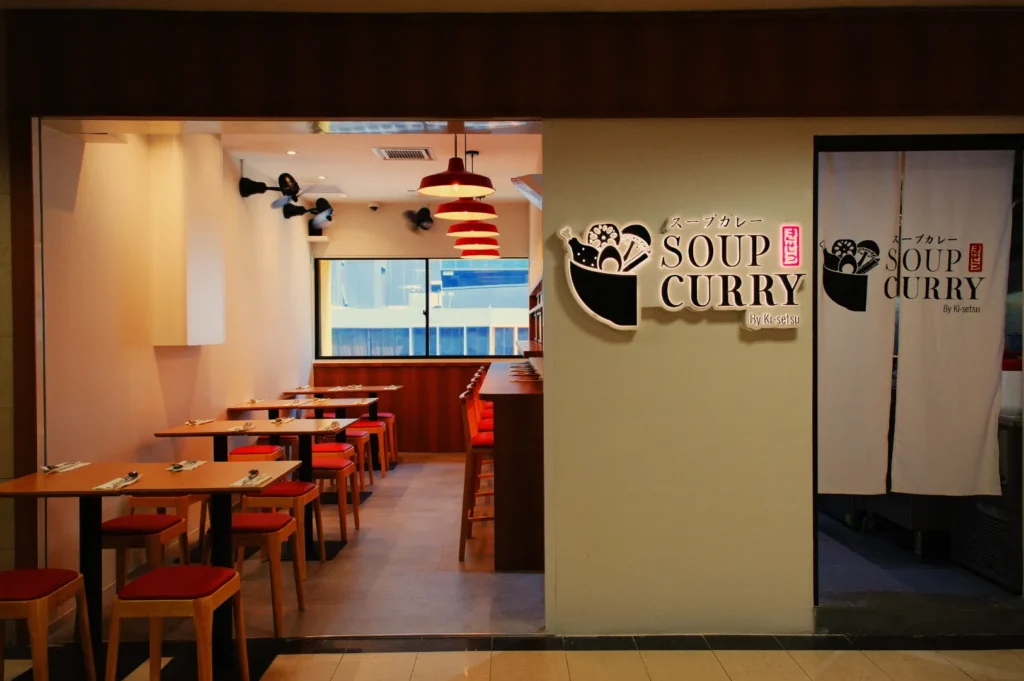
Our restaurant changes character as the day moves on. From 6 PM, the space becomes a cosy izakaya with a more relaxed rhythm, suited to sharing plates and unhurried conversation. Soup curry fits surprisingly well here. A warm bowl at the end of a long working week, enjoyed among friends, feels natural in a city where supper and soup have always gone together.
This dual personality reflects how Singaporeans eat. Soup is a lunchtime refuel and a late-night comfort in equal measure, and we wanted our space to welcome both moods.
Answering the Usual Hesitations
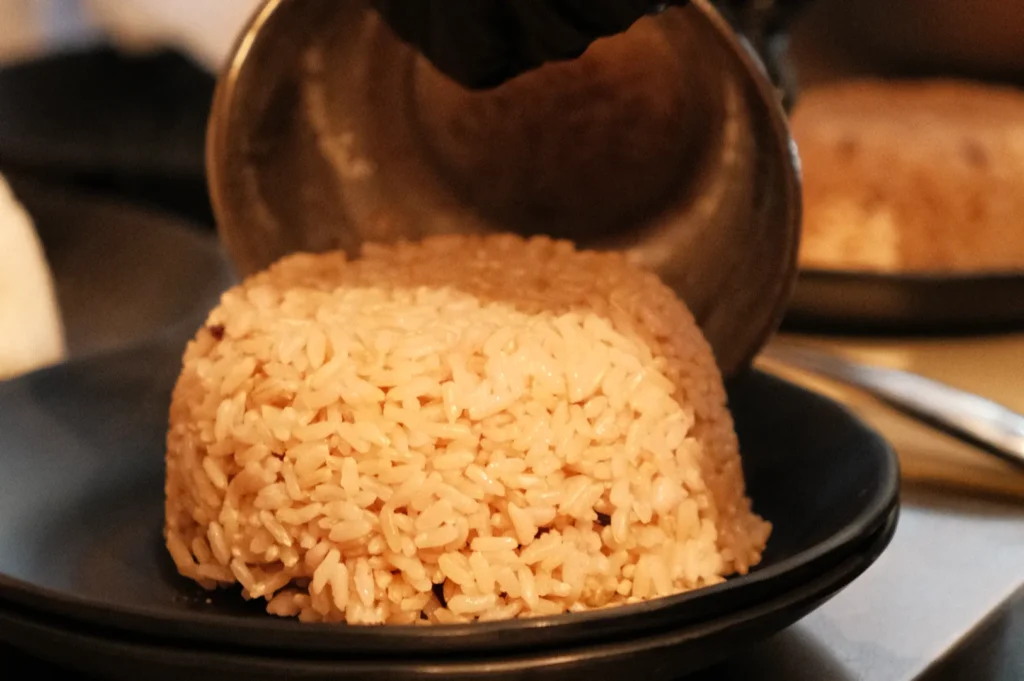
Guests often arrive with a few reasonable questions before their first bowl. We are always happy to answer them, because the answers say a lot about how soup curry works.
Isn’t This Just Another Curry?
It is the question we hear most often, and the answer lies in texture. Typical curries are thick and sauce-like, designed to cling to rice. Soup curry is a soup first. It is sipped and savoured, with spice acting as an accent rather than the entire statement. Guests who expect something heavy are often surprised by how clean and bright it tastes.
Will It Feel Too Heavy in Our Climate?
Singapore’s heat has never stopped anyone from enjoying a steaming bowl of bak kut teh or laksa. In fact, warm spiced soup encourages a gentle sweat that many find refreshing. Because soup curry is lighter in body than a conventional curry, it sits comfortably even in humid weather. Add the vegetables, and the meal feels balanced rather than indulgent.
Is It Only for Spice Lovers?
Not at all. Spice in soup curry is a layer of fragrance as much as heat, and the level can be matched to the person eating. Those who are cautious can begin gently and build up on later visits, while seasoned chilli fans can push further. Either way, the broth remains the centre of the experience.
Same Love of Broth, One More Layer of Spice
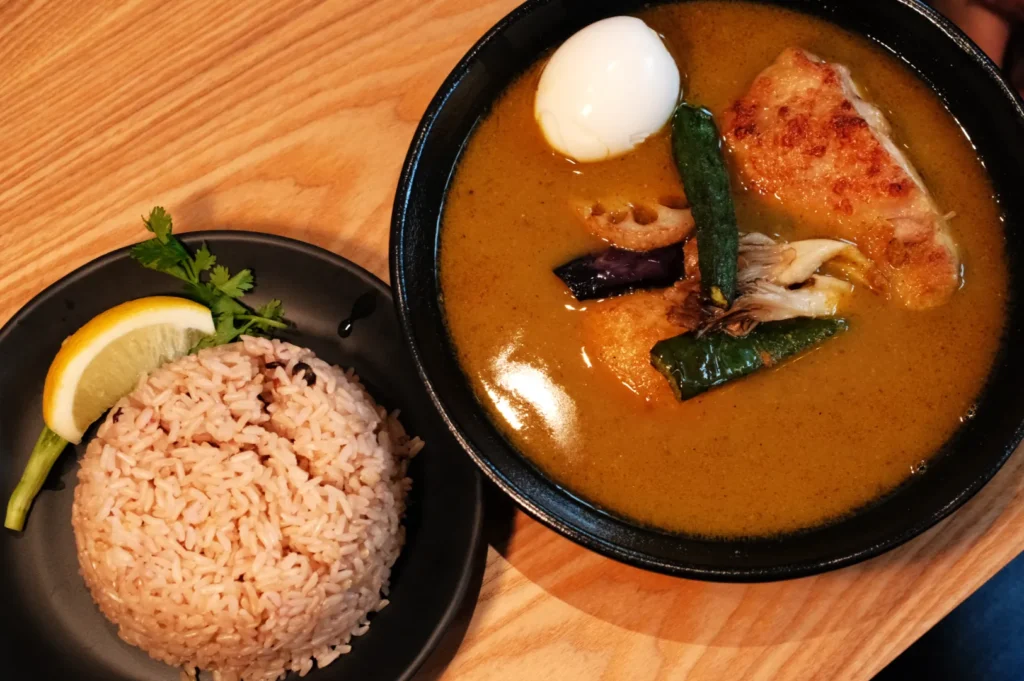
Singapore did not need to be taught what great broth tastes like. It has known for generations, in kopitiam bowls, family kitchens and late-night supper stalls. What soup curry in Singapore offers is not a challenge to that tradition but a continuation of it, with Hokkaido’s spices layered over the patience, depth and generosity that locals already value.
At Soup Curry by Ki-Setsu, we think of every bowl as a conversation between two food cultures that happen to care about the same things. If you already love a good soup, you are already halfway to loving soup curry. The spice simply completes the thought.