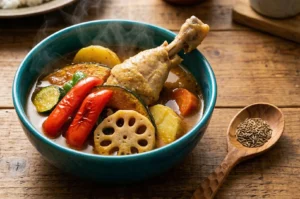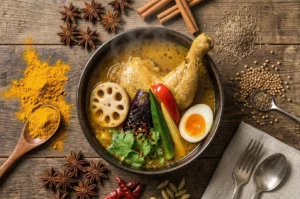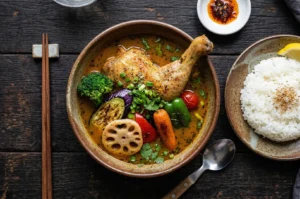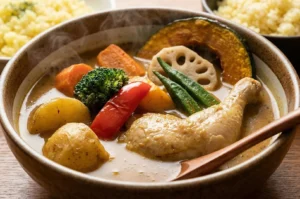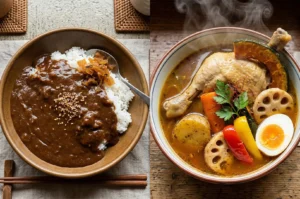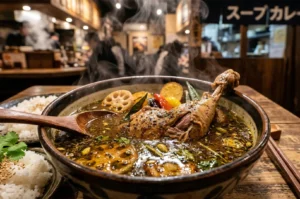
Spices are the heart of cooking, transforming simple ingredients into extraordinary curry dishes. Soup curry, from Hokkaido, Japan, stands out with its light, broth-based style, unlike thick Japanese curries. Its unique flavor comes from a masterful blend of aromatic spices that define the curry sauce.
This guide explores the ten essential spices that make soup curry special. Knowing these spices is key to creating an exceptional curried recipe at home. Unlike curries thickened with coconut milk or coconut cream, soup curry relies on precise spice profiles to build flavor from chicken broth or chicken stock.
Crafting the Perfect Curry Sauce: 10 Essential Spices
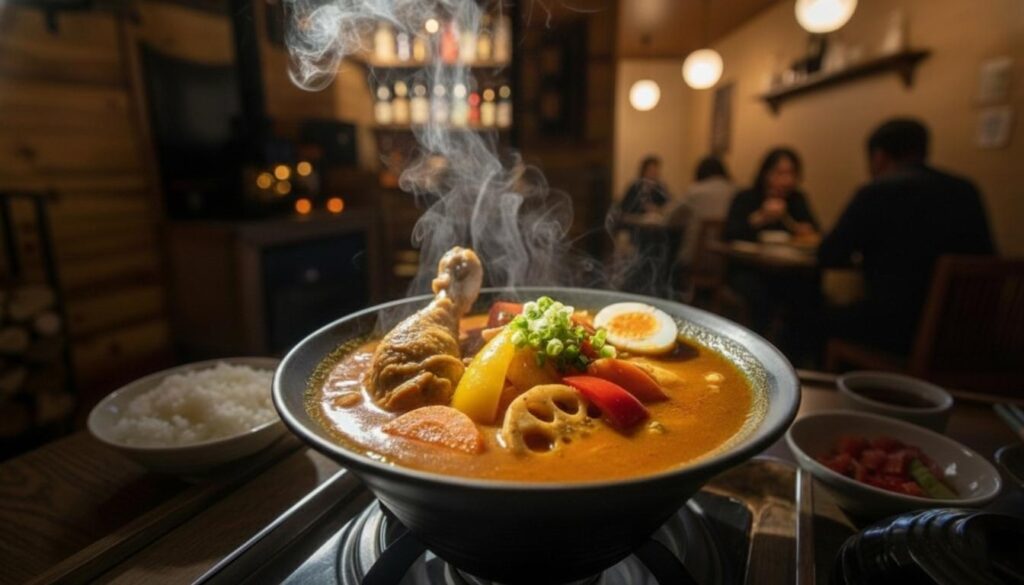
Crafting an authentic soup curry requires more than just a generic curry powder. It demands an understanding of individual spices and how they interact to form the perfect curry base. This section will break down the ten most important curry ingredients, exploring their flavor profiles and their specific roles in creating the perfect soup curry sauce. When making any curry chicken or indian chicken curry, understanding these foundational elements is crucial.
Curry Powder Base: Cumin, Coriander, and Turmeric
1. Cumin: The Earthy Foundation
Flavor Profile: Cumin is profoundly earthy, warm, and nutty, with a slightly pungent and bitter edge. Its aroma becomes even more intense and savory when toasted, providing a foundational depth that is unmistakable in many global cuisines and a key ingredient in almost any curry powder recipe.
Role in Soup Curry: In soup curry, cumin provides a robust, savory backbone. Its earthiness grounds the lighter, more aromatic spices, preventing the broth from feeling thin or one-dimensional. It adds a layer of complexity that complements the tender chicken pieces and vegetables like potatoes and sweet potato.
Practical Tips: Toasting whole cumin seeds in a dry pan over medium heat before grinding them dramatically enhances their best flavor. This freshly ground powder should be add the curry early in the cooking time to infuse the curry base with its deep, savory notes.
2. Coriander: The Harmonizer
Flavor Profile: Ground coriander seed offers a bright, citrusy, and slightly sweet flavor with floral undertones. Unlike its fresh leafy counterpart, the seed has a warm and mild profile that is versatile and unifying.
Role in Soup Curry: Coriander, often sourced as coriander seeds, acts as a harmonizer in the spice blend. Its bright notes lift the heavier flavors of spices like cumin and cloves, while its subtle sweetness balances any bitterness. It also contributes subtly to the body of the soup, essential when you are not using thickeners like coconut milk to achieve a thicker consistency.
Practical Tips: Like cumin, coriander benefits from toasting. It bridges the gap between the deep, earthy spices and the high, aromatic ones, making it an indispensable part of any homemade curry food recipe. It’s crucial when making curry that relies on clarity, not thicker gravy.
3. Turmeric: The Golden Hue
Flavor Profile: Turmeric is known for its brilliant golden color, but its flavor is equally important. It has a pungent, earthy, and slightly bitter taste with peppery and musky notes.
Role in Soup Curry: Beyond lending the soup its beautiful, warm hue, turmeric provides a foundational earthiness. Its distinct flavor is essential to the “curry” identity of the curry dish.
Practical Tips: A little turmeric goes a long way, and too much can make a dish overly bitter. Add the curry powder blend (which includes turmeric) early in the cooking time to allow its flavor to mellow and meld with the other curry ingredients.
Aromatic Spices: Garam Masala and the Heat of the Blend
4. Garam Masala: The Finishing Burst
Flavor Profile: Garam masala is a complex blend of “warming” spices that typically includes cinnamon, cloves, cardamom, black pepper, and cumin, resulting in a fragrant, sweet, and pungent mixture.
Role in Soup Curry: While soup curry is built from individual spices, a high-quality garam masala is often used as a finishing touch. Added near the end of cooking, it reintroduces volatile aromatic compounds, adding a final burst of fragrance and warmth to the curry base before you turn off the heat.
Practical Tips: Because its flavors are volatile, add garam masala in the last few minutes of cooking. This ensures its bright, aromatic qualities are preserved in the final curried recipe, providing the best flavor.
5. Cardamom: The Queen of Fragrance
Flavor Profile: Green cardamom has an intense, complex aroma that is simultaneously floral, citrusy, minty, and spicy.
Role in Soup Curry: Cardamom lends a highly aromatic and slightly sweet perfume to the soup. Its unique flavor cuts through the richness of the chicken broth and adds a layer of sophisticated fragrance that elevates the entire curry dish from simply savory to truly special, far beyond a typical green curry.
Practical Tips: You can use whole green pods (bruised slightly to release the seeds) or ground cardamom. If using whole pods, remove them before serving to ensure the best flavor.
6. Black Pepper: The Clean Heat
Flavor Profile: Black pepper offers a sharp, pungent, and woody heat that is distinct from the burn of chilies or chili powder. Freshly ground peppercorns have a complex aroma with piney and citrusy notes.
Role in Soup Curry: Black pepper provides a foundational warmth and a clean, biting heat that stimulates the palate. It enhances the other flavors in the curry dish, making them taste more vibrant. It’s a key element in building layers of heat and spice.
Practical Tips: For the best flavor, always use freshly ground black pepper. Adding it at different stages of cooking can create different effects—early for deep warmth, late for a sharp finish.
Achieving Depth: The Secret Curried Recipe Ingredients
7. Star Anise: The Subtle Sweetness
Flavor Profile: Star anise has a powerful, sweet, and licorice-like flavor, providing a warm, spicy character.
Role in Soup Curry: A single pod of star anise can impart a deep, sweet, and aromatic complexity to the entire pot of soup. It adds a background note that is hard to pinpoint but essential to the authentic flavor profile, providing a subtle warmth and fragrance that beautifully complements the savory chicken stock.
Practical Tips: Use star anise sparingly, as its flavor can easily dominate. One whole pod is usually sufficient for a large pot of soup. Add the curry ingredient during the simmering stage and remove it before serving.
8. Fenugreek: The Bittersweet Depth
Flavor Profile: Fenugreek seeds are hard and yellowish-brown, with a bittersweet, slightly burnt sugar or maple syrup-like flavor.
Role in Soup Curry: Fenugreek adds a unique and slightly bitter depth that balances the sweetness of other curry ingredients. It contributes a savory, almost celery-like note that provides an addictive, lingering flavor on the palate, which is what gives it that quintessential “curry” smell.
Practical Tips: Be cautious with fenugreek seeds, as using too many can make the curry dish unpleasantly bitter. Lightly toasting them can help mellow their flavor, adding an irreplaceable complexity to your curry food recipe.
9. Cinnamon: The Woody Warmth
Flavor Profile: True cinnamon has a delicate, sweet, and woody aroma with warm, fragrant notes.
Role in Soup Curry: Cinnamon adds a subtle sweetness and a warm, woody fragrance that rounds out the spice blend. It is not meant to be a dominant flavor but rather a background note that enhances the overall warmth and complexity of the chicken broth.
Practical Tips: Using a small piece of a cinnamon stick during the simmer uncovered process is ideal. It will slowly release its flavor into the broth without being overpowering. Remove the stick before serving.
10. Cloves: The Pungent Aromatic
Flavor Profile: Cloves are intensely aromatic, pungent, and sweet with a slightly bitter, astringent finish. Their flavor is powerful and has a numbing quality.
Role in Soup Curry: Cloves contribute a strong, penetrating warmth and a sweet, medicinal aroma. They are used in very small quantities to add a high note of fragrance and a touch of deep, spicy flavor that cuts through the richness of the soup.
Practical Tips: Use whole cloves sparingly—two or three are often enough for an entire pot. Like star anise and cinnamon sticks, they should be added during simmering and removed before serving to avoid an unpleasantly intense bite.
Bonus Cooking Tips: From Curry Paste to Perfect Curry Chicken
The Art of the Bloom: When to Add the Curry (and Forget the Coconut Milk)
Mastering any curried recipe is an exercise in achieving perfect flavor balance. Follow these cooking tips to create a deep and aromatic foundation for your curry chicken:
Prepare the Core Spice Blend: Start with the “big three” spices (cumin, coriander, and turmeric). Aim for a ratio of 2 parts coriander to 1 part cumin, using turmeric sparingly for color and earthy notes.
Toast for Flavor: If using whole spices, toast them in a dry pan over medium heat before grinding. This crucial step awakens their essential oils, deepening their flavor and fragrance.
Sauté Aromatics: In a large pot or the inner pot of an instant pot / slow cooker, heat coconut oil over medium heat. Add onions and aromatics, such as fresh ginger, and cook, stirring occasionally, until the onions are lightly browned.
Bloom the Spices (The Art of the Bloom): Once the aromatics are softened, add the curry powder blend to the hot oil. Stirring frequently for about one minute, cook the spices until they become intensely fragrant. This technique, known as “blooming,” releases the spice oils and creates a rich curry base for your liquid.
Build the Broth: Slowly pour in your chicken broth or chicken stock. Stir well to combine the liquid with the curry base. (Note: For authentic soup curry, we forget the coconut milk and rely on the clear broth.)
Simmer and Cook: If using a slow cooker or instant pot for a weeknight dinner, ensure the cooking time and heat are carefully monitored to allow the flavors to meld without overcooking the delicate aromatic spices.
Protein Choices: Chicken Breast vs. Thighs for Best Flavor
Once the broth and curry base are established, it’s time to add the chicken. We recommend using chicken thighs or boneless skinless chicken thighs over leaner cuts like chicken breast because the higher fat content (primarily polyunsaturated fat and monounsaturated fat rather than trans fat or high saturated fat) provides better flavor and ensures tender pieces that won’t dry out during the extended cooking time.
The chicken pieces should be in bite sized pieces to cook faster. You can also use chicken legs or other cuts.
Let the mixture simmer uncovered over medium low heat, stirring occasionally until the flavors meld and the oil separates slightly—a sign of a well-cooked curry base.
For those who prefer a traditional, thicker Indian curry or curry gravy, one might introduce coconut milk or coconut cream and reduce the liquid further until a thicker gravy forms. However, for an authentic soup curry, the broth’s clarity is paramount. Serving the final curry dish with perfectly cooked basmati rice or jasmine rice and a squeeze of lime juice provides the perfect counterpoint to the complex spices.
Your Next Culinary Adventure: Crafting Your Perfect Curry
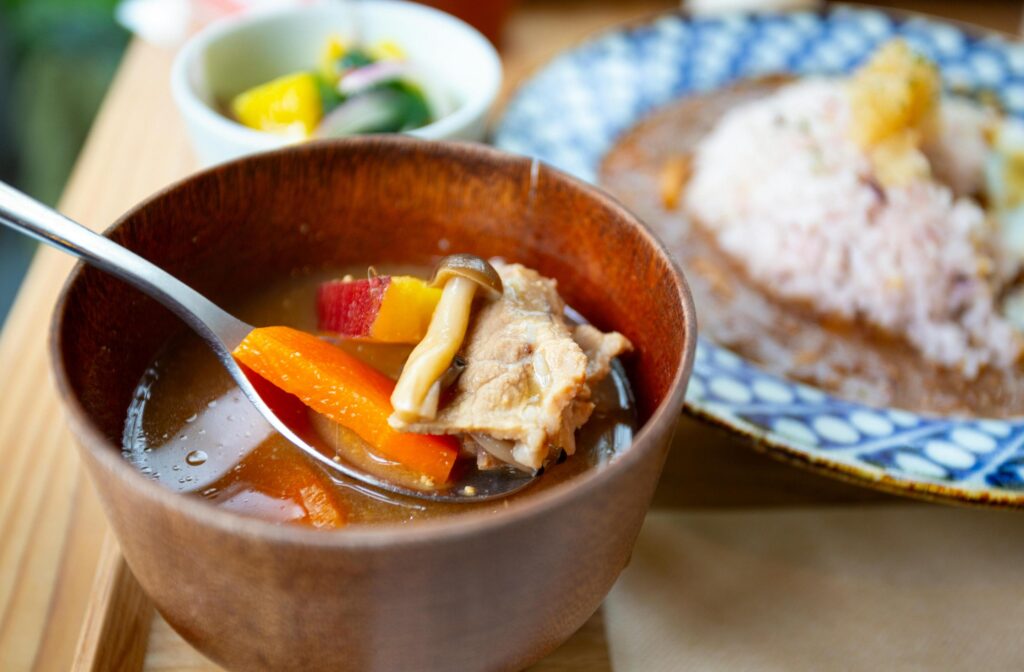
Mastering curry requires understanding each curry ingredient and how it interacts. For a quick weeknight dinner or a slow-simmered feast, these principles create a delicious curry dish. At Soup Curry by Ki-Setsu, we believe the soul of a great curried recipe is in this balance.
We encourage experimenting with proteins. While traditional soup curry uses chicken thighs (or boneless skinless chicken thighs), you may prefer chicken breast. Our philosophy: ingredient quality must match preparation care. Add extra veggies or adjust spice with red chilli for a customizable approach, central to the authentic Sapporo tradition we champion.
To fully appreciate this light, broth-based innovation, learn its history. Check out our article: The Origins of Soup Curry: How a Sapporo Café Started It All.