The dining scene in Singapore is a vibrant tapestry, constantly welcoming new culinary trends from the land of the rising sun. In recent years, one concept has captured the city’s imagination and appetite: the izakaya restaurant.
What truly sets the izakaya restaurant apart from a traditional, full-service establishment? The answer lies in a combination of history, food, drinks, and—most importantly—social intention and camaraderie. There is also an art to izakaya cuisine, where chefs skillfully layer flavors and present dishes with creative flair, making each plate a unique expression of culinary craftsmanship.
Guests are encouraged to relax, unwind, and settle into the welcoming environment of an izakaya, immersing themselves in the lively, communal spirit that defines this dining experience.
What is an Izakaya Restaurant?
To understand the difference, we must first define the concept. An izakaya restaurant is, in the simplest terms, a Japanese drinking establishment that also serves food to accompany the alcohol. The word itself is a compound of three characters: i (to stay), saka (sake/alcohol), and ya (shop). Thus, an izakaya is literally a “sake shop to stay at.”
Historically, izakayas evolved from simple sake shops that allowed customers to sit and drink on the premises, eventually adding small dishes to encourage lingering. This historical context is key: the alcohol came first, and the food followed.
In modern Japan, the izakaya plays a vital social and cultural role. It is the quintessential perfect spot for dinner service and unwinding, providing a casual, unpretentious setting where colleagues, friends, and family can gather to bond. Diners are invited to indulge in the diverse offerings and authentic atmosphere that make an izakaya restaurant a memorable place to enjoy special moments.
When searching for a deeper understanding of the cultural and historical roots of this beloved concept, you might find this resource helpful: Izakaya: Understanding Japan’s Beloved Casual Dining Culture and Its Connection to Hokkaido Culinary Traditions.
Key Differences Between Izakaya and Traditional Restaurants
The core difference between an izakaya and a traditional restaurant lies in the experience, not just the menu. While a fine dining restaurant focuses on a structured course, the izakaya emphasizes sharing, drinking, and a lively atmosphere.
Atmosphere and Ambiance
The Izakaya Vibe: Loud, Casual, and Communal
A public izakaya is characterized by its dynamic, sometimes boisterous, energy. It is designed to be a place of release.
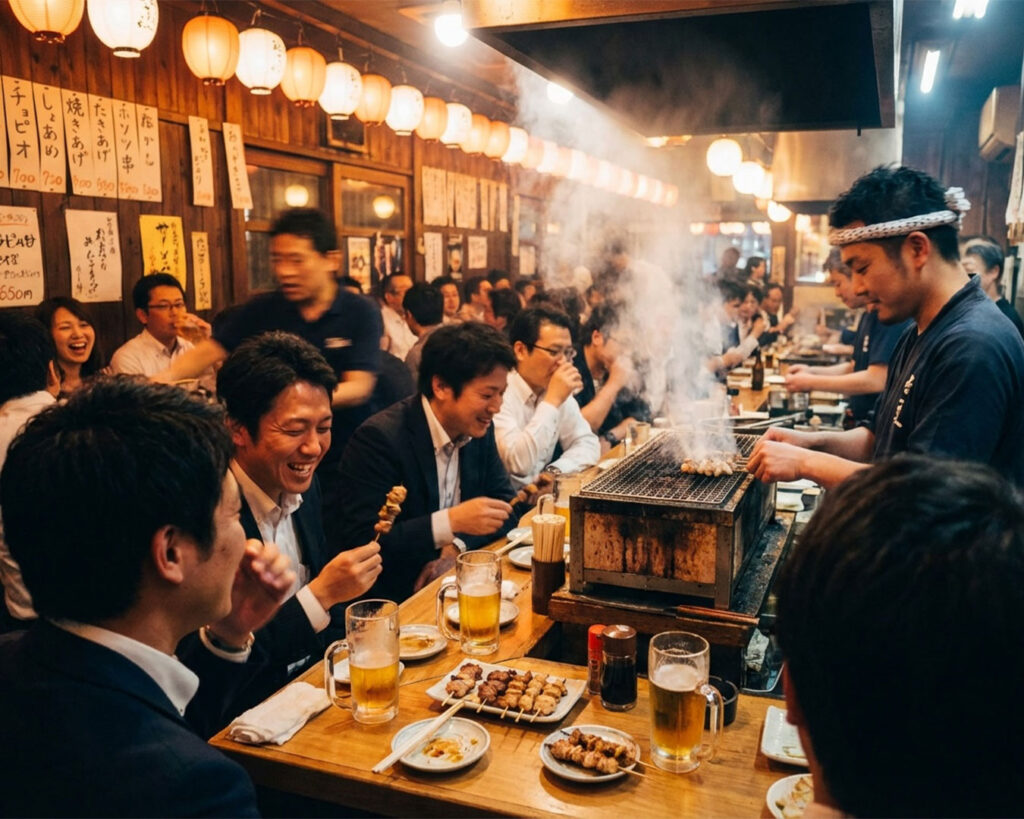
Vibrancy and Noise: Izakayas are typically loud. The lively chatter, the clinking of beer glasses, and the calls of “irasshaimase!” (welcome!) all contribute to a high-energy environment. This noise is part of the charm; it signals a successful, thriving social space.
Seating and Layout: Seating is often communal. You might find long shared tables, counter seating right in front of the chef and grill, or traditional tatami mat seating. The decor is usually comforting, utilizing dim light.
Purpose: The entire ambiance is geared toward fostering communication, relaxation, and communal celebration.
The Traditional Restaurant Ambiance: Varied and Focused
Traditional restaurants cover a huge spectrum, but their atmospheres are generally geared toward the meal itself.
Focus: The environment is often designed to showcase the food or a specific culinary theme. In fine dining, the atmosphere is hushed and formal; in a lunch spot, it might be bright and brisk.
Purpose: The atmosphere supports the consumption of the main course, whether that involves a romantic setting or a corporate meeting environment.
Dining Style and Pace
The way food is ordered and consumed is arguably the biggest practical difference for the diners.
Izakaya: Small Plates, Sharing, and Grazing
The dining style at a Japanese izakaya is best described as Japanese-style tapas or bites.
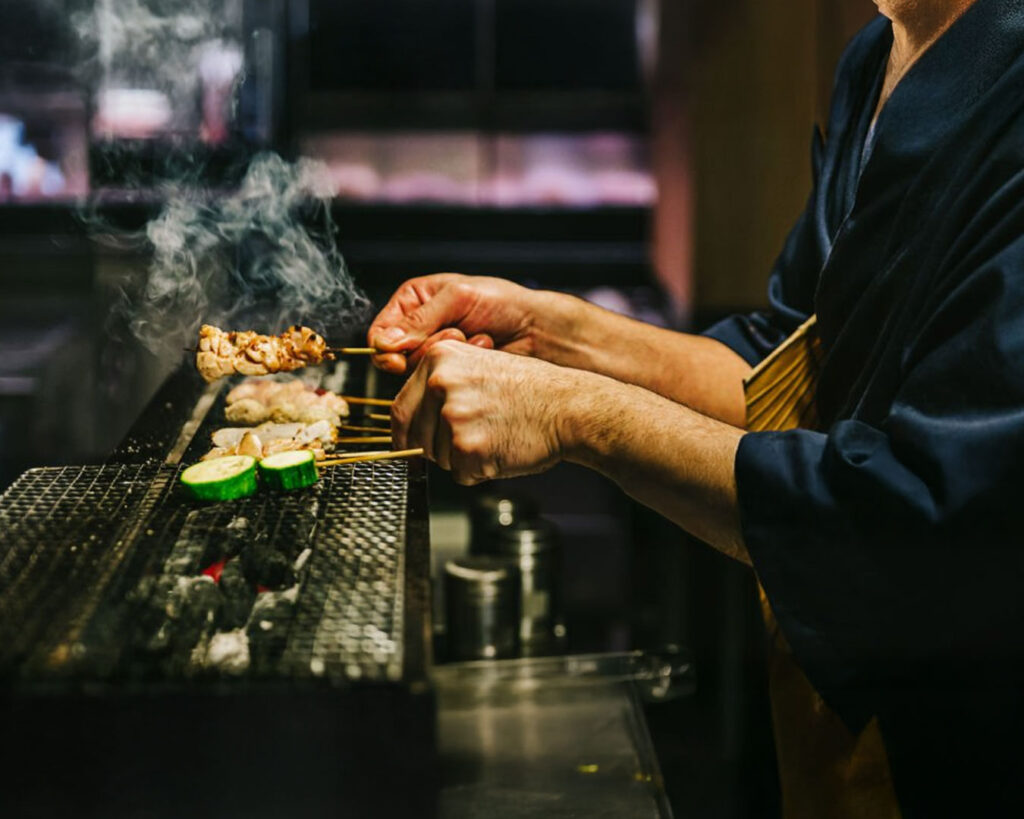
Small Dishes: Dishes are universally small, designed for sharing, like yakitori skewers. Many izakayas highlight ‘bestsellers’ or customer favorites on their menu, making it easy for diners to try the most popular dishes. This encourages diners to order many different dishes throughout the night.
Continuous Ordering: There is no strict course structure. Food is ordered continuously, plate by plate, as the evening progresses and new drinks are ordered. This creates a staggered, relaxed pace, perfect for lingering.
The Pace: The pace is determined by the social interaction, not the kitchen, making it an ideal choice for casual dining.
Traditional Restaurant: Structured Courses or Individual Dishes
Traditional dine styles follow a more established structure.
Structure: Dining is often structured into appetizers, main courses, and desserts. The focus is on a single, substantial main dish per person. For example, a sushi restaurant might offer a structured Omakase course.
The Pace: The pace is usually quicker, driven by the kitchen’s desire to move tables and the diner’s expectation of a complete meal in a standard timeframe, especially during the lunch hour.
Menu and Food Philosophy
Izakaya: Diversity and Pairing Focus
The extensive menu at an izakaya restaurant is intentionally diverse and non-specialized.
Variety is Key: You’ll find everything from grilled chicken thigh and pork belly skewers to grilled prawn and delicate seafood, as well as comforting options like kani tama gratin. The menu might feature luxury food items like foie gras alongside simple grilled vegetables. Creative dishes are often included to surprise diners with unexpected flavors or presentations.
Food Philosophy: The food is designed to be bold, savory, and relatively easy to eat with chopsticks, primarily serving as an essential counterpoint to alcohol. The food exists to enhance the drink, making it a perfect spot to pair drinks with dishes.
Seasonal Specials: Many izakayas feature osusume or seasonal specials, offering the chef a canvas to utilize the freshest ingredients, like fresh snow crab or unique cuts of pork.
Traditional Restaurant: Specialization and Completion
Specialization: Traditional Japanese restaurants typically specialize. A sushi restaurant focuses exclusively on raw fish and rice; a tempura shop focuses only on deep-fried items.
Food Philosophy: The food is the star. The menu aims to deliver a complete, balanced, and coherent culinary experience in its chosen specialty.
Beverage Culture
This is perhaps the most defining element of an izakaya.
Izakaya: Alcohol is Central
At a Japanese izakaya, the drinks are not optional; they are the purpose.
Drink First, Eat Second: The evening typically begins immediately with a round of beer, sake, or perhaps a unique cocktails creation. This reinforces that the izakaya is a drinking hole first and foremost.
The Ritual: The practice of kanpai (cheers) and communal drinking is deeply ingrained. Popular offerings include regional sake, shochu (Japanese distilled spirit), highballs, and a variety of craft beers and fine wine.
Price Structure: Drinks are usually the main focus, with small bites like yakitori or grilled chicken skewers perfectly accompanied by them.
Service Style
Izakaya: Casual, Interactive, and Responsive
Service at an izakaya restaurant is characterized by its friendly service, efficient, and direct style.
Interaction: Servers are typically responsive and casual. Because customers order plates continuously, there is constant interaction between the table and the wait staff, often with the chef involved if you’re at the counter.
Efficiency: The service is focused on keeping drinks flowing and food plates coming out quickly as they are prepared. There is less emphasis on formal etiquette and more on ensuring the diners are having a good time.
Traditional Restaurant: Formal or Standardized
Service style here depends heavily on the establishment.
Formal: In fine dining, service is highly choreographed, discreet, and formal, adhering to strict etiquette.
Standardized: In casual dining establishments, service is standardized for efficiency, typically taking the full order at the beginning of the meal.
Purpose and Occasion
The reason for choosing one over the other is fundamentally different.
Izakaya: Social Gathering and After-Work Drinks
The izakaya is the perfect spot for:
Socializing: Catching up with friends on a Friday or Saturdays night, meeting colleagues for a dinner, or celebrating a small milestone in a relaxed environment.
Variety: When you can’t decided on one type of food and want to explore a little bit of everything.
Be sure to visit an izakaya to experience the unique social atmosphere and the wide variety of offerings firsthand.
Traditional Restaurant: Broader Occasions
Traditional restaurants serve a wider array of needs:
Formal Events: Business corporate dinners, anniversaries, or special date nights that require a refined setting.
Specific Cravings: When the only thing that will satisfy is a bowl of ramen, a perfect steak, or a refined sushi and sashimi meal.
The Izakaya Experience in Singapore
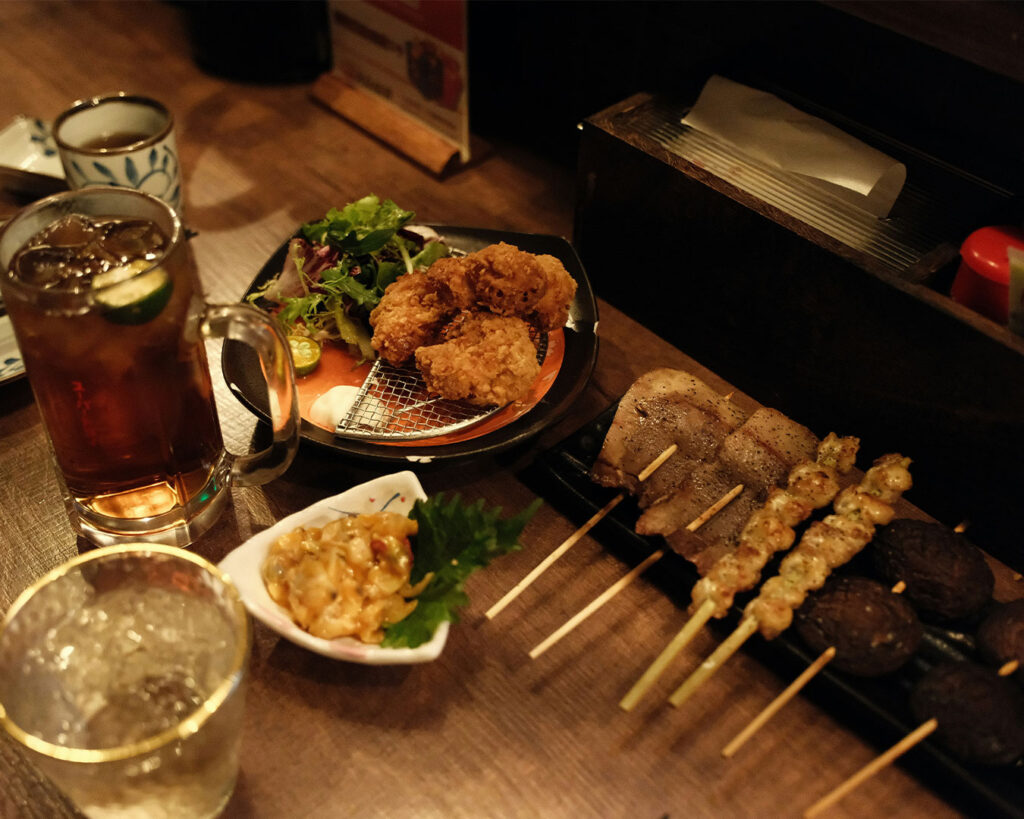
The concept of the izakaya restaurant has thrived in Singapore, a city that values communal dining and a vibrant late-night food scene. The local izakaya captures the spirit of its Japanese origin while appealing to Singaporean tastes.
The popularity of izakaya restaurant Singapore stems from Singaporeans’ love for sharing dishes. The small-plate format lets foodies sample a variety of flavors, from traditional yakitori to fusion creations.
At an izakaya restaurant Singapore, expect a lively atmosphere, friendly service, and a focus on highballs, beer, and sake. Menus here often offer a more extensive food selection than in Japan, blending the gastro-bar concept with satisfying dinner service. Highlights include premium chicken thigh skewers and seasonal specials—a fun fact about the local scene.
Do note that many izakayas in Singapore offer happy hour deals or special set menus during early evening hours, so it’s worth checking for these offers when planning your visit.
Why Choose an Izakaya Over a Traditional Restaurant?
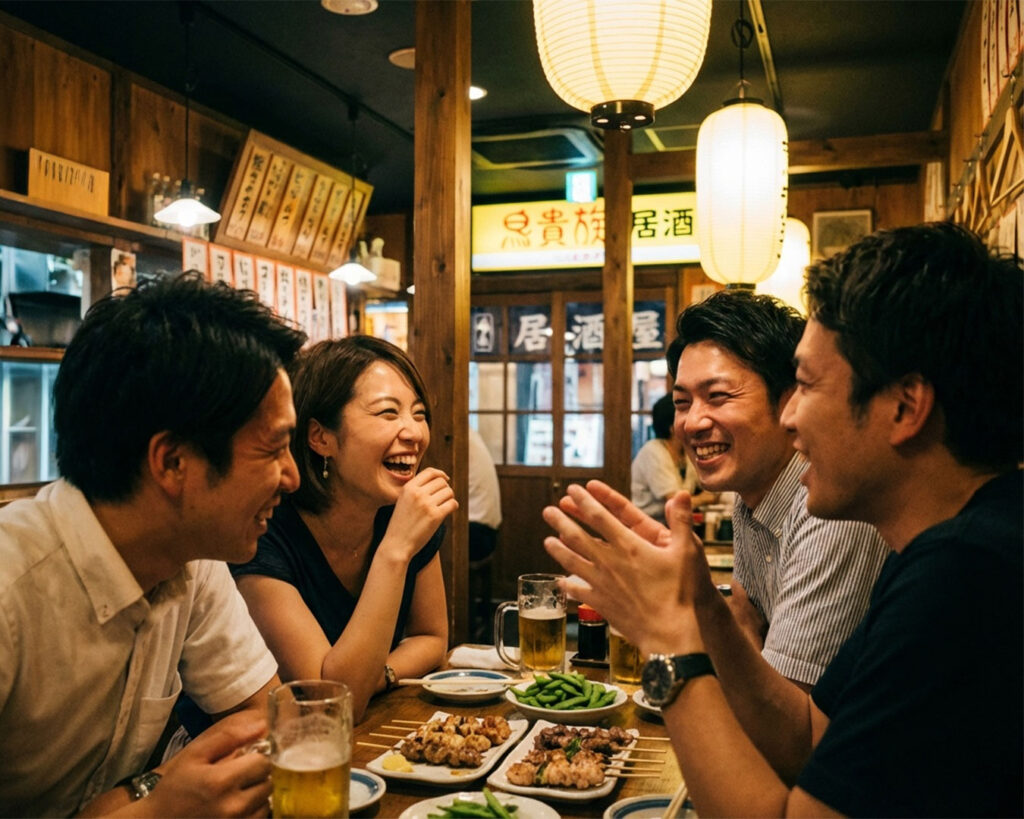
The choice between an izakaya restaurant and a traditional restaurant boils down to your purpose for the evening. There are clear scenarios where the izakaya excels.
When to Choose an Izakaya:
You prioritize conversation over cuisine: If the main goal is catching up with friends on a Friday or Saturdays night, the lively flow of small bites and drinks allows for continuous social interaction.
You want variety and discovery: An izakaya is the best place to sample widely across the spectrum of Japanese comfort food, from tsukune (minced chicken balls) to different pork cuts, without committing to a single dish. You can explore the many dishes on the menu and be pleasantly surprised.
You are looking for a dynamic, fun atmosphere: The noise, the music, and the constant activity create a more festive environment.
You want a focused drinking experience: If you are primarily meeting for alcohol and want food that is specifically designed to be savored alongside sake, shochu, or craft cocktails, an izakaya is the clear winner. The drinks are perfectly complemented by the grill dishes.
When to Choose a Traditional Restaurant:
You have a specific culinary craving: When you need a perfect piece of sashimi, a refined sushi course, or a highly specific Japanese meal, a specialized restaurant will deliver the best version of that specific cuisine.
You require a quiet, intimate setting: For a date or an important corporate lunch or dinner on Mondays, the hushed environment of a fine restaurant is often more appropriate.
The izakaya offers an immersive Japanese dining experience. It’s an invitation to relax, celebrate, and explore the true spirit of Japanese after-work dining life. You’ll likely opt for the easy sharing and friendly service.
Your Next Night Out: Why a Japanese Izakaya in Singapore is the Perfect Spot
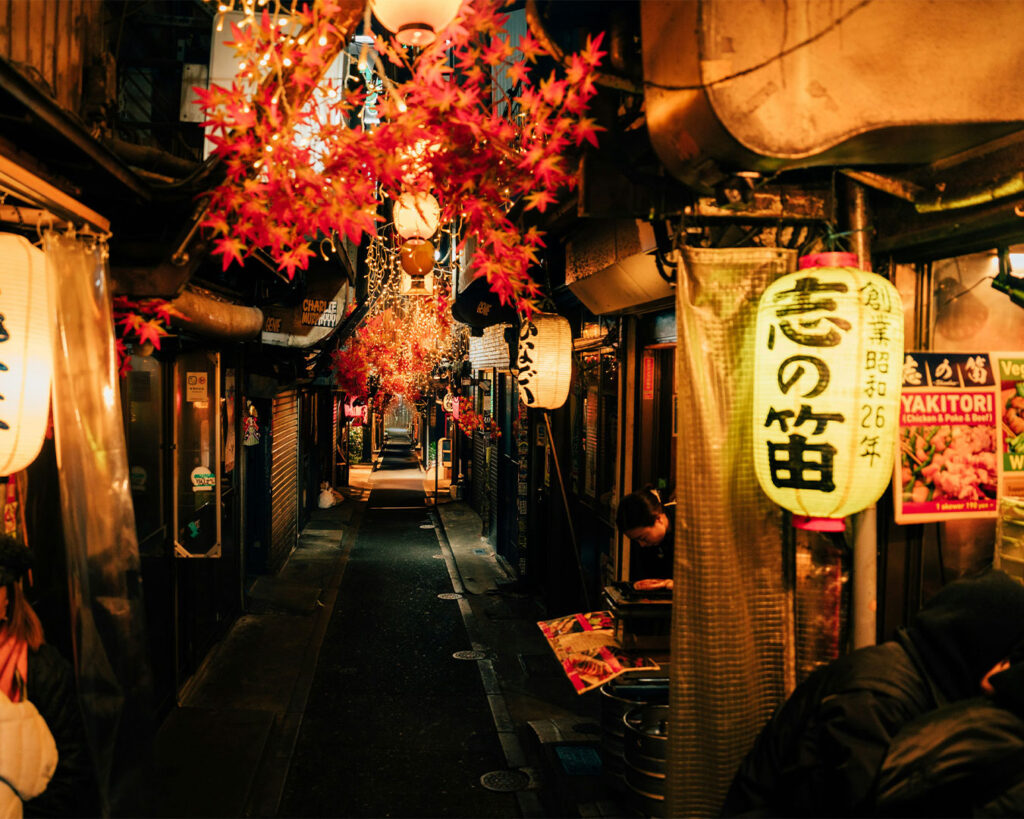
The difference between an izakaya restaurant and a traditional restaurant is one of intent. Traditional restaurants focus on the perfection of a meal; izakayas focus on the quality of a gathering.
The rise of the izakaya restaurant Singapore scene is a testament to the fact that modern diners crave this blend of exceptional, comforting food and a dynamic, unpretentious environment. It is the ideal destination for anyone seeking to celebrate and explore the true spirit of Japanese after-work dining life.