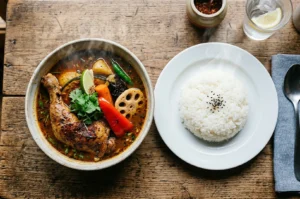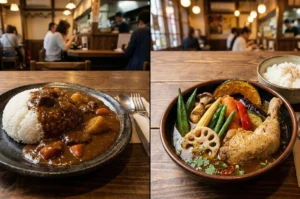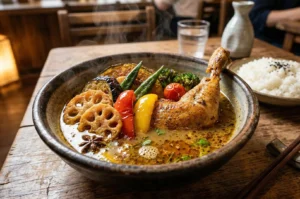
When you picture a comforting bowl of Japanese soul food, your mind might naturally drift towards rich broths and tender meats. The culinary traditions of Hokkaido, however, offer a slightly different narrative. Originating in Sapporo during the early 1970s, soup curry is a masterpiece of balance. Unlike the thick, sweet gravy typical of traditional Japanese curry, this northern specialty features a light, aromatic soup base crafted from chicken broth, curry powder, and garam masala. It is a vibrant dish served with steamed rice on the side, designed to warm you from the inside out.
While the tender chicken thighs and legs simmered to perfection often take the spotlight, the true magic of this dish lies in its vibrant mix of vegetables. Among these earthy treasures, one ingredient stands entirely apart. The inclusion of lotus root in soup curry is not merely a garnish or a colourful afterthought. It is a fundamental component that defines the entire dining experience. We believe that understanding the role of this remarkable vegetable reveals the true depth of authentic Hokkaido cuisine.
The Textural Brilliance of Lotus Root in Soup Curry
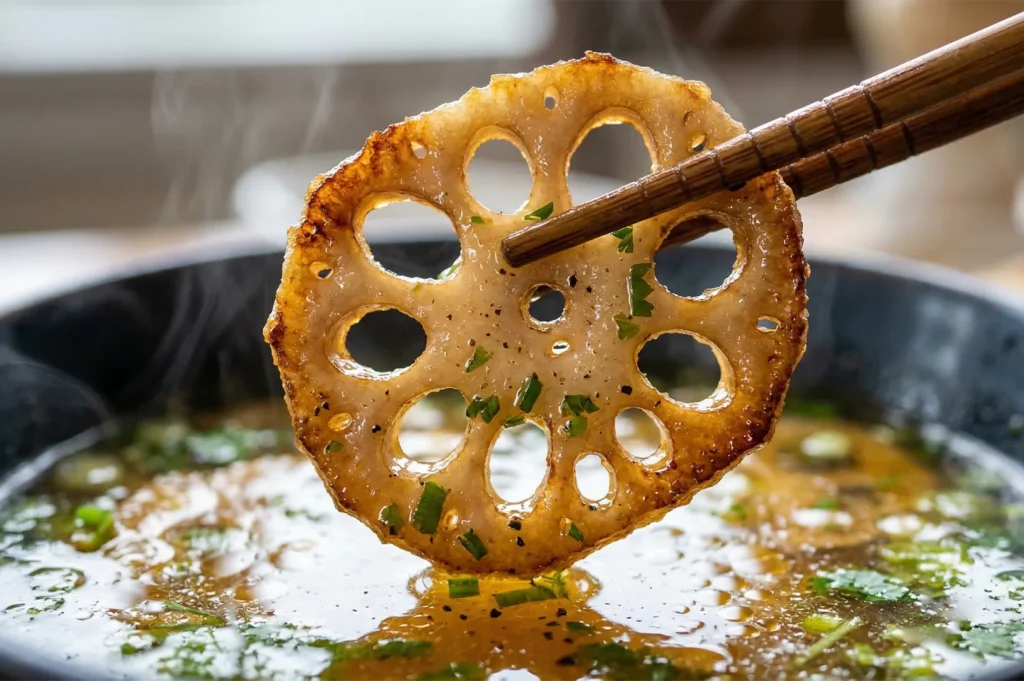
Texture plays an essential role in any memorable meal. In a bowl of soup curry, the diner navigates a landscape of soft, yielding ingredients. Slow-cooked chicken falls away from the bone, while root vegetables like potatoes melt gently on the tongue. Without a contrasting element, the dish could easily lose its dynamic appeal. This is where the lotus root steps in to provide an utterly non-negotiable crunch.
A Crunch That Cuts Through Richness
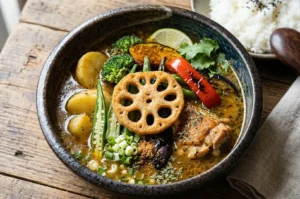
The snap of a perfectly prepared slice of lotus root awakens the palate. It provides a necessary auditory and tactile contrast to the rich, aromatic curry soup. When you bite into it, the crispness cuts through the deep spices and savoury broth. This textural interruption prevents palate fatigue, ensuring that every spoonful remains as exciting as the first. In our restaurant, we pay close attention to this delicate balance, knowing that a satisfying crunch elevates a simple meal into a memorable culinary journey.
Flavour Absorption: How Lotus Root Elevates the Broth
Many vegetables serve as sponges for flavour, but the lotus root performs this task with unique elegance. Its dense, porous structure allows it to interact with the light curry-flavoured soup base without losing its inherent character. To achieve this, preparation is everything.
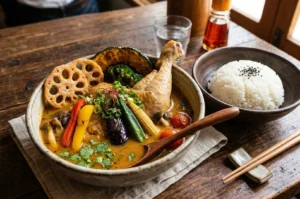
We utilise precise Japanese cutting methods to slice the lotus root to the ideal thickness. It then joins a vibrant mix of deep-fried vegetables, including crisp bell pepper, creamy aubergine, and hearty potato. The flash-frying process is critical. It seals in the natural, earthy sweetness of the lotus root while creating a slightly caramelised exterior. This outer layer acts as a beautiful canvas, catching the complex notes of garam masala and rich chicken broth. The result is a vegetable that tastes distinctly of itself while perfectly harmonising with the bold spices of the soup curry.
The Visual and Cultural Significance of the Lotus Root
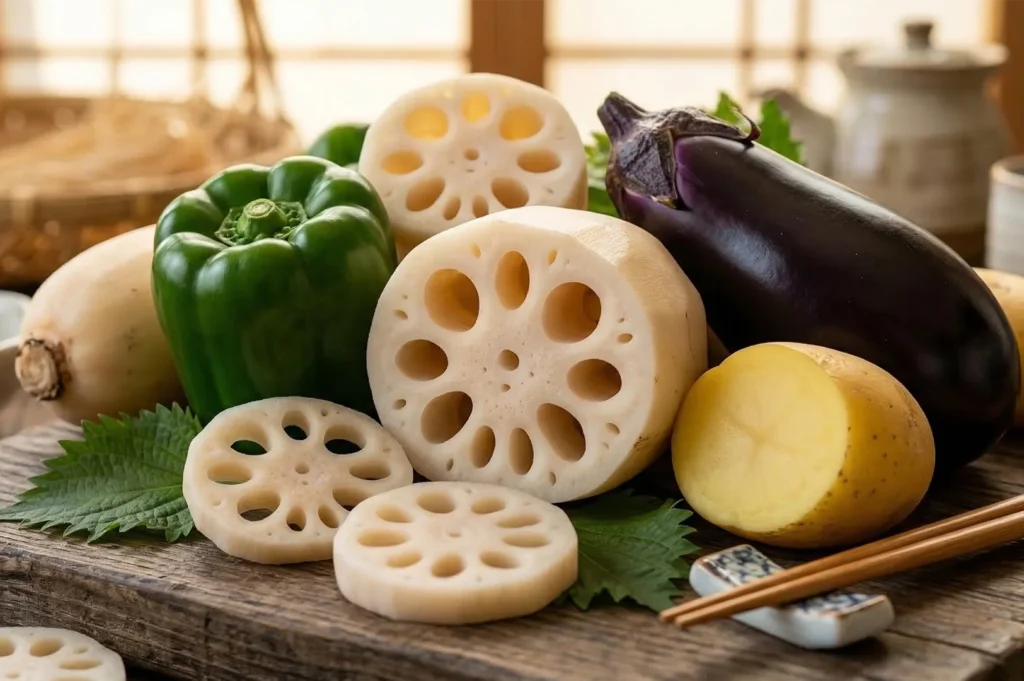
We eat with our eyes first. A bowl of soup curry is a vibrant tapestry of colours and shapes, and the lotus root is undoubtedly the visual anchor. Its distinct, wheel-like pattern of holes makes it instantly recognisable. Nestled amongst the deep greens of bell peppers and the rich purples of aubergine, the pale, intricate slices of lotus root bring a touch of artistry to the presentation.
Symbolism in Japanese Cuisine
Beyond its aesthetic appeal, the lotus root carries deep cultural weight in Japan. The natural holes running through the vegetable are traditionally believed to symbolise a clear view of the future. They represent good fortune, purity, and optimism. By insisting on the presence of lotus root in soup curry, we are not just following a recipe. We are honouring a culinary philosophy that values meaning and intention in every bowl. It transforms an everyday comfort food into a dish served with genuine goodwill.
From Sapporo to Singapore: Honoring the Authentic Recipe
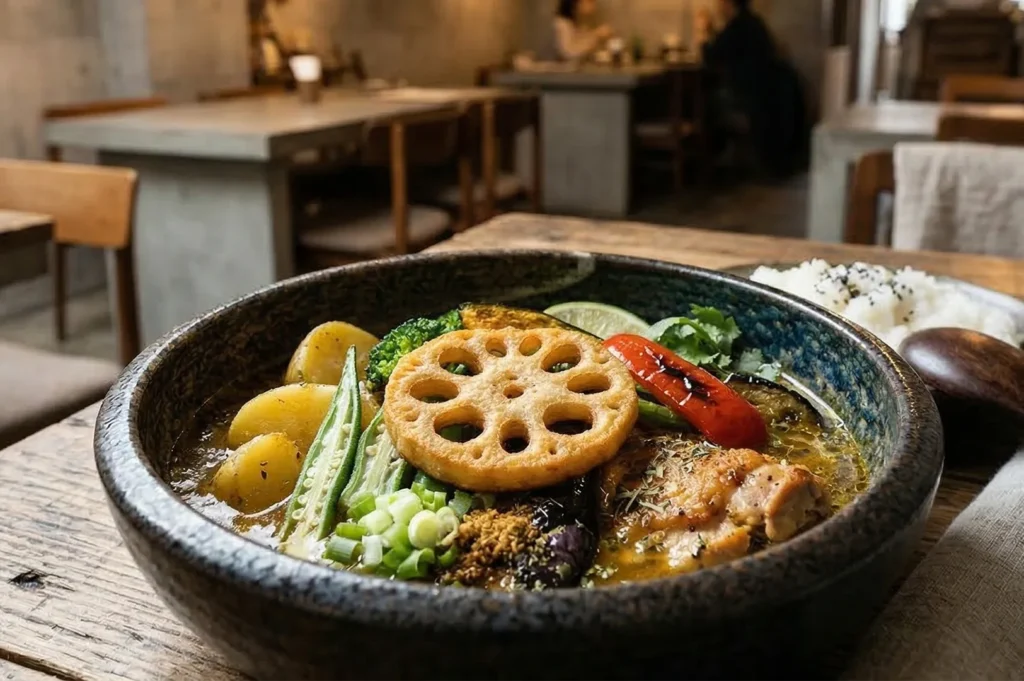
Bringing the true taste of Hokkaido to a new landscape requires a steadfast commitment to tradition. There are many ways to adapt a recipe, but certain elements must remain untouched to preserve the soul of the dish. Soup Curry by Ki-Setsu was built on this exact philosophy. We are passionate about showcasing the authentic Sapporo style, which means every ingredient must earn its place in the bowl.
The inclusion of the lotus root is a testament to this dedication. It bridges the gap between the hearty, warming nature of the chicken broth and the fresh, agricultural bounty that Hokkaido is famous for. As daylight fades and our space transforms into a cosy izakaya setting, the comfort of our soup curry remains a constant anchor. Whether you are enjoying a quiet evening meal or exploring Japanese small plates, the foundational principles of our cooking do not waver. The lotus root stands as a crunchy, flavourful symbol of our commitment to authentic northern Japanese fare.
Experiencing the Essential Lotus Root in Soup Curry
Understanding the mechanics of a dish is one thing, but tasting the harmony of ingredients is an entirely different experience. The lotus root might seem like a simple vegetable, but its contribution to texture, flavour absorption, and visual beauty makes it completely indispensable. It is the quiet champion of the bowl, ensuring that the light, aromatic broth and tender chicken are perfectly complemented.
We invite you to discover this careful balance for yourself.
Open Hours:
Lunch: 12:00 PM – 2:30 PM (Walk-in only)
Dinner: 6:30 PM – 10:00 PM (Reservations required)
If you are planning to visit us for lunch, please note that we welcome guests on a walk-in basis. For those seeking to end their day with a comforting bowl, dinner reservations are available exclusively at 6:30 PM and are held for a maximum of 15 minutes.
Come and explore the nuanced flavours of authentic Hokkaido cuisine at Soup Curry by Ki-Setsu, where every slice of lotus root is prepared with purpose and passion.