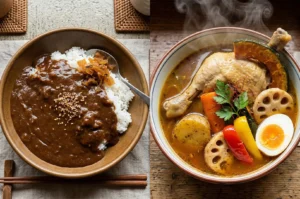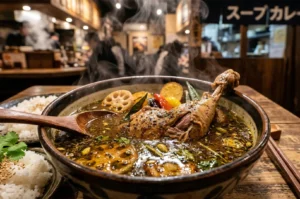
Japanese food in Singapore lives side by side with many traditions. Diners move between hawker centres, food courts, and quiet neighbourhood spaces. Sushi, ramen, katsu curry, and rice bowls already feel familiar. Our restaurant offers another path within Japanese cuisine, one shaped by warmth, restraint, and everyday comfort. This article explains how Sapporo soup curry fits into Japanese food in Singapore, and why this style speaks clearly to local habits and tastes.
Defining Japanese Comfort Food in Singapore
Japanese food in Singapore often appears polished or specialised. Omakase counters focus on ceremony. Ramen shops chase intensity. Curry houses lean thick and rich. Yet daily dining in this city values ease. Hawker stalls succeed through warmth and clarity. Comfort food matters.
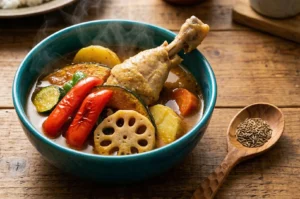
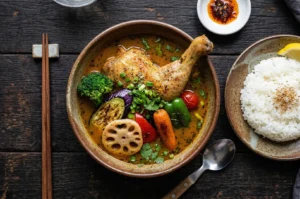
Soup curry enters this space quietly. A bowl arrives hot, aromatic, and balanced. The curry soup feels light, closer to hot pot dishes than heavy stews. Fragrant rice cooked separately allows diners to pace each bite. This approach aligns with Singapore’s food culture, where many dishes focus on broth, rice, and steady flavours.
Broth Logic: From Hainanese Chicken Rice to Soup Curry
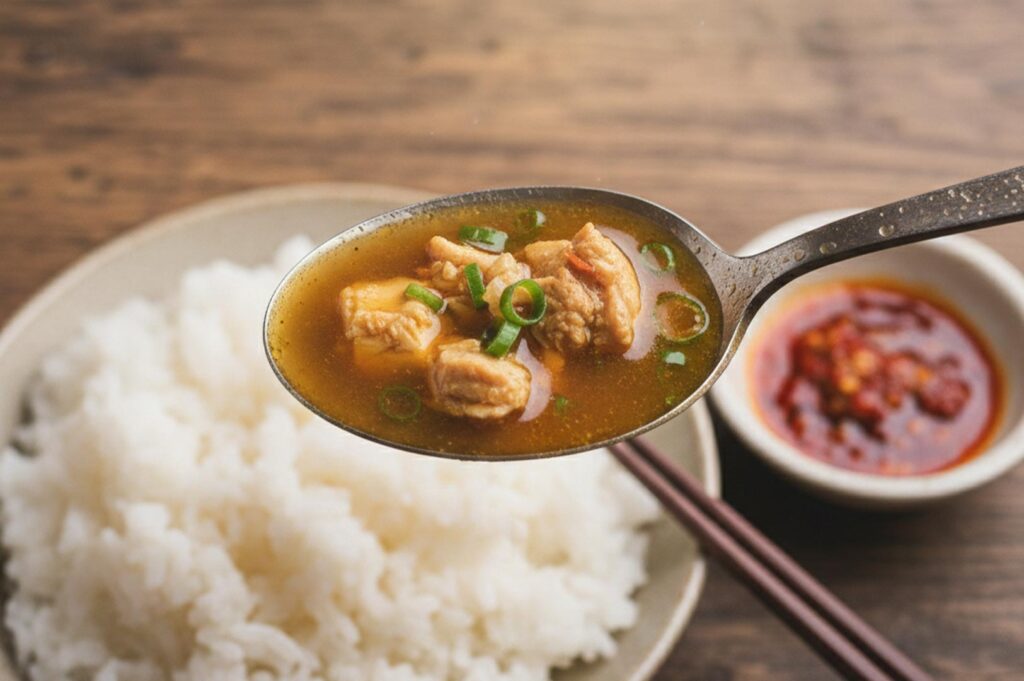
Food in Singapore teaches diners to notice small details. Chicken fat scent defines Hainanese chicken rice. Pepper clarity defines bak kut teh. Wok heat defines char kway teow. In this city, Japanese dining faces the same standard.
Soup curry meets this expectation through discipline. The broth stays clear. Spices stay measured. Savory flavors rise without noise. Guests familiar with hawker centre meals recognise this restraint at first spoon.
The Art of Simplicity and Hainanese Chicken Values
Hainanese chicken shows how simple food builds loyalty. Clear broth, tender chicken, fragrant rice cooked with chicken fat, and chili sauce work together.
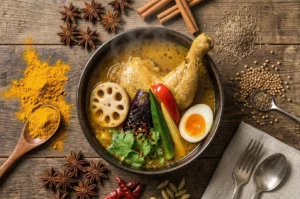
Soup curry follows similar logic within Japanese cooking. Chicken cooks gently. Skin stays intact. Curry soup supports rather than hides flavour. Soft boiled eggs rest within broth without clouding taste. This balance helps Japanese cuisine feel natural inside Singapore restaurants.
Elevating Texture: Fried Chicken Redefined
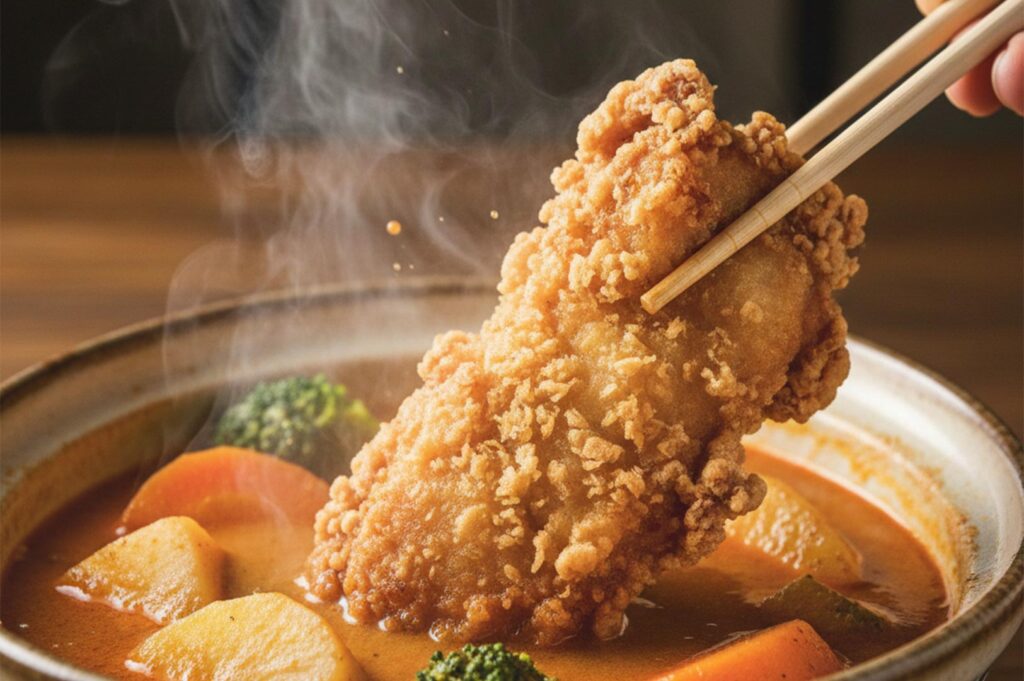
Fried chicken appears everywhere, from food stalls to coffee shop counters. Crisp texture signals care.
Soup curry treats fried chicken differently from thick Japanese curry. Light coating protects moisture. Curry soup arrives after frying. Crispness lasts longer. Diners familiar with best hawker stalls recognise this respect for texture.
Speed, Honesty, and Food Centre Habits
A food centre trains diners to expect speed and honesty. Plates arrive without fuss. Portions satisfy without excess.
Soup curry reflects this habit. Each bowl contains clear components. Fried tofu absorbs broth. Bean sprouts add freshness. Green onions sharpen aroma. Rice cakes appear when warmth matters most. Japanese comfort foods succeed through such clarity.
Customization and Choice at Modern Hawker Centres
Hawker centres thrive through choice. One table holds rice noodles, kway teow, fried chicken, and sweet milk tea.
Soup curry supports choice in similar fashion. Spice levels adjust. Proteins vary, including minced pork, hamburg steak, salisbury steak, and fried chicken. Cold udon noodles offer relief during warm afternoons. Such flexibility suits Japanese food in Singapore, where diners mix habits freely.
Spice Discipline: Learning from Bak Kut Teh
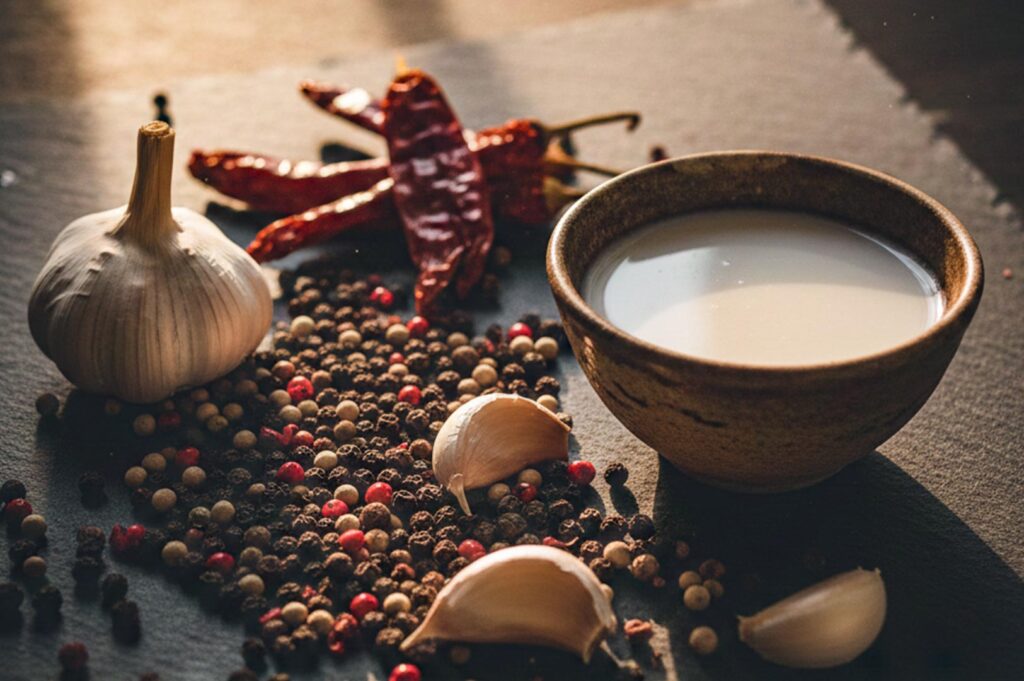
Bak kut teh relies on pepper and garlic, never chaos. Soup curry follows similar control.
Spice blends stay focused. Heat remains steady. Chili sauce stays optional. Coconut milk softens edges without sweetness. Dark soy sauce adds depth without salt overload. This discipline mirrors Japanese cooking values while respecting local palates.
Finding Balance: Beyond the Intensity of Chili Crab
Chili crab defines celebration dining. Sweet, spicy sauce coats hands and tables.
Soup curry chooses another role. Calm warmth leads. Fragrant rice absorbs curry soup slowly. Savory flavors build with each spoon. This difference offers Japanese comfort food suited for regular dining rather than feast days.
Integrating Daily Meals into the Local Food Tour
A food tour highlights contrast. Maxwell Food Centre often anchors such routes. Maxwell food stalls serve fish balls, oyster omelette, Hainanese chicken, char siu, and egg tart counters.
Soup curry fits daily meals rather than spectacle. A bowl suits lunch breaks and quiet dinners. Cold udon, shaved ice topped with red beans, and sweet milk tea support slower pacing. Japanese cuisine feels lived in, not staged.
Climate Awareness Through Cold Udon and Warm Spice
Singapore heat shapes appetite. Cold udon answers humidity with clarity.
Soup curry pairs well with cold udon. Warm spice meets chilled noodles. Soy sauce dip, green onions, and firm wheat refresh the palate. This contrast shows how Japanese food in Singapore adapts to climate rather than fighting nature.
Familiar Textures: Fish Balls and Fried Tofu
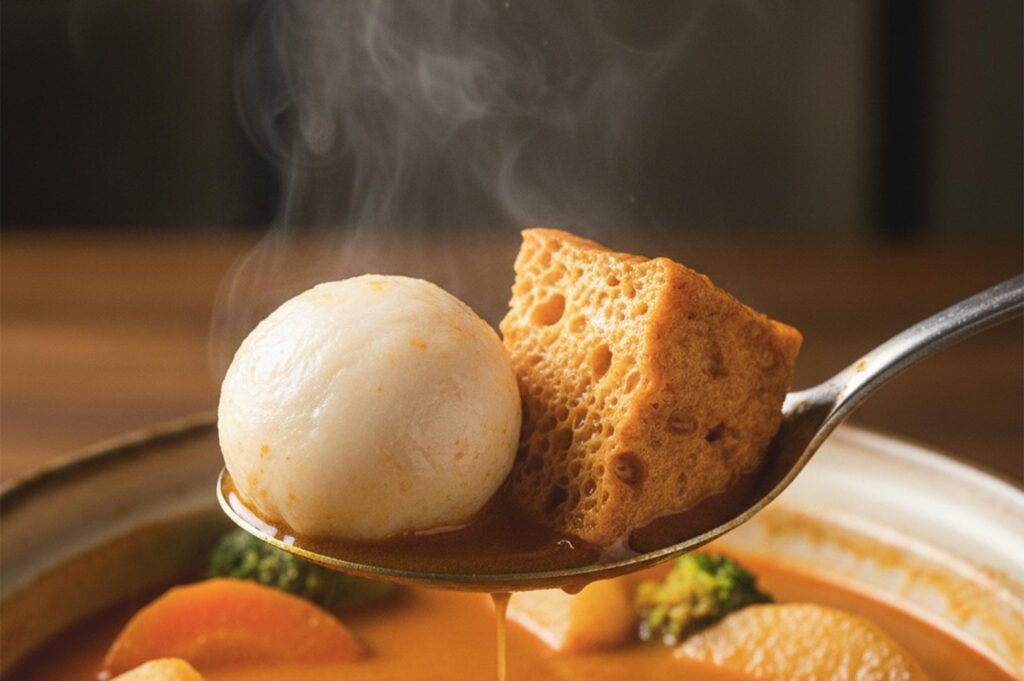
Fish balls appear across hawker centre menus. Bounce signals skill.
Soup curry earns trust through familiar textures. Fish balls, fried tofu, and bean sprouts ground the bowl. New flavours feel safe. Exploration follows comfort. This careful balance of texture and taste invites diners to experience Japanese food in Singapore with confidence, blending the known with the novel.
By grounding the dish in these familiar components, soup curry becomes accessible to Singaporean diners accustomed to the textures and tastes of hawker centre fare. This approach encourages culinary exploration within a comforting framework, making it an ideal choice for those seeking Japanese comfort food that respects local dining habits and preferences.
Patience Over Power: The Char Kway Teow Contrast
Char kway teow relies on speed and heat. Wok hei defines success.
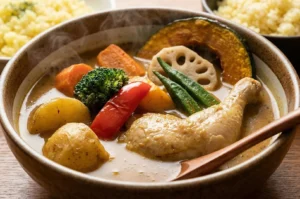
Soup curry relies on patience. Low simmer replaces flame. Time replaces force. Stir fried vegetables appear separately. Bell pepper, lotus root, aubergine, and potato retain colour and bite. This method reflects Japanese cooking priorities while respecting Singapore habits.
Hamburg Steak: A New Staple for Japanese Home Food
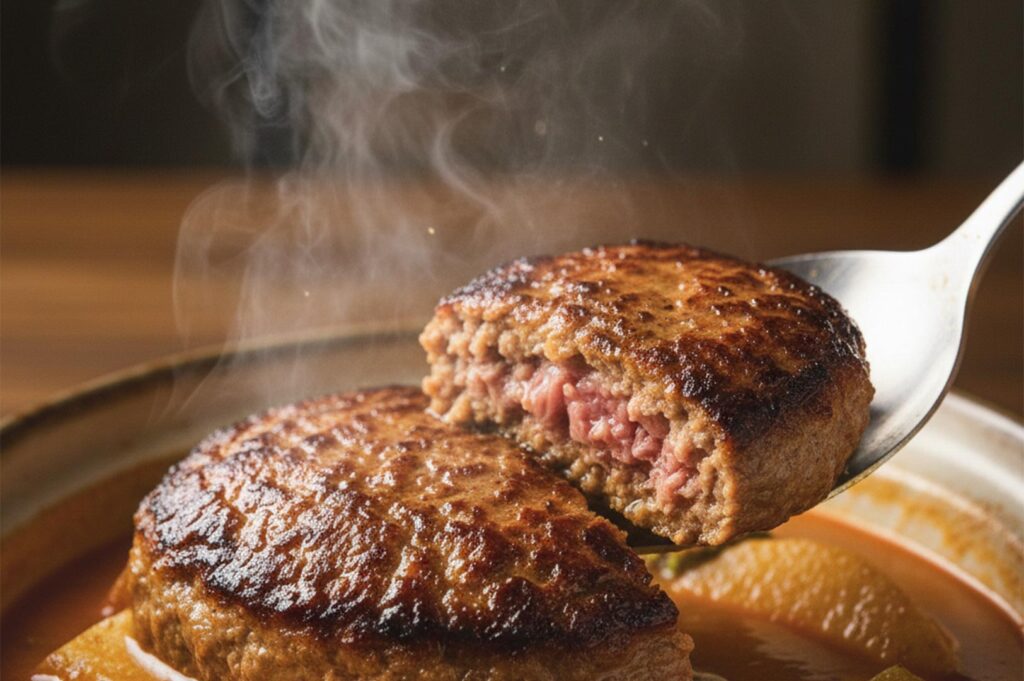
Hamburg steak belongs to everyday Japanese comfort foods. Minced pork, seasoning, and gentle searing create familiarity.
Within soup curry, hamburg steak absorbs broth. Texture stays tender. Savoury depth grows steadily. This option appeals to diners seeking Japanese food in Singapore beyond raw fish and noodles.
Delivering Lightweight Comfort Food
Comfort food works best without heaviness. Excess oil dulls flavour. Excess spice tires the palate.
Soup curry stays light. Potato starch thickens gently. Coconut milk appears sparingly. Fragrant rice remains separate and fluffy. Diners finish bowls with ease, ready for conversation rather than fatigue.
Coffee Shop Ease and Peranakan Influence
Coffee shop culture values ease. Plastic chairs, kaya toast, coconut jam, and strong drinks made with robusta beans define mornings. Our room echoes this ease.
Peranakan food blends Chinese roots with local spice. Layering defines success. Soup curry also blends influences. Japanese spice methods meet Southeast Asian warmth. Soy sauce depth meets coconut milk softness. Such blending helps Japanese food in Singapore feel familiar rather than foreign.
Shared Warmth and Cultural Anchors
Hot pot dishes gather people around steam and time. Soup curry offers similar warmth through individual bowls. Each guest controls pace.
Rice anchors food in Singapore. Fragrant rice cooked separately meets curry soup at the table. Grains stay defined. Broth absorbs gradually. Control stays with diners.
The Consistency of a Popular Dish
A popular dish earns loyalty through consistency. Hawker stalls survive through repeat trust.
Our team focuses on repeat bowls. Same broth. Same cut. Same warmth. Soup Curry by Ki-Setsu reflects this approach, grounded in Hokkaido values while respecting local dining habits. Guests exploring Japanese curry within food in Singapore often arrive through quiet recommendations or a visit to https://soupcurry.com.sg.
A Final Word: Why Soup Curry is Becoming a Singaporean Staple
Japanese food in Singapore thrives through balance, comfort, and respect for daily dining. Sapporo soup curry fits this landscape through clarity, warmth, and restraint. Within a city shaped by hawker centres and beloved dishes, this bowl offers Japanese comfort food suited for everyday life.
Soup curry serves as a cultural bridge. Hokkaido spice-focused broths meet the relaxed, flexible habits of a food centre. This pairing helps the dish settle naturally into local dining life. Diners who enjoy the peppery warmth found in Bak Kut Teh or the careful handling seen in Hainanese chicken recognise the same care in every bowl. As more people seek meals offering comfort and nourishment, soup curry shows how Japanese cuisine continues to grow within food in Singapore.