A great curry is a masterful symphony of flavors. At Soup Curry by Ki-Setsu, we believe that curry is more than just a dish—it’s an experience that can be fiery and bold, or subtle and creamy, reflecting the diverse tastes of our community. Whether it’s a rich, slow-simmered sauce or a light, aromatic broth, the magic behind this incredible diversity lies in its building blocks: the curry ingredients. Understanding these components is the first step toward moving beyond pre-made curry paste and store bought curry powder and crafting truly authentic, personalized dishes right in your own kitchen.
As passionate curators of soup curry, we emphasize freshness, quality, and balance in every bowl we serve. Whether you’re a curious home cook or a culinary enthusiast looking to deepen your knowledge, this guide will walk you through everything you need to know. We’ll explore the essential spices, aromatics, liquids, and proteins that form the foundation of curries around the world. Get ready to unlock the secrets to building complex, unforgettable flavor from scratch, whether you’re making a classic Indian chicken curry or an easy chicken curry perfect for a weeknight dinner.
The Heart of the Matter: Core Spices
At the center of any curry is a thoughtfully constructed spice blend. While curry powder is a familiar sight on grocery store shelves, it’s often a Westernized simplification. Authentic curries are built from a selection of individual ground or whole spices, toasted and combined to create a specific flavor profile. Mastering these core curry ingredients is key to making the best curry.
The Foundational Trio
Cumin: Earthy, warm, and slightly nutty, cumin provides a savory depth essential in many South Asian and Middle Eastern curries. It can be used whole (seeds) or ground.
Coriander Seeds: With bright, citrusy, and slightly sweet notes, coriander seed powder balances the earthiness of other spices. It acts as a thickener and adds a foundational flavor that complements almost everything.
Turmeric: Famous for its brilliant golden-yellow hue, turmeric offers a pungent, earthy, and slightly bitter flavor. A little goes a long way, and its role is as much about color and health benefits as it is about taste.
Key Supporting Spices
Beyond the main three, a host of other aromatic spices add complexity and character:
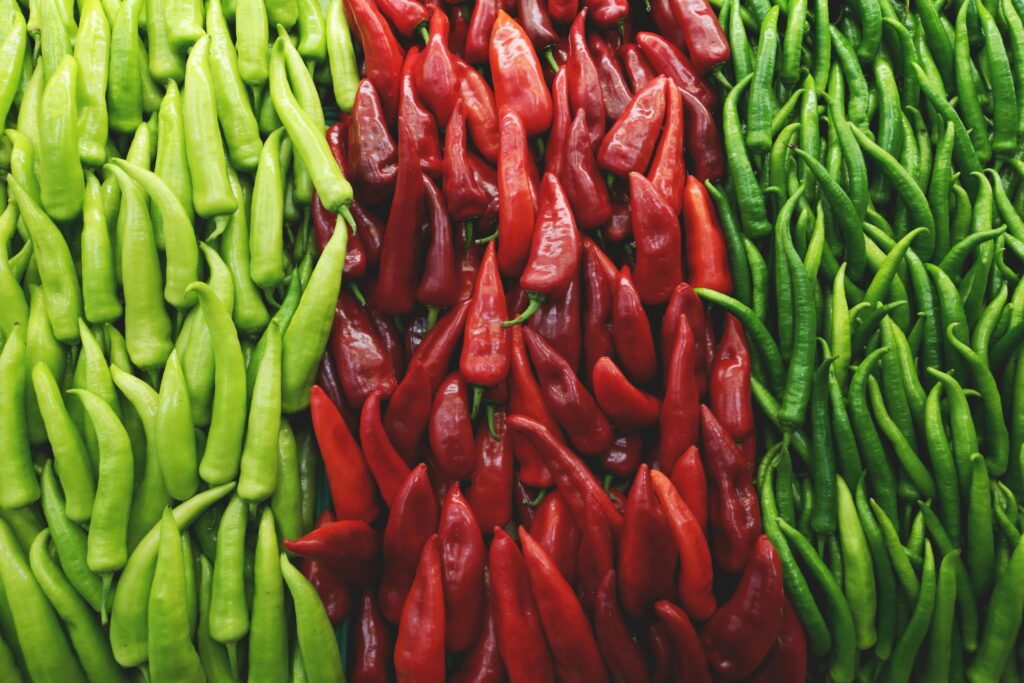
Chilies (Red & Green): These bring the heat. From mild chili powder and cayenne pepper to the fiery punch of bird’s eye chilies, they are crucial for adding that spicy kick.
Cardamom (Green & Black): Green cardamom is intensely aromatic with floral and citrus notes, perfect for creamy, fragrant curries. Black cardamom is larger, with a smoky, camphor-like aroma ideal for robust, savory dishes.
Cinnamon/Cassia: Often associated with sweet baking, cinnamon provides a warm, sweet, and woody fragrance that is indispensable in many Indian cuisine and Southeast Asian curries.
Cloves: Intensely aromatic and pungent, cloves add a unique sweet and medicinal note. They are very powerful, so use them sparingly.
Fenugreek: The seeds are slightly bitter with a hint of maple, while the dried leaves (curry leaves) offer a wonderfully herbaceous and savory finish.
Mustard Seeds: When tempered in hot oil, black or brown mustard seeds pop and release a sharp, nutty flavor that is a hallmark of many South Indian dishes.
The Aromatic Base: Building the Flavor Foundation
Before the spices go in, most curries begin with a base of aromatics sautéed in oil or ghee. This step, known as tarka, tadka, or tempering, releases the essential oils of the ingredients and creates the first layer of flavor.
Onion: Perhaps the most universal curry ingredient, onions provide a sweet and savory foundation when softened or a deep, rich flavor when caramelized. To start, heat oil (like olive oil) in a pan and saute onion until golden brown.
Garlic and ginger: Pungent and savory, garlic adds a powerful aromatic kick that deepens as it cooks, while fresh ginger offers a zesty, peppery heat that brightens the overall flavor profile of the dish. Many chicken curry recipes rely heavily on this duo for their aromatic base.
Lemongrass and galangal: Staples in Thai and other Southeast Asian cuisines, they impart bright, citrusy, and pine-like notes that create refreshing complexity.
The Main Event: Proteins and Vegetables
Once the aromatic and spice base is established, it’s time to add the chicken or other proteins and vegetables to build the body of the curry. The options here are nearly limitless and depend entirely on the regional style and your personal preference.
Common Proteins
Chicken Pieces: Whether you prefer bone in chicken, chicken thighs, chicken breasts, or boneless chicken, chicken is a versatile and quick-cooking choice worldwide. For the richest flavor, many chefs recommend using chicken thighs or chicken legs.
Whole Chicken: Some recipes call for a whole chicken cut into pieces (chicken cut) to maximize flavor in the curry sauce.
Lamb/Mutton: The rich, slightly gamy flavor stands up well to robust spice blends, making it a favorite for dishes like Rogan Josh.
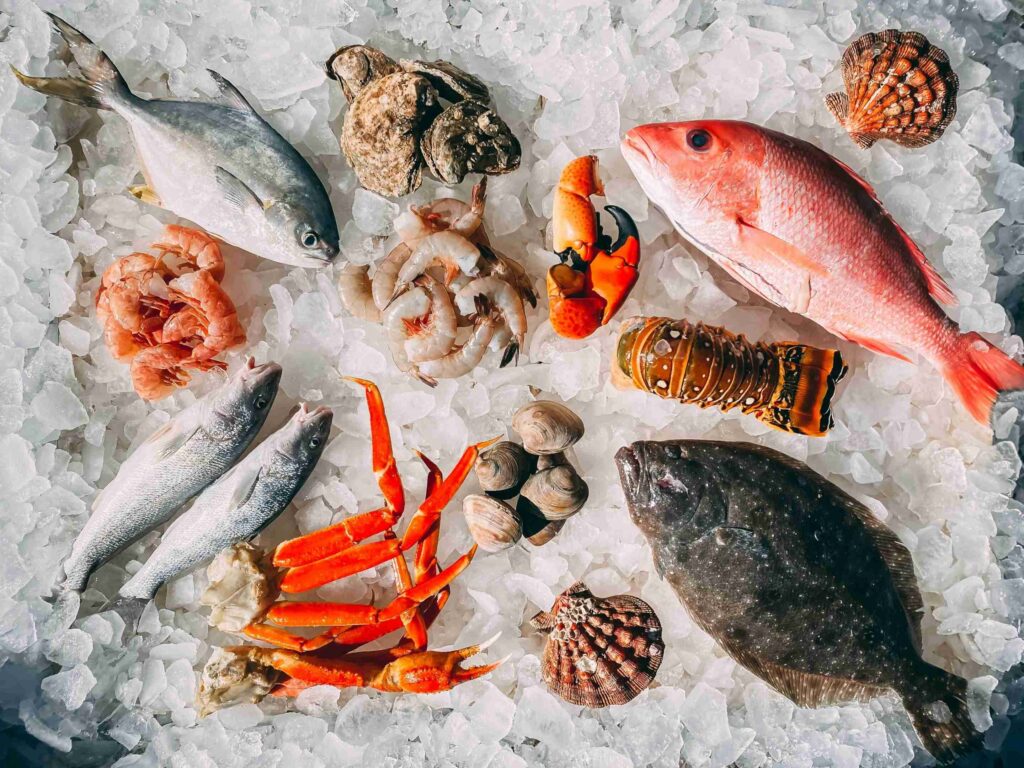
Seafood: Fish and shrimp are common in coastal regions, often cooked in lighter, coconut-based sauces that complement their delicate flavor.
Lentils & Legumes: A cornerstone of vegetarian curries, lentils (dal), chickpeas, and beans provide a hearty, protein-packed base.
Tofu & Paneer: Tofu readily absorbs the flavors of the curry sauce, while paneer (an Indian fresh cheese) offers a soft, milky flavor and satisfying texture.
Essential Vegetables
Vegetables can be the star of the show or a supporting player. Popular choices include:
Potatoes and sweet potatoes
Cauliflower
Spinach and other leafy greens
Peas
Bell Peppers
Eggplant
Okra
Extra veggies can be added to enhance texture and nutrition.
The Liquid Element: Creating the Sauce
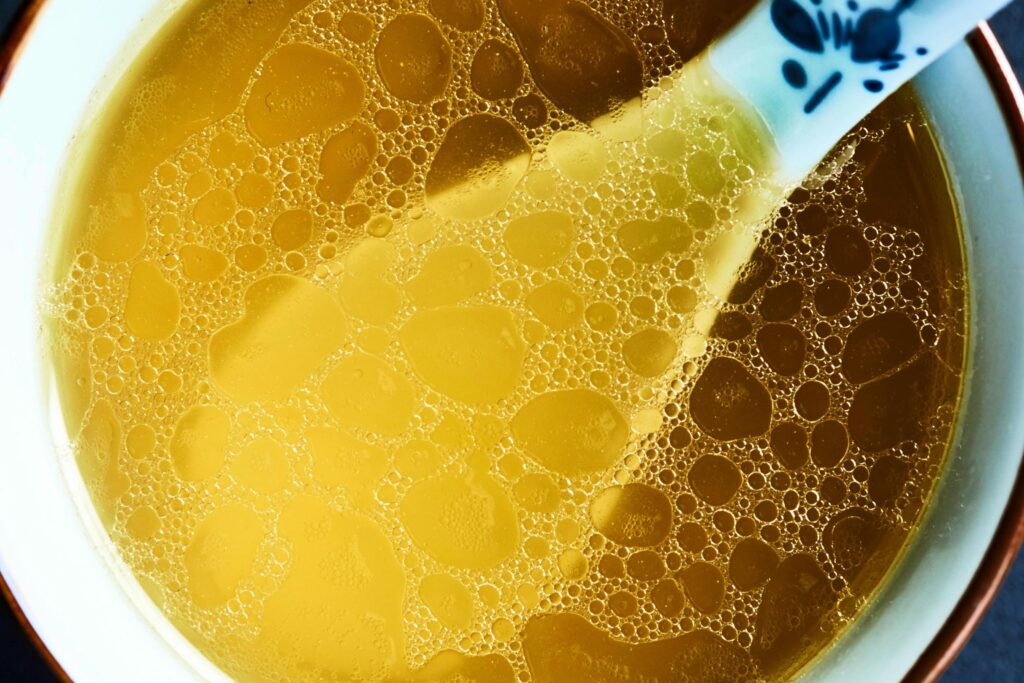
The liquid base determines the final texture and overall character of your curry. It binds all the curry ingredients together, transforming them into a cohesive delicious curry sauce.
Coconut milk and coconut cream: The stars of Thai and many South Indian and Caribbean curries, these provide a rich, creamy texture and a subtle sweetness that balances spice beautifully.
Fresh tomatoes and canned tomatoes: Used fresh, puréed, or canned, tomatoes lend acidity, sweetness, and a vibrant red color, forming the base for countless North Indian curries.
Yogurt and heavy cream: Often used as a marinade for meat or stirred in at the end of cooking, yogurt and heavy cream add a tangy richness and create a velvety-smooth sauce.
Chicken broth or chicken stock: Broth creates a lighter, soup-like consistency. It’s a key component in dishes where a thin, flavorful liquid is desired.
Water: Sometimes, all you need is water to bring the ingredients together and let the spices shine on their own.
Cooking Techniques and Tips
When making curry, controlling the heat is crucial. At Soup Curry by Ki-Setsu, we start by heating oil over medium heat or medium high heat to gently heat oil and sauté onion and aromatics, ensuring each ingredient releases its full flavor potential. Once the spices are added, we reduce to low to medium heat or low heat and let the curry simmer gently.
For thicker sauces, we sometimes use a cornstarch slurry or simply simmer longer to achieve a thicker gravy, depending on the style of curry we are crafting. We emphasize stirring occasionally to prevent sticking or burning while maintaining the integrity of the sauce.
Many recipe developers recommend using an instant pot or slow cooker for convenience and consistent results, especially when cooking tougher cuts like bone-in chicken or lamb. While we appreciate these modern conveniences, we also value the traditional hands-on approach that connects us with the ingredients and allows us to fine-tune every element of the dish.
Regional Variations and Flavor Profiles
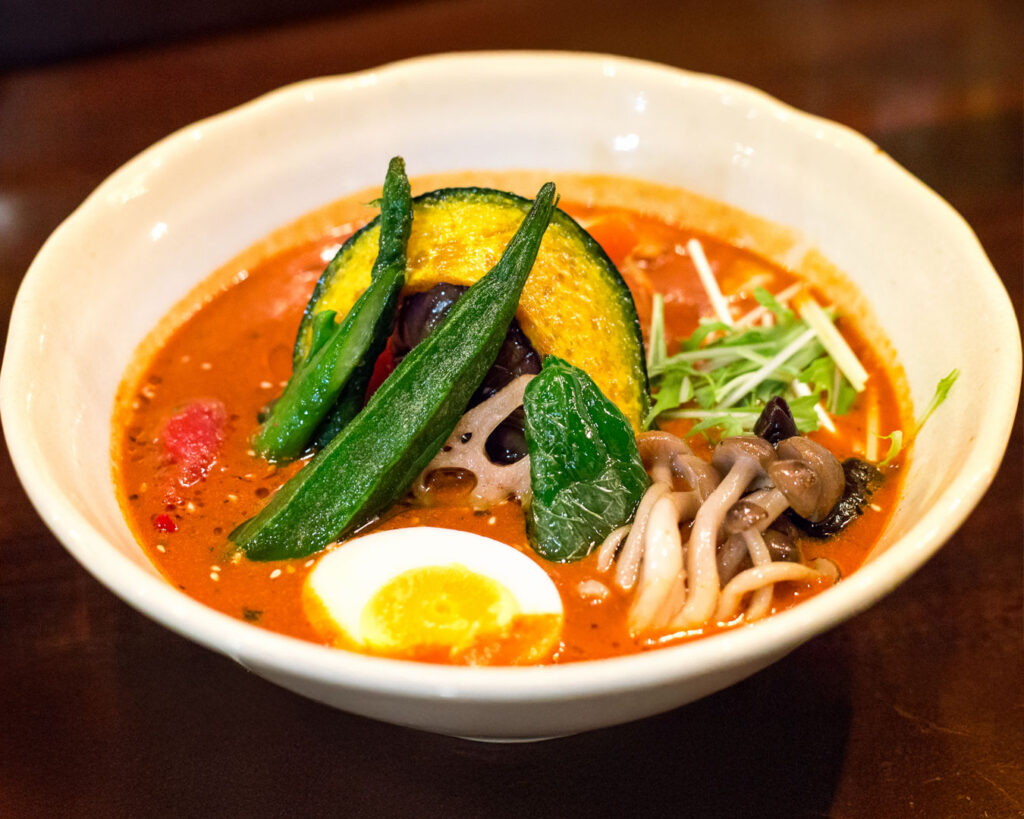
The specific combination of curry ingredients varies dramatically across the globe, reflecting local agriculture and culture.
Indian Chicken Curry
In Indian chicken curry, the use of garam masala, coriander seeds, bay leaf, and curry leaves is common. The sauce often features a blend of fresh ginger, garlic and ginger paste, chili powder, and sometimes cayenne pepper for heat. The curry base typically includes finely chopped onions and fresh tomatoes or canned tomatoes. The dish is often served with basmati rice or jasmine rice for a complete meal. Many Indian chicken curry recipes are rated 5 stars for their rich flavor and comforting qualities.
Southeast Asian Curries
Thai and Malaysian curries often rely on fresh curry paste, coconut milk, and ingredients like soy sauce for umami depth. Aromatics like lemongrass and galangal are key, and vegetables like sweet potatoes and extra veggies are common additions.
Japanese Curry
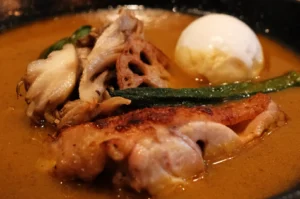
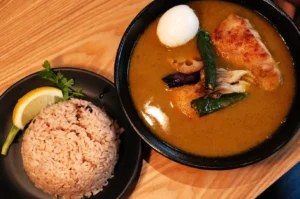
Japanese curry, or karē, is typically thicker, sweeter, and less spicy than its Indian or Thai counterparts. It often starts with a pre-made block or powder and includes ingredients like potatoes, carrots, onions, and sometimes grated apple for sweetness. A more unique style is soup curry, a regional specialty from Sapporo that features a light, broth-based soup infused with spices. For those interested in its distinct character, you can learn more about The Origins of Soup Curry: How a Sapporo Café Started It All.
Serving Suggestions
Serve your delicious chicken curry with fluffy basmati rice or fragrant jasmine rice to soak up the delicious curry sauce. Garnish with chopped cilantro for a fresh, vibrant finish. For a richer touch, add a dollop of coconut cream or a splash of heavy cream.
Sourcing and Storing Your Ingredients
To get the most flavor out of your curry, fresh ingredients are best.
Spices: Buy whole spices whenever possible and grind them yourself just before use. This preserves their volatile oils and results in a much more aromatic and flavorful dish. Store spices in airtight containers in a cool, dark place.
Aromatics: Fresh ginger, garlic, and chilies will always provide a better flavor than their jarred or powdered counterparts.
Herbs: Fresh herbs like cilantro or Thai basil should be added at the very end of cooking to maintain their bright, fresh flavor.
Finding Your Flavor Balance
Making a great curry is an art of balancing flavors. As you cook, taste your sauce at every stage.
Too spicy? Add a spoonful of yogurt, a splash of coconut milk, or a pinch of sugar to temper the heat.
Too flat? It might need a hit of acidity. A squeeze of lemon or lime juice, or a bit of tamarind paste, can brighten the entire dish.
Too bland? You may need more salt to bring the other flavors forward, or you can bloom more spices in a separate pan and stir them in.
Your Next Culinary Adventure: Crafting Your Perfect Curry Recipe
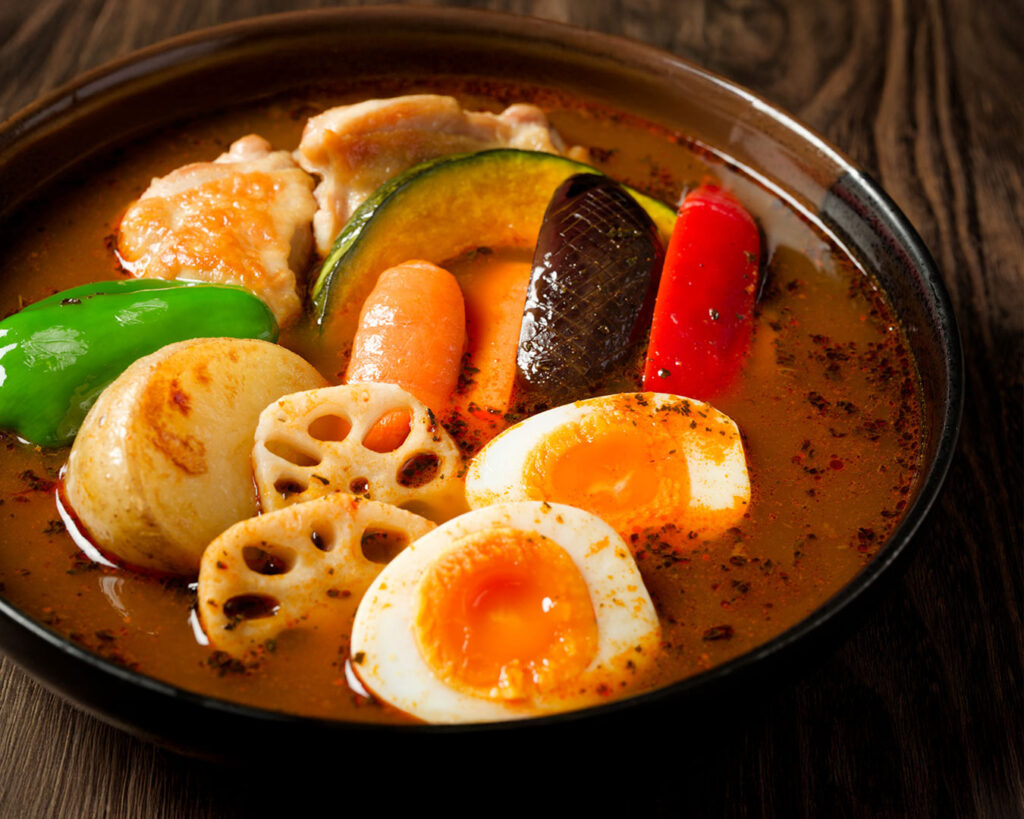
Mastering the art of curry involves understanding the role of each curry ingredient and how they interact. Whether you prefer a quick curry on a busy weeknight or a slow-simmered feast, these principles will help you create an absolutely delicious dish every time.
Explore different spice blends, experiment with proteins like chicken thighs, boneless chicken, or chicken breasts, and don’t be afraid to add extra veggies or adjust the spice level to your liking. We believe that the beauty of curry lies in its versatility and personal touch. We encourage you to embrace creativity and make the dish your own, just as we do with our signature soup curry that balances bold flavors with fresh, quality ingredients. With practice, you’ll soon have your own best chicken curry recipe that earns required recipe ratings and becomes your family’s go to dish.