There is something quietly ceremonial about the moment a small ceramic flask of sake arrives at the table. Whether it arrives warm and fragrant on a cold evening or chilled and delicate alongside a fresh spread of Japanese dishes, sake has a way of drawing people into the rhythm of a meal. Yet for many diners outside Japan, sake remains a mystery: something ordered tentatively, consumed without much thought, and rarely explored beyond the basics.
We think that is a shame. Sake is one of the most food-friendly drinks in the world, and understanding even a little about its varieties and temperatures can transform how you experience Japanese food entirely. Whether you’re at a lively izakaya sharing small plates, enjoying delicate sashimi, or diving into a rich bowl of Hokkaido soup curry, the right sake makes every bite taste more intentional.
Understanding the Main Types of Sake
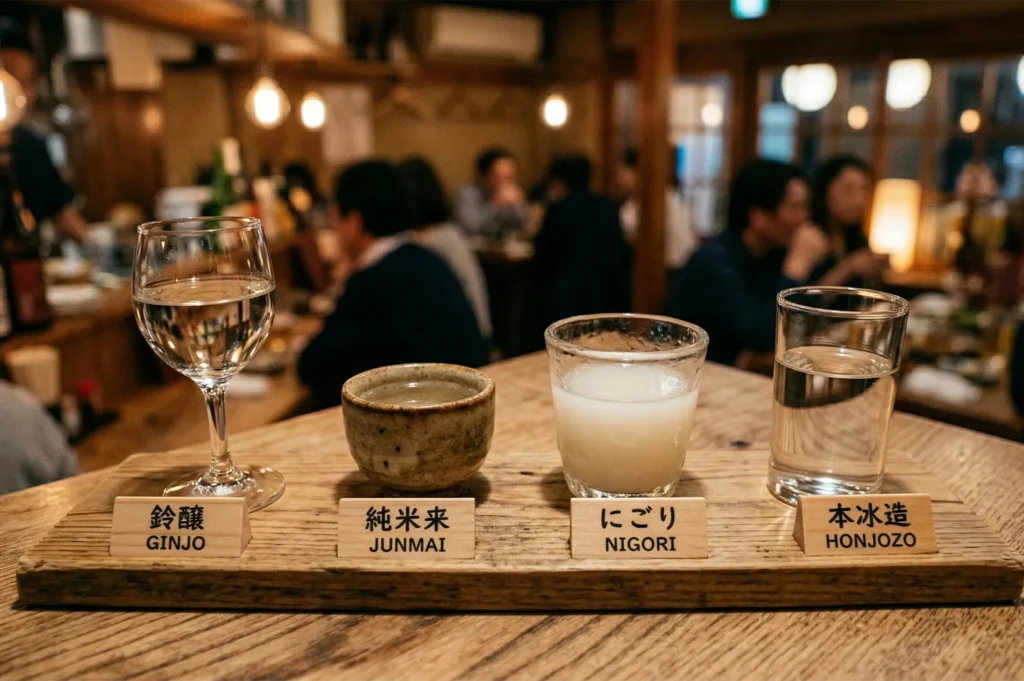
Sake is brewed from rice, water, yeast, and koji mould, but the differences between varieties go far beyond ingredients. The key distinction lies in how much the rice has been milled, and whether distilled alcohol has been added.
Junmai: Pure and Full-Bodied
Junmai means “pure rice,” and this category contains no added alcohol. The result is a sake with more body, earthiness, and a slightly acidic finish. Junmai tends to have a savoury, rich character that holds up well against bold flavours. It is one of the most food-friendly categories, pairing beautifully with grilled meats, miso-based dishes, and hearty soups.
Ginjo and Daiginjo: Fragrant and Refined
These premium categories use rice that has been milled to at least 40 to 50 per cent of its original size, removing the outer layers to produce a cleaner, more aromatic brew. Ginjo sake is known for its fruity, floral notes, while daiginjo takes that refinement even further. These are elegant sakes, best enjoyed slightly chilled and often paired with lighter dishes where their delicate aromas can shine.
Honjozo: Approachable and Versatile
Honjozo has a small amount of distilled alcohol added during production, which lightens the body and lifts the aroma. It is approachable, slightly drier than junmai, and works well across a wide range of food pairings. For those new to sake, honjozo is often a comfortable starting point.
Nigori: Cloudy and Sweet
Unfiltered and milky in appearance, nigori sake retains rice sediment that gives it a creamy texture and natural sweetness. It is richer and more unusual than the others, and while it can be tricky to pair, it works surprisingly well with spiced dishes or as a gentle contrast to deep, aromatic flavours.
Serving Temperatures and Why They Matter
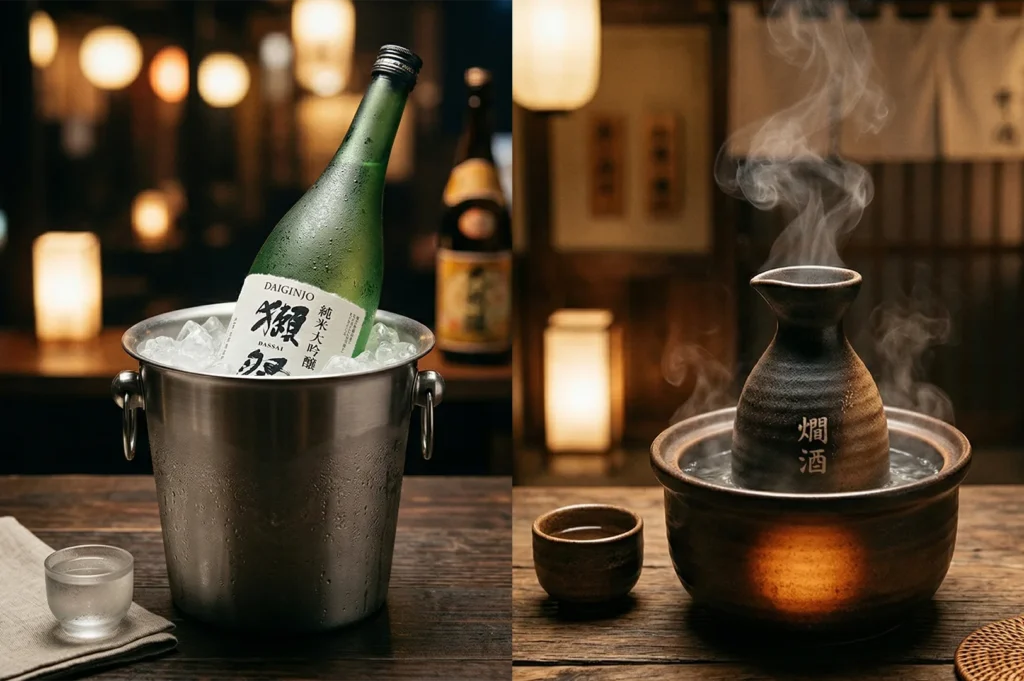
One of sake’s most misunderstood qualities is its versatility with temperature. Unlike wine, which is almost always served at a fixed range, sake can be enjoyed anywhere from ice cold to gently heated, and the temperature dramatically changes its character.
When to Serve Sake Cold
Chilled sake, typically served between 5 and 10 degrees Celsius, is ideal for delicate varieties like ginjo and daiginjo. Cold temperatures preserve the aromatic compounds that make these sakes so expressive. Serving them warm would mute those nuances entirely. Chilled sake pairs well with sashimi, lighter salads, tofu dishes, and anything where clean, subtle flavours are the focus.
Room Temperature Sake
At around 20 degrees Celsius, sake reveals a more balanced character. The acidity and sweetness come into equilibrium, and the overall profile feels more complete. Room temperature is a good way to assess a sake’s true quality, and it works well with a broad range of dishes, from grilled vegetables to lightly seasoned proteins.
Warm and Hot Sake
Gently warmed sake, between 40 and 50 degrees Celsius, is a different experience altogether. Heat amplifies body and aroma, making robust junmai varieties particularly satisfying. Warming a high-quality ginjo, however, would be a mistake, as heat can overpower its more delicate notes. Warm sake is deeply comforting on cooler evenings, and it pairs beautifully with rich, savoury dishes: think miso soup, braised pork belly, oden, or the kind of warming, spiced broths that define Hokkaido cuisine.
At our establishment, when the evening settles in and the space shifts into its izakaya spirit after 6 PM, warm sake becomes a natural companion to the night. There is something about its gentle heat that slows the pace and encourages conversation.
How to Pair Sake with Japanese Food
The general rule with sake pairing is simpler than it sounds: sake is made from rice, and rice is a neutral base that harmonises rather than competes. This gives sake an unusual ability to complement rather than overpower food.
Pairing Sake with Sashimi and Sushi
Light, clean sakes work best here. A chilled junmai ginjo or daiginjo complements the natural sweetness of fresh fish without overshadowing it. Avoid anything too robust or warm, as stronger sake can clash with the delicate flavours of raw seafood.
Pairing Sake with Grilled and Fried Dishes
Fried foods, whether karaage chicken, tempura, or deep-fried vegetables prepared in the Japanese su-age style, benefit from sake with good acidity and a clean finish. The acidity cuts through oil and refreshes the palate. A chilled honjozo or a lightly warmed junmai works well here.
Pairing Sake with Soup Curry
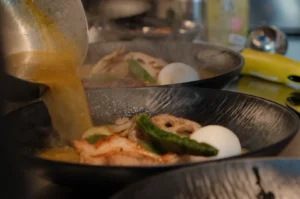
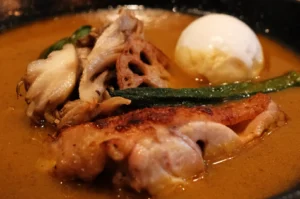
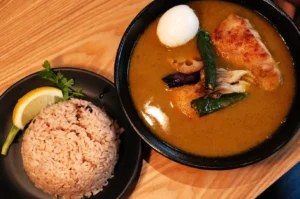
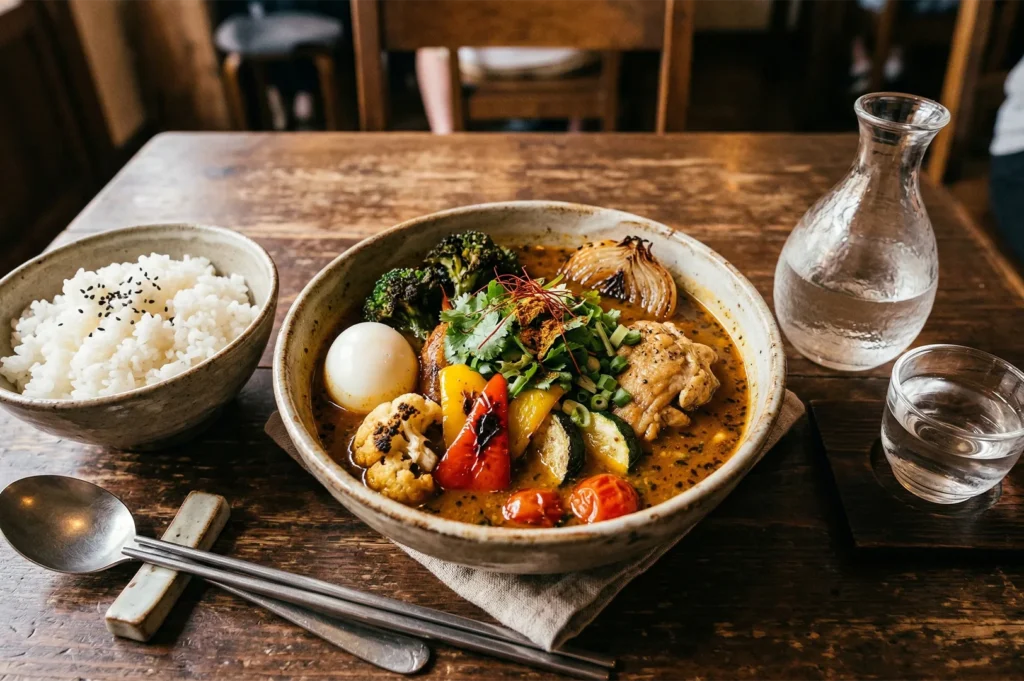
This is a pairing we find particularly rewarding. Hokkaido soup curry, with its aromatic broth built on chicken stock, curry powder, and garam masala, carries layers of spice that need a sake with enough character to stand alongside them.
A full-bodied junmai served at room temperature or slightly warmed holds its own beautifully. The sake’s earthiness echoes the depth of the broth, while its acidity balances the richness of the soup. Nigori sake, with its natural sweetness, can also provide a pleasant counterpoint to the heat of a spicier bowl.
Pairing Sake with Izakaya Small Plates
Izakaya dining is perhaps sake’s most natural home. The variety of small dishes, from edamame and yakitori to more complex preparations, means you can move between sake styles throughout the meal. Start with something chilled and light, then shift to a warmer, richer pour as the evening progresses and the dishes become heartier.
Finding the Right Sake for Your Palate
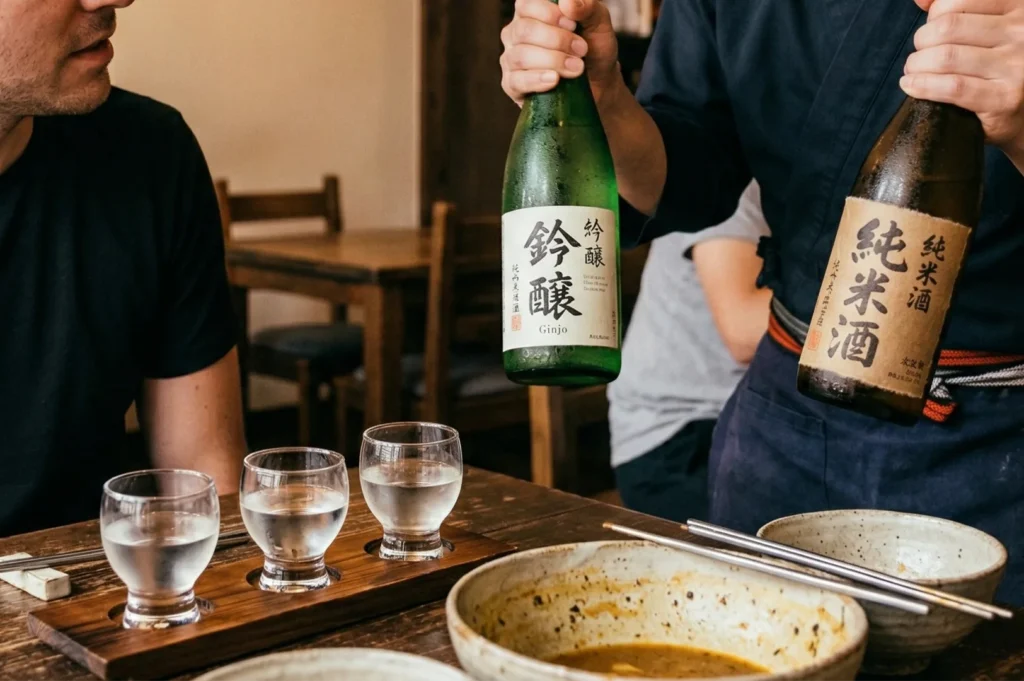
Sake appreciation does not require expertise, only curiosity. A useful starting point is to think about what you already enjoy in other drinks. If you gravitate toward dry white wine, a chilled ginjo will feel familiar. If you prefer something with more texture and warmth, junmai served at room temperature or gently heated is worth exploring.
Asking questions is always encouraged. In settings where sake is taken seriously, staff are usually delighted to guide guests through the options and suggest pairings based on what they are eating.
Where Sake and Soup Curry Belong Together
Sake and Japanese food form a relationship built over centuries, and part of the joy of exploring it lies in discovering unexpected harmony. A warm flask of junmai alongside a bowl of richly spiced Hokkaido soup curry is one of those combinations that feels both surprising and completely right.
At Soup Curry by Ki-Setsu, that kind of discovery is exactly what we hope our guests find when they settle in for the evening. The pairing of sake with our signature bowls is a reminder that Japanese dining, at its best, is never just about one element. It is about the whole experience: the warmth of the room, the depth of the broth, and the quiet pleasure of a drink that has been thoughtfully chosen to sit beside it.
We are open daily from 11:30 AM to 10:00 PM. Dinner reservations are available at 6:30 PM. We look forward to sharing the table with you.