Stepping into an izakaya for the first time can feel like entering a small world with its own quiet rules. Understanding Japanese dining etiquette before you sit down makes the experience far more enjoyable, and it shows respect for a culture where meals are treated as something shared rather than simply consumed.
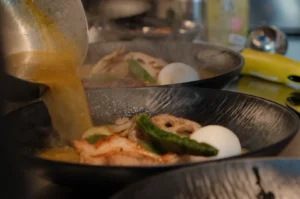
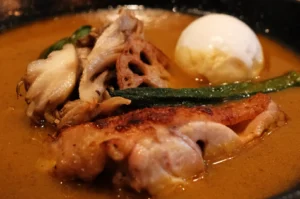
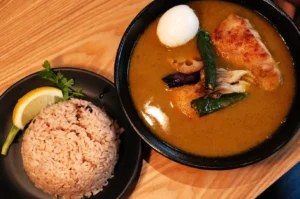
Whether you are visiting Japan or exploring an izakaya closer to home, or even settling into a bowl of Sapporo soup curry before the evening menu begins, knowing how to order, eat, and drink properly will help you feel at ease rather than out of place.
Understanding Japanese Dining Etiquette Before You Order
Japanese culture places great value on consideration for others, and this extends naturally to the table. Before the first dish arrives, it helps to know that dining in Japan often follows a rhythm: a small wet towel is offered to clean your hands, drinks are ordered first, and food follows in stages rather than all at once. This structure is part of what makes Japanese dining etiquette distinct from more casual Western dining habits.
At many izakaya, you will find low tables with tatami mats rather than western style chairs. Guests are expected to remove their shoes before stepping onto the tatami floors, and sitting upright is generally preferred, though it is also perfectly acceptable to sit cross legged or with legs folded to one side if kneeling becomes uncomfortable over a long meal. Nobody expects perfection, but making the effort shows good manners and genuine interest in the culture.
Ordering at an Izakaya: What to Know
Izakaya menus are designed for sharing, which is part of what makes the dining experience so social. Rather than each guest choosing an individual main course, groups typically order a variety of small dishes to share across the table. This is where communal dishes come into play, and it is one of the more charming aspects of Japanese dining. A typical order might include grilled skewers, a bowl of miso soup, some lightly battered vegetables, and perhaps a plate of nigiri sushi if the izakaya has a sushi bar counter.
When it comes to drinks, it is customary to order something to sip on before the food arrives. This might be an alcoholic drink such as sake or beer, or one of the non alcoholic beverages many establishments offer for those who prefer not to drink. Ordering promptly, rather than deliberating for too long, is considered good etiquette, since izakaya staff are often managing a busy floor of fellow diners.
Japanese Table Manners for Eating
Once the food begins arriving, a few core principles of Japanese table manners come into play. These centre almost entirely around chopstick use, shared plates, and the small rituals that keep a meal running smoothly and respectfully.
Chopsticks and Chopstick Rests
Chopsticks are the heart of any Japanese meal, and there is more nuance to their use than many first time diners expect. Every place setting typically includes a chopstick rest, often a small ceramic or wooden holder, and this chopstick holder exists for a reason: chopsticks should never be left resting directly on a bowl or plate, nor should they be laid horizontally across the top of a dish for long periods.
A few chopstick rules matter more than others:
Never stick chopsticks upright into a bowl of rice, since this gesture resembles a funeral ritual and is associated with bad luck.
Passing food from one set of chopsticks directly to another is also considered rude, again because it echoes a funeral practice involving cremated remains.
If you need to pass food to someone, place it on a small plate first rather than using chopsticks directly to hand it over.
Using personal chopsticks to take food from a shared dish, rather than reaching in with your fingers, is standard. However, if serving chopsticks are provided, it is proper etiquette to use those rather than the ones you have been eating with, particularly in more formal settings. This small distinction, though easy to overlook, is deeply rooted in ideas about cleanliness and consideration for fellow diners.
Sushi and Rice Bowl Etiquette
If your izakaya spread includes sushi, there are a few extra points worth knowing. It is entirely acceptable to eat sushi with your fingers, contrary to what many visitors assume, and sushi masters themselves often expect this for nigiri sushi. When dipping a sushi piece in soy sauce, dip the fish side rather than the sushi rice, since rice tends to absorb too much soy sauce and can fall apart into the dish, creating an awkward moment of falling food at the table.
When eating from a rice bowl, it is customary to hold the bowl in one hand rather than leaning down to eat from the table. Use your left hand to hold the bowl if you are right handed, keeping your dominant hand free for chopsticks. Avoid licking chopsticks or utensils, and try to take only a small amount of soy sauce at a time rather than pouring generously, since Japanese cuisine values subtlety over excess.
Communal Dishes and Serving Dishes
Because so much of an izakaya meal revolves around communal dishes, a certain awareness of others becomes second nature. Small dishes and small bowls are often used for individual portions of soy sauce or dipping sauces, so that everyone can serve themselves without directly touching shared serving dishes. Taking a modest amount and returning for more, rather than piling your dish high on the first pass, is seen as good manners and reflects the collective, generous spirit of the meal.
Japanese Drinking Culture at the Izakaya Table
No exploration of izakaya etiquette would be complete without touching on Japanese drinking culture, since drinks are as central to the experience as the food itself. One of the more distinctive customs is that you rarely pour your own drink. Instead, diners pour for one another, topping up a neighbour’s glass once it is nearing empty, and it is polite to notice when someone else’s glass is low and offer to pour before your own. Pouring your own drink, particularly at the start of a meal, can come across as slightly awkward, though nobody will make a scene if it happens.
An empty glass is often taken as a subtle cue that someone might like a refill, so keeping an eye on the table is part of good service in this context, whether you are the host or simply a considerate guest. Toasting is also common before the first sip, usually with a simple “kanpai” rather than a lengthy speech.
Sounds, Sensations, and Small Rituals
A few remaining details round out the picture of dining in Japan. Slurping noodles, particularly ramen or soba, is not only acceptable but is sometimes seen as a compliment to the chef, since it suggests you are enjoying the dish and helps cool the noodles as you eat. This is one of the rare instances where eating sounds are welcomed rather than seen as impolite, a detail that often surprises those raised with stricter Western table manners.
On the other hand, certain gestures remain consistently considered impolite. Pointing at people or dishes with chopsticks, using them to spear food, or resting them across your ring finger rather than your index finger and thumb in the traditional grip are all seen as poor form. None of these missteps will ruin your evening, but avoiding them helps you enjoy Japanese cuisine with the same ease as a local.
Bringing Izakaya Etiquette Into a Casual Setting
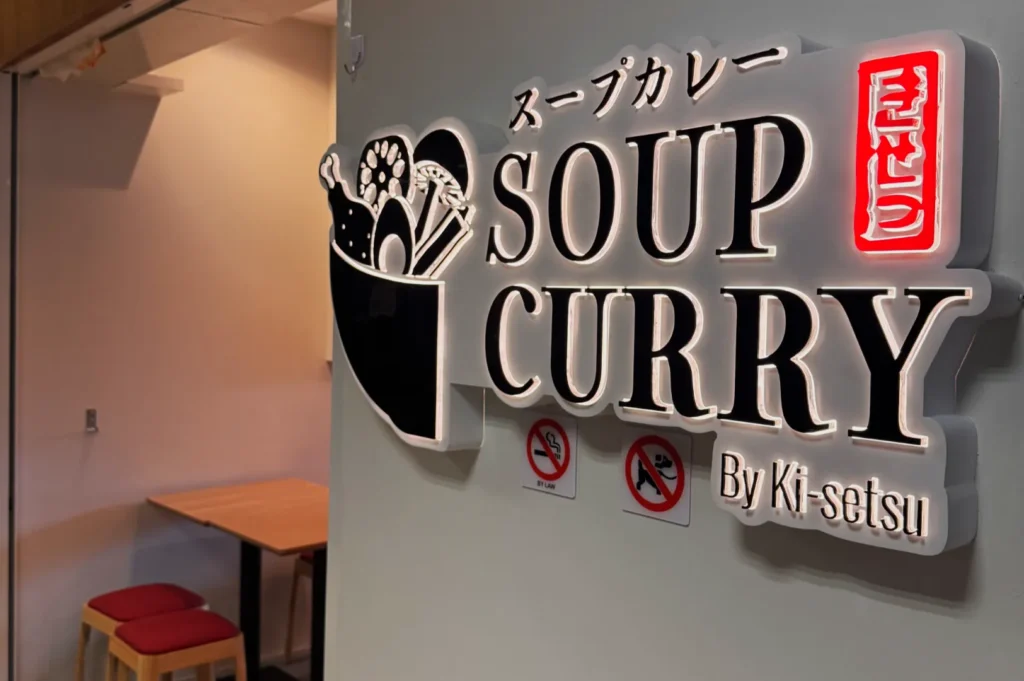
Part of what makes izakaya dining so appealing is that, despite these customs, the overall atmosphere remains relaxed. Etiquette in Japan is rarely about rigid formality at an izakaya table. It is about warmth, sharing, and enjoying seasonal ingredients together in a casual setting with Japanese friends or new acquaintances alike. This balance between proper etiquette and genuine comfort is something we try to honour in our own approach to hospitality, particularly once our space transitions into a cosy izakaya style setting in the evenings, where shared plates and unhurried conversation take centre stage in much the same spirit found across Japan.
We believe that understanding these small customs only deepens the pleasure of a shared meal. Whether you are new to a Japanese restaurant or a returning regular, embracing these table manners transforms a simple dinner into a fuller cultural experience, one built on consideration, warmth, and the quiet pleasure of good food shared well. At Soup Curry by Ki-Setsu, we find that this same spirit of warmth and generosity carries through everything from our curry rice by day to our izakaya style evenings, where the philosophy of sharing, patience, and mutual consideration remains just as central as it is at any traditional Japanese table.