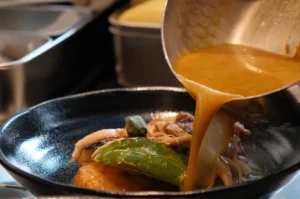
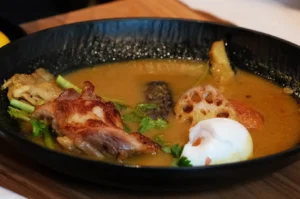
Ask ten people what makes a bowl of Sapporo soup curry unforgettable, and most will point straight to the toppings. Unlike a typical stew where everything melts into one, Japanese soup curry is built on contrast: a light, spiced broth on one side, and a generous tray of individually cooked toppings on the other.
Choosing what goes into your bowl is half the fun, and honestly, half the challenge too. So we decided to settle it once and for all. Here is our ranking of soup curry toppings, from the everyday classics to the more adventurous choices, based on flavour, texture and how well each one holds up in a proper Sapporo soup curry broth.
What Makes a Great Japanese Soup Curry Topping in the First Place
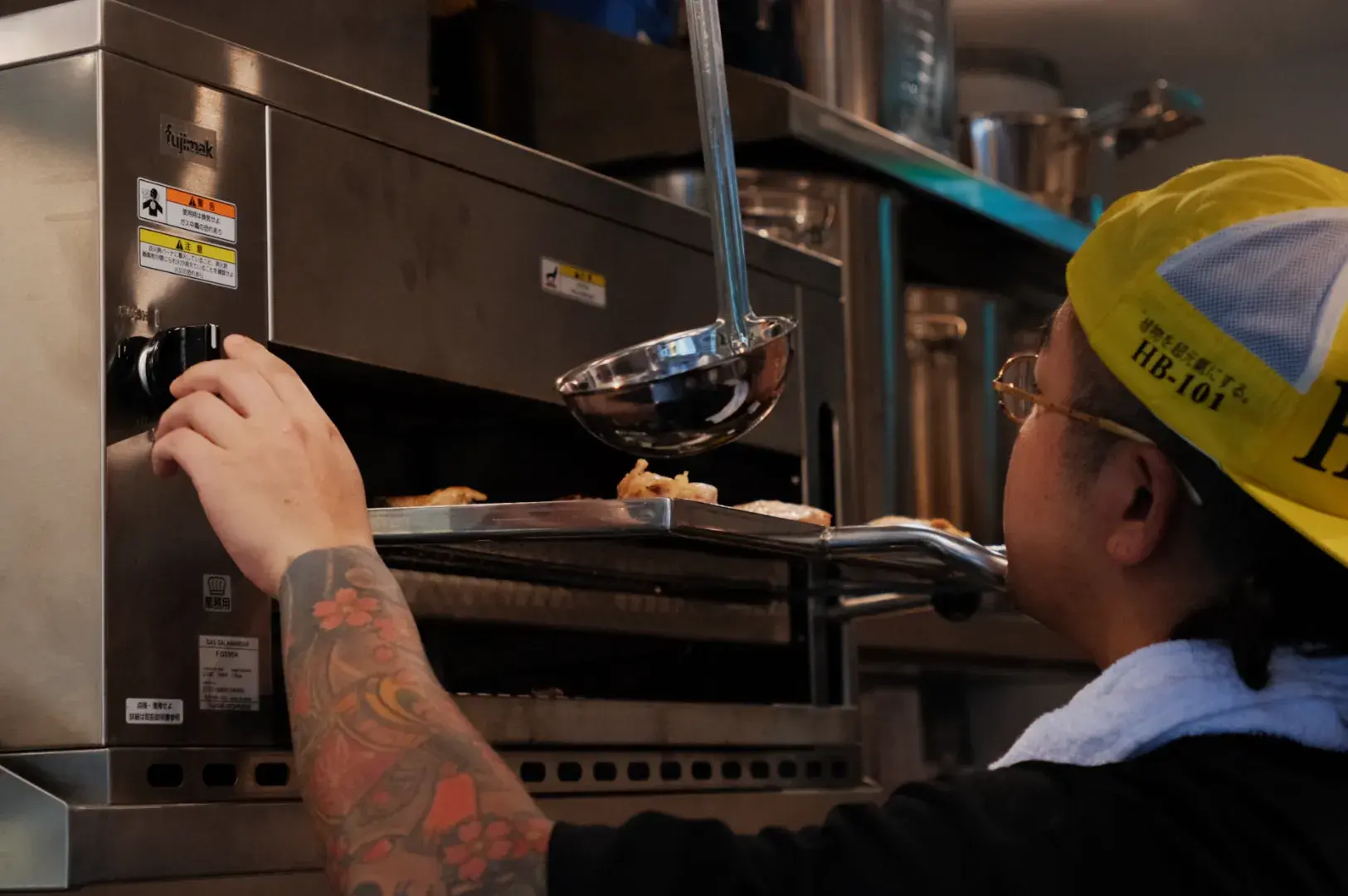
Before we get to the ranking, it helps to understand what we are actually judging. A good topping needs to hold its own texture against a hot curry flavoured soup served alongside it, it needs to soak up just enough of the aromatic broth without turning soggy, and it needs to bring something the broth itself cannot.
Some ingredients are grilled, some are steamed, some are deep fried, but almost everything is cooked separately before it ever touches the soup base. That separation is part of what makes this dish so distinct from a traditional Japanese curry, where meat and vegetables are often simmered together in a thick curry roux until they lose their individual identity.
With that in mind, here is how we rank the essential toppings.
1. Chicken Legs: The Undisputed Classic
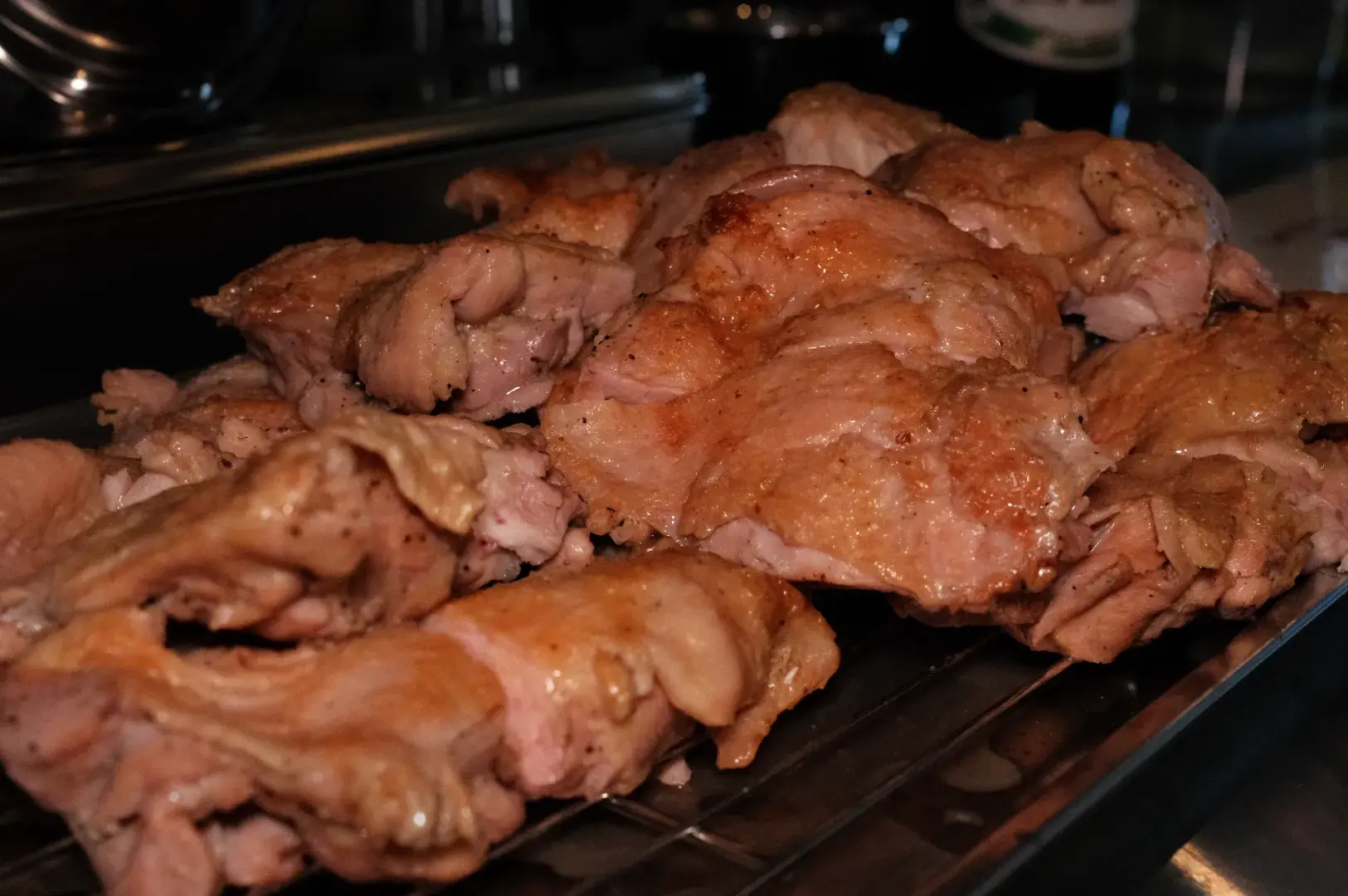
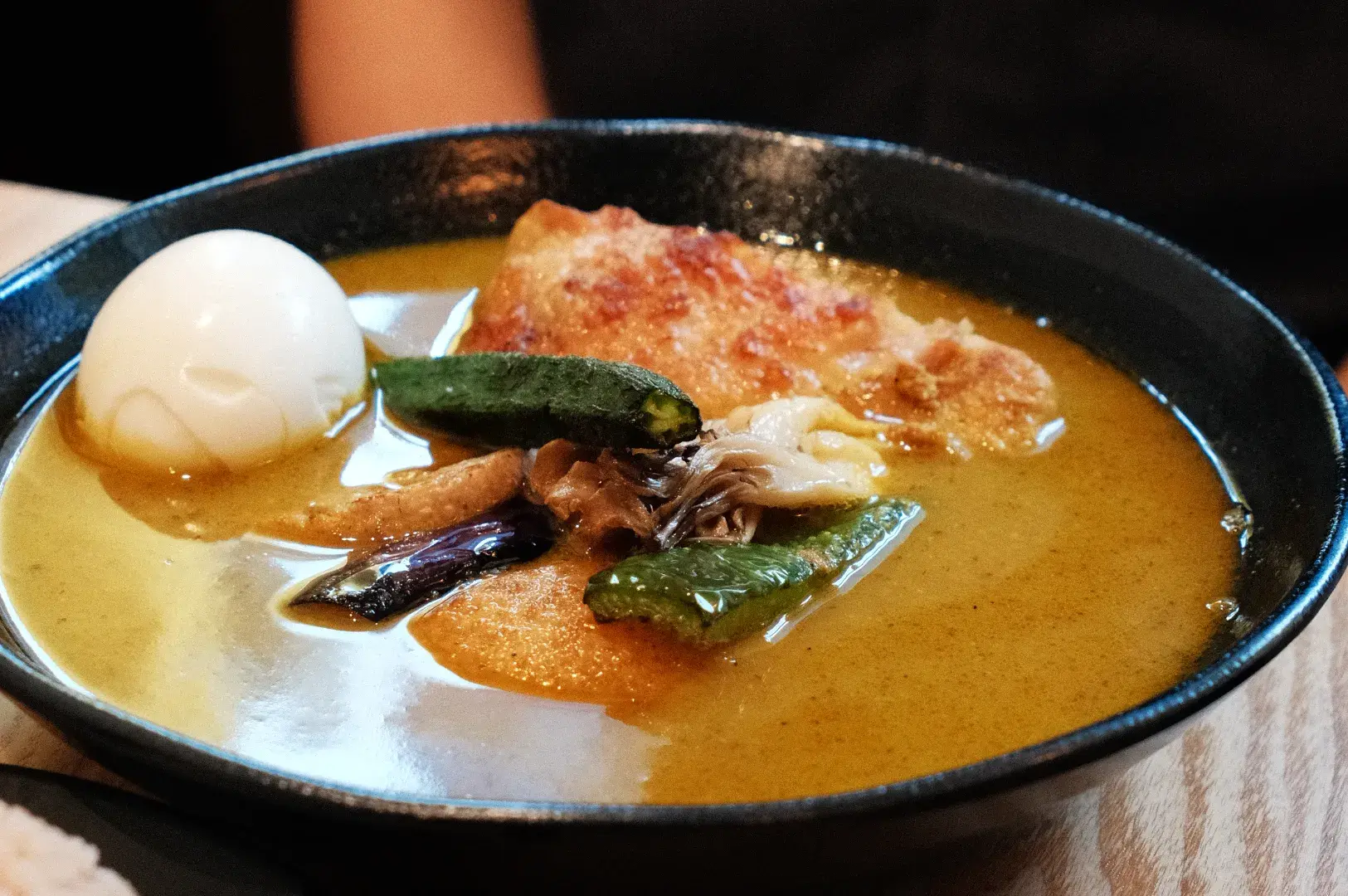
If there is one topping that defines soup curry for most first time diners, it is chicken legs. Bone-in chicken, usually a whole leg or thigh, is browned first, often in a sauté pan or dutch oven over medium heat, then finished in a gentle simmer within the curry broth until the meat is tender enough to fall away with a light touch of the spoon. Building a proper chicken stock or chicken broth as the base gives this topping its depth, since the bone releases flavour slowly rather than all at once.
We rank this as the top topping because it pairs so well with either a light curry flavoured soup or a much heavier, spice forward version. It also introduces newcomers to Hokkaido soup curry in the gentlest way possible, since tender meat on the bone is familiar and comforting even to those trying the cuisine for the very first time.
2. Deep Fried Vegetables: The Colourful Showstoppers
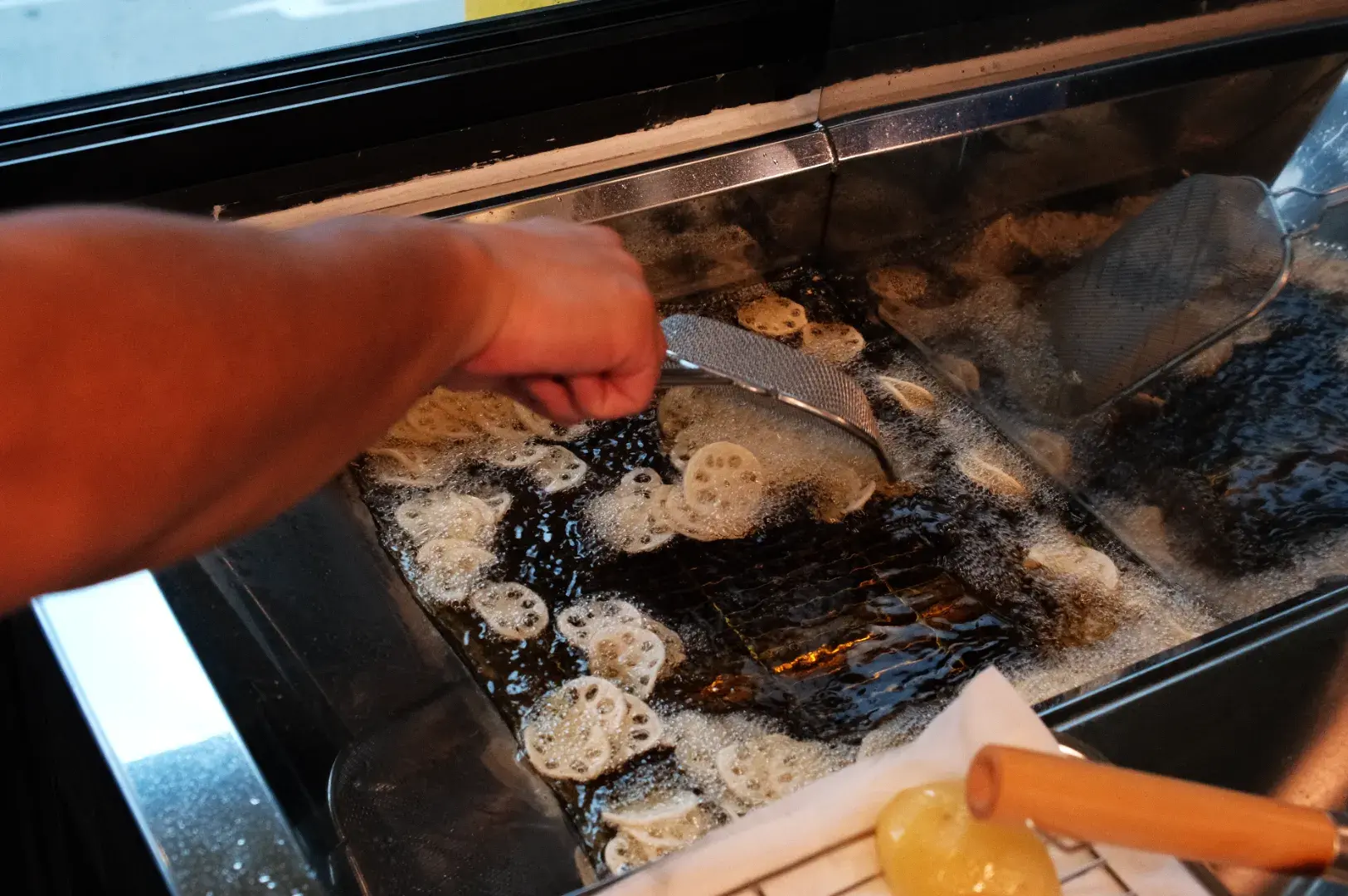
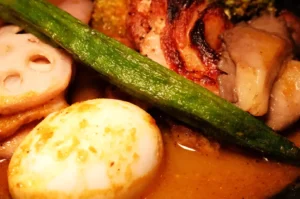
Second on our list is not one ingredient but an entire category: deep fried and roasted vegetables. Walk into any authentic soup curry establishment and you will notice the toppings tray looks almost like a still life, thanks to the vibrant colours of flash fried produce. This is where fried vegetables earn their place as a highlight rather than a side thought.
Bell Peppers and Chili Peppers
Bell peppers are cut using traditional Japanese knife techniques, often into wide diagonal slices, then deep fried until the flesh softens while keeping a slight bite. Some kitchens also add a few chili peppers to the tray for those who want extra heat layered on top of the curry powder already seasoning the broth. The natural sweetness of bell peppers intensifies when fried, and that sweetness plays beautifully against the warming spices underneath.
Deep Fried Lotus Root and Garlic
Lotus root is a topping that surprises a lot of first timers. Sliced thin, it becomes wonderfully crisp when deep fried, almost like a savoury crisp, and it adds a textural crunch that nothing else in the bowl provides. A touch of garlic, often fried until golden alongside the lotus root, adds a fragrant edge that lingers pleasantly. We consider deep fried lotus root a signature element of a well balanced topping selection.
Aubergine and Potato
Rounding out the fried vegetables lineup are aubergine and potato. Aubergine turns silky once fried and absorbs the curry broth almost like a sponge, while potato holds its shape and gives the bowl some heartiness. These, together with bell peppers and lotus root, represent the assorted vegetables commonly found in a well stocked soup curry kitchen, and they are usually rested briefly on a wire rack after frying so excess oil drains off before joining the rice and broth.
3. Kabocha Pumpkin / Kabocha Squash: The Understated Favourite
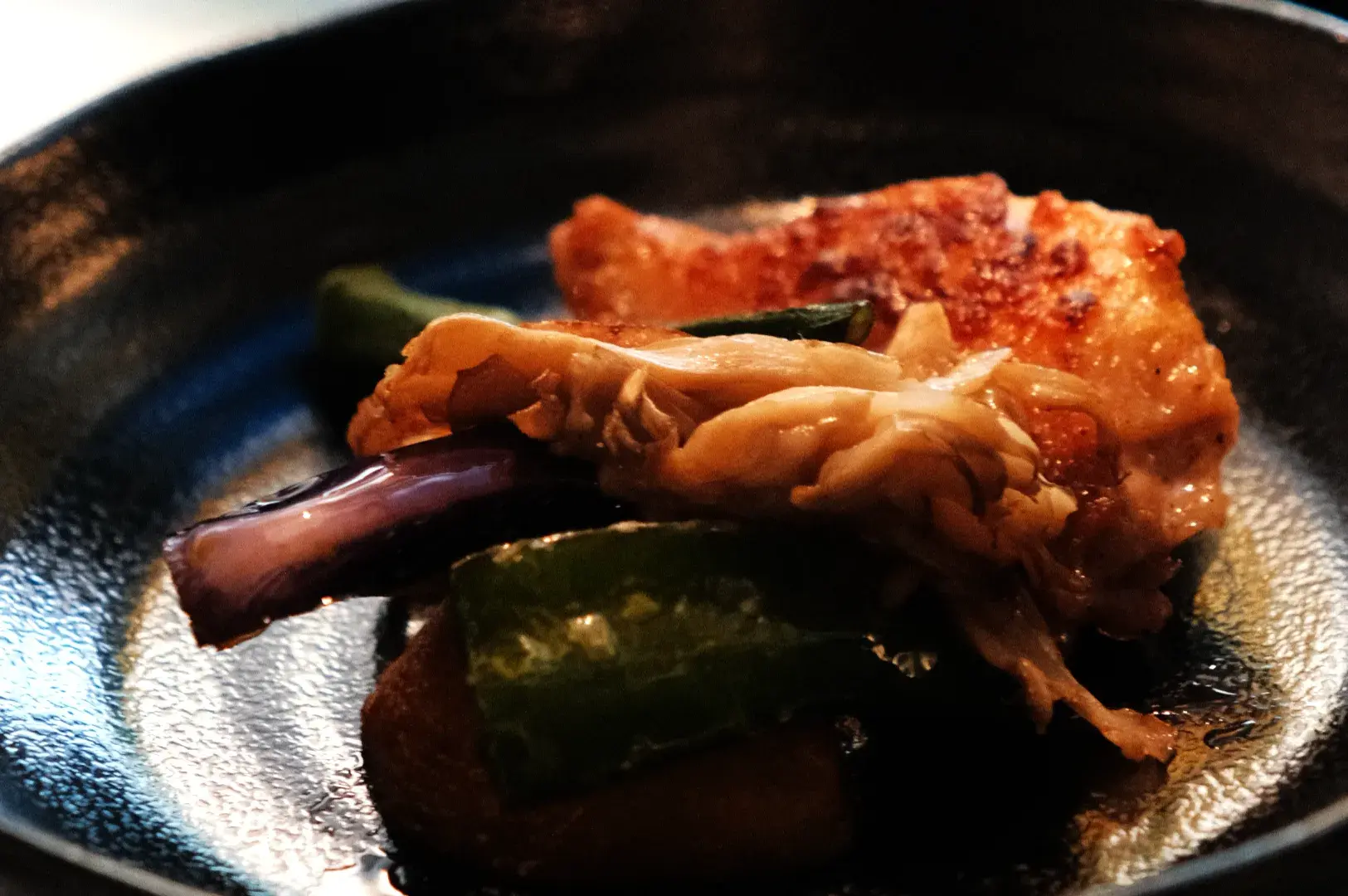
Kabocha pumpkin, sometimes labelled kabocha squash, does not always get the attention it deserves, but we rank it firmly in third place. Roasted or gently fried until the edges turn golden brown, kabocha pumpkin brings a natural sweetness and a soft, almost creamy texture that balances out the more assertive spice notes in the broth. It is one of those vegetables commonly found in Hokkaido kitchens during the cooler months.
What makes kabocha pumpkin such a strong contender is how it behaves in the bowl. Unlike other vegetables that turn mushy after sitting in a hot vegetable soup base, kabocha squash holds its structure while still soaking in just enough flavour. For anyone following a curry recipe at home, this is a topping worth prioritising early, since it pairs well with almost any protein.
4. Seafood: The Coastal Contender
Hokkaido is famous for its seafood as much as its curry, so it is no surprise that seafood toppings hold a respected spot in our ranking. Prawns, scallops and sometimes squid are lightly battered or simply seared over medium high heat, then added to the broth close to serving time so they do not overcook. The appeal here is contrast again: the sweetness of fresh seafood against a spiced soup creates a completely different eating experience compared to a chicken based bowl.
We place seafood fourth not because it is lesser, but because it demands a slightly more refined palate. First time visitors to Japanese soup curry often start with chicken legs before working their way toward seafood, once they understand how the broth is meant to complement rather than mask the main ingredient.
5. Boiled Eggs and Other Vegetables: The Supporting Cast
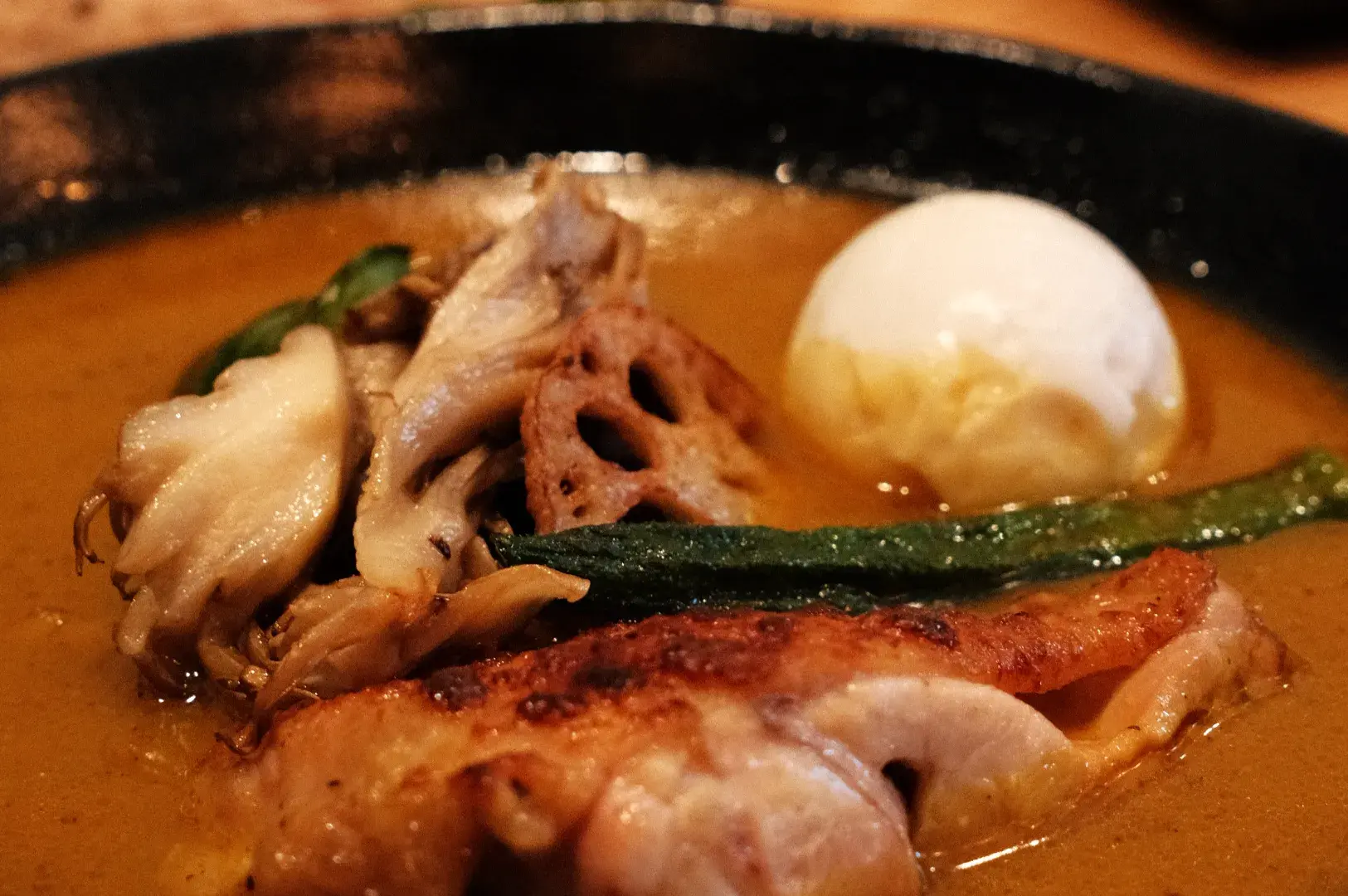
Every great soup curry bowl needs its supporting players, and this is where boiled eggs and other vegetables come in. A soft boiled egg, cut in half lengthwise, adds richness when the yolk mixes into the broth. Root vegetables and chunky vegetables, often roasted on a sheet pan rather than deep fried, offer a lighter alternative for those who want something less indulgent than the fried vegetables category.
These toppings rarely headline a bowl on their own, but they round out the entire dish nicely, especially for diners who prefer something closer to a simple vegetable soup with a curry twist.
How the Broth Ties Every Topping Together
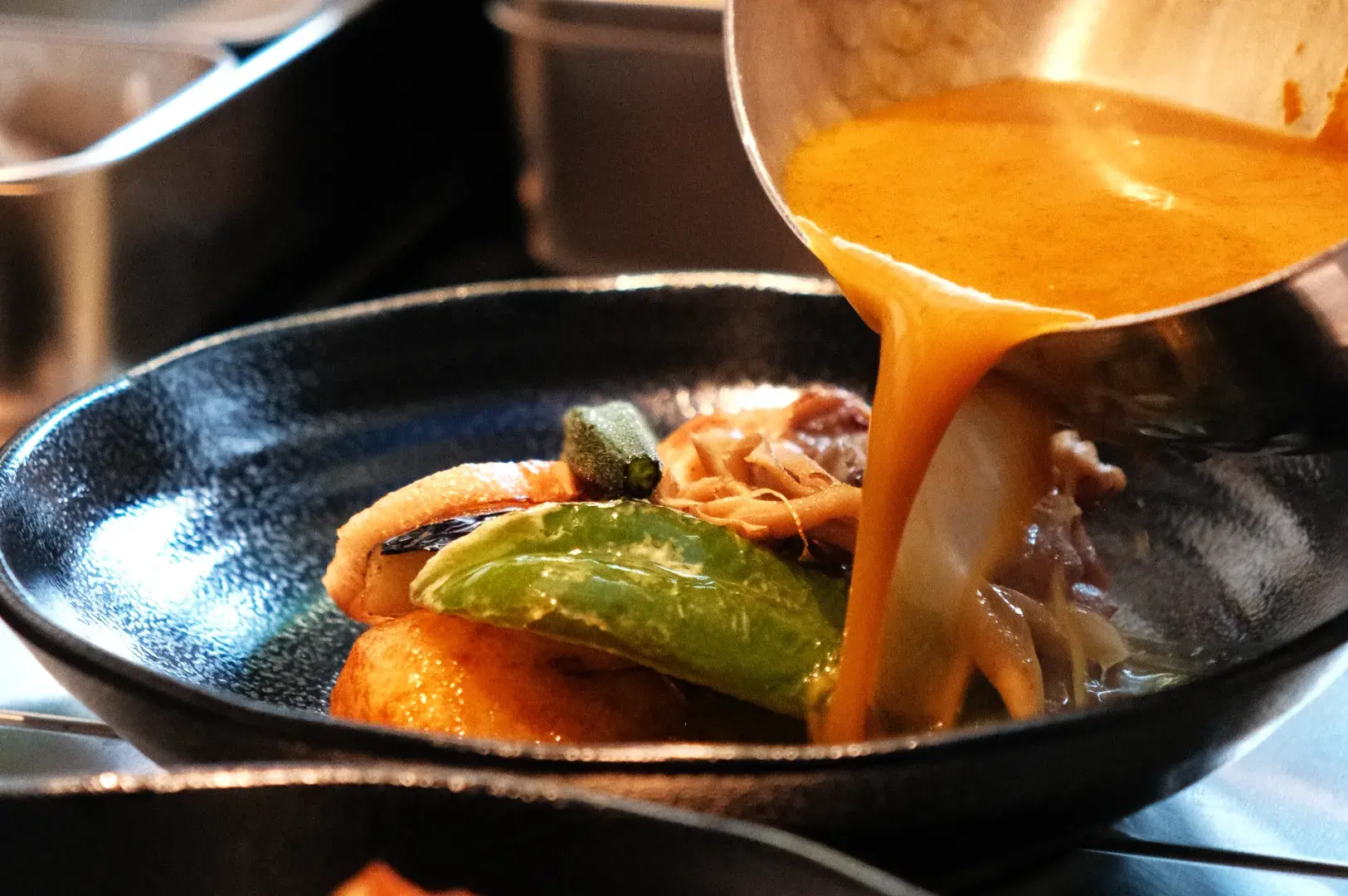
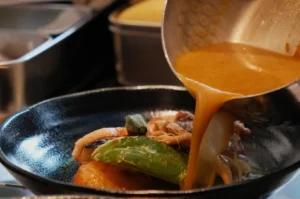
None of these toppings would matter without a broth built to carry them. A proper Sapporo soup curry recipe usually starts by sautéing onion and garlic in olive oil over medium heat until softened, then blooming curry powder and sometimes a touch of garam masala directly in the pan to wake up their aromatics. From there, chicken stock or chicken broth is added along with a bay leaf, and the whole pot is left to a gentle simmer, sometimes for over an hour, in a large pot or dutch oven.
Some versions finish the broth with a splash of coconut milk for roundness, others prefer a splash of soy sauce for savoury depth, and a light dusting of ground pepper right before serving. Unlike most curries, which rely almost entirely on a thick curry roux to carry flavour, this style of soup stays deliberately lighter and more aromatic, letting the toppings do the heavy lifting on texture while the broth handles the seasoning.
Building the Perfect Bowl for Yourself
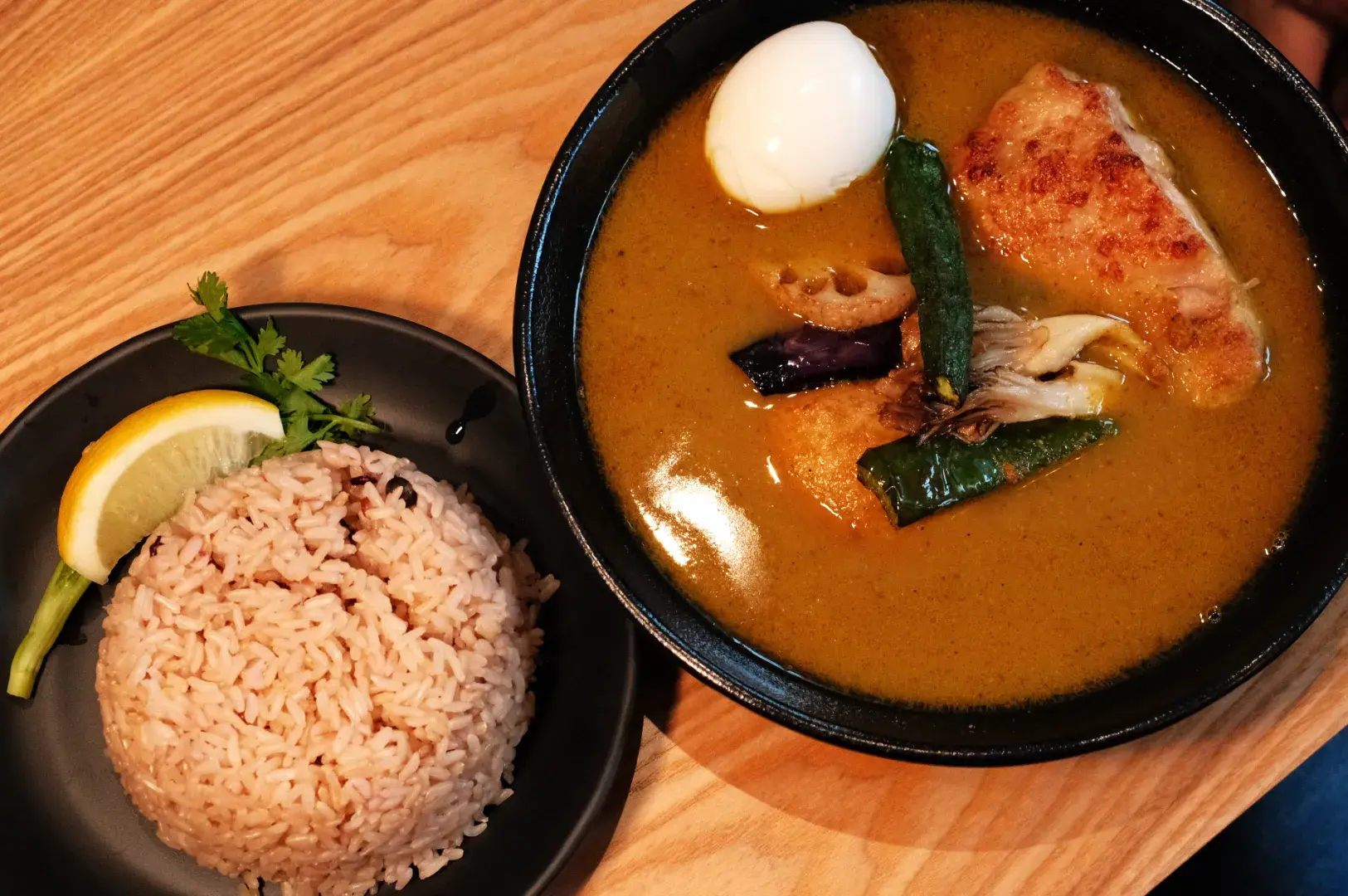
If you are trying to recreate this experience, here is a simple approach.
Start with your protein, whether that is bone in chicken or seafood, since this sets the tone for the whole bowl.
Add at least one deep fried vegetable, ideally bell peppers or lotus root, for textural contrast.
Include something sweet, like kabocha pumpkin, to balance the spice.
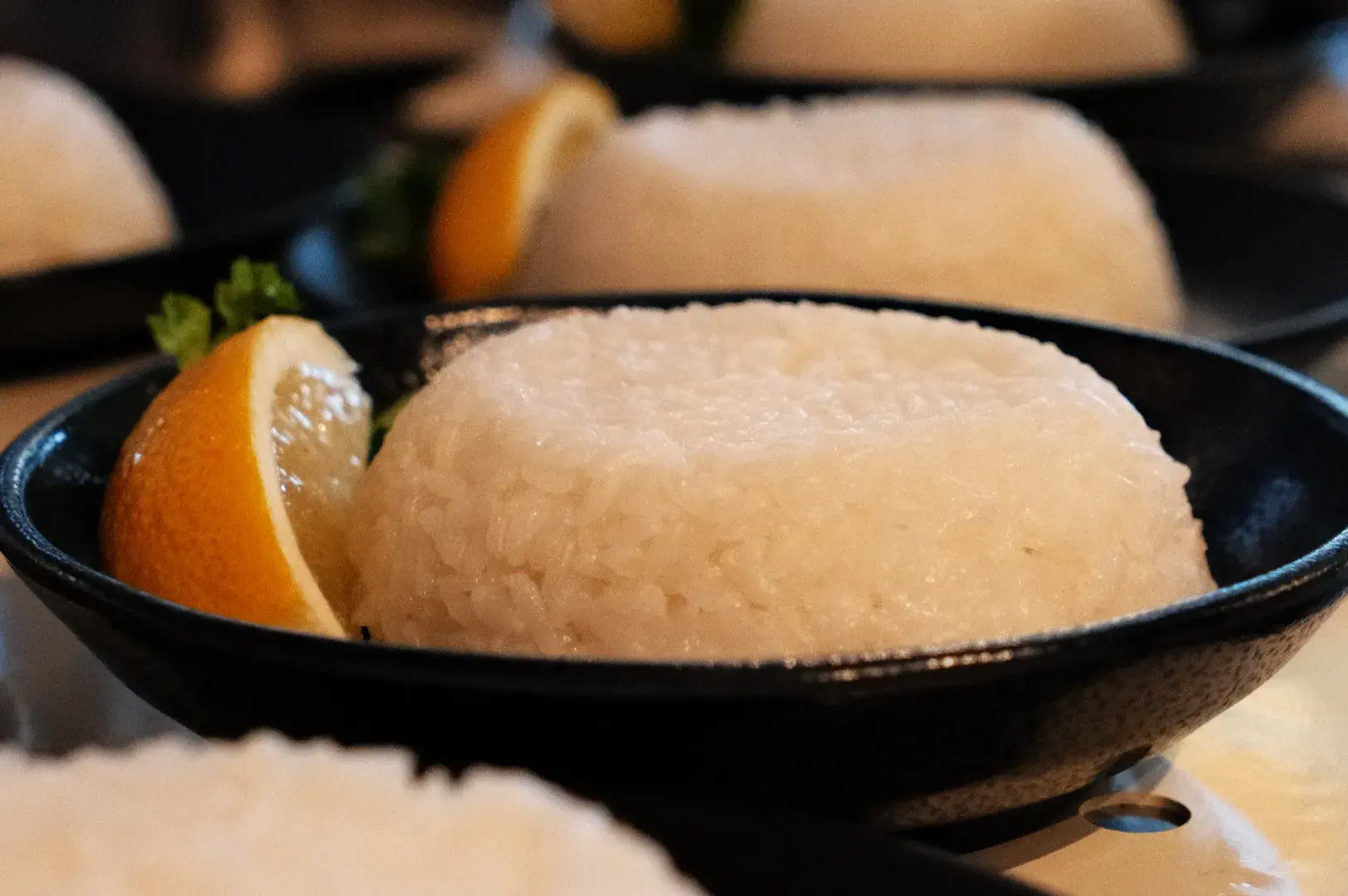
Finally, decide whether you want a boiled egg or extra vegetables to round things out, served separately in a small bowl alongside steamed Japanese rice, or spooned over curry rice in the same dish entirely.
This layered approach is essentially the curry recipe logic behind every proper bowl of Japanese soup curry, and it explains why the dish remains such a popular dish despite following a fairly consistent structure. The recipe takes patience more than skill, since most of the work lies in cooking each element with care rather than rushing everything into one pot.
Our Final Take
Ranking soup curry toppings will always be a little subjective, since so much comes down to personal preference and mood. What we can say with confidence is that chicken legs and deep fried vegetables remain the backbone of any respectable bowl, with kabocha pumpkin and seafood offering wonderful variation for those ready to explore further.
This is the same philosophy that shapes Soup Curry by Ki-Setsu, where we brought this approach to Singapore because we felt the city deserved an authentic version of Hokkaido soup curry, not an adaptation. Whichever toppings you choose, the joy of soup curry lies in that moment of building your own bowl, one ingredient at a time, until it becomes entirely yours.