Japan’s soup culture is vast. From the delicate clarity of a morning miso soup to the collagen rich broths of tonkotsu ramen, the country has spent centuries perfecting the art of the bowl. Yet among these traditions, seasonal soup curry occupies a curious and often misunderstood place. It shares the warmth of miso soup, the heartiness of a winter nabe, and the spice of a good curry, but it belongs to none of these categories entirely.
Understanding how soup curry compares to Japan’s other soups reveals exactly why it has earned its reputation as one of Hokkaido’s most distinctive culinary exports, and why so many diners describe it simply as flavorful soup curry done right.
Why Seasonal Soup Curry Stands Apart Among Japan's Soups
Most of Japan’s classic soups are built around restraint.
Miso soup relies on a few humble ingredients, dashi, fermented soybean paste, and perhaps a scattering of tofu or wakame, to create something quietly comforting.
Ramen, by contrast, leans into intensity, with hours of simmered pork bones or chicken bones producing a broth thick enough to coat the noodles beneath it.
Soup curry sits between these two philosophies. It carries the aromatic depth of a long simmered stock, similar in spirit to how ramen broth is built from patiently reduced bones, yet it retains a lightness that miso soup drinkers would recognise immediately. Some kitchens even fold seafood such as shrimp into their version, offering diners a lighter, brinier alternative to the classic chicken bowl.
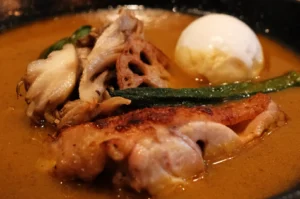
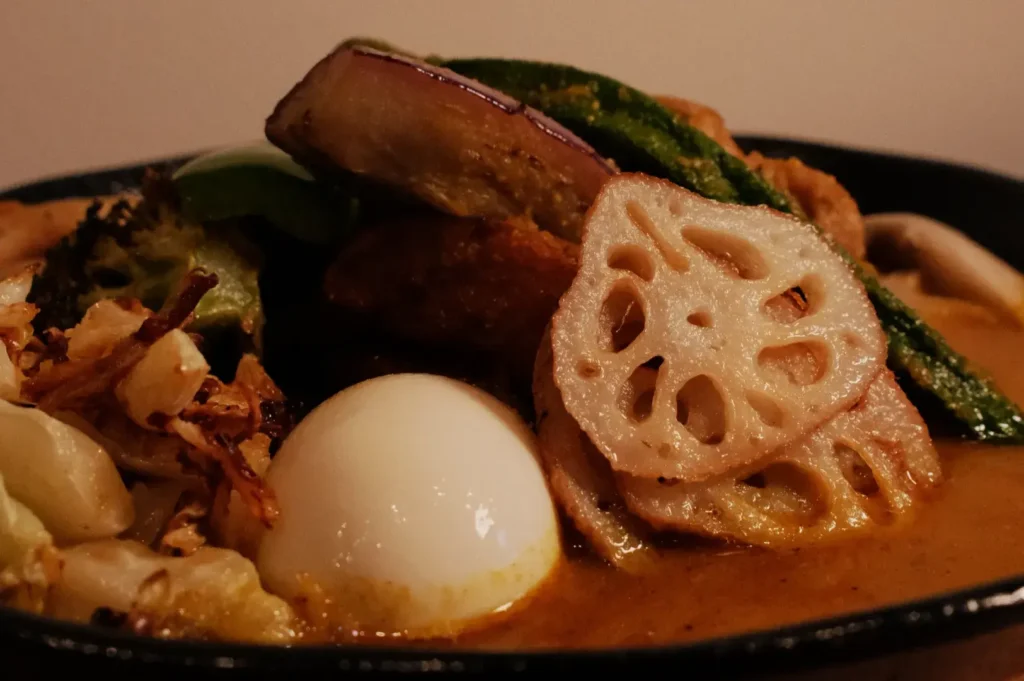
What separates seasonal soup curry from both is its relationship with the calendar. While miso soup and ramen are largely consistent year round, soup curry changes with what is available. A bowl enjoyed during the height of summer might feature okra, tomato and eggplant, while a winter version leans on kabocha pumpkin, lotus root and root vegetables that have spent months developing their natural sweetness underground.
This seasonal rhythm is not a marketing device. It reflects how Hokkaido’s short growing seasons and long winters have always shaped what appears on the table, and it is something our team pays close attention to when composing each bowl, roasting or oven baking certain veggies to bring out a deeper, slightly browned edge before they ever touch the broth.
Curry Soup Versus the Comfort Soups of Japan
To understand where curry soup fits, it helps to place it beside two other pillars of Japanese comfort eating: oden and nabe, or hot pot. Oden is typically a winter street food, a communal pot of daikon, eggs, fish cakes and konjac simmered in a light soy based broth for hours until every ingredient has absorbed the same gentle flavour. Nabe operates similarly, with diners cooking meat, vegetables and tofu together at the table in a shared pot, often finished with rice or noodles at the end of the meal.
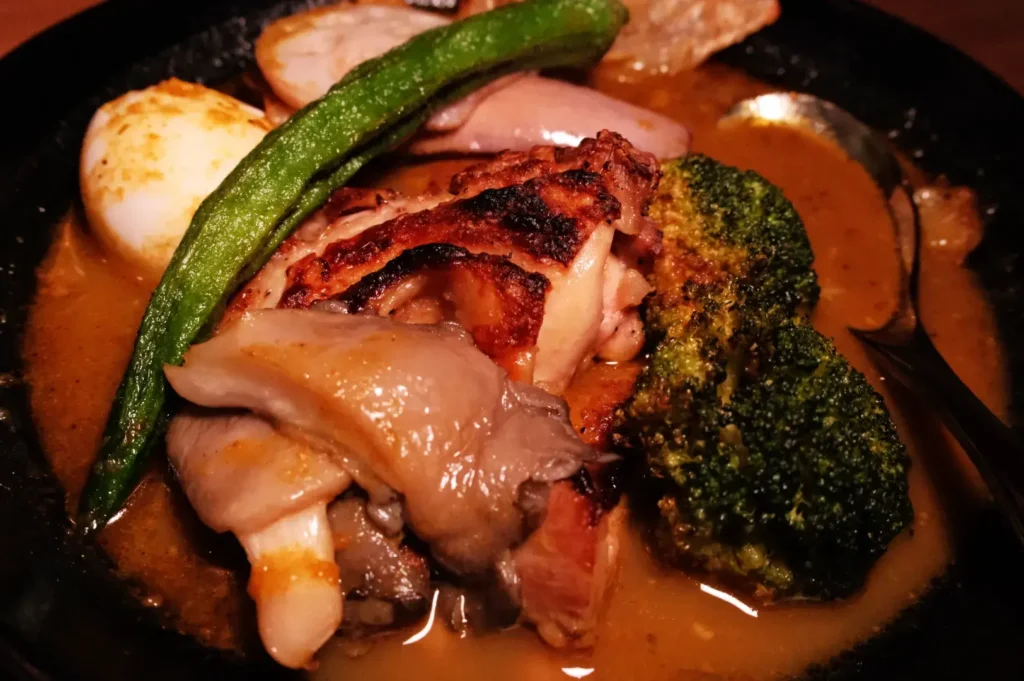
Soup curry borrows the communal, slow cooked warmth of these dishes but delivers it in an individual bowl rather than a shared pot. Each portion is composed with intention. Vegetables are typically fried or given a quick stir over high heat separately using Japanese cutting methods before being added to the broth, which allows a piece of lotus root or bell pepper to retain its structure and colour rather than dissolving into the liquid the way daikon often does in oden. This is one of the clearest distinctions between soup curry and Japan’s other stewed dishes: texture is preserved rather than surrendered, and the toppings arrive looking almost as vivid as they did before they went into the pot.
The spice element also sets curry soup apart. Oden and nabe rely on soy, mirin and dashi for their savoury base, while soup curry draws on curry powder, garam masala, garlic, ginger, a touch of chili peppers, chicken bones and a careful blend of aromatics simmered together over medium high heat. A pinch of salt at the right moment can sharpen every other flavour in the pot, which is part of why balance matters so much when building a proper broth. The result is a bowl with genuine heat and complexity, something few of Japan’s traditional soups attempt to deliver.
How Soup Curry Compares to Traditional Japanese Curry
No comparison would be complete without addressing traditional Japanese curry directly, since the two dishes share a name but almost nothing else. Traditional Japanese curry is built around a curry roux, a thick block of fat, flour and spice that is melted into stock and reduced until it becomes a dense, gravy like sauce. It is usually poured directly over rice, with the meat and vegetables, often potato, carrots and onions, cooked until soft within that same thick sauce.
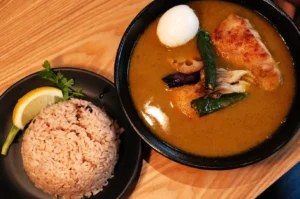
Soup curry rejects this thickness entirely. Rather than using roux, the broth stays thin and pourable, closer to what many describe as a light curry flavored soup than a sauce. Rice is served on the side rather than beneath the curry, allowing diners to control how much they mix into each spoonful. This is not a small stylistic choice. It changes the entire eating experience, moving away from something heavy and one note toward a dish where the broth itself becomes the star, layered with spice, tender chicken and vegetables that each retain their own identity rather than melting into a uniform gravy.
Where to Eat Soup Curry Within Japan's Wider Soup Landscape
If you were mapping Japan’s soups onto a spectrum, from delicate and clear to dense and hearty, soup curry would sit somewhere near the middle, tilting toward the richer end without ever becoming as thick as traditional curry rice. This positioning is part of why it has become such a beloved local dish in its home city. It offers the nourishment of a hot pot, the aromatic complexity of ramen, and a spice profile that miso soup and oden simply do not attempt.
For those wondering where to eat soup curry for the first time, the answer in Hokkaido has traditionally been Sapporo, where the dish originated decades ago as a way to combine the region’s love of hearty, warming food with the growing popularity of curry flavours arriving from elsewhere in Japan. A proper Sapporo soup curry recipe leans on patience as much as it does on spice, letting bones simmer for hours until the broth turns rich and almost coffee dark before the seasoning goes in. Locals often describe it as the kind of meal you crave after a long, cold day, not unlike how someone in Tokyo might crave a bowl of ramen or how a family in Osaka might reach for a hot pot on a winter evening. The difference is that soup curry carries its own regional pride, a dish that belongs distinctly to the north.
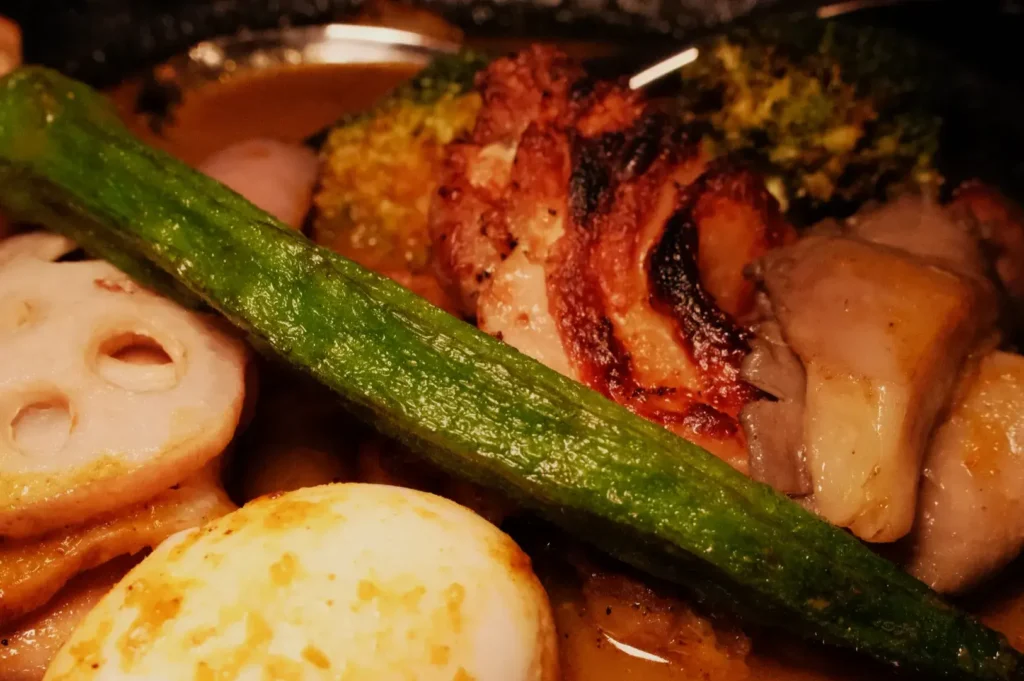
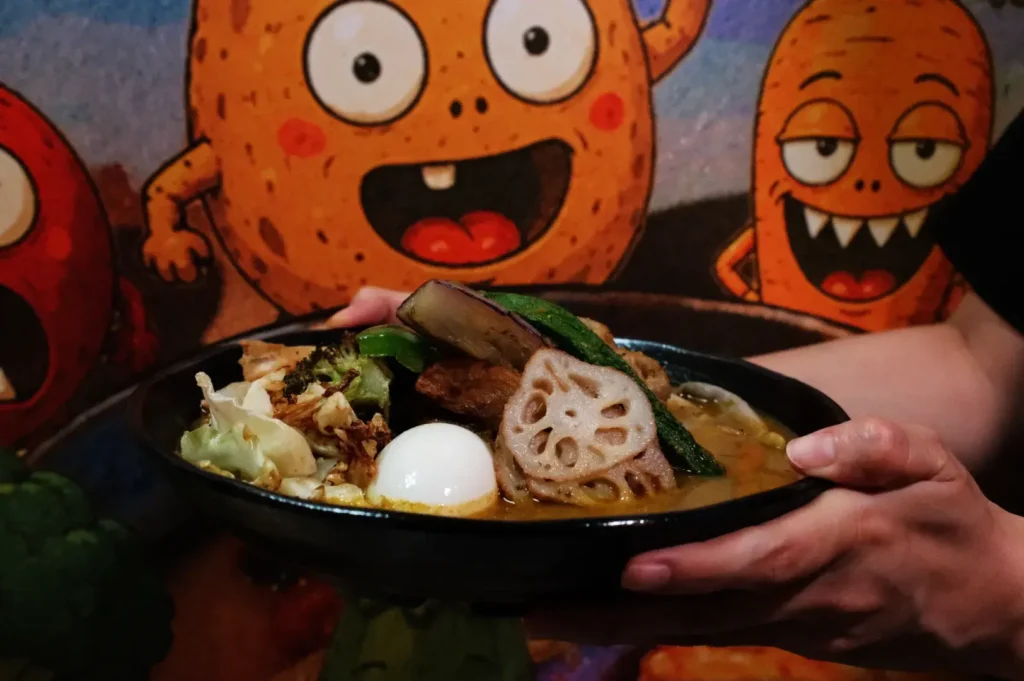
Bringing this experience to Singapore has meant staying faithful to that origin while still allowing for our own take on certain details. Our restaurant, Soup Curry by Ki-Setsu, prepares each broth using chicken bones simmered slowly until the flavour is rich enough to stand on its own, then finishes it with a blend of spices that echoes what you would find in a small bowl served in Sapporo itself. Vegetables such as pumpkin, carrots and broccoli are roasted or fried separately, preserving the natural sweetness that comes from proper seasonal produce rather than something forced or out of season. Guests often remark that the bowl tastes more nutritious than a typical fried meal, and many find that, unlike heavier curries, it makes for surprisingly good leftovers the next day, since a short rest in the fridge only deepens the flavour once reheated.
Sapporo's Soul Food in a Nation of Seasonal Eating
Japan as a whole has always had a deep respect for seasonal eating, and this is perhaps the clearest thread connecting soup curry to the country’s other beloved soups. Just as a chef preparing miso soup might change the vegetables depending on the month, or a nabe restaurant might swap ingredients as autumn turns to winter, soup curry follows the same principle. It has simply never been marketed as strongly around this idea, largely because it remained a regional specialty for so long before spreading beyond Hokkaido.
Referred to affectionately as Sapporo’s soul food, soup curry earned that title precisely because it reflects the rhythm of life in the north. Long winters call for something warming and substantial. Short, intense summers call for lighter vegetables and brighter flavours, sometimes even a handful of seafood folded in for a change of pace. The dish adapts, the way good regional cooking always does, rather than staying frozen in a single form.
This is ultimately what makes seasonal soup curry such a compelling addition to any conversation about Japan’s soups. It does not try to replace miso soup, ramen or traditional Japanese curry. It exists alongside them, offering a different kind of comfort, one built on a delicious broth that changes with the seasons, vegetables that are treated with real care, and a spice profile that few other Japanese soups attempt to reach. For anyone exploring Japan’s soup traditions beyond the familiar, it offers a genuinely distinct place to start, and a reminder that comfort food, done properly, always listens to the calendar.