Walking into a restaurant and seeing a deep bowl of glossy, spiced broth with vegetables standing upright like a still life can feel like a lot to take in if you have never tried soup curry before. No rice already mixed in, no thick gravy blanketing the meat, just a fragrant, steaming liquid and components that look like they are waiting for instructions. It is a fair question to ask: is soup curry intimidating for someone who has never eaten it?
The honest answer is that it looks more complex than it actually is. Once you understand what you are looking at and how the dish is meant to be eaten, soup curry becomes one of the most approachable, comforting meals you can order. We want to walk you through exactly why it seems unfamiliar at first, and why that unfamiliarity fades the moment you pick up your spoon.
Why Soup Curry Looks Different From What You Expect
Most people grow up with one idea of Japanese curry: a thick, starchy sauce clinging to rice or bread. Soup curry does not follow that script, and that is often where the hesitation begins.
The Bowl, The Broth, and The Unfamiliar Format
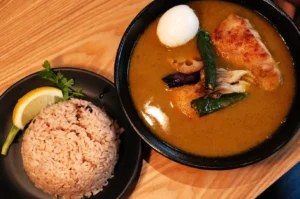
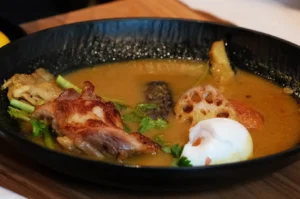
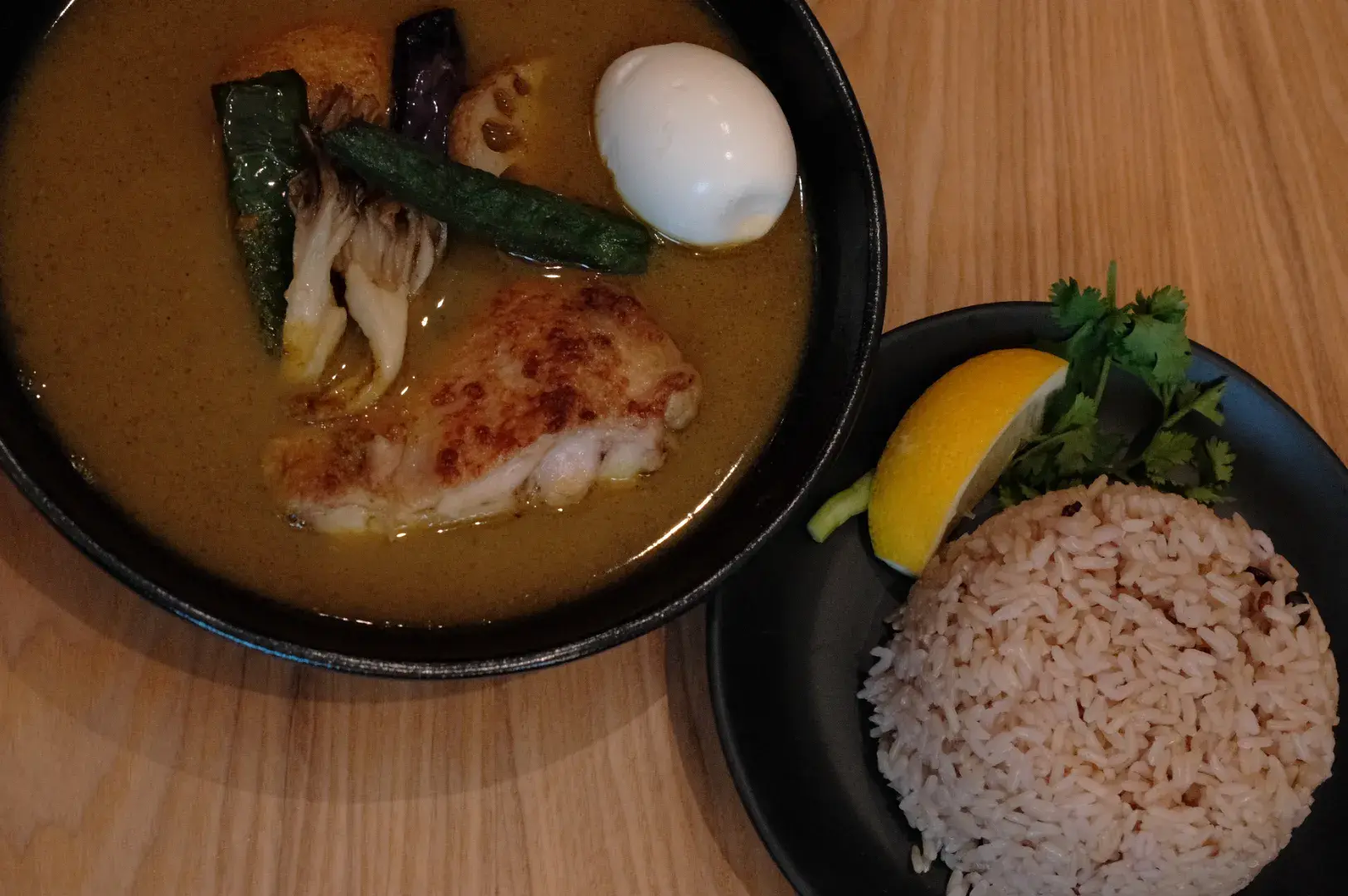
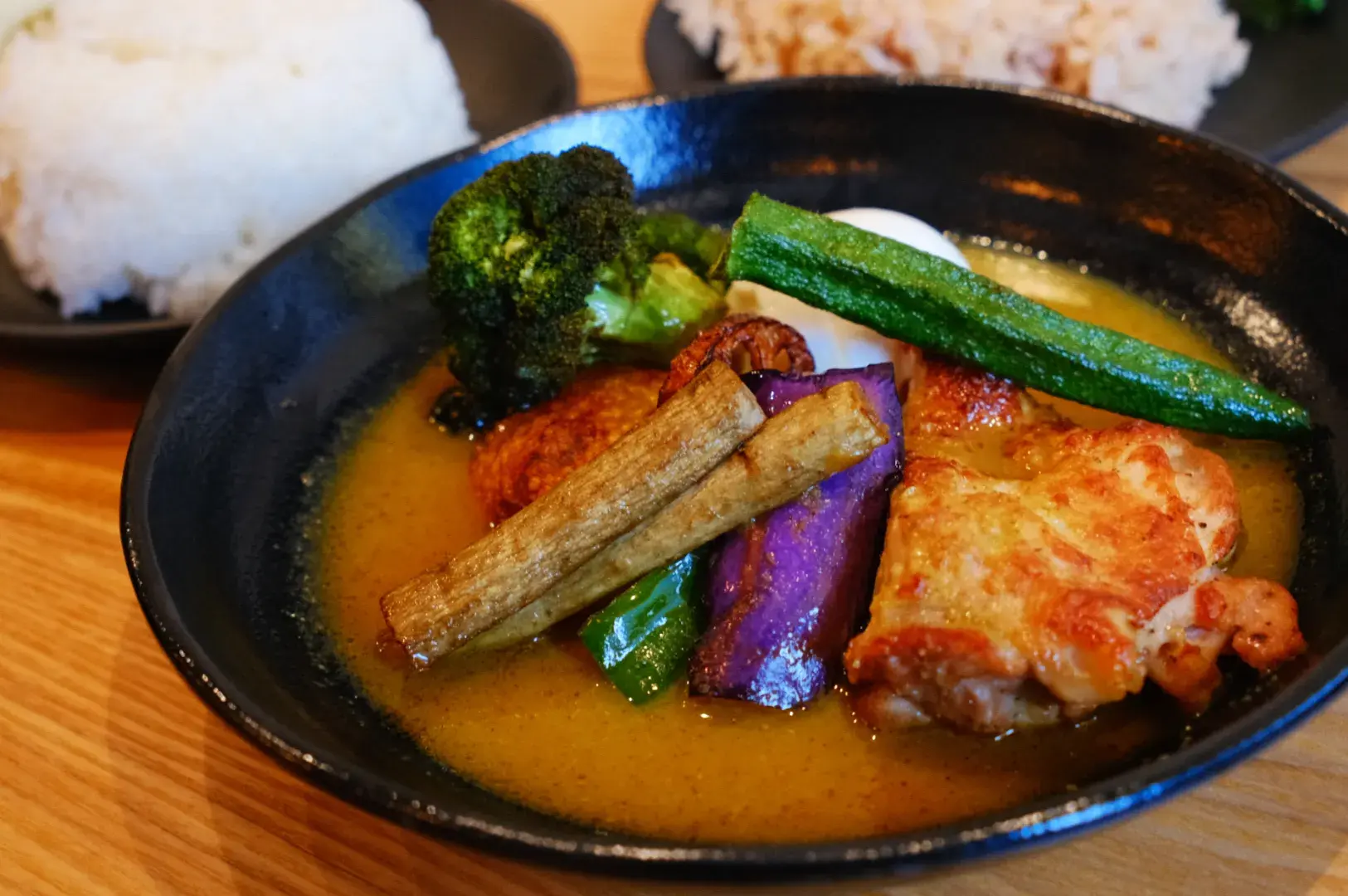
In a typical bowl of Sapporo style soup curry, the curry broth is thinner and more fluid than what many diners associate with traditional Japanese curry. Chicken drumsticks, bell peppers, kabocha pumpkin, and carrots are often served whole or in large pieces rather than diced and simmered until soft. Rice usually arrives separately in its own small bowl rather than sitting underneath the curry.
None of this is a shortcut or a simplified version of curry soup. It is simply a different tradition, one that treats the broth as the star rather than a coating. Once you know that the format is intentional, the bowl stops looking unfamiliar and starts looking inviting.
Understanding the Soup Base and Spice Levels
A large part of the hesitation around soup curry comes from not knowing what is actually in the broth, or how strong it might taste.
How Sapporo Soup Curry Balances Warming Spices
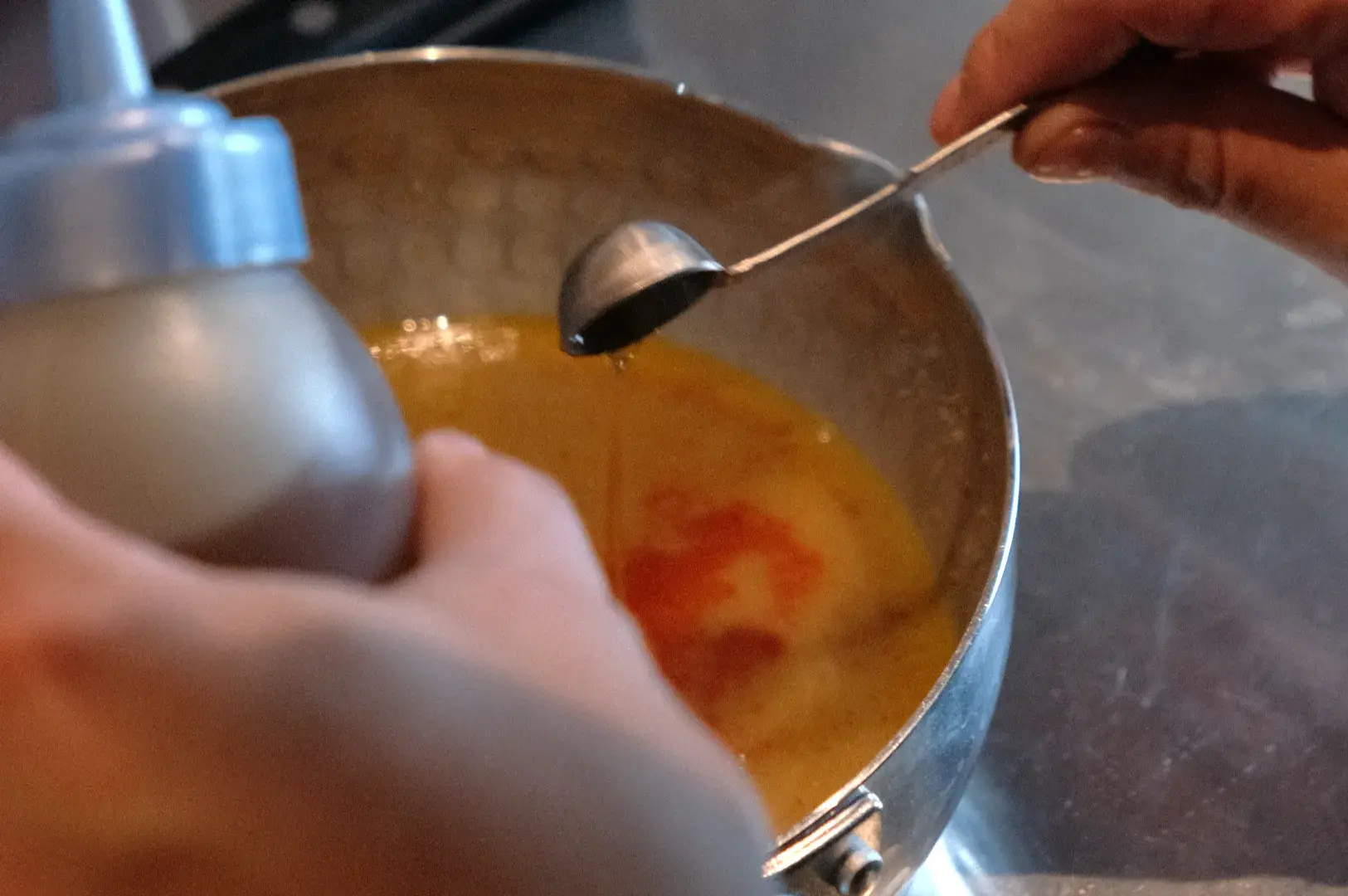
Authentic Sapporo soup curry is built on a soup base that takes hours to develop, often starting with chicken stock or chicken broth simmered with onion, garlic, ginger, and sometimes tomato paste for depth. Curry powder and garam masala are layered in gradually as part of a carefully balanced spice blend, along with warming spices and a couple of bay leaves, so the final result is aromatic rather than overwhelming. Some versions incorporate a touch of coconut milk for roundness, though the emphasis stays on a clear, sippable broth rather than a heavy roux.
Spice levels are almost always adjustable, which is one of the most reassuring things for anyone trying soup curry for the first time. You are not locked into a fixed heat level. You can start mild, taste, and adjust seasoning as you go, working your way up to something bolder on a future visit. This flexibility alone removes much of the intimidation factor, because you are never guessing what you are about to eat.
What Actually Goes Into the Bowl
Once the broth is demystified, the next question first timers usually have is what to actually expect on the plate, or rather, in the bowl.
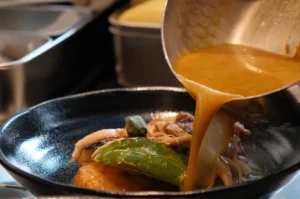
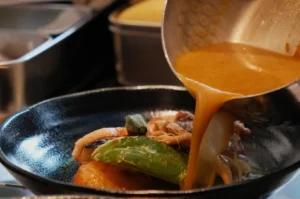
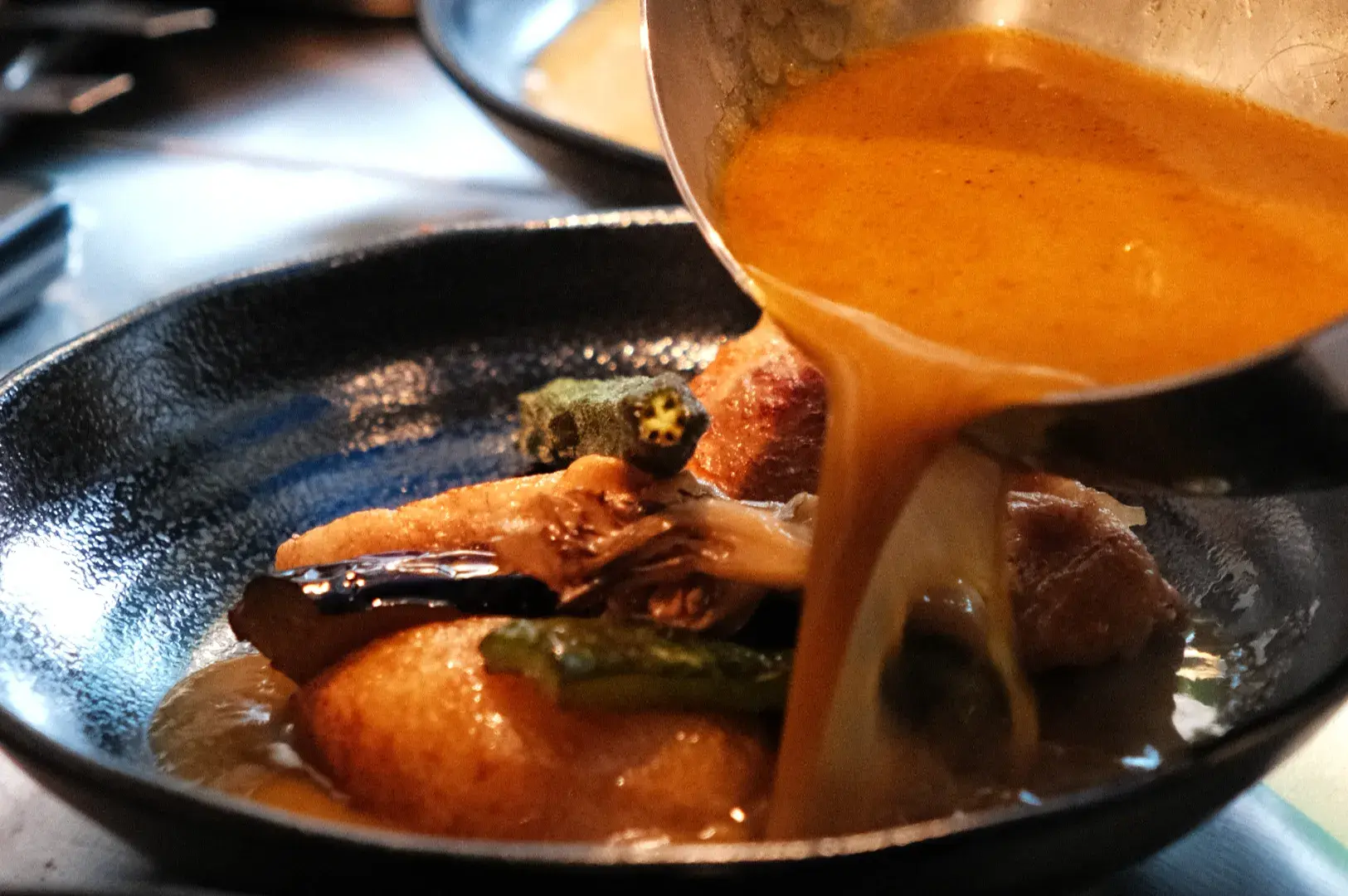
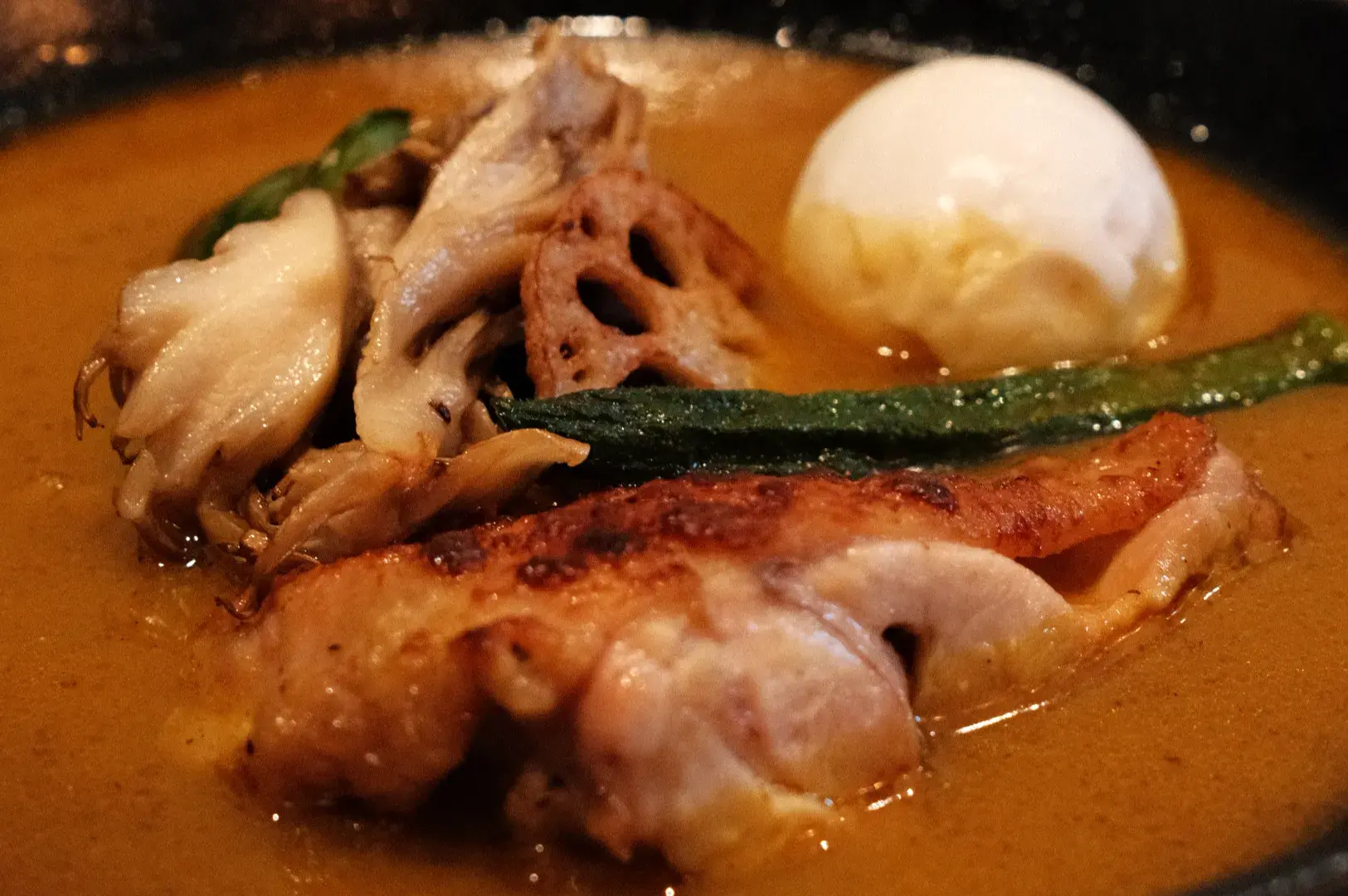
Flash fried vegetables are one of the signature elements of soup curry. Bell peppers, lotus root, potato, and carrots are fried briefly at medium high heat so they stay vibrant and retain a gentle bite, then placed into the hot broth just before serving. This method keeps the vegetables from turning soggy, and it is part of why the visual presentation looks so striking compared to most curries.
Chicken is the classic protein choice, often a drumstick simmered gently until cooked through and tender, though other meats appear on many menus too. A halved soft boiled egg is a common addition, prized for how its yolk mingles into the broth with each spoonful. Steamed rice sits to the side in its own small bowl, ready for you to control exactly how much you want to eat with each mouthful of soup, making the whole plate a genuinely complete meal rather than a single note dish.
Demystifying What Happens Before the Bowl Arrives
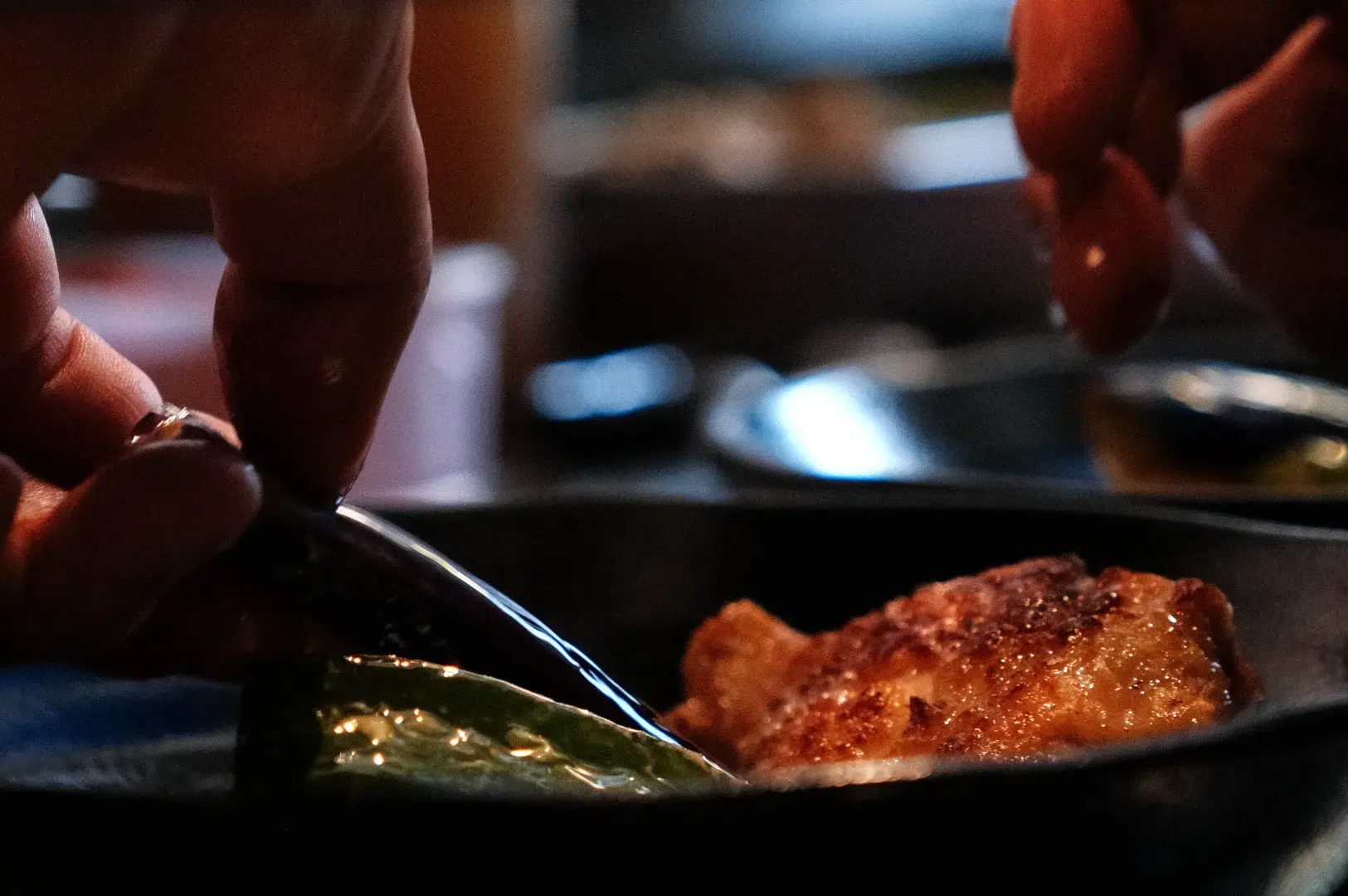
Part of what makes soup curry feel intimidating is that the process behind it is invisible to most diners. There is no dark, closely guarded recipe involved, only patience and a large pot.
At its heart, the broth begins with a stock base, usually chicken bones and aromatics, left to simmer gently over medium heat for a long stretch of time.
Onion, garlic, ginger, and carrots soften slowly, while the spice blend is added in stages, sometimes referred to affectionately by Hokkaido cooks as their own version of magic spice, a personal mix of curry powder, garam masala, and warming spices built up over years of practice.
A splash of soy sauce is often stirred in near the end to round out the savouriness, with the pot needing occasional stirring constantly enough to stop anything catching at the bottom.
None of this is written down as a set of dark instructions passed along in secrecy. Most Hokkaido households and specialty shops in Sapporo will happily talk you through their approach, because soup curry has never been about mystery, it has always been about comfort. Knowing that the process is this straightforward tends to take a lot of the intimidation out of the bowl in front of you.
How to Order Soup Curry as a First Timer
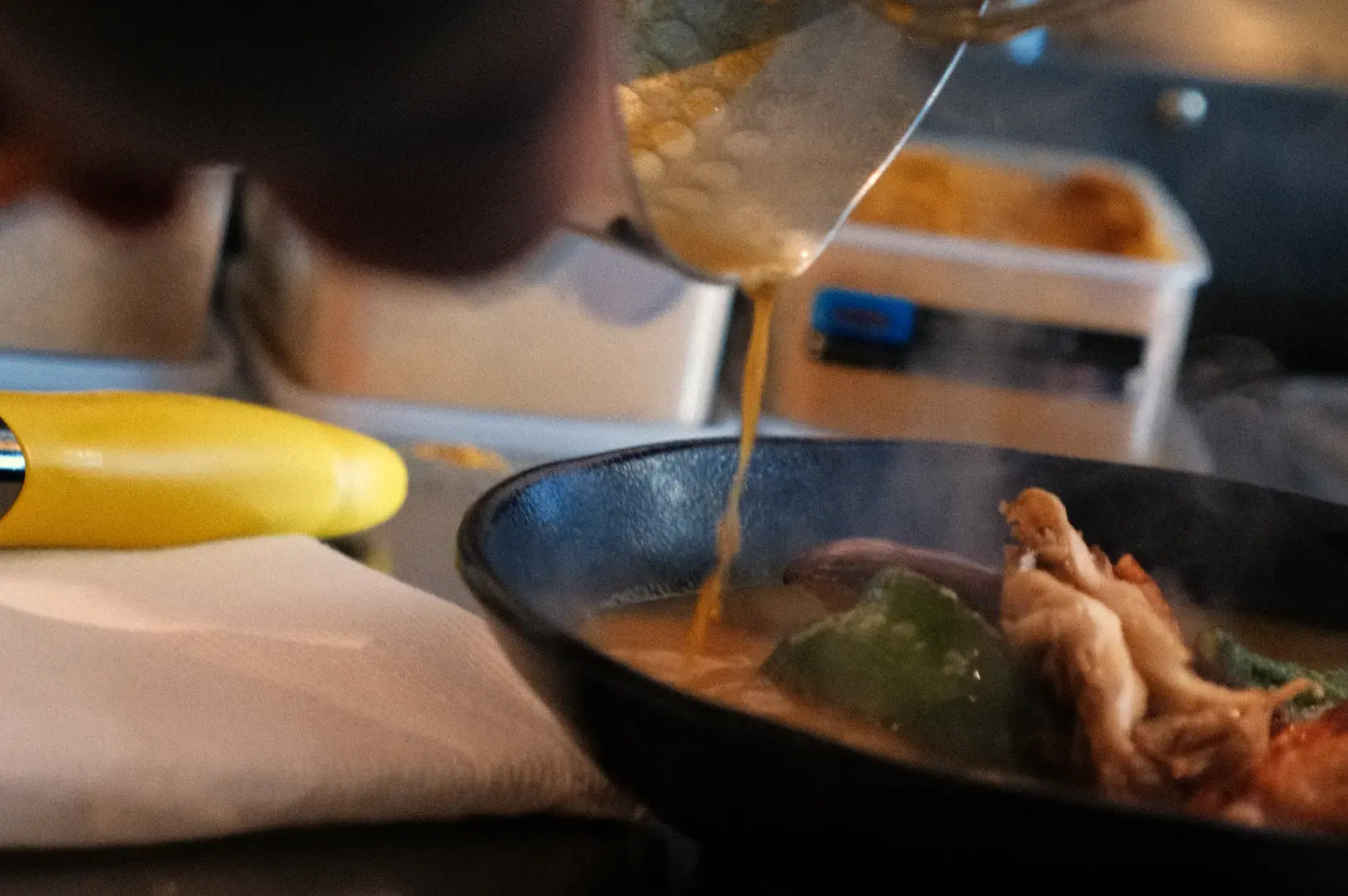
If you are new to soup curry, ordering does not need to be complicated. Most menus are structured to make the first experience straightforward.
Choosing Your Spice Level Without Guesswork
Start by selecting your protein, then choose a spice level on the milder end if you are unsure. Staff at soup curry restaurants are generally used to guiding newcomers through this decision, and asking questions is entirely normal. There is no wrong way to begin, and adjusting seasoning, including a pinch of salt to taste, is expected, not unusual.
When the bowl arrives, the traditional approach is to eat the vegetables and chicken directly from the broth using a spoon, occasionally scooping rice from its separate bowl and either adding it into the soup or eating it alongside, depending on preference. Some diners prefer to keep the rice on the side throughout the meal, using it to balance out the spice with each bite. Both approaches are completely acceptable, which is part of what makes the eating experience more relaxed than it initially appears. Often it only takes one spoonful of the broth on its own to understand what the fuss is about.
Soup Curry vs Curry Rice: Understanding the Difference
A lot of the apprehension around soup curry actually comes from comparing it to curry rice, the more familiar dish where curry sauce is ladled directly over rice. Curry rice tends to use a thicker, roux based sauce, while soup curry relies on a lighter, more aromatic broth that highlights individual spices rather than blending them into a single dominant flavour.
This distinction matters because it changes how you should approach the meal. Curry rice is often eaten in one continuous mouthful of sauce and rice together. Soup curry, on the other hand, rewards a slower approach: tasting the broth on its own, then the vegetables, then combining elements as you go. Understanding this difference before your first visit can turn what feels like an unfamiliar format into a genuinely enjoyable way of eating.
Why Hokkaido Soup Curry Is Soul Food, Not a Complicated Dish
In Hokkaido, soup curry is not treated as a novelty or a fine dining concept. It is soul food, the kind of dish people turn to on a cold day for warmth and comfort, prepared in home kitchens and neighbourhood specialty shops alike. This context matters, because it reframes what might look like an elaborate presentation as something rooted in everyday comfort rather than complexity for its own sake.
Soup Curry by Ki-Setsu‘s approach draws directly from this tradition. The soup base is simmered slowly, the vegetables are flash fried to preserve their character and vitamin C content, and the spices are layered with care rather than heat alone. We think of the dish the same way it is thought of in Sapporo: not as an intricate technical achievement, but as a bowl of comfort food meant to be shared and enjoyed without pretence.
For guests who want to extend the evening, our space also transforms into a cosy izakaya style setting from 6pm onwards, which reflects the same relaxed, communal spirit that soup curry itself is rooted in. There is no formality required to enjoy either experience.
Comfort Food Doesn't Have to Be Intimidating
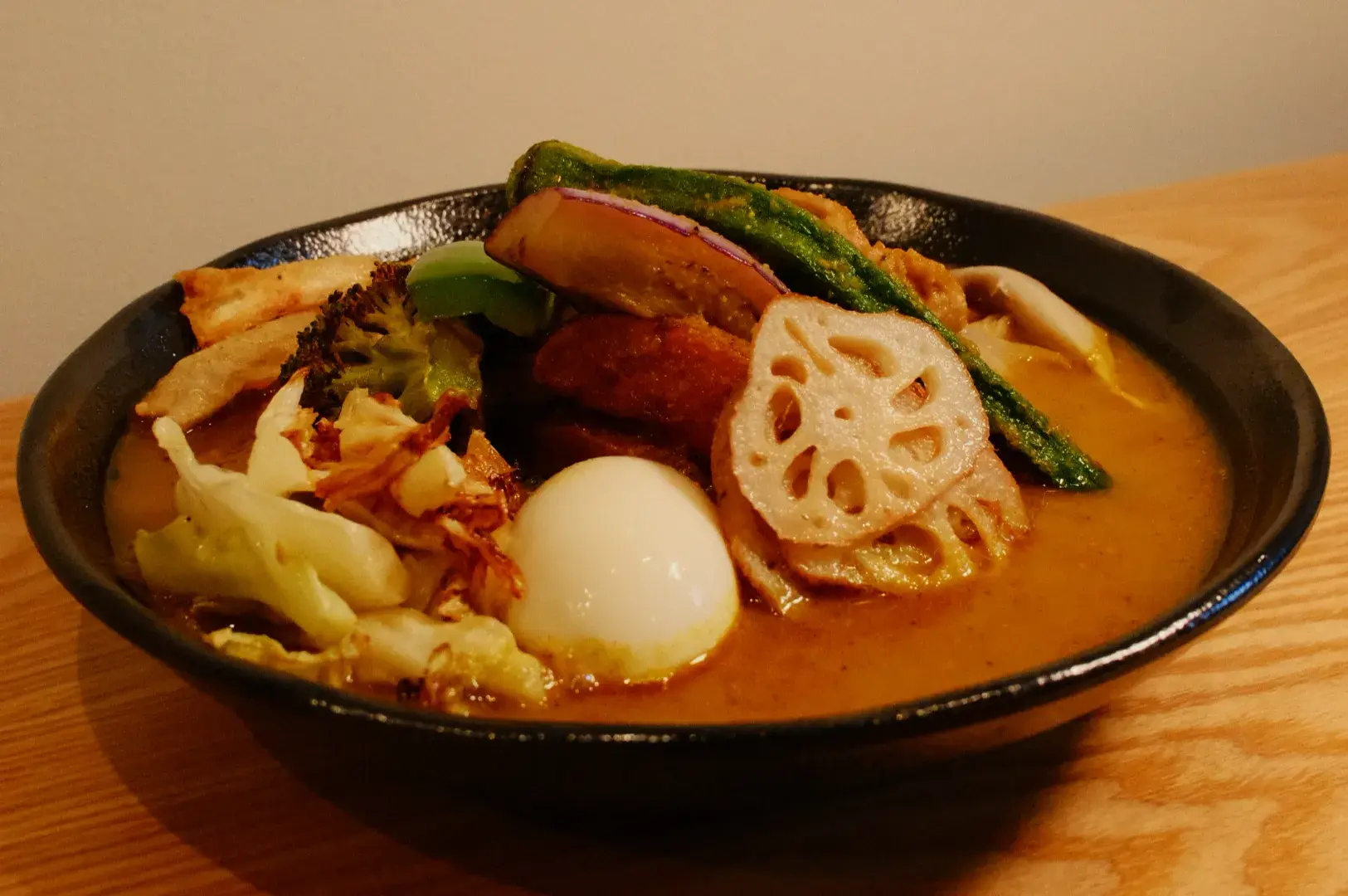
The vegetables, the broth, the separate rice bowl: all of it can look unusual on a first glance, but every element serves a purpose rooted in flavour and texture rather than complexity. Soup curry does not require special knowledge to enjoy. It requires a spoon, a bit of curiosity, and a willingness to try something served differently to what you might expect.
Once the first spoonful of aromatic broth meets a bite of tender chicken and a flash fried vegetable, the format that once looked intimidating tends to feel remarkably natural. For many first timers, that first bowl becomes the moment soup curry shifts from unfamiliar to genuinely comforting, exactly the kind of soul food it has always been meant to be.
If you have been curious about trying soup curry but have held back because the presentation seemed unfamiliar, consider this your invitation to approach it with an open mind. What looks complicated on the surface is, at its heart, one of the most comforting meals you can sit down to.