Hokkaido’s capital city, Sapporo city, carries a reputation that few culinary destinations in Japan can match. Ask any traveller what they remember most from a trip to Sapporo food stalls, ramen counters, and market stands, and the answer usually circles back to a handful of dishes that could not have been born anywhere else. Sapporo soup curry is often near the top of that list, alongside the city’s famous ramen.
This is not a generic tour of Japanese cuisine. It is a look at the specific plates, bowls, and pours that make Sapporo’s food culture so distinct, and why each one still shapes how we think about cooking, warmth, and comfort at our own table today.
Miso Ramen and the Broth That Built a Reputation
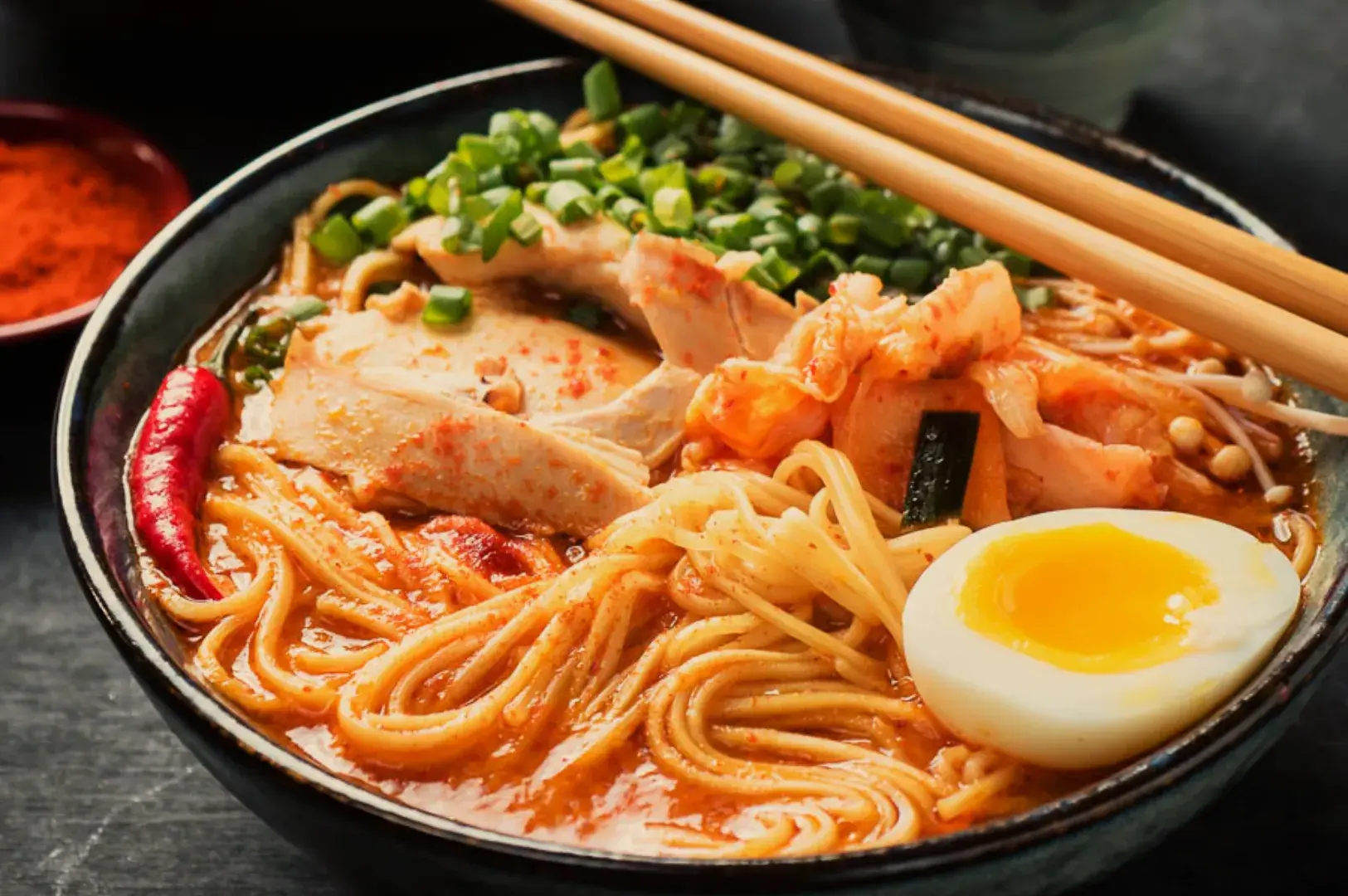
No conversation about Sapporo specialties gets far without mentioning miso ramen. While ramen exists across the country in countless regional styles, Sapporo is widely credited as the birthplace of the miso version, a bowl built around a rich, fermented soybean paste that gives the broth its deep colour and savoury backbone.
Walk down any stretch of ramen alley in the city centre and you will notice how differently each shop treats that same base. Some lean into a heavier, almost stew-like consistency with butter and sweet corn stirred through. Others favour a comparatively light broth, letting the miso speak for itself without heavy fat riding on top.
What makes this dish so central to the food culture of Sapporo is not just the flavour, but the climate that shaped it. Long winters called for something warming and substantial, and miso ramen answered that need in a way that plain soy or salt broth never quite could. It is the same logic that sits behind soup curry, a dish that shares more with ramen than most visitors realise. Both are built on the idea that a bowl should do more than feed you. It should hold you together on a cold day.
Soup Curry, Sapporo's Rice Bowl Answer to Comfort
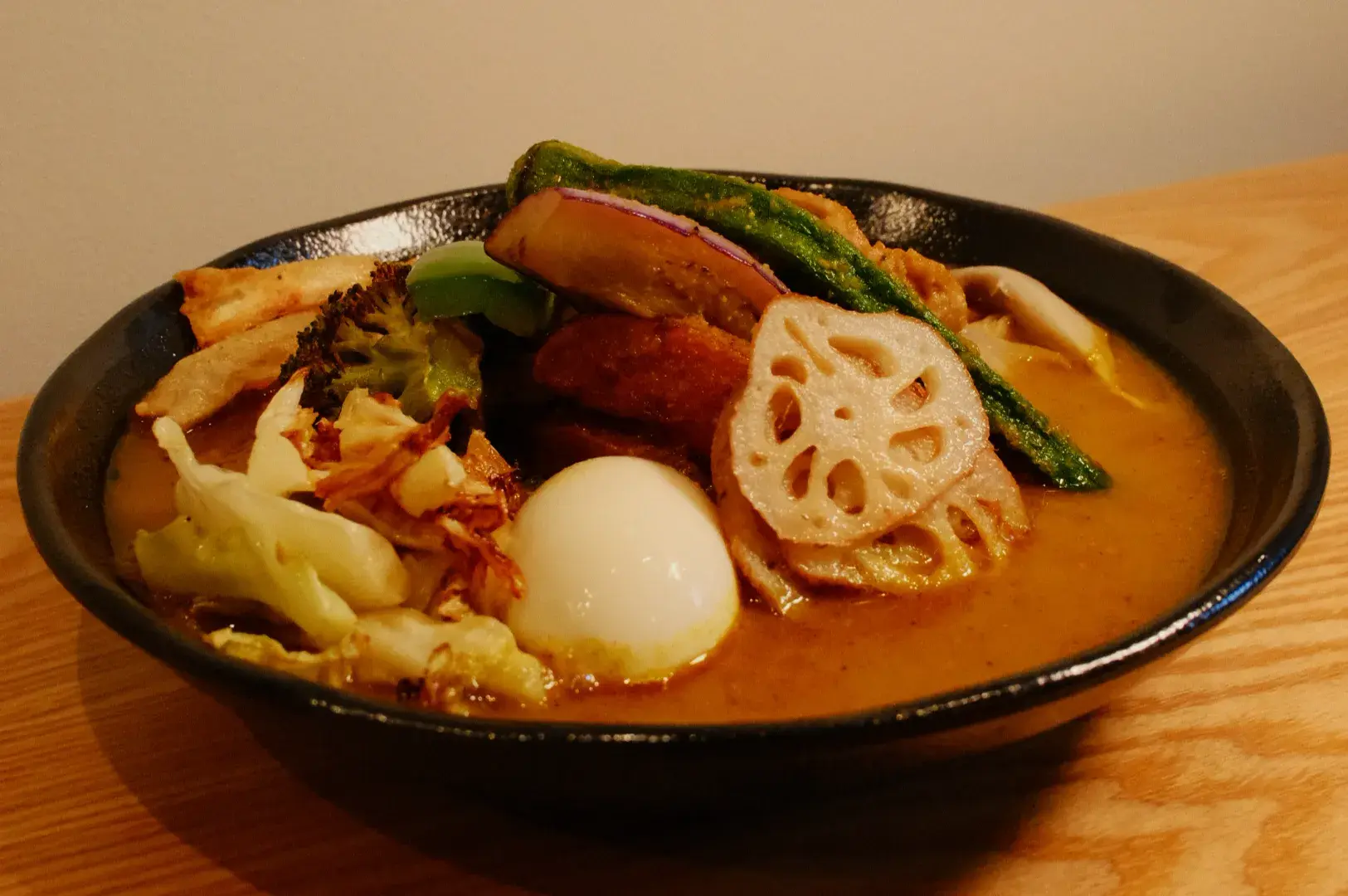
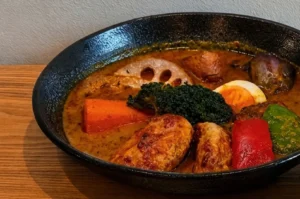
If miso ramen represents Sapporo’s noodle culture, soup curry represents its rice bowl culture. This is a dish that took the concept of Japanese curry, which is traditionally thick, roux based, and almost stew like, and stripped it back to a clear, spiced broth ladled generously over chunks of vegetables and meat, served alongside a mound of steamed rice rather than poured directly on top.
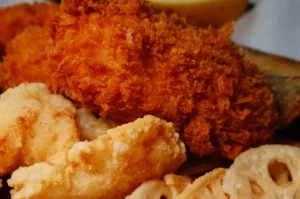
We think of soup curry as one of the most honest expressions of Sapporo’s food philosophy. It is not trying to be elegant or restrained. Deep fried vegetables such as bell pepper, lotus root, eggplant, and potato are usually prepared using precise Japanese cutting techniques so they cook evenly and hold their shape in the broth, while tender chicken, pork, or shrimp simmer separately in an aromatic spice base built from a long list of dried spices, vegetable stock, and sometimes a touch of fruit for roundness. The result is a bowl that tastes layered rather than flat, spiced rather than simply hot.
This approach to soup curry has travelled well beyond Sapporo, and it is worth understanding what separates a well made bowl from an average one. The spice base should have depth without overwhelming heat, the vegetables should retain some bite, and the broth itself should feel like something you would happily drink on its own. It is a dish that rewards patience in preparation and, when done properly, remains true to what made it popular in Sapporo in the first place.
Eat Sushi and Salmon Roe Straight from Hokkaido's Waters
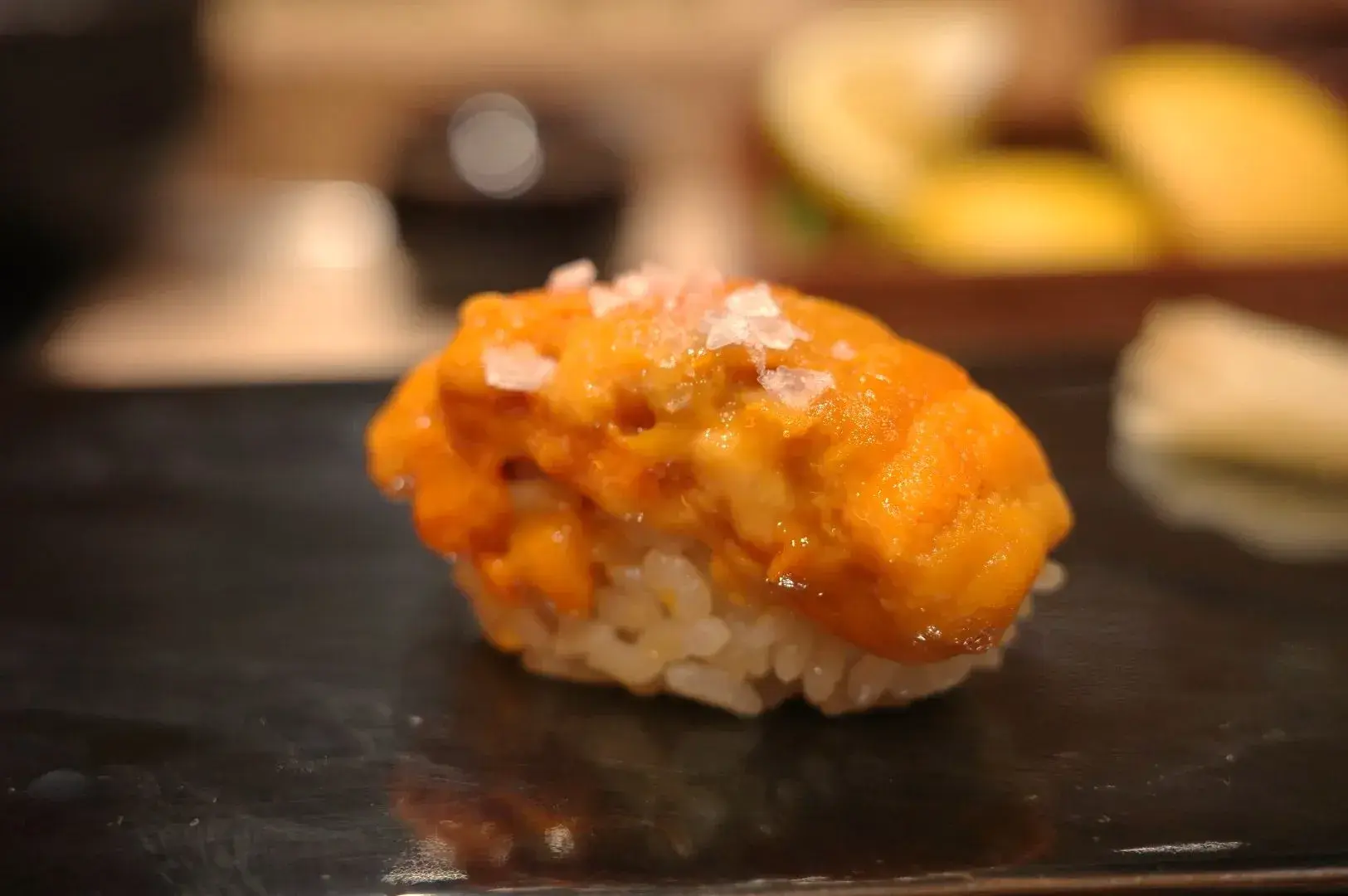
Hokkaido’s position surrounded by cold, nutrient rich seas means that when locals talk about where to eat sushi, they are not exaggerating when they say the seafood tastes different here. Crab, particularly king crab and snow crab, is often served simply, either grilled or in a hot pot, precisely because the meat itself needs little dressing up. Salmon roe, glistening and briny, appears everywhere from rice bowls to sushi counters, and it is considered one of the defining local dishes of the region rather than a garnish.
This is also where Sapporo’s food identity separates itself from the wider idea of Japanese cuisine as monolithic. Sushi here is shaped by proximity to the source. Fish arrives at the public market within hours of being caught, and that immediacy changes how chefs treat it. Many restaurants keep preparation minimal, letting the freshness of the crab, salmon, and shellfish carry the dish rather than masking it with heavy sauces.
Grilled Lamb and the Genghis Khan Tradition
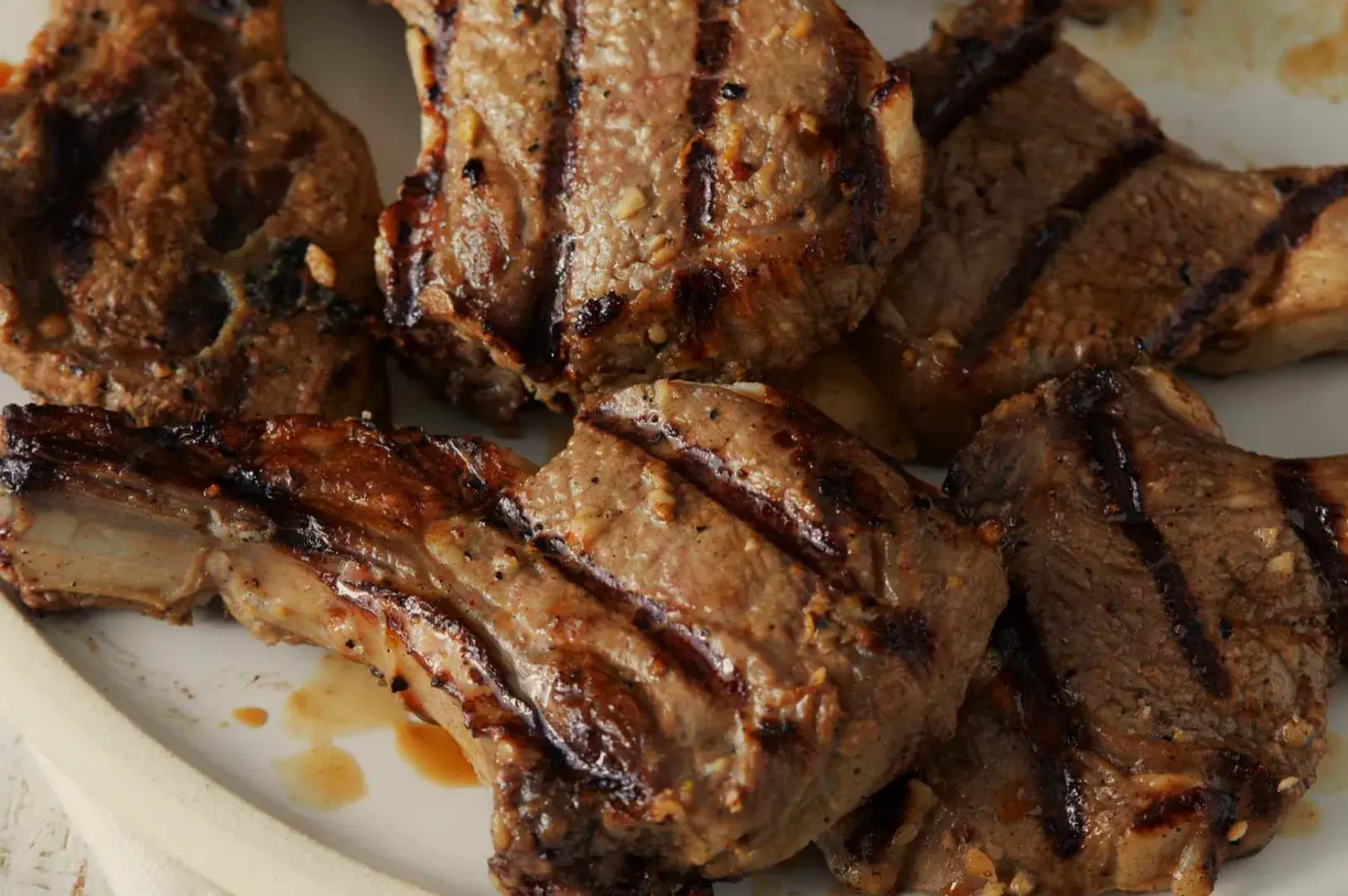
Few dishes capture Sapporo’s social eating culture quite like Genghis Khan, the grilled lamb dish named after the historical figure despite having no real connection to Mongolian cuisine. Thin slices of lamb are grilled on a domed cast iron pan alongside vegetables such as onion, pumpkin, and okra, with the fat and juices running down into the vegetables below, seasoning them as they cook.
This dish is typically a group affair, often enjoyed at long tables in beer gardens or dedicated grill houses where the meal doubles as a social occasion. It pairs naturally with the next essential element of Sapporo food culture: beer.
Sapporo Beer and the City's Beer Garden Culture

It is impossible to talk about Sapporo without acknowledging its brewing history. The city has been a centre of beer production in Japan for well over a century, and that heritage is woven into how people eat and drink here. During the warmer months, beer gardens become some of the most popular gathering spots in the city, where locals and tourists alike sit outdoors under trees, drink Sapporo’s beer, and work through plates of grilled lamb, corn, and seafood.
The pairing of Genghis Khan and Sapporo’s beer is not accidental. The fattiness of the lamb calls for something crisp and clean to cut through it, and the beer garden setting turns what could be a simple meal into an extended, unhurried experience. It reflects something true about how the city approaches food generally: dishes here are rarely rushed, and meals are treated as time worth protecting.
Hokkaido Milk and the Dairy That Sweetens the City
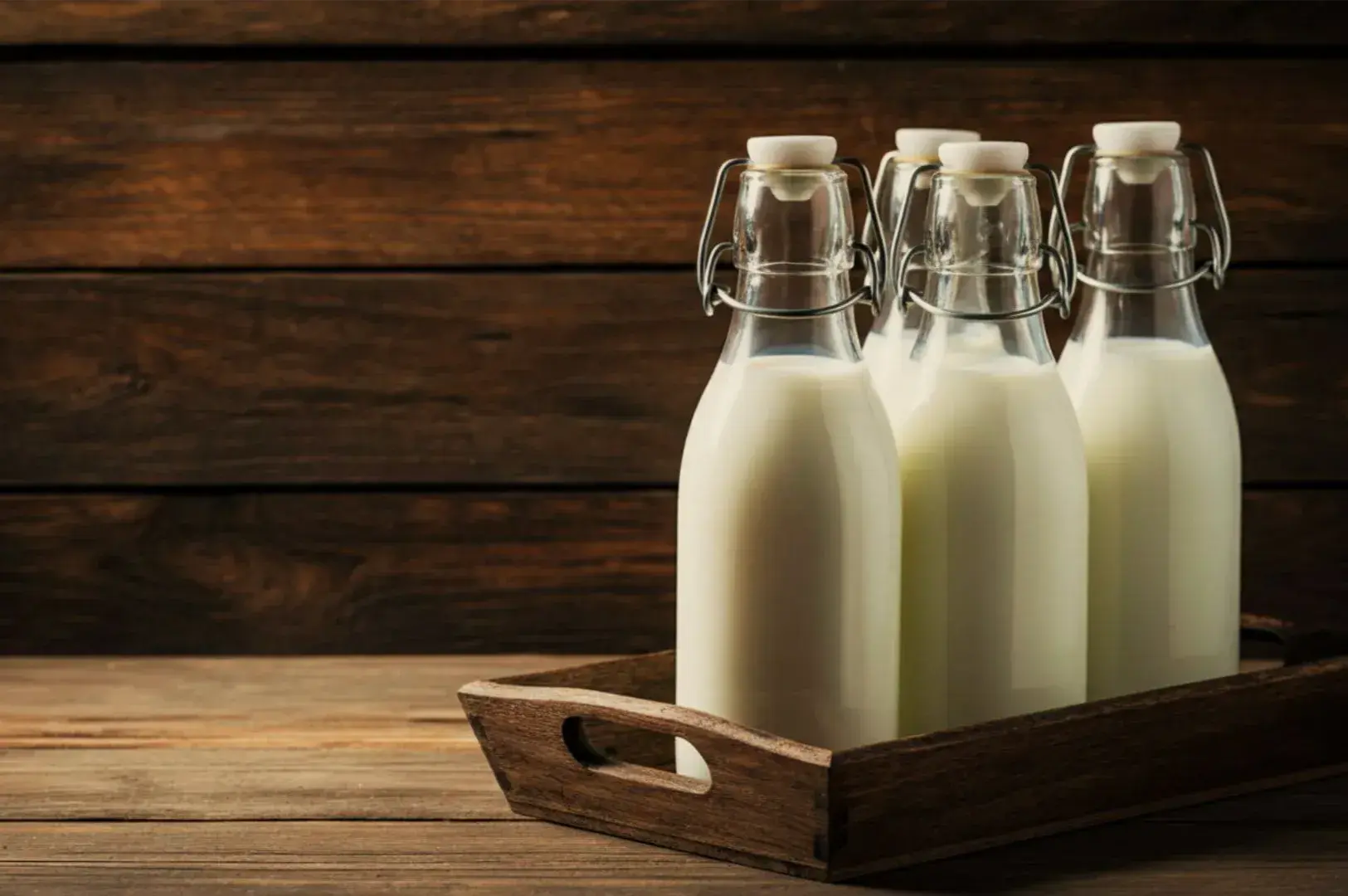
Hokkaido’s agricultural land supports some of the richest dairy farming in Japan, and Hokkaido milk has become shorthand for quality across the country. In Sapporo, this shows up constantly, from milk based soft serve sold near Odori Park to rich cheesecake and buttery bakery items that use the local cream and cheese as their base.
This dairy tradition might seem disconnected from ramen, curry, and grilled lamb, but it belongs in any honest Sapporo food guide because it explains the city’s approach to richness generally. Whether it is butter melting into a bowl of miso ramen or cream folded into a dessert, Hokkaido’s dairy shows up as a quiet thread running through much of the region’s cooking.
Nijo Market and the Public Market Where Locals Shop
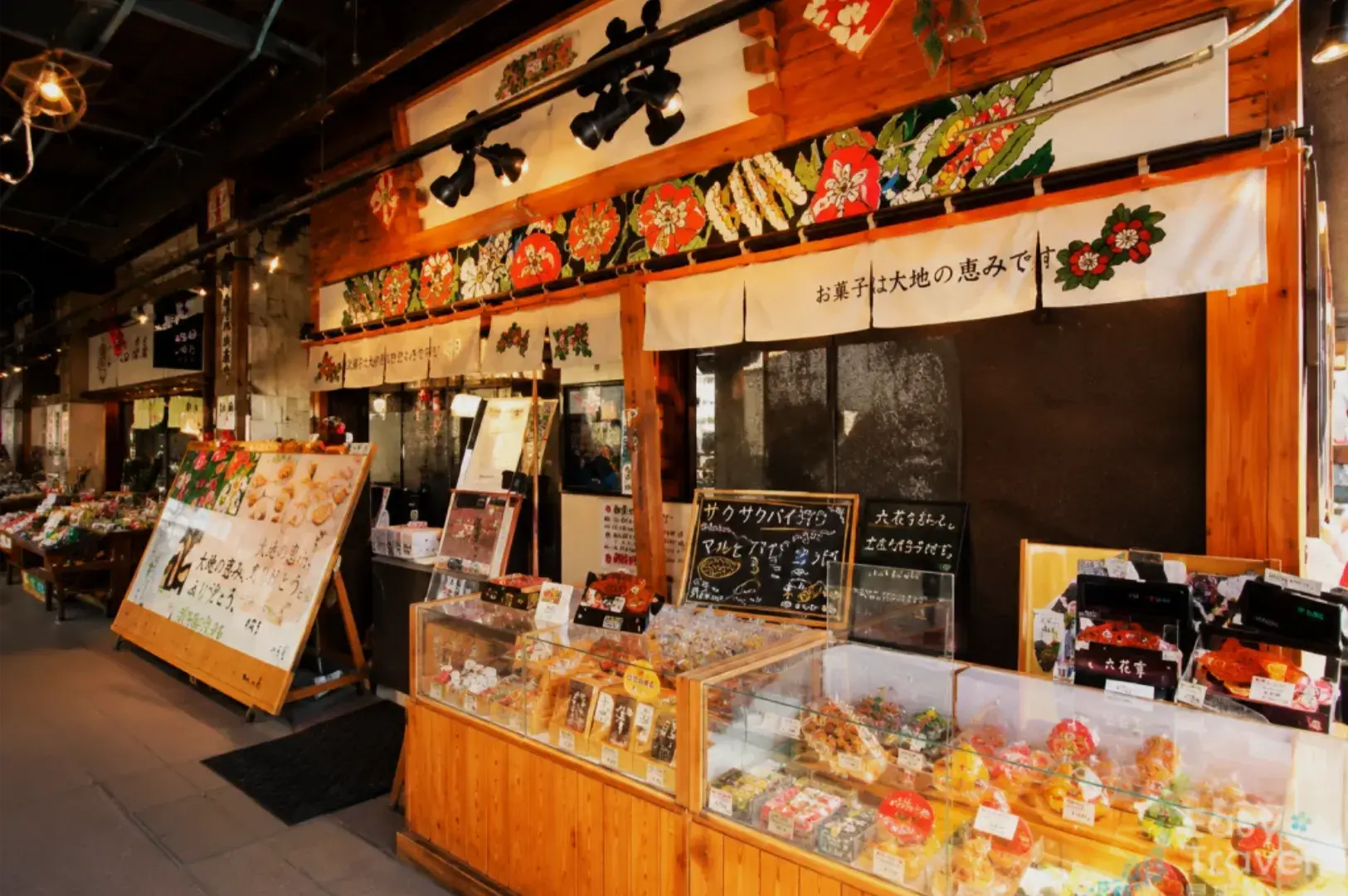
Nijo Market remains one of the clearest windows into how Sapporo actually eats day to day. Stalls sell fresh crab, salmon roe, seasonal vegetables, and prepared local dishes, and several restaurants tucked around the edges of the public market serve that same seafood cooked to order. It is less polished than some tourist facing food halls, and that is precisely its appeal. Many restaurants here have operated for decades, and the relationship between vendor and regular customer is visible in how orders are taken.
For anyone building their own Sapporo food guide, a visit here is less about ticking off a single famous dish and more about seeing how the ingredients behind miso ramen, sushi, and soup curry actually reach the plate.
Odori Park and Central Sapporo's Best Restaurants
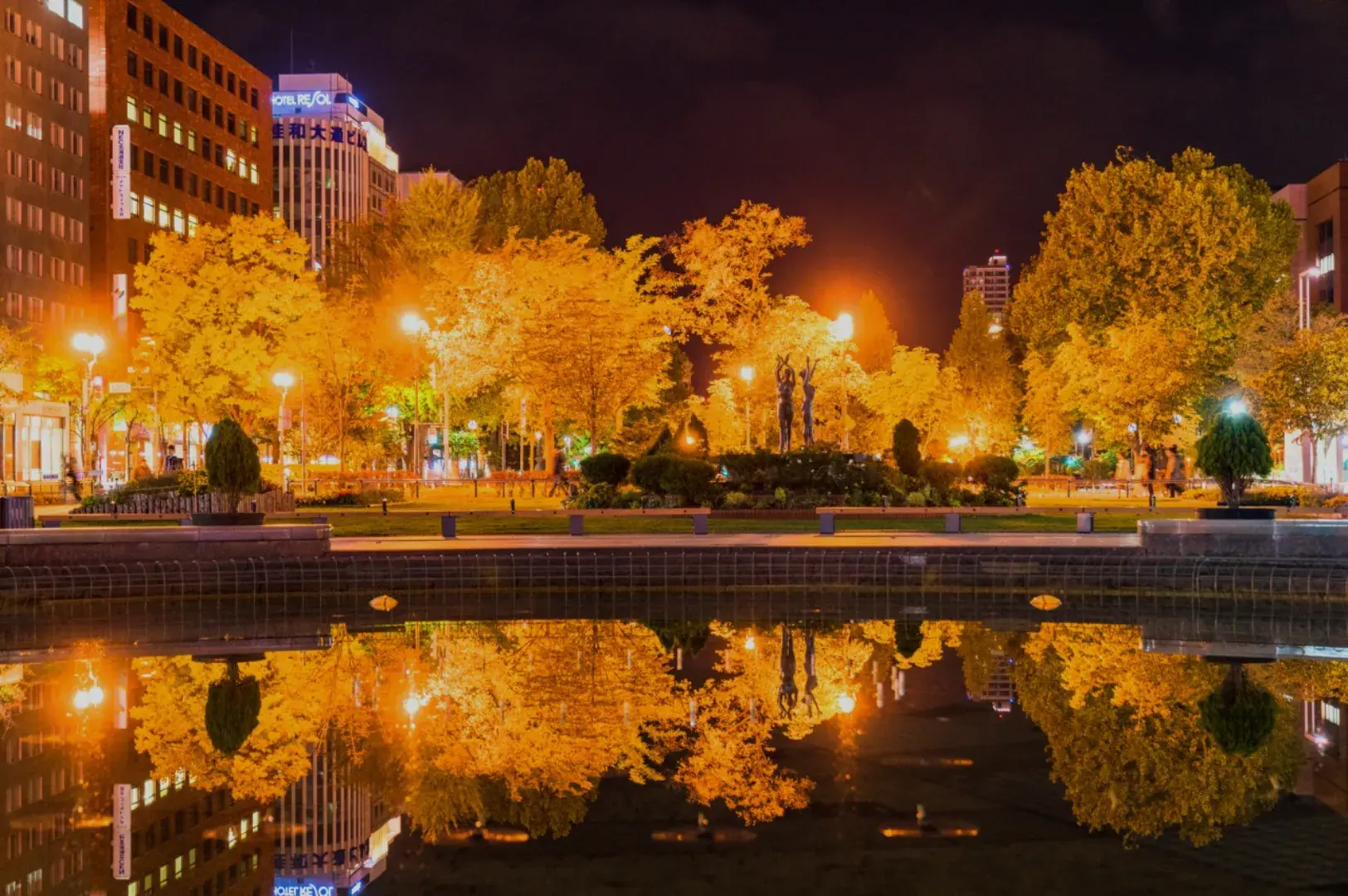
Odori Park sits at the literal and cultural centre of the city, and the streets radiating out from it, including areas near Susukino Station, hold some of the best restaurants in Sapporo. This central Sapporo stretch is where ramen alley, izakaya style grill houses, and sushi counters exist within walking distance of one another, making it the natural starting point for anyone new to the city’s food scene.
What stands out about this part of the capital city is the density of choice without a loss of quality. It is common to find a well regarded miso ramen shop a few doors down from a soup curry specialist, and both drawing steady queues without needing to compete for the same customer. Locals tend to have strong, specific opinions about which shop does which dish best, and those opinions rarely map onto guidebook rankings.
Bringing These Dishes Together
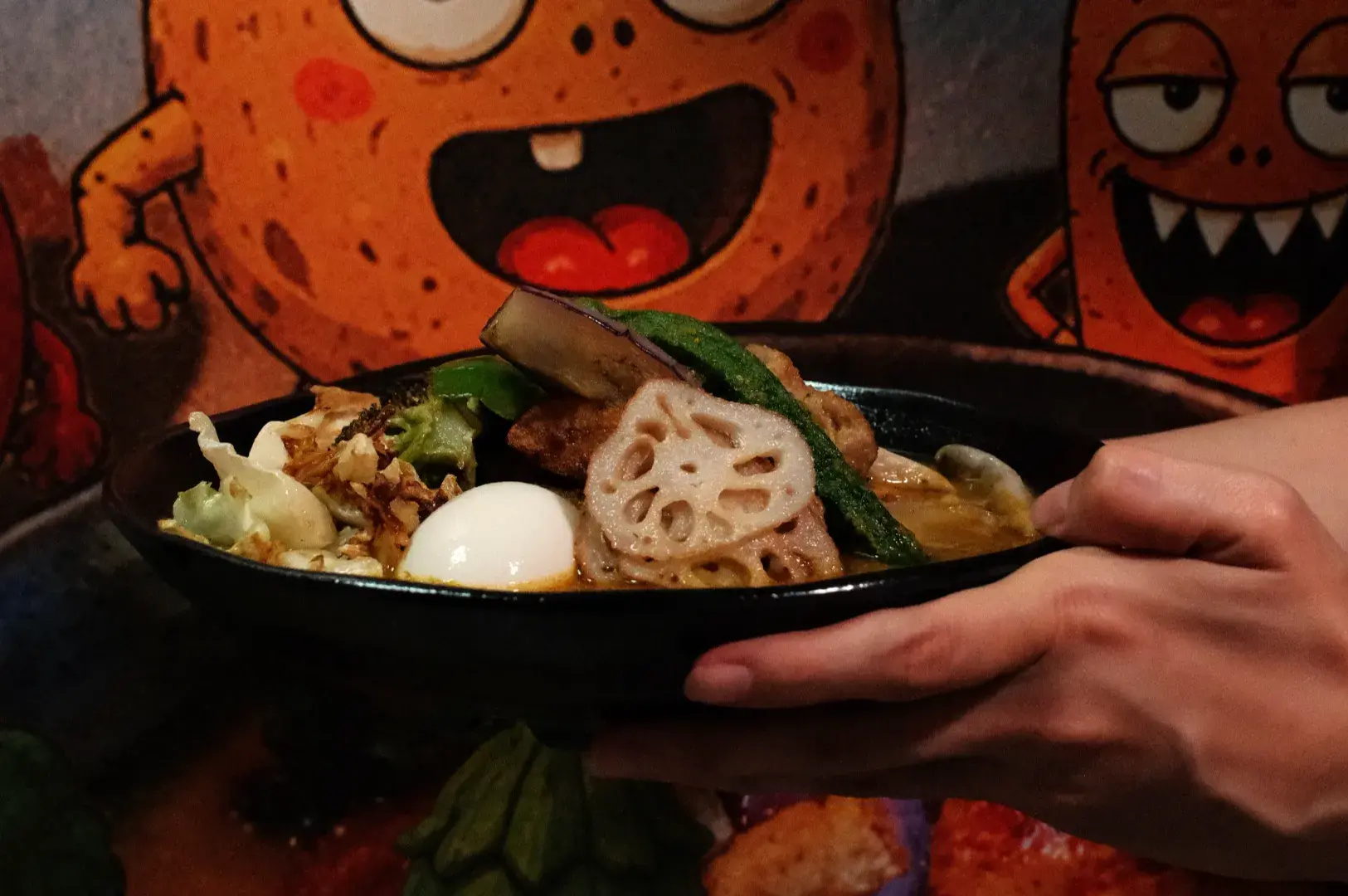
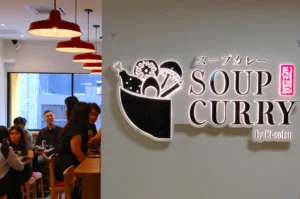
What ties miso ramen, soup curry, grilled lamb, sushi, and Sapporo beer together is not a single flavour or technique. It is a shared understanding that food in this city is meant to be warming, communal, and unpretentious. We see this reflected in our own approach to soup curry at our restaurant, where the goal has always been to let honest ingredients and a well built broth do the talking rather than presentation for its own sake. As Soup Curry by Ki-Setsu, we try to carry that same spirit into every bowl we serve, keeping the dish as close as possible to what made it so loved in Sapporo.
Sapporo’s food identity was never about a single hero dish. It is the sum of a rice bowl of curry, a steaming bowl of ramen, a plate of grilled lamb shared over beer, and fresh seafood pulled from cold northern waters, all within reach of the same central streets. That combination is what continues to draw people back to this capital city, and what keeps its specialties relevant well beyond Hokkaido’s borders.