Every region has a dish that could only have come from that particular patch of earth, that particular climate, that particular history of people making do with what surrounded them. For Sapporo, that dish is soup curry. It did not emerge as a variation of something else. It emerged because Hokkaido needed a food that regular Japanese curry simply could not provide.
To understand why Sapporo built an entire culinary identity around this dish, we have to look past the bowl itself and into the conditions that shaped it: the island’s punishing winters, its relative isolation from mainland Japanese food culture, and a generation of cooks who were unafraid to break from convention. Soup curry was not born from a desire to reinvent curry for its own sake. It was born from necessity, and that necessity is exactly what makes it Sapporo’s own.
Why Sapporo Soup Curry Was Built for the Cold
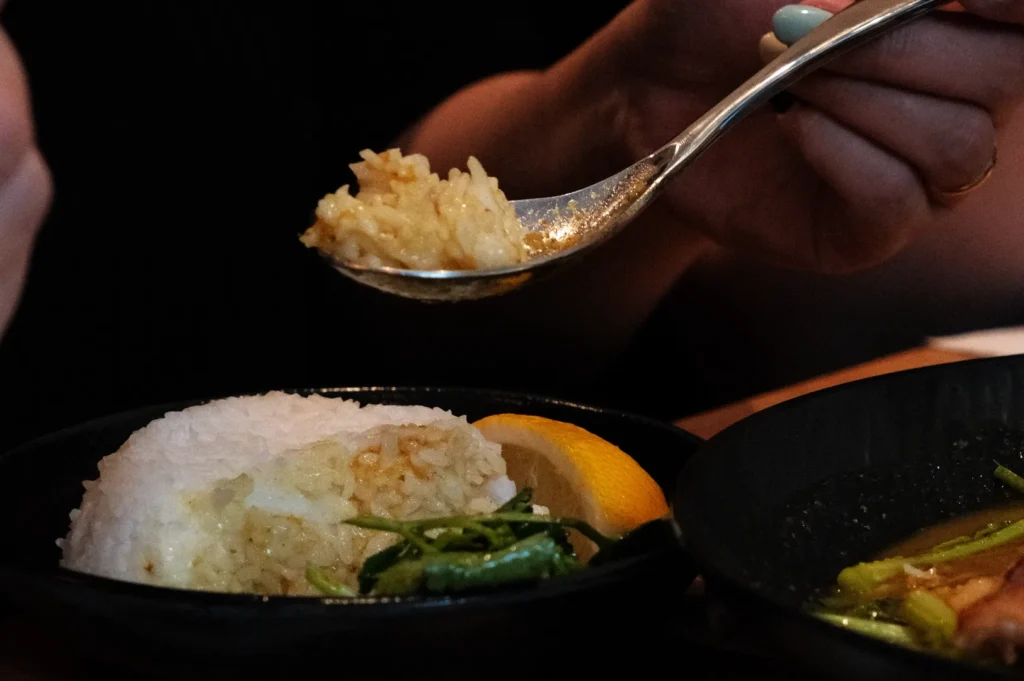
Hokkaido is unlike the rest of Japan in almost every meteorological sense. Winters are long, the cold cuts deep, and the kind of thick, stew like curry served across Honshu, heavy with roux and clinging to the plate, was never quite suited to the island’s needs. What Sapporo’s cooks wanted was warmth that moved. A dish you could drink as much as eat. Something that filled the body quickly and kept working long after the last spoonful.
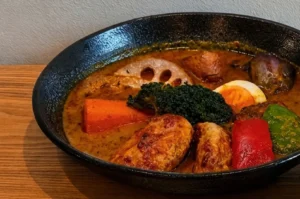
That is precisely what a light, curry flavoured soup base delivers. Built from chicken broth and bones, layered with curry powder, garam masala, ginger, garlic, onion and tomato paste, the broth is deliberately thinner than mainland curry, designed to be sipped, savoured and felt in the chest before it even reaches the stomach. Rice is served on the side rather than drowned beneath the sauce, a structural choice that changes the entire eating experience. You are not eating curry rice. You are eating a soup, with rice as companion rather than base.
This is the first reason Sapporo’s food identity diverged so sharply from the rest of Japan. The climate did not ask for comfort in the abstract. It asked for a specific kind of comfort, and the city’s cooks answered with a dish that no other region had quite arrived at.
Read: Sapporo Food: Miso Ramen, Soup Curry, and the Dishes That Define Japan’s Northern Capital
How Isolation Shaped an Authentic Japanese Soup Curry Tradition

Hokkaido was settled and developed later than much of Japan, and its distance from Tokyo and Kansai meant that culinary trends did not always travel north in the same way. Rather than treating this as a limitation, Sapporo’s food culture used it as room to experiment. Without the weight of centuries old culinary convention pressing down on every decision, cooks in Sapporo had the freedom to combine influences that elsewhere might have seemed unusual.
Soup curry itself reflects this hybrid thinking. It borrows the spice architecture of Indian and Southeast Asian curry traditions filtered through Japan’s own curry rice heritage, then reshapes the format entirely around a broth based soup. It is a dish that could only have been created somewhere willing to treat curry as a starting point rather than a fixed rulebook.
That willingness to invent, rather than replicate, is a defining trait of Sapporo’s approach to food more broadly, and it is why the dish carries such a distinct regional signature rather than reading as a simple offshoot of Tokyo style curry rice.
The Vegetable Philosophy That Sets It Apart
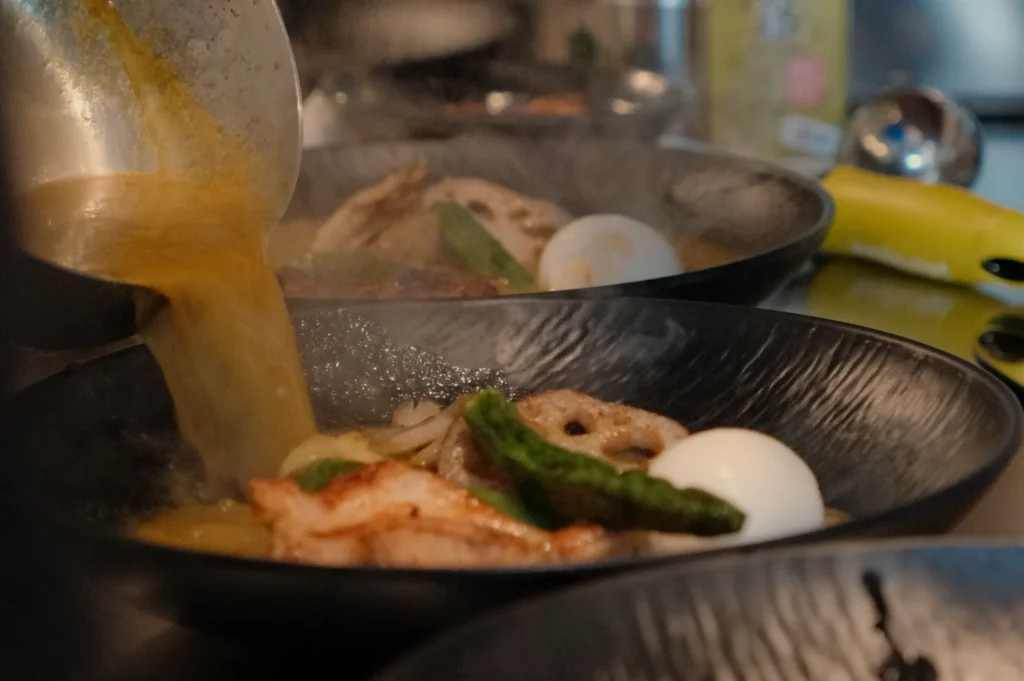
If the broth gives soup curry its warmth, the vegetables give it its personality. Sapporo’s soup curry culture developed a very particular way of treating produce, one that prioritises colour, texture and the vegetable’s own character over uniformity or heavy seasoning.
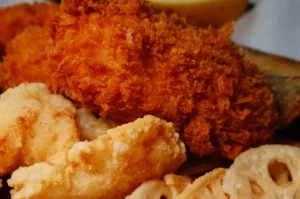
The technique most associated with this is su-age, a method of deep frying vegetables without batter. Bell peppers, lotus root, aubergine, okra, carrot, pumpkin and potato are flash fried at high heat until just cooked through, locking in their natural colour and flavour rather than muting it under a coating of flour. The result is a bowl that looks almost sculptural, with each vegetable retaining its own hue and bite, sitting proudly in the broth rather than dissolving into it.
We follow this same principle in our kitchen, preparing vibrant deep fried vegetables using traditional Japanese cutting and frying methods so that each element in the bowl still tastes distinctly of itself. Alongside the vegetables, tender chicken, often on the bone, simmers gently in the curry soup until it takes on the full depth of the spice blend without losing its own character. This is not curry as a single unified flavour. It is curry as a collection of ingredients that have each been given the chance to shine, unified only by the broth that surrounds them.
This vegetable forward, texture conscious approach is arguably the clearest marker of Sapporo’s culinary independence. Regular Japanese curry tends to cook everything down together until the components blend into one another. Soup curry insists on separation, on distinction, on letting the diner taste the difference between a piece of lotus root and a piece of pumpkin. That insistence on individuality within a single dish mirrors, in many ways, how Sapporo itself has always approached food: borrowing widely, but never simply copying.
A Dish Built Around the Rhythm of Local Life
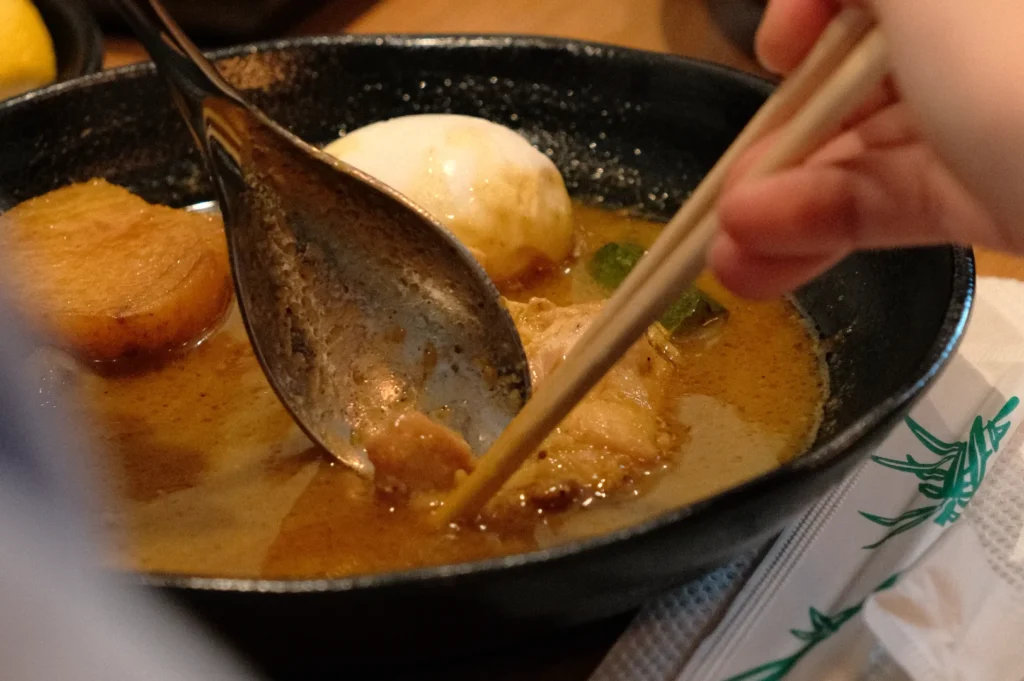
Part of what gives Sapporo’s soup curry its own identity is how deeply it is woven into the daily rhythm of the city, rather than existing as an occasional treat. It functions as an everyday soul food, eaten at lunch as fuel against the cold, and again in the evening as something closer to comfort than indulgence. This everyday quality distinguishes it from more ceremonial or seasonal dishes elsewhere in Japan.
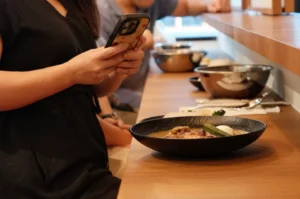
That rhythm carries through into how the dish is served and enjoyed even outside Hokkaido. In our own space, soup curry anchors the earlier part of the day, served for lunch and early dinner, before the room shifts into a cosy izakaya from six in the evening onwards. Guests who came in for a warming bowl at midday might return that same evening for small plates and a more relaxed, convivial atmosphere. This dual rhythm, practical nourishment by day, unhurried gathering by night, echoes the way soup curry itself was designed to fit into ordinary life in Sapporo rather than standing apart from it as a special occasion food.
Spice as Identity, Not Just Flavour
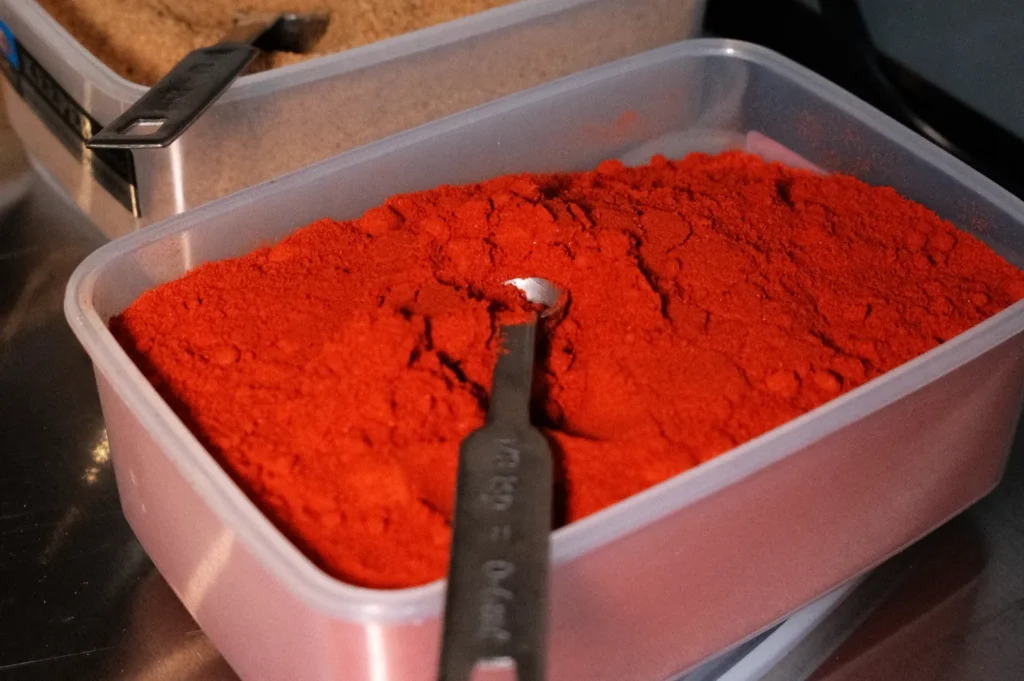
Another element that separates Sapporo’s soup curry from typical curry restaurants is how spice is used. Rather than relying on a single roux based flavour profile, soup curry allows kitchens to build layered, often customisable heat and complexity into the broth itself. Garam masala, ginger and garlic are not simply background notes. They are structural, shaping the entire character of the soup rather than sitting quietly beneath a thick sauce.
This has allowed soup curry to become something of a canvas in Sapporo, where different establishments and home cooks alike develop their own signature spice balance while still remaining unmistakably within the tradition. That flexibility within a defined framework is very different from the more standardised approach found in typical curry restaurants elsewhere, where the base flavour tends to be fixed and consistent from bowl to bowl.
In Sapporo, the broth is where personality lives, and that emphasis on spice as an expressive tool rather than a fixed formula is central to why the dish reads as so distinctly its own.
Bringing Hokkaido Soup Curry to Singapore
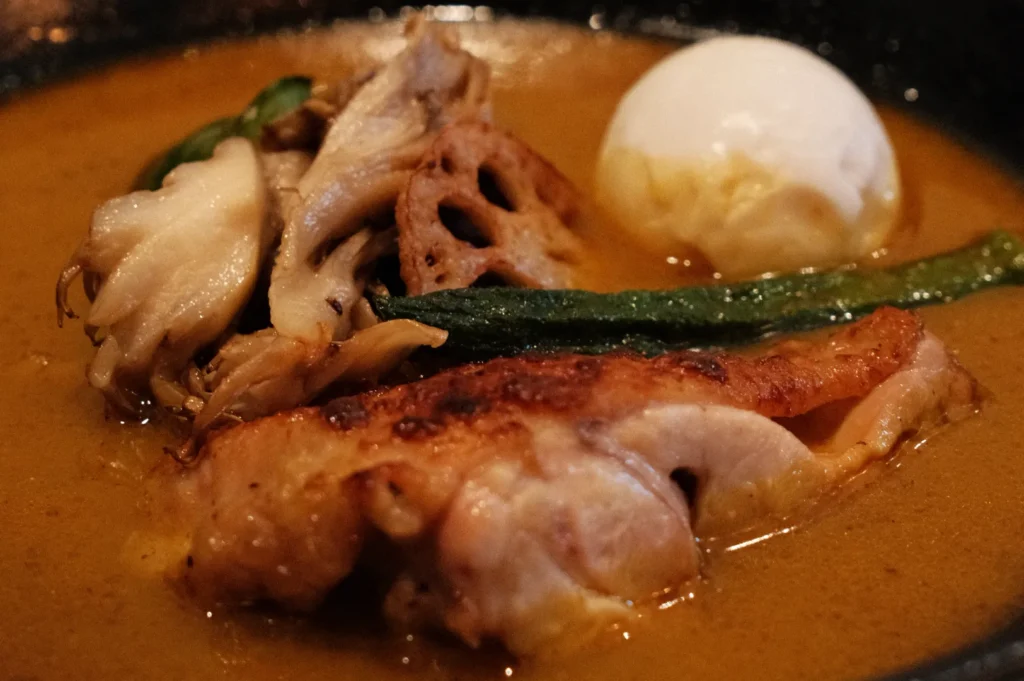
What makes Sapporo’s soup curry tradition so compelling, even far from Hokkaido, is that its identity was never dependent on geography alone. It was built on principles: a light, sippable broth in place of a heavy sauce, vegetables treated with individual care rather than cooked into uniformity, and a spice profile that invites variation rather than demanding conformity. Those principles can be honoured anywhere, provided the kitchen behind them understands why each choice was made in the first place.
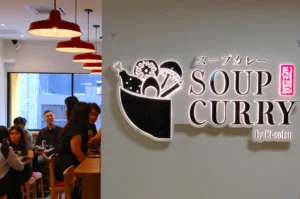
That is the approach we have taken in bringing this tradition to Singapore. As Soup Curry by Ki-Setsu, we are not attempting to reinvent what Sapporo created. We are trying to preserve the reasoning behind it, the broth built for warmth rather than heaviness, the su-age vegetables kept vivid and distinct, the chicken simmered until tender without losing its shape. It is a small, first attempt at bringing an authentic taste of Hokkaido to our shores, guided closely by the techniques and philosophy that gave the dish its identity in the first place.
A Regional Dish With a Universal Appeal
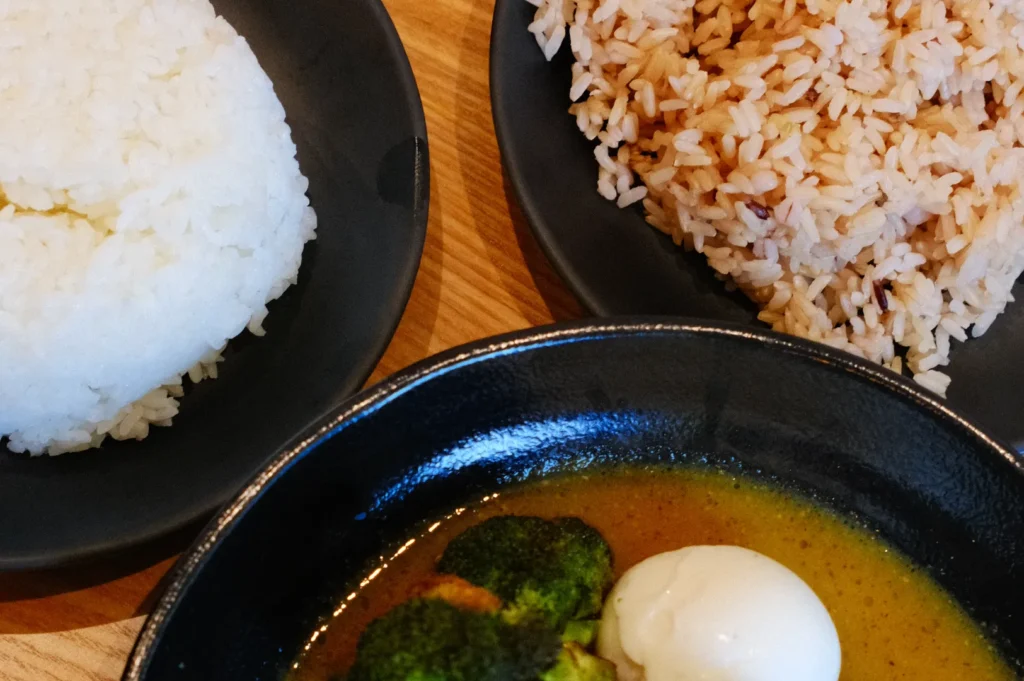
Sapporo did not set out to create a trend. It set out to solve a very local problem: how to make a warming, satisfying meal suited to a cold climate, using ingredients and techniques that reflected the island’s own character rather than borrowing wholesale from elsewhere in Japan. What resulted was a dish so distinctive that it now stands as one of Hokkaido’s clearest culinary fingerprints, instantly recognisable and impossible to mistake for ordinary curry rice.
That is ultimately why Sapporo’s food identity feels so complete and so singular. Soup curry was not designed to fit into an existing category. It carved out its own, shaped by climate, by isolation, by a willingness to experiment, and by a deep respect for the individuality of each ingredient in the bowl. Understanding that history changes how you taste the dish itself. Each spoonful is not just a meal. It is a small record of how a city, faced with a particular set of conditions, decided to feed itself in a way no one else quite had before.