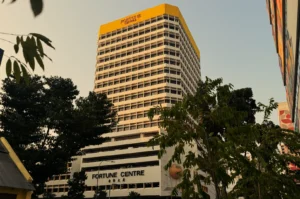
Most people picture a night out in Singapore as a glossy mall, a queue at a restaurant with a numbered buzzer, and a table that must be returned within ninety minutes. Real izakaya dining Singapore diners crave works differently. It is slow, shared, a little noisy and entirely unhurried. It tends to live in places where nobody is trying to impress you with marble floors, and Fortune Centre is exactly that kind of place.
We bring the warmth of Hokkaido soup curry to this corner of the city, and we know what makes an izakaya feel true. It is not the décor or the price of the sake. It is the feeling that you have been given permission to stay, order one more plate and let the evening unfold. This article explores why that feeling is easier to find beyond the malls, and how to recognise it when you do.
First Impressions: Stepping Into a Hidden Gem
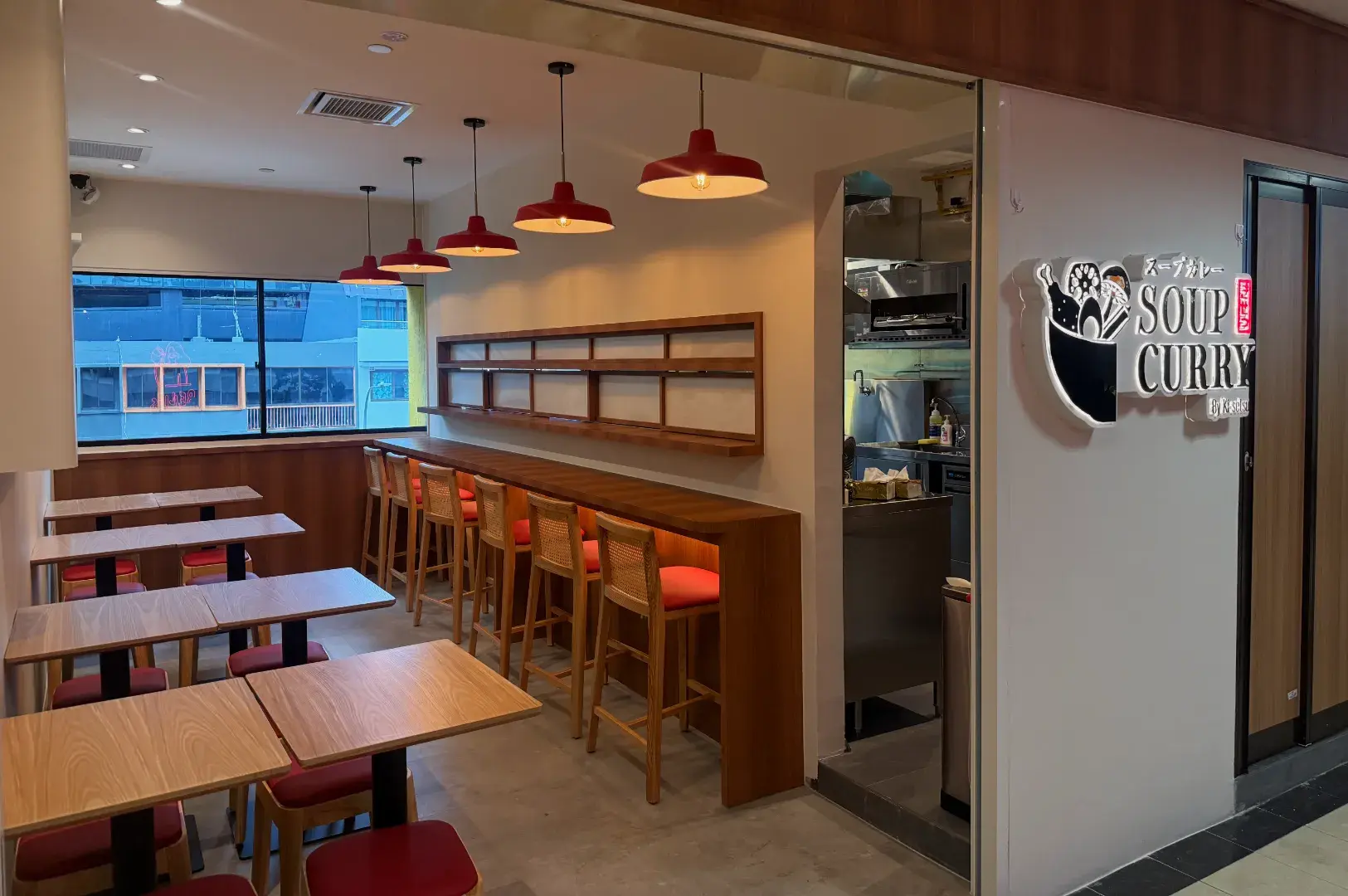
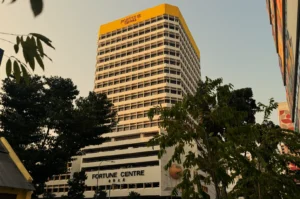
First impressions matter in an izakaya, and they rarely come from a grand entrance. At Fortune Centre, the approach is modest. You walk past shopfronts, noticeboards and the everyday rhythm of a building that locals use, and then you find a doorway glowing a little warmer than its neighbours. That contrast is part of the charm.
A genuine hidden gem does not announce itself. You hear laughter before you see the counter. You smell charred, savoury aromas before you see a menu. In Japan, many of the most loved izakayas sit on upper floors or down narrow lanes, and regulars guard them like secrets. Fortune Centre gives Singapore a similar kind of discovery, one where the pleasure comes from finding it rather than being marketed to.
When guests step in for the first time, we hope the first impression is simple: you are welcome, you can relax, and nobody will rush you.
What Makes a Japanese Izakaya Different From Mall Dining
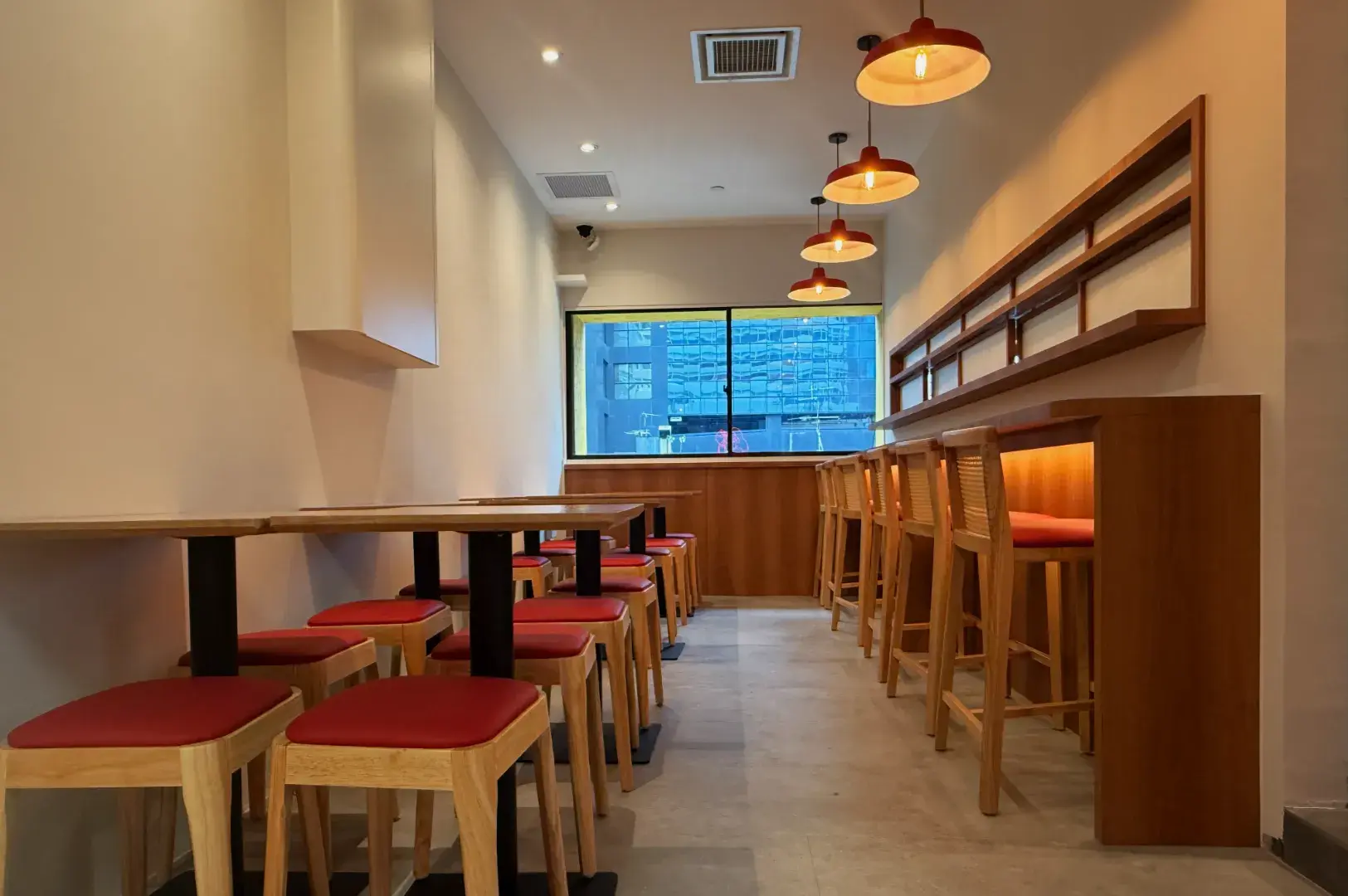
A Japanese izakaya is, at heart, a place to drink and eat together. The word itself suggests a spot where you stay and sit, and the food exists to keep the conversation going. That is a very different purpose from a restaurant designed around turning tables quickly.
In a mall, dining is often a stop between errands. The lighting is bright, the playlist is generic and the menu is designed for speed. An izakaya reverses that logic. The menu is built for lingering, with food that arrives in waves rather than as a single, formal course. You order a few small plates, then a few more, and what began as a quick bite becomes a full evening.
A Lively Atmosphere Built on Good Vibes
A lively atmosphere cannot be manufactured with a sound system. It comes from people: a group of colleagues loosening their ties, friends arguing over the last skewer, a couple sharing a quiet corner. The best izakayas hold all of these at once without anyone feeling out of place.
Good vibes are partly design and partly service. Staff who greet you warmly, check in without hovering and remember what you ordered last time make a huge difference. We believe this human warmth matters more than any decorative detail.
Mood Lighting and Space to Unwind
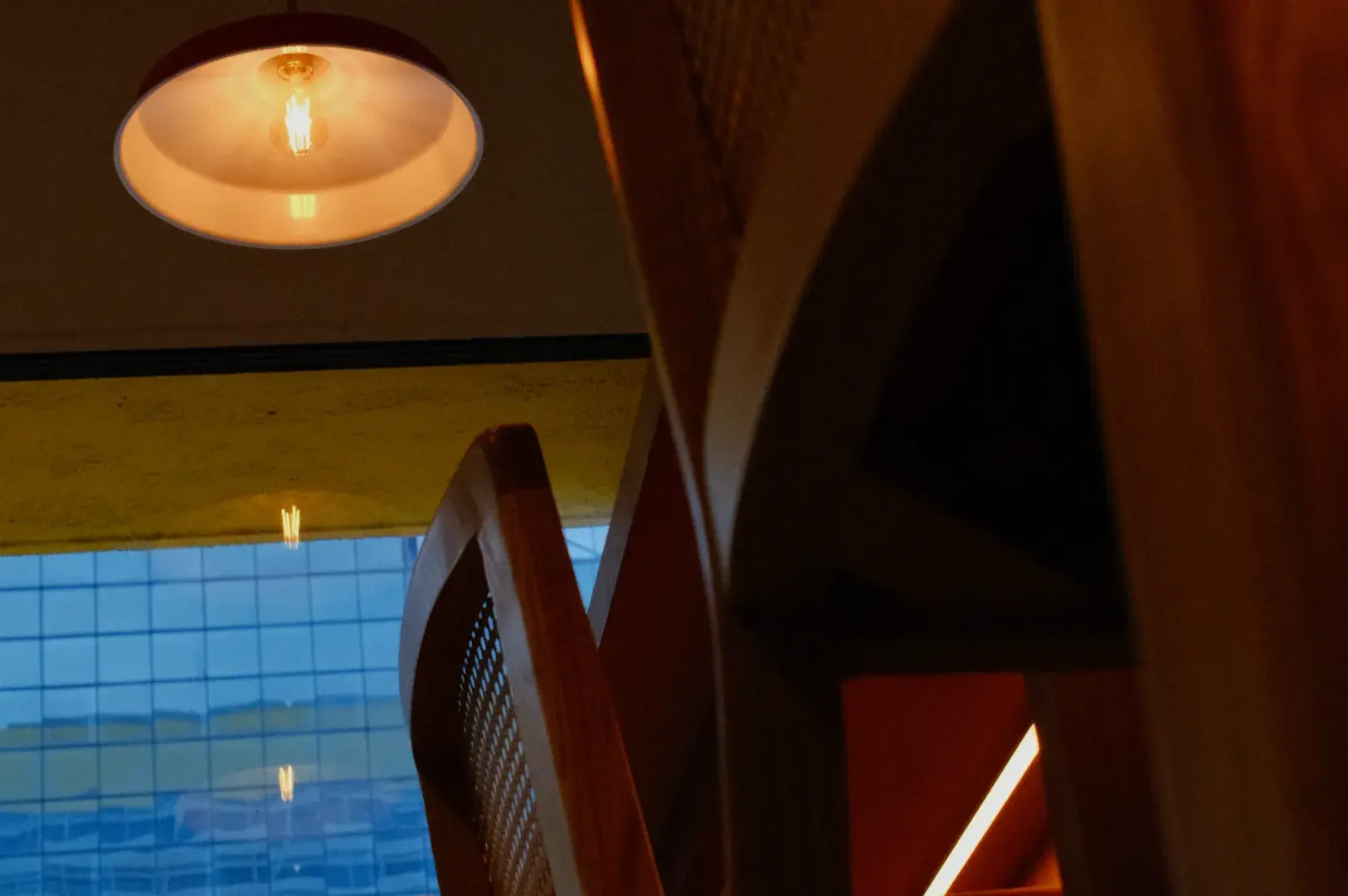
Mood lighting is one of the quiet signatures of a good izakaya. Softer, warmer light changes how people behave. Voices drop slightly, shoulders relax and the day feels further away. It is the opposite of fluorescent mall brightness, and it is one reason the evening feels like a proper break rather than just another meal.
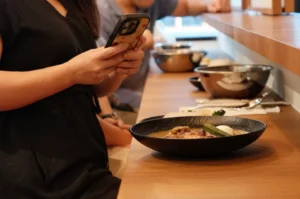
Space matters too. A comfortable room does not need to be large, but it should let you sit close to friends without feeling crowded. Counter seats, small tables and a layout that encourages sharing all help guests unwind naturally.
Why Izakaya Singapore Diners Are Looking Beyond Shopping Centres

Many diners now prefer places with character over places with convenience. They would rather take a short walk to somewhere that feels real than eat in an air-conditioned food court that could be anywhere in the world.
For anyone searching for izakaya Singapore options, the appeal is clear. Neighbourhood spots, older commercial buildings and tucked-away corners offer something that polished retail environments struggle to replicate: personality. Dining districts around Carpenter Street and the Marina area have shown how popular this kind of relaxed, characterful dining can be, and Fortune Centre offers a quieter, more local version of the same idea.
Cost is another factor. Without the overheads of a prime mall frontage, kitchens can focus on the food itself. That often means better value, more generous plates and a menu shaped by cooking rather than by rent.
An Extensive Menu Made for Sharing
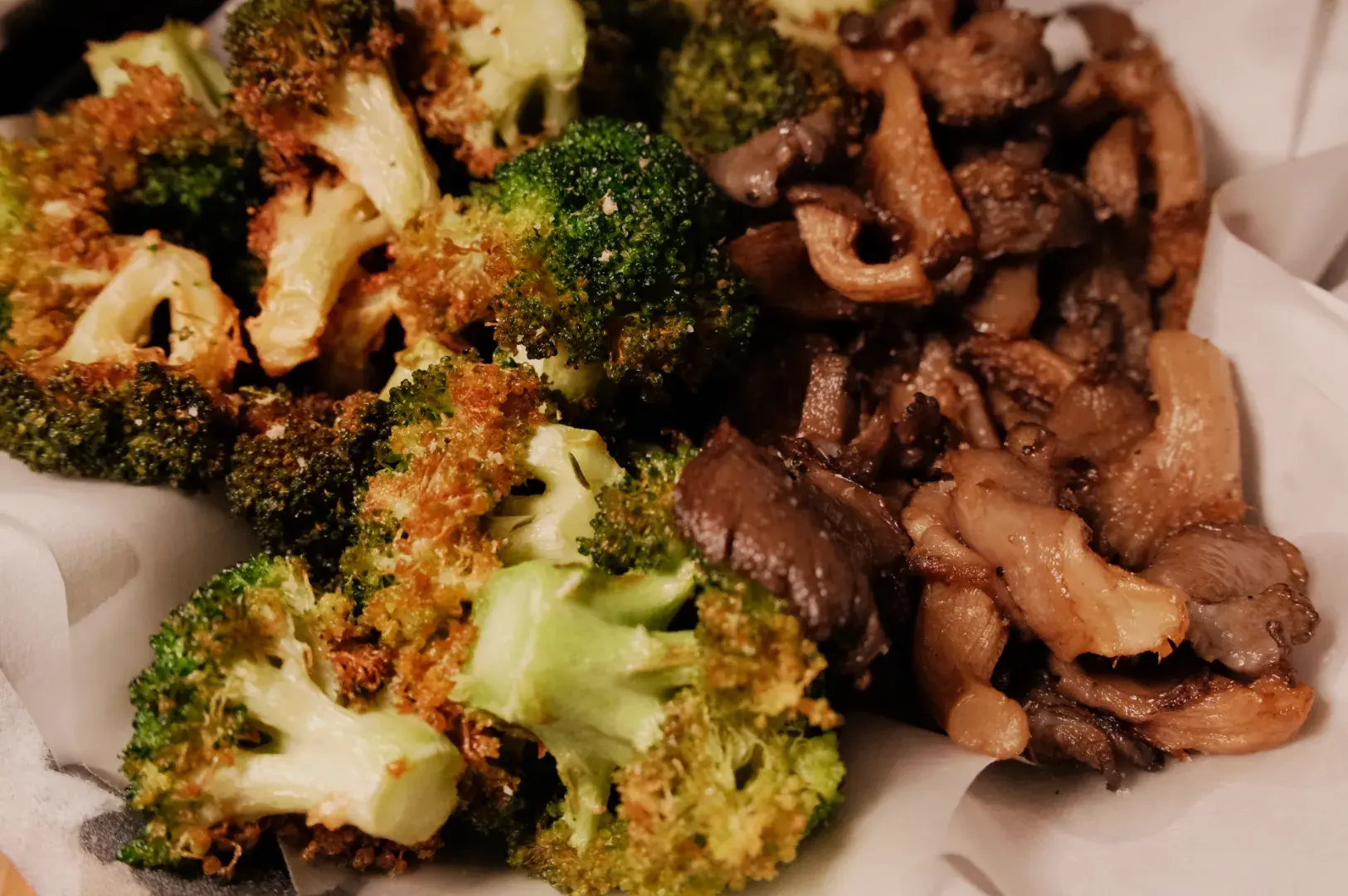
An extensive menu is the backbone of a proper izakaya. The point is to give a table enough variety that every person can find a favourite, and every order can be shared.
Typical izakaya menus move across several styles of Japanese cuisine. You might find fresh sashimi and sushi for something light, grilled meat and yakitori for something smoky, and noodles or donburi for something filling. Seafood appears alongside seasonal produce, and fried dishes sit comfortably next to simple salads. The best menus also change with the seasons, because fresh ingredients taste better when they are cooked at the right time of year.
Izakaya Favourites: Small Plates, Skewers and Japanese Comfort Food
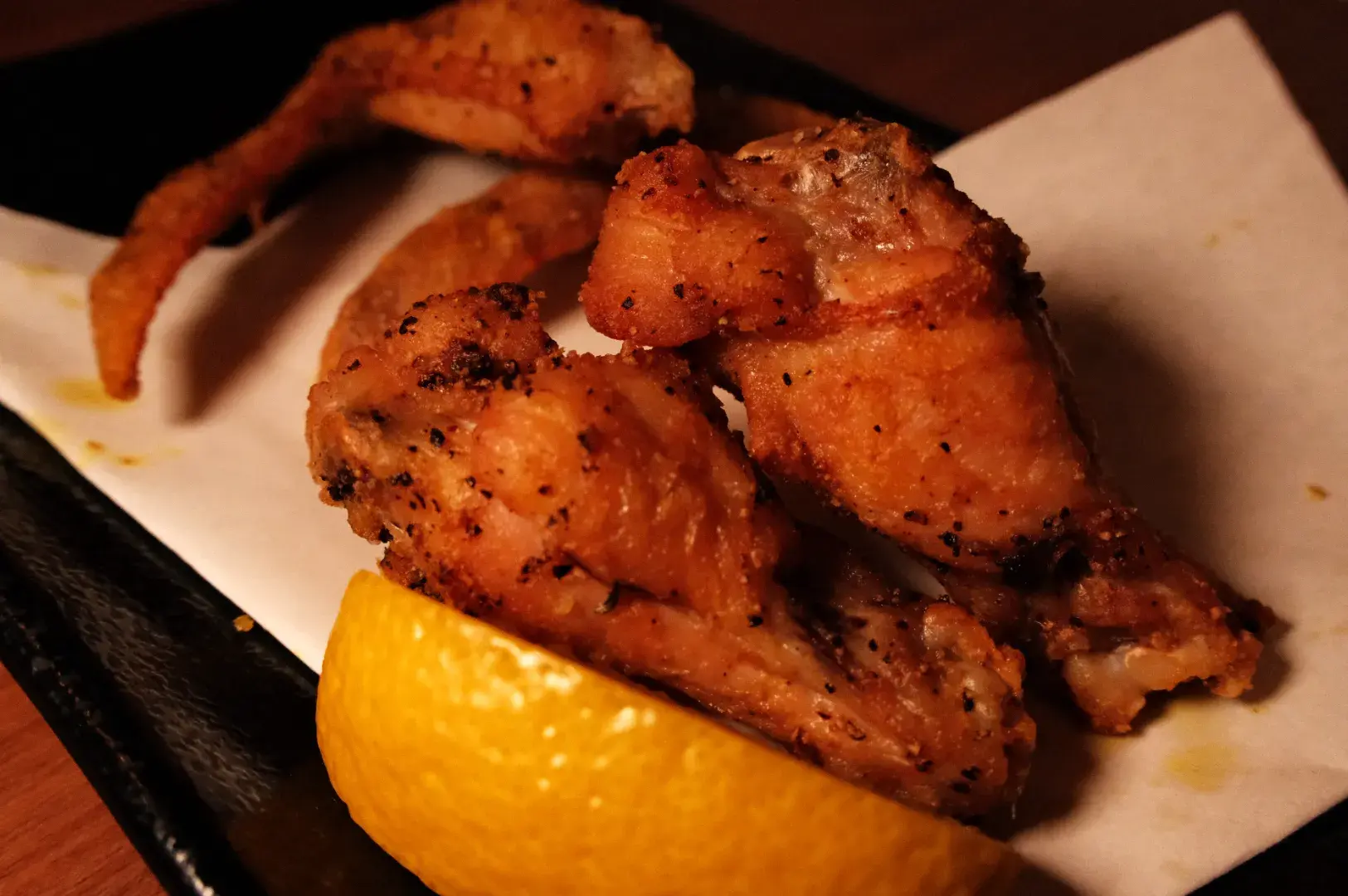
Certain dishes appear in nearly every izakaya, and for good reason. Small plates are the heart of the format. They let a group sample widely without anyone feeling full too soon. Skewers, especially chicken yakitori, are perfect with a cold drink. A plate of well-fried vegetables can be just as satisfying as meat when it is crisp, hot and properly seasoned.
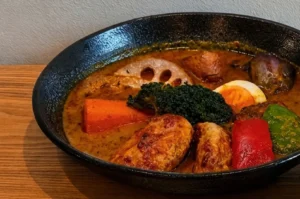
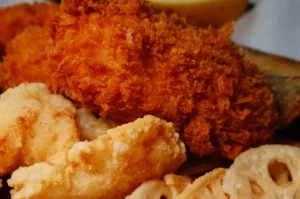
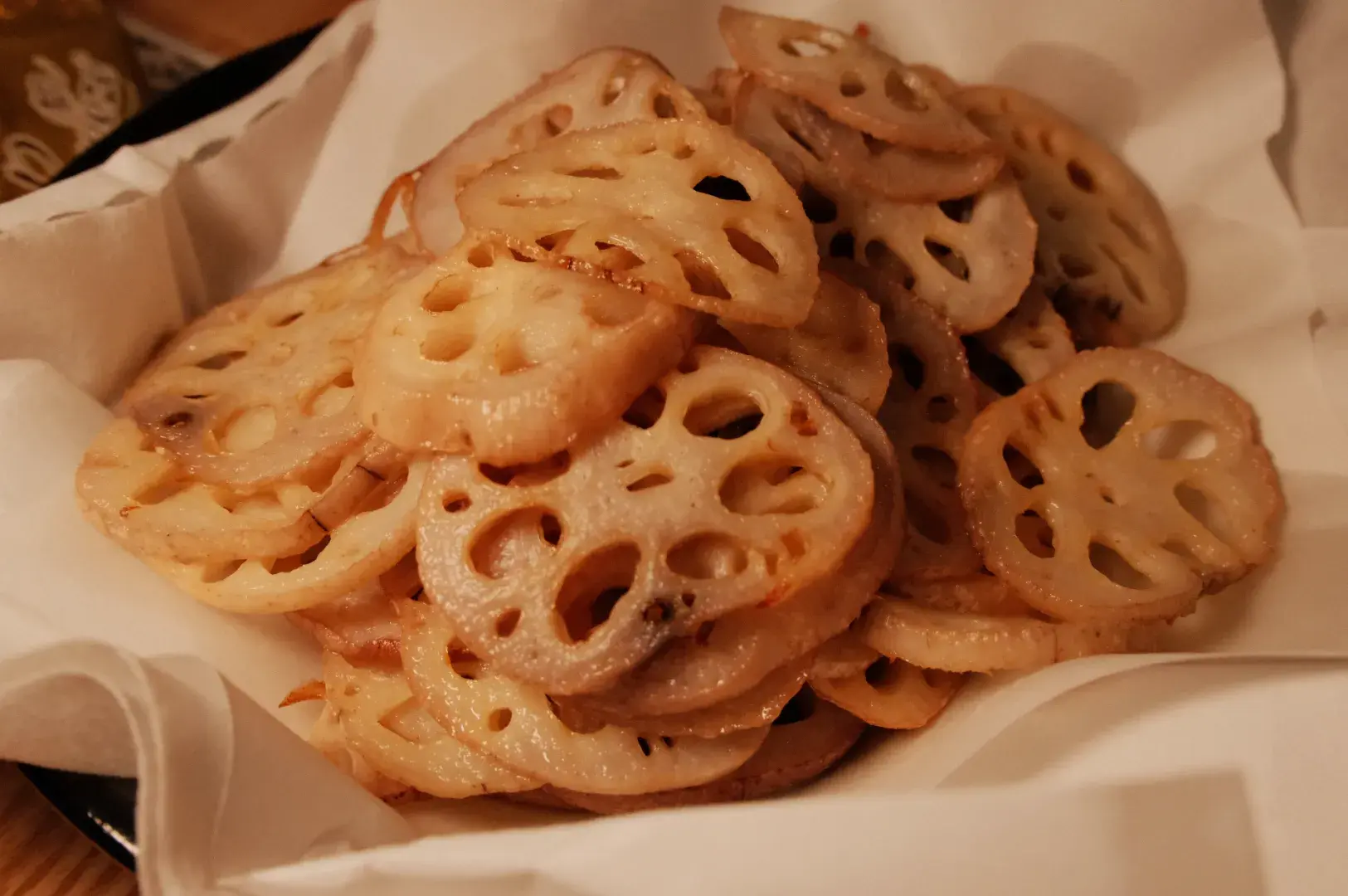
Japanese comfort food has a particular quality that is hard to explain until you taste it. It is food made to warm you up and settle you down. At our restaurant, that philosophy shows up in the way we prepare vegetables for frying. Bell pepper, lotus root, aubergine and potato are cut using Japanese methods that suit each ingredient, so every piece cooks evenly and keeps its own texture. The lotus root stays crunchy, the aubergine turns soft and the potato becomes fluffy inside.
Drinks: Sake, Shochu and Beer
Drinks give an izakaya its rhythm. Many guests begin with a cold beer, then move to sake or shochu as the meal deepens. Each pairs differently with grilled, fried or simmered dishes, and a good team will happily guide you if you are not sure what to choose.
Alcohol in an izakaya is not about excess. It is about pace. A small glass, refilled slowly, goes alongside conversation and good food. For anyone who prefers a gentler evening, non-alcoholic options are just as welcome.
Traditional and Modern Izakaya: Where We Sit
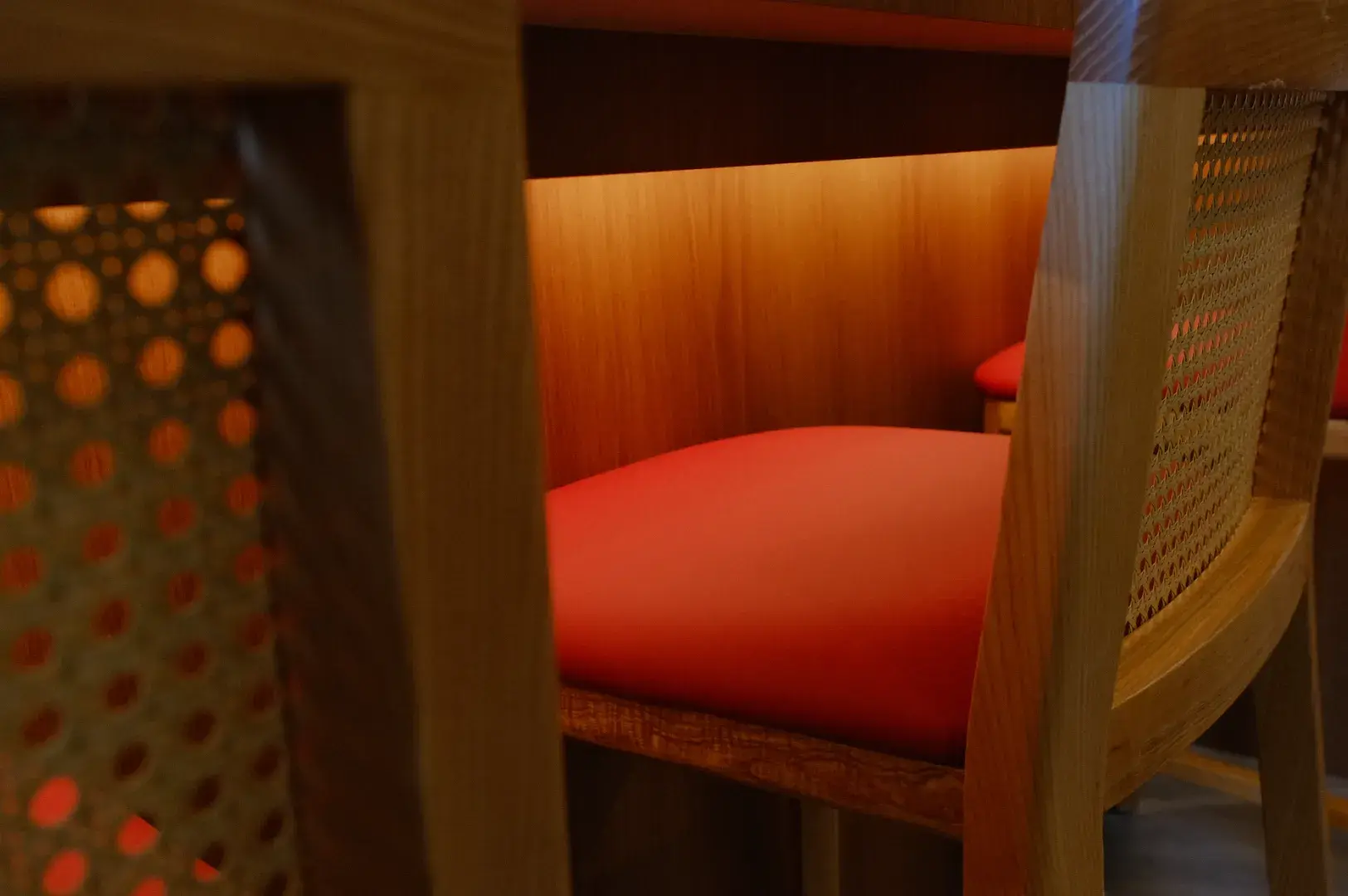
There is a long-running conversation about the traditional izakaya experience versus the modern izakaya experience. A traditional izakaya leans on simplicity: a counter, a short list of grilled items, a few bottles behind the bar and a quiet confidence that regulars will return. A modern izakaya often adds creative plating, a wider drinks list and design that appeals to a younger crowd.
We think the best places borrow from both. From the traditional side, we keep the warmth, the sharing and the unhurried pace. From the modern side, we welcome new ideas and careful presentation. Guests who love old-school Tokyo style and guests who simply want a relaxed, casual dining spot can both find something to enjoy.
The Izakaya Experience After Work, With Friends
For many guests, the izakaya experience begins when the working day ends. After work drinks are a long-standing ritual in Japan, and they have taken root in Singapore too. A table of colleagues, a few plates in the middle and a cold drink in hand can turn a tiring Tuesday into something worth remembering.
Weekends have their own appeal. A relaxed Sunday meal with friends, with no pressure to rush, is exactly the kind of fun night out that does not require a big plan.
Lunch is a quieter version of the same story. A midday visit lets you enjoy a bowl of something warm and complete, then head back to your day.
How to Spot the Best Izakayas Beyond the Malls
If you are searching for the best izakayas in the city, a few signs are worth watching for.
First, look at the menu. A good izakaya has focus. It may be extensive, but it should still feel deliberate. Second, notice the atmosphere. If people are talking, laughing and staying, the room is doing its job. Third, pay attention to service. Attentive staff who explain dishes and suggest pairings usually care about the food.
Fourth, check the freshness. Seafood, vegetables and meat should taste clean and bright, not heavy. Finally, trust your palate. If a place makes you want to order one more plate, you have probably found a perfect spot.
Our Hokkaido Take on the Dining Experience
Every restaurant shapes the dining experience through its own heritage. Ours comes from Sapporo, where cold winters have long produced a culture of hearty, warming food. Hokkaido is known for its fresh produce and generous portions, and those values travel well.
We serve tender chicken in a rich, aromatic curry soup that reflects this Sapporo tradition. It is deeply comforting, and it sits naturally alongside the shared plates and drinks of an izakaya table.
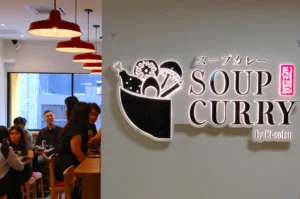
At Soup Curry by Ki-Setsu, you will find this idea in practice: by day, a place devoted to Hokkaido soup curry, and from 6 PM onwards, a cosy izakaya where the lights soften and the evening takes on a different character. The two sides share the same belief that food should feel generous and guests should feel at home.
Come and Find the Real Thing
True izakaya dining in Singapore is not hidden because it is exclusive. It is simply happening in places where people care more about the food and the company than the setting. Fortune Centre is one of those places, a small hidden gem where the lighting is soft, the plates keep arriving and the evening moves at your pace.
We would love for you to visit, sit down with friends and order a little too much. Whether you come for a bowl of Hokkaido soup curry, a few crisp vegetables, a skewer or simply a quiet drink, we hope you leave feeling that the city has a little more warmth in it than you remembered.