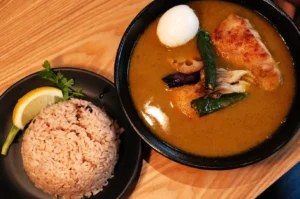
In the world of Japanese soul food, a steaming bowl of soup curry paired with a plate of glistening rice is an inviting sight. While the spotlight often shines on the vibrant vegetables and tender proteins, the rice is the essential anchor of the entire experience. We view the relationship between the soup and the rice as a fundamental partnership, one that defines the texture, pace, and ultimate satisfaction of the meal.
When you sit down to eat, you’re engaging in a culinary tradition that prioritizes balance. If the curry broth is the soulful melody of the dish, the rice is the steady rhythm that holds it all together. It provides a neutral, grounding base that allows the complex spices and the natural sweetness of the produce to truly shine. For anyone looking to appreciate this Hokkaido treasure, understanding the role of rice is the first step toward mastering the art of the soup curry experience.
The Science of the Perfect Grain
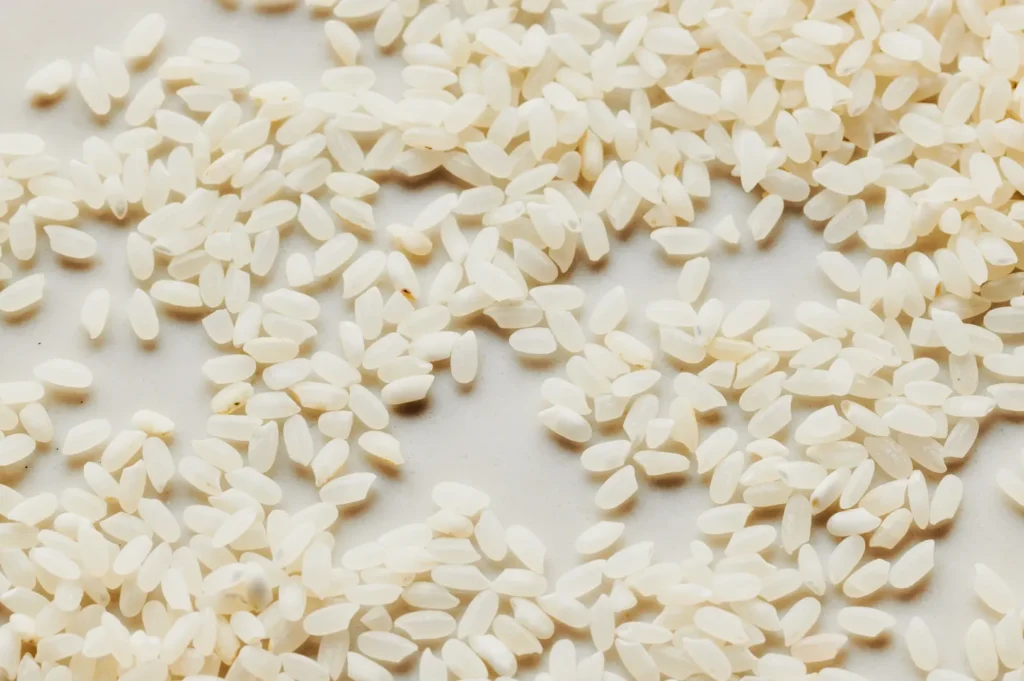
The choice of grain is a decision we never take lightly. Unlike typical curry restaurants that might use long grain varieties or jasmine rice, we rely exclusively on Japanese short grain rice. This specific type of rice is prized for its high starch content and its ability to achieve a plump, slightly sticky texture without becoming mushy. This characteristic is vital because the rice must maintain its structural integrity when it encounters the liquid broth.
We take great care in the preparation of these grains to ensure they reach the table in peak condition. Each batch is washed repeatedly until the water runs clear, removing excess surface starch to ensure that the final result is clean and well-defined. The cooking process is a matter of precision, balancing the water-to-grain ratio to achieve a pearl-like finish. When you look at the rice served at Soup Curry by Ki-Setsu, you will notice a distinct gloss. This is a sign of quality and proper hydration, ensuring that every bite provides a satisfying chew that contrasts beautifully with the fluidity of the soup.
Beyond the texture, the rice acts as a palate cleanser. The bold spices of a soup curry can be intense, especially when we use our signature spice blends. A spoonful of plain, unadorned rice offers a moment of respite for the taste buds, preparing them for the next aromatic sip. It is this ebb and flow between the intensity of the curry and the simplicity of the rice that makes the meal so addictive.
The Traditional Dip and Sip Etiquette
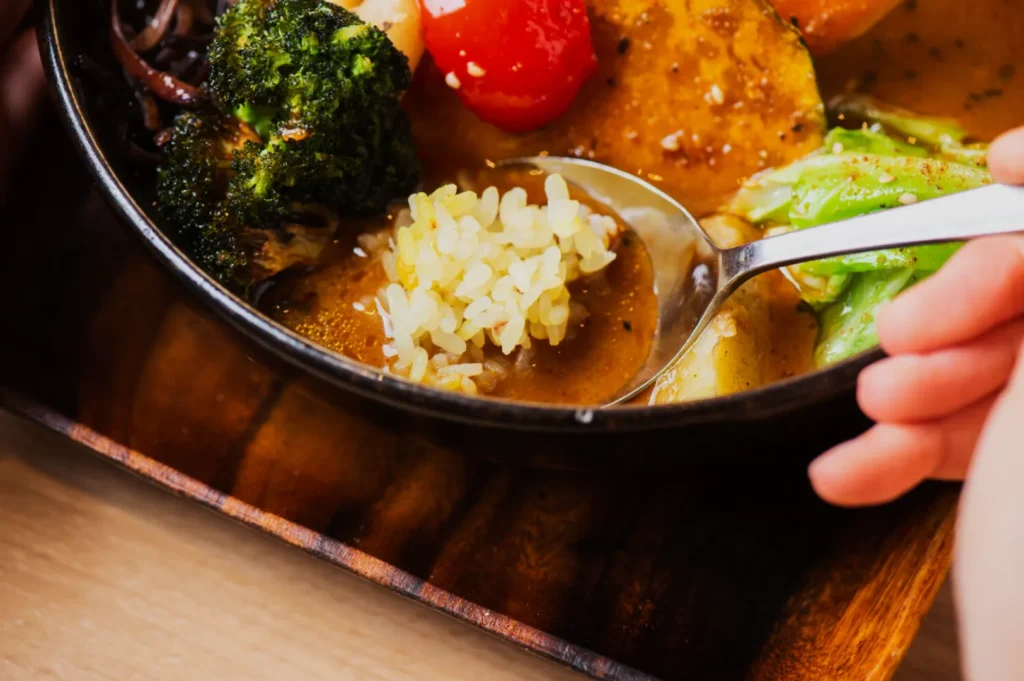
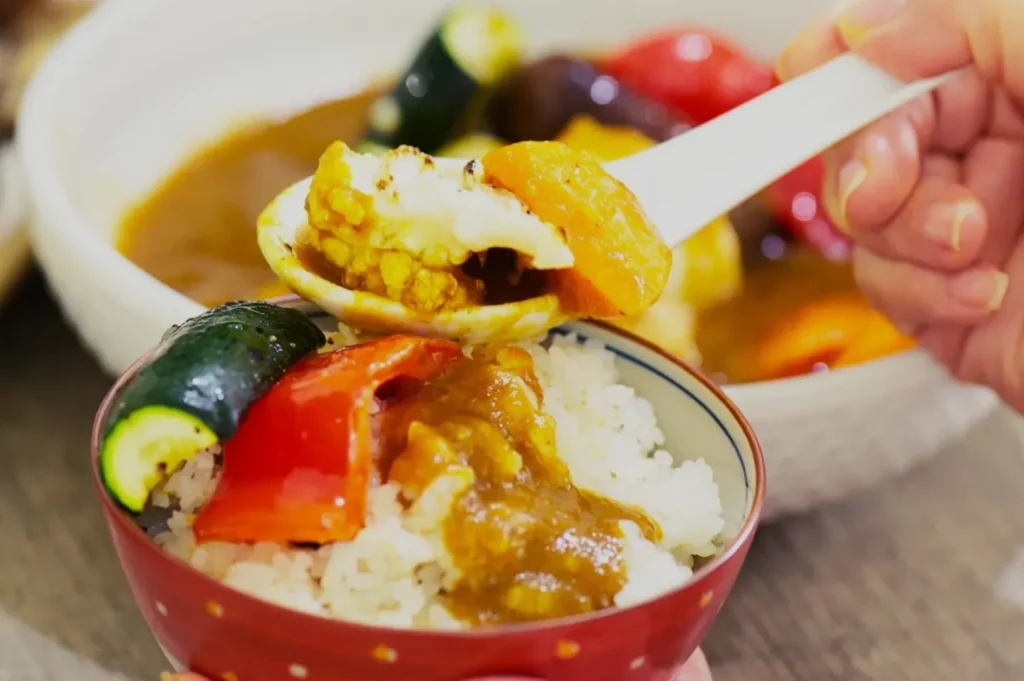
One of the most common questions we receive from guests discovering this cuisine for the first time is how to properly combine the two components. In many other cultures, it is customary to pour the curry directly over the rice, or vice versa, creating a unified mixture. However, to truly enjoy the nuances of a Hokkaido bowl, we encourage a different approach. The traditional method involves taking a spoonful of rice and dipping it halfway into the soup.
This technique is purposeful. By dipping only a portion of the rice into the curry broth, you ensure that the grains absorb the liquid without becoming oversaturated. It allows you to control the ratio of soup to rice in every single mouthful. This method also preserves the clarity of the soup. If you were to dump all the rice into the bowl at once, the starch would eventually thicken the liquid, altering the light, drinkable quality that we work so hard to achieve.
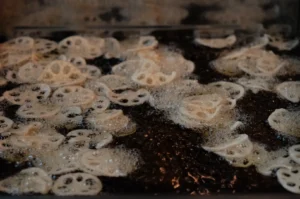
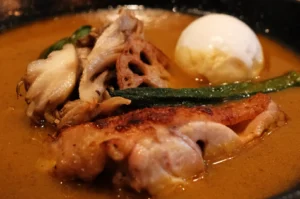
Furthermore, this interactive way of eating turns the meal into a thoughtful process. It encourages you to slow down and appreciate the individual components. You might take a bite of rice dipped in soup, followed by a piece of flash fried lotus root or a succulent chicken leg. By keeping the rice separate, you maintain the distinct textures of the deep fried vegetables and the tender meat, ensuring that the meal never feels monotonous or heavy.
Rice as a Canvas for Flavour and Texture
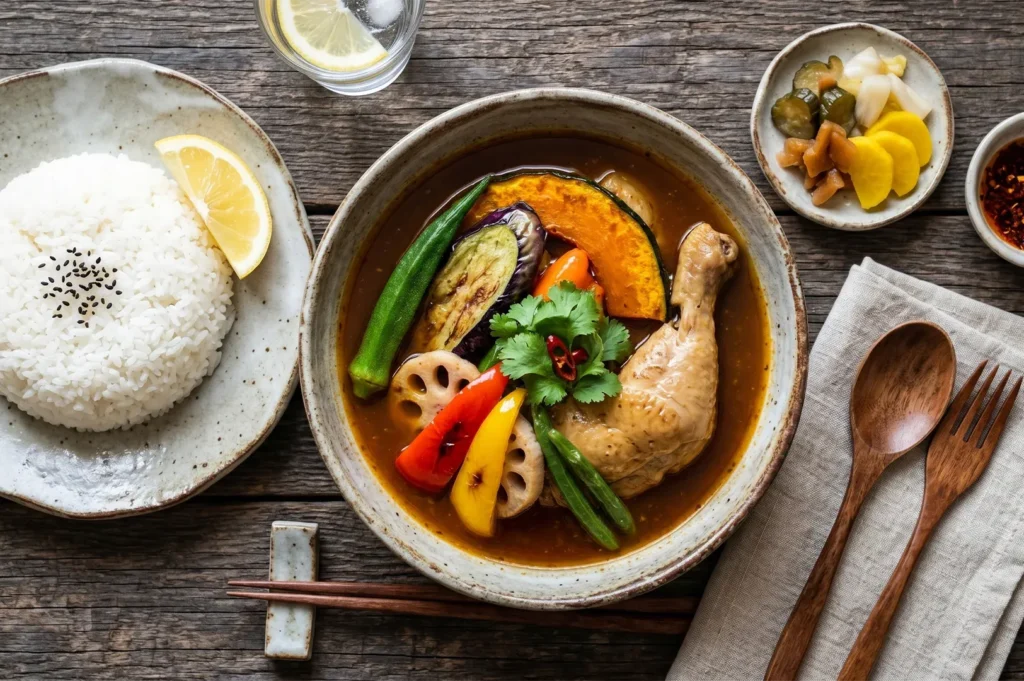
While the rice itself is neutral, it serves as a canvas for the vibrant oils and spices of the broth. When the rice meets the surface of the soup, it captures the aromatic oils that have been bloomed during our cooking process. This is where the magic happens. The grains act like tiny sponges, picking up the essence of the garam masala and the savoury notes of the chicken stock.
In some variations of the dish, you might find the rice served with a small wedge of lemon. This is a common practice in Sapporo, and we find it adds a wonderful dimension to the meal. A quick squeeze of lemon over the rice provides a bright, acidic lift that cuts through the richness of the deep fried foods. It transforms the profile of the rice, making it a more active participant in the flavour journey. Whether you prefer your grains plain or with that citrusy zing, the goal remains the same: to create a balanced bite that feels complete.
We also believe that the temperature of the rice is a key factor. We serve our rice warm, but not piping hot, as this allows the guest to appreciate the subtle aroma of the grain itself. When paired with a steaming bowl of soup, the temperature contrast is minimal, creating a seamless transition from one element to the next. This attention to detail is what sets an authentic Hokkaido experience apart from a standard curry meal.
The Importance of Portioning and Presentation
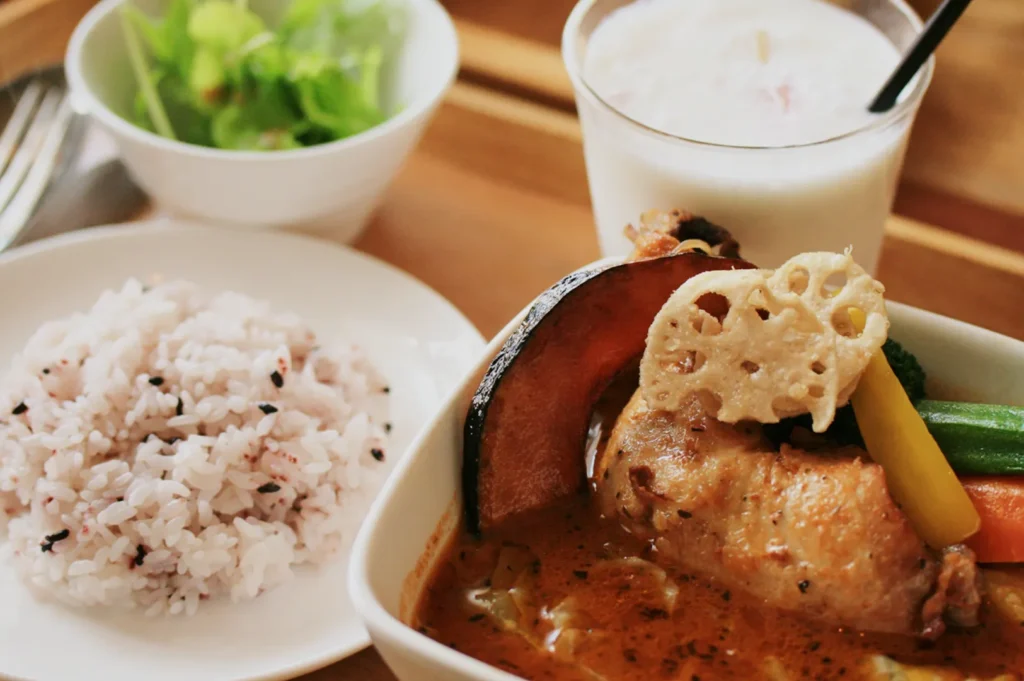
The visual appeal of the rice is just as important as its taste. In Japanese culinary philosophy, we eat with our eyes first. This is why we present our rice on a separate, flat plate rather than in a bowl. This presentation style is a hallmark of soup curry culture. It provides ample space for the guest to navigate their meal and underscores the idea that the rice and soup are equal partners.
We often shape the rice into a neat mound, a practice that reflects the order and care we put into our kitchen. This structured presentation contrasts with the vibrant, almost wild arrangement of vegetables in the soup bowl. Together, they create a plate that looks as nourishing as it feels. For those who prefer a more substantial meal, adjusting the portion of rice is a common way to tailor the experience. Whether you choose a small serving or a larger one, the focus remains on the quality of the grains and their ability to complement the soup.
This philosophy of presentation is something we carry through all aspects of our service. Even as we transform into a cosy izakaya in the evening, the emphasis on beautiful, thoughtful plating remains. It is part of the warmth and hospitality we aim to provide, ensuring that every guest feels cared for from the moment their meal arrives.
Rice as the Soul of Comfort Food
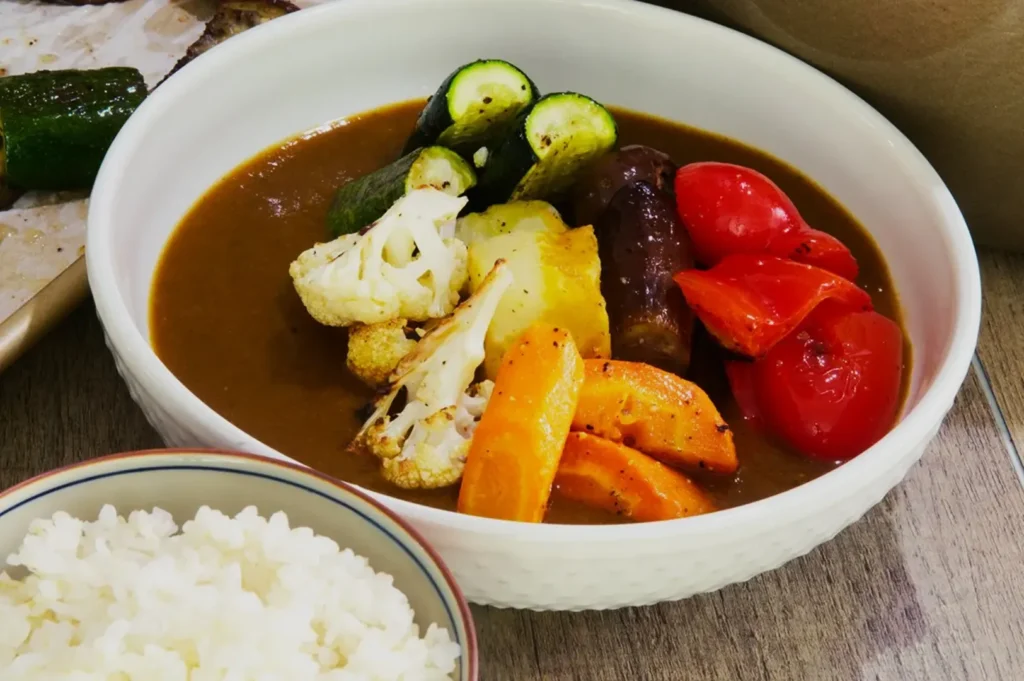
At its heart, the combination of rice and soup is the ultimate expression of comfort. For many in Japan, and increasingly for our guests in Singapore, this pairing evokes a sense of home and warmth. It is “soul food” in the truest sense. There is something inherently satisfying about the weight of the rice and the warmth of the broth that provides a sense of fullness that transcends mere hunger.
We have seen guests from all walks of life find common ground over a bowl of curry and a plate of rice. It is a meal that encourages conversation and connection, especially in the relaxed atmosphere of our restaurant. The act of dipping and sipping is communal in spirit, a shared understanding of a specific way to enjoy food. By honouring the role of rice, we are honouring the heritage of Hokkaido and the many generations of chefs who perfected this balance.
The rice also plays a practical role in the health-conscious nature of our menu. Because it is steamed rather than fried or cooked with heavy fats, it keeps the meal feeling light. When combined with our vegetable-heavy soup, it forms a well-rounded dish that provides sustained energy without the post-meal heaviness often associated with regular japanese curry. It is this balance of indulgence and wholesomeness that makes the dish a staple for so many.
Don’t overlook the rice. Investing in high quality Japanese short grain rice and cooking it correctly will transform your meal. At our restaurant, we take this seriously. Every plate of rice reflects our dedication to authenticity, so our guests can experience the same quality they would find in Sapporo.
We are proud to share the nuances of Hokkaido culture with Singapore’s vibrant food scene. Next time you visit Soup Curry by Ki-Setsu, pay close attention to the rice. Notice its texture, sheen, and how it pairs with the aromatic broth. It is a small detail that makes all the difference.
Whether you are a seasoned connoisseur or a curious newcomer, we hope you enjoy the pairing of soup and rice as much as we do. Join us for a bowl soon and experience why rice is the heart of the soup curry journey.