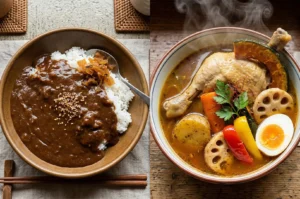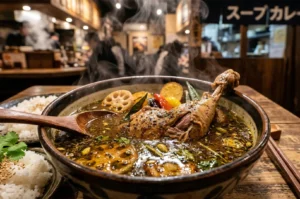
In the heart of Japanese urban life, as the sun sets and neon signs flicker on, the rigid corporate hierarchies soften, and the clinking of glasses echoes from hidden alleys. This marks the start of the evening ritual centered on izakaya culture, a cornerstone of Japanese social life that goes beyond dining. For many, the Japanese izakaya is not just a place to eat but a sanctuary where the day’s stresses dissolve into shared warmth and camaraderie. At our restaurant, we cherish this social spirit of izakaya, viewing it as the perfect evening counterpart to the soul-warming comfort of our Hokkaido roots.
Understanding why Japanese people flock to these traditional drinking establishments requires looking beyond the menu. It is about the “nomunication“: a portmanteau of nomu (to drink) and communication, that defines the Japanese dining culture. In a society where professional conduct is often formal and reserved, the relaxed atmosphere of an izakaya provides the necessary “off” switch. It is a space where the boundaries between superior and subordinate blur, allowing for honest conversation and the strengthening of communal bonds.
The Evolution of Izakaya Culture Through History
The roots of the izakaya stretch back to the Edo period, a time when sake shops began to allow customers to stay and drink on the premises. These early sake shops were humble, often providing nothing more than a place to stand and sip. However, as the demand for comfort grew, izakayas began to offer simple snacks to accompany the brew. This marked the birth of the izakaya concept as a “stay and drink” shop, distinct from a standard restaurant or a simple bar.
Over the centuries, the menu expanded from basic snacks to a diverse menu of small dishes designed to be shared. The transition from a shop that merely sold alcoholic beverages to a vibrant Japanese pub environment happened organically. As more people sought refuge from their daily labours, the traditional izakayas became the neighbourhood living rooms. Today, whether it is a small, family-run shop with tatami rooms or a modern izakaya chain, the fundamental purpose remains the same: to foster the social spirit of izakaya through hospitality and shared plates.
Unpacking the Izakaya Dining Experience
The true izakaya experience begins the moment you step through the noren curtains. You are greeted with a boisterous “Irasshaimase!” and soon presented with an otoshi, a small appetiser served to every guest. This small gesture is more than just a snack, it is a welcoming ritual that sets the stage for the dining experience to come.
A Symphony of Small Plates
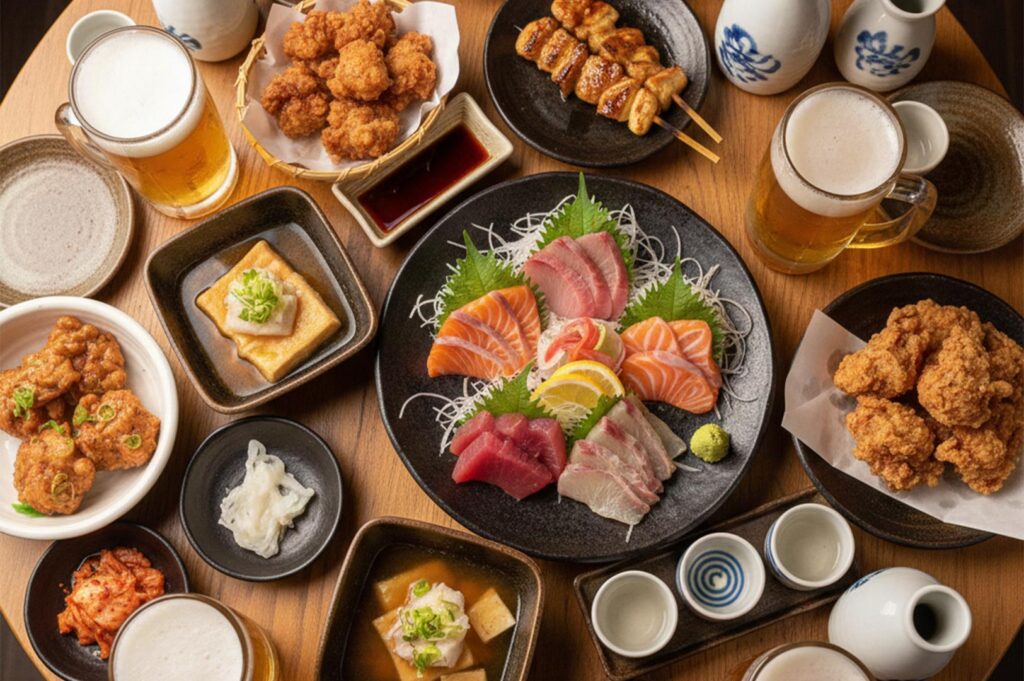
Unlike a Western-style dinner where one person orders a single large entree, izakaya dining is built upon the idea of the small plates or tapas bars style of eating. This encourages a communal flow where delicious dishes are ordered in waves. The izakaya food philosophy is centered on variety and balance, ensuring that there is always something to complement the alcoholic drinks on the table.
Fresh Fish and Raw Delights: Most izakayas serve a selection of raw fish or sashimi, often featuring fresh seafood sourced daily. In our approach to the evening menu, we value the importance of seasonal ingredients to ensure that every bite reflects the current bounty of the land and sea.
Grilled Dishes and Skewers: The aroma of grilled meats over charcoal is synonymous with the Japanese izakaya culture. From grilled chicken skewers (yakitori) to grilled fish seasoned simply with salt or soy sauce, these items provide a smoky depth that pairs perfectly with craft beer.
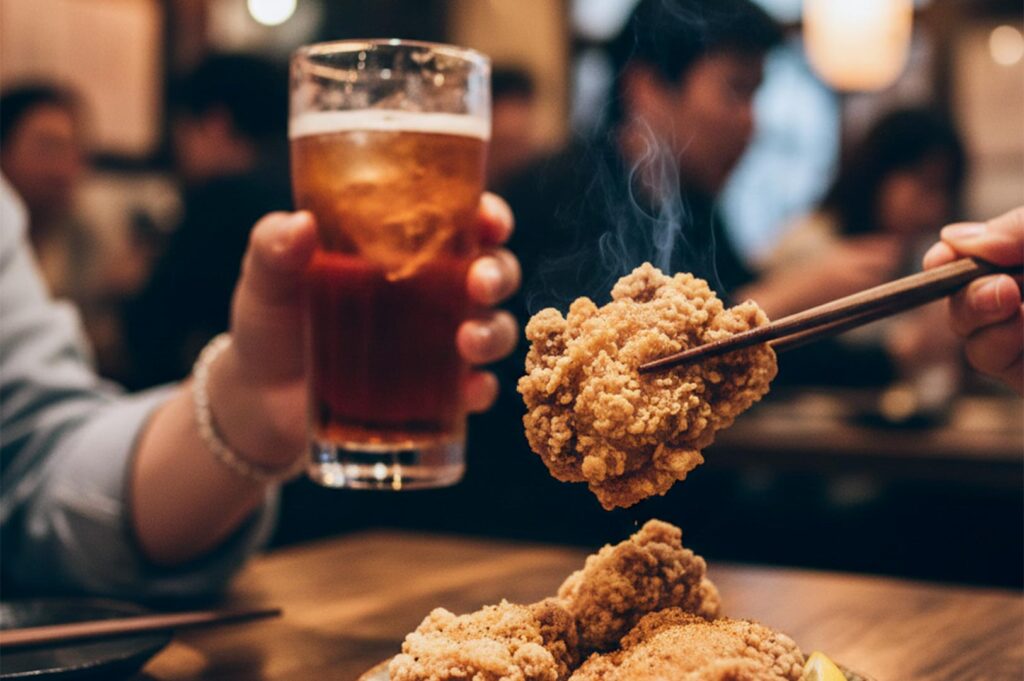
Fried Foods and Crunchy Delights: No evening is complete without fried foods. Whether it is the classic Japanese fried chicken (karaage), deep fried skewers (kushikatsu), or even simple French fries for the table, these crunchy delights are universal favourites.
Simmered and Innovative Dishes: To round out the meal, simmered dishes like fried tofu in dashi (agedashi tofu) provide a soft, comforting texture. Many modern establishments also offer innovative dishes that blend traditional techniques with contemporary flavours, keeping the izakaya menus exciting for regulars.
The Role of Beverages in Social Connection
While the food is essential, the izakaya drinks act as the social lubricant. The menu boasts a wide array of choices, from hot sake served in traditional porcelain carafes to chilled plum wine. For those who prefer spirits, sweet potato shochu offers a distinct, earthy profile that is deeply rooted in Japanese culinary traditions.
In recent years, the rise of chain izakayas has also popularised the all-you-can-drink (nomihodai) option, which allows groups to socialise without worrying about the per-glass cost. However, for those who prefer a more curated experience, many traditional izakayas focus on high-quality craft beer and premium spirits.
At Soup Curry by Ki-Setsu, we believe that the refreshing taste of a well-poured drink, whether it is an alcoholic beverage or one of our non alcoholic drinks, is vital to the relaxed atmosphere our guests seek after a long day.
The Allure of Izakaya Food: Why We Share
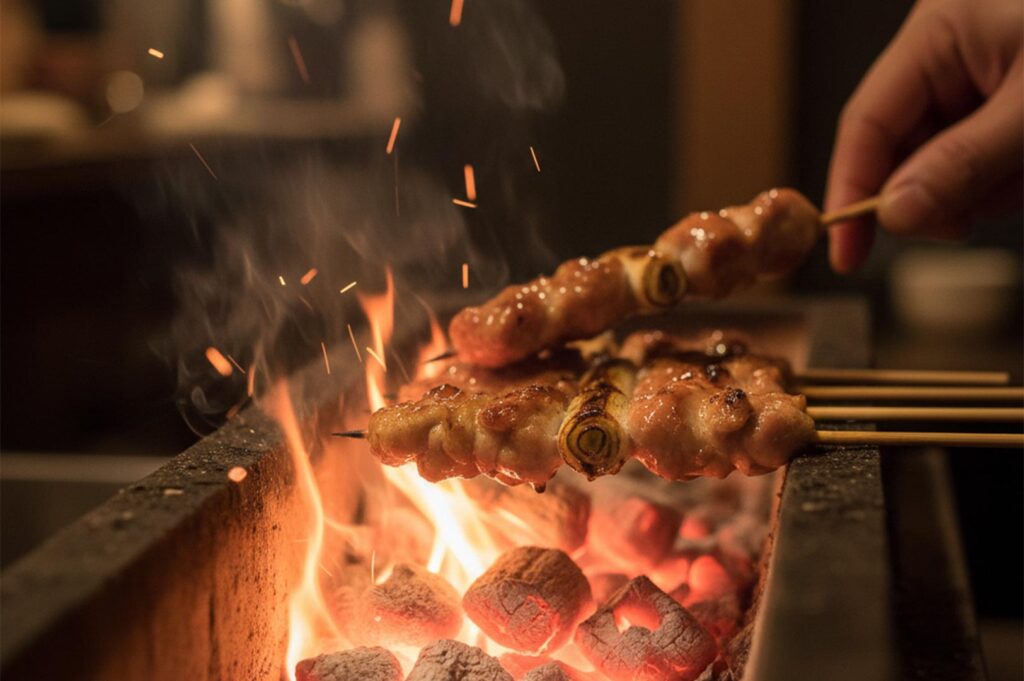
The preference for small dishes in Japanese food culture is a reflection of the value placed on harmony and variety. When a group shares noodle dishes, fried rice, or a platter of grilled chicken skewers, they are engaging in a collective act. This is the heart of the social spirit of izakaya.
The izakaya food is designed to be lingeringly enjoyed. It is not about a quick meal to satiate hunger, but about delicious food that sustains a conversation over several hours. This is why many izakayas focus on items like fresh fish and seasonal ingredients that change with the months, providing a constant sense of discovery. The inclusion of fireside cooking techniques also adds a visual and sensory element to the Japanese dining experience, as guests can often watch the chefs at work.
Navigating Dining Etiquette and Atmosphere
For tourists visiting Japan, the izakaya experience can sometimes feel overwhelming due to the noise and energy. However, understanding basic dining etiquette can make the evening much more enjoyable. It is common practice to pour drinks for your companions rather than yourself, a gesture that reinforces the communal nature of the meal.
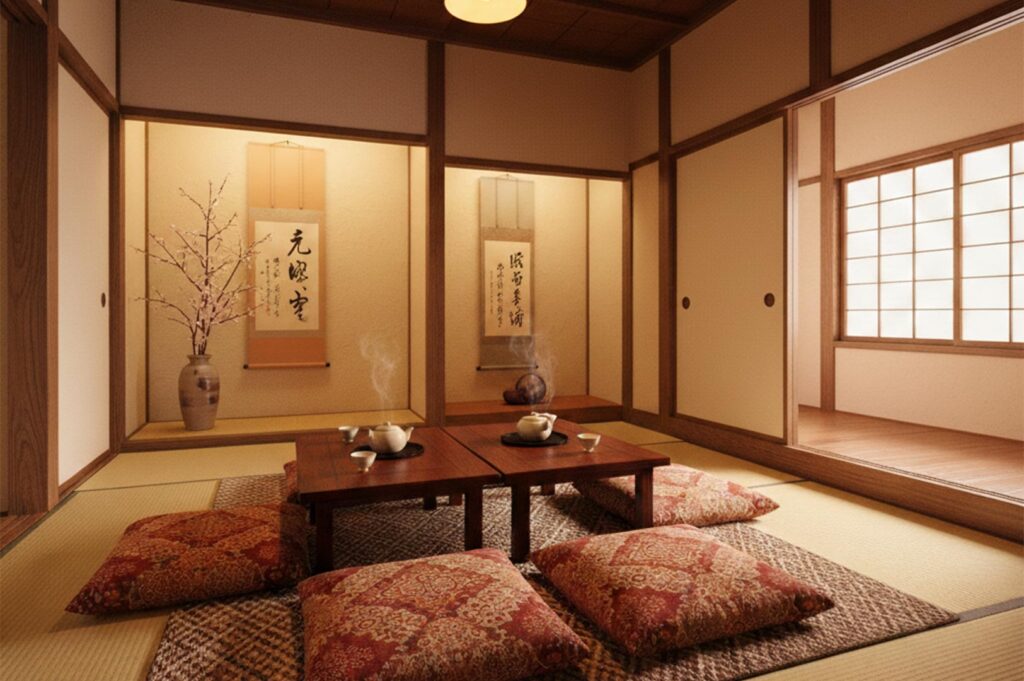
The physical space also plays a role in the social spirit of izakaya. Many venues feature tatami rooms where guests remove their shoes and sit at low tables, creating an intimate, home-like environment. This architectural choice encourages a sense of belonging, making the Japanese pub feel like a second home. At our establishment, we aim to recreate this sense of “home away from home” by ensuring our evening transition into an izakaya-style setting feels natural, warm, and inviting.
Why the Izakaya Remains Essential to Japanese Social Life
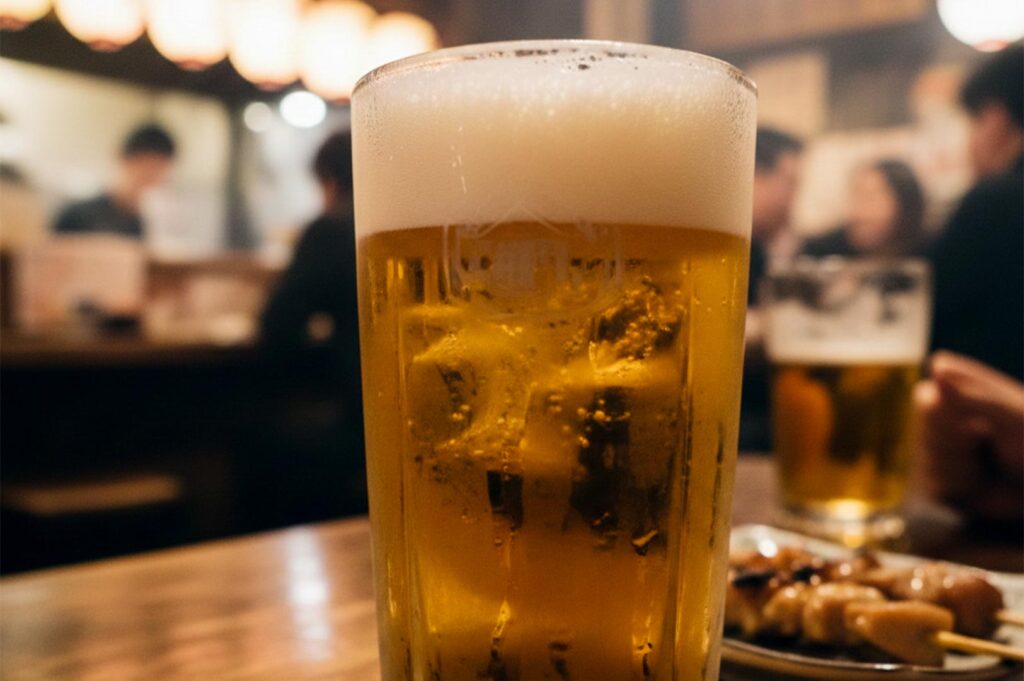
The endurance of izakaya culture in the modern era proves that it meets a fundamental human need for connection. In a world that is increasingly digital, the physical act of gathering around a table to share food and drinks is more important than ever. The Japanese dining culture recognises that “just food” is never enough, it is the environment, the service, and the company that turn a meal into a memory.
The social spirit of izakaya is about more than just the alcoholic drinks served. It is about the laughter that erupts over a plate of Japanese fried chicken, the quiet confidence shared over a glass of hot sake, and the collective sigh of relief as the first small plates arrive. It is a celebration of Japanese culture in its most accessible and joyful form.
Our Approach to the Izakaya Spirit
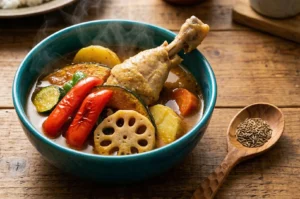
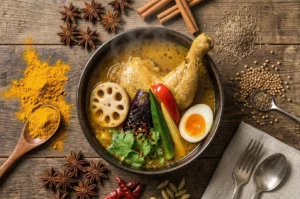
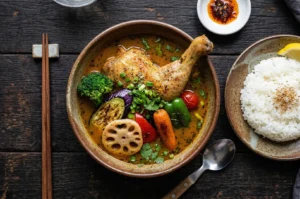
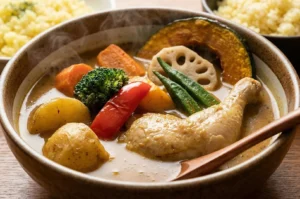
While we are known for our authentic Hokkaido soup curry during the day, our heart beats for the izakaya tradition as evening falls. We understand that the transition from work to rest requires a specific kind of environment. Our izakaya menus are carefully curated to provide that necessary comfort. We take pride in our grilled dishes and the way we prepare our vegetables: using traditional Japanese cutting methods and deep-frying them to create vibrant, flavourful additions to our Japanese cuisine.
By offering a space where guests can enjoy fried chicken, fresh seafood, and a variety of soft drinks or spirits, we hope to bring a piece of that authentic Japanese food soul to Singapore. We believe that whether you are a local or one of the many tourists visiting Japan who have brought their love for the culture back home, the need for a relaxed atmosphere and delicious dishes is universal.
Finding Comfort in the Japanese Pub
Ultimately, the izakaya represents the soul of Japanese dining. It is where stories are told, deals are struck, and friendships are forged. It is a place where Japanese food culture is lived rather than just observed. From the Edo period origins to the bustling chain izakayas of modern Tokyo, the core mission has never changed: to provide a space where people can truly be themselves.
As you explore the various facets of Japanese culinary traditions, remember that the izakaya is the heartbeat of the city. It is where the “social spirit” is most tangible. Whether you are craving the crunch of fried tofu, the richness of simmered dishes, or the simple joy of food and drinks shared with loved ones, the izakaya awaits with open arms and a cold drink.
Embracing the Izakaya Tradition
The social spirit of izakaya is a testament to the power of communal dining. It teaches us that the best way to end a day of hard work is through the shared enjoyment of Japanese food and the company of others. Through izakaya dining, we find a way to slow down and appreciate the craftsmanship behind every grilled chicken skewer and the history behind every cup of plum wine.
At Soup Curry by Ki-Setsu, we invite you to experience this warmth for yourself. We aim to bridge the gap between the vibrant streets of Sapporo and the bustling energy of Singapore, providing a sanctuary where the izakaya experience is celebrated every single night. Let the stresses of the world fade away as you immerse yourself in the izakaya culture, enjoying the best of what Japanese cuisine has to offer in a space designed for connection and comfort.