Lunch in Singapore has become a race against the clock. Most of us have forty five minutes, sometimes less, to eat something that actually satisfies us before the next meeting begins. Against that backdrop, soup curry lunch has quietly become one of the most talked about midday options in the city, and we think it deserves the attention.
We are not simply saying this because we serve it. We are saying it because a bowl of proper soup curry solves a problem that most lunch options do not: it gives you warmth, protein, vegetables and spice in a single vessel, without the heaviness that leaves you sluggish by 3pm.
Why Soup Curry Lunch Has Become Singapore's Newest Midday Obsession
There is a specific kind of fatigue that comes from eating the wrong lunch. A plate of fried carbohydrates might taste good in the moment, but an hour later the energy dip arrives. This is where soup curry lunch earns its reputation. The broth is light enough to avoid that heaviness, yet the combination of meat, vegetables and spice keeps you satiated for hours.
We have noticed that guests who try it once tend to return specifically for the midday sitting, rather than dinner. Part of this is practical. A bowl of soup curry is easy to eat quickly with a spoon, it does not require the slow ritual of a multi course meal, and it leaves you feeling clear headed rather than drowsy. For office workers in the Central Business District and nearby precincts, this matters more than most menus acknowledge.
What Makes Hokkaido Soup Curry Different From a Typical Japanese Curry
To understand why soup curry lunch feels different from other lunch options, it helps to understand how it differs from a typical Japanese curry in the first place. A regular Japanese curry, the kind most people are familiar with, relies on a thick curry roux that has been reduced until it clings to rice like a sauce. It is comforting, but it is also dense.
The Broth Versus the Roux
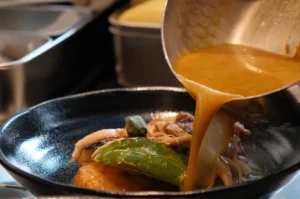
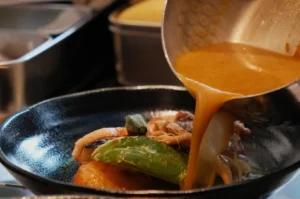
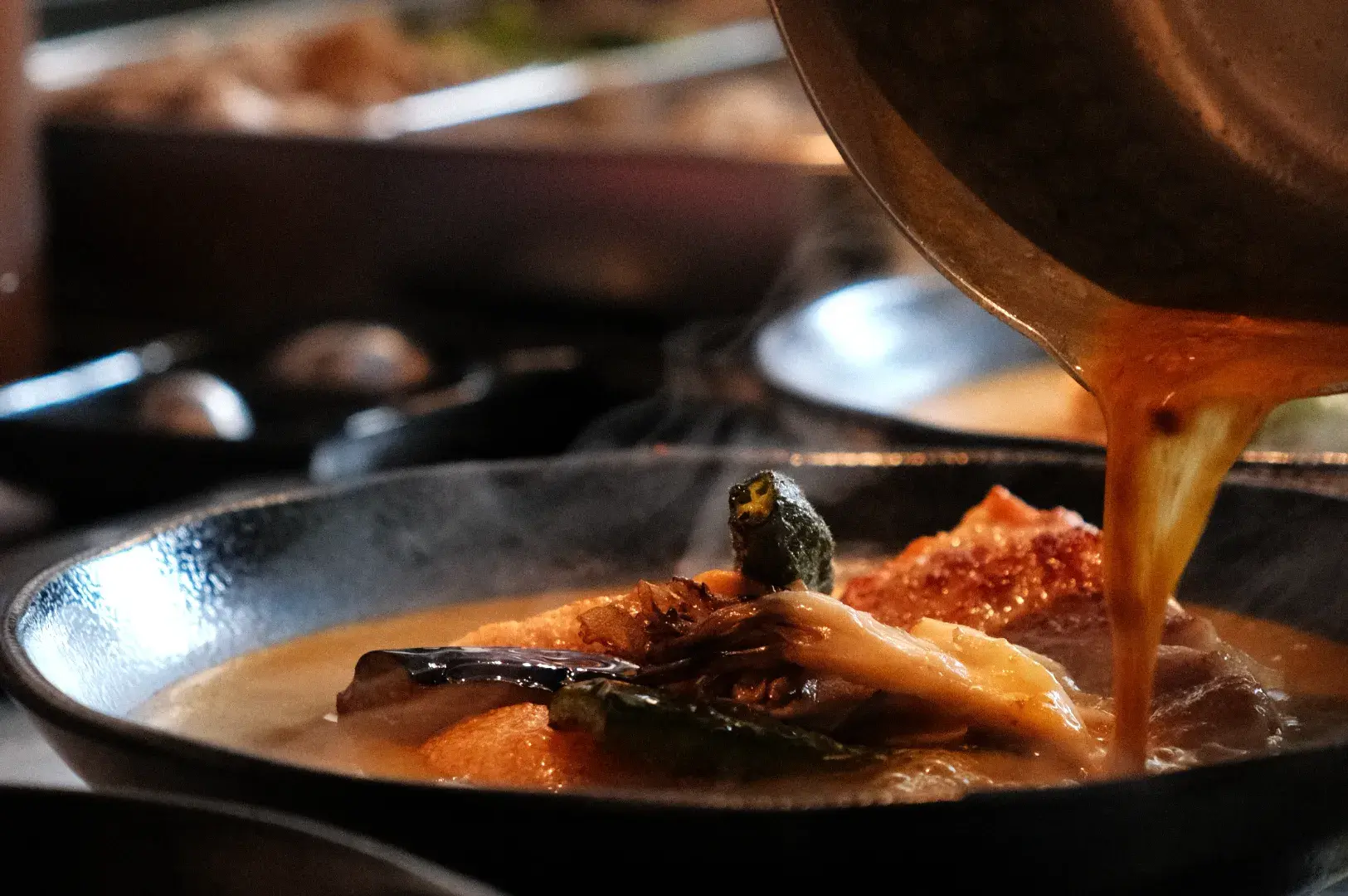
Hokkaido soup curry takes an entirely different route. Rather than a roux, the base is a clear, savoury soup, built slowly from chicken bones or pork bones, sometimes both, simmered until the broth carries real depth. Spices such as garam masala and curry powder are added not to thicken the liquid but to season it, so what you get is closer to a fragrant soup than a stew. Rice is served separately, in its own bowl, so you control exactly how much you want with each spoonful.
This distinction is not a minor technicality. It is the entire reason soup curry exists as its own category rather than a variation of regular Japanese curry.
Sapporo Soup Curry and Japan's North: Where the Bowl Begins
Sapporo soup curry did not appear by accident. It comes from Japan’s north, from Hokkaido specifically, a region known for long winters, hearty appetites and a food culture built around warming the body from the inside. Dishes such as ishikari nabe, the salmon and vegetable hot pot associated with the region, share the same instinct: build a broth that does real work, then let carefully selected ingredients speak for themselves.
Sapporo soup curry grew out of that same climate logic. When temperatures drop and the days shorten, a bowl of rich, spiced broth with tender meat and vegetables is not a luxury, it is practical nourishment. We try to honour that origin as closely as we can, using traditional methods where possible rather than shortcuts that sacrifice character for speed.
The Case for Soup Curry as Sapporo's Soul Food
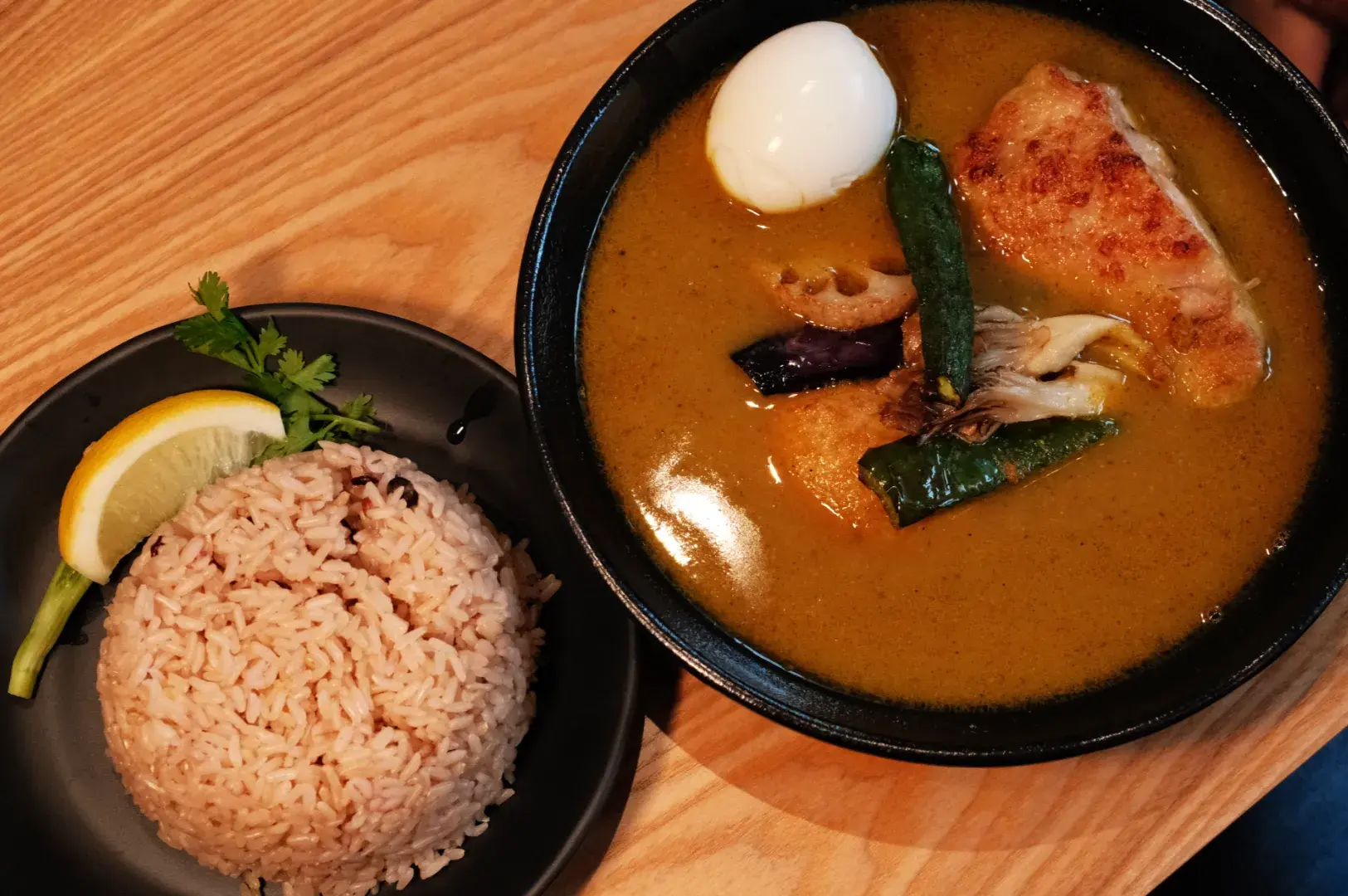
Calling something Sapporo’s soul food is not a phrase we use lightly. Soul food, wherever it comes from, tends to share certain traits. It is unpretentious. It is built from ingredients that were once seasonal and local rather than exotic. It is eaten regularly, not saved for special occasions. Soup curry fits all three descriptions in Sapporo.
Soul Food Should Nourish, Not Just Fill You Up
This is precisely why soup curry lunch works so well as a midday meal rather than only a dinner dish. Soul food is meant to restore you, not weigh you down. A bowl of broth built from chicken broth or bone stock, finished with spices that aid digestion, gives you something a heavier meal cannot: the sense that you have actually been looked after during your lunch break, not just fed.
Fresh Vegetables, Chicken Leg and the Anatomy of a Proper Lunch Bowl
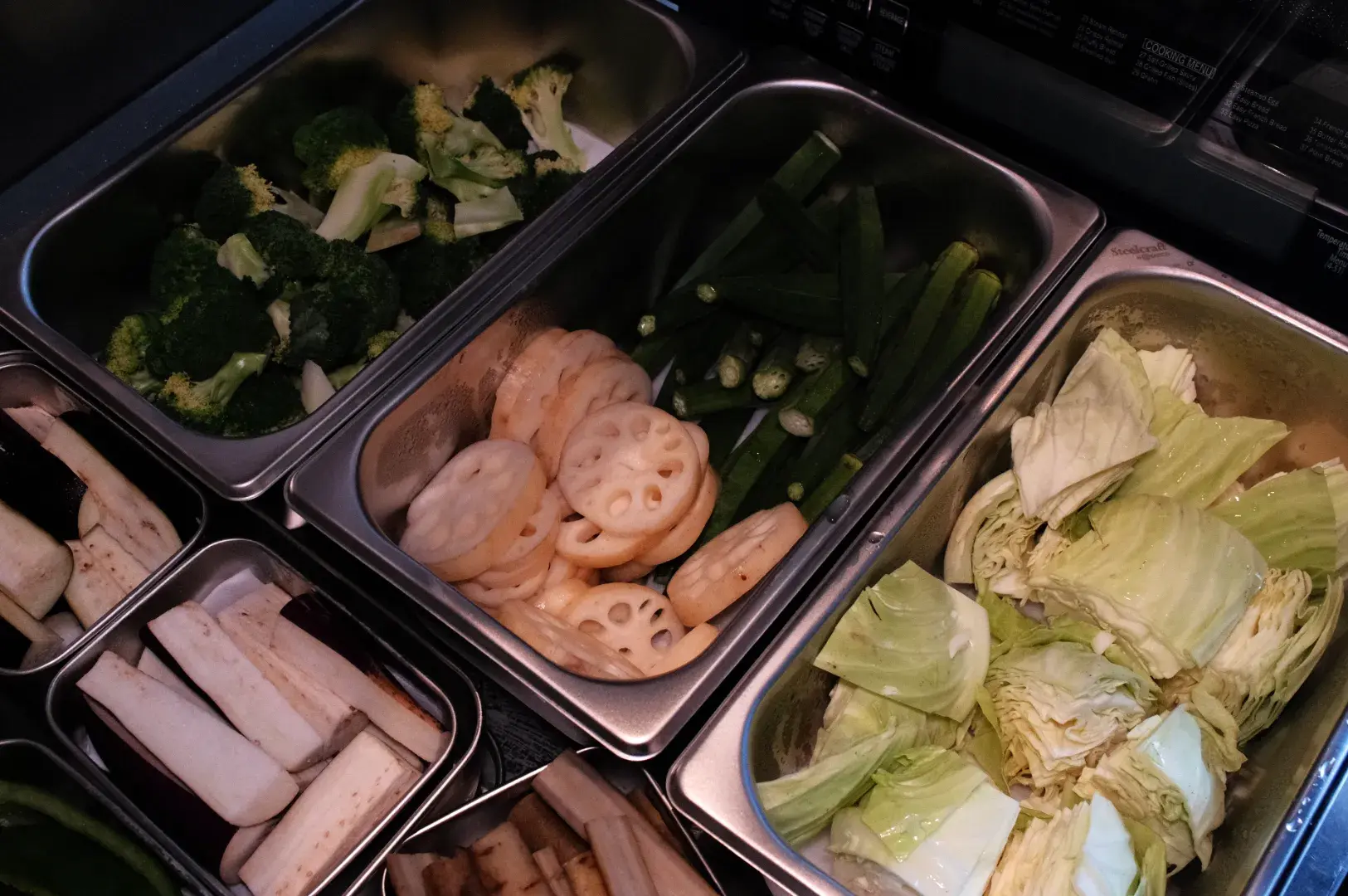
Ask anyone what they remember about a good soup curry lunch and the answer usually comes down to two things: the vegetables and the meat.
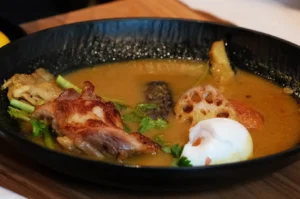
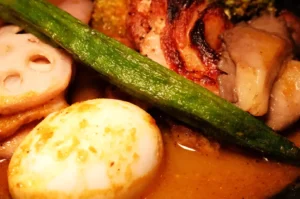
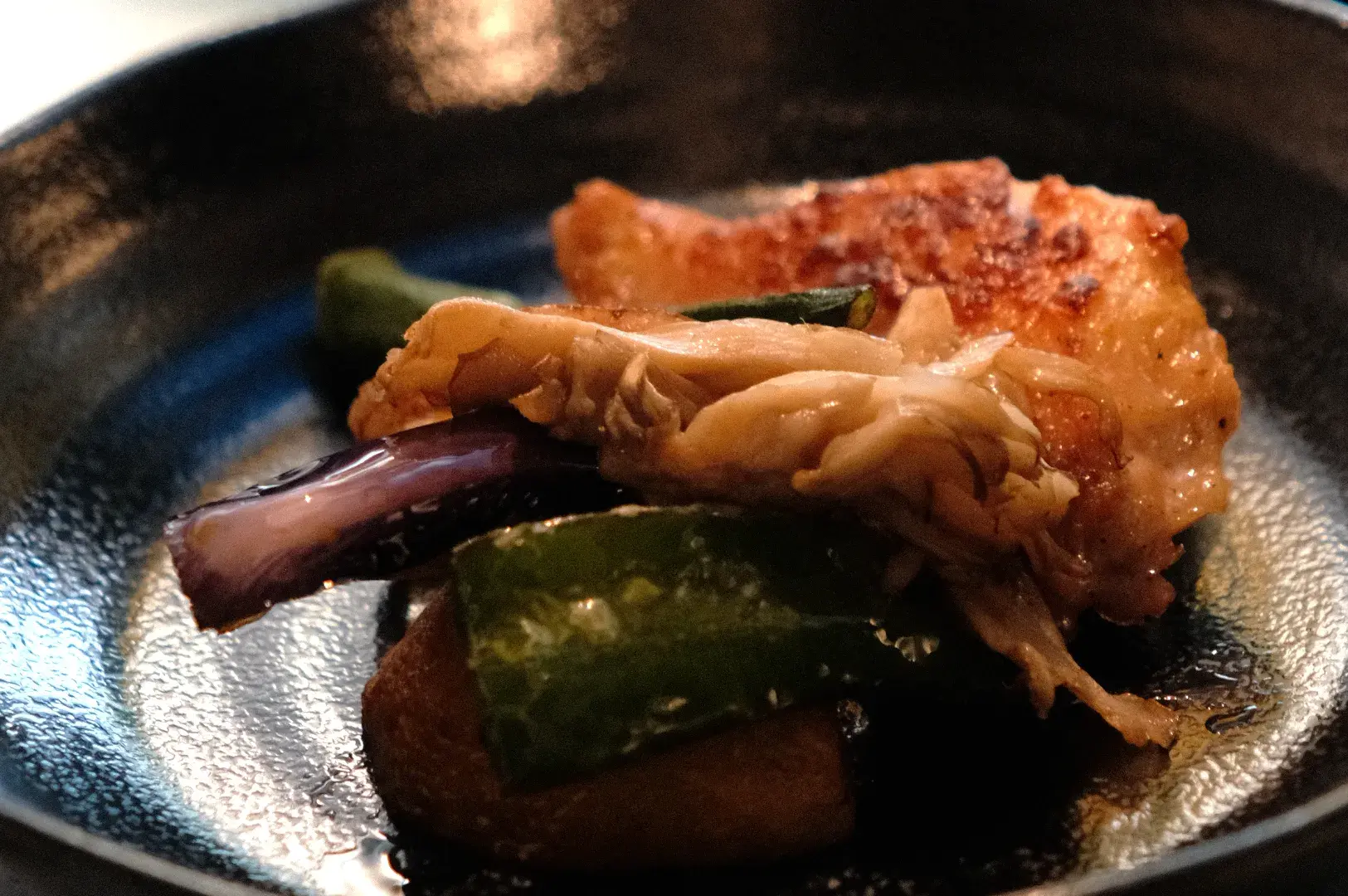
Fresh vegetables are non-negotiable. Bell peppers, lotus root, aubergine, baby corn, okra, broccoli and carrot are commonly used, and the reason they matter so much is texture. When vegetables are deep fried using proper Japanese cutting methods before being added to the bowl, they arrive with a golden brown edge and a natural sweetness that raw or boiled vegetables simply cannot replicate. Cut into small pieces, they cook evenly and hold their shape rather than turning to mush in the broth.
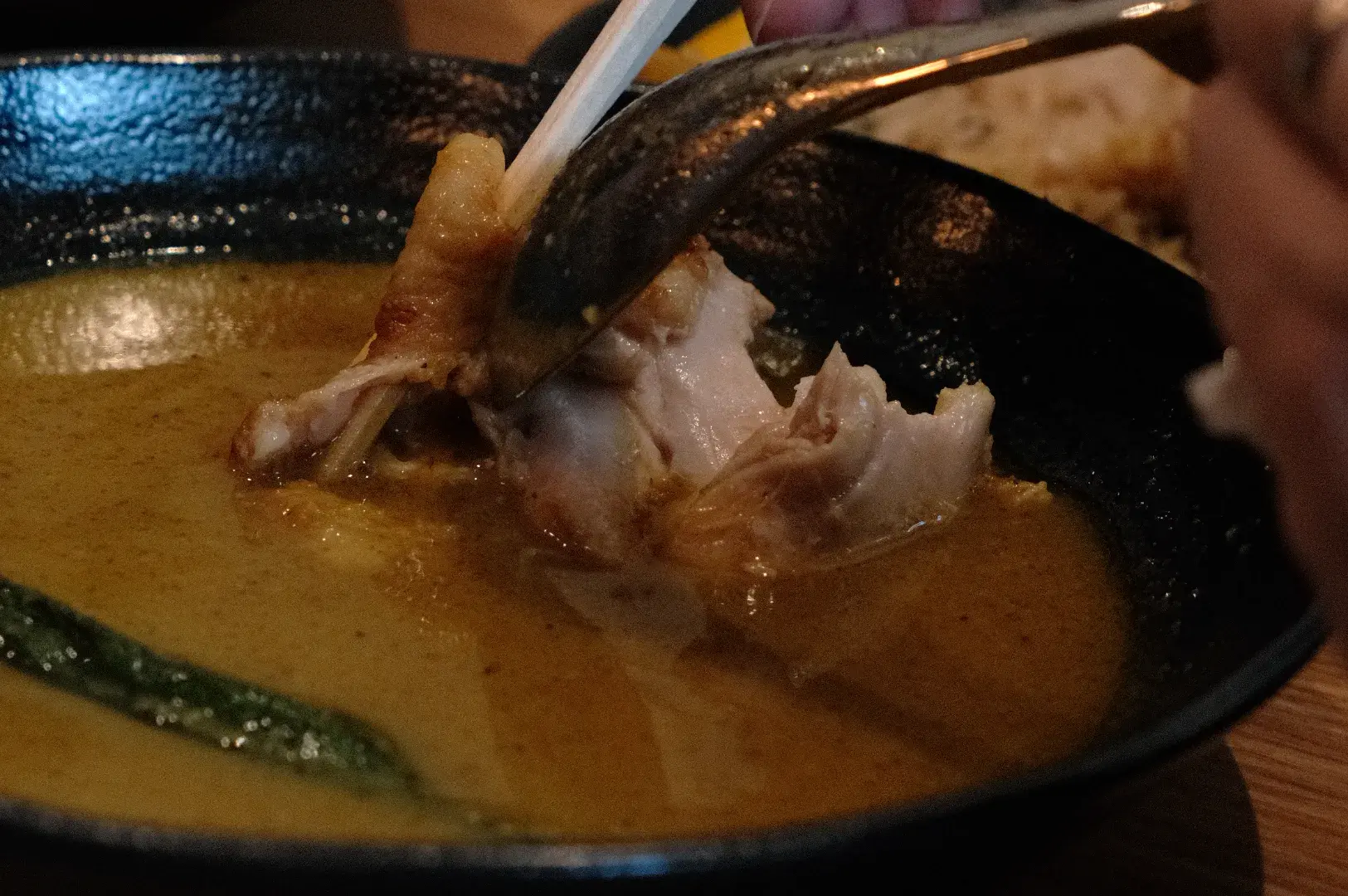
The chicken leg or chicken thigh is usually the anchor of the bowl. Slow cooked until the meat separates easily from the bone, it should never feel dry or overcooked. We favour the leg because it retains moisture better through longer cooking, and because it pairs naturally with a rich broth without disappearing into it. Some guests prefer the leg specifically because the shape is easier to eat with a spoon during a short lunch break, without needing a knife.
The result, when done properly, is a dish where the broth, the chicken leg and the fresh vegetables all contribute something distinct rather than blending into a single flavour.
How to Eat Soup Curry Properly During a Lunch Break
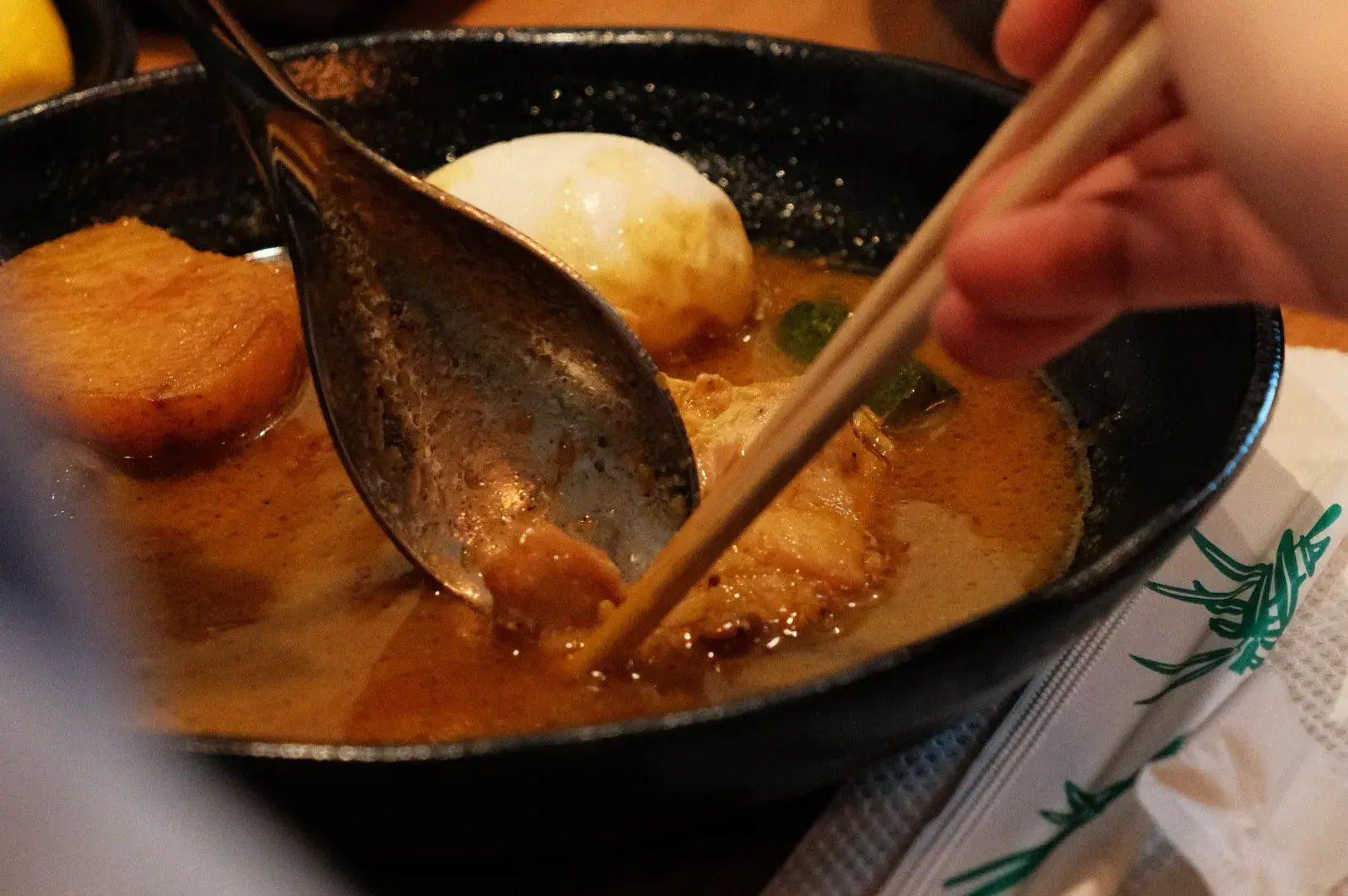
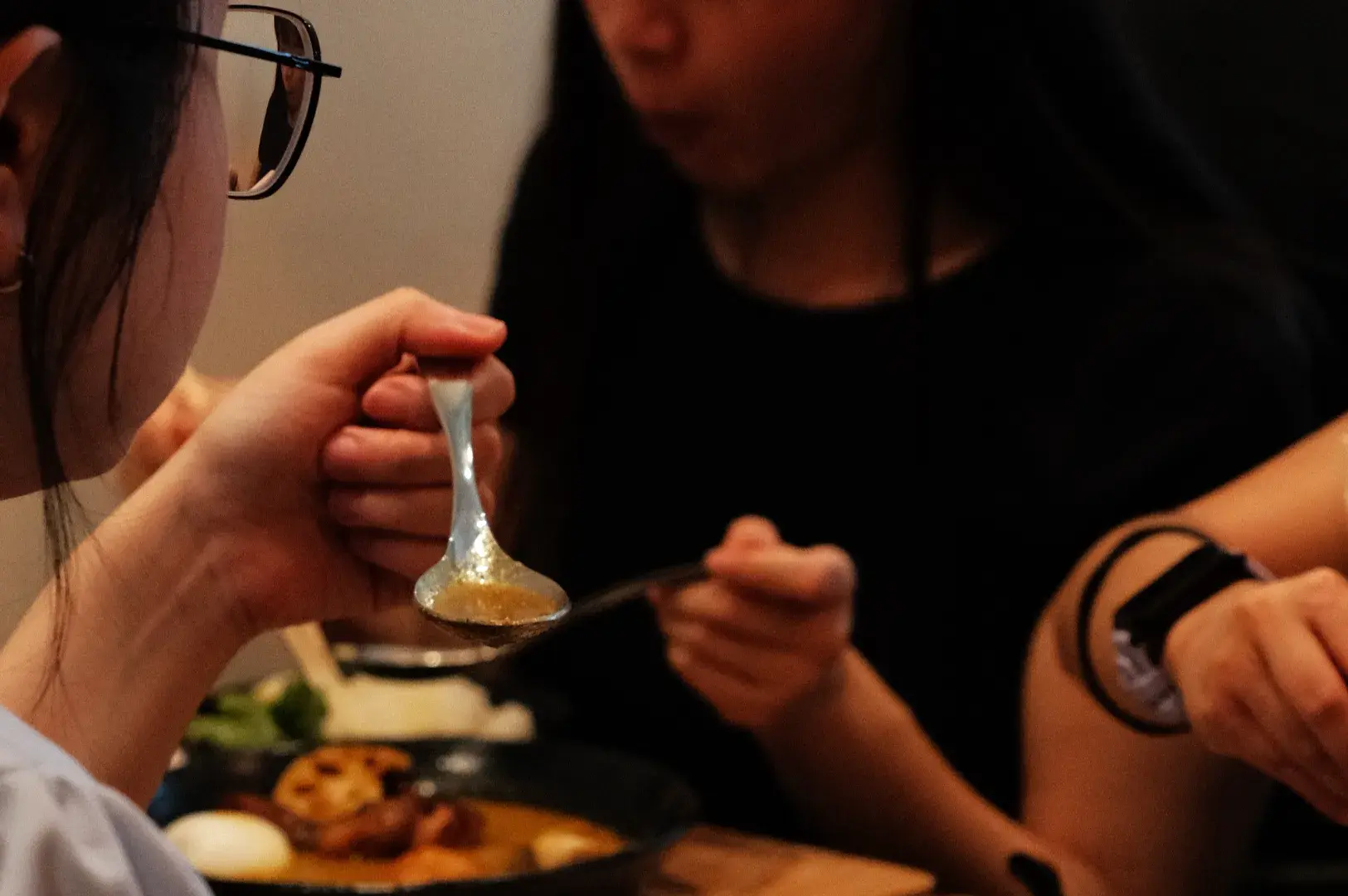
There is a small but important skill to eating soup curry efficiently, especially when time is limited. Rice is served on the side rather than mixed directly into the bowl. The idea is to spoon a small amount of rice into the broth as you go, rather than pouring the entire bowl of rice in at once. This keeps the rice from becoming soggy and lets you control the ratio of broth to rice with each mouthful.
Vegetables and chicken should be eaten alongside the rice, not saved for last. Because the deep fried vegetables have a coating that begins to soften the longer they sit in hot broth, eating them earlier preserves their texture. This is a small detail, but it makes a genuine difference to the overall experience of the meal, particularly if you only have thirty minutes to enjoy it properly.
Spiciness level is also worth mentioning here. Most soup curry menus allow you to select your preferred spice level, which means the same bowl can suit someone who wants a mild, comforting lunch and someone who wants something with more heat. This flexibility is part of why soup curry lunch works for such a wide range of tastes in a single sitting, walk ins included, without requiring a completely different dish for each preference.
Sapporo Rakkyo and Small Details That Signal Authenticity
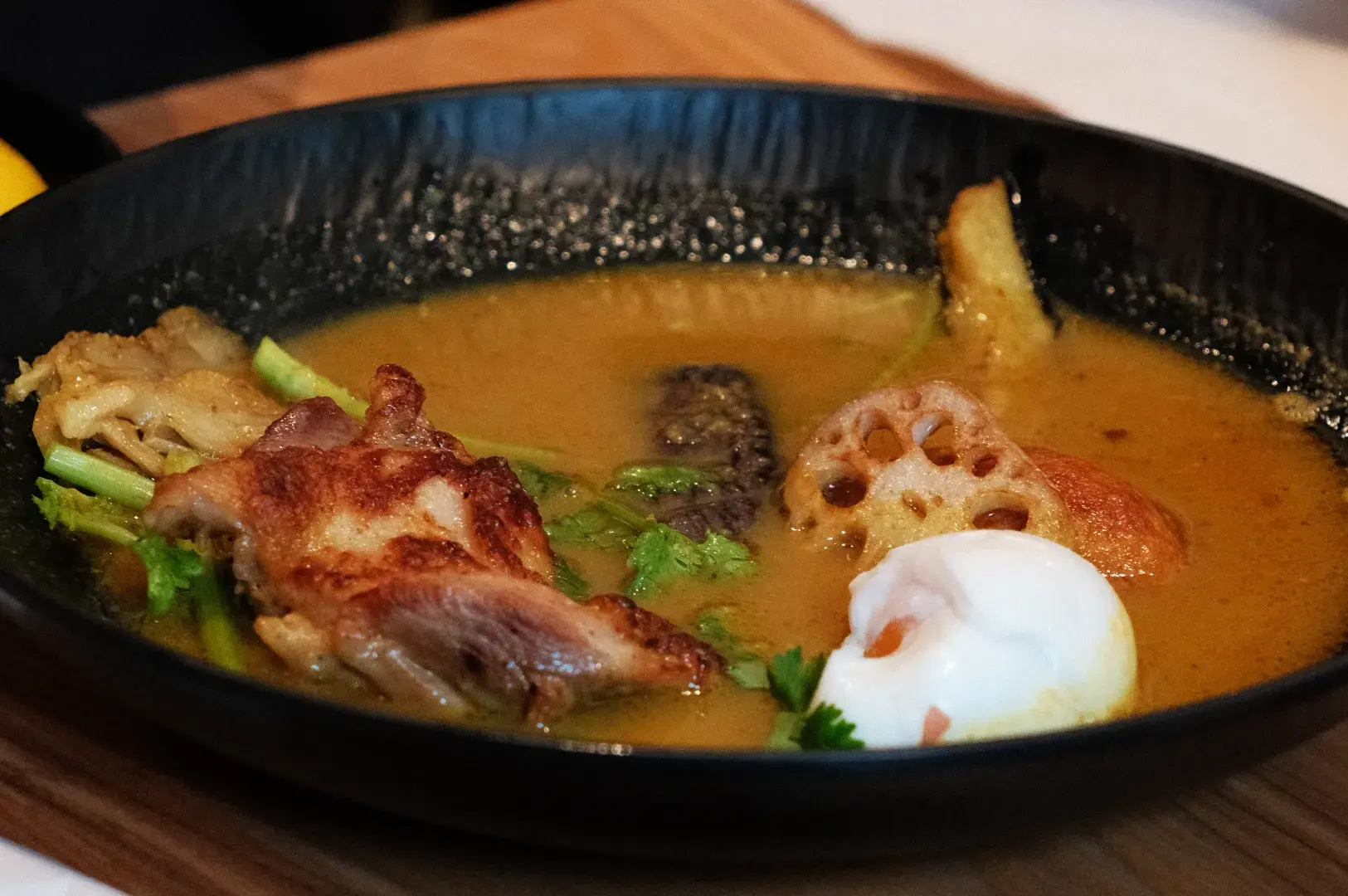
Sapporo Rakkyo, one of the original soup curry restaurants in Japan, is often cited as a reference point for what an authentic bowl should taste like. Restaurants like this helped establish the conventions that soup curry is still built on today, from the clarity of the broth to the way spices are layered rather than thickened into a roux.
We think it matters to look back to origins like this, because authenticity is rarely about one dramatic gesture. It is built from dozens of minor decisions, from the spices used in the broth to the side dishes offered alongside it, all pointing back to the same regional tradition rather than a generic interpretation of curry.
Calling soup curry an iconic food for Singapore’s lunch crowd might sound premature. But iconic status is not only about longevity. It is about whether a dish solves a real problem for the people eating it, consistently, in a way that keeps them coming back.
An authentic soup curry lunch does that. It offers warmth without heaviness, spice without harshness, and a bowl of fresh vegetables and protein that feels genuinely nourishing rather than indulgent. For a city where lunch breaks are short and expectations are high, that combination is rare enough to earn the label.
Our approach, at Soup Curry by Ki-Setsu, has always been to treat lunch with the same seriousness as dinner, using the same broth, the same chicken leg, the same deep fried vegetables, without cutting corners simply because the meal is shorter.
Whether soup curry lunch is objectively the most satisfying midday meal in Singapore is, in the end, a personal judgement. But for anyone who has felt the particular relief of a warm, well balanced bowl in the middle of a demanding workday, it is not a difficult case to make.