Imagine walking through the snowy streets of Sapporo in the early 1970s. The air is crisp, biting at your cheeks, but then you catch a scent—warm, complex, and deeply aromatic. It’s not the familiar aroma of the thick, sweet curry roux so common in traditional Japanese curry recipes across Tokyo, but something lighter, sharper, and surprisingly medicinal. This is the promise of Sapporo soup curry: a bowl of light curry flavored soup, brimming with soul and layered with the unmistakable richness of carefully selected soup curry spices.
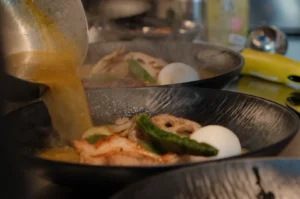
At Soup Curry by Ki-Setsu, we’re proud to be Singapore’s first and only authentic Hokkaido soup curry restaurant, bringing this beloved Japanese soup to life. Our soup curry philosophy centers on balance and authenticity, offering a signature dish that is equal parts comforting and invigorating. What sets authentic soup curry apart isn’t just the lightness of the curry broth, but the masterful blend of essential soup curry spices that builds a uniquely flavorful soup curry.
Unlike regular Japanese curry—where curry roux and flour yield a thick, heavy sauce—soup curry begins with a delicate chicken broth. If you’re curious about the technical breakdown of these two styles, check out our guide on Japanese Curry vs Soup Curry: The Difference Explained. Into this broth, we layer garam masala, curry powder, and a chorus of other authentic soup curry ingredients, each added thoughtfully to achieve a complex, light curry flavored soup.
The Foundation of Flavor: Understanding Soup Curry Spices
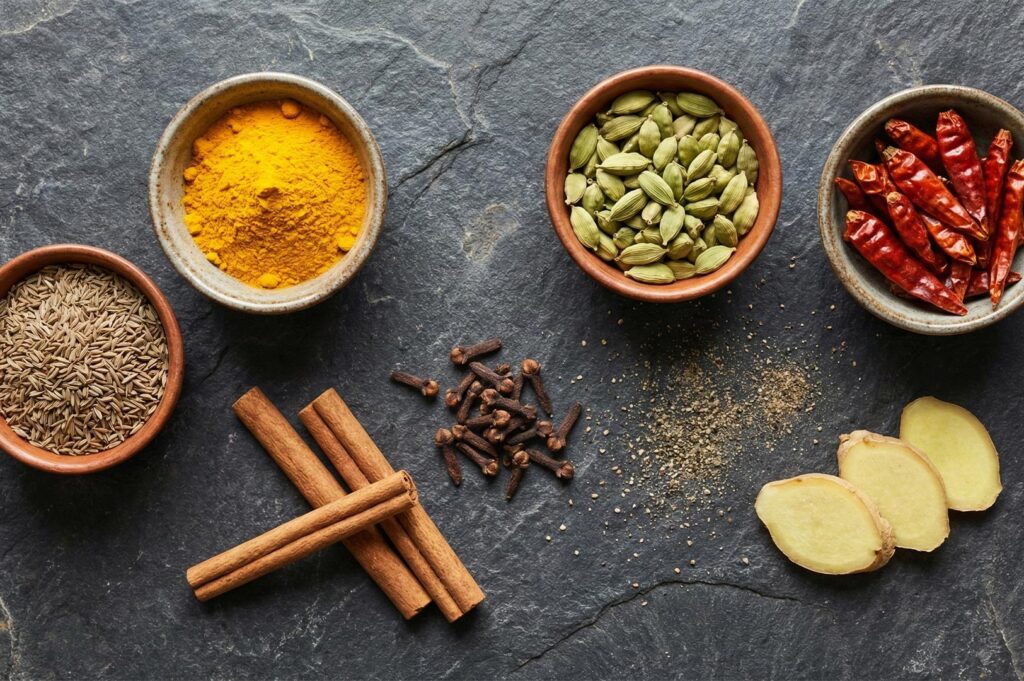
Any curry soup is only as good as its spice blend. Japanese soup curry is unique because its spices aren’t hidden behind heavy thickeners, but sing clearly in every spoonful. The soup base we prepare at Soup Curry by Ki-Setsu is simmered gently in a dutch oven, extracting flavor from chicken bones, diced onion, garlic, and a symphony of aromatics for hours until the broth is golden brown and inviting.
Let’s meet the ten aromatic heroes—each essential to authentic soup curry ingredients, and found in every memorable bowl of soup curry.
1. Turmeric (Ukon)
Turmeric imparts that unmistakable golden-brown color to both curry powder and curry broth. Its earthy, mildly bitter undertones create a warming foundation and a depth that holds up beautifully to deep fried vegetables such as kabocha pumpkin, eggplant, and carrot.
2. Cumin (Kumin)
No Japanese cooking adventure would be complete without cumin. In our kitchen, we either bloom whole seeds in a hot frying pan or add cumin powder during the browning fry. It lends a nutty, roasted aroma that’s both hearty and memorable, making it essential in our signature Sapporo soup curry.
3. Coriander (Korianda)
Coriander brings a citrusy lift to the otherwise hearty soup. Whole seeds or ground, it’s always a star among our soup curry spices, enhancing the flavor of fresh ingredients and thinly sliced green onions, especially when paired with bell peppers and tomatoes.
4. Green Cardamom (Karudamon)
Green cardamom is essential in our garam masala, and a must for keeping our soup curry bright and slightly sweet. A couple of pods, lightly crushed and sautéed with garlic and diced onion, infuse the broth with that signature hint of the exotic in every Japanese soup curry we serve.
5. Cloves (Choji)
Just a pinch of cloves adds profound warmth to our curry soup, balancing the savory elements from soy sauce, chicken thighs, and vegetable oil. Too much, and you risk overpowering the curry broth—just enough, and you enhance the deep complexity that makes our soup curry so satisfying.
6. Cinnamon (Shinamon)
A staple in both curry powder and garam masala, cinnamon complements the deep fried vegetables we love—kabocha squash, potatoes, and carrots. It provides a gentle sweetness that lingers at the edges of every bite, especially after pressure cooking or instant pot directions.
7. Freshly Ground Black Pepper
To create a deeply flavorful soup curry, freshly ground black pepper is key. It delivers a clean, immediate kick—very different from the slow burn of chili peppers—and brightens up both our vegetarian version and chicken-based bowls.
8. Chili Peppers (Togarashi)
Soup curry’s famed customizable spice level comes from an array of chili peppers, often added gradually. At Soup Curry by Ki-Setsu, we honor this tradition, letting our guests adjust seasoning to their taste, whether they want a gently spiced vegetarian soup or a fiery, hearty Sapporo soup curry.
9. Ginger (Shoga)
Ginger is an essential element, gently mixed into our aromatic base for a zesty warmth. We start by sauteing it in a hot frying pan—or occasionally in a cast iron pan—alongside garlic, building flavor before adding in medium high heat and the rest of our seasoning ahead of the simmer.
10. Fenugreek (Koroha)
An unsung hero, fenugreek brings distinctive umami and a maple-like aroma. It’s an essential secret ingredient in our original soup curry blend, complementing fresh ingredients and offering a complexity rivaled by few Japanese recipes.
Beyond the Powder: Authentic Soup Curry Ingredients
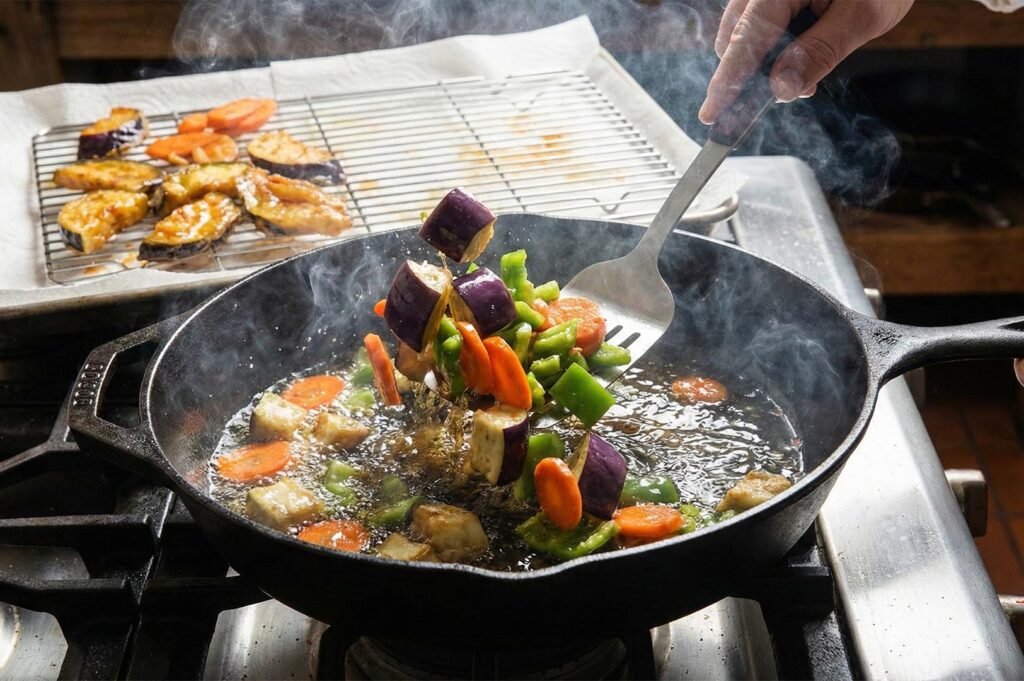
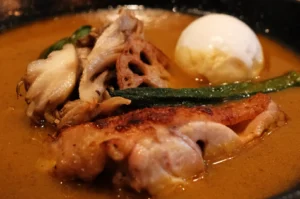
No Hokkaido soup curry would be complete without a generous heap of deep fried vegetables. Alongside our signature soup, the toppings are a showcase for Hokkaido’s bounty.
The Art of Deep Fried Vegetables (Su-Age)
We use the classic Japanese cutting method to prepare red bell pepper, lotus root (sliced half lengthwise), kabocha pumpkin, potatoes, and sometimes even shimeji mushrooms for stir fry or a quick deep frying. These fresh vegetables are quickly fried to golden brown, drained on a paper towel or wire rack to remove excess oil, and arranged on each small bowl of soup. The result: all the vegetables retain their naturally creamy interiors and brightly flavored exteriors—even after a quick stir or shallow fry.
The Soulful Protein: Chicken & More
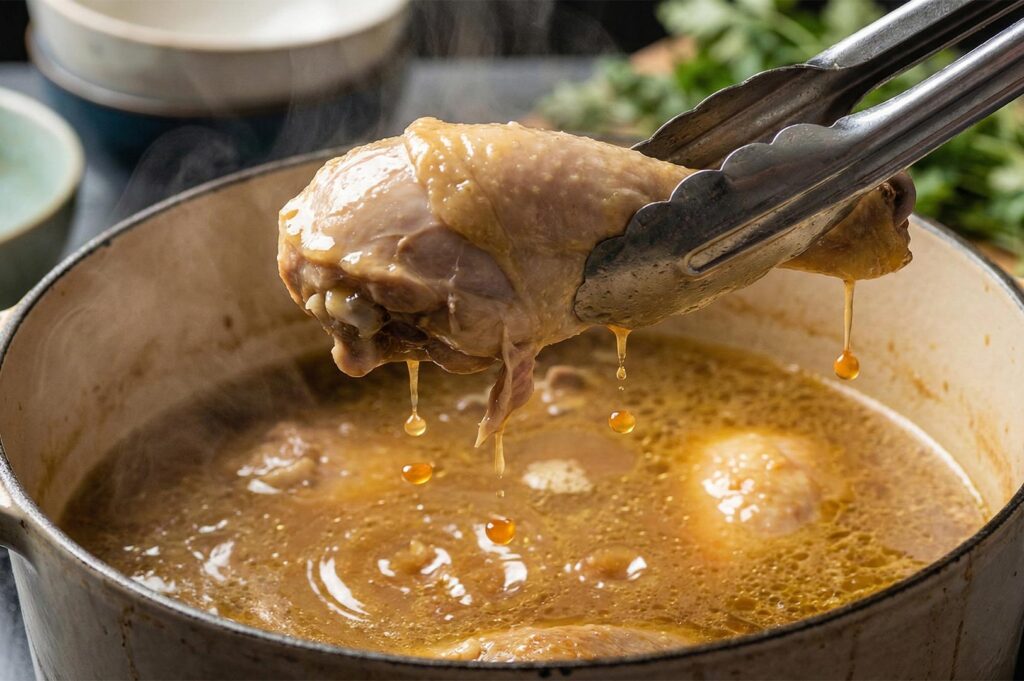
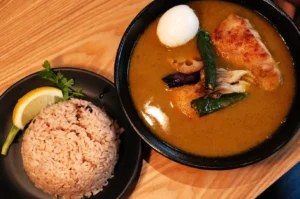
The classic soup curry protein is chicken leg or chicken thighs, slow-simmered in chicken broth until tender. The richness of dark meat, combined with coconut milk and a hint of soy sauce, yields a curry soup that’s silky, nourishing, and deeply satisfying. For those who love creative Japanese recipes, pork or even beef can be used—each bringing its own flair to the curry soup.
Steamed Rice: The Essential Companion
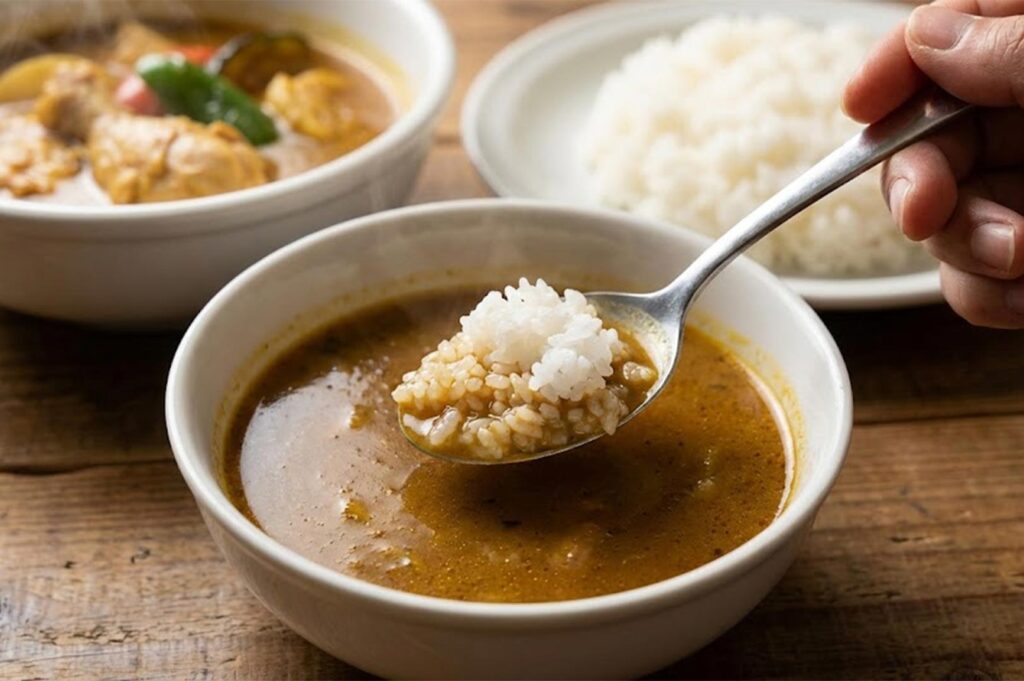
A bowl of fragrant steamed rice, served separately, is non-negotiable with authentic Japanese soup curry. The rice acts as a perfect vehicle for soaking up curry broth; scoop some rice, dip it into the flavorful soup, and enjoy the interplay of textures and flavors. We love seeing our guests gently mix a bite of rice with fried vegetables and curry broth—each mouthful unique.
Enhancing Your Experience: Tips from the Ki-Setsu Kitchen
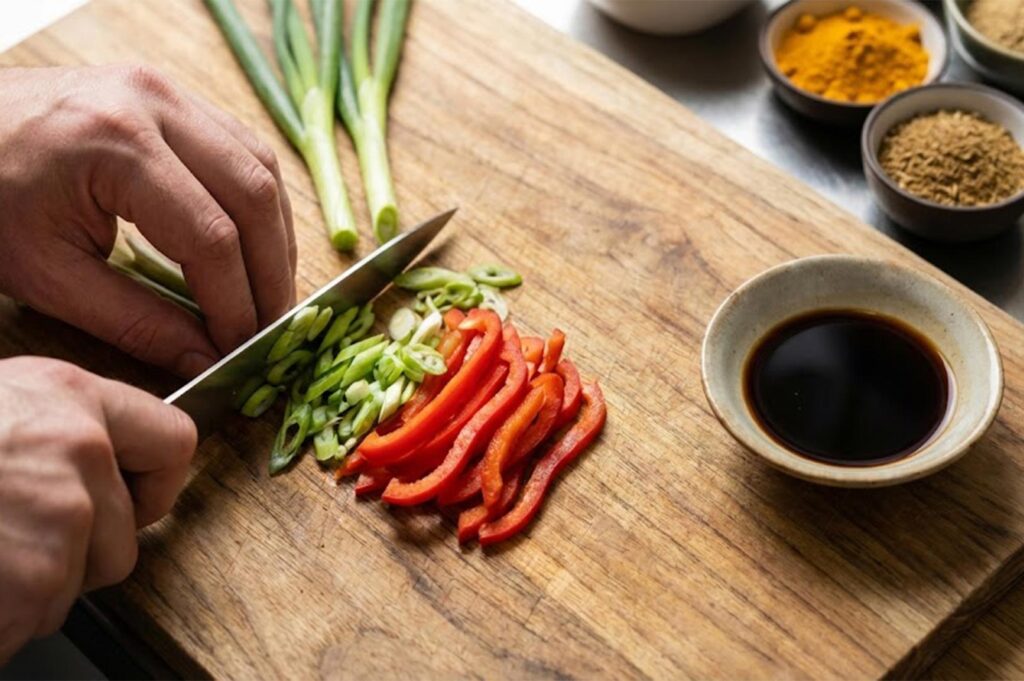
For added flavor, use a dutch oven or cast iron pan to deepen browning.
Always spoon off excess oil after deep frying veggies, then blot with a kitchen towel.
Thinly slice green onions and red bell pepper for both garnish and freshness.
Adjust seasoning with a dash of soy sauce or rice vinegar for extra zing.
Pressure cooking shortens the cook time for chicken stock and vegetables without sacrificing flavor.
For richer curry soup, gradually add half the coconut milk at the start and the rest at the finish to balance flavor and creamy texture.
Experience the North at Soup Curry by Ki-Setsu
Creating an original soup curry is a joyous journey through Japanese cooking. From balancing the signature soup curry spices to perfecting the deep fried or stir fry vegetables, everything we do is rooted in tradition and the pursuit of rich, flavorful soup curry. Whether you’re discovering soup curry for the first time or a seasoned connoisseur looking for hearty Japanese recipes, we invite you to experience authentic Hokkaido soup curry in Singapore’s coziest izakaya setting.
At Soup Curry by Ki-Setsu, every bowl tells the story of Sapporo through its spices, textures, and soulful warmth. Come join us for happy cooking, and savor the difference that passionate, authentic preparation makes in every spoonful.