Walk into any izakaya in Japan and you will notice something immediately: nobody is drinking just one thing. The table might have a flask of warm sake at one end, a highball sweating quietly in the middle, and a cold craft beer making its way around. Izakaya drinking is not about choosing a single beverage and committing to it. It is about matching what is in your glass to what is on the table, and letting both evolve together as the evening unfolds.
Outside Japan, this culture is beginning to take hold, but the full breadth of izakaya drinks is often underrepresented. Sake gets most of the attention, and rightly so, but Japanese whisky, shochu, and craft beer each bring something distinct to the table. Understanding how they behave alongside food opens up a style of drinking that is genuinely more interesting than anything a wine list alone can offer.
This is our attempt to map that landscape, drawing on what we have come to know through serving Japanese food in an izakaya spirit every evening.
Japanese Whisky as an Izakaya Pairing
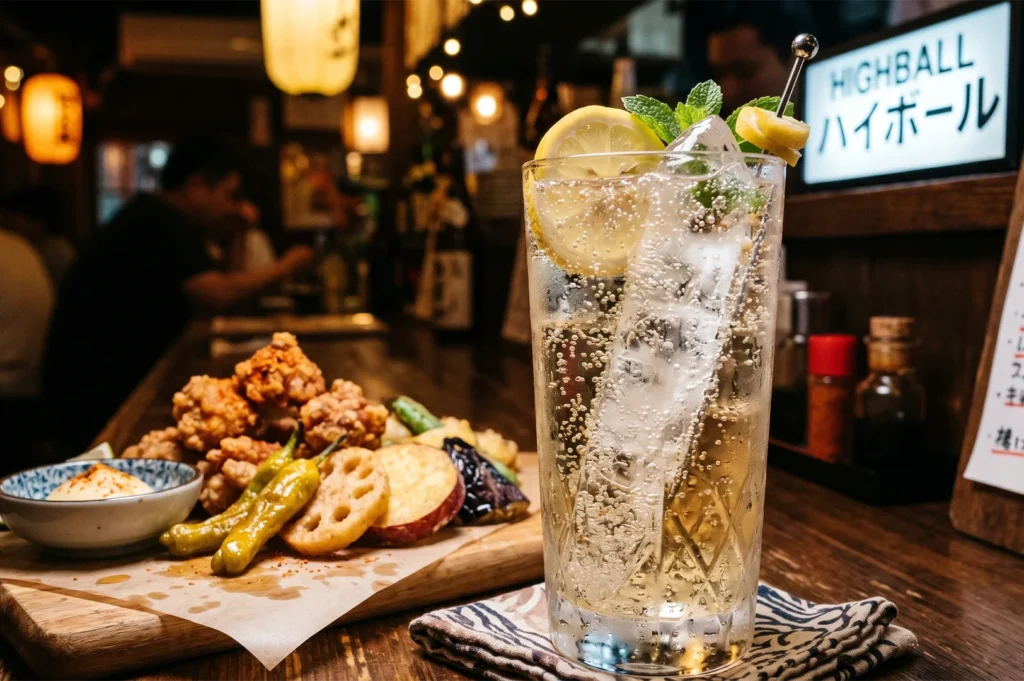
Japanese whisky occupies a curious position in the drinks world. It draws on Scotch traditions but has developed its own identity over a century of careful, precise production. The result is a category defined by balance: rarely as smoky as Scotch, rarely as sweet as American bourbon, and almost always characterised by a clean, approachable finish.
That restraint makes Japanese whisky surprisingly food-friendly.
The Highball: Izakaya’s Most Underrated Pairing Tool
In Japan, the whisky highball is arguably the most common drink order at an izakaya, and there is good reason for it. Mixing whisky with chilled soda water dilutes the alcohol, lifts the carbonation, and creates a drink that is light enough to accompany food through an entire meal without overwhelming the palate.
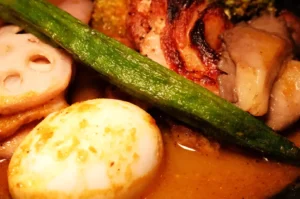
A well-made highball, cold and properly carbonated, cuts through fried foods with the same efficiency as a lager. It cleanses the palate without introducing the bitterness of hops, and its faint whisky character, often soft vanilla or dried fruit, adds a layer of interest without competing with the food. Alongside karaage, fried tofu, or the su-age style deep-fried vegetables that feature in our soup curry, a Japanese whisky highball is a genuinely elegant choice.
Neat or On the Rocks with Richer Dishes
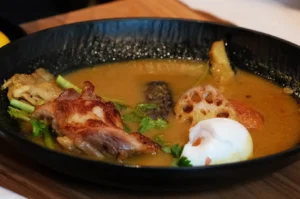
For heavier, more savoury dishes, such as grilled meats, miso-glazed proteins, or a bowl of deeply aromatic Hokkaido soup curry, a small pour of Japanese whisky served neat or over a single large ice cube can act as a contemplative companion rather than an active palate cleanser. You sip between bites, letting the whisky’s warmth settle alongside the spice and richness of the food. It is a slower, more considered kind of pairing, better suited to the later part of an evening when the pace has relaxed.
Shochu as an Izakaya Pairing
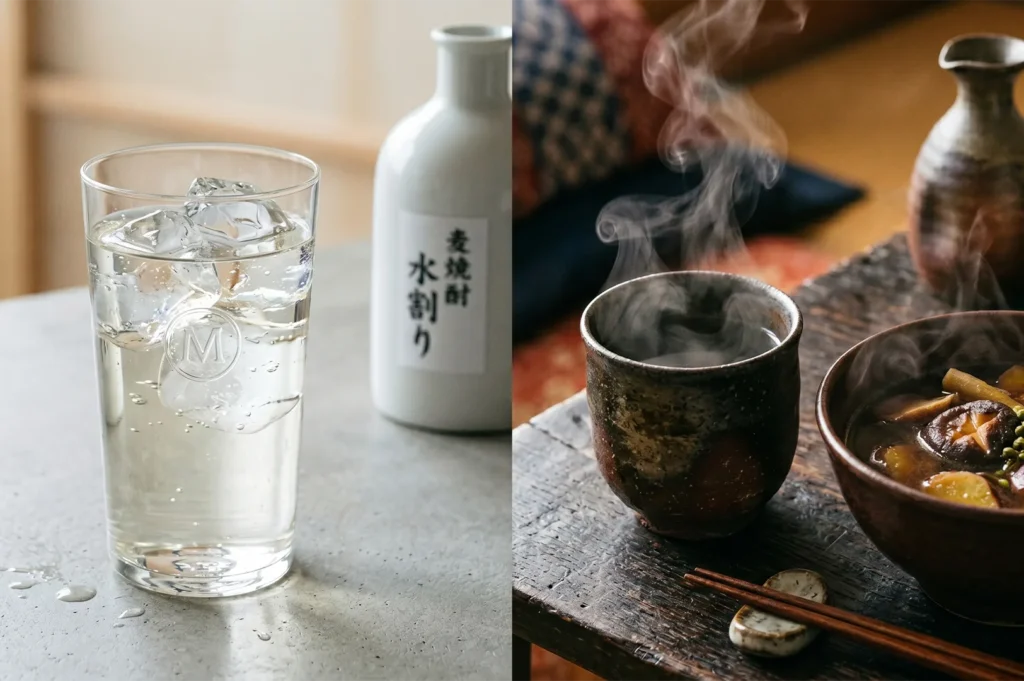
Shochu is perhaps the least understood of Japan’s major drink categories outside the country itself. It is a distilled spirit, typically lower in alcohol than whisky at around 25 per cent, and it comes in a remarkable range of base ingredients: barley, sweet potato, rice, buckwheat, and more. Each base produces a noticeably different flavour profile, which makes shochu one of the most versatile spirits for food pairing.
Barley Shochu: The All-Rounder
Mugi shochu, made from barley, is clean, lightly nutty, and gentle on the finish. It does not impose itself on food, which makes it an excellent companion across a wide range of izakaya dishes. Served on the rocks or mixed with cold water in the traditional mizuwari style, barley shochu pairs well with grilled skewers, lightly seasoned vegetables, and dishes where you want the food to remain the focus.
Sweet Potato Shochu: For Bold, Earthy Flavours
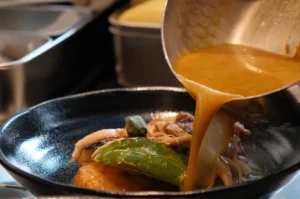
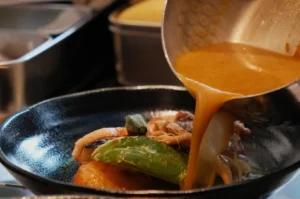
Imo shochu, distilled from sweet potato, has a more pronounced character: earthy, slightly funky, and fuller in body. It is an acquired taste for some, but those who enjoy it find it pairs beautifully with rich, savoury dishes. The earthiness of imo shochu has a natural affinity with deeply spiced broths and caramelised, umami-heavy flavours. Alongside something like a bowl of Sapporo-style soup curry, where the broth is built on layers of chicken stock, garam masala, and long-simmered aromatics, imo shochu holds its ground without feeling out of place.
The Oyuwari Method: Shochu Served Warm
One of the quieter pleasures of Japanese drinking culture is oyuwari, the practice of mixing shochu with hot water in a ratio of roughly 6:4. This gentle dilution warms the spirit and opens up its aromatic compounds in a way that cold service cannot. On a cool evening, warm oyuwari alongside a bowl of soup curry is a combination that feels almost designed for comfort.
Craft Beer as an Izakaya Pairing
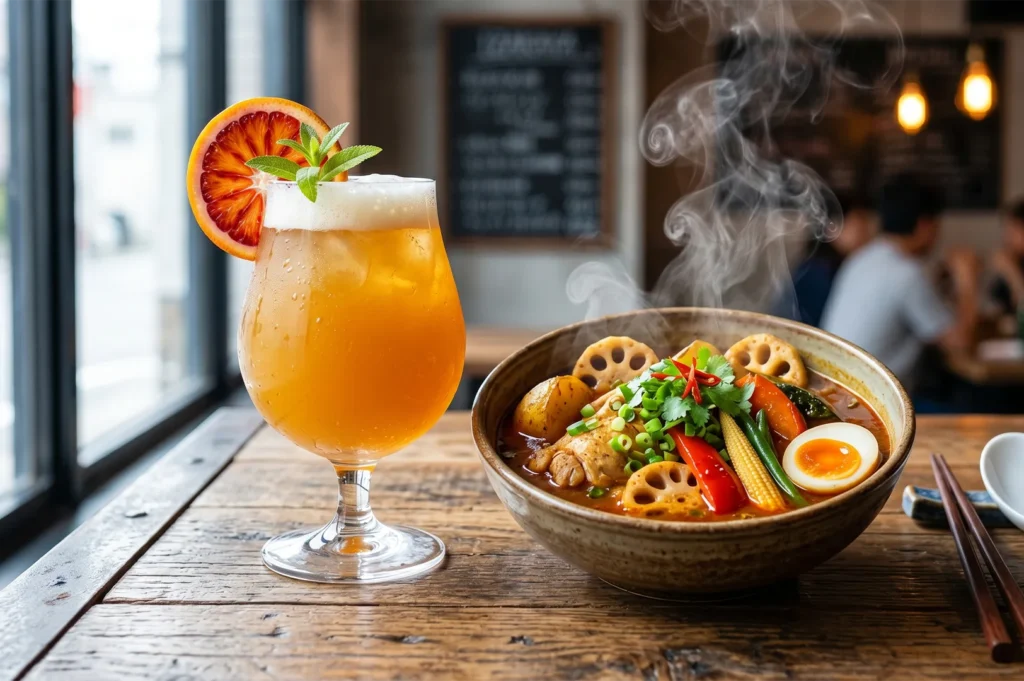
Japanese craft beer has grown considerably over the past two decades, moving well beyond the clean, neutral lagers that defined the country’s commercial brewing industry for most of the twentieth century. Today, Japanese craft brewers are producing IPAs, wheat beers, stouts, and session ales with genuine character, and they are finding their way onto izakaya menus with increasing regularity.
Lager and Pilsner: The Reliable Foundation
For izakaya dining, a cold, well-made lager remains one of the most dependable pairings available. Its carbonation refreshes the palate, its bitterness cuts through fat and oil, and its lightness means it does not compete with the food for attention. Almost everything on an izakaya menu works alongside a good lager: edamame, grilled chicken, tempura, pickles, and fried dishes of all kinds.
Wheat Beer with Lighter Dishes
A Japanese-style wheat beer, with its gentle yeast character and soft carbonation, pairs particularly well with lighter izakaya preparations. Tofu dishes, vegetable-forward plates, and delicately seasoned small bites all benefit from a beer that brings a little texture and subtle sweetness without asserting too much.
IPA with Spice
This is where craft beer makes its most interesting case. A well-balanced IPA, particularly one leaning toward tropical or citrus hop profiles rather than aggressively bitter ones, can hold its own alongside spiced food in a way that few other beers can. The hop character provides contrast to heat, and the bitterness acts as a structural counterweight to richness and spice. Alongside a bowl of Hokkaido soup curry at a higher spice level, a citrus-forward IPA creates a pairing that is lively and genuinely complementary.
At our dining place, where the evenings take on an izakaya character as the hours move past dusk, we find that guests who explore beyond sake often discover pairings that surprise them. A cold IPA alongside a spiced curry bowl is one of those discoveries that tends to become a habit.
Mixing and Matching Across the Evening
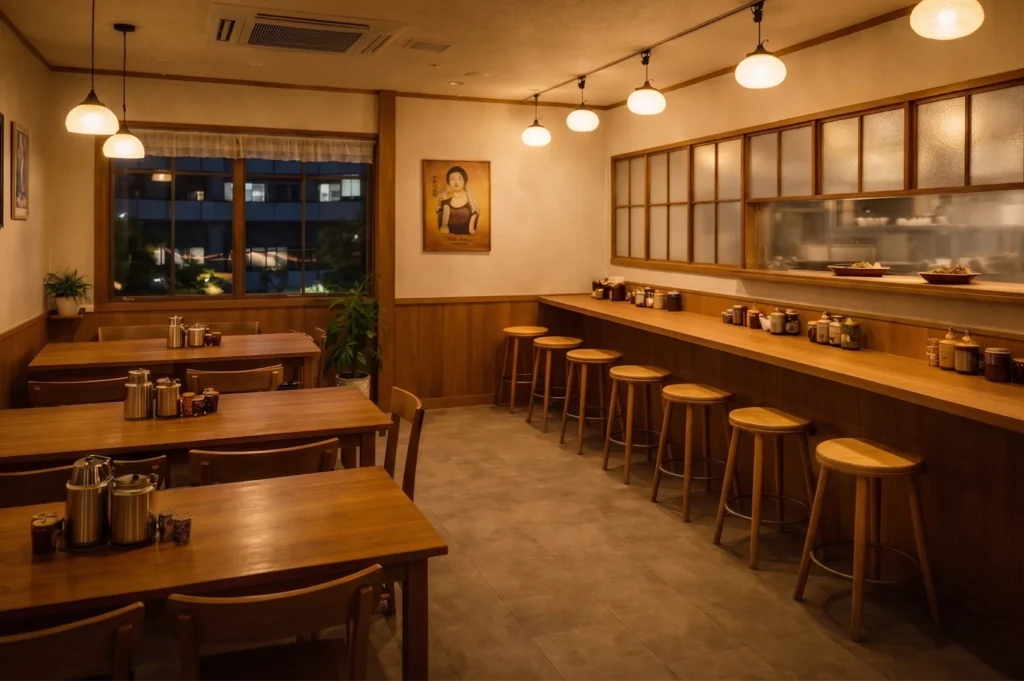
The beauty of izakaya dining is that you are not expected to commit. A meal might begin with a cold beer to settle in, move through a flask of warm sake alongside heartier dishes, and end with a small pour of whisky or a final glass of mizuwari shochu as the table clears and conversation takes over.
This fluid approach to drinks is not indecision. It is attentiveness. You drink what suits the moment, the food, and the pace of the evening.
A Table Worth Drinking Across
Izakaya culture is, at its core, about generosity: generous pours, generous plates, and a generous approach to time. The drinks are not an afterthought. They are part of the conversation.
At Soup Curry by Ki-Setsu, that spirit guides how we think about what we serve alongside our food. Whether you arrive for a bowl of soup curry at lunch or settle in for a longer evening of small plates and Japanese spirits, the goal is the same: drinks that earn their place at the table, alongside food that gives them something worth pairing with.
We are open daily from 11:30 AM to 10:00 PM. Dinner reservations are available at 6:30 PM. We hope to share a table, and a drink or two, with you soon.