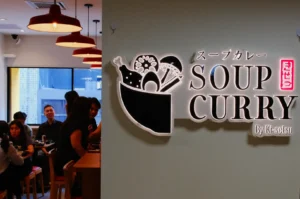
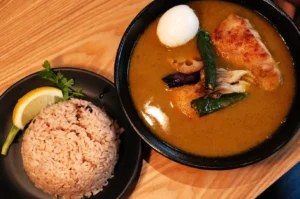
When one thinks of Japanese cuisine, the mind often drifts to sushi, ramen, or the familiar thick, sweet Japanese curry. Yet, tucked away in the northern island of Hokkaido lies a culinary gem that has captured hearts with its aromatic, spicy, and soul-warming qualities: soup curry.
At Soup Curry by Ki-Setsu, Singapore’s first and only authentic Hokkaido soup curry restaurant, we are passionate about sharing this iconic dish and its rich history with our guests. This article explores the evolution of soup curry, from its humble beginnings in Sapporo during the 1970s to the vibrant, flavourful bowls enjoyed today, highlighting the key ingredients, preparation techniques, and cultural significance that make this dish a treasured part of Japanese cuisine.
The Origins of Soup Curry in Hokkaido: A Soulful Journey Through Japanese Cuisine

The story of soup curry begins in the snowy city of Sapporo, Hokkaido, in the early 1970s. Unlike traditional Japanese curry, which is thick, heavy, and sweet, soup curry was initially served as a staff meal in small eateries. These early bowls were designed to warm the body and soul, particularly during Hokkaido’s harsh winters. They combined a light, aromatic broth with vegetables, meat, and a careful blend of spices, offering a comforting yet nourishing experience. The dish was inexpensive, quick to prepare, and perfectly suited to the local palate, making it a staple among locals before gaining wider popularity.
Influences from India and Japan
While traditional Japanese curry is rooted in European interpretations of Indian curry, Hokkaido’s soup curry carries stronger Indian spice influences, including garam masala, cardamom, and other spice blends. Curry powder was adopted early on, but the emphasis shifted to creating a spicy, aromatic broth rather than a dense sauce. This cross-cultural fusion allowed soup curry to stand out within the broader landscape of Japanese cuisine, offering a unique combination of warmth, heat, and natural sweetness from fresh vegetables such as carrots, onions, and shiitake mushrooms.
Distinguishing Soup Curry from Traditional Japanese Curry
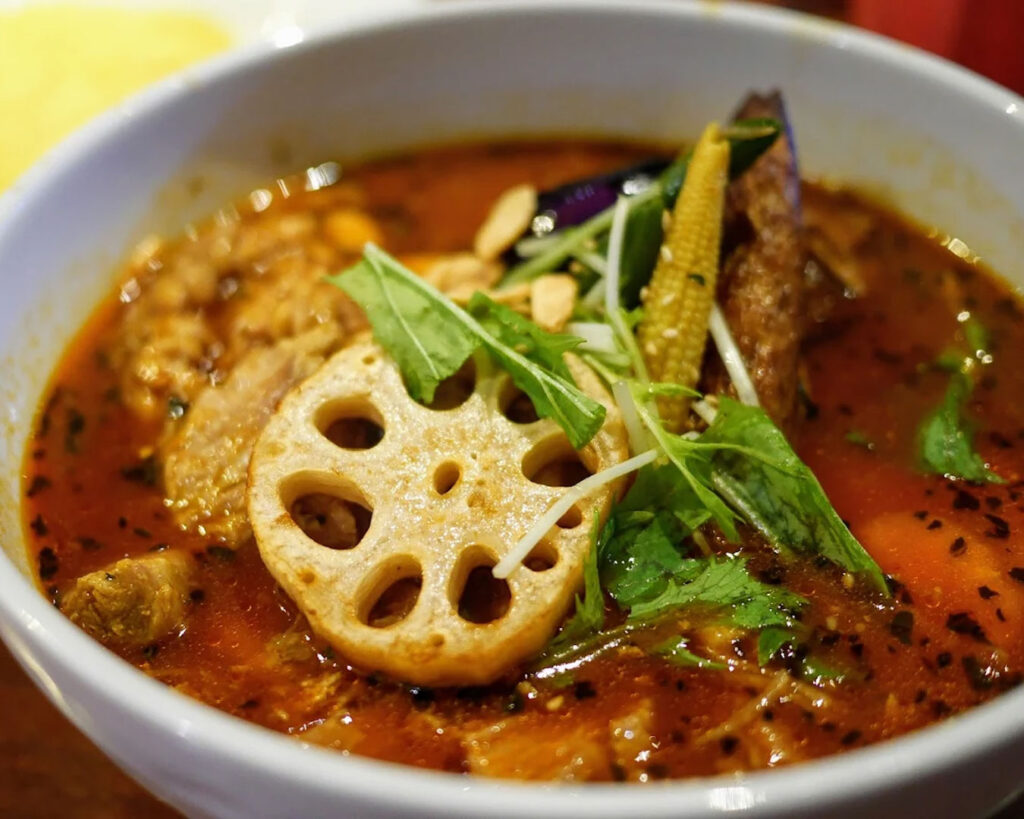
Unlike the rich, thick curry typically served across Japan, soup curry is celebrated for its light broth. This broth is a harmonious blend of chicken stock, curry powder, garam masala, garlic, ginger, and tomato paste, simmered slowly to infuse the flavours. The result is a rich yet delicate soup that perfectly complements the variety of meats and vegetables served. At Soup Curry by Ki-Setsu, we take care to ensure each bowl is infused with authentic Hokkaido flavours, allowing our guests to experience the dish as it was intended.
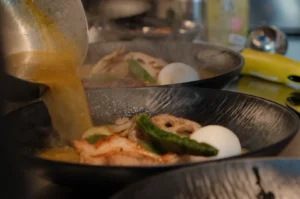
Steaming Bowl of Fresh Ingredients
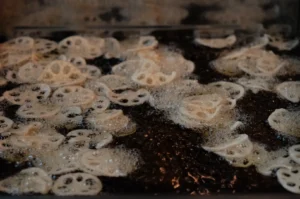
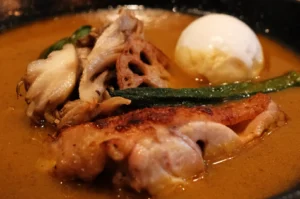
A hallmark of soup curry is the generous use of fresh ingredients. Deep-fried vegetables such as bell peppers, lotus root, eggplant, and potatoes are carefully prepared using Japanese cutting methods, preserving their texture and natural sweetness. Tender cuts of chicken, typically thighs and legs, are simmered to perfection, releasing their flavour into the aromatic broth.
Guests can select their preferred spice levels, ranging from mild to intensely spicy, ensuring each bowl is tailored to individual tastes. The dish is always served with steamed rice on the side, allowing diners to combine the rice and broth according to their preference.
The Rise of Famous Soup Curry Restaurants
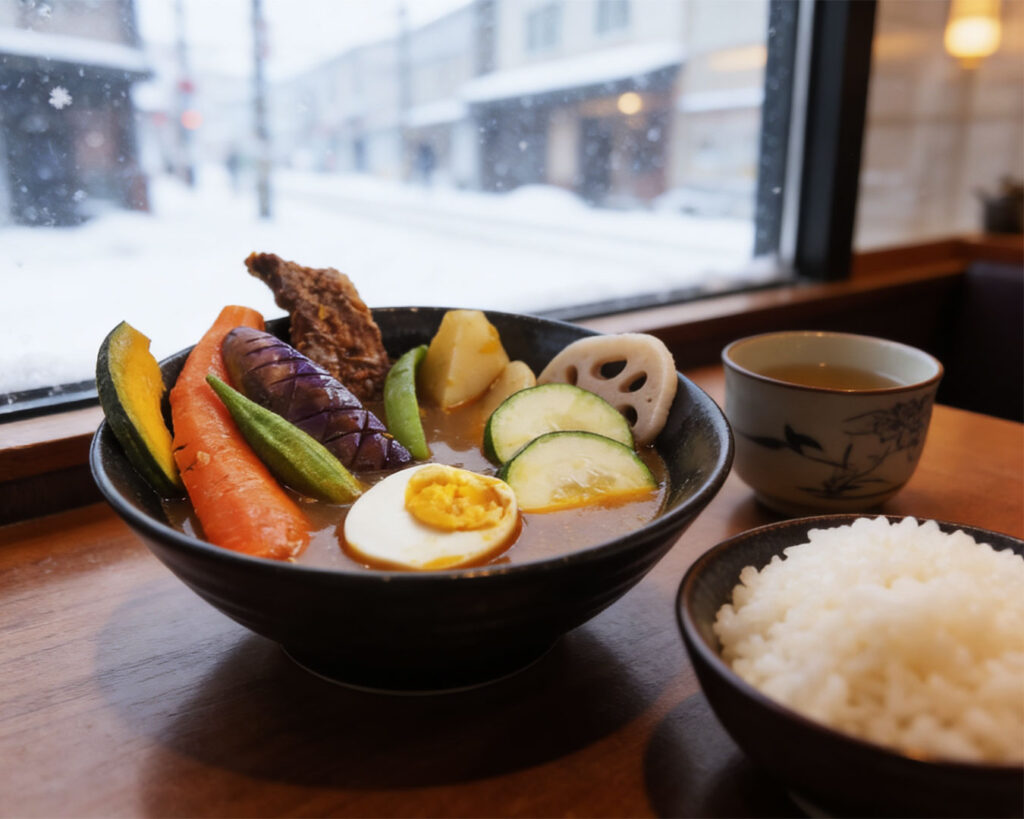
By the 1980s, soup curry had evolved from humble staff meals into a beloved dish across Hokkaido. Small eateries in Sapporo began specialising in soup curry, and these famous soup curry restaurants drew locals and tourists alike, eager to experience the fragrant aromatic broth and vibrant array of vegetables and proteins. Each restaurant offered its own unique spice blends, creating variations that reflected local tastes and culinary creativity. This diversity contributed to the evolution of soup curry, inspiring future chefs to experiment with ingredients while maintaining authenticity.
The Singapore Connection
For many, the warmth and soul of soup curry remained an experience exclusive to Hokkaido—until now. At Soup Curry by Ki-Setsu, we are proud to bring this iconic dish to Singapore, staying true to its origins while embracing the local palate. By faithfully recreating the Hokkaido experience, we hope to share not just a meal but a story steeped in tradition.
Evolution of Soup Curry Flavours
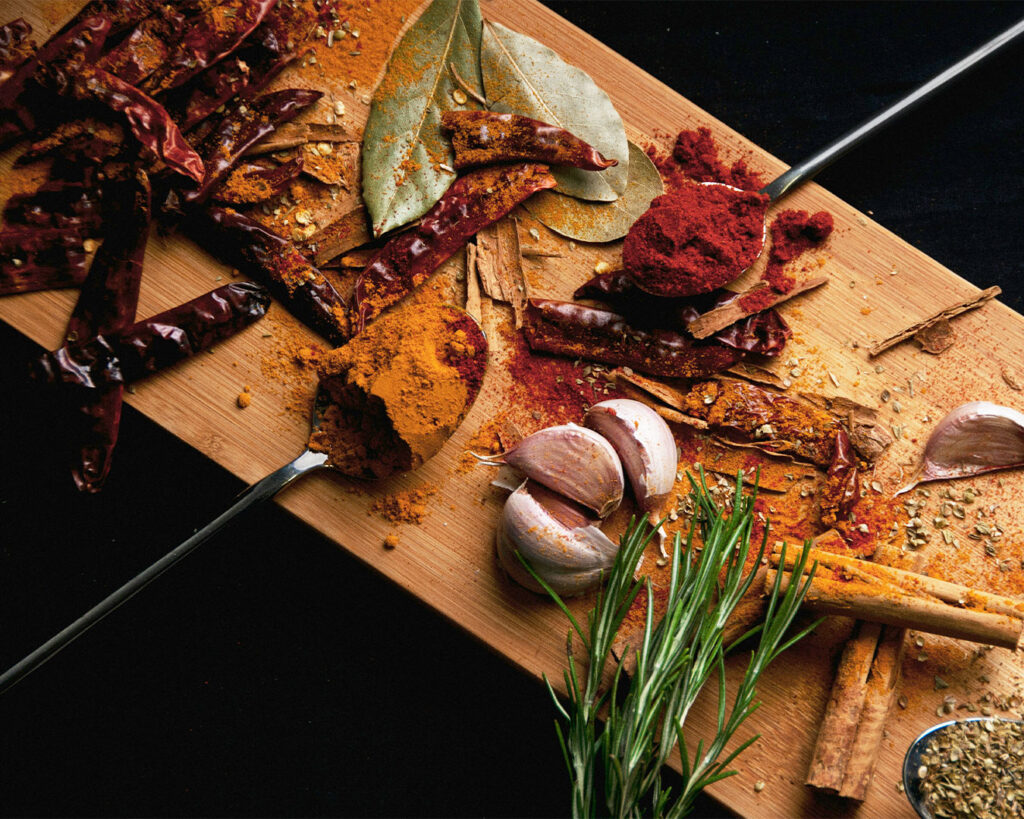
One of the most exciting aspects of the evolution of soup curry is the transformation of its flavour profile. Early versions were simple and hearty, relying on a basic combination of curry powder, black pepper, and garlic. Over time, chefs experimented with spice blends, incorporating Indian influences such as cardamom, garam masala, and other aromatic spices to add depth and complexity. Today, each bowl can be customised with varying spice levels, from gentle warmth to robust heat, ensuring a dish that satisfies both novices and spice enthusiasts.
Vegetables and Meat Combinations
Vegetables have always played a central role in soup curry. The earliest recipes used carrots, potatoes, and onions, but as the dish evolved, a wider variety of fresh produce was incorporated. Deep-frying certain vegetables enhances their natural sweetness while providing a satisfying texture. At Soup Curry by Ki-Setsu, our bowls feature a colourful medley of deep-fried vegetables alongside tender chicken or seafood, creating a harmonious balance of heat, flavour, and nutrition. This approach celebrates Hokkaido’s rich agricultural heritage and highlights the versatility of soup curry as a comfort food.
Innovative Additions
While staying true to its roots, the evolution of soup curry has also embraced innovation. Modern chefs introduce ingredients like eggplant, lotus root, and quail eggs, enhancing both texture and taste. Some variations combine multiple proteins, such as chicken and seafood, while others offer plant-based options for diverse palates. This adaptability has allowed soup curry to remain relevant and beloved across generations, proving that innovation and tradition can coexist beautifully.
Experiencing Soup Curry in Japan vs Singapore
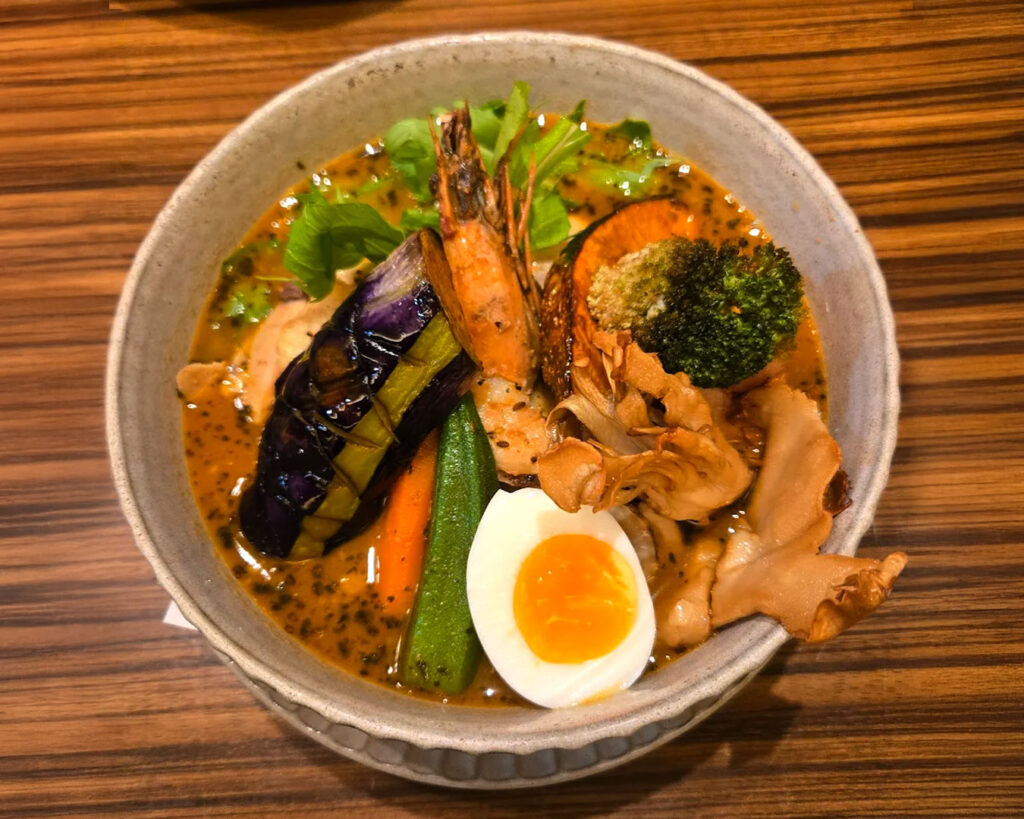
In Hokkaido, soup curry is more than a dish—it is a cultural ritual. Locals often enjoy it during winter months, relishing the warm, spicy broth alongside family and friends. Famous soup curry restaurants in Sapporo are known for their welcoming atmosphere, where diners can customise their spice levels and mix various vegetables and proteins to suit personal tastes. The dish is a celebration of Japanese cuisine, blending Indian spice techniques with local ingredients, and showcasing the rich culinary heritage of Hokkaido.
Singapore’s First Authentic Hokkaido Soup Curry Experience
At Soup Curry by Ki-Setsu, we recreate this authentic experience in Singapore. From 11:30 AM to 10:00 PM, guests can enjoy our signature bowls, while in the evening, the restaurant transforms into a cozy izakaya, serving small Japanese plates and sake alongside soup curry. Every bowl is prepared with care, ensuring that the aromatic broth, fresh vegetables, and tender proteins reflect the originally served flavours of Hokkaido. By focusing on authenticity and warmth, we aim to transport our guests to Sapporo with every sip and bite.
Cooking Techniques That Shaped the Evolution
The foundation of any great soup curry is its broth. Traditionally, a combination of chicken bones, vegetables, garlic, ginger, and spices is simmered slowly to extract maximum flavour. The broth must be rich yet light, allowing the individual flavours of vegetables and meat to shine. At Soup Curry by Ki-Setsu, we carefully maintain this technique, ensuring each bowl is infused with the deep, comforting notes that make soup curry a quintessential Hokkaido dish.
Japanese Cutting Methods
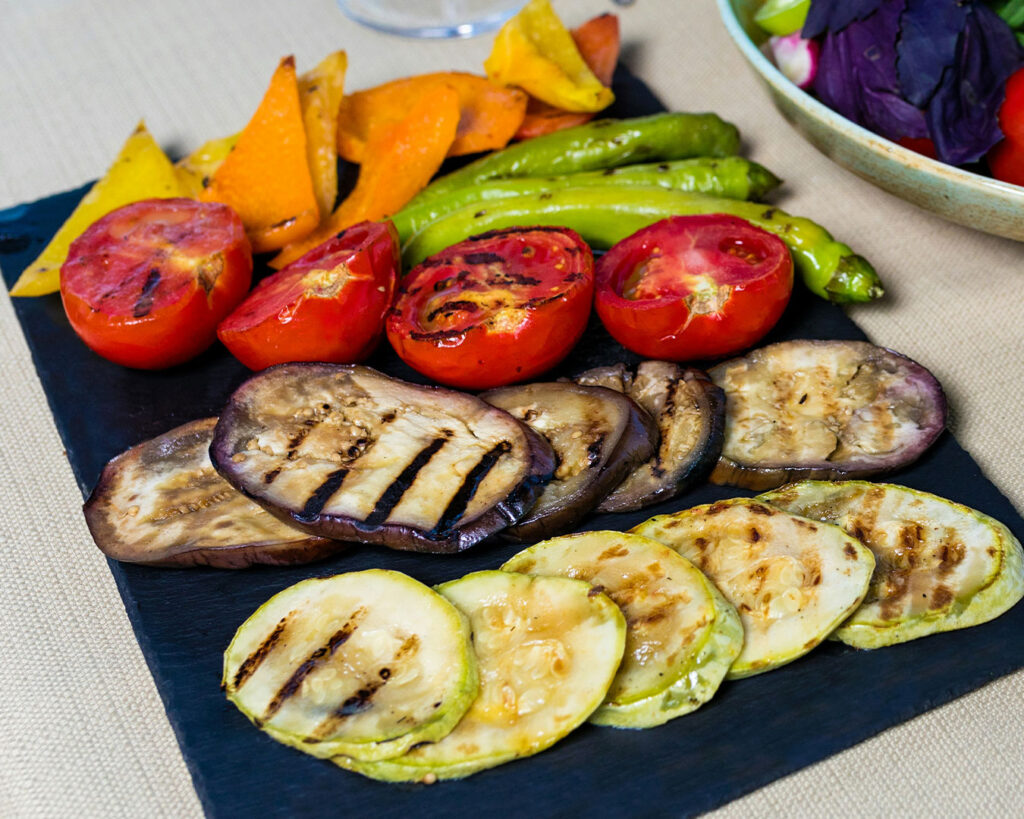
Another hallmark of authentic soup curry is the preparation of vegetables. Japanese cutting methods are used to create uniform, visually appealing pieces that cook evenly and enhance the dining experience. Deep-fried vegetables, such as bell peppers, eggplant, lotus root, and potatoes, add texture and a natural sweetness to the dish. This meticulous preparation reflects the broader values of Japanese cuisine, where attention to detail elevates even the simplest ingredients.
Customising Spice Levels
From mild to fiery, the ability to customise spice levels has been integral to the evolution of soup curry. Early versions were moderate in heat, but modern variations cater to a range of palates. This flexibility ensures the dish appeals to a wide audience, allowing diners to savour the spicy, aromatic broth in a way that suits their taste. Guests at Soup Curry by Ki-Setsu can enjoy this feature, making each visit a personal and memorable experience.
The Role of Soup Curry in Japanese Culture: A Comfort Food Staple
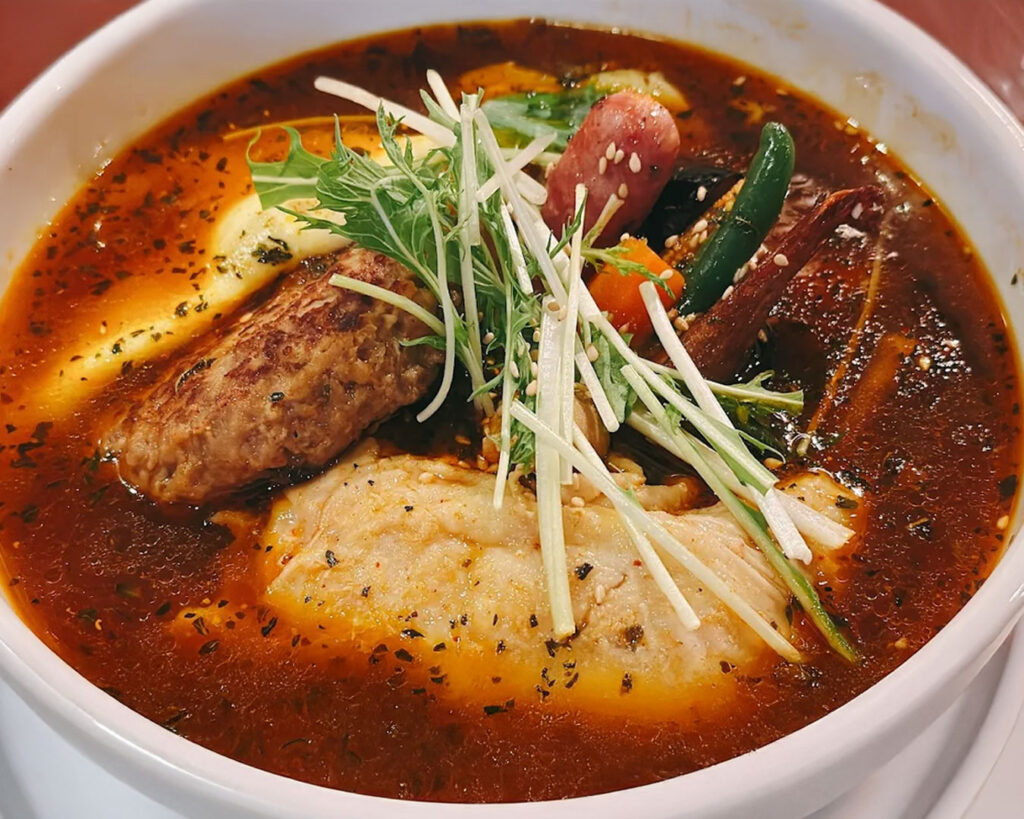
Soup curry is not just a meal; it is comfort food. For locals in Hokkaido, it is a dish associated with warmth, community, and nourishment. The combination of spices, fresh vegetables, and tender meat offers a sensory experience that is both satisfying and soulful. Its evolution over the decades has not diminished its role as a beloved dish—it has only broadened its appeal, inspiring chefs and food lovers across Japan and beyond.
Culinary Storytelling
Every bowl tells a story. The ingredients, cooking methods, and spice blends reflect the ingenuity of early Hokkaido chefs who sought to create a dish that was both practical and delightful. Today, soup curry continues to be a medium for culinary storytelling, preserving the traditions of the past while embracing modern tastes. At Soup Curry by Ki-Setsu, we honour this heritage by crafting bowls that respect tradition and celebrate innovation, allowing diners in Singapore to experience a piece of Hokkaido culture with every meal.
Discover the Evolution of Soup Curry at Soup Curry by Ki-Setsu
The evolution of soup curry from humble staff meals in 1970s Sapporo to an internationally recognised dish is a testament to its flavour, versatility, and cultural significance. Its aromatic broth, tender proteins, deep-fried vegetables, and customisable spice levels create a culinary experience that is uniquely comforting and endlessly inspiring. At Soup Curry by Ki-Setsu, we are proud to bring this authentic Hokkaido tradition to Singapore, allowing guests to savour the dish as it was originally served, while enjoying a cozy izakaya atmosphere in the evening.
Whether you are a fan of spicy food, a lover of Japanese cuisine, or simply seeking a heartwarming meal, soup curry invites you to explore its layers of flavour and history. Come and experience the rich legacy and authentic taste of Hokkaido at Soup Curry by Ki-Setsu, where every bowl is a celebration of tradition, creativity, and the soul of Japanese comfort food.