For many years, the landscape of Japanese cuisine in Singapore was defined by a few familiar staples. When people thought of Japanese food, their minds immediately gravitated towards the delicate artistry of sushi, the deep comfort of ramen noodles, or perhaps a crispy tray of deep fried tempura. While these famous dishes are undeniably iconic, they only represent a fraction of the culinary diversity found across the Japanese archipelago. Recently, there has been a significant shift as diners look for more profound, soul-stirring experiences that reflect regional Japanese cuisine.
The evolution of the local food scene means that regional cuisines are no longer hidden gems. From the bitter melon dishes of Okinawa to the Kobe beef of Hyogo, the variety available is staggering. However, the northern part of the country offers a unique warmth through its soul food. Unlike the fine dining experiences that focus on minimalism, Hokkaido’s culinary identity is robust and generous.
Understanding Regional Japanese Cuisine in Singapore
Diners in the city are now seeking regional specialities that tell a story of a specific place and time. One such story begins in the snowy city of Sapporo, the capital of Hokkaido. This is where the legend of soup curry was born, a delicious dish that stands in stark contrast to the thick, sweet curry most people associate with a typical Japanese restaurant.
Many people are familiar with miso based soup or a standard dashi broth, but the complex, spiced layers of a true Hokkaido soup curry offer something entirely different. It is a dining experience that prioritises nourishment and the natural sweetness of local produce and seasonal ingredients.
To truly appreciate soup curry, one must understand its roots in Sapporo during the early 1970s. It did not emerge from a fine dining kitchen but rather from a desire to create a medicinal, spice-rich broth that could warm the body during Hokkaido’s harsh winters. This miso based or soy based medicinal soup eventually evolved into the vibrant, vegetable-heavy dish we love today.
How Soup Curry Differs from Typical Japanese Curry
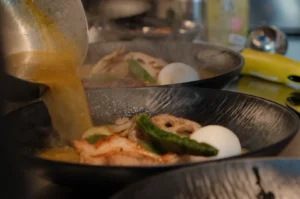
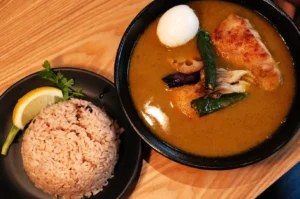
Most Japanese restaurant outlets serve a curry that is thick, viscous, and often quite sweet, frequently thickened with a flour-based roux. Soup curry is a different beast entirely. It features a light, aromatic curry-flavoured soup base made with a foundation of chicken broth, infused with a complex blend of curry powder and garam masala.
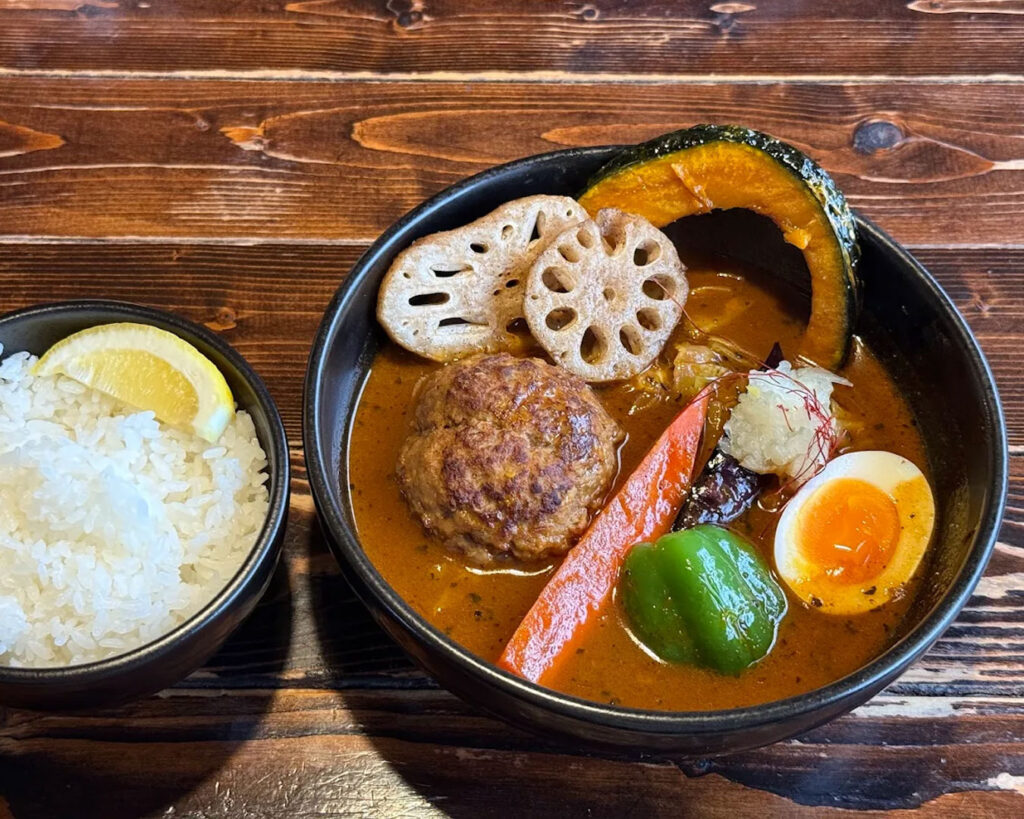
This soy based soup or miso based broth hybrid remains light yet deeply flavourful. Unlike the miso based sauce used in other regional variations, this soup is meant to be sipped and savoured like a precious bouillon. It is typically served with Japanese rice on a separate plate, allowing you to dip a spoonful of rice into the soup or pour the soup over the rice. This interaction with the rice served on the side is a key part of the traditional cooking methods found in Sapporo.
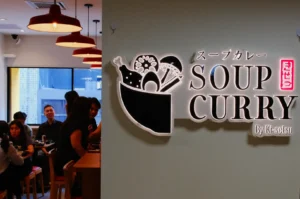
At Soup Curry by Ki-Setsu, we stay true to these origins, focusing on the soul food nature of this iconic Sapporo export. Our broth is prepared to be light yet aromatic, ensuring the spices provide warmth without being overbearing.
Key Ingredients That Define Authentic Japanese Food
The beauty of Japanese cuisine lies in the quality of its key ingredients. Whether it is the buckwheat flour used in soba noodles or the wheat noodles found in udon noodles, the focus is always on the integrity of the component. In a bowl of soup curry, the stars are the vegetables and the protein.
The Role of Fresh Vegetables and Preparation
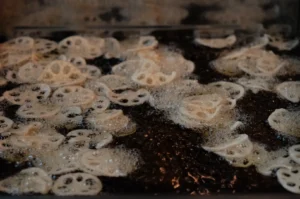
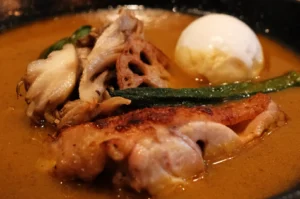
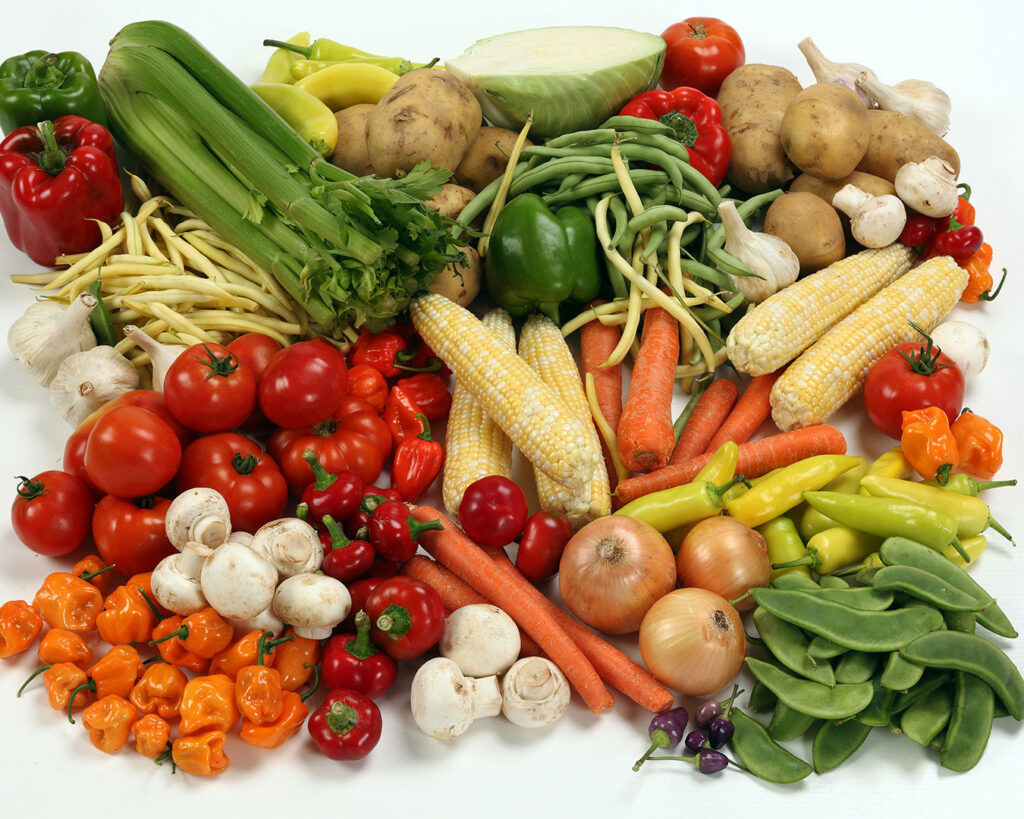
In Hokkaido, the abundance of farmland means that other vegetables are just as important as the meat. A traditional bowl might utilise a vibrant mix of vegetables including bell pepper, lotus root, eggplant, and potato. These are prepared using traditional Japanese cutting methods and are often deep fried or flash-fried to lock in their natural sweetness and create a soft texture that contrasts with the liquid broth.
The protein is equally vital. While some regional specialties might focus on pork offal, beef tongue, or even puffer fish, the classic soup curry experience revolves around tender chicken.
The Importance of Rice and Toppings
No meal in the realm of Japanese cuisine in Singapore is complete without high-quality rice. The soup is usually accompanied by premium Japanese rice, which has the perfect stickiness to soak up the broth. Some might prefer to add a raw egg or a garnish of green onion to enhance the richness. Unlike the shredded cabbage found alongside tonkatsu or the pickled ginger served with sushi, the accompaniments for soup curry are designed to complement the heat of the spices.
A Journey Through Japan's Regional Specialties

While Hokkaido offers a unique comfort, it is fascinating to see how other regional dishes have influenced the global perception of Japanese food. Each prefecture has its own “soul food” that residents hold dear.
Iwate Prefecture: Known for wanko soba, where diners eat tiny bowls of soba noodles in rapid succession.
Kagawa Prefecture: Famous for kitsune udon and the thick, chewy texture of their local udon noodles.
Aichi Prefecture: Renowned for miso based dishes and hearty miso based sauce applications.
Ishikawa Prefecture: Where you might find exquisite snow crab and gold-leaf decorated delicacies.
Chiba Prefecture: Known for its coastal abundance and specific cooking methods for seafood.
In many major cities, you will find regional variations like izumo soba from Shimane or hiyajiru udon from Saitama. Some regions even specialise in a large pot of anko nabe (monkfish pot) or dishes featuring bamboo shoots and grated daikon. These many dishes contribute to the rich tapestry of Japanese cuisine, but few offer the specific, comforting warmth of a Hokkaido Soup Curry.
The Izakaya Experience: A Transition into the Evening
In Japan, the transition from a casual lunch spot to a cozy evening retreat is a common cultural thread. This dual concept allows a space to serve multiple roles within a community. While soup curry remains a star throughout the day, as the sun sets after 6 PM, the atmosphere often shifts into a cozy izakaya experience.
Small Plates and Great Company
An izakaya is essentially a Japanese pub, a place for good company, sake, and Japanese dishes designed for sharing. This might include thinly sliced meats, stir fried vegetables, or a savoury pancake (okonomiyaki). The focus is on local ingredients and a relaxed dining experience.
Imagine sitting down after a long day to a spread that includes miso soup, a side of rice cracker soup, and perhaps some pork belly prepared with a soy sauce glaze. This variety is what makes Japanese food so enduringly popular. At Soup Curry by Ki-Setsu, we embrace this transition from 6 PM onwards, offering Japanese small plates and sake alongside our signature soup curry to create a welcoming evening hub.
The Art of the Broth: Soy Sauce, Miso, and Dashi
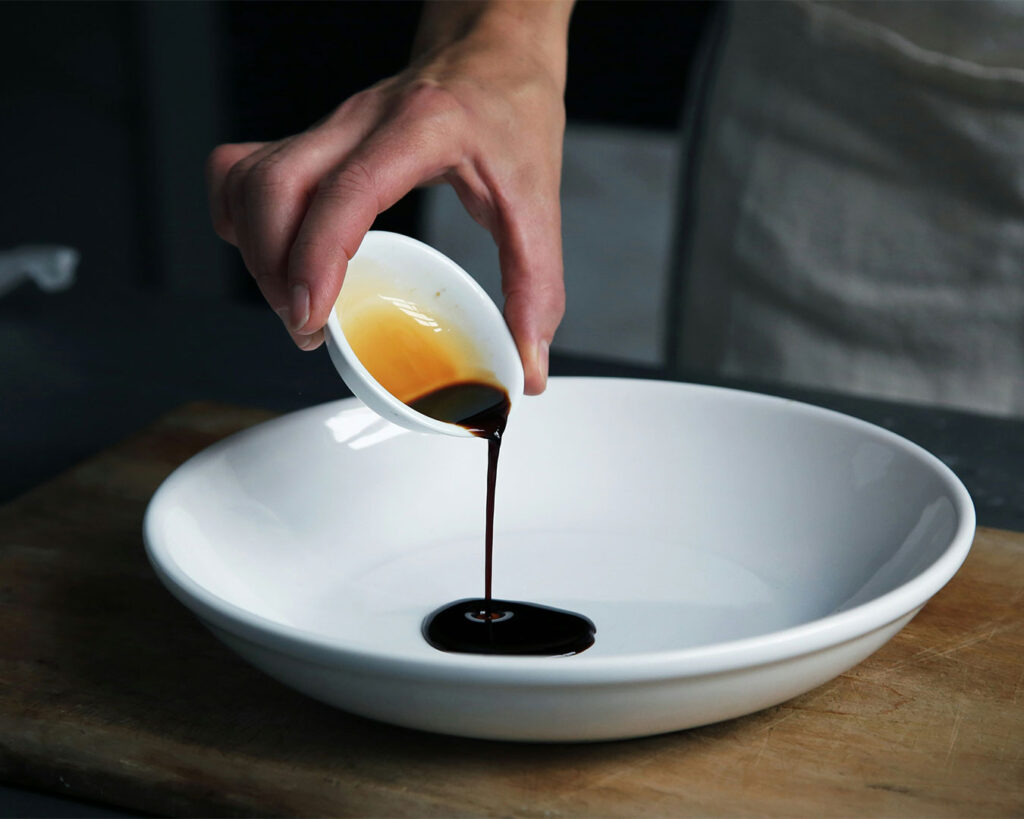
The foundation of almost all Japanese dishes is the broth. Whether it is a soy based liquid for dipping sauce or a complex dashi broth for miso soup, the balance of umami is essential.
Broth Variations in Japanese Noodles
In the world of noodles, the broth defines the region. Ramen noodles might be served in a heavy tonkotsu or a soy based soup. Udon noodles often swim in a lighter, clearer dashi. Soba noodles, made from buckwheat flour, are frequently served with a chilled dipping sauce made from soy sauce and mirin.
The broth for soup curry is inspired by these traditions but forged into something unique. It is not quite a miso based broth and not quite a traditional dashi. It is a specialised creation that requires high heat and precision to ensure the spices are bloomed correctly without becoming bitter. This attention to detail is what sets authentic regional Japanese cuisine apart from generic versions.
Why Soup Curry Is the Ultimate Comfort Food
There is a certain “soul food” quality to soup curry that is hard to find elsewhere. It lacks the pretension of fine dining but possesses a depth of flavour that rivals the most expensive menu items in the city.
A Healthier Alternative
Because it is a soup based dish rather than a roux-based one, it often feels lighter on the stomach. The inclusion of many dishes worth of vegetables in a single bowl provides a nutritional profile that is quite different from a standard bowl of ramen noodles. When you see the vibrant colours of the lotus root and eggplant against the golden-brown broth, you know you are in for a wholesome meal.
The experience of eating it is also deeply personal. Some prefer to soak their Japanese rice in the broth for a few seconds to let it absorb the flavour, while others like to keep the textures distinct. There is no wrong way to enjoy this delicious dish. At Soup Curry by Ki-Setsu, we focus on educating and inspiring our guests about this beloved soul food from Japan’s north.
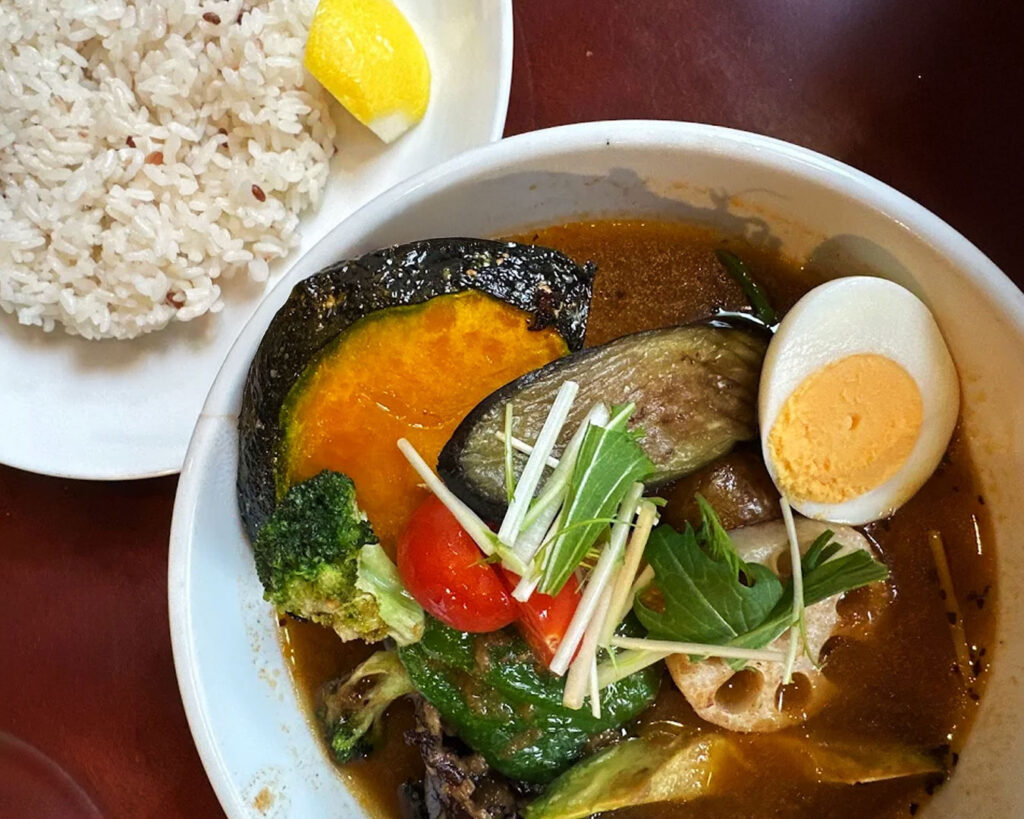
If you are looking to explore Japanese cuisine in Singapore beyond the usual suspects, seeking out establishments that specialise in regional traditions is the best approach. Authentic spaces are designed to feel like a warm kitchen in the heart of Sapporo.
Service and Philosophy
Authentic Hokkaido service focuses on warmth and accessibility. Most regional specialty spots operate throughout the day to accommodate different schedules. For example, Soup Curry by Ki-Setsu is open from 11:30 AM to 10:00 PM, Monday to Sunday.
For those who enjoy the bustling energy of a Japanese restaurant, lunch service is often perfect for walk-ins. We do not accept reservations for lunch, as we like to keep the space accessible for everyone craving a quick yet soul-warming bowl. If you prefer a more planned evening, we offer an exclusive dinner reservation slot at 6:30 PM. This is the only time slot available for booking, and we hold tables for a maximum of 15 minutes to ensure everyone can enjoy their dining experience comfortably.
The Importance of Tradition
In a world of fast food and fusion, maintaining the integrity of regional Japanese cuisine is vital. Authentic preparation avoids the runny batter or overly processed ingredients sometimes found in other establishments. Instead, the focus remains on the cooking methods that have made soup curry a staple in the northern part of Japan. From the way soy based seasonings are handled to the selection of local ingredients, every step should be a tribute to heritage.
Embracing the Diversity of Japanese Food
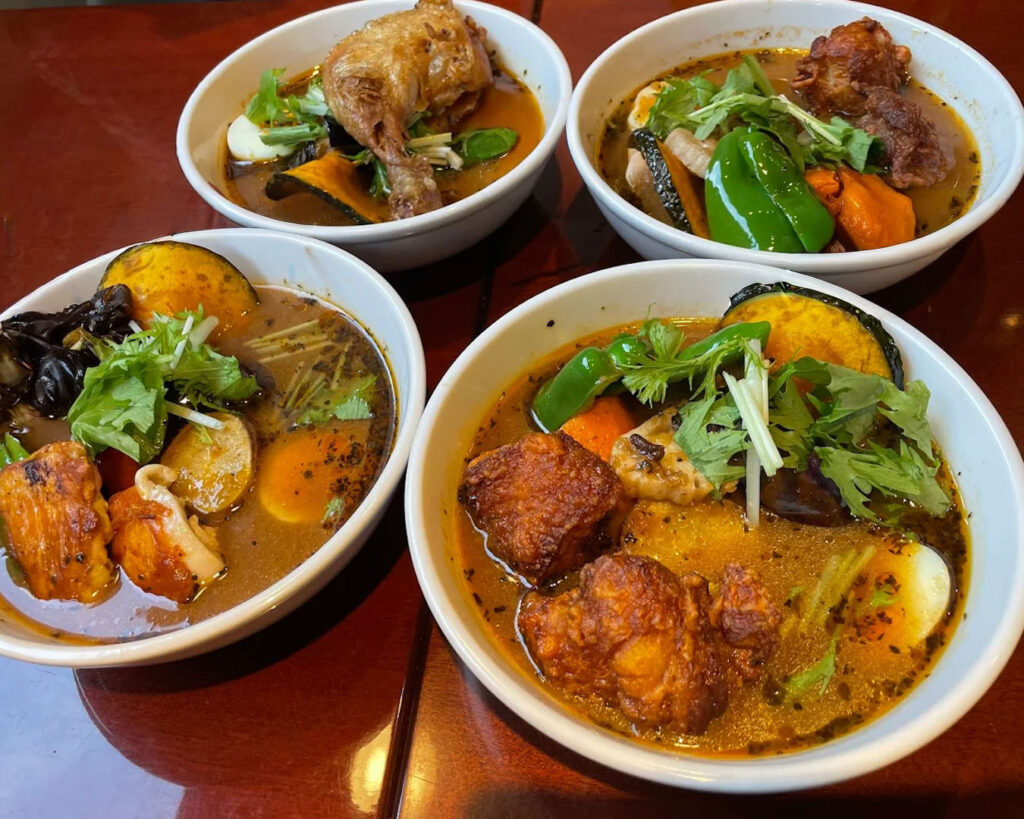
The rise of regional Japanese cuisine in Singapore is a testament to the local palate’s desire for authenticity. While sushi and ramen noodles will always have a place in our hearts, there is so much more to discover. From the wanko soba of Iwate Prefecture to the soup curry of Sapporo, the flavours of Japan are as varied as its landscape.
At Soup Curry by Ki-Setsu, we are honoured to bring the warmth and soul of Hokkaido to Singapore. We believe that a bowl of soup curry is more than just a meal; it is a warm embrace from the north. Whether you are here for the tender chicken, the crisp vegetables, or the aromatic miso based broth, we hope you find comfort in every spoonful.
Next time you are seeking a Japanese restaurant that offers something beyond the ordinary, think of the soul food of Sapporo. We look forward to sharing our passion, our culture, and our kitchen with you. Experience the true taste of Hokkaido right here in Singapore, where the spices are bold, the vegetables are fresh, and the welcome is always warm.