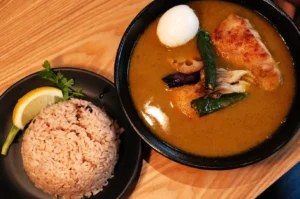
Japanese food is a staple in the local landscape, appearing in every corner from bustling food courts to high-end malls. However, for those who seek more than just a meal, the distinction between eating and experiencing is profound. In a city where choice is infinite, authentic Japanese dining serves as a cultural bridge, offering more than just sustenance. It provides a sense of place, a moment of calm, and a direct connection to the meticulous craft of Hokkaido and beyond.
At Soup Curry by Ki-Setsu, we believe that authenticity is the soul of hospitality. It is not merely about importing ingredients: it is about importing a philosophy of warmth and restorative nourishment. In Singapore, where the pace of life is relentless, the presence of a truly authentic Japanese restaurant offers a sanctuary where tradition meets the modern palate.
The Cultural Weight of Authentic Japanese Food
Authenticity in Japanese food acts as a guardian of heritage. When a kitchen stays true to its roots, it preserves the umami of history. For the Singaporean diner, this matters because it provides an honest reference point. Without authenticity, culinary traditions can become diluted, losing the very nuances that make them special.
A meal should tell a story of its origin. Whether it is the specific spice blend of a Sapporo-style soup or the precise way vegetables are prepared, these details matter. They transform a simple dining experience into a journey. When we maintain these standards, we ensure that the dialogue between Japan and Singapore remains rich, respectful, and delicious.
Beyond the Surface of the Japanese Restaurant
Many establishments adopt the aesthetic of Japan, but true authenticity is felt in the discipline of the kitchen. A Japanese restaurant is defined by its kodawari, which is the uncompromising pursuit of perfection in even the smallest tasks. This includes the clarity of a broth, the temperature of the rice, and the timing of the service.
In Singapore, where diners are increasingly sophisticated, the surface-level experience is no longer enough. Guests look for the heart behind the counter. They seek the comfort of a kitchen that treats every meal as an act of service. This dedication is what separates a generic eatery from a destination that people return to for years.
Redefining the Modern Japanese Restaurant through Soul Food
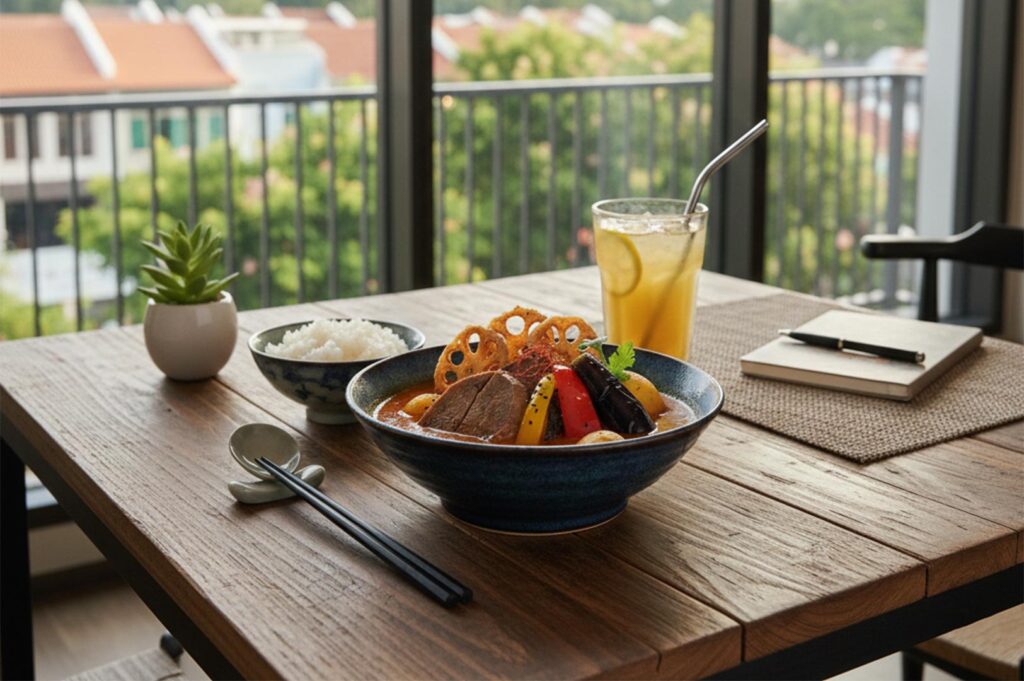
The rise of the modern Japanese restaurant has seen many innovative concepts enter the market. While some focus on fusion or high-tech delivery, the most successful ones are those that use modern techniques to enhance, rather than replace, traditional foundations. A modern interpretation of classic dishes allows us to cater to the contemporary lifestyle of Singaporeans without losing the soul food essence of the cuisine.
For us, this means bringing the rustic, hearty nature of Hokkaido’s soup curry to a city-state known for its love of bold flavours. It is about taking traditional Japanese patience and applying it to a dish that feels vibrant and current. This balance ensures that Japanese cuisine remains a living, breathing entity rather than a museum piece.
Why Technique Defines Japanese Dishes
The way Japanese dishes are constructed relies heavily on the shokunin, or craftsman, spirit. Every slice of a knife and every minute of simmering serves a purpose. In our kitchen, we pay close attention to cooking styles that highlight the natural profile of the ingredients.
For instance, the way we prepare our vibrant deep-fried vegetables, such as lotus root, bell pepper, and aubergine, follows specific Japanese cutting methods to ensure the perfect texture. This level of detail is why authenticity matters: it teaches the palate to appreciate the subtle differences that quality preparation makes.
The Essential Role of Miso Soup and Dashi in Every Meal
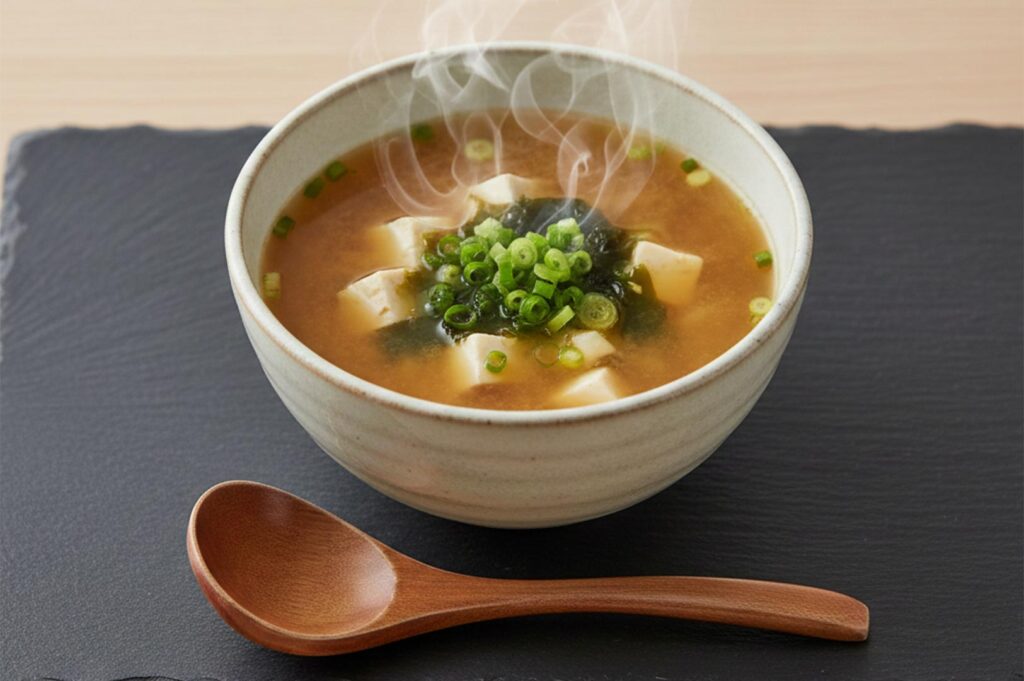
Even the most humble components, such as a bowl of miso soup, carry immense weight in the hierarchy of a meal. In many places, it is a mere afterthought, but in an authentic setting, it is a testament to the quality of the dashi. A well-crafted soup serves as a digestive aid and a palate cleanser, grounding the lunch or dinner experience.
In Singapore’s humid climate, the light yet nutrient-dense nature of Japanese soups provides a unique kind of refreshment. Whether it is the foundational miso or a complex, aromatic curry soup, these liquids are the lifeblood of the meal. They represent the warmth that we strive to provide to every guest who walks through our doors.
Why Quality Ingredients and Seasonal Produce Rule the Table
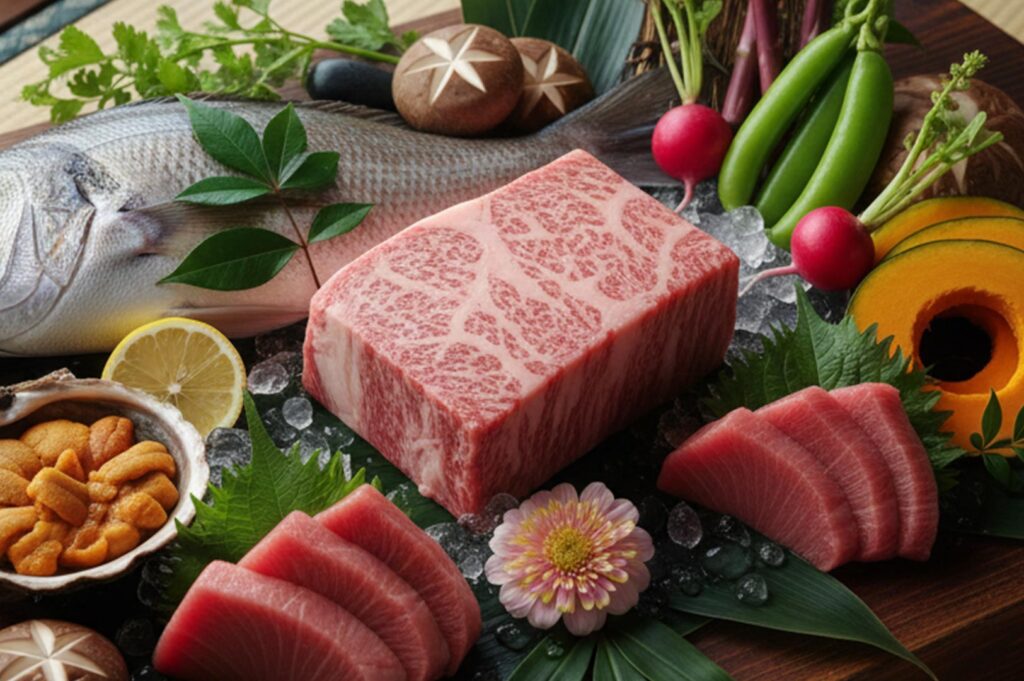
The philosophy of shun, which refers to eating ingredients at their absolute peak, is central to the Japanese dining ethos. Using seasonal produce is not just a culinary trend: it is a way of staying in harmony with nature. Even in Singapore, where we do not have four seasons, an authentic restaurant will source seasonal ingredients from Japan to reflect the changing cycles of the earth.
Curating a Seasonal Menu for the Discerning Guest
A seasonal menu allows a chef to showcase the best of what the world offers at any given moment. This might mean highlighting specific seafood during the winter months or lighter, crisper vegetables in the summer. For the diner, this creates an ever evolving selection that rewards repeat visits.
By focusing on quality ingredients, we build a relationship of trust with our guests. They know that when they order a dish featuring wagyu beef or fresh fish, it has been selected with rigorous standards. This commitment to quality is the cornerstone of why authenticity is so highly valued in the local food scene.
Elevating the Experience with Signature Dishes
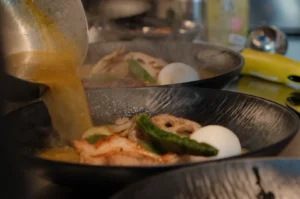
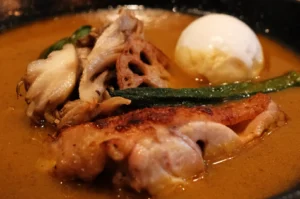
Every great restaurant is known for its signature dishes. These are the items that define the kitchen’s identity and showcase its unique strengths. In the context of Hokkaido cuisine, our focus is on the robust and aromatic soup curry. It is a dish that invites you to indulge in a symphony of spices and textures.
Authentic signature dishes act as an anchor for the menu. They provide a reliable, high-quality experience that guests can count on. Whether it is a tender beef tongue or a perfectly poached egg in a spicy broth, these elements create a sensory memory that lasts.
Transitioning from Lunch to an Izakaya-Style Dining Experience
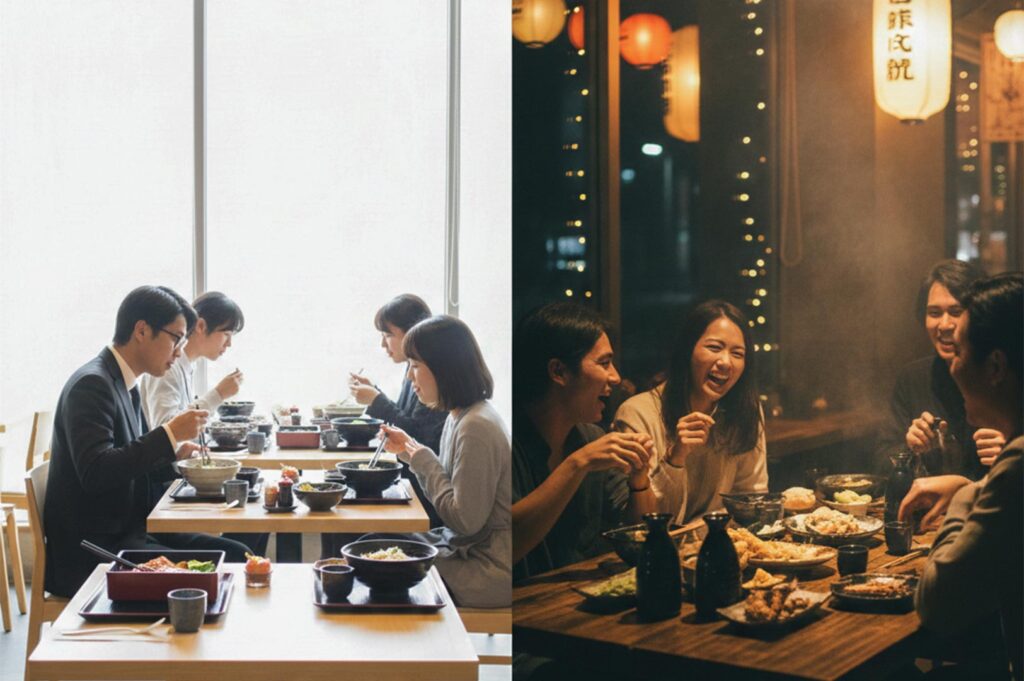
A significant part of the Japanese dining culture is its adaptability to the time of day. A space can be a bright, efficient spot for a quick lunch and then transform into a warm, inviting social hub for dinner. This versatility is essential in vibrant areas like Holland Village or One Holland Village, where the community’s needs shift as the sun goes down.
From 6 PM onwards, our establishment shifts its energy. The lighting dims, and the atmosphere becomes that of a cosy izakaya. This is where Japanese culture truly shines, specifically in the transition from the workday to a time of relaxation and connection.
The Art of the Social Table
In this evening setting, the dining experience becomes more communal. Guests might share an array of small plates, from sashimi to grilled meat, accompanied by a curated selection of sake or signature cocktails. This social aspect of Japanese dining is vital in Singapore, as it aligns with the local culture of sharing good food with great company.
Precision in Service and the Importance of the Last Order
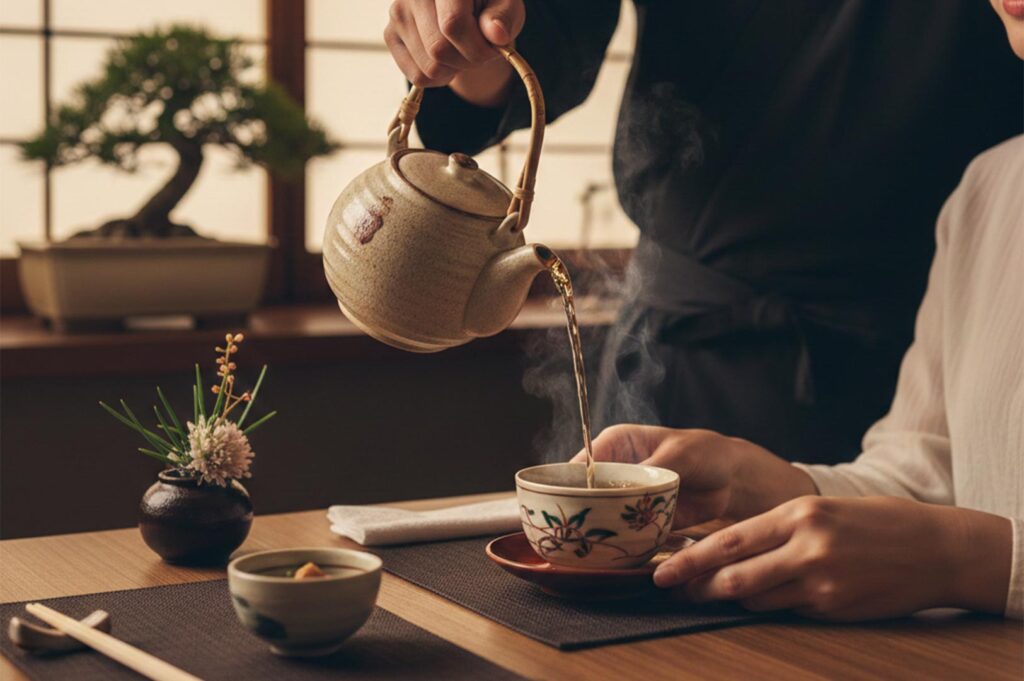
Authenticity is not limited to what happens in the kitchen: it extends to the table service. In a true Japanese restaurant, the staff are trained to be attentive yet unobtrusive. They understand the pacing of a meal and ensure that guests never feel rushed, yet are never left waiting.
Respecting the Ritual of the Meal
Even the timing of the last order is handled with a level of respect for the diner’s time. It is not merely a closing time: it is the final opportunity to ensure the guest’s needs are met before they finish their total bill and head home.
This level of hospitality, known as omotenashi, is why people seek out authentic experiences. It makes them feel valued and cared for, which is the ultimate goal of any restaurant.
Fine Dining Standards in a Welcoming Atmosphere
There is a misconception that fine dining must be stiff or intimidating. Authentic modern Japanese cuisine proves that you can have world-class fresh ingredients and expert cooking in a space that feels like home. You do not always need a minimum spend or a tuxedo to enjoy a meal that has been prepared with the highest level of culinary art.
The soul food of Hokkaido, specifically our soup curry, is a perfect example of this. It uses the same rigorous standards as a high-end sushi bar, utilizing top-tier rice, fresh produce, and complex broths, but serves them in a way that is comforting and accessible. This is the future of Japanese dining in Singapore: high-quality, authentic food that fits into your daily life.
Why the World Looks to Japan for Culinary Inspiration
From Tokyo to Singapore, the influence of Japanese cuisine is undeniable. It has set the global standard for how to treat fish, beef, and even simple vegetables. The focus on the natural flavour of the food rather than masking it with heavy sauces has changed the way the world eats.
By maintaining an authentic Japanese restaurant in the heart of Asia, we contribute to this global appreciation. The reach of this influence extends even to iconic shopping destinations like Raffles City Shopping Centre, where visitors expect a certain standard of excellence. Similarly, residential hubs like Thomson Plaza rely on authentic spots to provide quality nourishment to families. This widespread demand proves that the soul of Japan has found a permanent home in Singapore.
The Lasting Impact of Authentic Flavours
Ultimately, authentic Japanese dining matters in Singapore because it enriches our lives. It offers a moment of connection to a culture that values precision, nature, and heart. In a fast-moving city, the warmth of a bowl of curry and the quiet hospitality of a dedicated chef provide a much-needed sense of balance.
At Soup Curry by Ki-Setsu, we are proud to be a part of this landscape. We invite you to sit at our table, breathe in the steam from a fresh bowl of soup, and experience the true soul of Hokkaido. When the dishes are cleared and the last order is placed, we hope you leave feeling more than just full: we hope you leave feeling restored.