Singapore has long enjoyed a deep love affair with Japanese food, yet our familiarity often narrows our expectations. Many immediately think of raw fish or quick udon noodles, seeing Japan’s cuisine as either ultra-luxurious or fast and clinical. This limited view overlooks the soulful, rustic, and diverse reality of regions like Hokkaido.
The common perception of Japanese dining in Singapore tends to two extremes: high-end omakase or sushi belts. While both have their place, they represent only a fraction of true Japanese food culture. Authentic dishes are often hearty, steaming hot, and designed to comfort, especially in northern Japan’s harsh climate.
The Myth of the Cold Meal and the Reality of Japanese Dining
One of the most persistent misconceptions is that Japanese cuisine is primarily a cold affair. Because sushi and sashimi are so dominant in the international landscape, many diners assume that the pinnacle of the cuisine is found in the refrigerator. In reality, the Japanese diet is deeply rooted in the seasons, and warmth is a central pillar of the dining experience.
When we look at traditional Japanese homes, the meal is almost always centered around a hot bowl of rice and a steaming miso soup. This combination is the heartbeat of the culture, providing a base of dashi and fermented soy sauce notes that ground every other dish.
In Singapore, we often treat the soup as an afterthought, a salty liquid to wash down our fish. However, in the true tradition, the soup is a craft in itself, often featuring seasonal ingredients like bean sprouts, fish cakes, or local vegetables.
Why a Japanese Restaurant is More Than Just Sushi and Tempura
If you walk into a typical Japanese restaurant in Singapore, the menu is often a “greatest hits” compilation. You will see tempura, sushi, sashimi, and perhaps some grilled meat. While these are delicious, this “generalist” approach has led many to believe that Japanese food is a static list of items. This overlooks the incredible regionality of the country.
Regional Diversity: Every prefecture has its own cooking styles. While one area might be famous for fresh fish, another might be the home of wagyu beef or specific types of fried poultry.
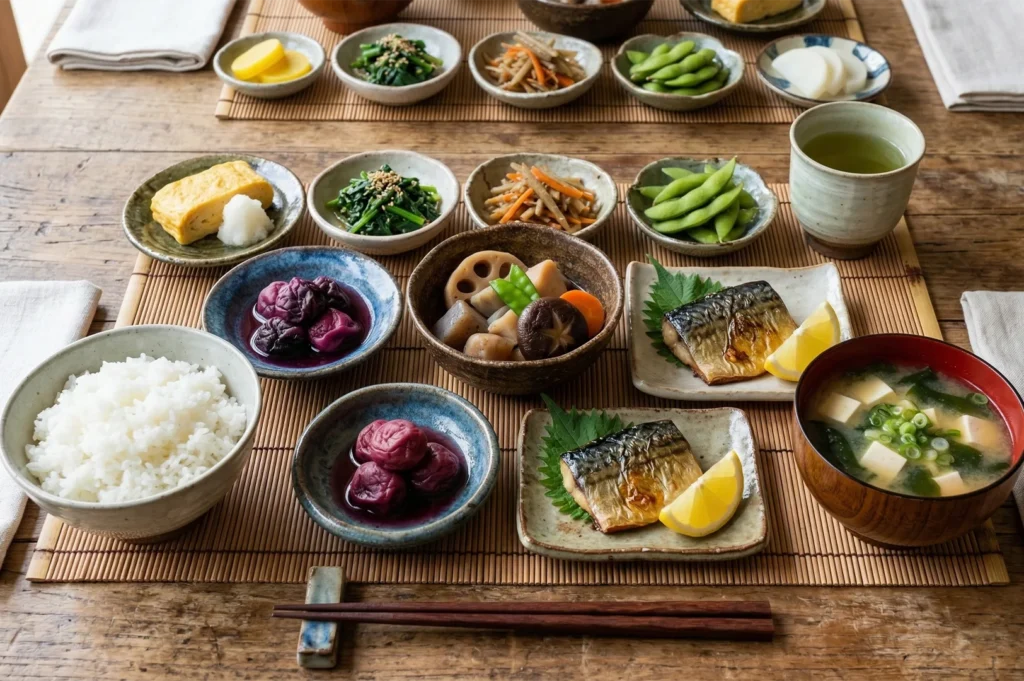
The Art of the Side Dish: In an authentic setting, side dishes (or okazu) are just as important as the main protein. These might include pickled plum, simmered vegetables, or various fish preparations that highlight fresh ingredients.
The Street Food Influence: We often forget the role of food stalls and casual lunch spots in shaping the food we love. Ramen and curry are perfect examples of dishes that transitioned from humble beginnings to global icons.
Many establishments in Singapore struggle to move beyond these stereotypes because they fear diners will not accept anything “different.” But the Japanese food culture is inherently adaptive.
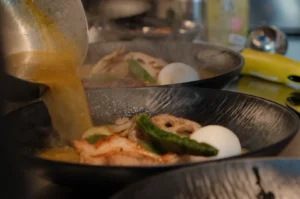
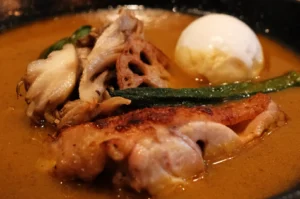
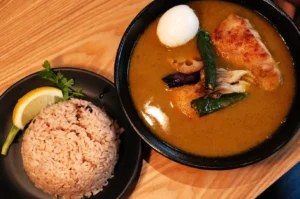
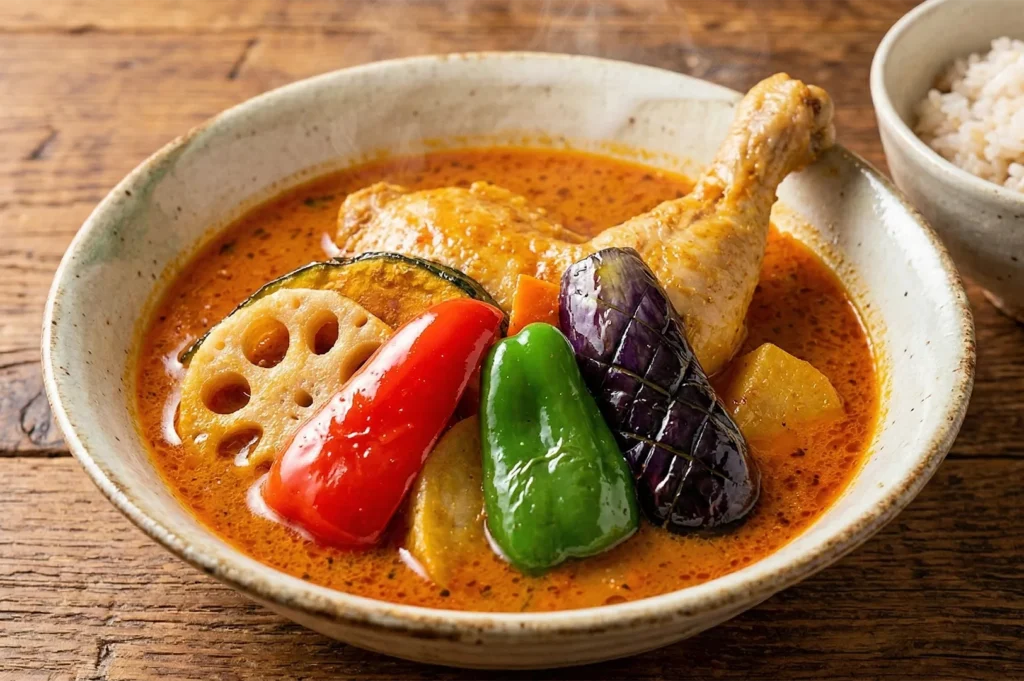
At Soup Curry by Ki-Setsu, we strive to break this cycle by introducing Singaporeans to the robust, spice-forward world of Hokkaido. It is not the mild, thick curry many expect; it is a vibrant, thin, and intensely aromatic soup that challenges the notion of what a Japanese curry should be.
Challenging the Fine Dining Label with Traditional Japanese Soul Food
There is a common belief that for Japanese cuisine to be “authentic,” it must be expensive and formal. This “zen” stereotype suggests that Japanese dining must be quiet, minimalist, and perhaps a bit intimidating. While the chef certainly treats their art with immense respect, the most beloved Japanese dishes are often found in bustling, warm environments.
The concept of “soul food” is vital here. In Hokkaido, the dining experience is about survival and celebration. It is about taking a bowl of rice and pairing it with a soup that has been prepared over many hours. This is not fine dining in the Western sense, but it is fine in its execution. The use of fresh ingredients, from the sweetness of a lotus root to the earthy snap of an aubergine, shows a level of care that rivals any Michelin-starred kitchen.
Beyond the Rice Bowl: The Complexity of Grains and Noodles
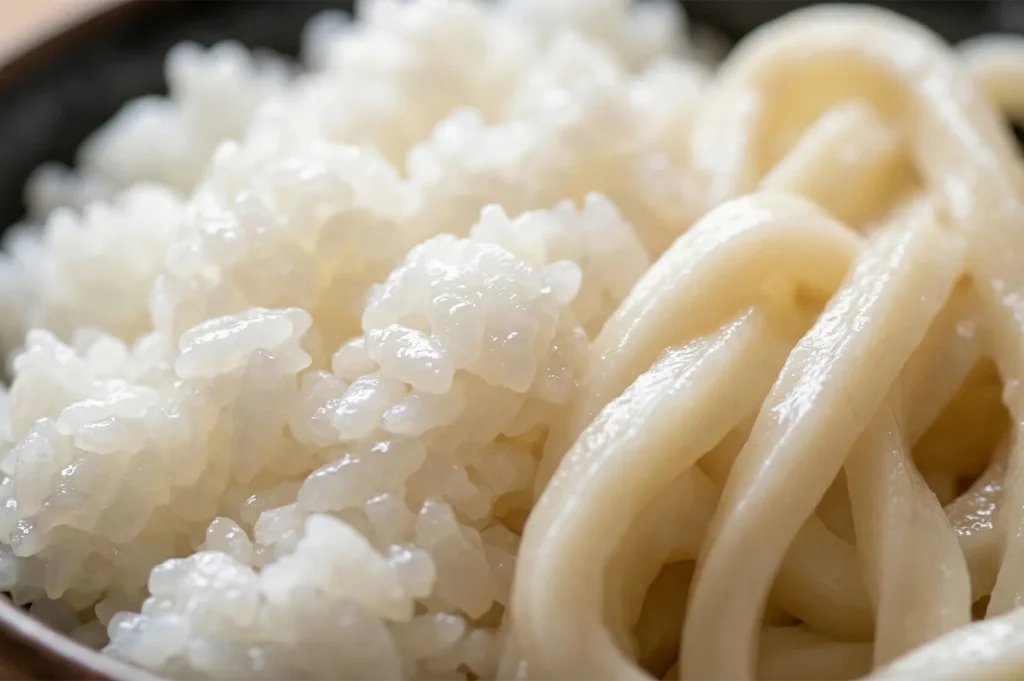
Another area where Singaporean perceptions are a bit limited involves our understanding of staples. We know sushi rice is seasoned with vinegar, and we know udon is a thick noodle. But the Japanese food culture treats these foundations with much more nuance.
Rice Quality: The rice served in many establishments is often generic. However, the choice of grain and the way it is steamed can change the entire taste of a meal. It should be fluffy, slightly sweet, and able to stand up to rich broths.
Noodle Texture: Whether it is udon noodles or ramen, the “mouthfeel” is a science. In Japan, the firmness of the noodles is often customised to the diner’s preference, something we are only just beginning to see more of in Singapore.
The Role of Dashi: Almost everything, from side dishes to the main soup, relies on a high-quality dashi. This broth, made from kombu and bonito flakes, is the invisible thread that ties all Japanese dishes together.
By looking beyond the simple rice bowl, we begin to see the incredible craftsmanship involved in even the most “basic” components of a meal. When you eat at a place that values these details, you aren’t just consuming calories; you are experiencing a tradition that has been refined over centuries.
The Misunderstood Japanese Restaurant: Izakaya vs. Formal Dining
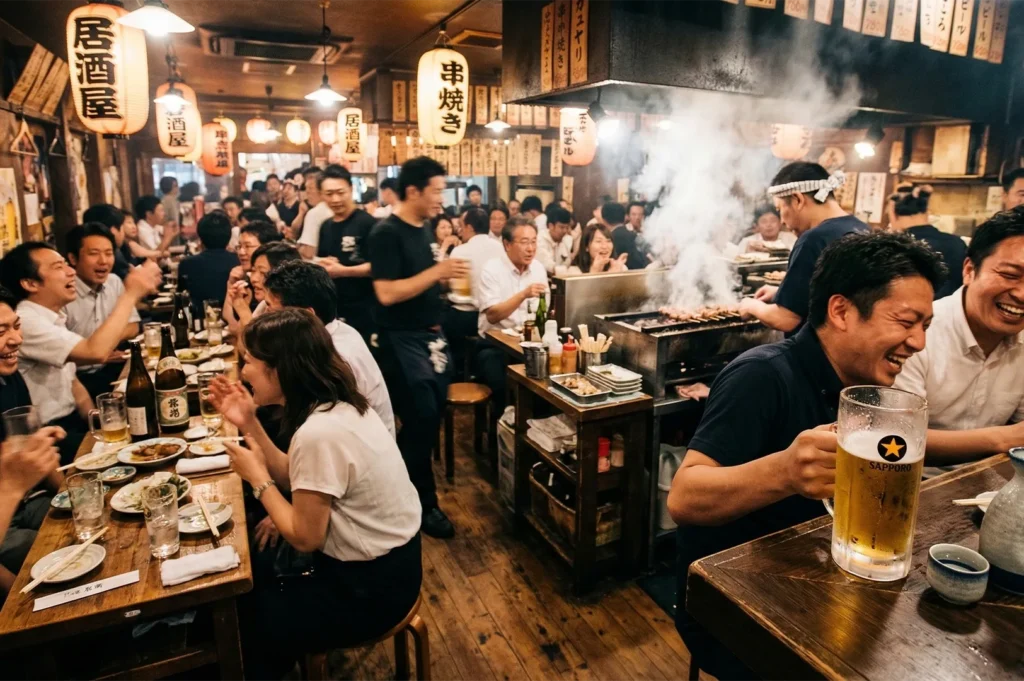
In Singapore, we often separate “drinking places” from “eating places.” But in the heart of Tokyo or Sapporo, the line is beautifully blurred. The social spirit of izakaya is a cornerstone of Japanese culture, a place where diners can enjoy sake, tea, or beer alongside an array of delicious dishes.
This is not just for special occasions. It is a part of daily life. An izakaya offers a different kind of Japanese dining: one that is loud, cheerful, and deeply social. You might have grilled meat, fried snacks, and fresh fish all in one sitting. It is the antithesis of the “cold and quiet” stereotype.
We embrace this duality. As the sun sets, our space transitions into a cosy, welcoming environment that mirrors this Japanese culture. It allows people to experience Japanese cuisine as it was meant to be enjoyed: with friends, good drinks, and a variety of other dishes that showcase the chef’s versatility. It is about the dining experience as a whole, not just the individual dishes on the menu.
Fresh Fish and Raw Fish: Not Always the Same Thing
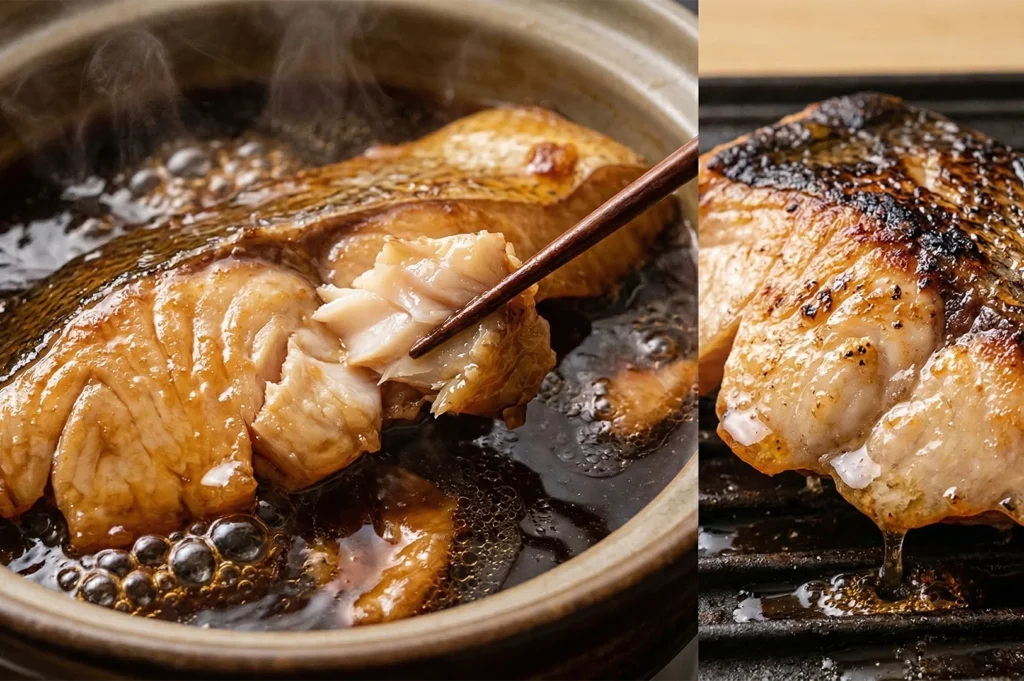
It is a common mistake to equate “freshness” exclusively with raw fish. While sashimi is a wonderful way to enjoy the bounty of the sea, the Japanese are masters of seafood in all its forms. Fresh fish can be grilled, simmered in soy sauce, or even incorporated into rich broths.
In Hokkaido, the seafood is legendary, but it isn’t always served raw. The cold waters produce fish with higher fat content, which tastes incredible when prepared with heat. By only focusing on sushi, Singaporeans miss out on the incredible variety of cooked fish that defines northern Japanese food.
The same applies to vegetables. We often think of Japanese greens as simple garnishes or side dishes. However, a true Japanese restaurant will treat a bell pepper or a potato with the same reverence as a piece of wagyu beef. When these fresh ingredients are flash-fried and served in a steaming bowl of curry, they retain a crunch and sweetness that is often lost in more generic cooking styles.
The Future of Japanese Food in Singapore: Seeking Authenticity
As our palates evolve, it is time for Singapore to move past the surface-level understanding of Japanese cuisine. We need to start asking for more than just sushi and ramen. We should seek out the authentic food that tells a story of a specific place and time.
Soup curry is a perfect example of this. It is a dish born from a desire for comfort, health, and bold flavour. It doesn’t fit the “mild” stereotype of Japanese curry, nor does it fit the “cold” stereotype of Japanese dining. It is its own entity: a delicious marriage of rich broths, fresh ingredients, and the soul of Hokkaido.
When you step into Soup Curry by Ki-Setsu, you are stepping away from the clichés. You won’t find a generic menu designed to please everyone by offering everything. Instead, you find a focused, passionate dedication to a specific tradition. This is the future of the Japanese restaurant in Singapore: specialised, authentic, and unafraid to show the “messy,” hot, and hearty side of Japan.
Embracing the Full Spectrum of the Japanese Diet
To truly appreciate Japanese food, we must embrace the full spectrum of the Japanese diet. This means:
Recognising that miso soup is a complex craft, not a salty powder mix.
Understanding that raw fish is just one way to enjoy the ocean.
Appreciating the role of vegetables and side dishes in creating a balanced meal.
Accepting that Japanese cuisine can be spicy, robust, and incredibly filling.
By breaking through these stereotypes, we open ourselves up to a much richer dining experience. We move from being mere consumers of a “trend” to being participants in a deep and storied culture. Whether it is a quick lunch of a rice bowl or a long evening spent over sake and grilled meat, every interaction with Japanese food is an opportunity to learn something new about the world.
Finding the Soul of Hokkaido in Singapore
Singapore’s journey with Japanese food is far from over. As we begin to look past the sushi and the fine dining labels, we discover a world of flavour that is much more grounded and “human” than the stereotypes suggest. The warmth of a rich broth, the snap of fresh ingredients, and the communal joy of an izakaya are the true heart of Japanese culture.
We are proud to be a part of this cultural shift. By bringing the authentic food of Sapporo to our shores, we hope to show that Japanese cuisine is not just about precision and cold plates. It is about warmth, soul, and the simple pleasure of a beautifully prepared meal. Next time you think of Japanese dining, remember that there is always more to discover beneath the surface.