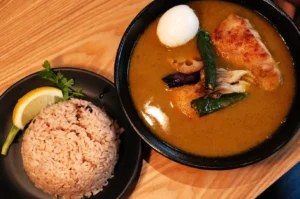
The secret to a truly evocative bowl of Hokkaido style curry lies not merely in the ingredients themselves, but in the deliberate transformation of those components before they ever meet the liquid base. For many, the idea of spice usage is limited to sprinkling powder into a simmering pot. However, the true essence of an authentic soup curry is unlocked through the technique of blooming spices in hot oil. This process, which we practise daily in our kitchen, draws out the volatile oils within the dry spices, creating a depth of flavour that defines this beloved soul food.
When we speak about the magic of Hokkaido soup curry, we are really talking about the chemistry of heat and aromatics working in harmony. Unlike traditional Japanese curry, which relies on a heavy roux to provide substance, our approach focuses on the clarity and resonance of the spices. By blooming them, we ensure that every spoonful is vibrant and distinct. It is a transformative process that turns raw, dry ingredients into a complex, aromatic symphony, ensuring that your meal is as fragrant as it is nourishing.
Harnessing the Power of Curry Powder
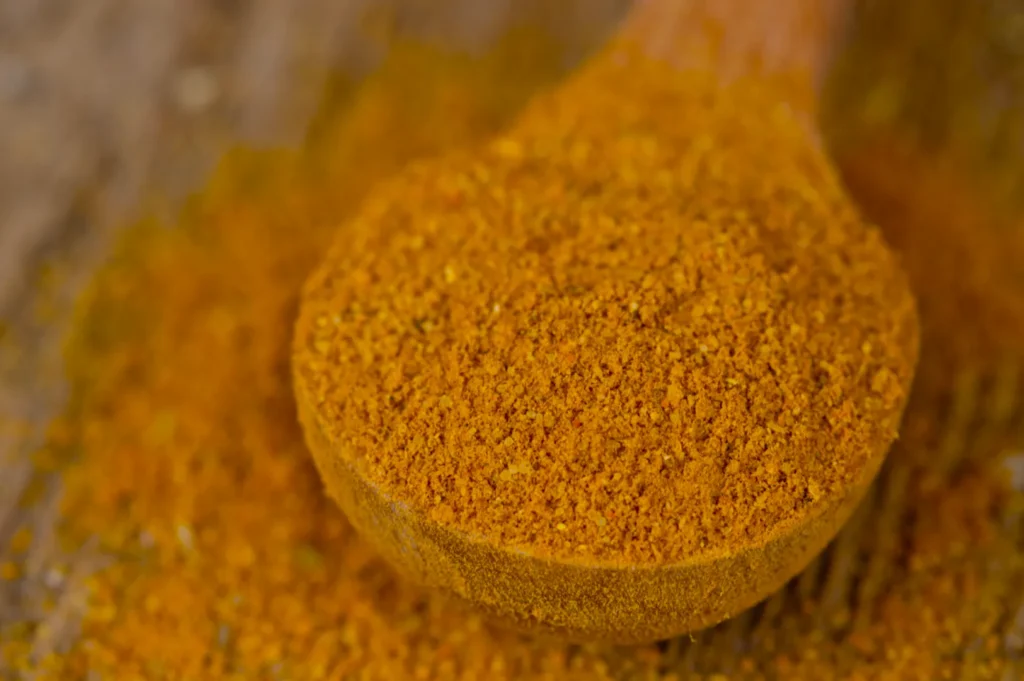
The journey begins with the base aromatics. Many home cooks make the mistake of adding curry powder directly to the water or stock. When you add powder to a liquid, it never truly integrates; instead, it tends to taste slightly raw or grainy. To harness the full potential of your curry powder, you must first introduce it to a medium where it can shed its dry character. In our kitchen, we gently stir fry our spice blends in a small amount of neutral oil over medium heat.
As the oil begins to shimmer, the curry powder undergoes a noticeable change. The colour deepens and the kitchen is flooded with a rich, toasted scent. This signifies that the fat-soluble flavour compounds have been activated. When you then add your diced onion or other aromatics, the spices coat them, ensuring that the foundational layers of your curry soup are already singing with flavour. This method is the difference between a flat, muted base and one that dances on the palate.
Balancing Your Garam Masala for Depth
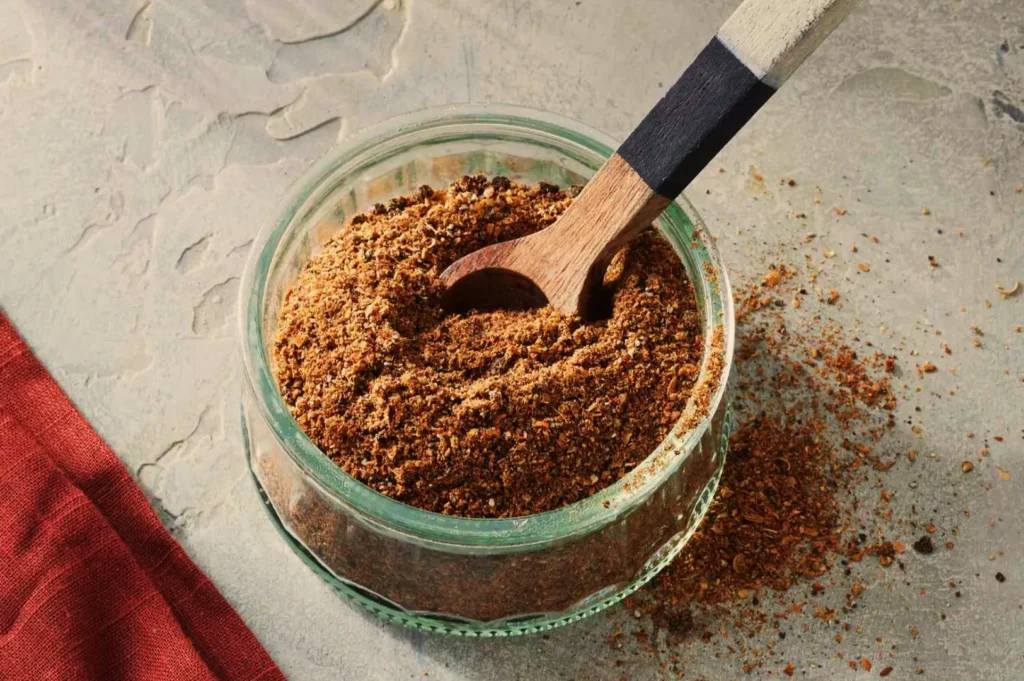
Once the base curry powder has bloomed, it is time to consider the finer, more delicate spices. Garam masala is a classic finishing blend, but adding it too early or in the wrong way can lead to a loss of its characteristic warmth. We prefer to add our proprietary spice blends at precisely the right moment to maintain their integrity. By adding the garam masala after the initial bloom, we ensure that the top notes of cinnamon, cardamom, and cloves remain sharp and fragrant.
When you master the timing of adding your garam masala, you are effectively layering the flavour. You have the grounded, earthy notes from the initial blooming and the bright, floral notes from the later addition. This is how we achieve the sophisticated profile that guests expect when they dine with us. It is an act of patience and precision, one that ensures the final result is never one-dimensional. This technique is equally important if you are searching for a specific soup curry recipe that captures the spirit of Sapporo.
The Foundation of a Rich Curry Soup
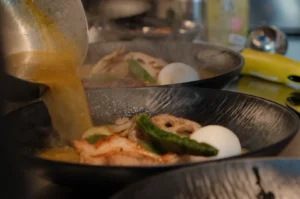
The liquid component must be robust enough to hold these spices without becoming muddy. While many establishments rely on water, we believe that a well-crafted chicken broth is non-negotiable. This base provides a savoury platform that allows the spices to shine rather than compete. We spend hours simmering chicken bones to extract the gelatin and marrow, which provides a natural, silken texture to the curry soup.
When this rich broth is poured over your bloomed spices, it acts as an emulsifier. The fat from the oil, now infused with spice, mingles with the proteins in the chicken broth to create a light, luxurious texture. If you choose to eat soup curry the traditional way, you will notice that it has a drinkable quality that heavy, flour-thickened curries lack. It is a dish designed to nourish, providing a perfect balance of hydration and intense, focused spice.
Integrating Chicken Broth and Aromatic Bases
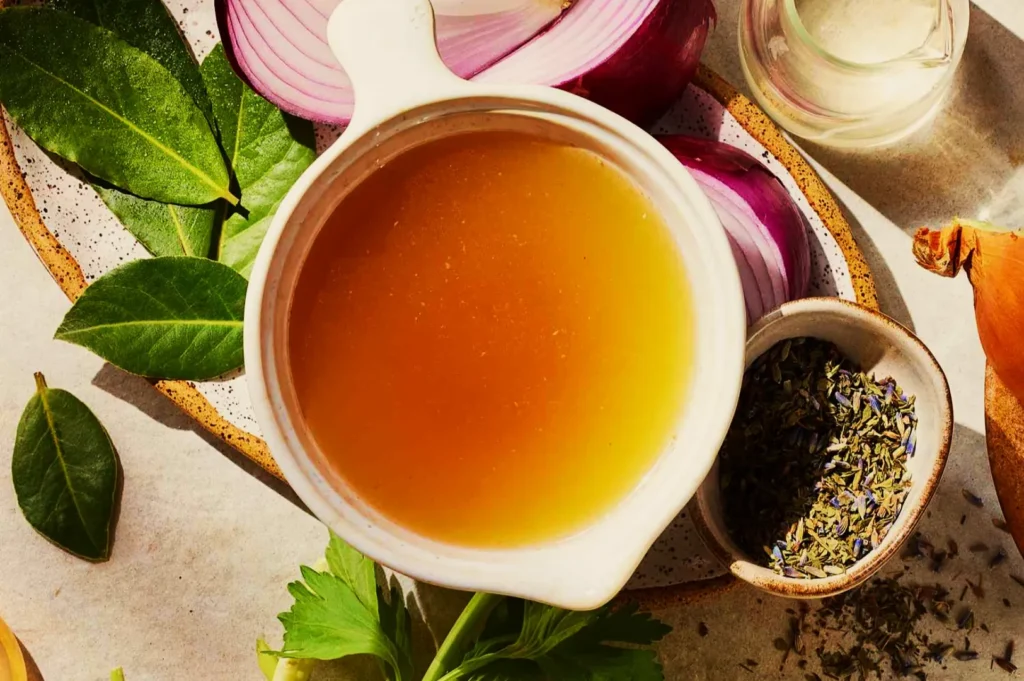
The relationship between your stock and your spices is symbiotic. We often incorporate tomato paste alongside our chicken broth to provide a subtle acidity that cuts through the richness of the fat. When the blooming process is executed correctly, the tomato paste and chicken stock unite with the oil-based spices to create a unified curry broth that is both complex and refreshing.
If you are using an instant pot or a standard stockpot, the principles remain the same. Ensure your aromatics like grated ginger and diced onion are well-softened before introducing the spices. By controlling the heat, typically maintaining a medium heat, you prevent the spices from burning. A burnt spice is bitter, but a perfectly bloomed spice is the secret to a professional-grade curry broth that feels homemade and authentic.
Creating Synergy with Curry Powder and Garam
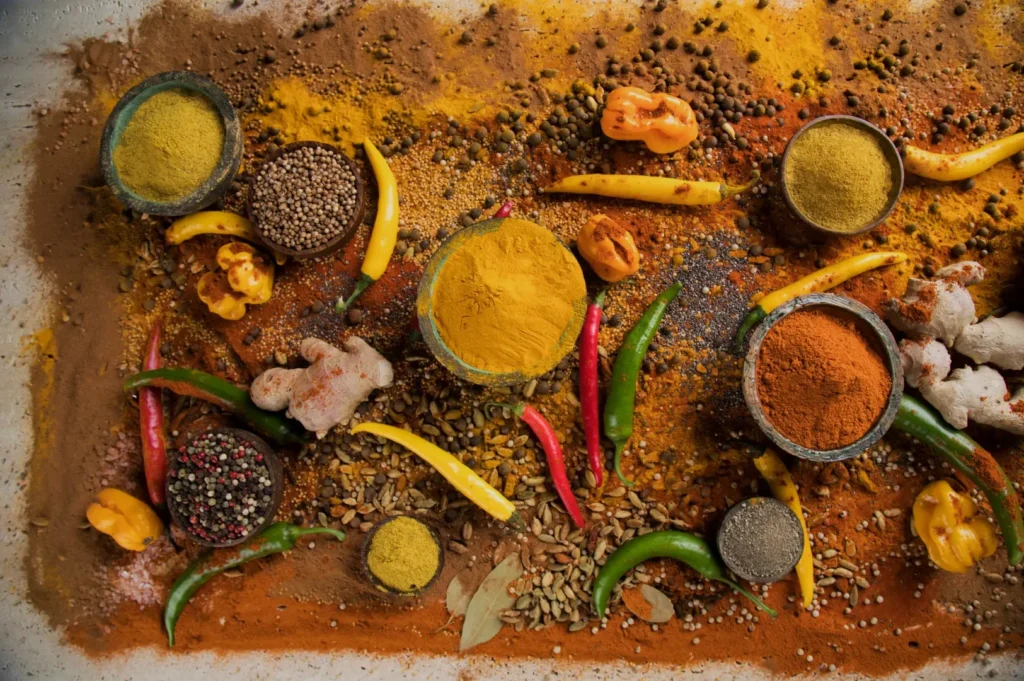
When we discuss the combination of curry powder and garam, we are talking about a curated balance. For us, the curry powder serves as the body, providing the foundation of turmeric, cumin, and coriander. The garam masala acts as the soul, providing the elusive, warm aromatics that make the dish memorable. You should never see these as separate entities; rather, they are partners in a process that transforms your base liquid into something truly extraordinary.
We have seen many enthusiasts experiment with this ratio. Some prefer a bolder, spicier profile, while others lean towards a more subtle, fragrant approach. Regardless of your preference, the blooming process remains the standard for excellence. When you bloom these ingredients together, they interact on a molecular level. The result is a much smoother, more cohesive flavour than if they were added independently at the end of the cooking process.
The Vital Role of Deep Fried Vegetables
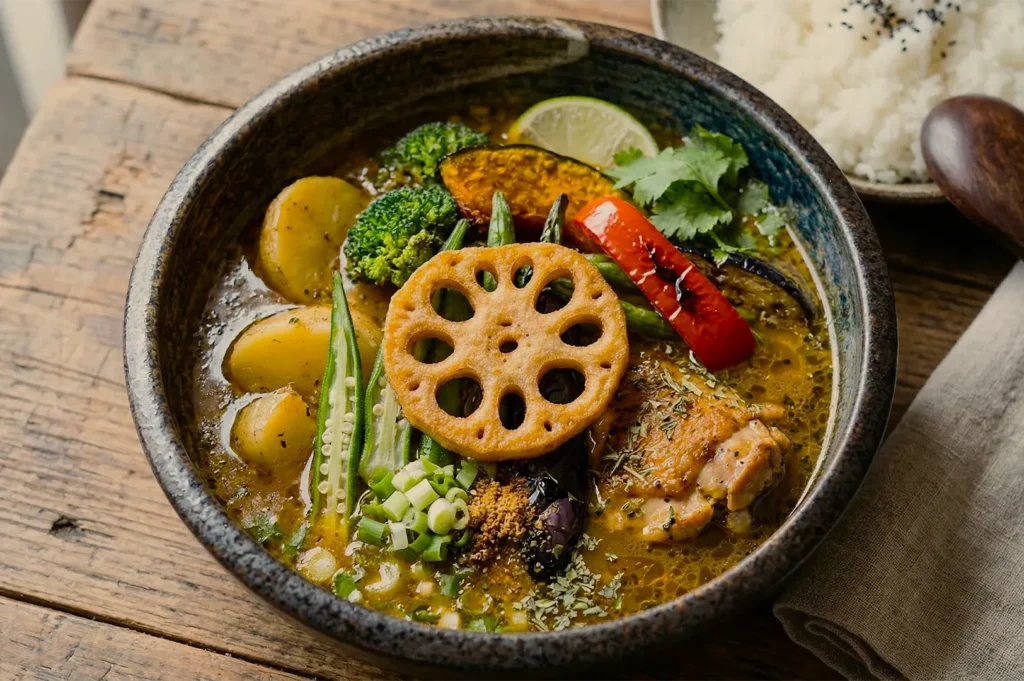
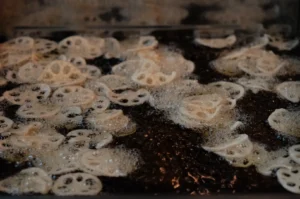
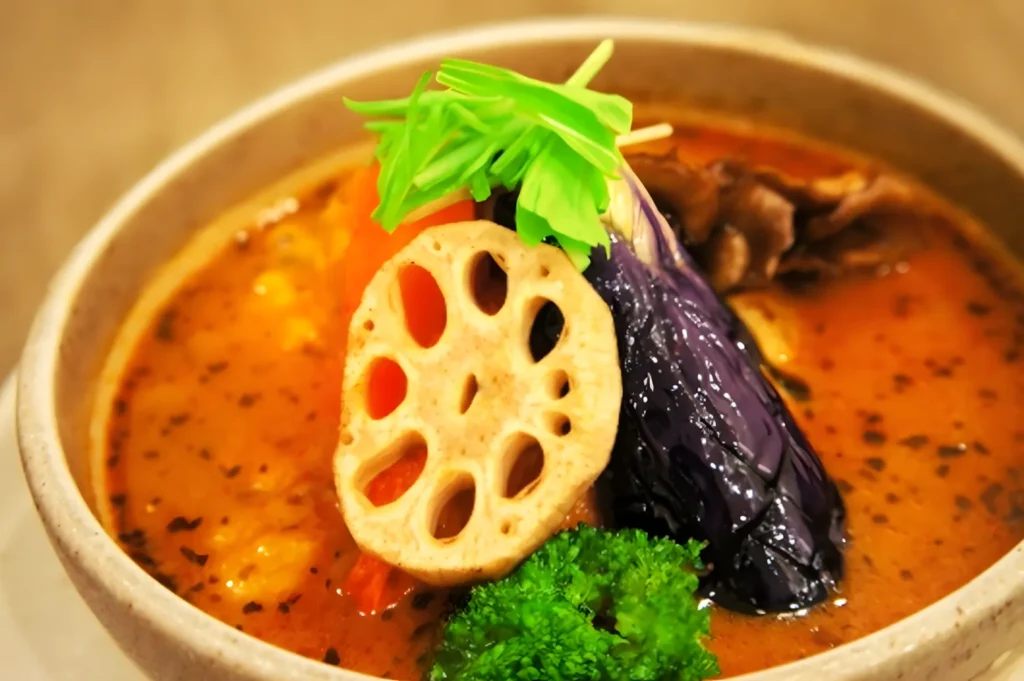
Once the soup is prepared, the components that sit inside it become the focus. We are famous for our vibrant, deep fried vegetables. The technique of frying these separately is crucial. By taking the time to deep fry your ingredients, you add another layer of flavour that interacts beautifully with the aromatic soup. Whether it is the earthy sweetness of kabocha squash or the crisp, neutral snap of lotus root, these fried vegetables bring a distinct character to each bowl.
When we prepare our vegetables, we use Japanese cutting methods to ensure they are the right size for even cooking. The goal is to reach a beautiful golden brown exterior while ensuring the inside remains tender. Once they are pulled from the oil, we drain them on a wire rack. This is a vital step; it ensures that your bowl does not become greasy. You want the flavour of the vegetable to be enhanced by the light, crispy crust, not masked by excess oil.
The Art of Combining Fresh Vegetables
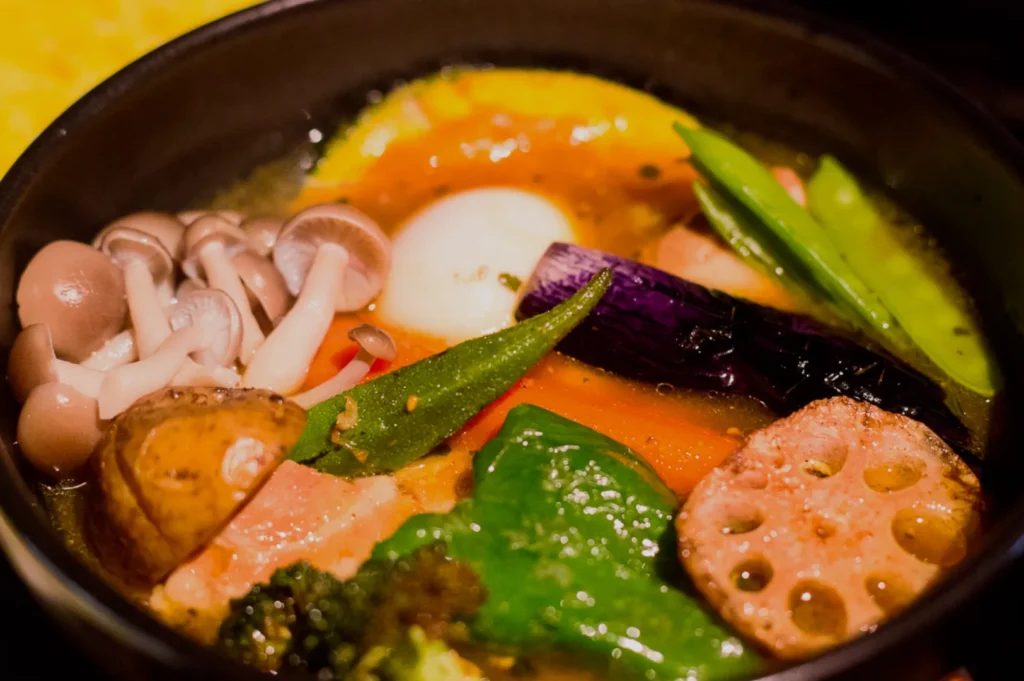
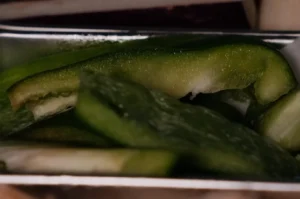
The final assembly is where all your hard work pays off. We take great care in selecting fresh vegetables that provide a contrast in colour and texture. Bell peppers add a slight sweetness and a vibrant pop of red and green, while broccoli and aubergine provide a soft, absorbent quality that is perfect for soaking up the curry broth.
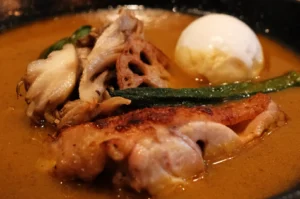
When these fresh vegetables are added to the bowl, they are not just garnish; they are an integral part of the meal. We place them carefully, ensuring that each piece can be dipped into the soup. This is why we serve our soup in deep, wide serving bowls. It provides the space needed for the guest to interact with the dish, whether they are taking a bite of the chicken or enjoying a spoon of the aromatic liquid.
Achieving Authentic Soup Curry at Home
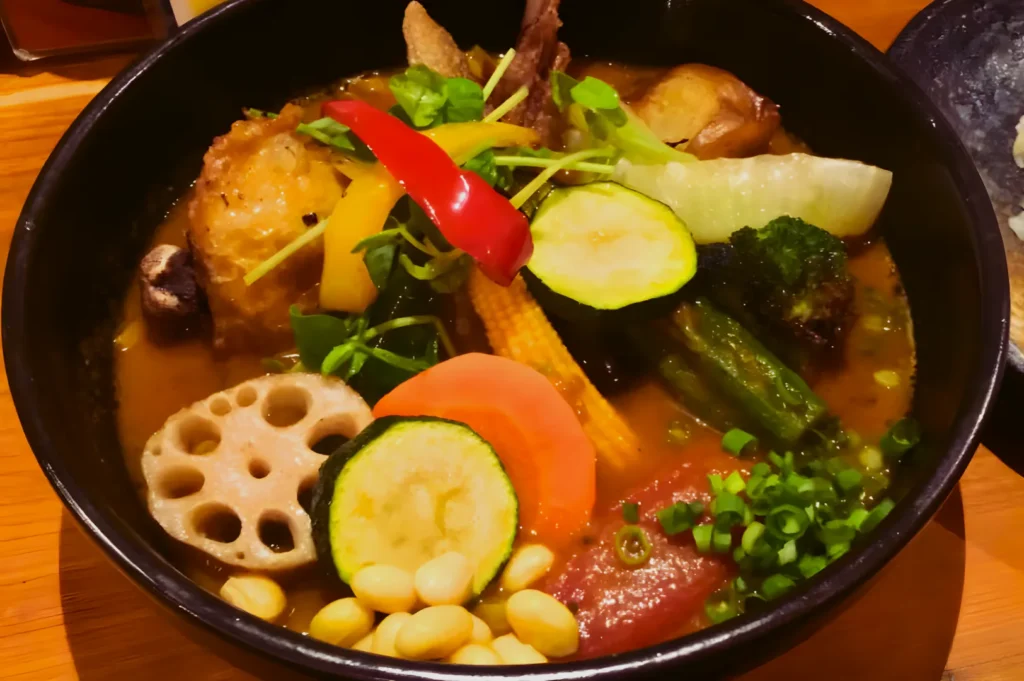
For those who want to bring the spirit of Soup Curry by Ki-Setsu into their own kitchen, remember that authenticity is in the details. Do not be afraid of the blooming process. It requires focus and attention, but the reward is a dish that tastes like it came from a traditional shop in Hokkaido. From the way you treat your chicken thighs to the precise moment you add your spices, every decision affects the final outcome.
If you find that your curry feels a bit one-dimensional, revisit your blooming technique. Are your spices fragrant before you add the liquid? Is your oil hot enough? These small refinements are the hallmarks of a good cook. Whether you are using chicken legs or a mix of pork bones for your base, the logic remains: bloom your spices, enrich your broth, and celebrate the integrity of your ingredients.
As we see more people in Singapore taking an interest in the nuance of spice preparation, it’s clear that diners are seeking an experience, not just a quick meal. Whether at our table or yours, the goal of soup curry is to provide comfort through a dish that is both light and intensely flavoured, balancing the intensity of spice with the freshness of seasonal produce. We hope that when you join us for a meal, you appreciate the labour of love that goes into every bowl and that this knowledge helps you find new joy in your own kitchen. Remember, the blooming process is the key to unlocking the true potential of your spices and the secret to a bowl that resonates with the soul of Hokkaido.