When stepping into a traditional Japanese tavern after a long, demanding day, there is an immediate, comforting familiarity in how the evening unfolds. Before deep conversations begin or larger main dishes arrive, the table naturally comes alive through a classic trio of small plates. Edamame, karaage, and yakitori are not merely popular appetisers; they are the fundamental anchors of the entire izakaya dining ritual.
Each of these three dishes serves a distinct purpose in transitioning diners from the frantic momentum of the workday into a state of relaxed enjoyment. They set the cadence of the meal, pairing effortlessly with cold beverages while stimulating the palate for the culinary journey ahead. Understanding why this trio holds such an iconic status reveals the quiet brilliance behind Japanese tavern culture, a philosophy centered on balance, shared connection, and soul-warming comfort.
Edamame: The Opening Gesture of Unhurried Hospitality
The arrival of a warm bowl of salted edamame is the universal signal that the evening has officially begun. It is the simplest dish on the menu, yet its psychological importance to the izakaya experience cannot be overstated.
Edamame requires zero wait time, offering immediate satisfaction the moment you sit down. More importantly, it introduces an inherent element of tactile interaction to the table. Popping tender soybeans from their salted pods engages your hands, forcing a subconscious slowdown from the fast pace of the outside world. It is a humble, communal dish designed for sharing, bridging the gap between arriving at your table and settling into an unhurried, comfortable rhythm.
Karaage: The Masterclass in Golden Crispness and Juiciness
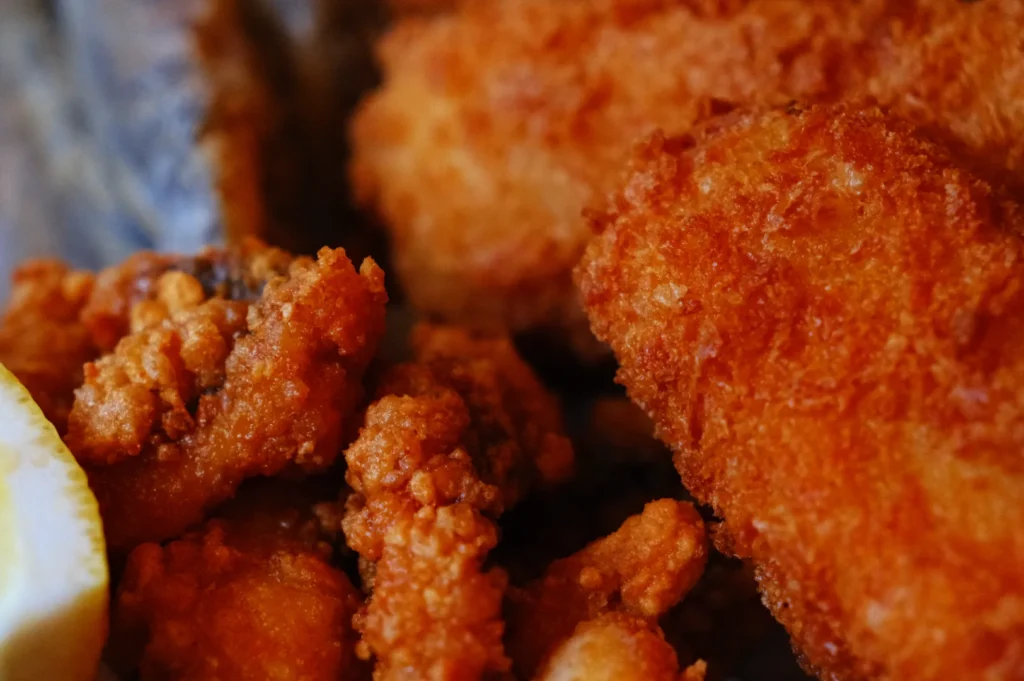
If edamame represents quiet simplicity, Japanese fried chicken, or karaage, brings savoury indulgence to the forefront. A staple of izakaya tables across Japan, exceptional karaage relies on a specialised culinary technique that separates it from standard western fried chicken.
Boneless chicken morsels are lightly marinated in soy sauce, ginger, and garlic, then lightly dredged in potato starch rather than a heavy wheat flour batter. When flash-fried, this creates an impossibly light, delicate outer shell that seals in the natural juices of the meat. The contrast between the satisfying crunch of the exterior and the tender, piping-hot chicken inside provides an immediate burst of savoury richness. It satisfies the craving for crispy, soul-coating comfort while keeping the palate eager for the next course.
Yakitori: The Art of Fire, Smoke, and Skewered Precision
Yakitori completes the foundational trio by introducing the elemental magic of open-flame cooking. These skewered, bite-sized pieces of chicken, grilled over intense heat, embody the dedication to single-ingredient mastery that defines Japanese culinary tradition.
Whether seasoned simply with coarse sea salt (shio) to highlight the quality of the meat or brushed with a savoury-sweet glazed tare reduction, charcoal-grilled skewers carry a delicate smokiness that elevates the entire dining atmosphere. Yakitori is designed specifically for casual, communal eating. Passing skewers across the table creates an easy, conversational flow, making it an essential element for any post-work gathering.
How the Izakaya Anchors Set the Stage for Northern Soul Food

While this legendary trio establishes the perfect rhythm for an evening out, a truly memorable night in an izakaya setting often builds toward a warm, deeply restorative centerpiece. As daylight fades and our space transforms into a cosy izakaya-style atmosphere after 6 PM, we watch our guests use these classic small plates as a preamble to an even richer northern tradition.
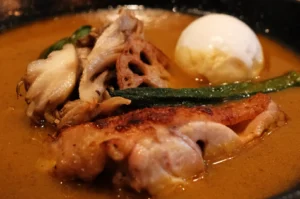
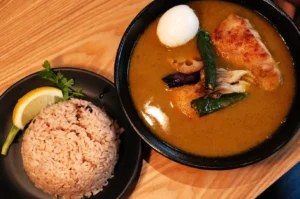
After enjoying light bites and cold drinks, the ultimate conclusion to an izakaya evening lies in a dish that provides full-body comfort. Resting beneath a vibrant mix of deep-fried vegetables, such as bell pepper, lotus root, aubergine, and potato, prepared using traditional Japanese cutting methods to maintain their crisp bite, sit exceptionally tender chicken thighs and legs. These elements float atop a light curry-flavoured soup base made with chicken broth, curry powder, and garam masala. The aromatic broth, carefully simmered and infused with bloomed spices, delivers a multi-layered warmth that complements the crispness of karaage and the smoky notes of yakitori, creating a complete, soul-nourishing evening meal.
Experience Authentic Evening Comfort at Soup Curry by Ki-Setsu
At Soup Curry by Ki-Setsu, we take immense pride in fostering an environment where authentic Japanese hospitality and comforting culinary traditions thrive. We believe that an evening meal should never feel rushed or formulaic. By pairing the relaxed, interactive energy of small-plate dining with the vibrant, spiced depth of our signature Sapporo-style bowls, we offer a peaceful sanctuary where you can unwind at your own pace.
Our cosy establishment welcomes guests from 11:30 AM to 10:00 PM, Monday to Sunday. To keep our midday dining relaxed and accessible for working professionals, we operate entirely on a walk-in basis during our lunch periods, without accepting lunch reservations.
As dusk settles and the city transitions into the evening hours, we focus on cultivating a slower, more intimate dinner service. For guests planning to join us in the later hours to experience our unique izakaya-inspired atmosphere, dinner reservations are available exclusively for our 6:30 PM seating, with tables held for a maximum of 15 minutes to preserve the relaxed flow of our dining room. We invite you to step out of the daily rush this week, gather around our table, and discover the true art of evening relaxation.