Singapore’s dining scene has embraced Japanese cuisine in almost every form. Ramen shops, sushi counters and izakaya bars are everywhere. Yet one dish has stayed conspicuously absent from menus across the island: soup curry. Anyone searching for a proper soup curry restaurant guide has probably noticed this gap.
Soup curry is the soul food of Hokkaido. It is a rich, spiced soup served with rice on the side, and it has simply not had a home in Singapore until recently. This guide walks you through what to expect, how to order, and what separates a genuine bowl from the imitations that occasionally borrow the name.
Why Hokkaido Soup Curry Stands Apart from Regular Japanese Curry
Most people in Singapore already know regular Japanese curry. It is thick, sweet, almost gravy like, and typically ladled over rice with a piece of fried meat on top. It is comforting. But it is a completely different dish from Hokkaido soup curry.
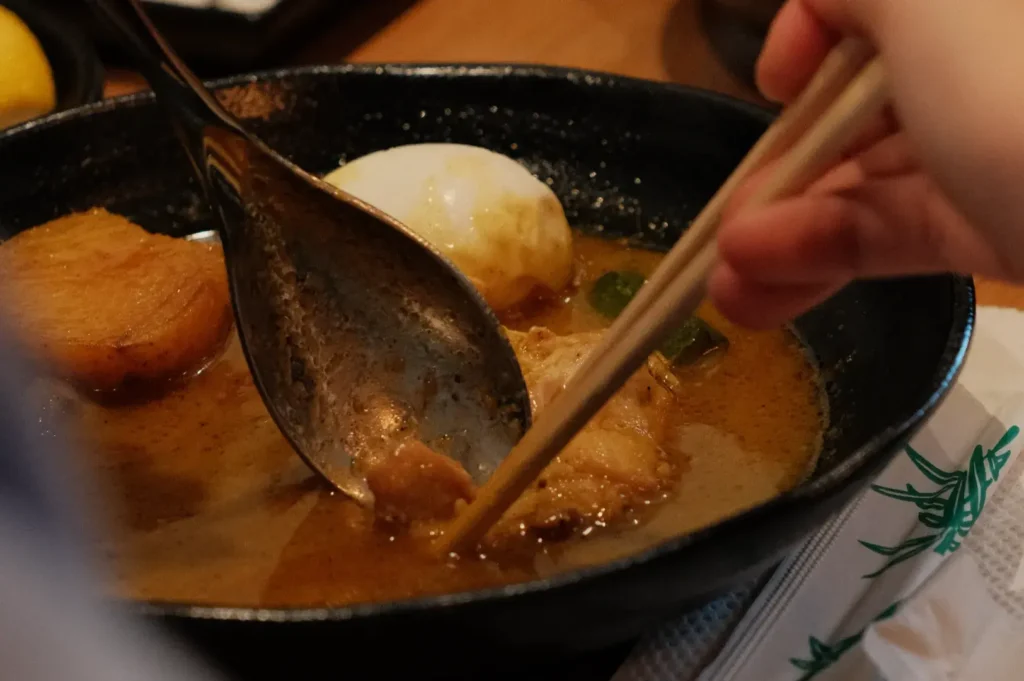
Regular curry relies on a roux to build its body. Soup curry is intentionally thin and brothy, closer to a hearty soup than a sauce. This distinction matters when you are choosing where to eat. A restaurant serving a thickened, sweet curry in a bowl is not serving true soup curry, no matter what the menu calls it.
The soup itself is the main draw. A proper broth begins with chicken bones, and in some traditional preparations pork bones too, simmered for more than six hours until the chicken stock turns deeply savoury. Spices, ginger, garlic, onion and tomato are worked in gradually, giving the broth warmth without the cloying sweetness of regular curry.
What you end up with is a rich soup carrying a quiet sweetness, one that comes from the vegetables and aromatics rather than added sugar. This is the taste that originated in Sapporo, and it is worth understanding before you order your first bowl in Singapore.
What a Genuine Soup Curry Restaurant Should Serve
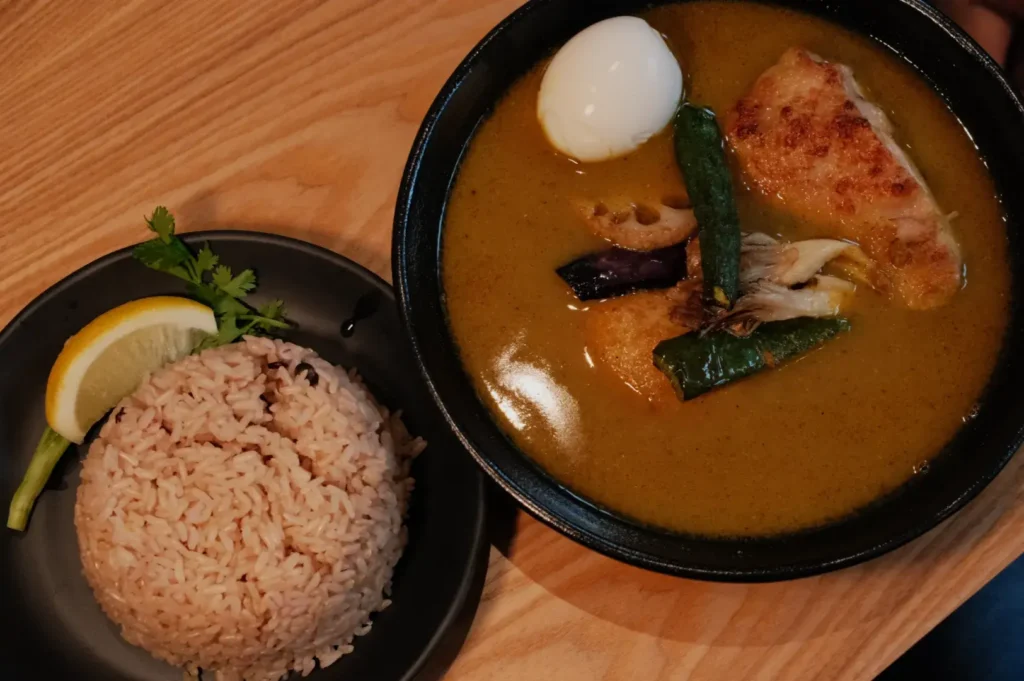
When evaluating any soup curry restaurant, the vegetables tell you almost everything about authenticity. A proper bowl is built around deep fried vegetables prepared using the Japanese su-age technique. That means the vegetables are flash fried without batter, a detail many diners miss.
It is easy to assume the fried components are battered, like tempura. True soup curry vegetables are not. They are simply fried in hot oil until their natural colours intensify and their textures turn tender inside with a light crispness outside. No batter means the vegetables keep their own flavour instead of tasting like fried coating.
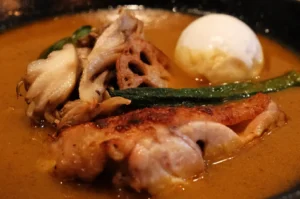
Expect root vegetables such as lotus root, carrots and potato, alongside eggplant, okra and other vegetables depending on what is in season. Seasonal ingredients are not just a marketing phrase here. They genuinely change what lands in your bowl throughout the year. If a restaurant serves the exact same vegetable lineup every month regardless of season, that is usually a sign it is prioritising convenience over authenticity.
Fresh Vegetables, Curry Rice, and Chicken Thigh: The Essential Bowl
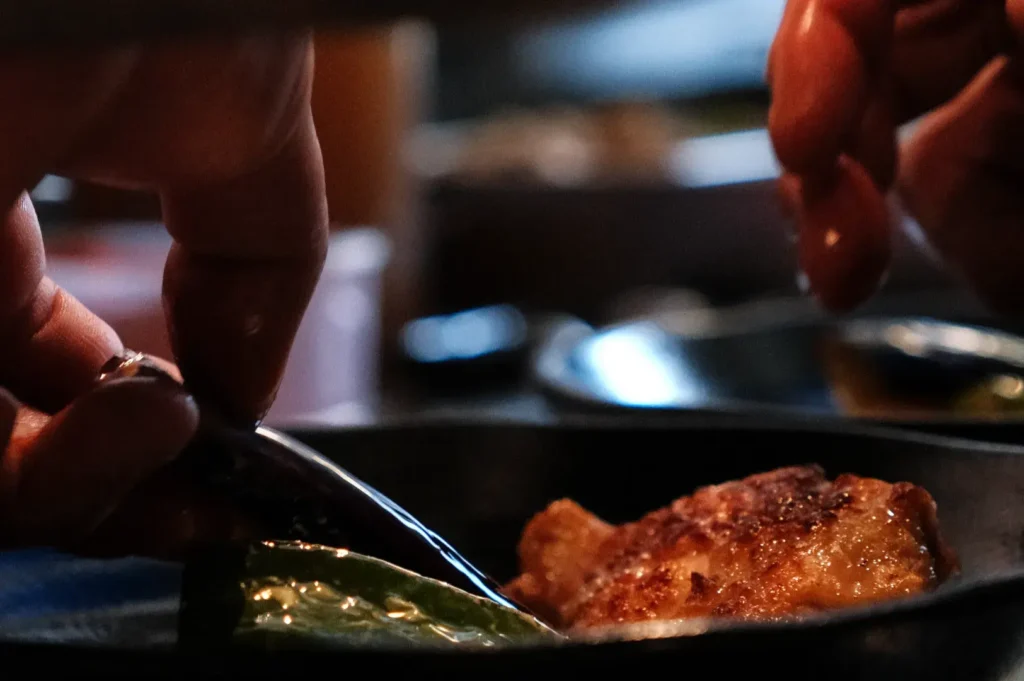
Chicken thigh is the protein most closely associated with soup curry. It is chosen because it stays tender and juicy even after long cooking, unlike leaner cuts that can dry out in a hot broth. Some menus also offer pork, shrimp or other proteins, but chicken remains the traditional and most popular menu item across Hokkaido style establishments.
Rice is always served separately rather than mixed in, which is what makes it curry rice rather than a curry stew. This separation lets you control your own experience. Some regular customers dip small spoonfuls of rice into the broth. Others eat the rice on its own between bites of vegetables and meat.
Fresh vegetables should look vibrant, not wilted or grey. The broth should have visible depth of colour rather than looking thin or watery. A soup dish with pale broth and tired looking vegetables is usually a sign the kitchen is not treating the dish with the care it deserves.
Building Your Bowl: Spice Level, Broth and Toppings
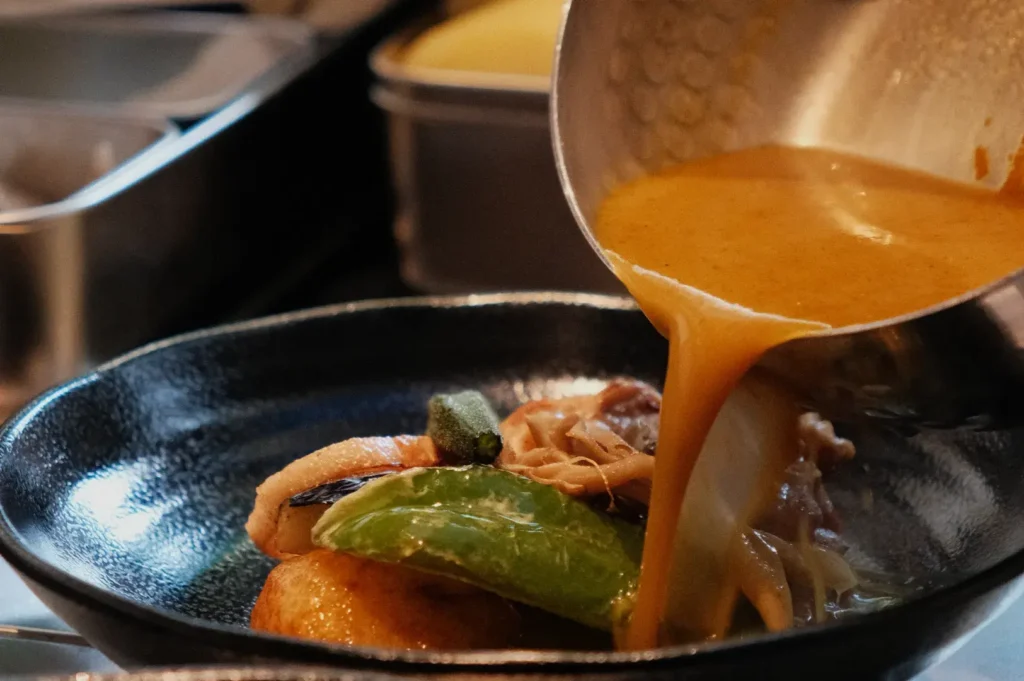
A useful thing a soup curry restaurant guide can offer is a clear explanation of how ordering actually works, because it differs from ordering regular curry. Typically, you choose a base protein such as chicken thigh, then select your spice level, which usually ranges from mild to genuinely fiery. Unlike regular Japanese curry, where spice level is rarely adjustable, soup curry menus are built around customisation. The thin broth carries chilli heat very differently from a thick sauce.
The first spoonful is often the moment diners realise how different this dish is from what they expected. Instead of a heavy, cheese laden or gravy thick mouthful, you get a clean, warm broth that coats the palate lightly before the spice builds. The texture of the vegetables adds contrast: crisp edges on the fried pieces, soft interiors, and rice that stays firm rather than turning soggy in the soup.
Toppings vary by establishment. Some occasionally include boiled egg, cheese, or extra meat, but the essentials remain the vegetables, the protein and the broth itself. If you are new to the dish, start at a medium spice level. That way you can properly taste the layered spices in the broth before deciding whether to go hotter on your next visit.
How Soup Curry Fits Into a Singapore Meal
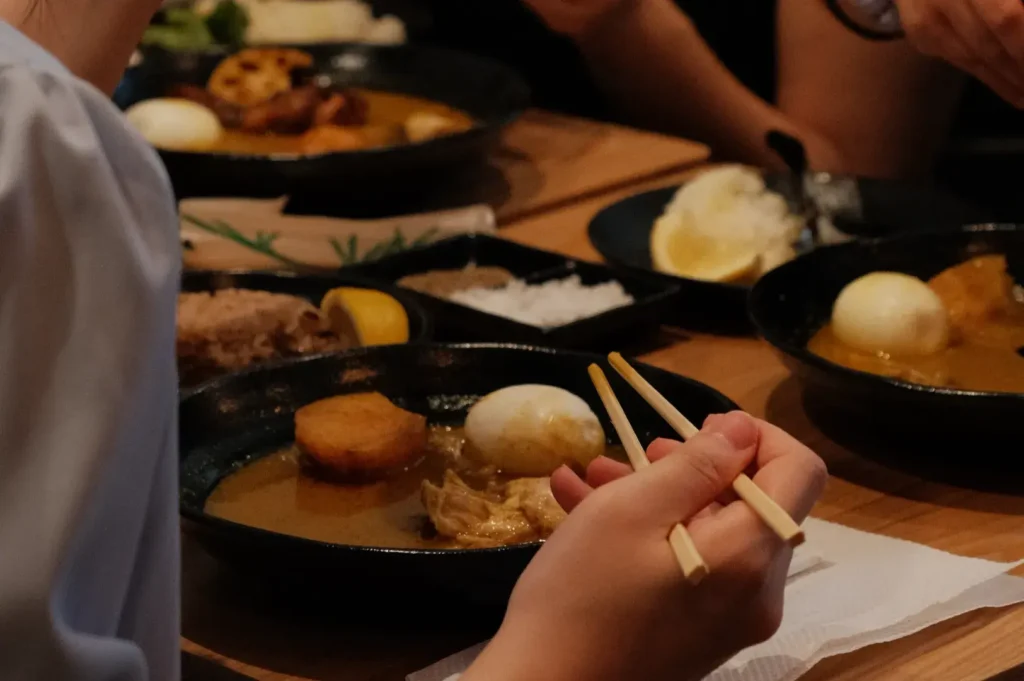
One question we hear often is when soup curry actually makes sense as a meal choice. The honest answer is that it works well at almost any time of day. At lunch, it is filling enough to carry you through a busy afternoon without leaving you sluggish, since the broth is light compared to a heavier, cream based dish. In the evening, it pairs naturally with a slower, more social style of eating, which is part of why so many soup curry spots in Hokkaido double as izakaya style venues once the sun goes down.
The dish also travels well across different appetites. Someone eating alone can order a modest bowl and feel properly fed. A group can order a few bowls with different spice levels and share the table without anyone compromising on what they actually want. This flexibility is one of the quieter reasons soup curry has such a loyal following wherever it is served properly.
Finding Soup Curry by Ki-Setsu at Fortune Centre

For diners who want to experience this specific style of cooking in Singapore, our restaurant, Soup Curry by Ki-Setsu, is located on the fourth floor of Fortune Centre. We are, at the time of writing, Singapore’s first and only restaurant dedicated entirely to authentic Hokkaido soup curry.
Finding us means heading up to that fourth floor unit, where the menu is built around the same principles found in the dish’s home city. That means a chicken bone and chicken broth base, deep fried vegetables prepared without batter, and rice served on the side rather than folded into the soup.
We do not currently take reservations, so the experience is walk in only. This mirrors how many soup curry establishments operate back in Hokkaido, where queues outside small shops near Susukino Station and Odori Station are simply part of the culture. If you are visiting during peak lunch or dinner hours, it helps to know this in advance so you are not caught off guard.
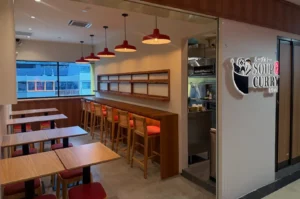
Inside, the space transitions from a soup curry restaurant by day into a more relaxed izakaya style setting in the evening. This is a fairly common structure for establishments serving this kind of food, since the comforting nature of the dish suits both a quick weekday meal and a slower evening one.
The Authentic Taste Every Soup Curry Restaurant Guide Should Help You Find
What separates a good bowl from a forgettable one comes down to whether the kitchen respects the dish’s origins. Authentic taste is not about following a rigid recipe to the letter. It is about honouring the balance between a rich, spiced broth and fresh, carefully prepared vegetables. A dish cooked with attention, using proper chicken stock, unhurried simmering, and vegetables fried without batter, tastes noticeably different from a shortcut version.
For Singapore diners exploring this cuisine for the first time, the most important thing to remember is simple. Soup curry is meant to feel like a meal you eat slowly, savouring the broth spoon by spoon rather than rushing through it. It is a hearty dish, but a light one at the same time: warming without being heavy, spiced without being overwhelming. That balance is the entire point of the dish, and it is what any genuine soup curry restaurant, including our own, aims to deliver with every bowl that leaves the kitchen.
Whether this is your first time hearing about soup curry or you have been searching for somewhere in Singapore to try it properly, we hope this guide gives you a clearer sense of what to look for.