There is a particular kind of magic that happens when the lights dim, the aroma of grilled skewers drifts through the air, and someone finally asks the question that matters most: what are you drinking tonight? At an izakaya, that question is never just about thirst. It is a small confession. Watch closely enough, and the choice reveals patterns that go far beyond simple taste preference.
When our space shifts from a warm bowl of curry in the afternoon into a cosy izakaya come evening, we get a front row seat to this ritual. Like tiny personality tests, izakaya drinks arrive one after another, and it does not take long to notice what they reveal.
The Highball Drinker: Efficient, Social, and Unfussy

If you order a highball the moment you sit down, you are probably someone who values simplicity over spectacle. The highball, a mix of whisky and soda served over ice, is the drink of people who know exactly what they want and see no reason to complicate it.
A Drink Built for Conversation
Highball drinkers tend to be the social glue of any gathering. Because the drink is light, refreshing, and easy to sip steadily, it rarely demands attention away from the table. People who choose it are usually more interested in the conversation happening around them than in analysing what is in their glass. They order, they clink glasses, and they get straight back to catching up with friends or colleagues.
The Practical Choice for Long Nights
There is also a practicality to the highball crowd. Guests who favour it are often the ones staying latest, working through several rounds of skewers and small plates. The drink’s lower alcohol dilution compared to neat spirits means they can pace themselves through a long evening without the night ending too early. If you are the person suggesting one more course after everyone else is ready to call it a night, chances are there is a highball in your hand.
Highball drinkers also tend to be adaptable. They rarely quibble over the exact brand of whisky used, trusting that a well balanced pour and good soda will do the job. This same easygoing attitude often carries into how they approach food pairing too, happy to share plates and try whatever the table orders, including a comforting bowl of curry between rounds if the evening allows for it.
The Shochu Enthusiast: Curious, Discerning, and a Little Adventurous
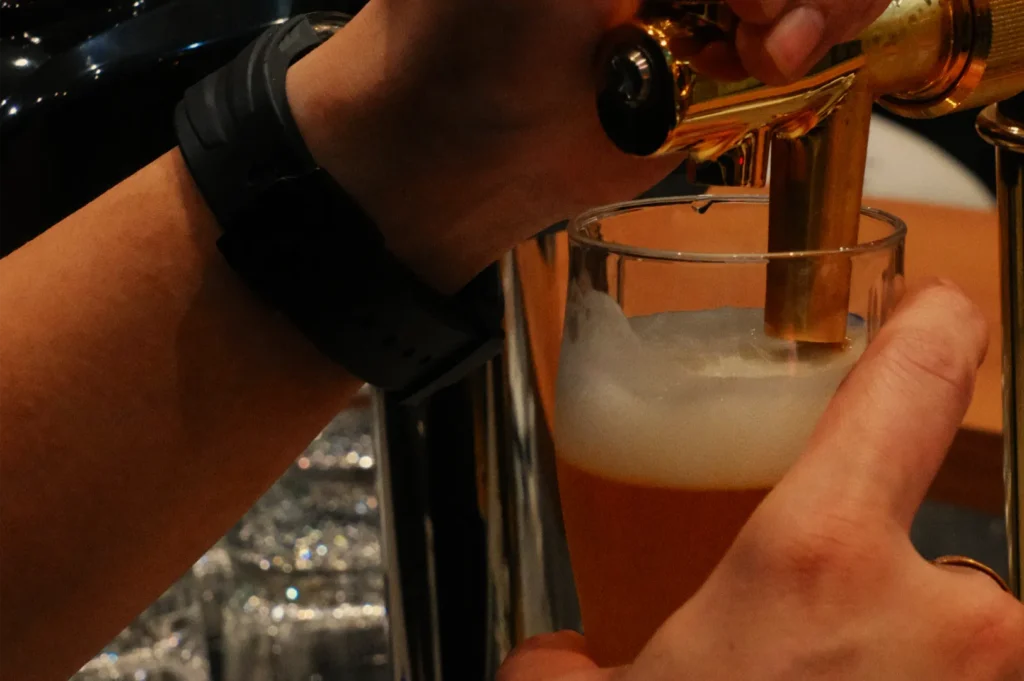
Order shochu, and you are telling us something quite different. Shochu is a distilled spirit that can be made from a range of bases including barley, sweet potato, and rice, and each base delivers a distinctly different character. Someone who knows to ask “which base is this?” before ordering is not simply thirsty. They are curious.
The Seeker of Nuance
Shochu drinkers are often the ones who read the drinks list from top to bottom before deciding, weighing the earthy richness of a sweet potato shochu against the cleaner profile of a barley variety. This attention to detail tends to reflect how they approach the rest of the meal as well. They are the guests who ask what cut of vegetable went into the deep fried starter, or how the curry broth achieves its depth, appreciating craftsmanship rather than rushing past it.
On the Rocks, With Water, or Straight
Part of what makes shochu fascinating is its versatility. It can be enjoyed on the rocks, mixed with hot or cold water, or paired with soda in what is sometimes called a chuhai. Choosing how to drink it is itself a small decision that reveals personality. Guests who take it neat or on the rocks often want to experience the spirit in its purest form, unafraid of intensity. Those who dilute it with water tend to be the more measured types, pacing themselves and prioritising a clear head over a big buzz.
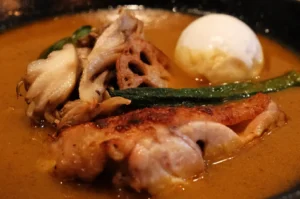
Shochu drinkers gravitate naturally towards dishes with layered, warming flavours. The rich, aromatic depth found in a well simmered curry soup, built slowly with vegetables and spice, resonates with the same appreciation for complexity that draws them to shochu in the first place. It is not a coincidence that this pairing keeps reappearing at our tables once the sun goes down and the menu shifts into its evening rhythm.
The Umeshu Devotee: Sentimental, Warm, and Unapologetically Sweet
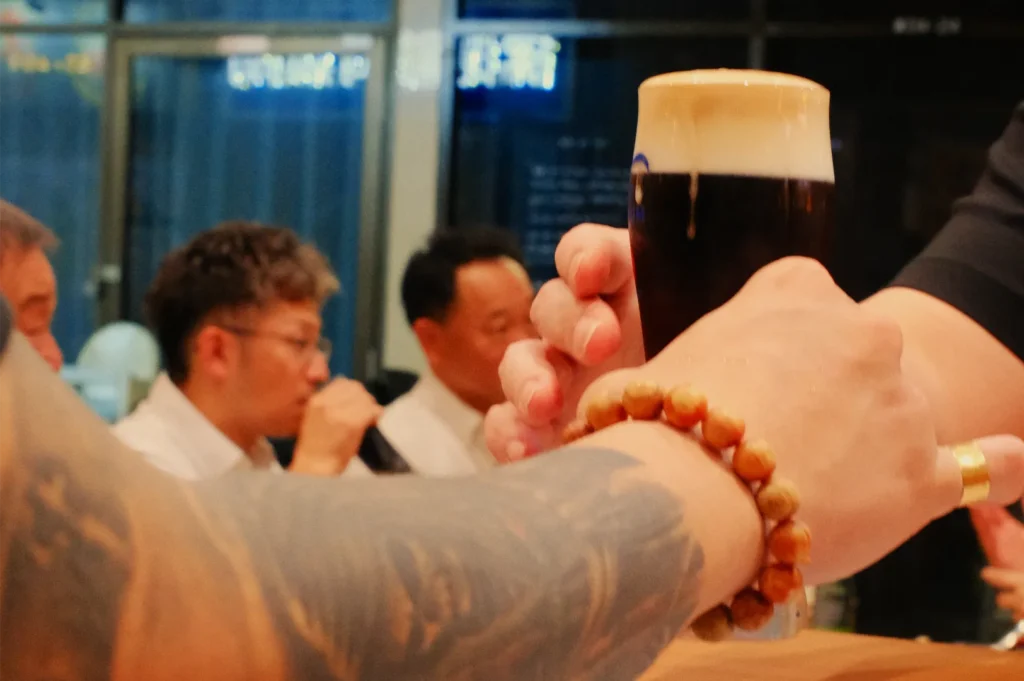
Then there is umeshu, the plum wine that so many people associate with their very first taste of Japanese alcohol. If this is your order, you are likely someone who leads with warmth rather than bravado. Umeshu is sweet, gently tart, and often lower in alcohol than other izakaya staples, making it an approachable and comforting choice.
The Comfort Seeker
Umeshu drinkers tend to treat the izakaya as a place of comfort rather than performance. They are not trying to impress anyone with their order. Instead, they want something that feels a little like a treat, a reward at the end of a demanding day. This mirrors the emotional pull of soup curry itself, a dish rooted in the idea of nourishing both body and spirit rather than simply filling a stomach.
Nostalgia in a Glass
There is often a nostalgic thread running through umeshu preferences. Many guests describe the drink as reminding them of family gatherings, of a grandmother’s homemade plum wine, or of their very first izakaya visit. Choosing umeshu again and again is a way of returning to that feeling. These are often the same guests who linger longest over dessert, or who ask about the story behind a dish rather than rushing through the meal.
Umeshu also pairs beautifully with contrast. Its sweetness cuts through richer, spiced flavours, which is why we often see it ordered alongside deep fried vegetables like lotus root, aubergine, or bell pepper, their light crunch and subtle bitterness balancing the wine’s fruitiness perfectly.
What Happens When Preferences Blend
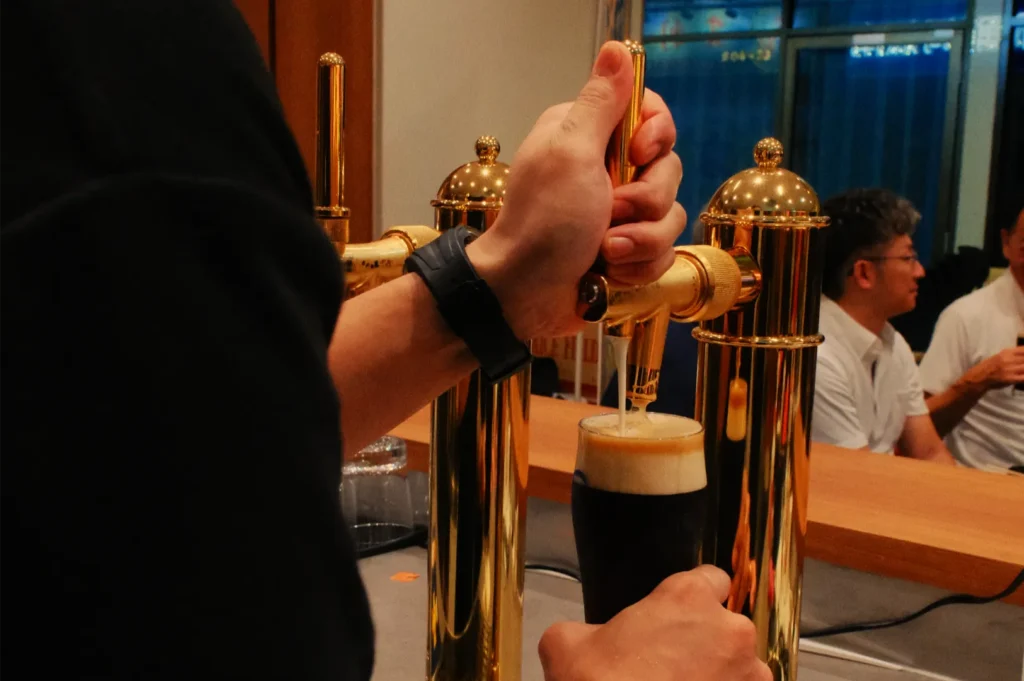
Of course, few people fit neatly into a single category all the time. Someone might open with a highball to ease into the evening, move to shochu once the conversation deepens, and finish with umeshu as a gentle nightcap. This fluidity says something rather lovely about the izakaya experience itself. It is not about rigid identity but about matching a drink to a mood, a moment, and the company you keep.
At our establishment, this rhythm plays out every evening once the space transitions from its daytime identity into a cosy izakaya setting from six in the evening onwards. Guests who arrived earlier for a warming bowl of curry often return later, or simply stay on, discovering an entirely different side of the menu and, in many cases, a new favourite drink.
Reading the Table
For those who enjoy people watching as much as their meal, izakaya drink orders can become a fun exercise in observation. Notice who orders first and confidently, who deliberates and asks questions, and who defers entirely to whoever is buying that round. These small choices, repeated meal after meal, tend to be remarkably consistent, forming a kind of quiet signature.
Choosing What Feels Right
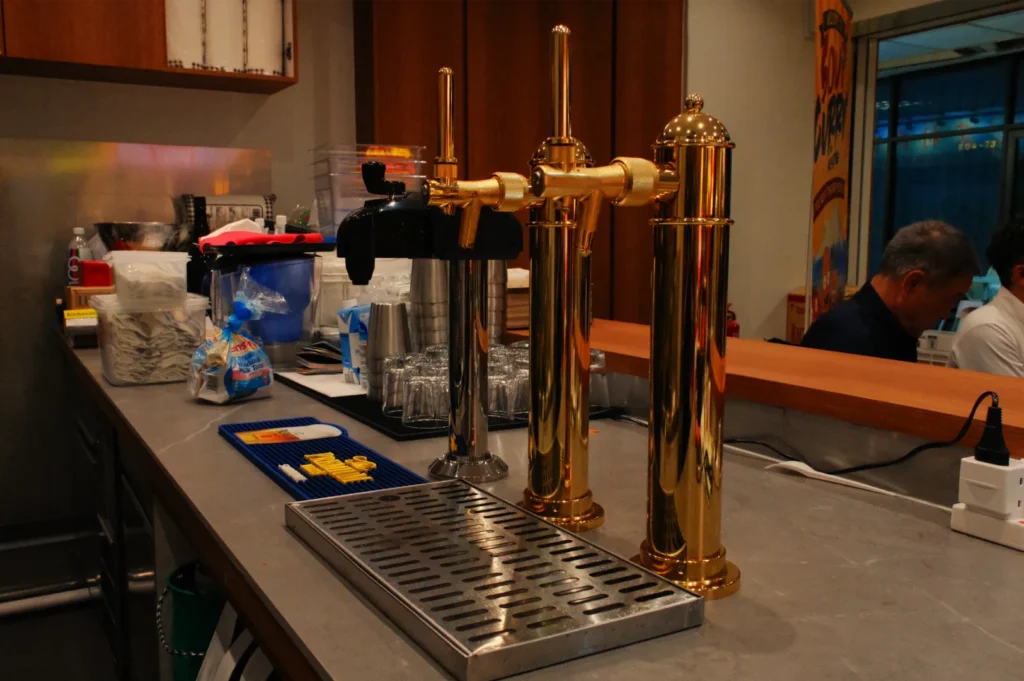
Ultimately, there is no wrong order at an izakaya. Whether you are drawn to the clean efficiency of a highball, the layered curiosity of shochu, or the sentimental sweetness of umeshu, your choice reflects something true about how you like to spend an evening. We simply try to make sure whatever you choose is poured with care and paired thoughtfully with food that matches its spirit, whether that is a comforting curry earlier in the evening at Soup Curry by Ki-Setsu, or a shared plate of deep fried vegetables once the izakaya lanterns come on.
So next time you settle into your seat and scan the drinks menu, pause for a moment before ordering. That instinctive reach towards a particular glass might be telling you, and everyone at the table, a little more than you realised.