If soup curry has been ordered more than once and no two bowls taste quite the same, this is not a case of imagination. Unlike many dishes that are engineered for exact repeatability, soup curry is meant to shift slightly with every serving. This is not a flaw in preparation. It is the nature of a dish built on living ingredients, handmade spice work, and a philosophy that treats each bowl as its own small creation rather than a copy of the last.
For newcomers used to standardised fast food or mass produced curry sauces, this variability can feel puzzling at first. Once the layers behind a proper bowl of soup curry are understood, the differences start to make sense, and many guests come to see them as part of the appeal rather than an inconsistency to be corrected.
The Living Broth Behind Every Bowl
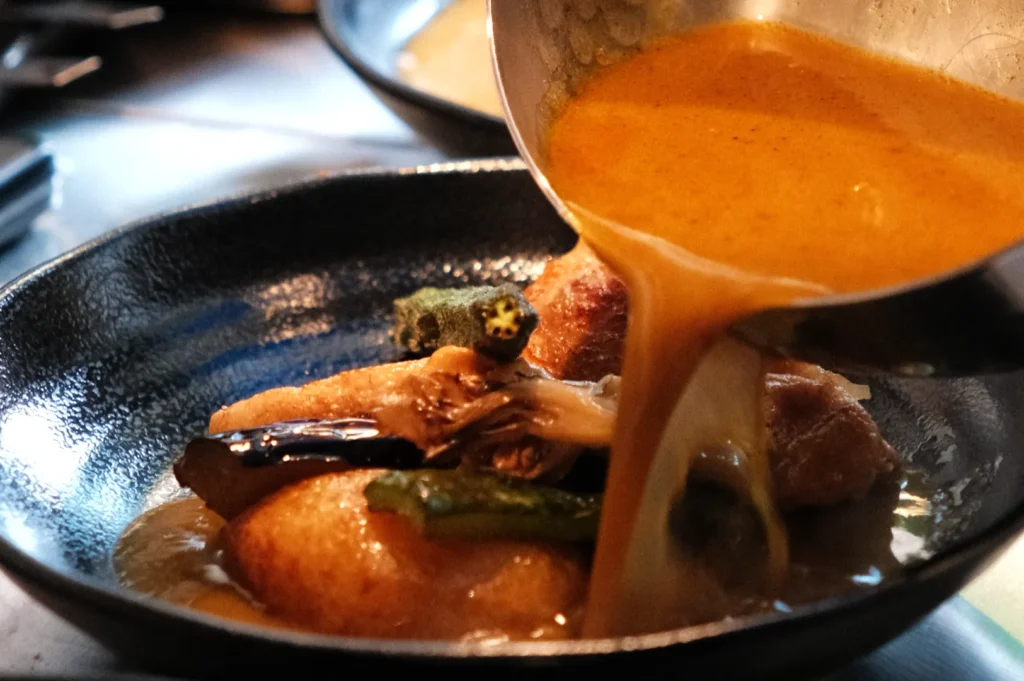
The base of soup curry is not a static sauce poured from a single batch that lasts all week. It is a broth built from bones, vegetables, and aromatics simmered over hours, and like any stock made this way, it behaves differently depending on the exact bones used, how long they simmered, and even the humidity and temperature in the kitchen that day. Two batches made with the same recipe and the same care will still carry subtle differences in body, sweetness, and depth.
This is very different from a curry roux made from a fixed packet formula, where every spoonful tastes identical because it was engineered in a factory to taste that way. A proper broth is an agricultural product as much as a culinary one. The bones, the vegetables used for aromatics, and even the water can all introduce small variations. This is seen as part of what makes the broth feel alive rather than manufactured, and it is one of the clearest reasons why soup curry never tastes perfectly identical from one visit to the next.
Batch Size and Timing Matter More Than Expected
A broth simmered for a slightly shorter or longer time, even by twenty minutes, will taste noticeably different. Kitchens preparing soup curry properly do not rush this stage, and because timing can shift with the volume of orders on a given day, no two simmering sessions play out in exactly the same way. This is one of the quieter reasons behind the flavour differences guests sometimes notice.
Handcrafted Spice Blends Introduce Natural Variation
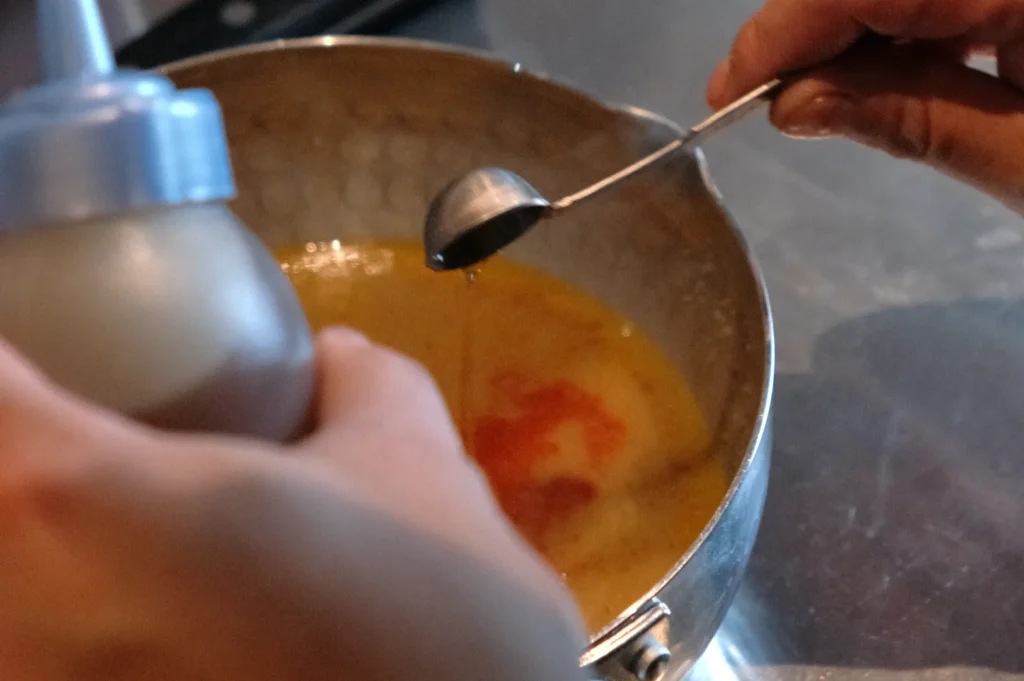
Soup curry relies on a complex blend of whole spices that are typically toasted and ground close to the time of use rather than bought pre-mixed in bulk. This matters enormously for flavour. Whole spices lose their aromatic oils gradually once ground, so a blend toasted that morning will taste brighter and more fragrant than one made two days earlier.
Because spice blending by hand introduces natural variability, no two batches are mathematically identical. A slightly longer toast on the cumin, a marginally coarser grind on the coriander, or a different ratio of chilli heat depending on the batch can all shift the final flavour in ways that are subtle but perceptible to an attentive palate. This is very different from curry pastes manufactured at scale, where uniformity is the entire point.
The Art of Toasting and Grinding Fresh
Toasting spices is a sensory process guided by smell, colour, and sound rather than a fixed timer. Even experienced hands will toast a batch a touch differently depending on the specific spices used that week, their age, and their moisture content. This is a craft process, not an industrial one, and craft processes inherently produce variation. This variation is treated as a feature of doing things properly rather than an inconsistency to correct, since it reflects fresh preparation rather than a shelf stable formula.
Seasonal and Fresh Vegetables Change the Bowl
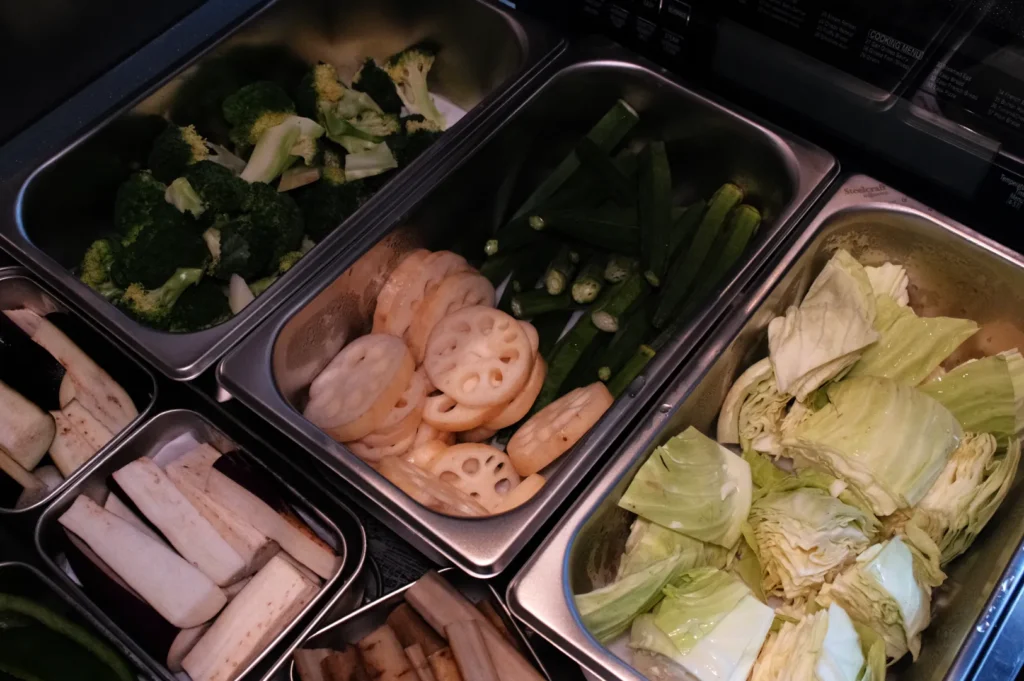
A significant part of soup curry’s character comes from the vegetables piled generously on top, typically deep fried using Japanese cutting techniques that expose more surface area for texture and flavour. Ingredients like bell pepper, lotus root, aubergine, and potato are seasonal agricultural products, not standardised components from a central factory.
A lotus root harvested in one season will have a different starch content and texture compared to one harvested months later. An aubergine’s moisture level shifts depending on growing conditions. Even potatoes vary in sweetness and density depending on their source and storage time. When these vegetables are fried fresh to order rather than held under heat lamps, their exact texture and flavour on any given day depends on the specific batch of produce used that week.
This means the vegetable component of any bowl is genuinely different from one order to the next, not because of inconsistent technique, but because the ingredients themselves are not identical from batch to batch. Restaurants that prioritise fresh, seasonal produce over frozen, pre-portioned alternatives will always show more of this natural variation, and many diners who care about authenticity see this as a mark of quality rather than a shortcoming.
Customisation Means Every Order Is Genuinely Different by Design
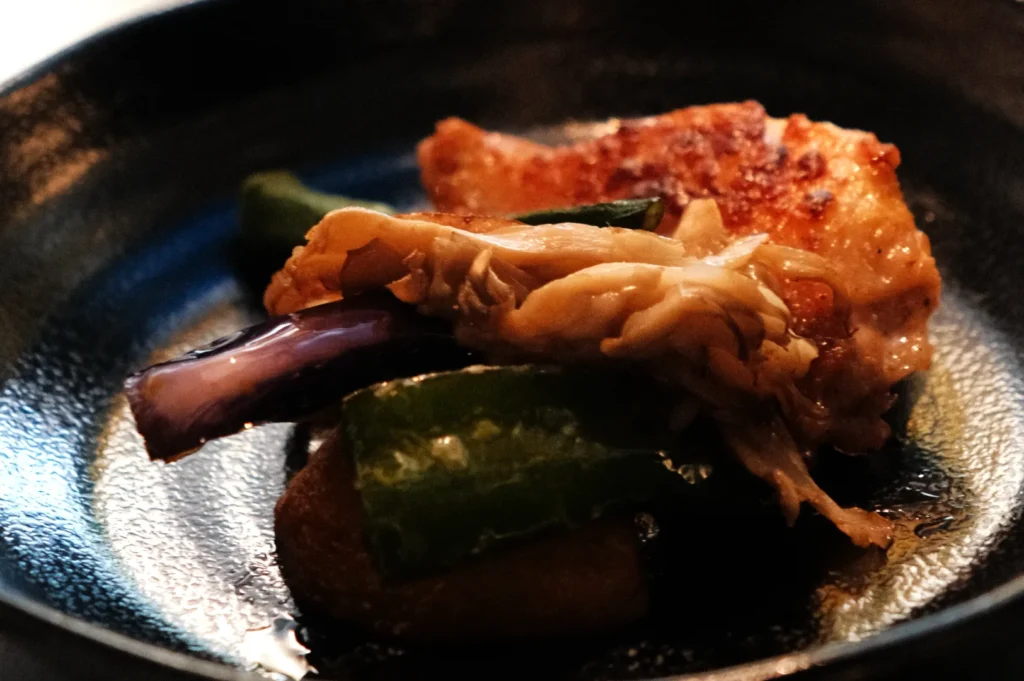
Beyond the natural variation in broth and vegetables, soup curry is also one of the few dishes where the diner actively shapes the final flavour. Unlike a fixed dish that arrives exactly the same way every time, soup curry is typically built around a base broth that is then customised with a chosen spice level, protein, and rice style.
This means that a mild chicken soup curry ordered one week and a spicier version with a different protein the next are not evidence of inconsistency at all. They are two genuinely different dishes built from the same foundational broth. The perception of “different every time” is partly a direct result of how the dish is designed to be ordered.
Spice Levels, Proteins, and Rice Choices
Spice level adjustments do more than add heat. Increasing chilli intensity changes how other flavours in the broth are perceived, often making the profile taste deeper or more complex rather than simply hotter. A different protein choice, whether tender chicken or another option, changes the fat content that mingles with the broth throughout the meal, subtly altering the flavour with every spoonful. Even the choice of rice, whether plain, brown, or otherwise, changes the way the broth is absorbed and experienced.
Each of these choices compounds with the natural variation already present in the broth and vegetables, which is why returning guests often report that a familiar order tasted noticeably different from the last visit, even when the same dish was requested.
The Human Hand Behind Every Bowl
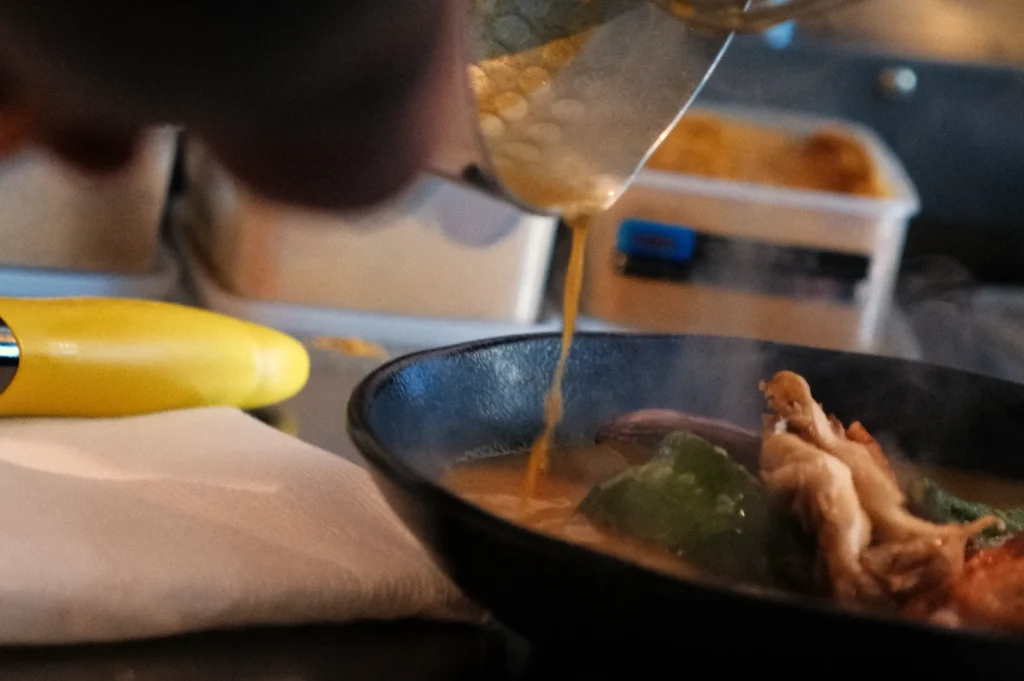
Perhaps the most important reason soup curry tastes different each time comes down to the fact that it is prepared by people, not machines. A dish assembled by hand, from ladling the broth to arranging the vegetables to balancing the spice blend, will always carry small variations that reflect the person making it and the conditions in the kitchen that day.
This is not a compromise on quality. It is closer to how good home cooking works, where a family recipe never tastes perfectly identical twice, yet is loved precisely because of that living quality. This dish is approached in much the same way, more akin to a comforting bowl made with care than a product manufactured to a fixed specification.
Why the Difference Is Worth Embracing
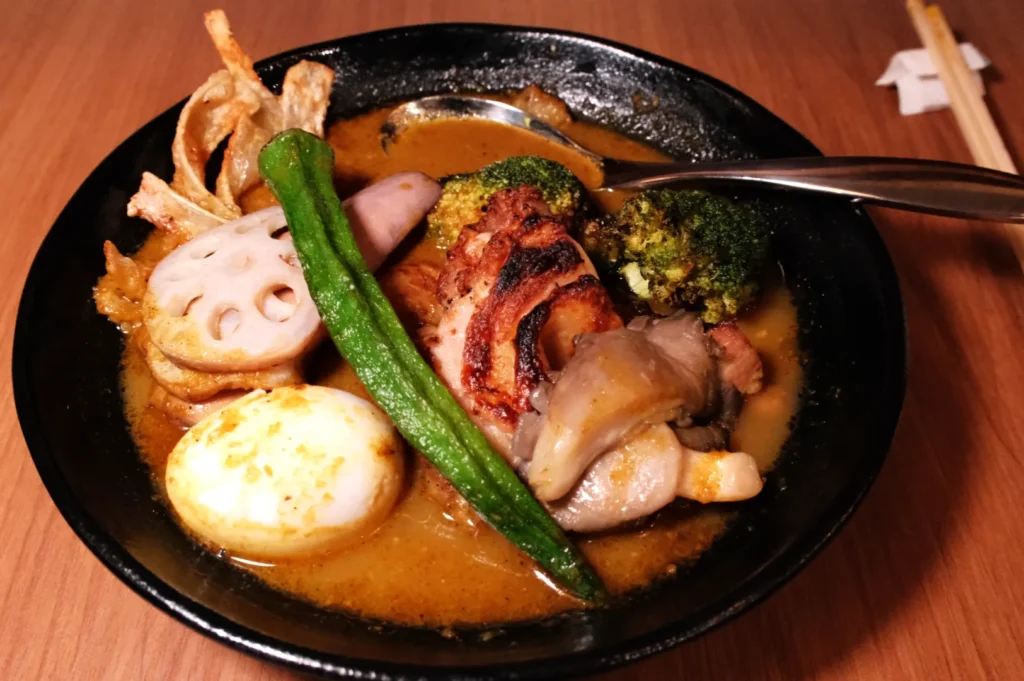
Once the layers involved are understood, from broth simmering times and hand ground spices to seasonal vegetables and personal customisation, the variation in soup curry stops feeling like an inconsistency and starts feeling like proof of genuine, careful preparation. A dish that tastes identical to the microgram every single time is usually a sign of industrial processing, not culinary care.
At Soup Curry by Ki-Setsu, this philosophy of embracing the living nature of food, rather than engineering it into uniformity, sits at the heart of bringing Hokkaido style soup curry to Singapore.
The next time a bowl of soup curry tastes a little different from the one before, it is worth considering this a small signal that real ingredients, real hands, and real seasonal produce went into making it. That variability is, in many ways, the soul of the dish itself, and it is part of what has made soup curry such an enduring comfort food across generations in Hokkaido and beyond.