Singapore’s dining scene is crowded with choice, and nowhere is that more true than in the world of Japanese cuisine. From hawker-adjacent ramen counters to hushed sushi bars in Tanjong Pagar, the label “authentic” gets attached to almost everything. As a kitchen rooted in Hokkaido soup curry traditions ourselves, we understand how confusing this can be for diners who simply want a meal that tastes the way it should.
This article sets out to help you separate the genuine article from the merely convincing, so your next visit to a Japanese restaurant Singapore residents rave about actually lives up to the hype.
What Makes a Japanese Restaurant Singapore Feel Genuinely Authentic
Authenticity in Japanese cooking rarely comes down to a single dramatic gesture. It is built from dozens of small, consistent decisions: how the rice is cooked, how the dashi is prepared, how a chef speaks about seasonal produce without being prompted. A Japanese restaurant that is genuinely rooted in tradition will usually show restraint rather than spectacle. The menu will not try to do everything at once. Instead, it will focus on doing a handful of dishes with real precision, whether that is nigiri, soba, or a bowl of something warm and comforting.
We think about authenticity the same way in our own kitchen, even though soup curry sits slightly outside the sushi and ramen conversation most people associate with Japanese cuisine. Hokkaido cooking has always prized honest, unfussy technique over flash, and that philosophy travels well regardless of which regional tradition a restaurant is representing.
The Telltale Signs Behind Every Favourite Japanese Restaurants List
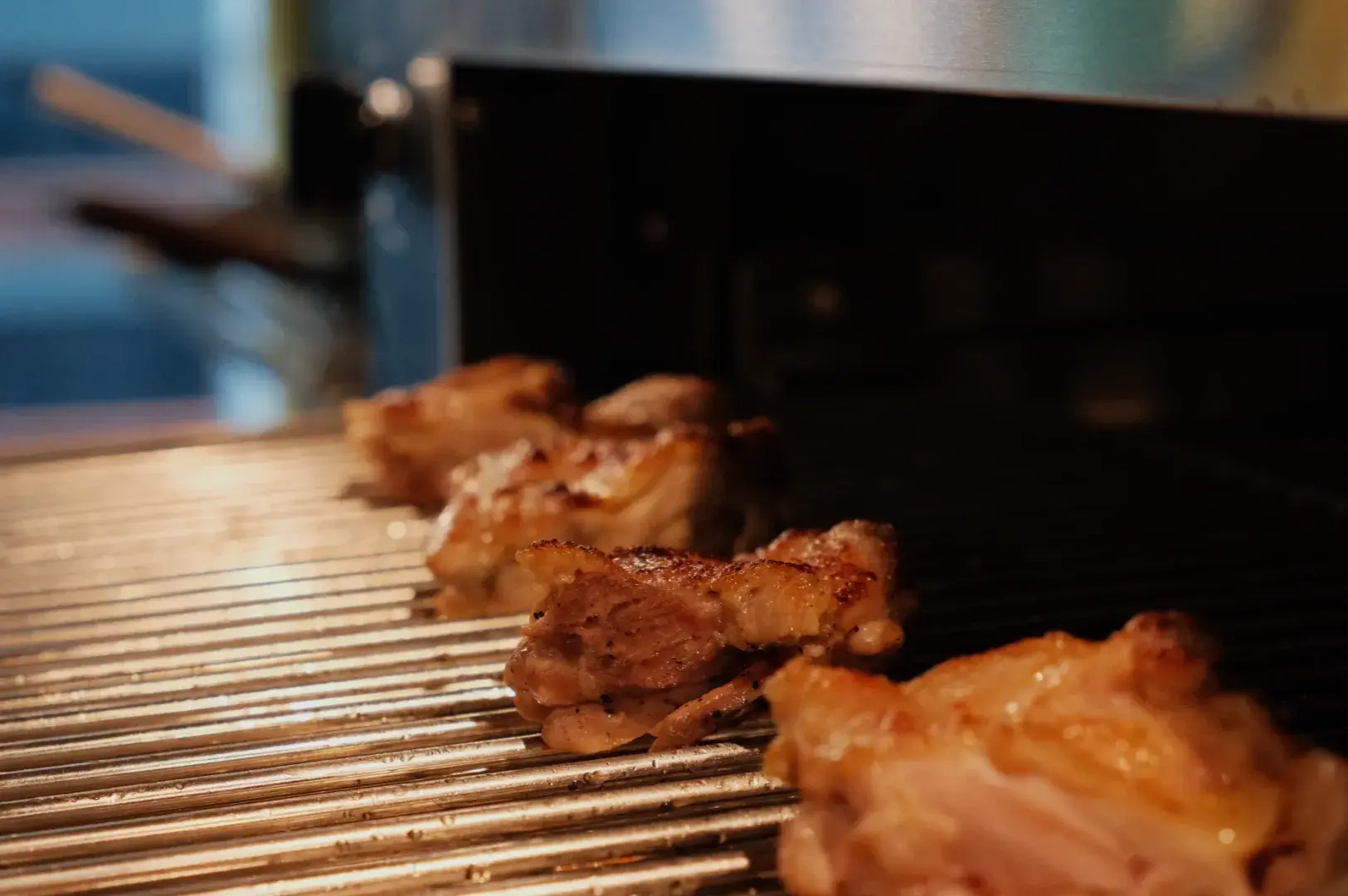
Ask ten people in Singapore for their favourite Japanese restaurants and the answers will vary, but the reasoning tends to overlap. Diners consistently point to three things: ingredient quality, consistency, and a sense that the kitchen actually cares about the food’s origins.
Fresh Ingredients Sourced with Purpose
The strongest indicator of authenticity is almost always the sourcing story. A kitchen that can tell you where its fish, vegetables, or rice come from, and why, is usually a kitchen worth trusting. Some establishments reference sourcing patterns similar to Tokyo’s Toyosu Market, where seafood is selected early in the day for peak freshness.
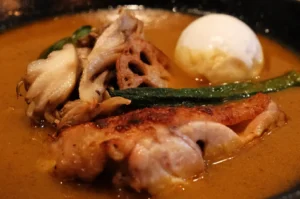
Others lean on relationships with specific Hokkaido farms for seasonal ingredients such as potatoes, sweetcorn, and root vegetables. In our own case, the deep-fried vegetables we serve, bell pepper, lotus root, aubergine, and potato, are cut using traditional Japanese methods precisely because the technique affects how the vegetables absorb the curry soup around them. Fresh ingredients are not a marketing line; they are a daily operational discipline.
Signature Dishes That Reflect Seasonal Produce
A restaurant confident in its authenticity usually has one or two signature dishes it refuses to compromise on, and those dishes shift subtly with the seasons. If a menu never changes regardless of what is in season, that is often a sign the kitchen is prioritising convenience over craft.
Reading the Menu: From Omakase to Everyday Japanese Food
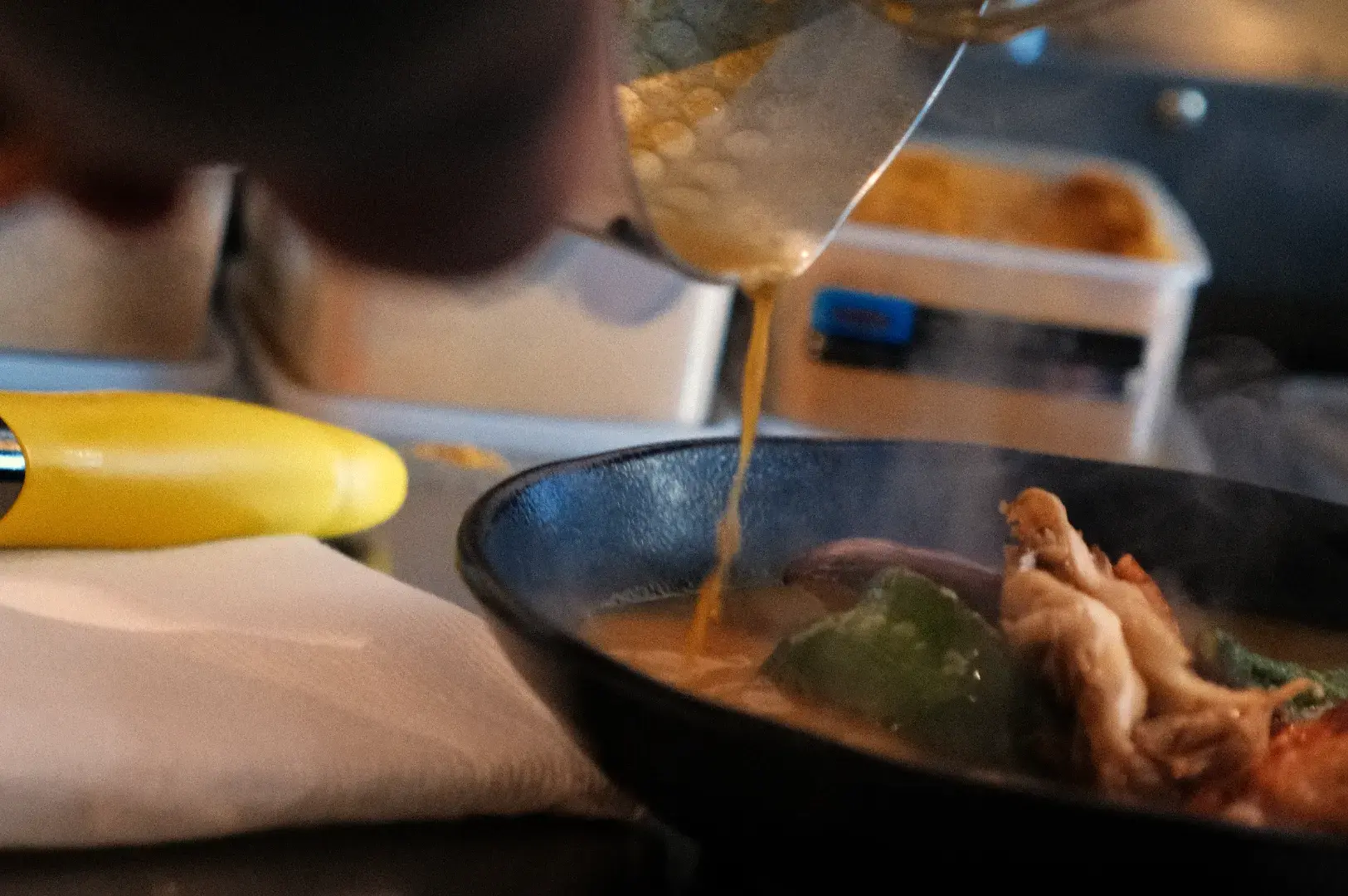
The menu itself tells you a great deal. An overly long menu, especially one that tries to cover sushi, ramen, teppanyaki, and izakaya snacks all at once, can be a red flag. Specialisation tends to signal seriousness.
Omakase Menus and Edomae Sushi Traditions
An omakase menu is one of the clearest tests of authenticity, because it removes the diner’s ability to simply order familiar favourites. A chef offering a genuine omakase experience is essentially staking their reputation on every course, drawing on Edomae sushi traditions that date back generations. Expect fatty tuna, sea urchin, and botan shrimp to appear with quiet confidence rather than exaggerated presentation. If a restaurant’s version of omakase feels more like a set menu with a fancier name, that is worth noticing.
Tempura and the Art of Dipping Ramen
Ramen and tempura are two of the most imitated categories of Japanese food in Singapore, largely because they are technically demanding to get wrong in subtle ways. Dipping ramen, where noodles and broth are served separately so the noodles stay firm, is a good litmus test. It requires the kitchen to manage temperature and timing carefully, and shortcuts show up immediately in the texture. Tempura, similarly, should never feel greasy. A light, almost lace-like batter is the mark of proper technique, not luck.
Fine Dining Versus Everyday Japanese Cuisine
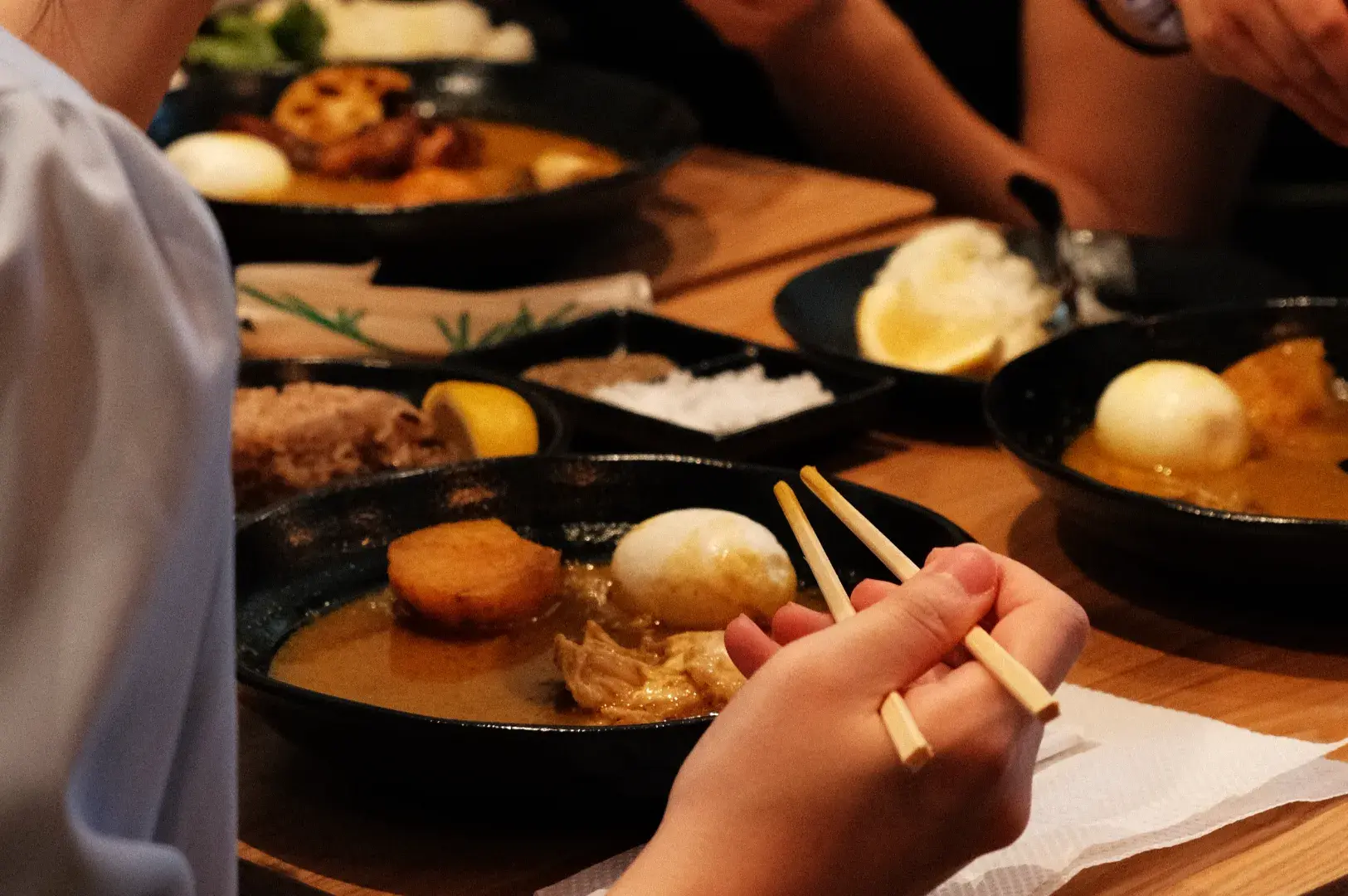
Not every authentic experience needs to be fine dining, and this is where many diners get confused. Fine dining Japanese cuisine, the kind found in hushed rooms at properties like Marina Bay Sands or the St. Regis Singapore, is built around precision, ceremony, and premium ingredients such as wagyu don, black cod, or cold soba served with meticulous plating. It is a wonderful category, but it is not the only measure of legitimacy.
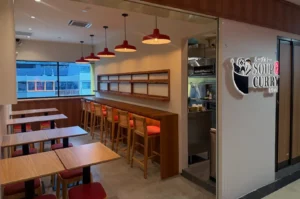
Equally authentic, in a very different register, is the Japanese cuisine’s comfort food side, the steaming bowls of ramen or curry that people queue for after work, or the izakaya plates shared over drinks on a Friday or Saturday night. Soup curry falls firmly into this second category. It is soul food first, refinement second, and its authenticity comes from warmth and generosity rather than white tablecloths. When we transform into a cosy izakaya-style space from six in the evening, the atmosphere shifts, but the underlying respect for ingredients does not.
Ambience Matters: From Vibrant Izakaya Culture to Quiet Sanctuaries
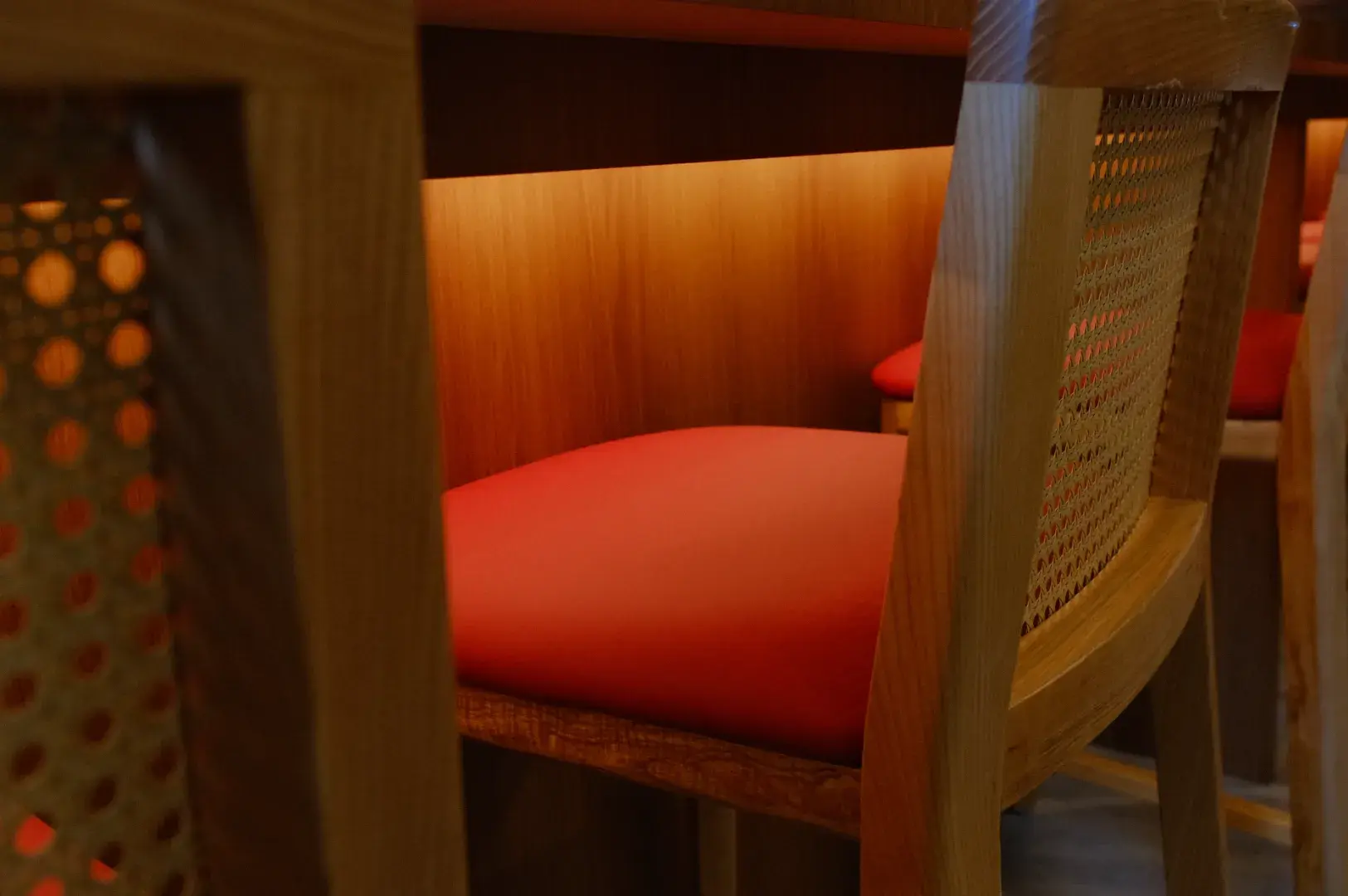
The room itself is often overlooked as an authenticity signal, yet it matters enormously. A restaurant drawing on vibrant izakaya culture should feel a little loud, a little communal, with shared plates and easy conversation. By contrast, a restaurant aiming for the quiet sanctuary feel of a traditional sushi counter should feel calm and unhurried, almost meditative, closer in spirit to standing on a traditional footbridge over a reflecting pool than to a bustling food court.
Some of the best examples of atmospheric authenticity borrow visual cues from Japan itself, evoking the hush of Kyoto’s Fushimi Inari Shrine in their lighting or layout, without ever feeling like a theme park. If the interior design feels like it is trying too hard to convince you of authenticity through decoration alone, it is worth asking what the food itself is doing to earn that trust.
Where to Look: Tanjong Pagar, Ngee Ann City, Far East Plaza and Beyond
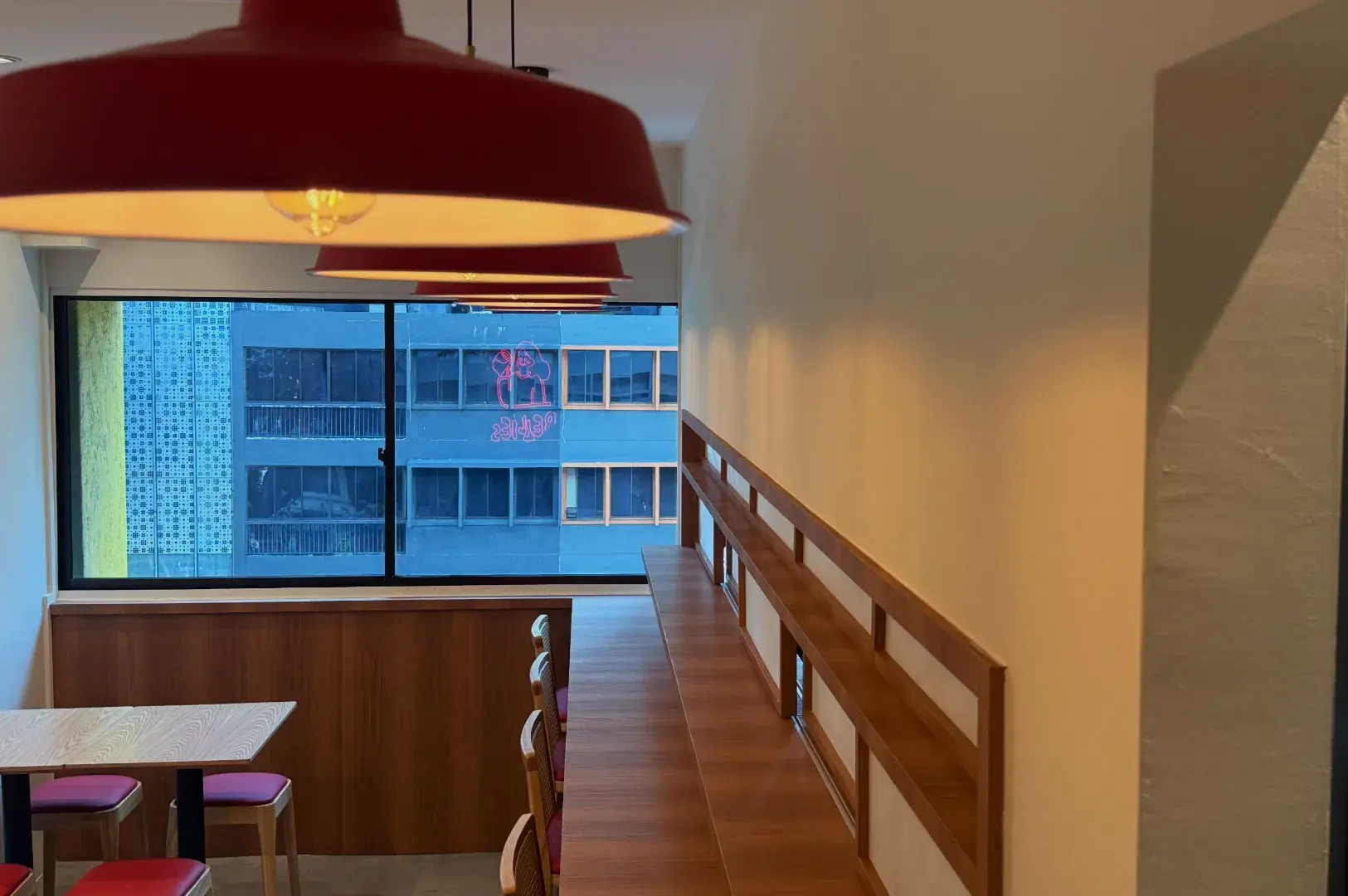
Certain pockets of Singapore have become reliable hunting grounds for genuine Japanese restaurant experiences. Tanjong Pagar has long been associated with late-night ramen and izakaya spots, drawing a crowd that treats good food as a daily ritual rather than a special occasion. Ngee Ann City and Far East Plaza both house a dense cluster of smaller, specialised operators, the kind of places where a chef might run a tiny counter serving only sashimi or only tempura. Millenia Walk and Palais Renaissance offer a slightly more polished, fine dining leaning selection, often suited to special occasions.
What unites these locations is not the postcode but the density of operators who are competing on food quality rather than décor or marketing. When several serious kitchens sit close together, standards tend to rise across the board, because diners can compare directly.
What the Best Japanese Restaurant Gets Right, Steaming Bowls and All
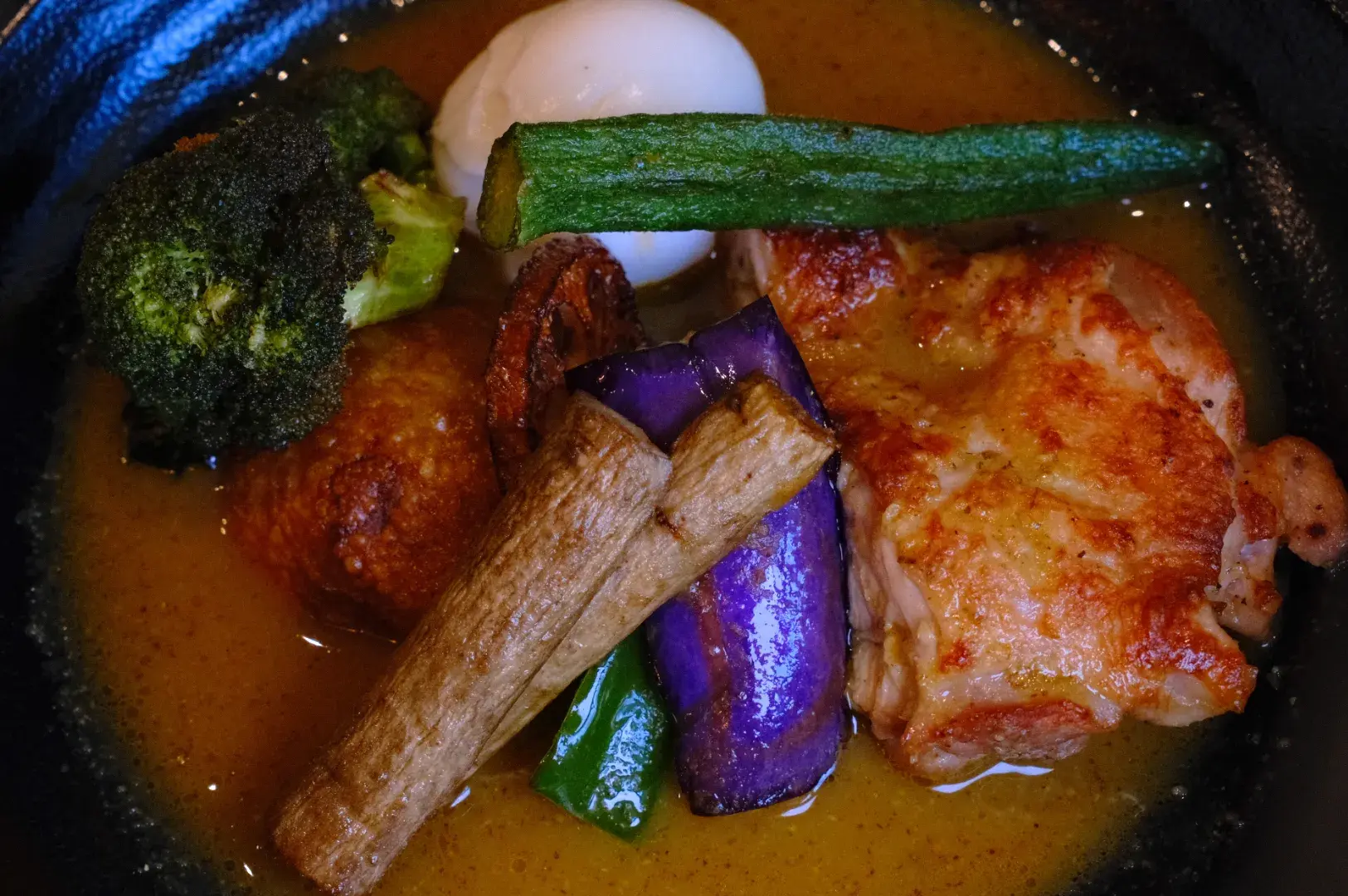
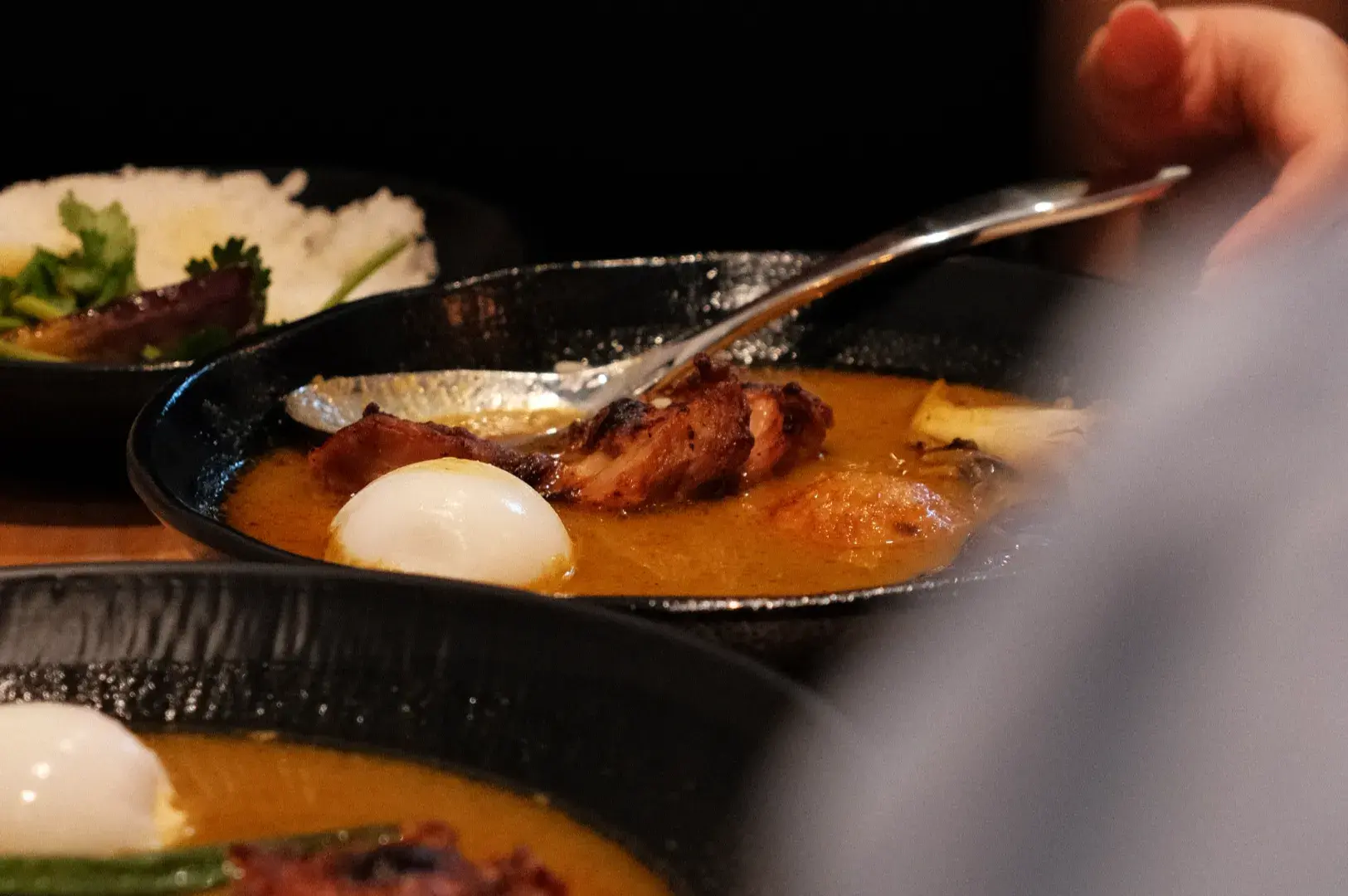
If there is one unifying trait among the best Japanese restaurant experiences in Singapore, authentic or otherwise convincing, it is consistency under pressure. Anyone can produce a wonderful dish once. The real test is whether the sea urchin tastes the same in March as it does in September, whether the salmon and tuna are handled with the same care on a quiet Tuesday as on a packed Saturday, and whether the steaming bowls that arrive at a busy table look and taste identical to the one photographed for the menu.
This is where good food quietly separates itself from merely photogenic food. Premium ingredients help, but only when paired with technique that respects them. Grilled, fried, or simmered, each preparation method should serve the ingredient rather than mask it.
Our Perspective from a Kitchen Rooted in Hokkaido
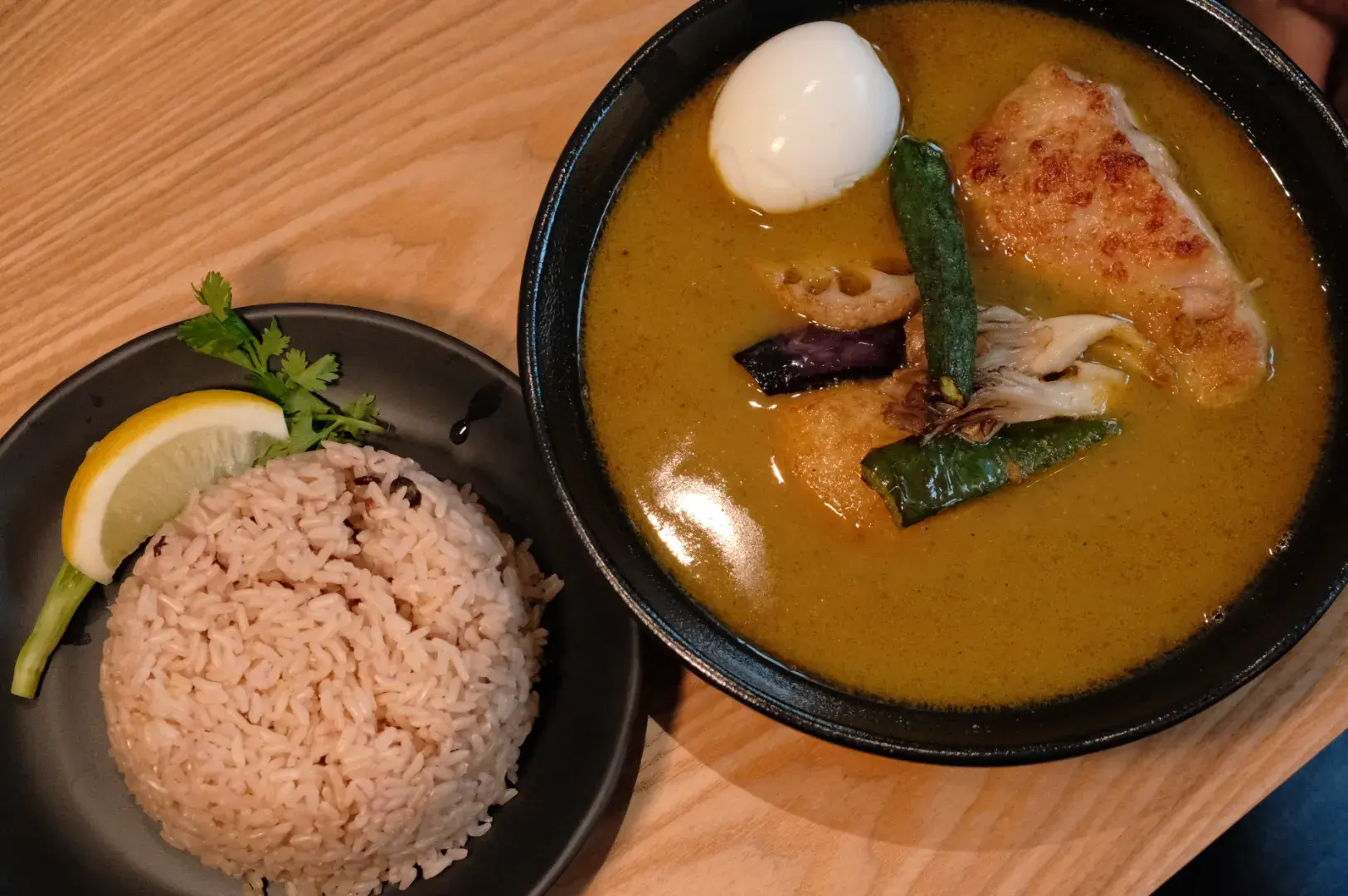
We come at this question from a slightly unusual angle. As Soup Curry by Ki-Setsu, we are not competing in the sushi or omakase conversation directly, but the same principles apply to our chicken and rich, aromatic curry soup as they do to a plate of nigiri at a fine dining counter. Fresh, seasonal ingredients, honest technique, and a menu that does not try to be everything to everyone. That, more than any single dish or design choice, is what tells you a restaurant is the real thing.
The next time you are weighing up a new Japanese restaurant, or debating which of your favourite Japanese restaurants truly deserves the title, look past the plating and ask what the kitchen is quietly doing right, meal after meal. That consistency, more than any single spectacular dish, is the clearest sign of authenticity there is.