Anyone who has watched a pot barely tremble on the stove for half a day knows the question: why does a good Japanese soup broth take so long? The short answer is that flavour cannot be rushed. Water needs time to coax out amino acids, collagen and aromatic compounds, and every one of them releases at its own pace. Skip the patience and you end up with something thin that tastes of salt rather than depth.
As a kitchen that serves soup curry every day, we know the broth is the foundation of everything. Here is what actually happens during those slow hours, and why the wait changes the way a bowl tastes.
What Makes Japanese Soup Broth Different From Other Stocks
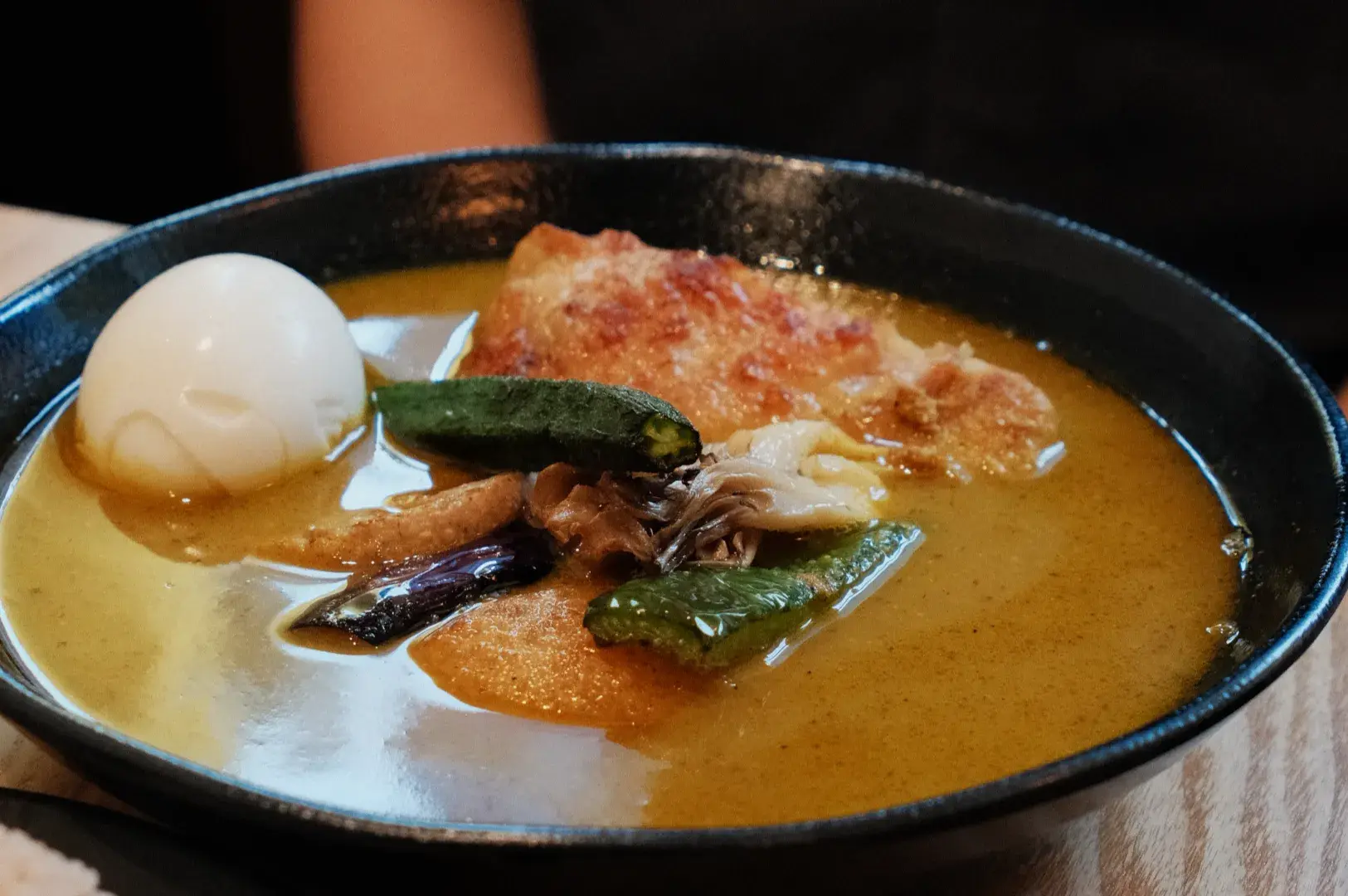
Western stocks often lean on roasted bones and a long, hard boil. Japanese soup broth tends to be gentler and more layered. It builds rich umami from several sources at once, each added at the right moment, so the finished soup tastes rounded rather than loud.
Kombu and Cold Water: The Slow Start
Many Japanese broths begin with dried kelp, known as kombu, steeped in cold water. This step is slow on purpose. Kombu is full of glutamate, the compound behind that savoury, mouth-filling quality. Heat it too fast and the kelp turns bitter and slimy. Start with cold water, let it rest, and then bring the pot up gently, and the glutamate dissolves cleanly.
Many home cooks soak kombu for thirty minutes at the very least. Some leave it for several hours or overnight in the refrigerator. That patience is the first reason the process takes time, and the base it creates is the classic dashi that sits behind countless Japanese dishes.
Katsuobushi and the Moment to Strain
Next comes katsuobushi, the smoked and dried bonito shaved into delicate flakes. Add a handful to the hot water, let it settle, and then strain. Left too long, the flakes turn the liquid fishy and harsh. The skill is knowing when to stop. Kombu brings glutamate and katsuobushi brings inosinate, and together they multiply the sense of savouriness far beyond what either manages alone.
Why Soup Broth Needs Hours, Not Minutes
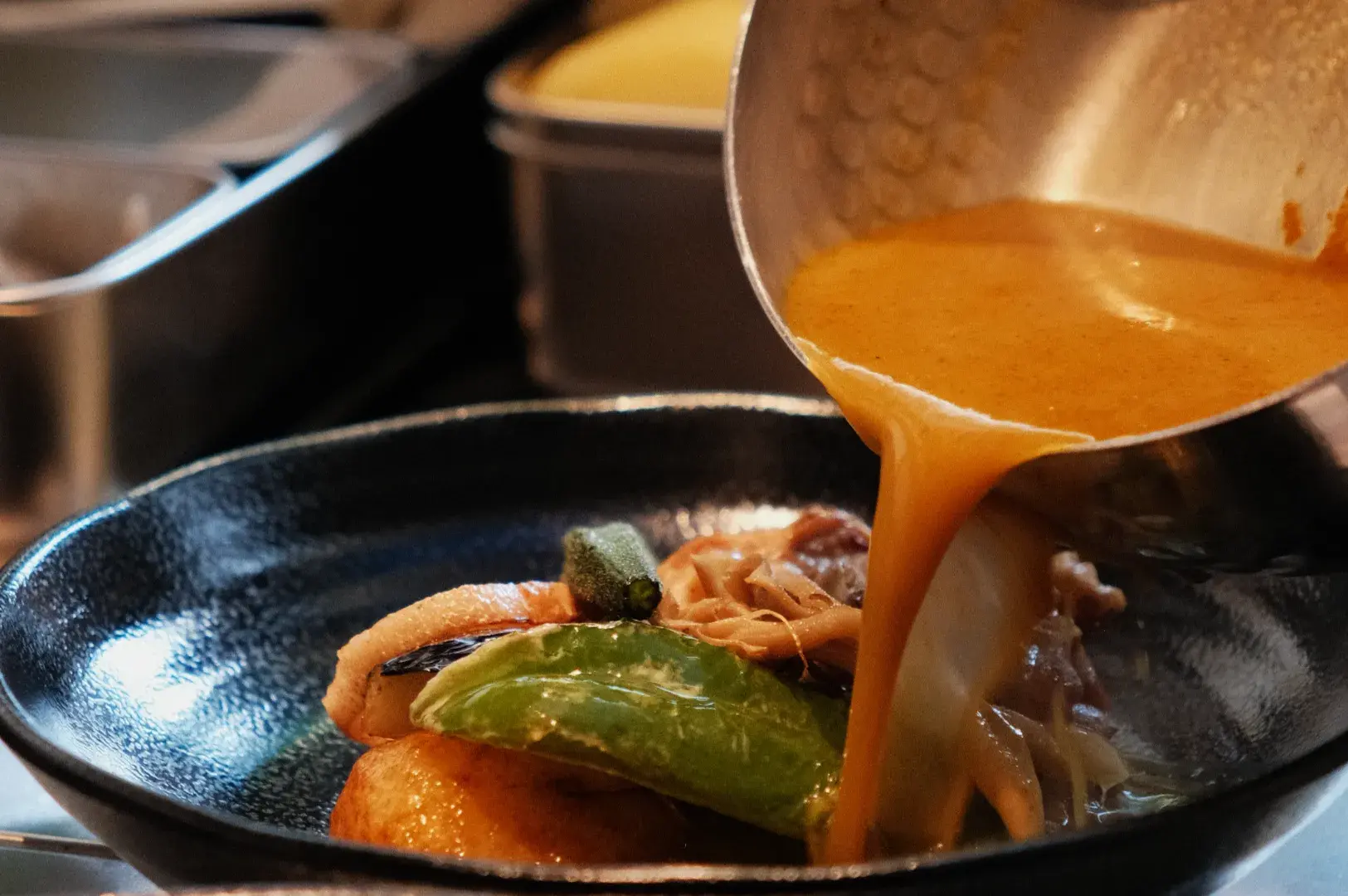
Dashi can be ready in under an hour, but the heartier broths behind ramen and rich noodle soups need much longer. Here the time is doing real work.
Chicken Broth and Beef Broth: Collagen and Patience
Bones, joints and connective tissue are packed with collagen. At a low simmer, collagen slowly converts into gelatin, giving chicken broth and beef broth their silky body and the lip-coating richness you notice in the first spoonful. A hard boil is the enemy here. It clouds the liquid, drives fat into the broth and makes the flavour muddy.
So we keep the pot at a bare simmer and skim as we go. Over several hours the broth reduces slightly, the flavours concentrate and the surface stays calm. You cannot fake that texture with a stock cube or a quick pressure burst. The hours are the ingredient.
Mushroom Broth for Depth Without Meat
A good mushroom broth shows that time matters for vegetarian cooking too. Dried shiitake mushrooms are rich in guanylate, a third umami compound that works beautifully alongside the glutamate from kombu. Soak them in cold water for several hours and the liquid turns a deep amber, full of earthy sweetness.
Save that soaking liquid rather than pouring it away. Combine it with kombu and you get a fully plant-based soup stock that still tastes remarkably complex. Add thinly sliced mushrooms, a little garlic and ginger, and the broth gains an aromatic backbone that suits a light, healthy bowl.
How Soy Sauce, Sake and Salt Season the Broth
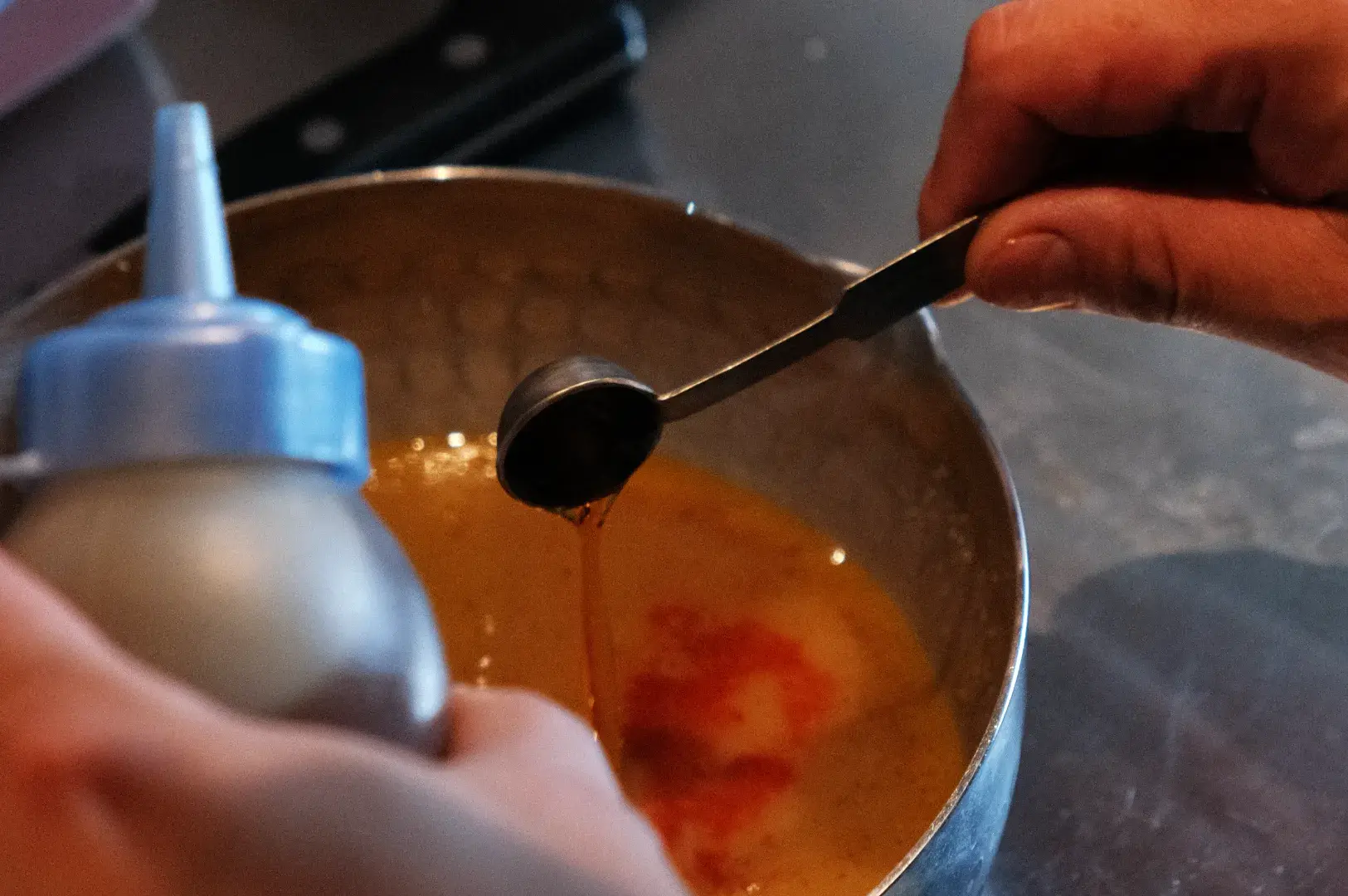
Seasoning is where patience meets restraint. Soy sauce, whether you use a standard bottle or a shoyu with a more nuanced profile, brings salt, colour and fermented depth. Because the broth reduces over time, adding salt early is risky. Season at the end, taste often and adjust in small steps.
Sake plays a quieter role. A splash in the pot softens any gaminess from meat or bones and adds a faint sweetness that rounds off the edges. Miso offers another route, bringing fermented richness, though it should be stirred in off the heat so its delicate aroma survives. Each of these sauces and seasonings enhances the foundation instead of covering it up.
A final drizzle of sesame oil can lift a finished bowl, but use it sparingly. It is a garnish, not a base, and a few drops are enough to perfume the surface.
Clear Soup vs Rich Soup: Two Paths, One Principle
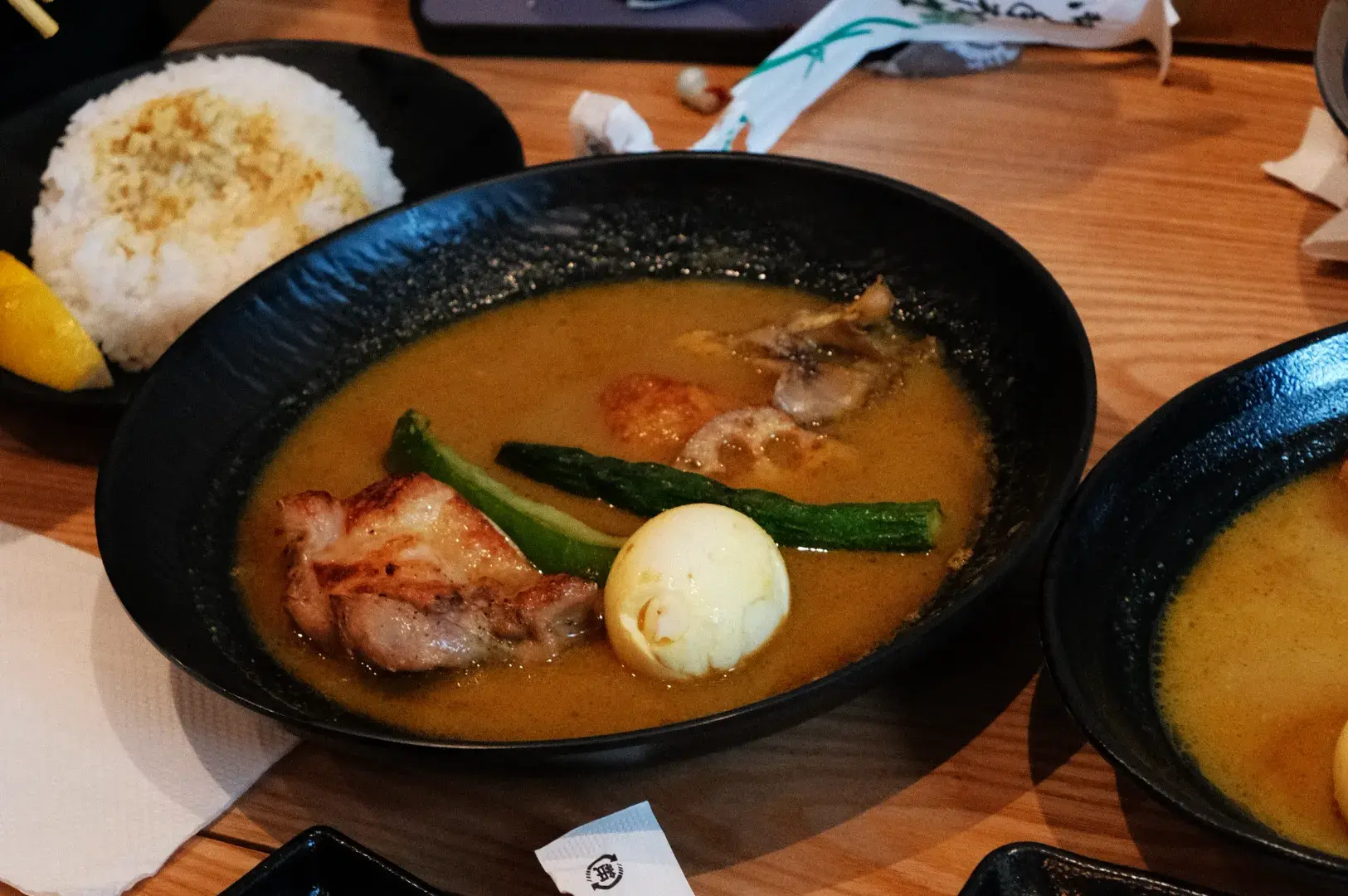
Not every Japanese soup is meant to be heavy. A clear soup, such as the delicate suimono, relies on pristine dashi, a pinch of salt, a touch of soy sauce and a few carefully cut ingredients. It looks simple, but there is nowhere to hide. Every bit of cloudiness or bitterness shows, which is why a clear soup demands such careful straining and a gentle hand with heat.
A richer soup, like a pork or chicken ramen broth, goes the other way. It is cloudy, creamy and deeply savoury, built from hours of vigorous or sustained cooking. Both styles follow the same principle: extract as much flavour as the ingredients can give, and never rush the process.
Even the noodles matter. Soba pairs best with a lighter, soy-forward broth, while thicker ramen noodles stand up to richer, fattier bases. Matching the broth to the noodle is part of the craft.
Hour by Hour: How a Japanese Soup Broth Comes Together
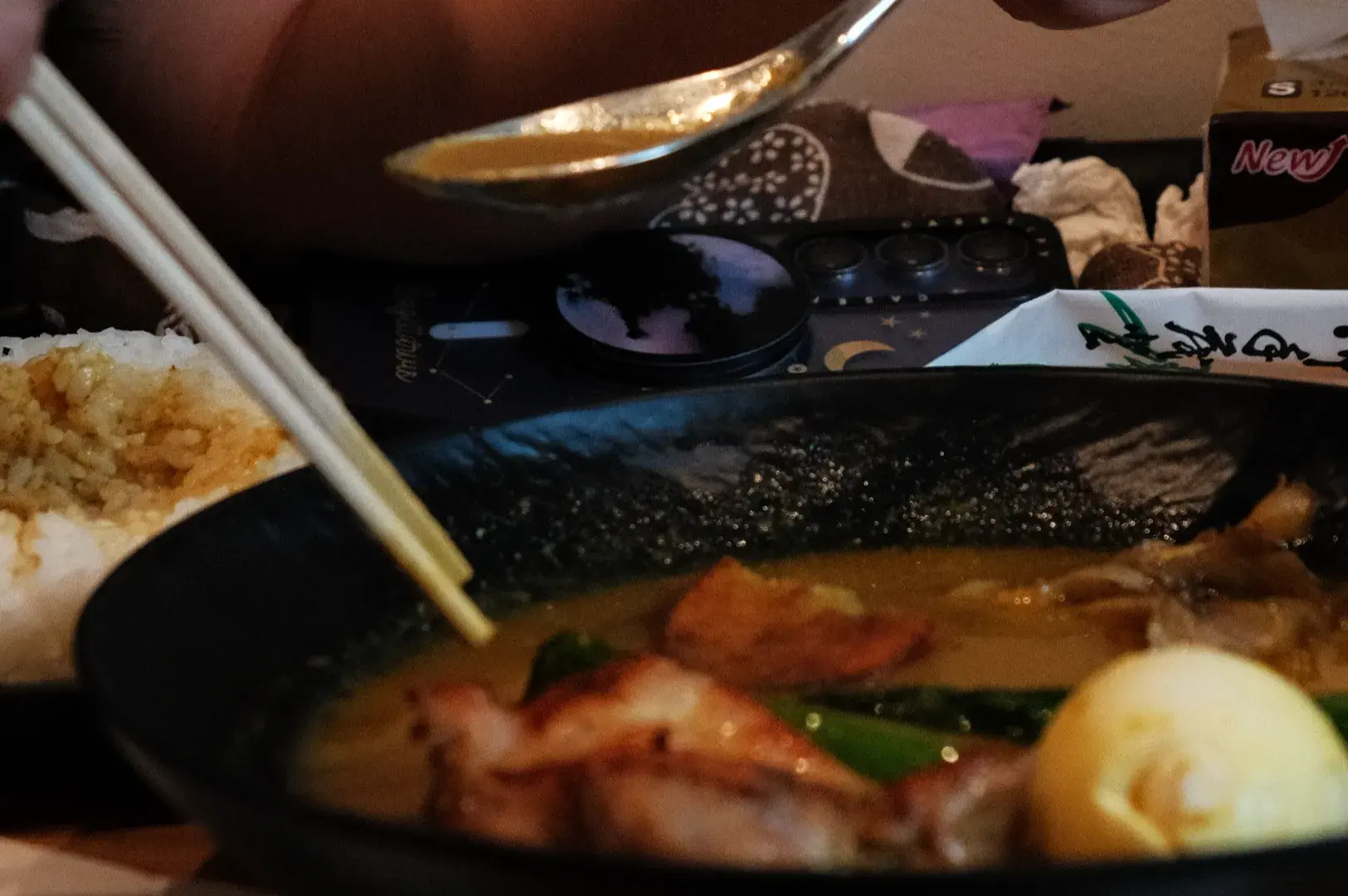
To see why the wait matters, it helps to follow the pot from start to finish. The prep time is short, and the ingredients are simple: kombu, dried shiitake mushrooms, cold water, chicken bones, katsuobushi, garlic, ginger and a few vegetables. The instructions, in truth, are mostly about restraint.
The First Hour: Soaking and Gentle Heat
Everything begins with a cold soak. Kombu and shiitake mushrooms rest in cold water for at least an hour, quietly releasing glutamate and guanylate. Chicken bones are blanched and rinsed so the broth starts clean. Then the pot is heated slowly, and the kombu comes out just before the water reaches a boil.
Hours Two and Three: The Patient Simmer
Now the heat drops low enough that only a few bubbles break the surface. We skim the foam as it rises and leave the rest to time. This is when collagen turns to gelatin and the flavour deepens. Turn the heat up to hurry things along and you risk cloudiness and a muddy taste.
The Final Stretch: Straining and Finishing
Katsuobushi goes in for the last minute or so, and then the broth is strained through a fine sieve. Meanwhile, garlic and ginger are lightly sautéed in a clean pot, taking care not to burn them, followed by chopped carrots and thinly sliced mushrooms. The strained broth is poured over and simmered for fifteen to twenty minutes. Soy sauce, sake and salt are added last, in small steps.
The finished soup is ladled into a warm bowl, with chopped green onion as a garnish and perhaps a few drops of sesame oil. For a vegetarian serving, skip the bones and katsuobushi, as the kombu and shiitake broth is ready in about forty-five minutes. Variations are easy too, and different recipes lean on different ingredients: stir in miso off the heat, add tofu or drop in cooked soba.
Storing Your Broth: Refrigerator, Freezer and Airtight Container
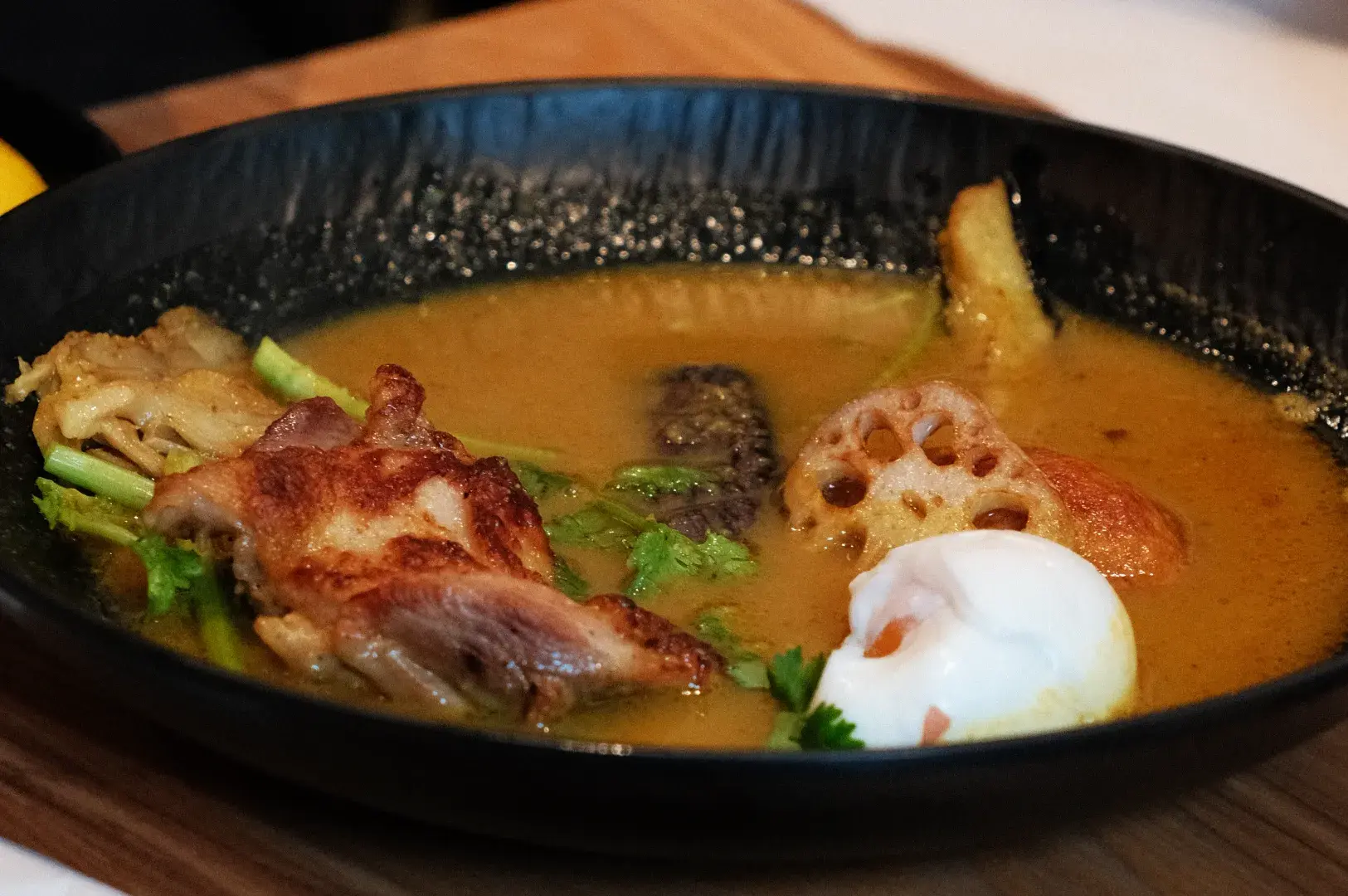
Because a proper broth takes effort, it makes sense to make plenty. Let it cool, strain it again if needed and pour it into an airtight container. In the fridge it keeps comfortably for three to four days. In the freezer it lasts for a couple of months, and freezing in small portions means you can defrost only what the meal calls for.
Many home cooks cook one large batch at the weekend and use it all week for quick noodle bowls, rice porridge and vegetable soups. Reheat gently rather than boiling hard, which protects the delicate flavour you worked so hard to build.
A practical tip for Singapore’s climate: on a humid August afternoon, cool the pot quickly in an ice bath before storing it, so the broth spends as little time as possible in the warm zone.
How Our Hokkaido Approach Shapes Our Curry Soup
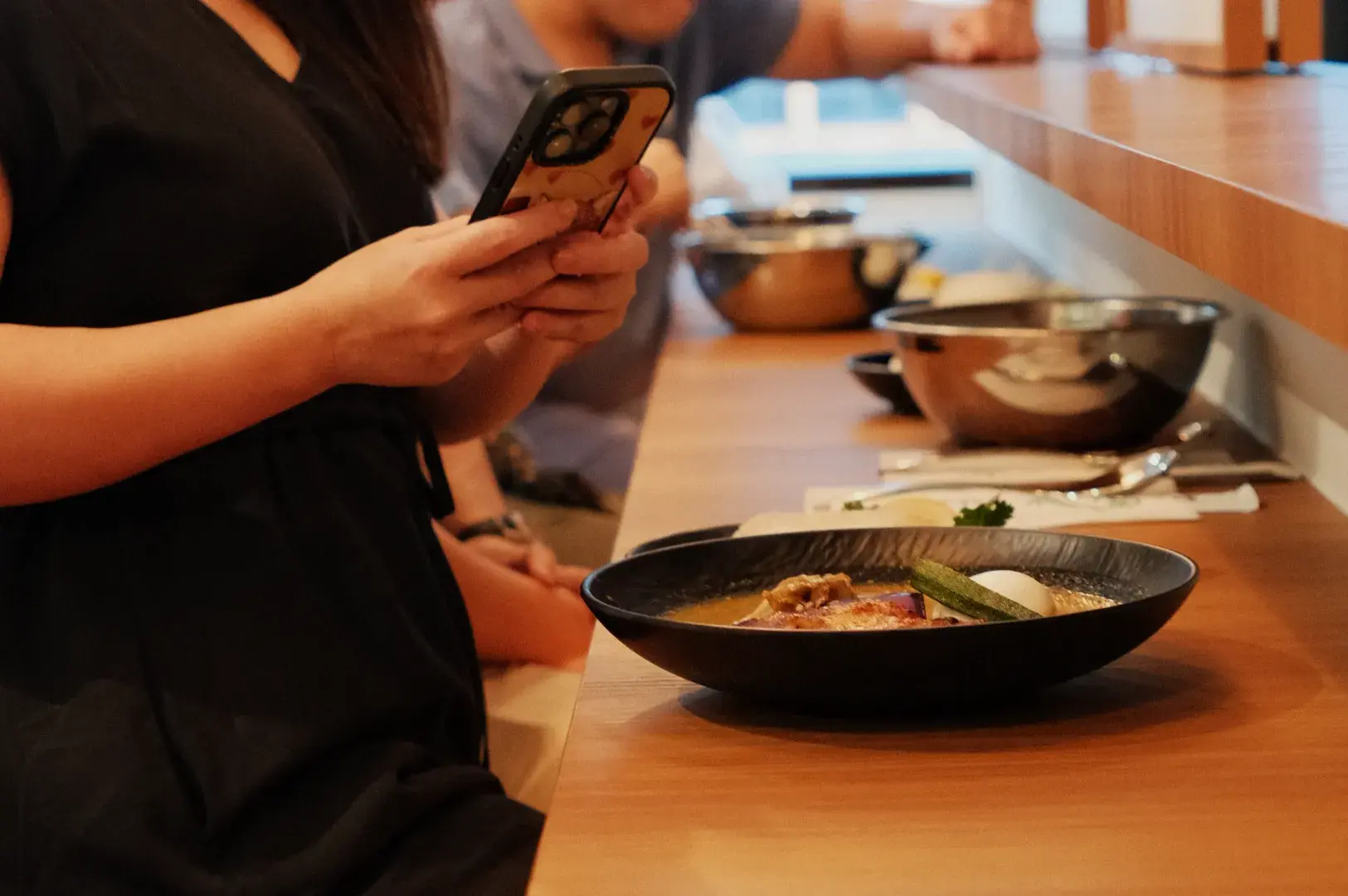
Hokkaido is known for cold winters, and the food of Sapporo reflects that. Warming, soulful soups are part of daily life there, and the idea that a good soup deserves time runs through the whole culinary culture. That is the thinking we carry into our own kitchen. At Soup Curry by Ki-Setsu, the curry soup starts with a patiently built base, layered with aromatic spices and vegetables, rather than a thick roux poured over rice.
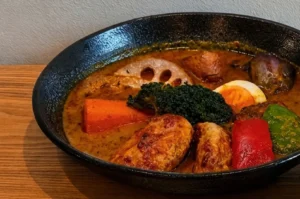
The result is a light yet intensely flavourful soup that lets the other elements shine. Tender chicken is simmered until it falls apart at the touch of a spoon, and crisp deep-fried vegetables such as bell pepper, lotus root, aubergine and potato are cut using Japanese methods so that each piece cooks evenly and holds its texture. The contrast between the silky, spiced soup and the crunchy, vibrant vegetables is something we are quietly proud of.
From 6 PM, our space turns into a cosy izakaya, and the same philosophy follows. Slow-cooked broths, carefully seasoned dishes and a relaxed pace invite guests to stay a little longer, which suits food that was never meant to be hurried.
Is the Wait Really Worth It?

Absolutely. A broth built over hours has a clarity and depth that no shortcut can match. It tastes of the ingredients themselves: sweet kombu, smoky bonito, earthy shiitake, gentle aromatics and just enough soy sauce or sake to bring everything into focus. It nourishes without feeling heavy, and it turns a handful of simple ingredients into something that feels like a proper meal.
Whether you are making dashi for a delicate clear soup, simmering chicken bones for ramen or steeping dried mushrooms for a plant-based pot, remember that time is the secret ingredient. Start early, keep the heat low, skim patiently and taste as you go. You will notice the difference in the very first spoonful.