Ask anyone who has spent a holiday on Japan’s northern island what they remember most, and the answer is rarely a landmark. It is a taste. A spoonful of cold, creamy dessert eaten beside a pasture. A bowl of steaming noodles on a snowy evening. A curry soup so layered that you slow down without meaning to.
We believe authentic Hokkaido flavour cannot simply be shipped in a box and declared genuine. It begins with land, weather, animals and the people who look after them. Once that chain is broken, something quiet disappears from the plate. That is why we think of flavour as something to be protected, from the farm to the table, rather than something to be imported.
This article explores what that protection looks like, from the milk that shapes the island’s sweets to the vegetables that fill a bowl of soup curry in Singapore.
What Authentic Hokkaido Flavour Really Means
Authenticity is a word used loosely in food. For us, it comes down to three questions. Does the dish respect where it comes from? Are the ingredients treated with the care they deserve? And does the result taste the way it would in Sapporo?
Hokkaido is Japan’s northernmost main island, and its cool climate, long winters and wide open land give its produce a character that is hard to copy. Vegetables grow slowly and develop natural sweetness. Dairy products are rich without being heavy. Seafood from the surrounding cold waters is firm, clean and sweet.
When people talk about authentic Hokkaido flavour, they are really talking about this sense of place. A dish can use the right recipe and still miss it if the ingredients, techniques and attention are not aligned. The flavour is the sum of everything that came before the cooking.
What Makes Hokkaido Milk So Special
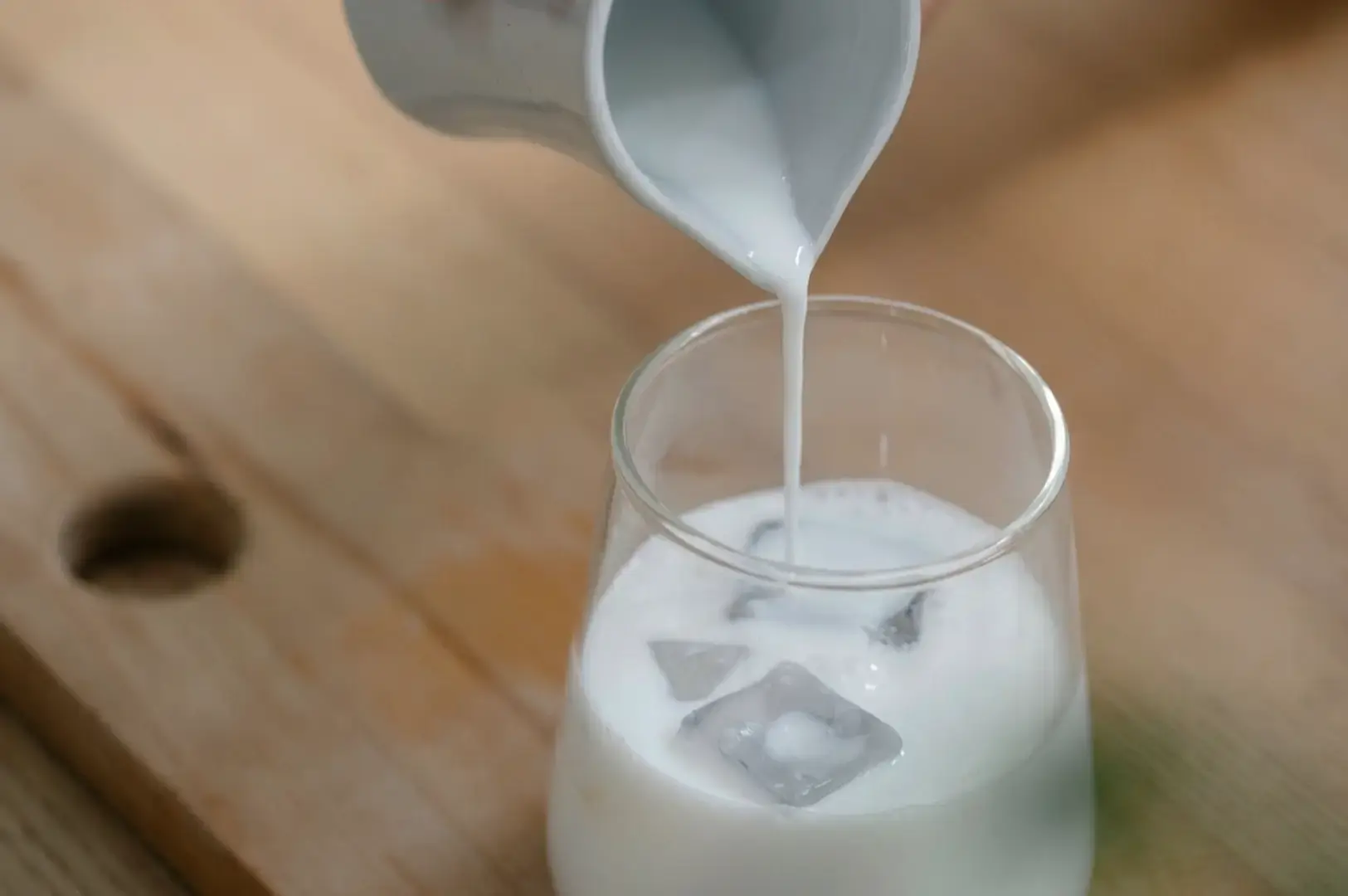
If one ingredient defines the island’s food culture, it is milk. Walk through almost any town in Hokkaido and you will find it in sweets, bakery items, snacks and souvenirs. Sold at roadside shops and stations, puddings and biscuits often follow visitors home, carrying a little of that taste with them.
Cows, Climate and Open Pasture
The first answer to what makes Hokkaido milk distinctive lies in the cows themselves. Cool summers and cold winters suit dairy cattle well, and the island has wide pastures where animals can graze and move freely. Less heat stress and a diet rooted in good grass contribute to milk that tastes clean, naturally sweet and full.
The milk has a smooth texture on the tongue and a mild, rounded milk flavour that does not need much help. When the starting point is that good, a skilled cook knows to step back and let it speak.
Farmers Who Guard the Quality
Behind every pasture are farmers who work long, early hours in all weather. Many families have tended their herds for generations, passing on small habits that no written guide fully captures: how to read an animal’s mood, when to change feed, how to keep the milk fresh from the moment it leaves the farm.
This is the heart of protection. Quality is not an accident of geography. It is a daily decision made by people who care. When we speak about authentic Hokkaido flavour, we are speaking about their work first.
Soft Serve Ice Cream: Where Hokkaido Milk Speaks Plainly

Nowhere is the island’s milk easier to appreciate than in soft serve ice cream. There is nothing to hide behind. No heavy sauce, no strong spice, no crunchy topping. It is simply milk, cold and sweet, shaped into a swirl.
The Creamy Texture and Refreshing Aftertaste
A good Hokkaido soft serve has a creamy texture that feels dense but never greasy. It melts evenly, coating the palate with a gentle sweetness, and then leaves a refreshing aftertaste that makes you want another bite. That balance between richness and lightness is what separates a memorable cone from an ordinary one.
Many travellers describe their first taste of Hokkaido soft serve as a small revelation. The flavour is deep without being sharp, and the smooth texture stays consistent from the first lick to the last corner of the cone. Some shops add a drizzle of caramel or a scoop of seasonal fruit, but the milk remains the star.
Why Not Every Soft Serve Is the Same
Anyone can mix powder and water and call it soft serve. The difference shows up immediately. Lower quality mixes can taste flat, overly sweet or oddly thin, with an artificial finish that lingers unpleasantly.
Real milk-based soft serve depends on fresh dairy products handled with care. That is why local shops across the island often proudly name the farm behind their milk. They know customers can taste the difference, which is why a line often forms outside the best ones.
Miso Ramen and the Sapporo Palate
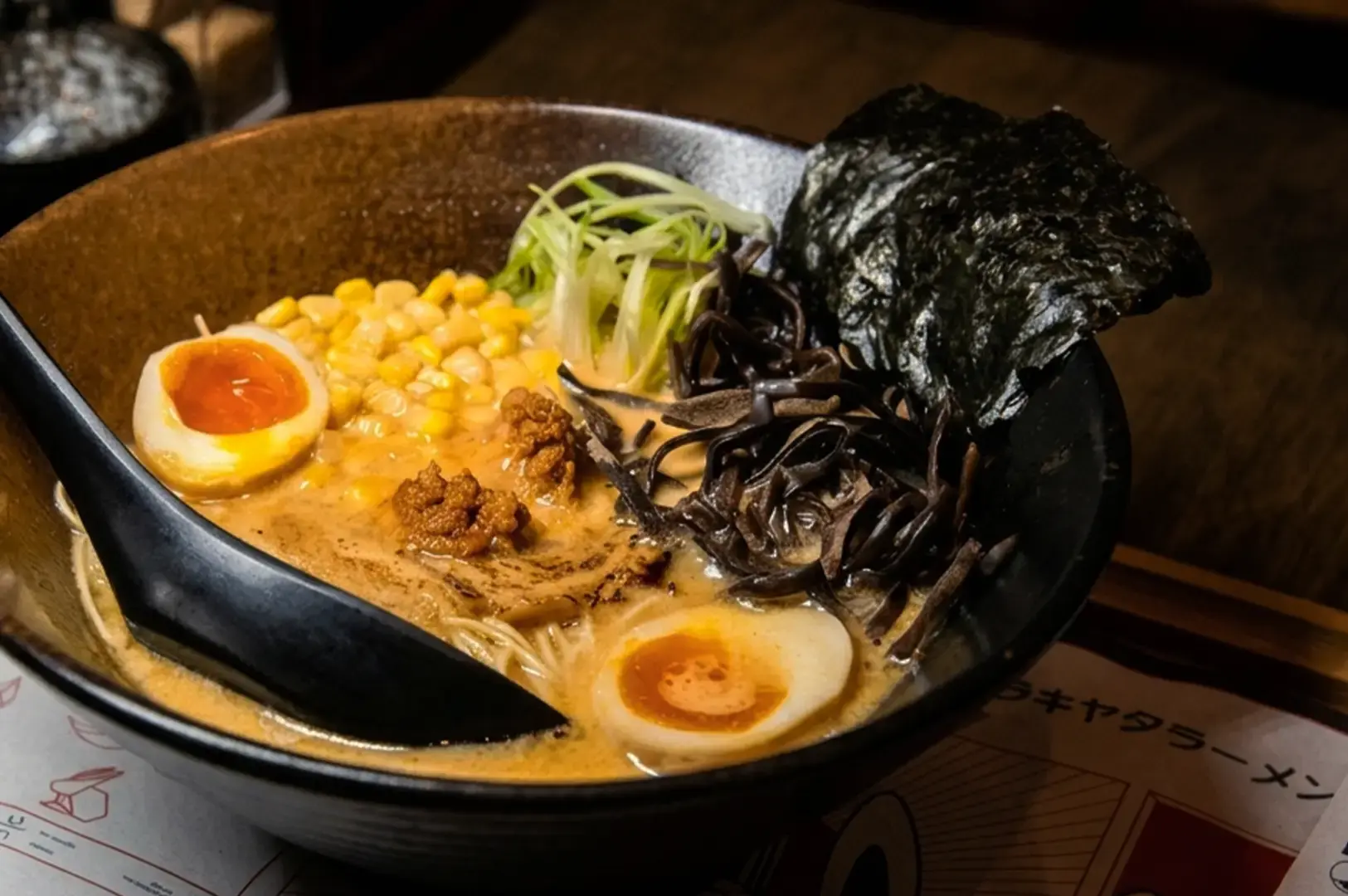
Milk may be the island’s quiet hero, but its food is also built on bold, warming dishes. Few capture winter in Hokkaido better than miso ramen, which grew up in Sapporo and has become one of the most famous bowls in all of Japan.
A proper bowl is packed with character. The broth is rich and savoury, carrying the deep flavour of fermented miso and often a gentle fragrance from toasted aromatics. Springy noodles hold the soup well, and toppings such as sweet corn, bean sprouts and tender meat add contrast. In many shops, a small pat of butter melts into the top, a nod to the island’s dairy heritage.
What interests us most is how miso ramen reveals the local palate and the wider food culture of Sapporo. People in Sapporo like food that is hearty, honest and generous. Salt and sweetness are balanced carefully. Heat is present but never aggressive. The same instinct runs through the island’s soup curry, which values depth and warmth over show.
Seafood, lamb and fresh vegetables also appear across Hokkaido menus, reflecting a region that eats with the seasons. In January, when snow blankets the island, rich, steaming bowls feel less like a choice and more like a necessity.
Lake Toya and the Landscape Behind the Table

It is hard to separate Hokkaido’s food from its scenery. Take Lake Toya, a calm, round caldera lake set among forested hills and gentle volcanic slopes. The nearby town draws visitors for its walking paths, hot springs and wide views across the water, and the surrounding farmland supplies produce that finds its way into local kitchens.
Elsewhere on the island, the lavender fields of Furano turn whole hillsides purple in mid-summer, bringing a soft floral aroma to the air and a sweet, perfumed note to local desserts.
These places tell stories that explain why the food tastes as it does. Clean water, fertile soil and cool air are not decoration. They are ingredients. The experience of travelling through this part of the world teaches you that flavour and nature are bound together.
Hokkaido tourism has grown strongly for this reason, with many travellers flying up from Tokyo. Many people discover that the best way to understand a dish is to stand in the right place, where it was produced. Not everyone can make that trip, which is part of why we feel responsible for translating the spirit of the island as faithfully as possible.
Soup Curry and How We Protect Flavour in Singapore
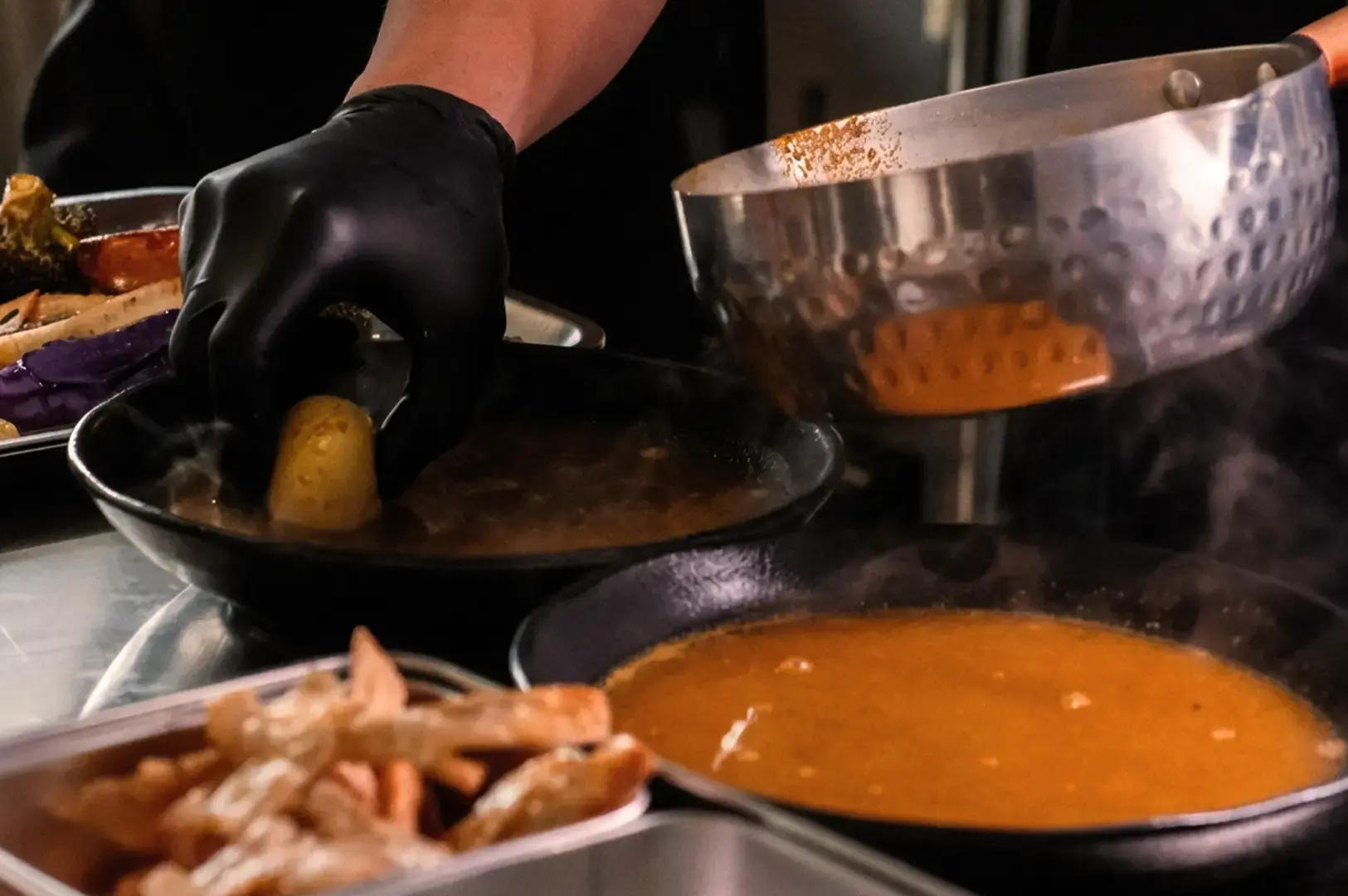
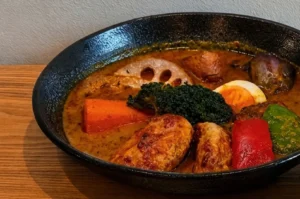
This is where our own work begins. Soup curry, a Sapporo speciality, is one of the most expressive dishes to come out of Hokkaido. Instead of a thick, stew-like sauce, it uses a thin, aromatic soup built on slow-cooked stock and a careful mix of spices. It is served with rice and a generous arrangement of ingredients, and every spoonful changes slightly depending on what you pair it with.
We set out to bring that experience to Singapore without watering it down. Protecting flavour, for us, means refusing shortcuts at each stage. Here is how that looks in practice.
Vegetables Cut and Fried the Hokkaido Way
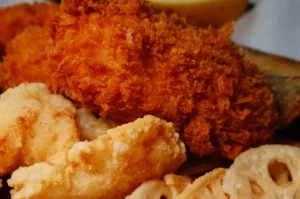
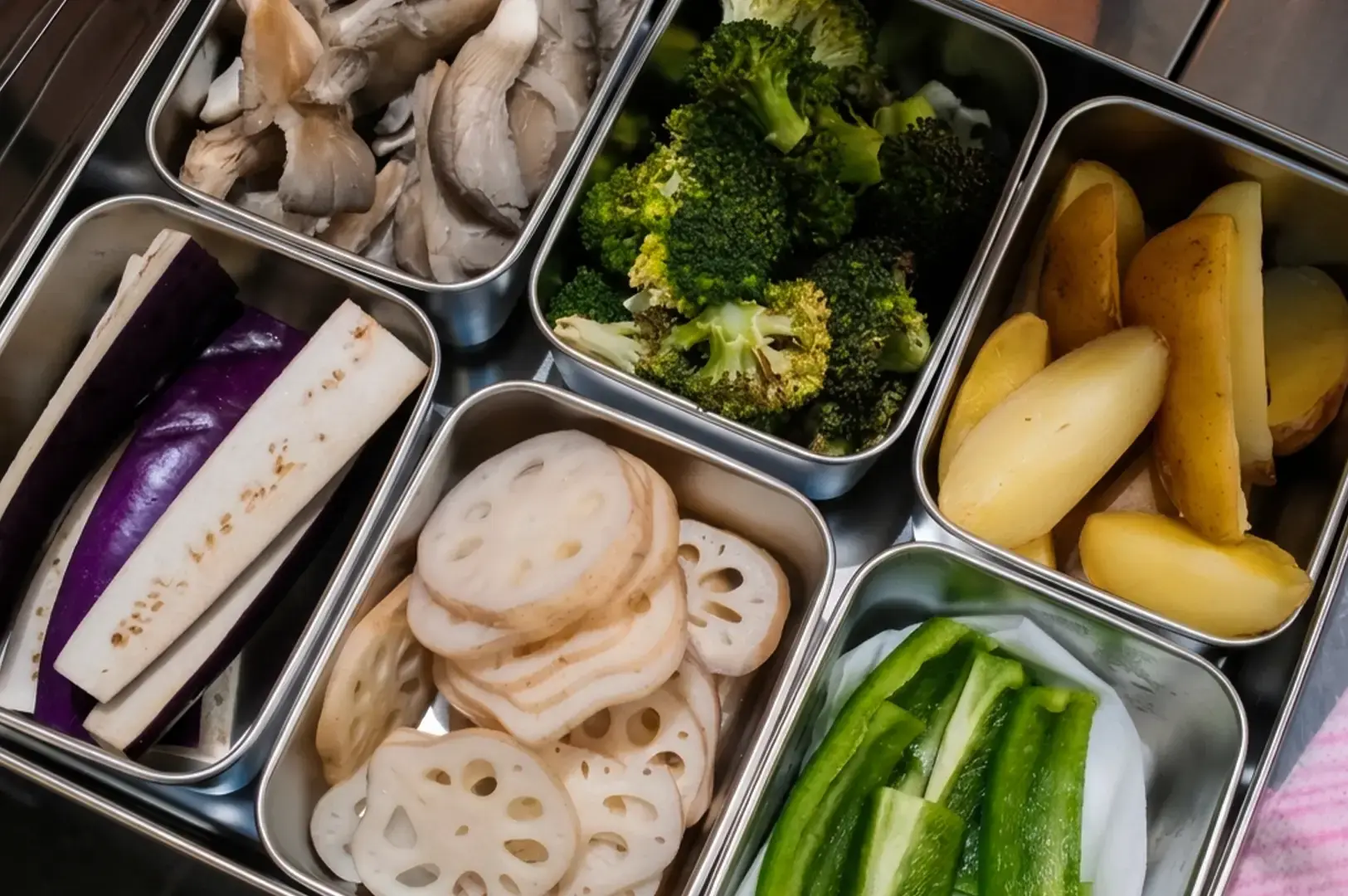
Soup curry lives or dies by its vegetables. We use various vegetables, including bell pepper, lotus root, aubergine and potato, each deep-fried so that the outside turns lightly crisp while the inside stays tender and sweet. These are prepared using Japanese cutting methods, which shape every piece to cook evenly and to carry the soup properly.
The result is vibrant on the plate and delicious to eat. Lotus root offers a pleasing crunch, aubergine soaks up the soup like a sponge, and potato brings comforting softness. This is the kind of detail that is easy to skip and impossible to fake.
Spices, Chicken and Deep Flavour
The soup itself is where patience matters. We build it so that the spices are fragrant but balanced, never overpowering, leaving a deep flavour that unfolds as you eat. Tender chicken sits in the rich, aromatic curry soup, soaking up everything around it. The soup should feel flavourful and warming, closer to soul food than to a quick meal.
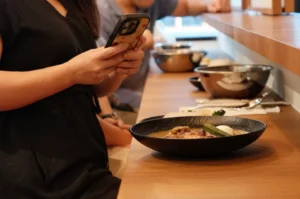
Because the broth is light in body yet rich in taste, it invites you to eat slowly. Guests can adjust the spice level, add extra toppings and make each bowl their own, which is very much in the Sapporo spirit.
From Lunch to Izakaya
We also like to reflect another side of Hokkaido dining. From 6 PM onwards, our space transforms into a cosy izakaya, where small dishes, drinks and conversation take centre stage. It is a way of honouring the island’s relaxed evening culture, where food is something to share rather than rush.
Protecting Flavour Is a Shared Responsibility
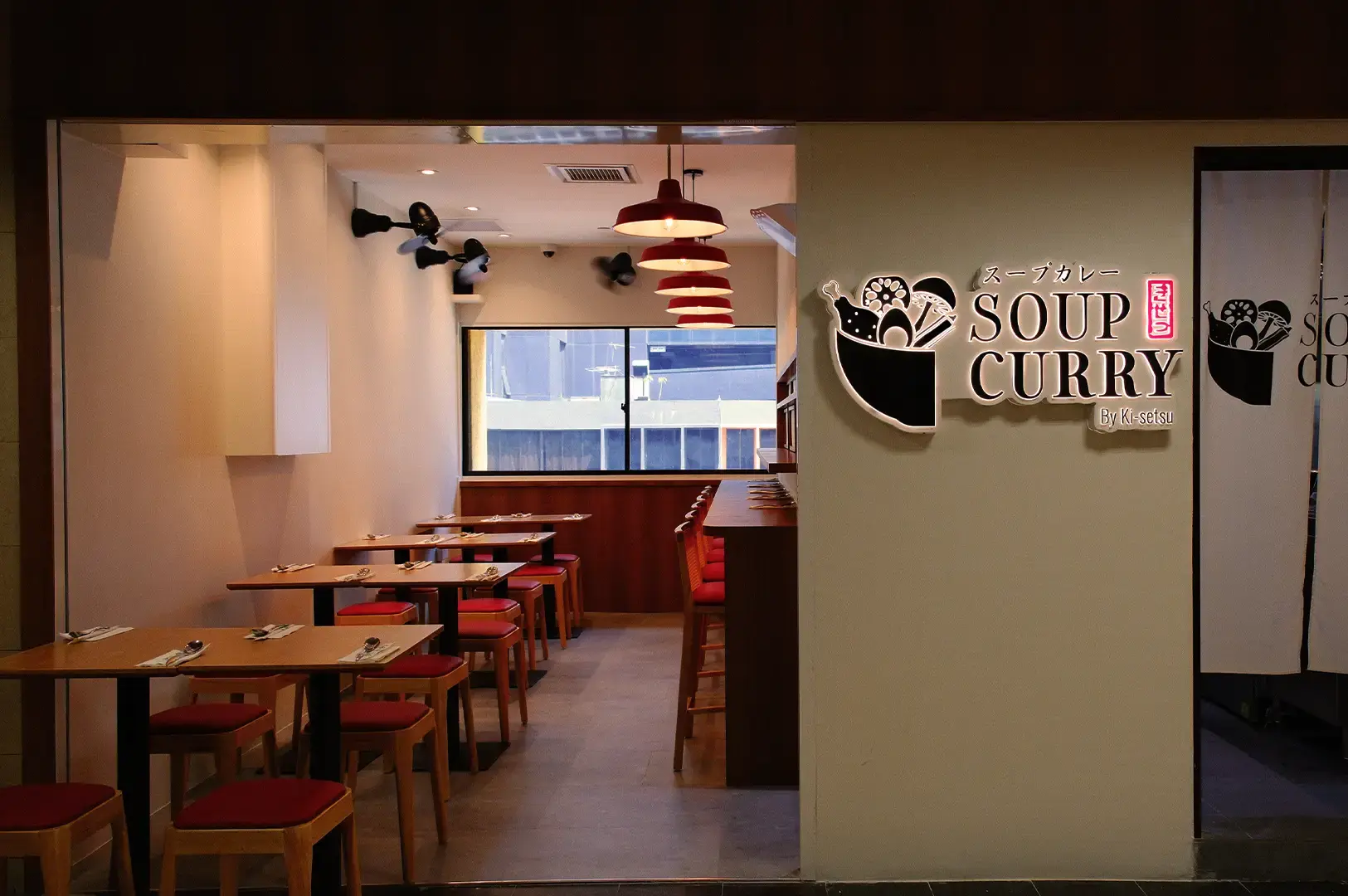
Return to the question at the heart of this article. Can authentic Hokkaido flavour be imported? Ingredients can travel, certainly. Recipes can be written down and repeated. But the thing that makes a bowl of soup curry or a cone of soft serve taste unmistakably of Hokkaido is the care taken at every step, by farmers, producers, cooks and diners alike.
That care is what we try to carry with us at Soup Curry by Ki-Setsu. It is in the way we choose and cut our vegetables, in how we build our soup, and in the patience we ask of ourselves in the kitchen. It is also in the way we hope guests eat: slowly, curiously, and with real appreciation for where everything began.
If you plan to visit the island, go and taste it at the source, and check ahead, as many small shops close on Mondays. If you are not, we would be glad to share a little of that warmth with you here, one bowl at a time.