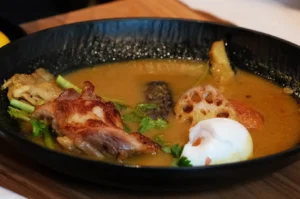
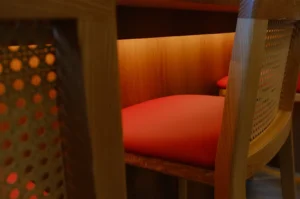
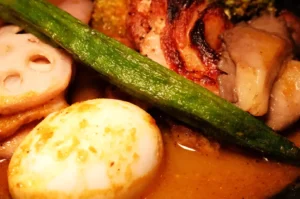
There is a particular kind of relief that arrives at the end of a long workday in Japan. The office empties, ties are loosened, and rather than heading straight home, a significant portion of the workforce makes a familiar detour. They file into the warm, amber-lit interior of an izakaya, settle around low tables with cold beer already on its way, and exhale. This is not simply about eating. This is ritual, community, and belonging compressed into a few hours after dark, often accompanied by comforting dishes like soup curry that warm both body and spirit.
The after hours izakaya is one of Japan’s most enduring social institutions. To outsiders, it might resemble a bar or an informal restaurant. To the Japanese worker, it is something far more essential: a decompression chamber between professional life and private life, a place where hierarchy softens and conversation flows freely alongside sake, shochu, and an extensive collection of Japanese beverages. Understanding why this choice is made night after night, across Tokyo and beyond, reveals something profound about Japanese culture and the kind of experience that good food and good company can provide.
Izakaya Dining as a Social Necessity
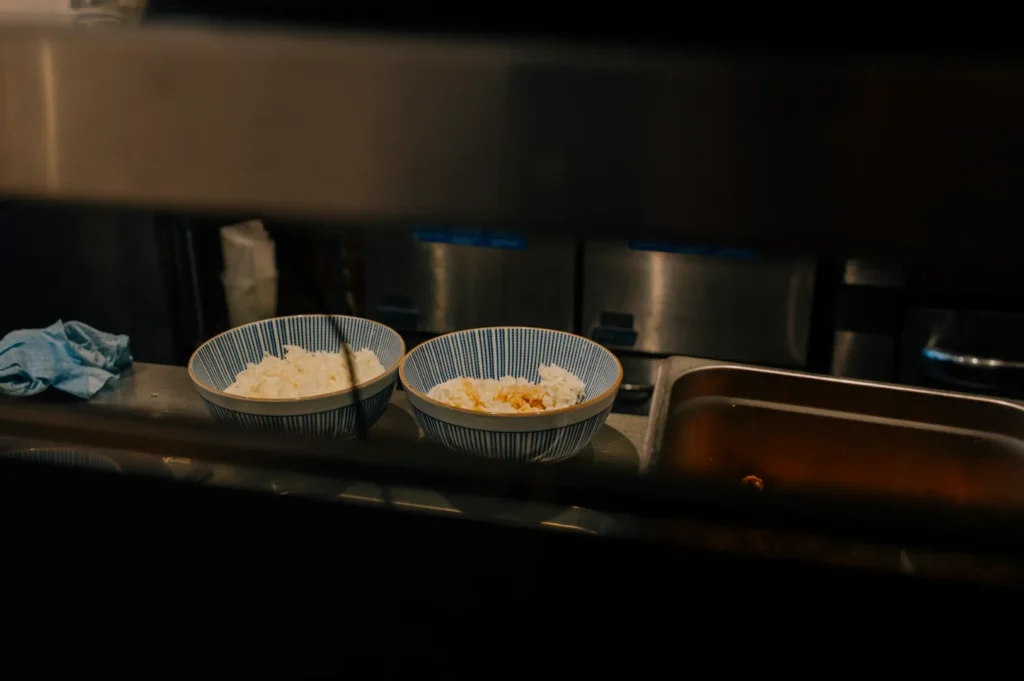
Public izakaya culture did not develop by accident. Japan’s working culture, particularly in Tokyo, is famously demanding. Long hours, structured workplace relationships, and the constant pressure to perform create a need for a space where those pressures can be set aside without the formality of a proper dinner or the isolation of going home. The izakaya provides exactly that.
What makes izakaya dining so effective in this role is its deliberate informality. Many izakaya are designed to feel lived-in, casual, even slightly chaotic. The lively atmosphere is not incidental. It is the point. Background noise provides privacy for candid conversations. Shared small plates encourage communal eating rather than individual dining. There is no expectation of a swift, transactional meal. Diners arrive knowing they will stay for a while, savoring a variety of dishes including noodle dishes, rice, and seasonal ingredients.
The Architecture of Unwinding
The physical design of a typical Japanese izakaya reinforces this ethos. Low tables, close seating, and the proximity of bar to table create an environment where the boundary between strangers and friends dissolves quickly. Many diners begin the evening with colleagues and end it in conversation with the table beside them.
This deliberate blurring of social lines is something that home simply cannot replicate. A Japanese apartment, particularly in Tokyo, is often small and the social dynamics of inviting colleagues home are fraught with unspoken rules. The public izakaya becomes a neutral, welcoming third space that home cannot be.
The Japanese Izakaya Menu: Designed for Lingering
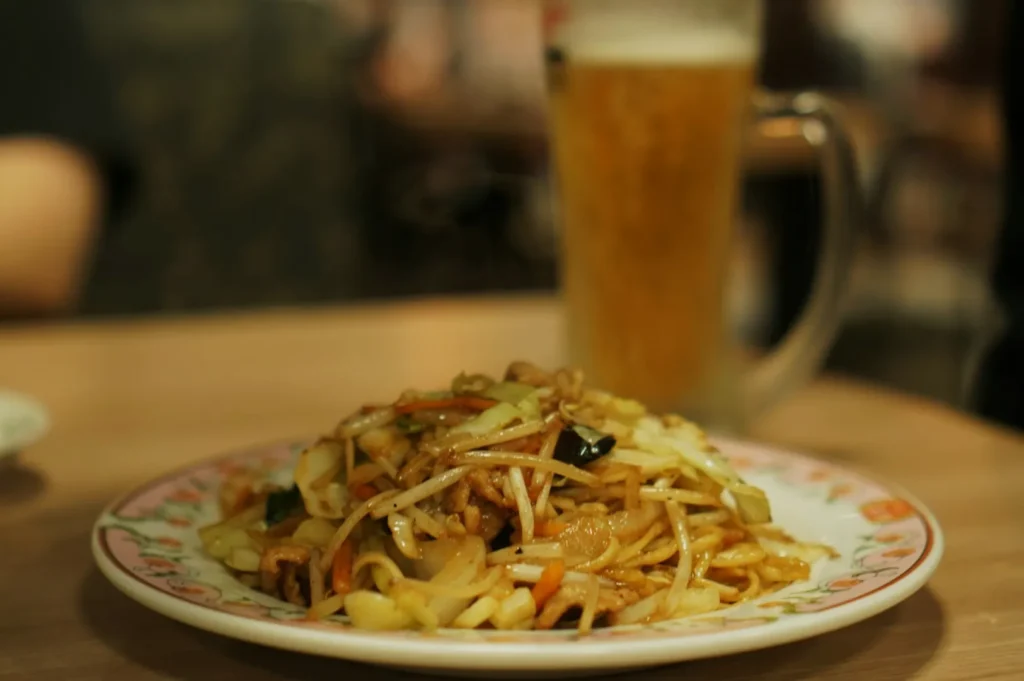
Part of what sustains these long evenings is the extensive menu that most Japanese izakaya offer. Unlike a restaurant where one orders a meal and finishes, the izakaya experience is built around a rhythm of ordering: a dish here, a refill there, and perhaps something new to try as the night progresses. The menu is structured to support this.
Fresh sashimi arrives early, sliced clean and cold, served alongside a round of beer. Yakitori follows: skewers of grilled meat fragrant with tare sauce, their edges slightly charred from the grill. Tempura and other fried foods add textural contrast. Hot dishes appear later in the meal as the group settles deeper into the evening. Miso soup might mark the gentle close. Even the drinks rotate: from beer to shochu to sake to cocktails and wine, each shift marking a different phase of the night.
This progression is intentional. Dishes designed to be shared rather than individually portioned mean that everyone at the table is always in motion, reaching, offering, tasting. The meal is not consumed so much as co-created. Special items such as foie gras or an omakase oden set add surprise and elevate the experience. The menu often highlights vegetables and seafood, showcasing seasonal ingredients that reflect the world’s freshest produce.
Small Plates, Big Conversations
There is genuine social wisdom in the small plates format. When food arrives continuously rather than in a single large serving, the natural pauses in conversation are filled by the simple act of eating. A bite of fresh sashimi, a piece of grilled meat passed across the table, these small gestures do the invisible work of social cohesion. Many diners who visit an izakaya after work find that their best conversations happen not in the silences but around the food itself.
Why the After Hours Izakaya Wins Over Home
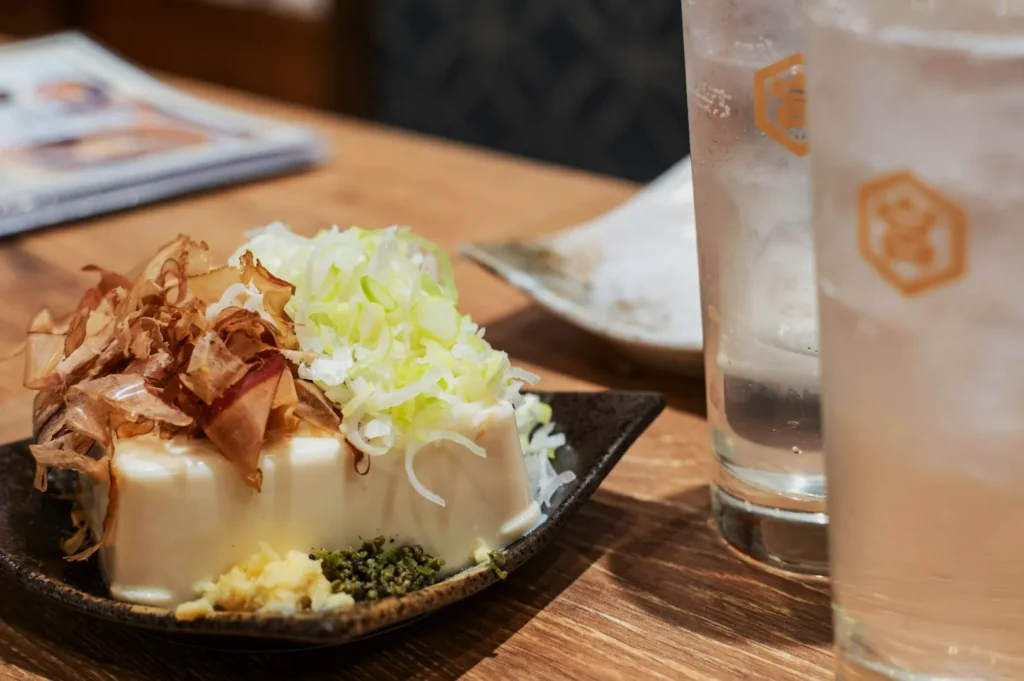
The choice between an after hours izakaya and going directly home is often framed as a question of tiredness or habit. In reality, it is a more complex calculus. Home offers rest, but it also offers solitude or domestic obligation. The izakaya offers something harder to find: transition.
Japanese workers often describe the izakaya as a place to “reset.” The shift from the discipline of the office to the relaxed atmosphere of the izakaya is a deliberate act of psychological passage. By the time a diner leaves the izakaya and heads home, they are already in a different mode, the day processed and set aside. The izakaya does not simply precede home. It prepares the person for it.
This function is especially pronounced in cities like Tokyo, where commutes are long and the boundary between professional and personal space can feel porous. The izakaya acts as a buffer, a place with its own lively and distinct atmosphere that belongs to neither the office nor the home. The absence of a strict time limit allows guests to unwind fully at their own pace.
From Tokyo Tradition to Singapore's Izakaya Scene
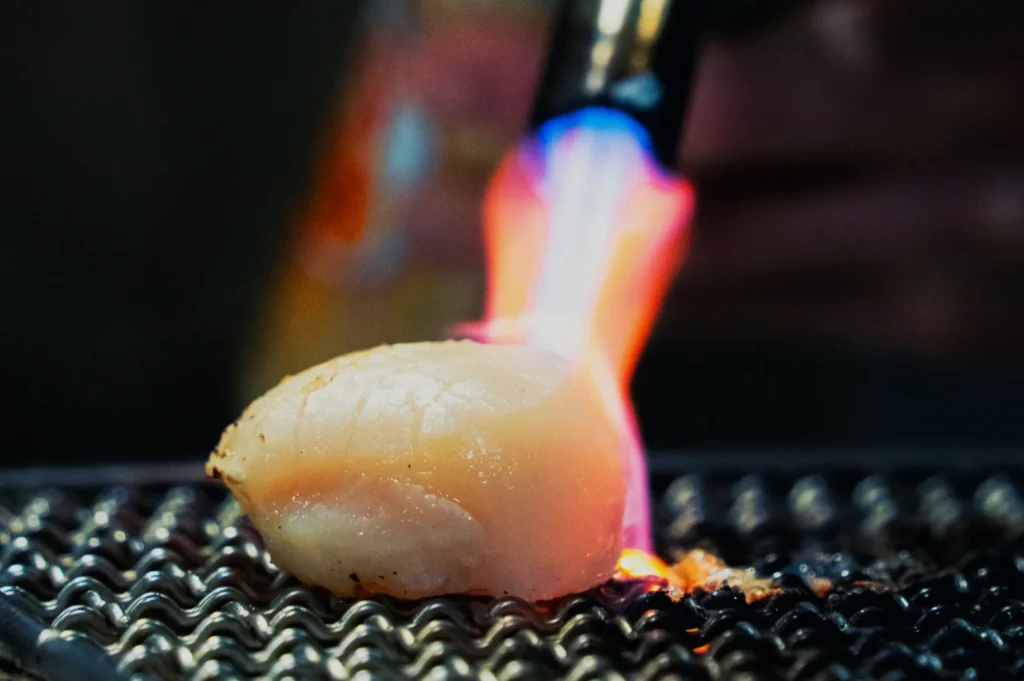
Singapore has embraced this izakaya culture with genuine enthusiasm. The Japanese izakaya experience, once available only through travel to Japan, has taken firm root in the city, with establishments ranging from chain izakaya to intimate, neighbourhood-style venues offering a more curated approach to Japanese cuisine.
The most resonant of these, for diners who want the authentic feel rather than a facsimile, are those that understand why the izakaya matters in the first place. Areas with dense concentrations of Japanese restaurants and late-night dining options have become some of Singapore’s most recognisable addresses for this kind of experience. These popular spots offer a different flavour: less glossy, more genuine.
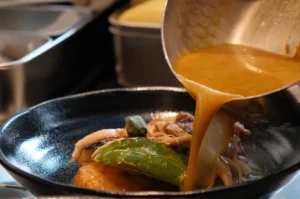
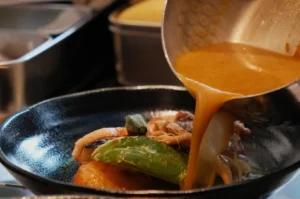
It is in this spirit that we built our own evening concept. From 6 PM onwards, our restaurant transforms into a cosy izakaya, offering Japanese small plates alongside our signature soup curry. The ethos is the same one that animates the best izakaya in Japan: good food, unhurried time, and a relaxed atmosphere that invites people to stay a little longer than they planned.
What the Izakaya Offers That Nowhere Else Does
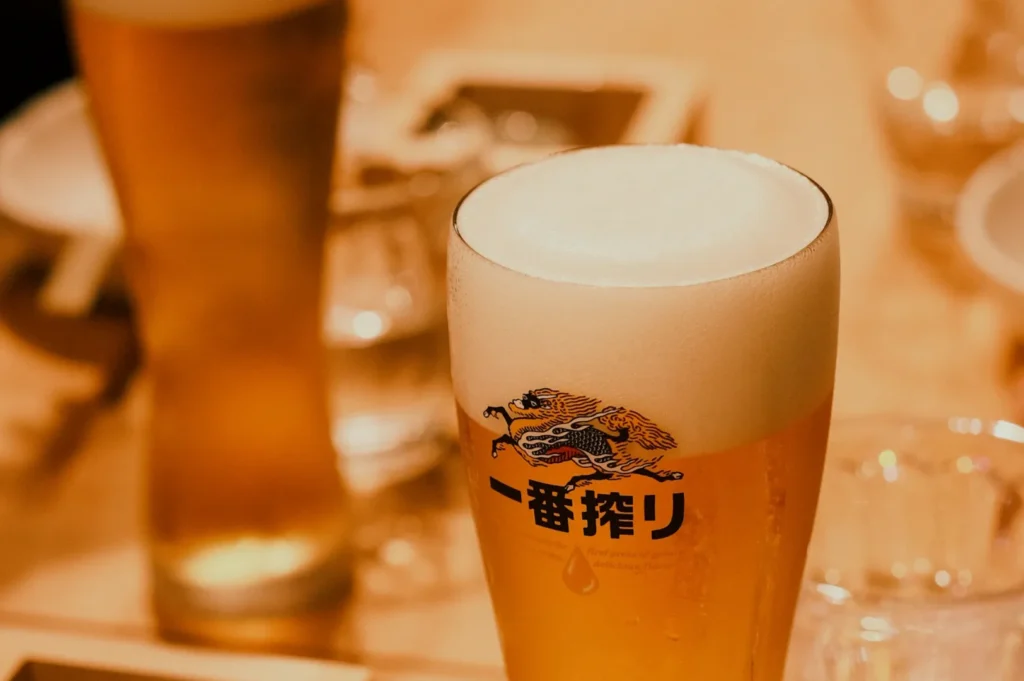
There is a reason many izakaya operate late into the night, and why many diners prefer them not just over home but over other restaurants and sake shops. The izakaya is genuinely its own category of experience. It is not a bar, though it serves drinks. It is not a restaurant, though its kitchen produces food that demands attention. It is not a social club, though it functions like one.
At Soup Curry by Ki-Setsu, we have tried to understand and honour this. Our evening concept is not simply a restaurant that stays open late. It is a considered attempt to bring the soul of the Japanese izakaya to Singapore, where workers from every background can come after hours, settle in with a bowl of rich aromatic soup curry and a round of cold drinks, and do what Tokyo’s salarymen have been doing for decades: breathe out, eat well, and let the night be its own reward.
The izakaya wins over home not because home is unwelcoming, but because the izakaya offers something home cannot always provide: the feeling of being welcomed by strangers who, by the end of the evening, are no longer strangers at all.