Ask most diners what comes to mind when they picture the best Japanese lunch Singapore has to offer. The answer is almost always the same: a sushi platter, a bowl of miso soup, and perhaps a plate of sashimi if the budget allows. Rarely a bowl of soup curry. There is nothing wrong with that instinct.
Singapore has one of the most competitive Japanese food scenes outside Japan itself, and sushi has earned its place at the centre of it. But a Japanese lunch is not only raw fish and rice. It has a richer, warmer side too, one built on slow simmered broths, comfort bowls, and dishes meant to be shared with friends.
At our restaurant, we know this well. Long before soup curry found its way onto Singaporean menus, it was already a lunchtime staple in Hokkaido. It is proof that Japanese food was never only about sushi.
Why the Best Japanese Restaurants Look Beyond the Sushi Counter
The best Japanese restaurants in Singapore understand that a satisfying lunch is about balance, not spectacle. A sushi bar can deliver a memorable meal, especially when the fish is handled with care and the rice is seasoned properly. Fresh salmon, fatty tuna, and delicate nigiri all have their place in the wider story of Japanese cuisine.
However, many loyal regulars at a good Japanese restaurant are not chasing an elaborate sushi platter every day. They want something that fits into a working lunch hour, fills them up without weighing them down, and still carries the depth of flavour Japanese cooking is known for.
This is where rice bowls, grilled dishes, and simmered soups earn their place on the menu. A well made rice bowl, piled high with grilled chicken or vegetables and finished with a savoury sauce, is just as representative of Japanese cuisine as a sushi roll. It simply tells a different part of the story, one rooted in home cooking rather than the precision of a sushi chef’s knife.
Rice Bowls and Comfort Dishes Worth Seeking Out
If you are searching for the best Japanese lunch Singapore has hidden away from the sushi menus, rice bowls are a good place to start. Tempura rice bowls, grilled fish over rice, and hearty curry style dishes all sit comfortably within Japanese food traditions. They rarely receive the same attention as omakase menus or sashimi sets, but they deserve it.
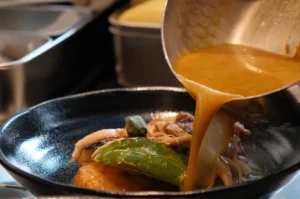
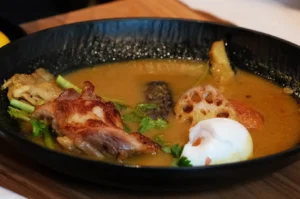
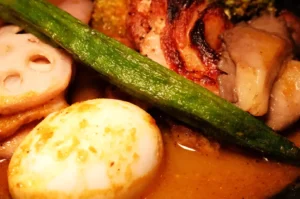
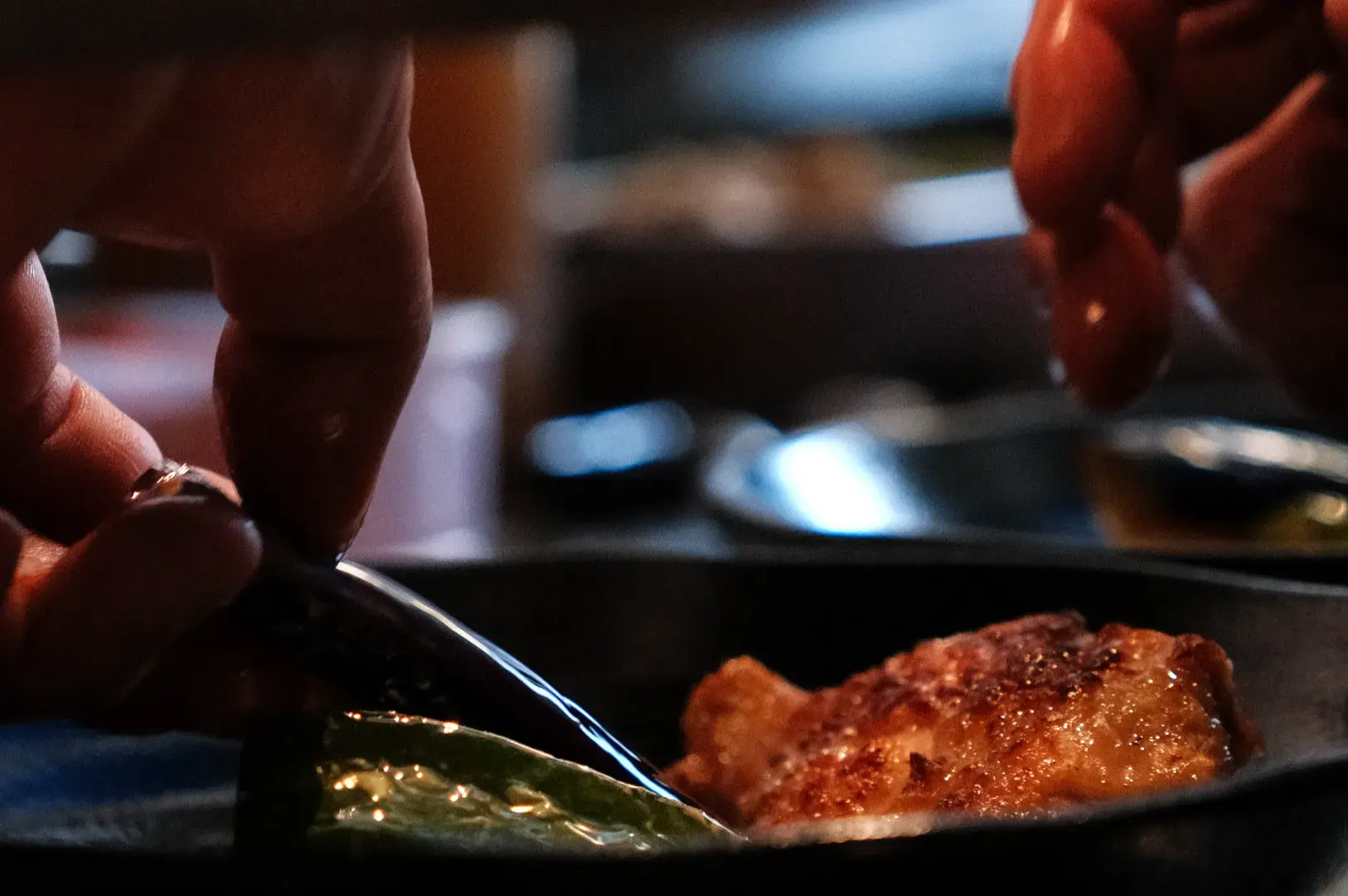
Soup curry, the dish closest to our own hearts, belongs firmly in this category. It pairs tender chicken and vibrant deep fried vegetables, such as bell pepper, lotus root, aubergine, and potato, in a fragrant, spiced broth ladled generously over rice. The vegetables are cut using traditional Japanese methods to preserve their texture, so each piece holds its shape and flavour rather than turning soft in the soup.
Read: You’ve Had Japanese Curry. You Haven’t Had Soup Curry.
Other rice bowls take a different comfort route, folding in a layer of melted cheese for extra richness. It is a small reminder that Japanese cuisine is happy to borrow and adapt where it improves the eating experience. Soup curry, in particular, is built for appetite and comfort, not for photographs of a sushi bar’s glass display.
Where to Find Japanese Restaurants in Singapore Worth Your Lunch Hour
Singapore’s Japanese dining scene is spread widely across the island, and each pocket has developed its own character over the years.
Raffles City Shopping Centre and the Civic District Crowd
Raffles City Shopping Centre sits at the heart of the Civic District. It is a natural gathering point for office workers hunting for a quick but satisfying Japanese lunch. The mall’s food and beverage mix leans toward efficient, well priced lunch sets, ideal for anyone with a limited midday window. Here, a rice bowl or a simmered dish can be just as popular as sushi rolls, simply because diners are watching the clock.
Far East Plaza and the East Plaza Legacy
Far East Plaza, often called simply East Plaza by long time visitors to Orchard Road, has been part of Singapore’s Japanese food story for decades. It has long housed a cluster of established Japanese eateries, several known for their lunch sets, sashimi, and a steady stream of regulars who return for the open kitchen atmosphere. Sushi and sashimi remain the headline acts here. But the sheer density of Japanese restaurants in this one building leaves room for ramen, tempura, and rice bowl specialists to thrive alongside the sushi bars.
Holland Village’s Quieter Japanese Dining Scene
Holland Village offers a different pace altogether. Away from the density of Orchard Road, its Japanese restaurants favour a more relaxed, neighbourhood feel. Lunch here often stretches a little longer. Diners are more likely to find izakaya style small plates alongside standard lunch sets, a hint of the vibrant izakaya culture that defines Japanese dining after dark. By evening, that same culture turns into a genuinely fun, sociable way to eat, with sake and small plates encouraging diners to linger at the table rather than rush through a meal.
Ngee Ann City and the Orchard Road Lunch Rush
Ngee Ann City remains one of Orchard Road’s busiest lunch destinations, and its basement dining options reflect that pace. Sushi sets and rice bowls both do well here, largely because they can be served quickly without compromising on taste. For diners short on time but unwilling to settle for mediocre Japanese food, Ngee Ann City is a reliable stop.
Raffles Place and the Business Lunch Equation
Raffles Place, Singapore’s financial district, has its own set of demands. Here, the best Japanese lunch Singapore’s office crowd can find needs to be fast, filling, and consistent. Sushi sets and bento style boxes are common. So too are simmered and grilled rice bowls, which travel well for those eating at their desks. Opening hours across Raffles Place tend to align tightly with office hours. Many kitchens open early to catch the breakfast to lunch crossover crowd, then close their lunch service promptly once the rush subsides.
Smaller Pockets: Shaw Centre, Palais Renaissance, Cuppage Plaza, and Millenia Walk
Beyond the island’s best known clusters, smaller pockets such as Shaw Centre, Palais Renaissance, Cuppage Plaza, and Millenia Walk also carry their share of quietly excellent Japanese restaurants. These addresses favour a tighter approach, with a handful of signature dishes rather than an exhaustive menu, prepared by chefs who have built a reputation around premium ingredients and consistency instead of scale. For diners who prefer a considered lunch over a crowded one, these smaller pockets often deliver just as much satisfaction as the larger, more obvious destinations.
What Actually Sets the Best Japanese Food Restaurants Apart
Ask any regular diner what separates the best Japanese restaurants from the merely average ones, and the answer rarely comes down to menu length. It comes down to consistency, sourcing, and technique.
Restaurants that source fresh seafood carefully, whether that means fresh sashimi flown in regularly or fresh ingredients sourced with the same discipline used at Tokyo’s Toyosu Market, tend to build the strongest reputations. Establishments inspired by the standards of Toyosu Market, the successor to the old Tsukuba fish market, often carry that same obsession with freshness into non sushi dishes too, applying it to broths, sauces, and even the vegetables that accompany a rice bowl.
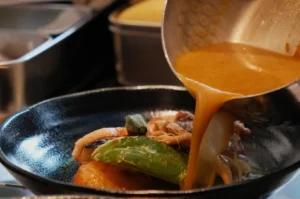
The same is true of soup based dishes. A proper soup curry depends on a stock simmered for hours, using chicken bones and a blend of spices unique to Hokkaido cooking, rather than a shortcut base. The result is a broth with genuine depth, closer in spirit to a good ramen than to a quick curry sauce. It is this kind of attention to a single component of the meal, whether that is fish, rice, or broth, that tends to define the best Japanese restaurants, regardless of what style of dish they specialise in.
Rediscovering What a Japanese Lunch Can Be
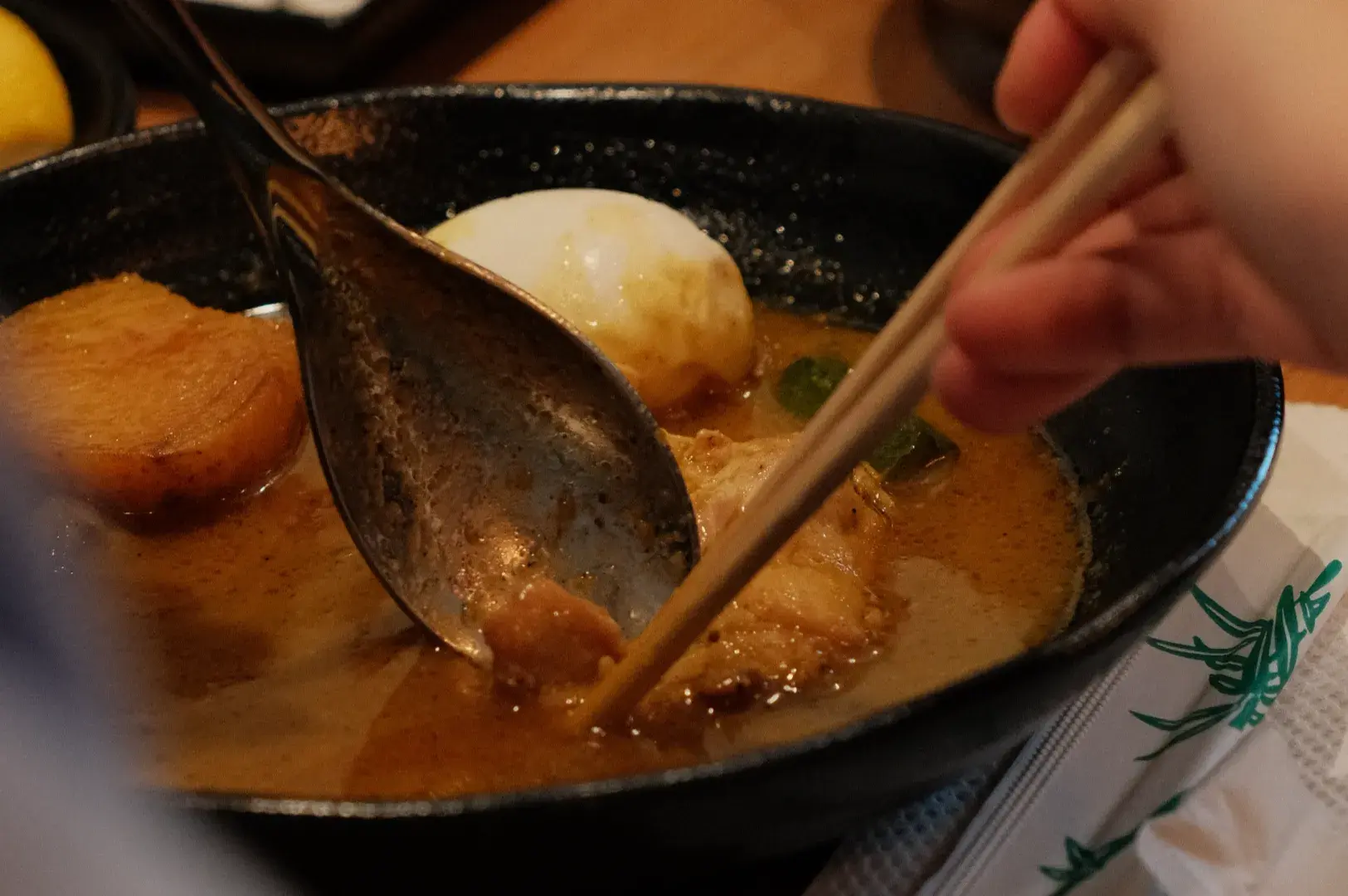
Singapore diners searching for the best Japanese lunch Singapore has to offer are increasingly willing to look past sushi rolls and sashimi platters. Ramen shops, tempura specialists, and rice bowl counters have all carved out loyal followings, proof that Japanese cuisine’s appeal was never limited to raw fish.
Soup curry sits comfortably within this wider movement. Since making its Singapore debut, it has offered diners something a sushi platter cannot: a warm, spiced broth designed to be eaten slowly, with unlimited servings of rice for those who want to stretch the meal a little further.
Bringing Hokkaido Warmth to the Table
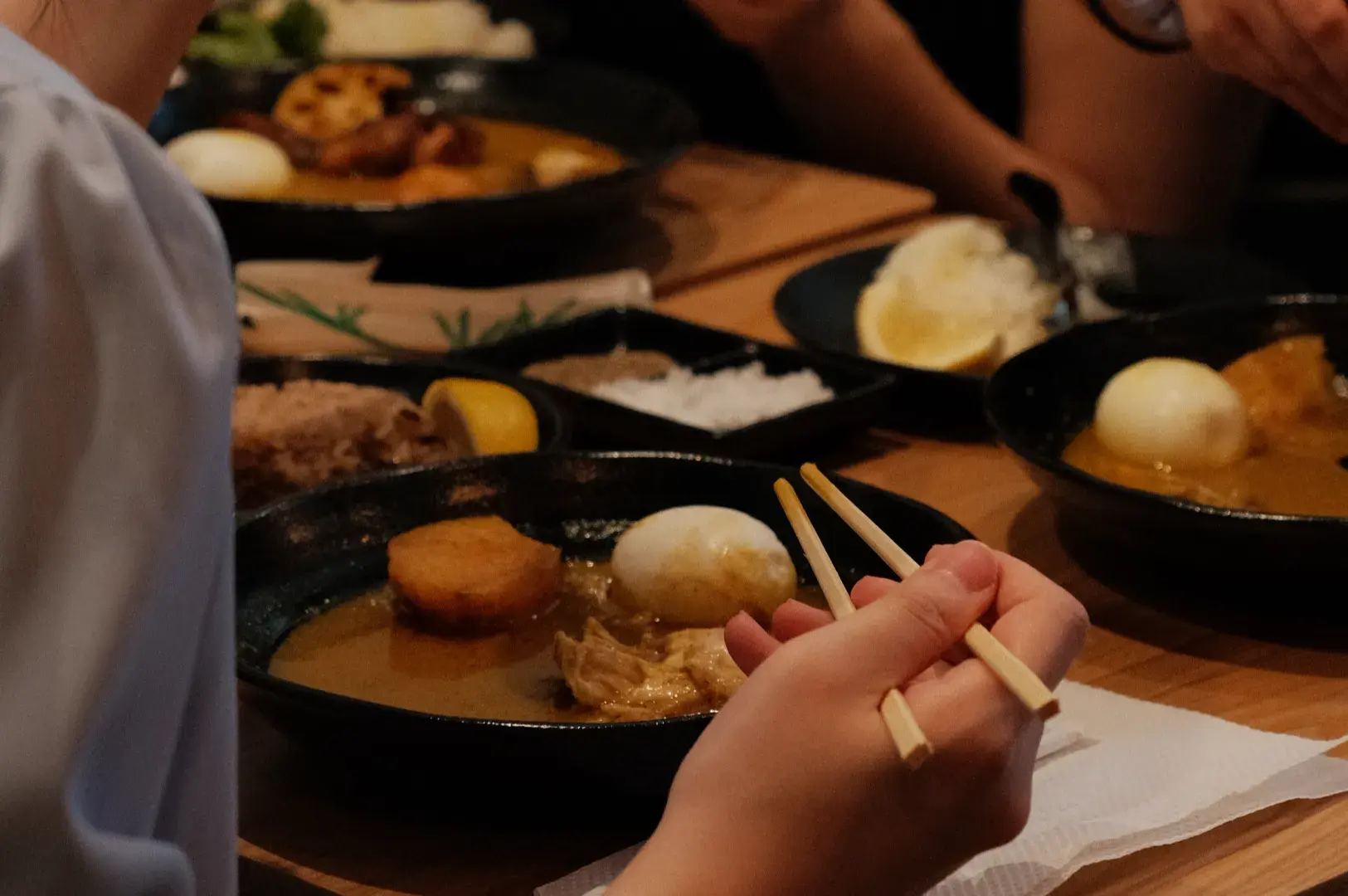
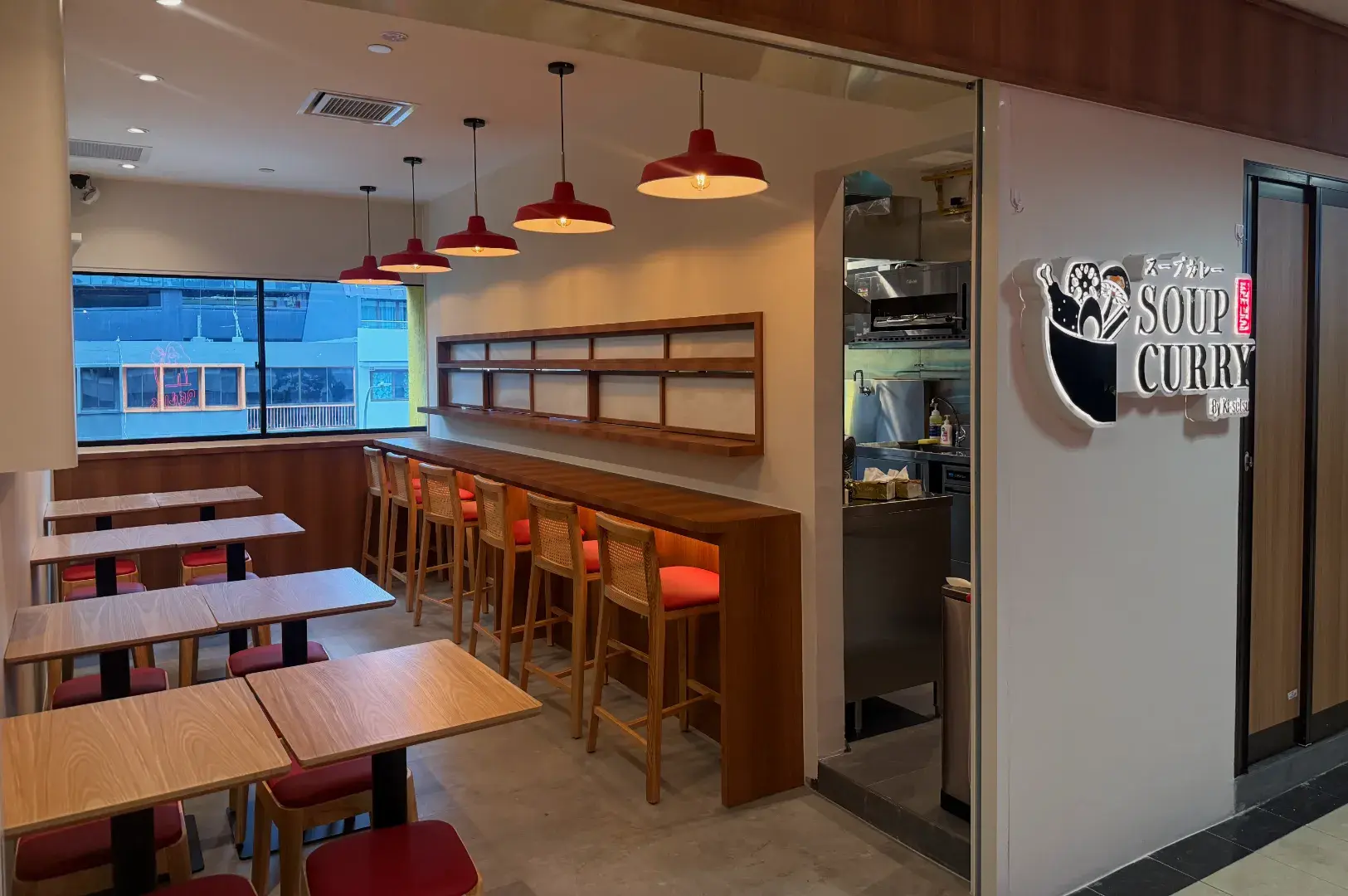
Our own approach reflects this philosophy directly. At Soup Curry by Ki-Setsu, we prepare each bowl the way it would be served in Hokkaido, pairing tender chicken and freshly cut vegetables with a broth built from scratch rather than a shortcut base.
From six in the evening, our space shifts into a cosy izakaya, extending the same warmth of a Hokkaido lunch counter into a dinner menu built for sharing among friends. It is a reminder that a satisfying meal does not need to revolve around a sushi bar. Japanese cuisine has always had more to offer than what sits behind the glass counter.
For anyone still equating the best Japanese lunch Singapore can provide with sushi alone, a bowl of proper soup curry is worth the detour. It carries the same discipline around fresh ingredients and technique that defines the island’s best Japanese restaurants, just expressed through a spoon rather than chopsticks.