Choosing the best soup curry Singapore has to offer is not as simple as picking the bowl with the prettiest photo. This Japanese soup dish has its own language: a vocabulary of textures, aromas, spice levels, and cooking philosophies that separate a truly nourishing bowl from one that merely looks the part.
As practitioners of Hokkaido soup curry here in Singapore, we have watched this category grow, and we want to give you a clear guide on exactly what to look for before you sit down and order.
What Makes Hokkaido Soup Curry Different From Japanese Curry
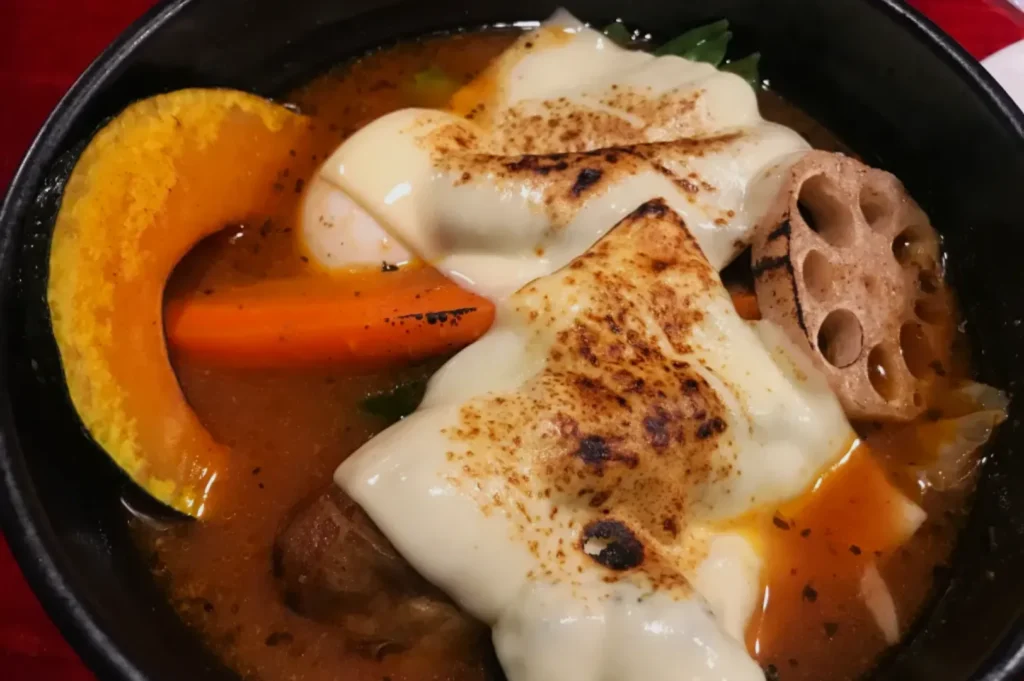
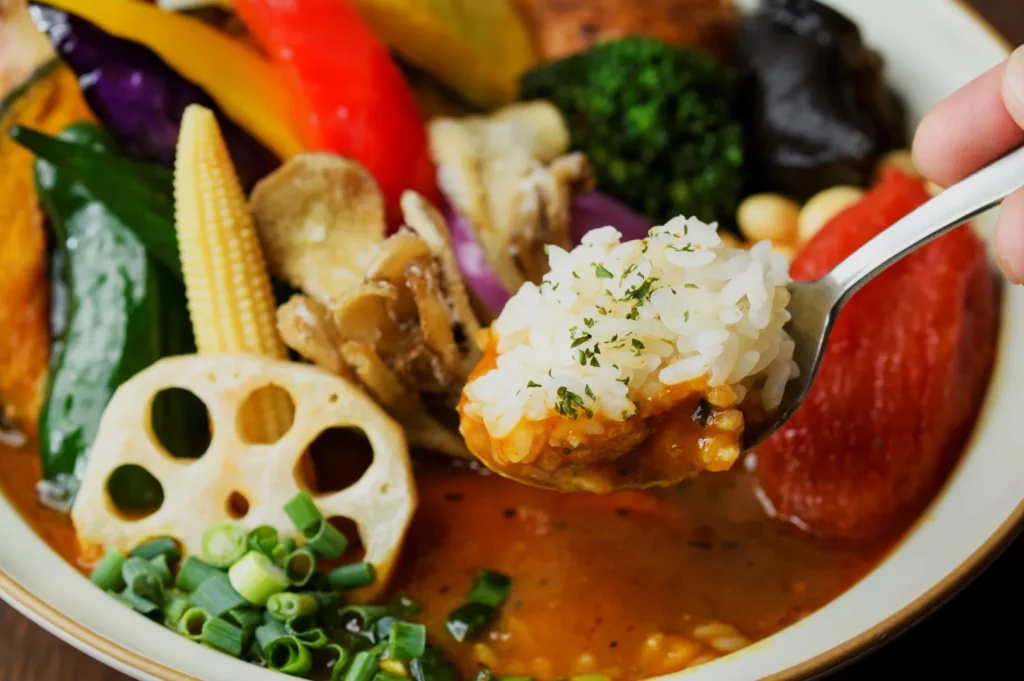
The first thing to understand is that soup curry is not Japanese curry in a thinner disguise. Typical Japanese curry is thick, starchy, and often sweet, built around a roux-based sauce poured over rice. Authentic soup curry, by contrast, is a light, aromatic curry soup in which the rice is served separately on the side. You dip a spoonful of Japanese rice into the broth, eat it, and alternate with bites of tender chicken leg or fresh vegetables. The mechanics of the meal itself are a signal of authenticity.
When evaluating any establishment, start here: is the soup genuinely broth-based and pourable, or has it been thickened to mimic conventional Japanese curry? A true Hokkaido style soup curry should be rich and complex without being stodgy. The soup base should carry depth from layers of spice, aromatics, and slow-cooked stock, yet still allow the individual flavours of each component to shine through.
The Soup Base: Where Authenticity Begins
The soup base is the soul of the dish. In the Sapporo soup curry tradition, this broth is built from chicken broth or a combination of poultry and bone stock, layered with curry powder, garam masala, and tomato paste for body and acidity. These ingredients are not simply combined: the process involves caramelising onions, garlic, and ginger in a heavy bottomed pot to develop a rounded, almost sweet foundation before the spices are introduced.
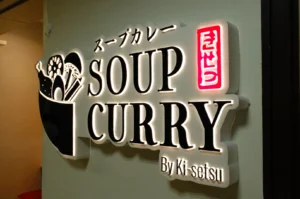
At Soup Curry by Ki-Setsu, we follow this approach with care. The base we serve reflects the original soup curry philosophy from Sapporo: a harmonious balance between warming spice and savoury depth, without any single element overpowering the rest. When assessing quality, take a sip of the broth before anything else. It should be fragrant, layered, and have a clean finish. If it tastes flat, too salty, or overly oily, the foundation has not been constructed with care.
Fresh Vegetables: Colour, Texture, and the Su-Age Technique
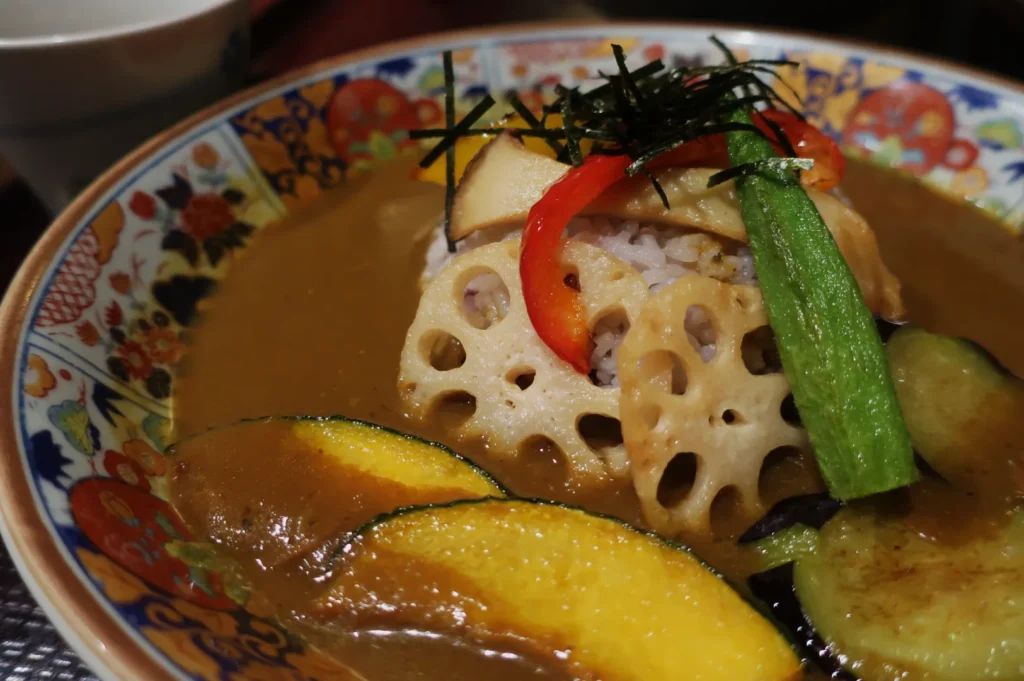
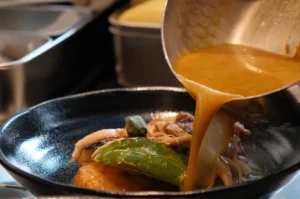
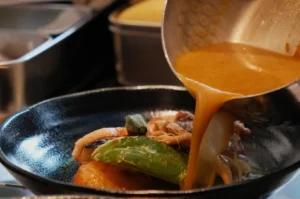
One of the clearest indicators of quality in any bowl of Japanese soup curry is the treatment of vegetables. In the Hokkaido soup curry tradition, assorted vegetables are not boiled or simmered into softness. Instead, they are prepared using the Japanese su-age technique, a method of flash frying without batter to seal in moisture, preserve vibrant colors, and create a lightly crisped exterior.
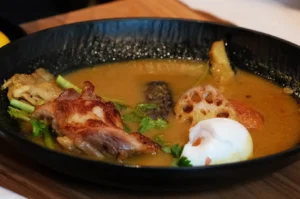
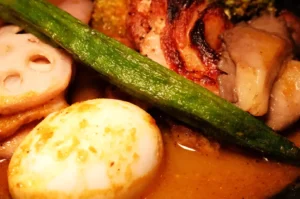
This matters enormously. Deep fried vegetables prepared with this technique, including bell peppers, lotus root, eggplant, potato, okra, and broccoli, retain their natural sweetness and structural integrity. When you look into a bowl of well-prepared Hokkaido soup curry, you should see vibrant colors, not a sea of grey-green overcooking. The vegetables should hold their shape and offer a satisfying contrast of textures: crisp on the outside, tender within.
If the vegetables in a bowl look dull or have dissolved into the broth, that is a sign they were either pre-cooked without care or simply simmered with no attention to technique. We prepare our vegetables daily using the su-age method because it is what Hokkaido kitchens have always done, and it is non-negotiable if the goal is to serve a bowl worthy of being called authentic.
The Protein: Judging the Chicken Leg
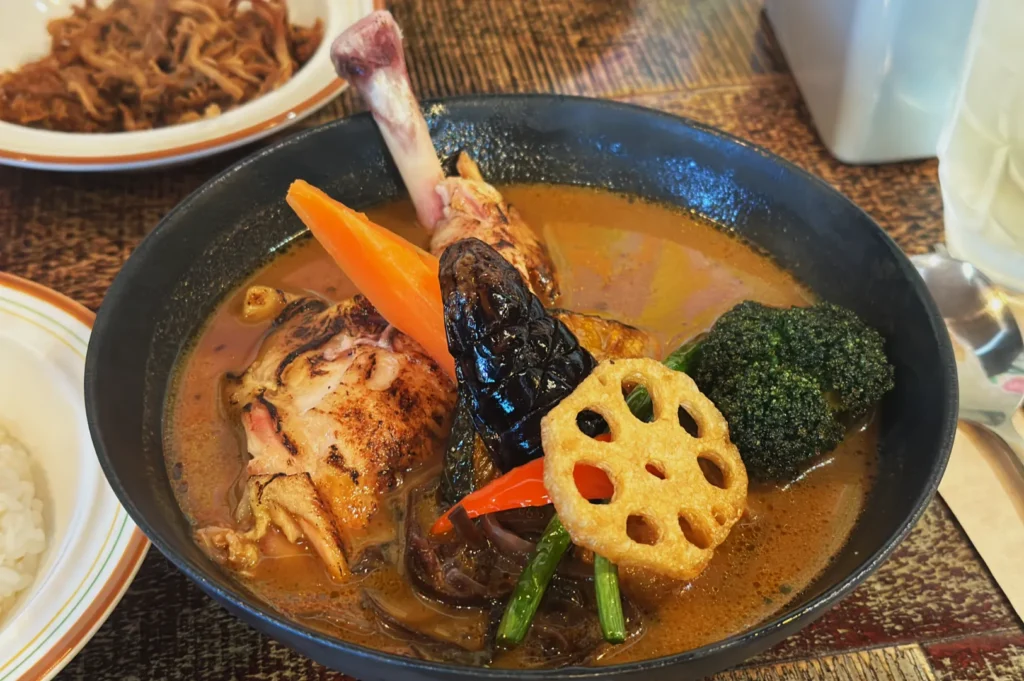
Tender chicken legs are the centrepiece protein in classic sama curry and Sapporo-style preparations. The chicken leg, which includes both drumstick and thigh, is prized for its flavour-rich fat content and its ability to remain juicy even after cooking through. Tender chicken in a properly made bowl should fall cleanly from the bone, not because it has been overcooked into mush, but because it has been treated with respect throughout the process.
Before ordering, it is worth asking whether the chicken thigh or leg used is prepared fresh each service. Some establishments batch-cook proteins and reheat them; this results in a drier texture and a less vibrant flavour. A chicken leg that has been cooked to order or held correctly will still have a slight caramelisation on the surface from the flash frying stage, giving it a golden colour before it absorbs the warmth of the soup.
At our restaurant, this detail is something we take seriously. The marathon chicken, as it is called in the Sapporo tradition, is prepared so that the bone itself contributes to the flavour of each serving.
Spice Level: Customisation With Purpose
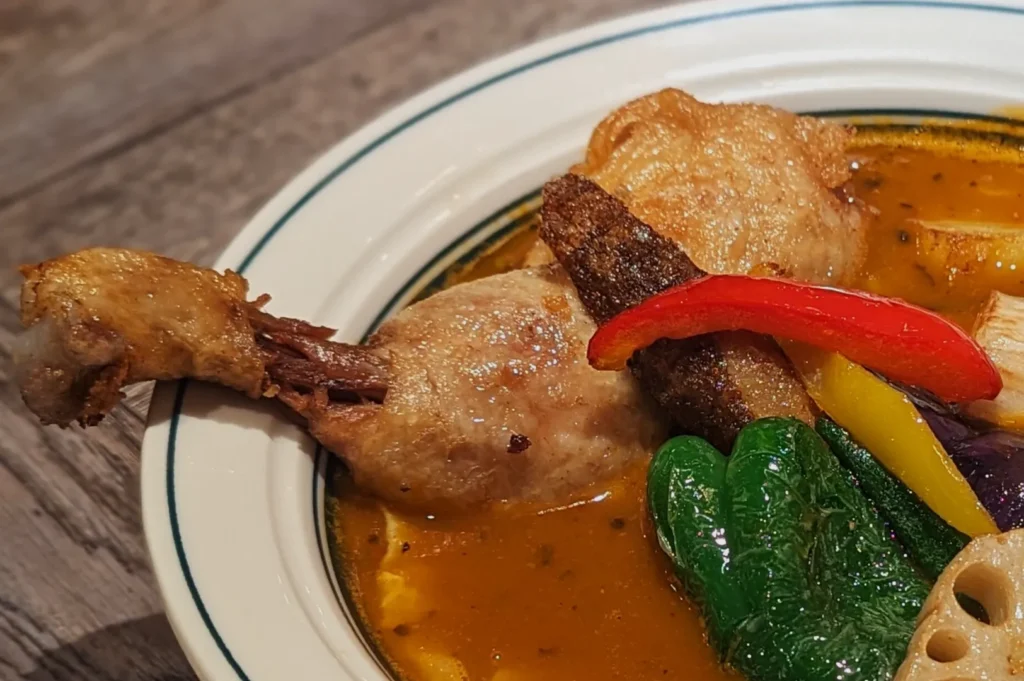
A reputable soup curry restaurant will offer a genuine range of spicy level options. The spiciness level in authentic preparations should be adjustable without compromising the integrity of the broth. Adding heat should not flatten the flavour or make the soup one-dimensionally sharp.
When you order, ask how the spice level is incorporated. Is the heat introduced via dried chillies, fresh chilli paste, or simply a generic chilli sauce added after cooking? In Sapporo kitchens, heat is built into the broth using blended spices and adjusted per bowl with purpose. This distinction matters because the spice should feel integrated, not like an afterthought squeezed on top.
We encourage first-time diners to begin at a moderate spicy level to fully appreciate the underlying flavours of the broth before moving to higher heat on a return visit.
Seasonal Ingredients and the Hokkaido Philosophy
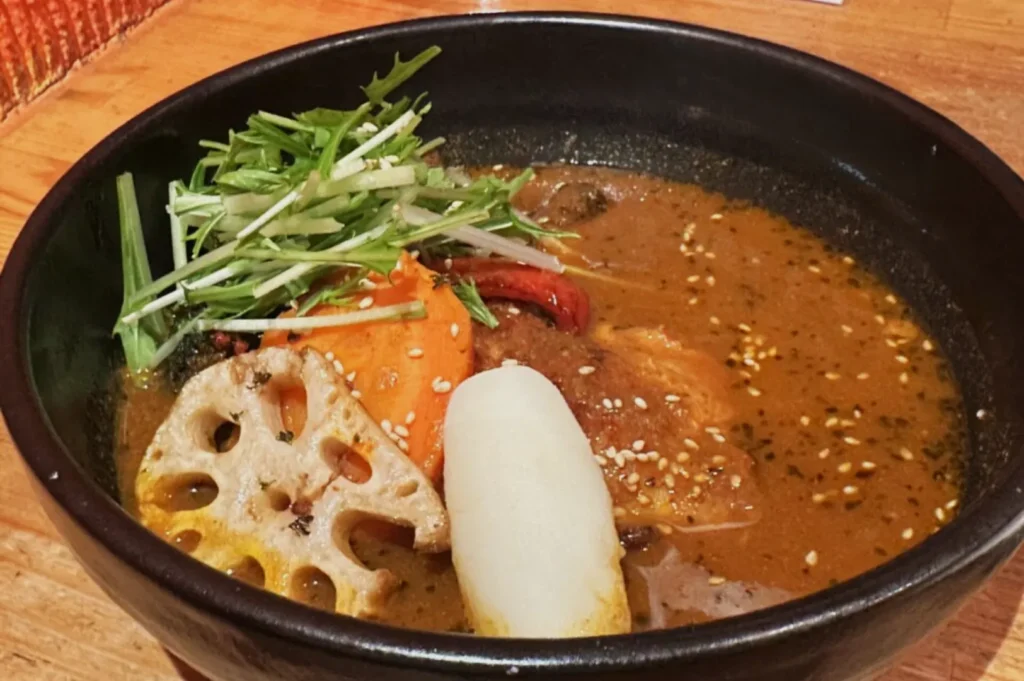
Hokkaido is one of Japan’s most celebrated agricultural regions, known for its dairy, its delicious root vegetables, and its respect for what each season brings to the table. Authentic Hokkaido soup curry reflects this ethos. Seasonal ingredients should inform the menu, not just serve as decoration. When fresh vegetables rotate to reflect what is actually available and at its best, that signals an establishment that is cooking with intention rather than convenience.
Look at the menu carefully. A restaurant committed to the Hokkaido philosophy will often list the specific vegetables featured that season. This is not a marketing gesture; it is a reflection of how traditional Japanese recipes and traditional methods are applied in practice.
Where to Find the Best Soup Curry Singapore
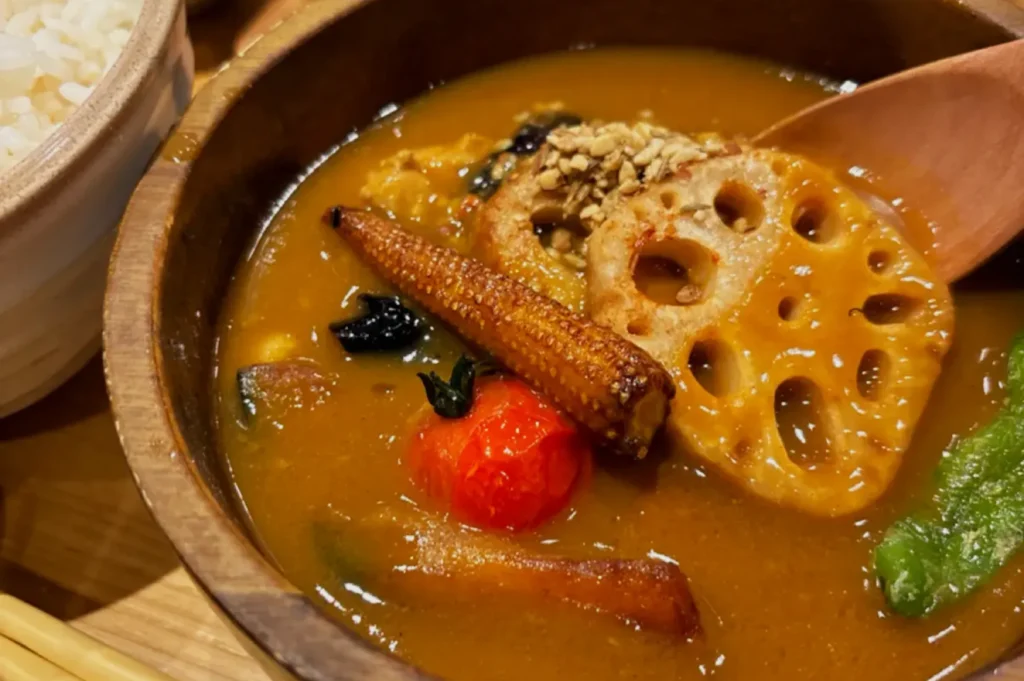
Location is not a quality indicator in itself, but accessibility matters when you are choosing where to spend an evening. Our restaurant is located at Fortune Centre, where we operate as a full-day destination for both lunch walk-ins and dinner reservations.
The closest authentic reference point for Hokkaido style dining in Singapore is Soup Curry by Ki-Setsu. We are the city’s first and only dedicated Hokkaido soup curry restaurant, which means that diners looking for the real thing have a clear destination.
What we offer in terms of atmosphere also matters. From 6 PM onwards, the space shifts into a cosy izakaya setting, where the soup remains the centrepiece but is joined by Japanese small plates, sake, and a more relaxed evening pace. This dual character reflects the Sapporo dining culture, where a bowl of warming curry soup is as at home in a late-night izakaya as it is at a casual lunch counter.
Choosing Well: A Final Checklist Before You Order
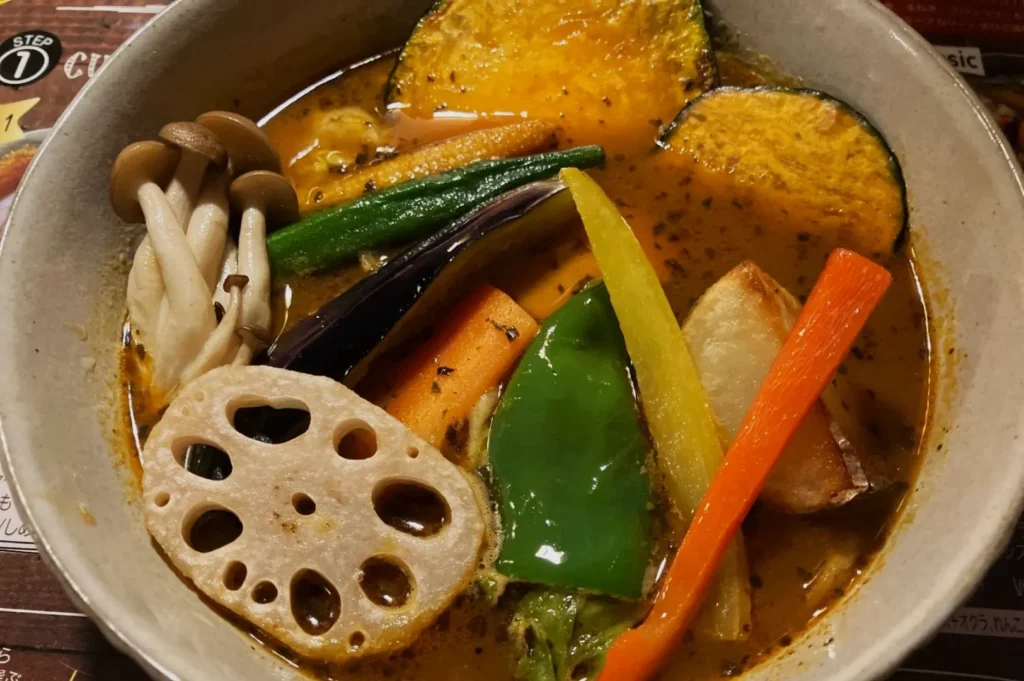
When you are ready to choose, run through this mental checklist. First, inspect the broth: it should be clear, deeply aromatic, and served genuinely hot. Second, look at the fresh vegetables: are they vibrant and textured, or are they limp and colourless? Third, examine the chicken leg: does it look like it was prepared with care, or does it appear dried out? Fourth, ask about the spice level system: can it be adjusted in a way that preserves the integrity of the broth? Fifth, consider the rice: is it properly steamed Japanese rice, served separately as it should be in the Sapporo soup curry tradition?
A soup dish of this kind is not fast food. It is a bowl that carries the philosophy of a region, the discipline of a kitchen, and the warmth of a tradition that has fed northern Japan for decades. The best version of it in Singapore should feel like that: not merely filling, but genuinely nourishing, with an authentic taste that stays with you long after the meal is done.
When all these elements align, you will know before the first bite that you have chosen well.