There is a particular kind of restaurateur who does not simply open establishments, but builds worlds. Chef Masa has done exactly that, twice over, under the Ki-setsu Group in Singapore. One world is intimate and ceremonial, a sushi omakase counter where every course unfolds at the chef’s pace. The other is warm and communal, a bowl of Hokkaido soup curry that draws guests back week after week. What connects them is not a shared menu or a shared aesthetic, but a shared formula: deep knowledge, patient technique, and an unwavering fidelity to the seasons.
One Group, Two Expressions of Japanese Hospitality
Sushi Masa by Ki-setsu operates as a dinner only omakase experience, quiet and deliberate by design. There is no printed menu, no fixed order of courses, and no shortcuts. Chef Masa composes each sitting around what is freshest and most honest that evening, guided entirely by his own judgement and the trust guests place in him. It is a format that demands total commitment, and he gives it.
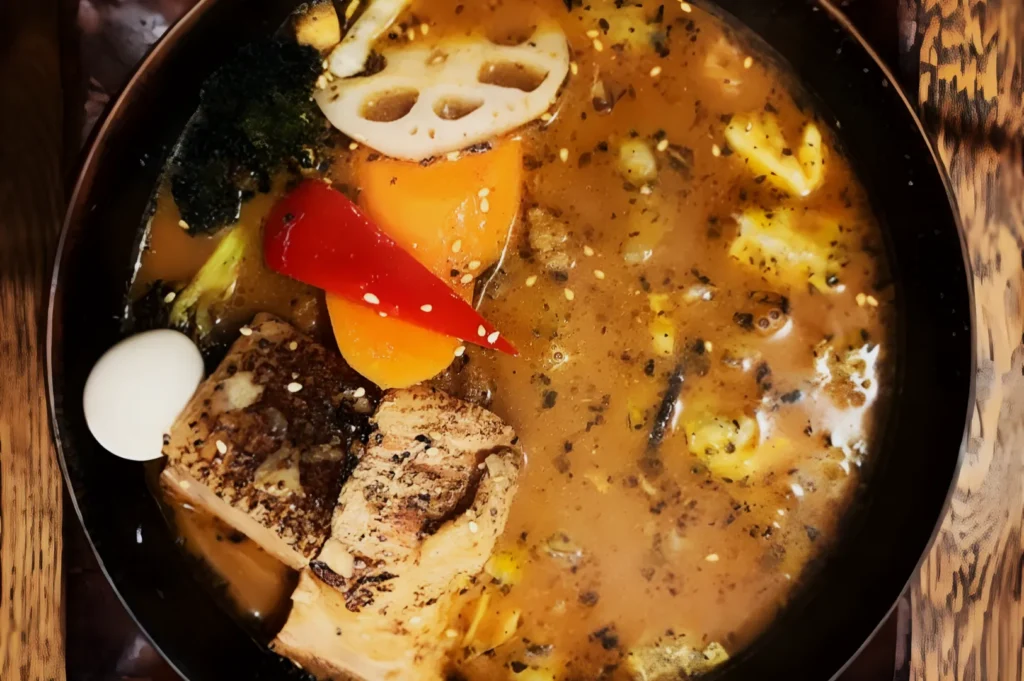
Soup Curry by Ki-Setsu asks something different of the same chef. Here, the experience is accessible, the setting relaxed, and the invitation open to anyone curious about Hokkaido’s most beloved comfort food. Yet the discipline that governs the omakase counter governs this kitchen equally. Ingredients are chosen with the same rigour. Techniques are applied with the same intention. Nothing is treated as secondary simply because it arrives in a bowl rather than on a piece of aged cedar.
This dual stewardship is what makes the Ki-setsu formula so compelling. Chef Masa does not reserve his full attention for one concept and delegate the other. Both receive the same standard, expressed through entirely different forms.
The Formula Applied: Technique Across Two Kitchens
At the omakase counter, Chef Masa’s command of Japanese technique is visible in every movement: the angle of the knife, the temperature of the rice, the restraint in seasoning. At our soup curry kitchen, that same command shapes decisions that guests may not consciously notice but invariably feel.
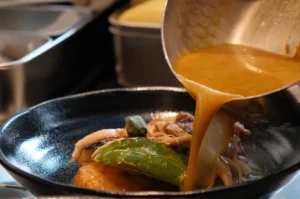
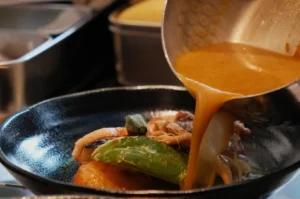
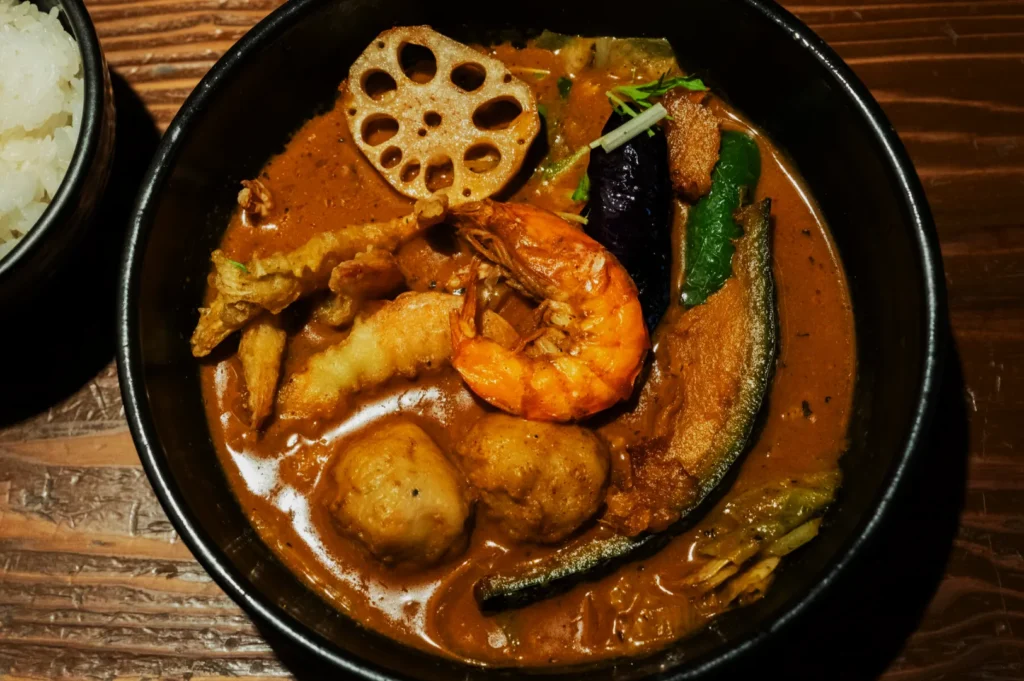
Our broth is never rushed. Onions, garlic, and ginger are caramelised slowly in a heavy-bottomed pot before chicken broth, curry powder, garam masala, and tomato paste are introduced at precise moments. The layering of flavour follows the same logic that governs a sushi omakase, where timing is not incidental but structural. Each step creates the conditions for the next.
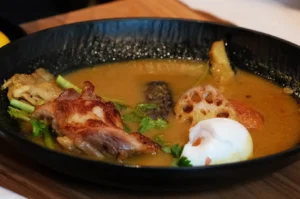
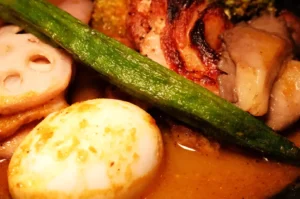
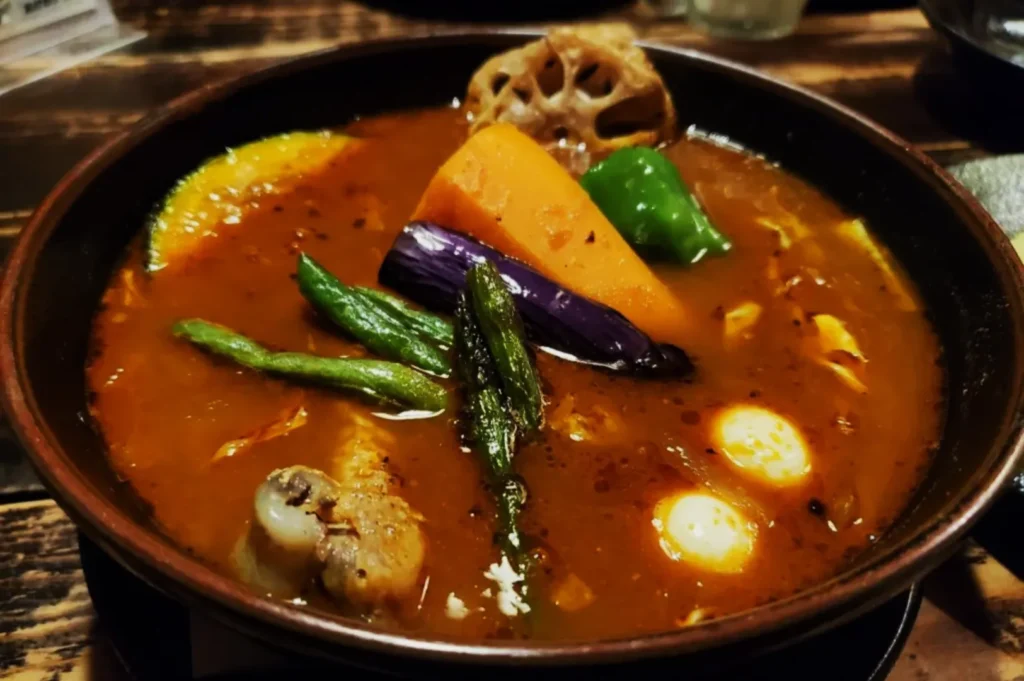
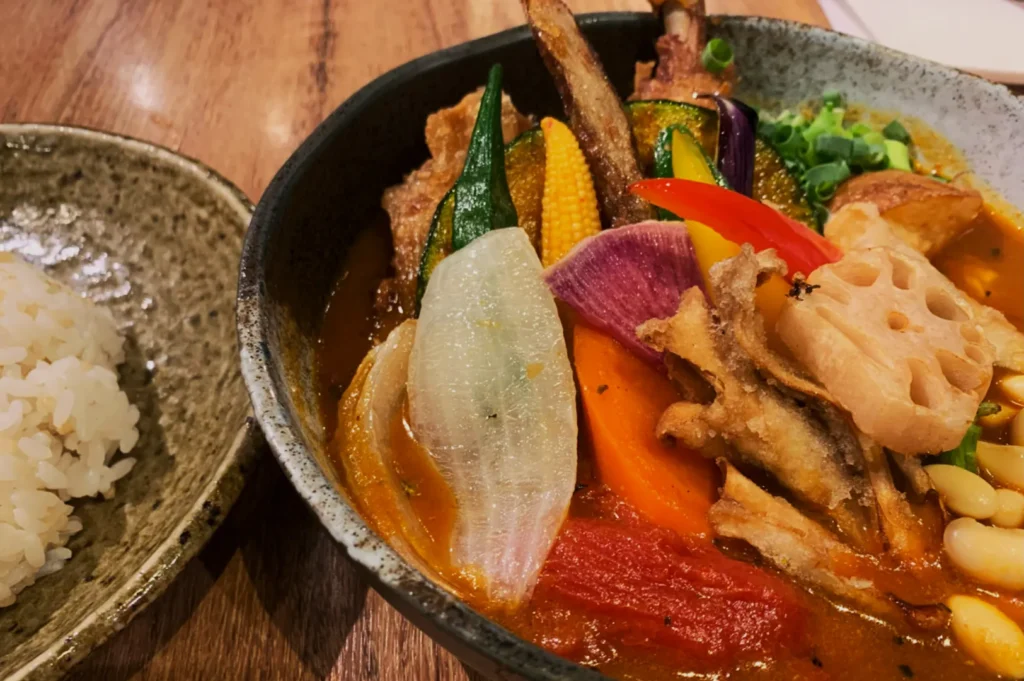
The vegetables served alongside tell a similar story. Using the Japanese su-age method, a technique of flash-frying without batter, we preserve the natural texture and colour of each ingredient. Bell pepper, lotus root, aubergine, pumpkin, okra, and potato emerge vivid and full of character, prepared using Japanese cutting methods that honour what each ingredient actually is. A sushi chef’s instinct for integrity, applied to a curry kitchen.
Ki-setsu: Seasonality as the Group's North Star
The name ki-setsu means ‘seasonality’ in Japanese, and it is not a decorative choice. It is the organising principle of everything Chef Masa does across both restaurants.
At the sushi counter, seasonality determines which fish is offered and in what form. At our kitchen, it shapes the vegetables on the plate, the way our team sources produce, and the care with which ingredients are rotated as the year moves. The tender chicken leg, rested on a wire rack before serving to preserve its texture, reflects the same philosophy: every component is treated as though it matters, because it does.
Guests who have experienced Sushi Masa by Ki-setsu before discovering our soup curry often remark that something familiar is at work, even though the two restaurants share almost nothing in format or presentation. What they are recognising is Chef Masa’s hand. The same values, expressed through a different vocabulary.
Why Singapore Keeps Coming Back
Chef Masa did not arrive in Singapore with a concept to introduce. He arrived with a practice to transplant, decades of culinary experience shaped by Hokkaido’s food culture and Sapporo’s particular gift for soup curry. Both restaurants are the result of that transplantation, faithful to their origins rather than adapted to broader tastes.
What Singapore’s diners have found in the Ki-setsu group is something they were waiting for without quite knowing it: a chef who applies himself fully to two very different expressions of Japanese hospitality, and succeeds at both without compromise. The formula is neither secret nor complicated. It begins with mastery, proceeds through patience, and trusts that guests will taste the difference.