Many guests ask us about the most authentic way to eat soup curry to fully appreciate its depth. This dish looks simple at first glance, yet the way you interact with the bowl shapes the whole experience.
Originating in Sapporo, locals treat soup curry as everyday comfort food, a soulful meal that balances nutrition and warmth. At Soup Curry by Ki-Setsu, we follow these northern habits closely. We serve the dish as it is enjoyed in Hokkaido, with care, balance, and respect for each ingredient. This guide shares how locals approach a warm bowl, why the method matters, and how you can find a delicious way to satisfy your cravings.
Understanding the Soul of Sapporo Soup Curry Before You Eat
Soup curry differs from many curry dishes found across Japan and other prefectures. Typical curry feels thick and sweet, often poured directly over rice. Soup curry uses a light soup base built from chicken bones, pork bones, dried sardines, bonito flakes, vegetables, and spices. The broth feels clear yet rich. Curry powder and spice blends shape the flavour without turning the soup heavy.
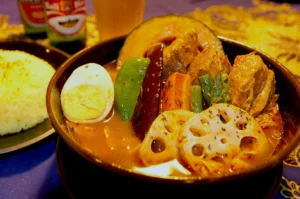
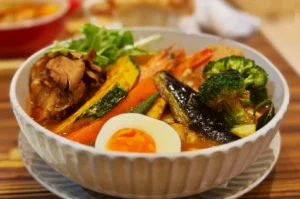
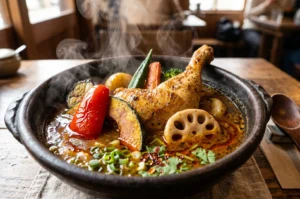
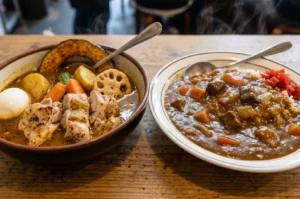
In Sapporo soup curry, large ingredients matter. A chicken leg often sits proudly in the bowl. Fresh vegetables like potatoes, carrots, broccoli, baby corn, okra, pumpkin, tomato, mushrooms, eggplant, and lotus root appear whole or in large cuts. These ingredients stay separate so each one keeps its natural sweetness and texture.
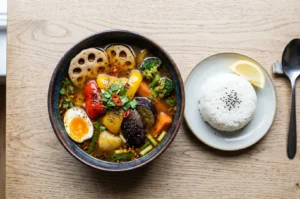
Rice arrives on a separate plate. This detail defines how to eat soup curry. You decide how much rice meets the soup, one spoonful at a time. This freedom allows balance and control, which locals value.
Why Most Restaurants Serve the Rice Portion on a Separate Plate
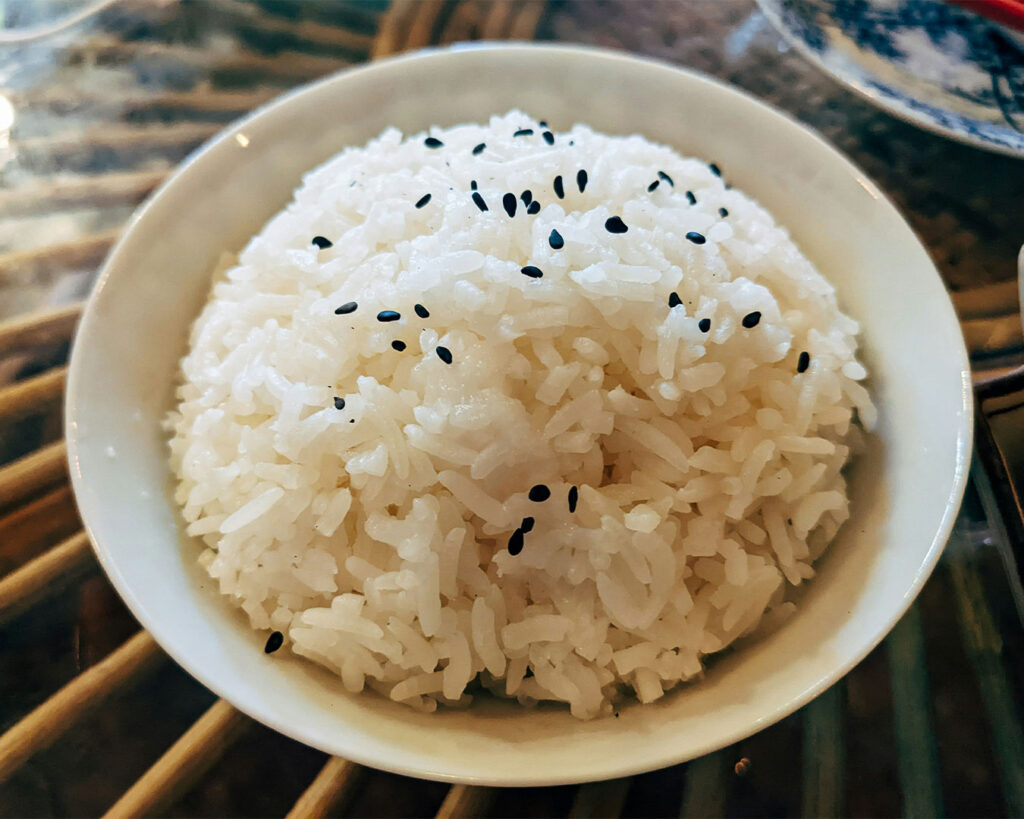
The separate plate shapes the entire meal. Most restaurants in Hokkaido serve soup curry this way. Locals see rice as a supporting player, not a base drowned in sauce. Keeping rice separate helps preserve texture and flavour.
When rice stays dry, each grain holds its shape. When dipped into the broth, rice absorbs spice and aroma without turning soggy. You control the rice portion with each bite. Some diners prefer more soup. Others enjoy a rice forward spoonful. This method suits many tastes and spice levels.
A Step by Step Guide on How to Eat Soup Curry
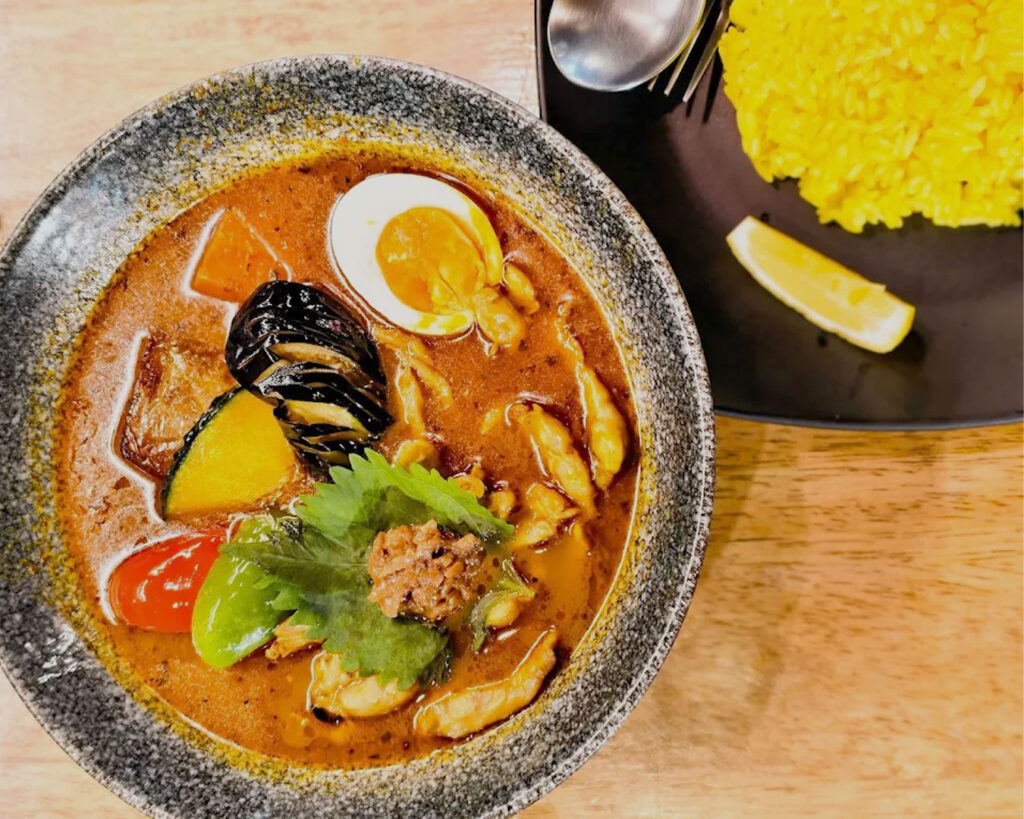
Step One: Take One Spoonful of Broth First
Before touching the rice, take one spoonful of the broth. This first taste sets the tone. You will notice the spice levels, the depth of the chicken bones, and the subtle notes of dried sardines. Some broths lean spicy, while others feel mild. Locals always taste the soup first to show respect for the cook and to prepare the palate.
Step Two: Appreciate the Deep Fried Vegetables
After the broth, move to the vegetables. These are not just a garnish; they are the heart of the vegetable curry experience. We use deep fried techniques for items like the lotus root, eggplant, and potatoes to seal in flavor. Other fresh vegetables like broccoli, carrots, and baby corn soak up the soup slowly. Eat these on their own or dip them lightly to enjoy their natural sweetness.
Step Three: Dip the Rice into the Soup
Now bring the rice into the picture. Use your spoon to dip a small amount of rice into the soup. Avoid pouring the soup over the rice at the start. Small portions prevent the starch from overpowering the broth. You should taste the spices, then the meat, and finally the rice. This rhythm is the delicious way to enjoy soup curry.
Step Four: Savor the Tender Meat and Seafood
Meat anchors the dish. While a chicken leg is traditional, some may choose lamb chops, seafood, or shrimp based options. Use your utensils to separate the meat into manageable pieces. Chicken absorbs the spices exceptionally well, especially when the soup base has been developed with pork bones and aromatics.
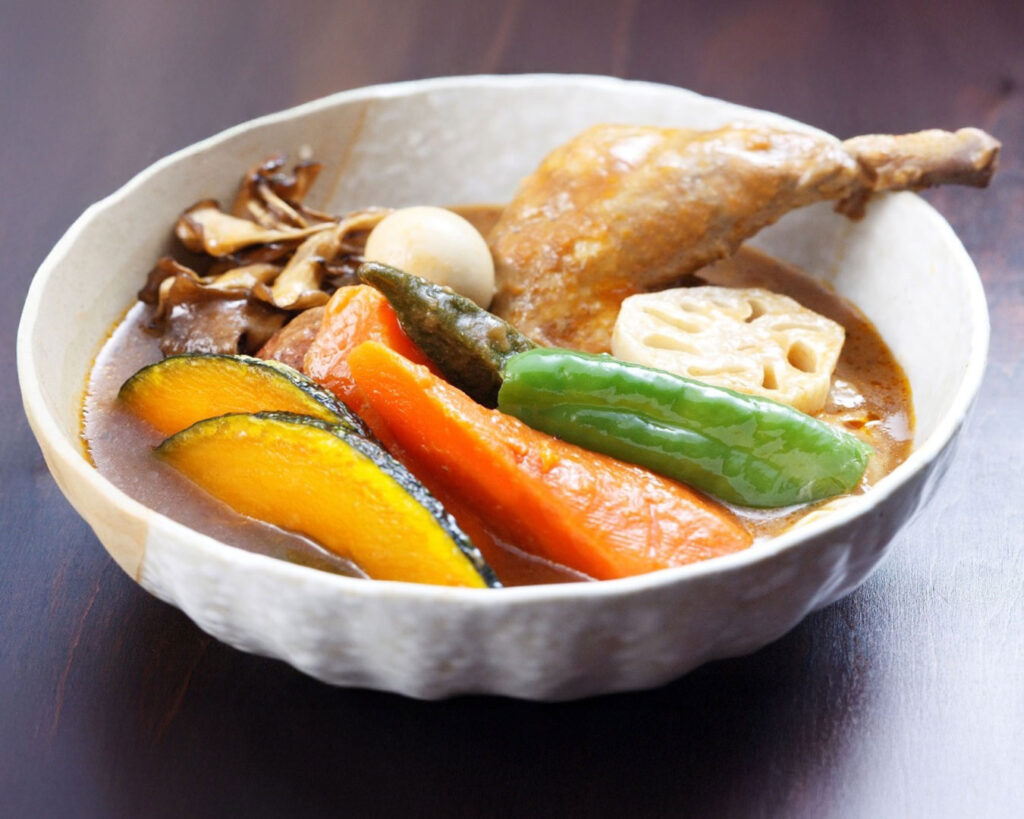
Many spice lovers enjoy adding toppings to further enhance their meal. These might include extra fresh vegetables or a specific spice blend often referred to as magic spice. If you want to increase the heat, add these in small amounts, stir gently, and taste again. We recommend avoiding the addition of soy sauce or other heavy condiments early on. The dish relies on a delicate balance that can be easily masked by too much seasoning.
In Sapporo, spice levels are treated as a source of warmth rather than a challenge. Whether you prefer a mild miso soup style gentleness or a fiery, spicy kick, the soup should always support the flavor of the meat and vegetables. Children and elders in Japan often enjoy milder versions, proving that this comfort food is truly for everyone.
Finishing the Remaining Rice and Broth
Near the end of the meal, you may have some remaining rice or a bit of extra soup. This is the only time locals might pour the last bit of rice into the bowl to soak up every drop of the broth. This final spoonful often feels the most comforting, marking the closure of a satisfying Japanese dining experience. Avoid mixing everything too early; save this step for the finish to maintain the textures of the mushrooms, okra, and onion throughout the meal.
How Soup Curry Differs from Ramen and Sushi
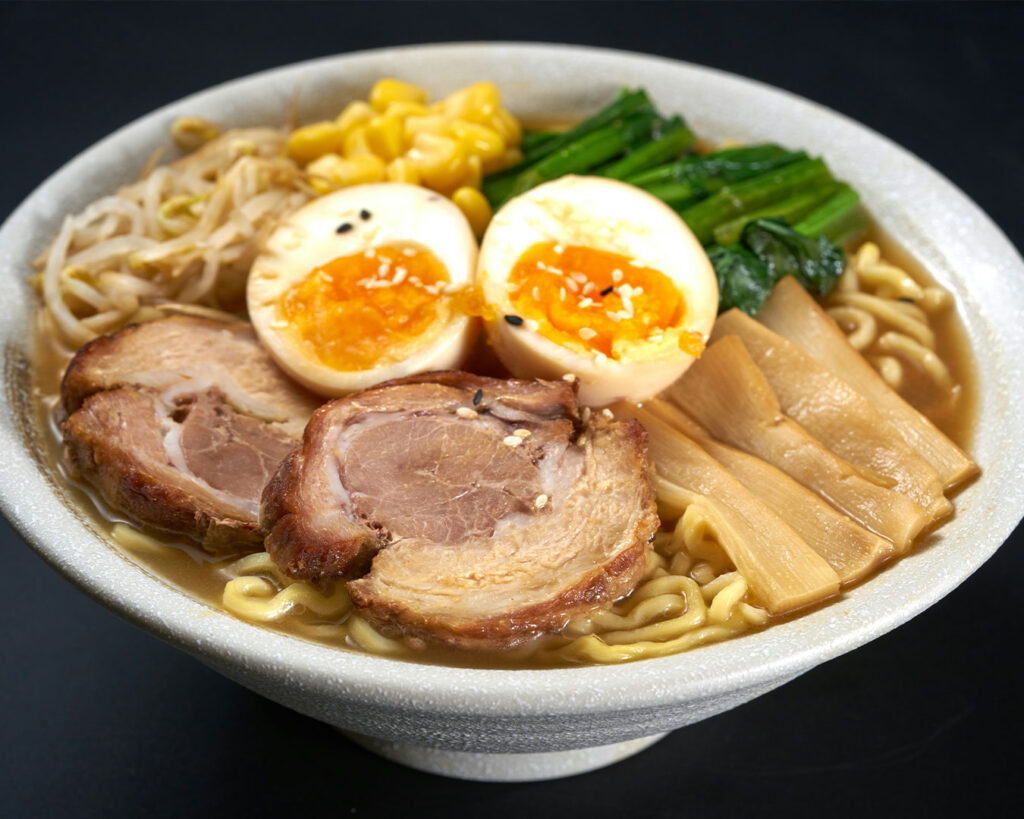
Soup curry sits apart from ramen, sushi, or a standard miso soup. While ramen focuses on the harmony of noodles and broth, and sushi highlights raw seafood, soup curry stands alone as a complete, hearty meal. It incorporates the medicinal qualities of spices with the nutritional density of large ingredients. Japanese cuisine values seasonality, and this dish reflects that through the inclusion of seasonal produce like pumpkin or tomato.
While many soup curry restaurants in Tokyo have put their own spin on the recipe, we stay true to the Sapporo origins. It is a dish that feels filling without the heaviness associated with a thick curry rice. This unique balance explains why it remains a beloved soul food decades after its creation.
The Evening Transition: A Cozy Izakaya Setting
Soup curry suits both lunch and dinner. The dish satisfies hunger without slowing you down. During the day, many diners enjoy it as a nourishing meal. In the evening, soup curry pairs well with relaxed dining.
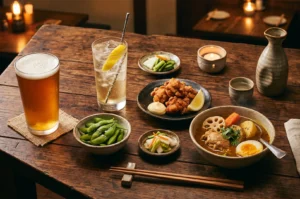
From 6 PM onwards, our space shifts into a cosy izakaya style setting. Guests share food, sake, and conversation alongside soup curry. This mirrors how many locals in Japan enjoy dinner.
Our opening hours run from 11:30 AM to 10:00 PM, Monday to Sunday. This allows guests to enjoy soup curry at their own pace.
Common Mistakes to Avoid When You Eat Soup
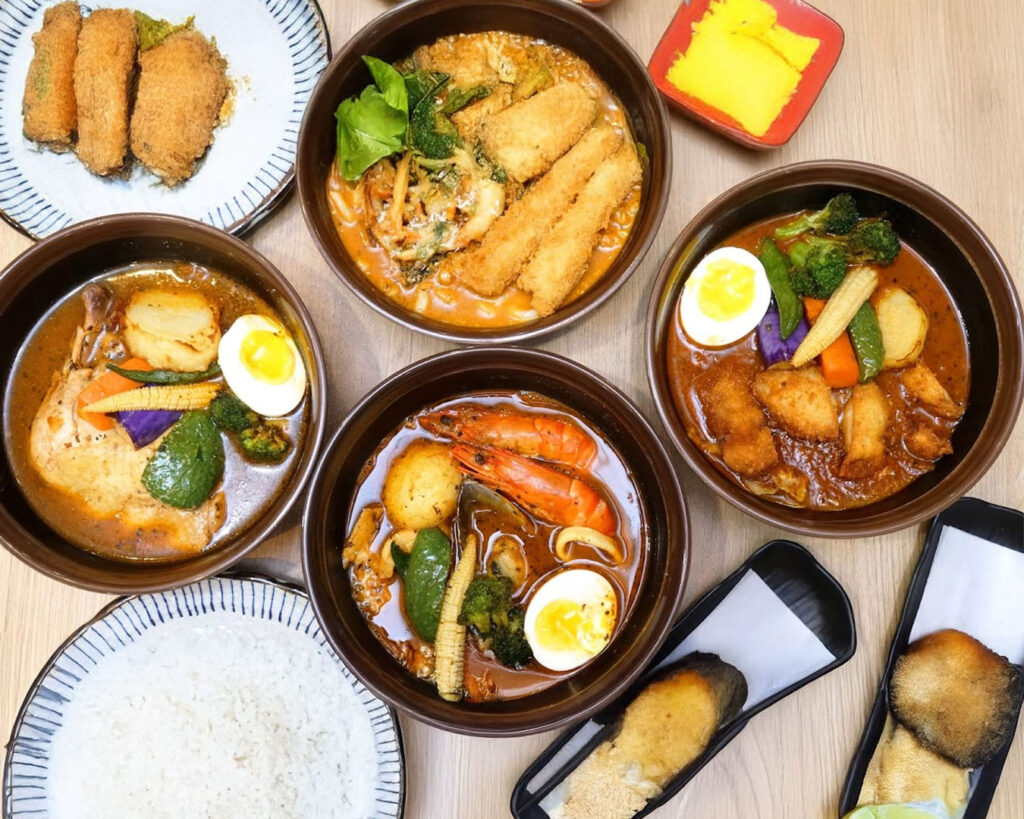
Some first time diners pour all the rice into the soup at once. This turns the dish into thick curry too quickly. Others stir everything together from the start. This removes texture and contrast.
Another mistake involves rushing. Soup curry rewards patience. Eat slowly. Taste often. Adjust spice with care.
Understanding how to eat soup curry helps you enjoy the dish as intended.
Why Authentic Soup Curry Matters in Singapore
Japanese food in Singapore continues to grow. Many diners seek comfort, not trend driven dishes. Soup curry fills this space.
It offers a warm bowl packed with vegetables, meat, and broth. It suits diners who value balance, flavour, and satisfaction.
Soup curry also introduces a regional side of Japanese cuisine often overlooked. It highlights Hokkaido rather than Tokyo. This regional focus adds depth to Japanese dining culture in Singapore.
Enjoy Soup Curry at Our Restaurant
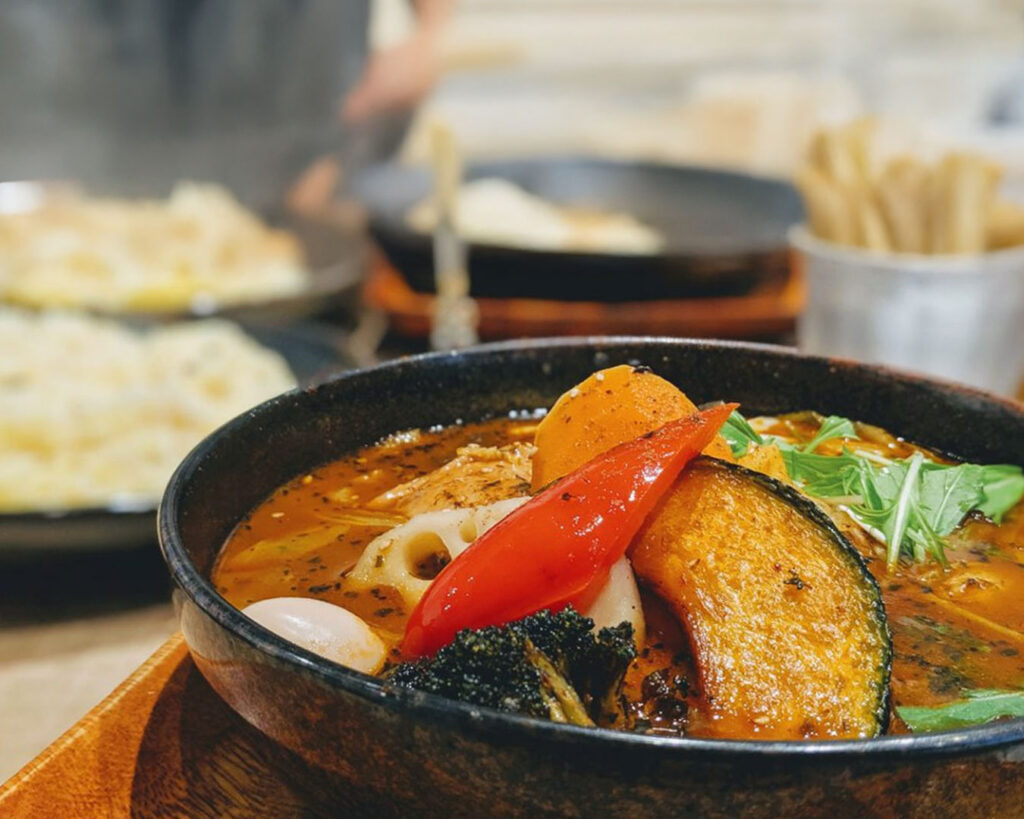
Learning how to eat soup curry connects you to its roots. Each spoonful reflects Hokkaido history, climate, and home cooking. The method matters as much as the ingredients.
We invite you to experience authentic soup curry at Soup Curry by Ki-Setsu. Take your time, taste deeply, and enjoy soup curry the way locals do in Sapporo.