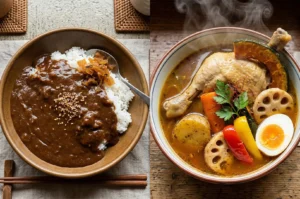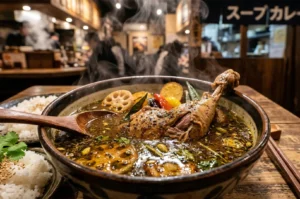
In the heart of northern Japan, where winters are long and flavours must comfort both body and spirit, soup curry was born. At Soup Curry by Ki-Setsu, we bring this deeply comforting Hokkaido tradition to Singapore with reverence, care, and an unwavering commitment to authenticity. Soup curry is not merely a dish, it is a meal meant to be savoured slowly, shared with warmth, and remembered through aroma and flavour.
Among the many elements that define authentic Hokkaido soup curry, garam masala plays a quiet but essential role. Often misunderstood as simply another curry spice, garam masala is in fact a fragrant spice blend that brings depth, warmth, and balance to our aromatic soup base. When combined thoughtfully with curry powder, chicken broth, and carefully prepared ingredients, it helps create a bowl that is rich yet light, bold yet comforting.
As Singapore’s first and only authentic Hokkaido soup curry restaurant, we believe in sharing not only the taste of this beloved soul food, but also the story behind it. Understanding garam masala is part of understanding why soup curry is so different from the thick, sweet curries many people are familiar with, and why its flavour lingers long after the meal is finished.
The Origins of Soup Curry in Sapporo
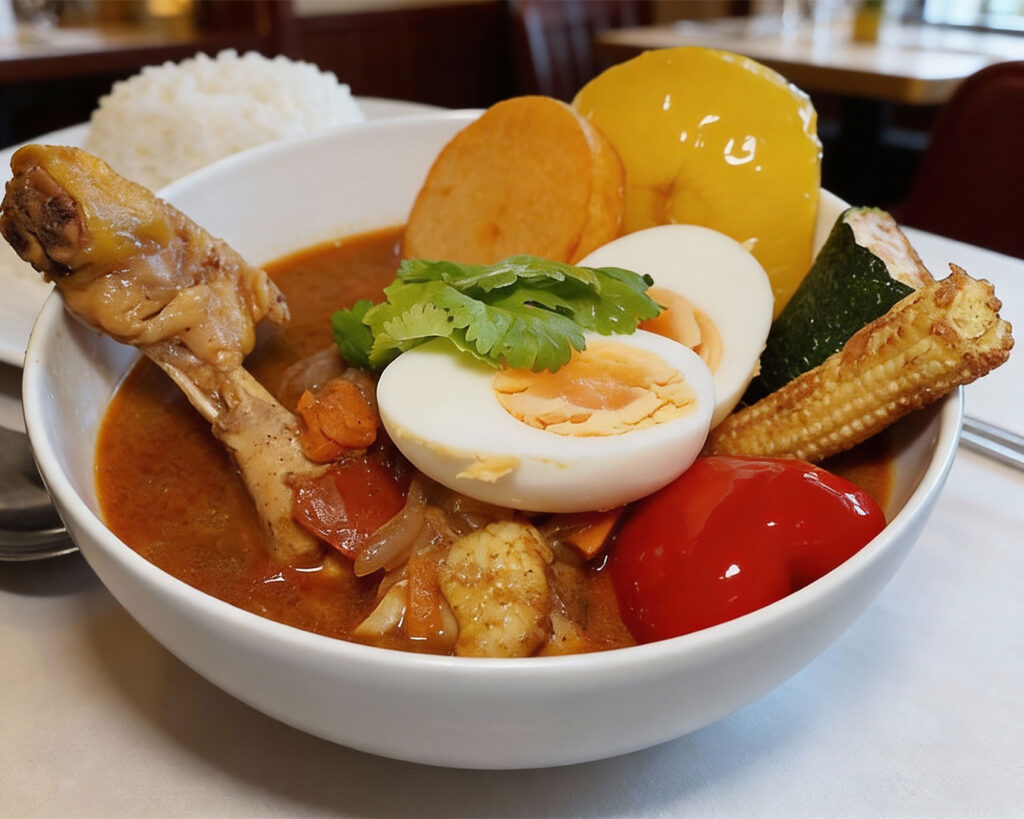
Soup curry emerged in Sapporo in the early 1970s, born from a desire for nourishment during Hokkaido’s harsh winters. Unlike typical Japanese curry, which is thick, sweet, and poured directly over rice, soup curry is served as a light yet deeply flavoured curry soup, accompanied by a plate of steamed rice on the side. Each ingredient is cooked separately to preserve texture and taste, then poured into the bowl just before serving.
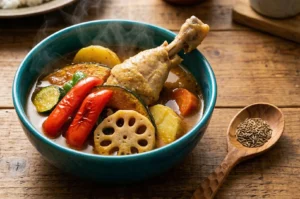
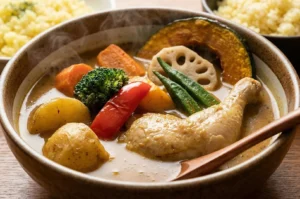
This approach allows every component to shine. Tender chicken thighs and legs absorb the spices without losing their natural flavour. Deep-fried vegetables such as bell pepper, lotus root, eggplant, and potato bring sweetness, texture, and colour. The broth remains clear yet aromatic, carrying the scent of warming spices and herbs with every spoonful.
At Soup Curry by Ki-Setsu, we honour these traditions by preparing our soup curry the way it has been enjoyed in Hokkaido for decades, using Japanese cutting methods, precise cooking times, and a carefully calibrated spice balance that respects the original spirit of the dish.
How Soup Curry Differs from Typical Japanese Curry
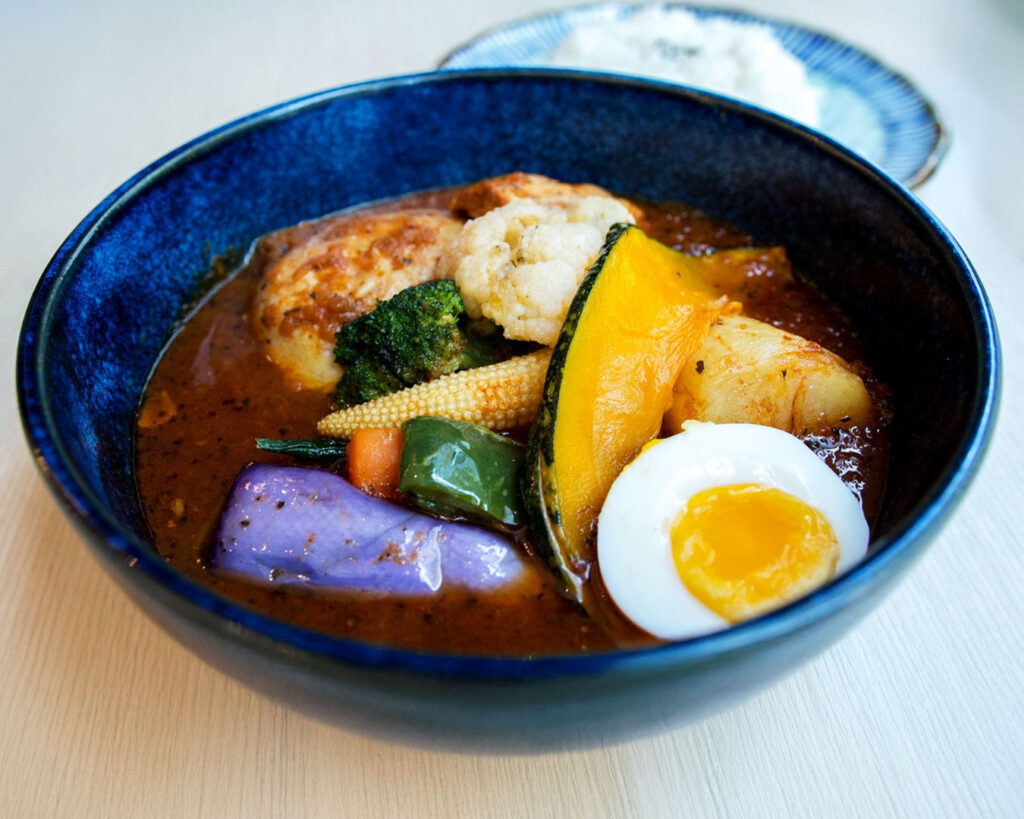
To truly appreciate the role of garam masala, it helps to understand how soup curry differs from other curries found in Japan. Typical curry restaurants often serve a thick, gravy-like curry made with roux blocks, onions cooked until sweet, and a heavy texture designed to coat rice completely.
Soup curry takes a different path. The soup is light, closer to a stew than a sauce, yet layered with complex flavour. Chicken broth forms the foundation, enhanced by curry powder, garam masala, tomato paste, garlic, and herbs. The result is a bowl that feels warming without being heavy, rich without being thick.
This distinction is central to the Hokkaido identity of soup curry, and it is why spice selection matters so deeply. Garam masala is not added for heat alone, but for aroma, balance, and a sense of comfort that unfolds slowly as the soup is enjoyed.
Garam Masala: More Than Just a Spice Blend
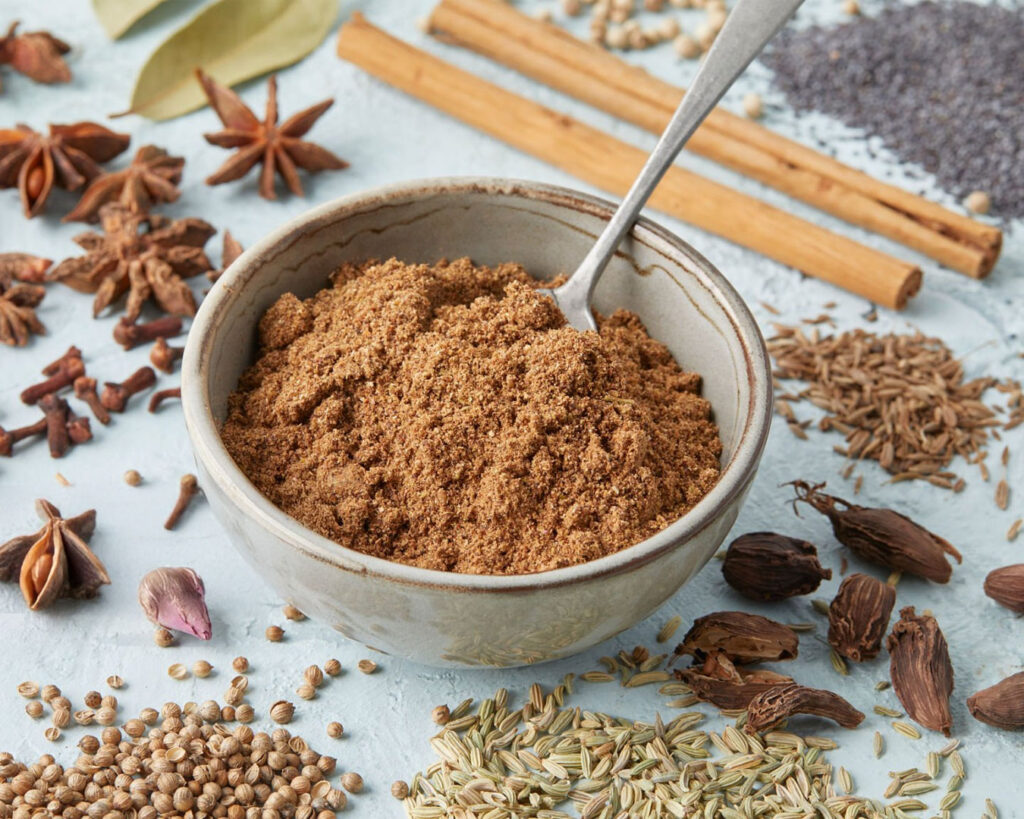
Garam masala is a traditional spice blend originating from India, used across many Indian dishes and curries. Its name reflects its purpose. Garam means heat, masala means mix. Rather than adding spiciness, garam masala provides warmth through aroma and depth.
Garam masala is used in Indian, Pakistani, Nepalese, Bangladeshi, and Caribbean cuisines.
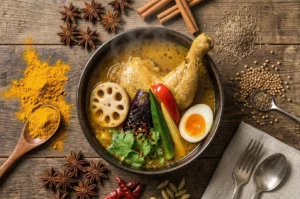
A classic garam masala recipe often includes whole spices such as cumin seeds, coriander seeds, black pepper, cardamom, cloves, ground cinnamon, nutmeg, mace, and sometimes star anise or black cardamom. These spices are toasted, roasted, then ground to release their essential oils and fragrance.
Unlike curry powder, which is often used as a base spice, garam masala is typically added later in the cooking process to preserve its aromatic qualities. This technique aligns beautifully with soup curry, where clarity of flavour is essential.
Unlike curry powder, traditional garam masala does not usually contain turmeric or fenugreek and is darker brown rather than yellow.
Garam Masala Recipe and Regional Variation
There is no single definitive garam masala recipe. Each household in India prepares it differently, guided by personal taste, regional tradition, and the dishes it is meant to accompany. Some blends lean sweet with more cinnamon and cassia, while others are peppery and bold, emphasising black pepper and cloves.
At Soup Curry by Ki-Setsu, we respect this philosophy. Our approach reflects the Hokkaido interpretation of garam masala, where balance is key. The blend must complement Japanese curry powder without overpowering the natural flavour of chicken, vegetables, or rice.
Homemade Garam Masala in Hokkaido Soup Curry
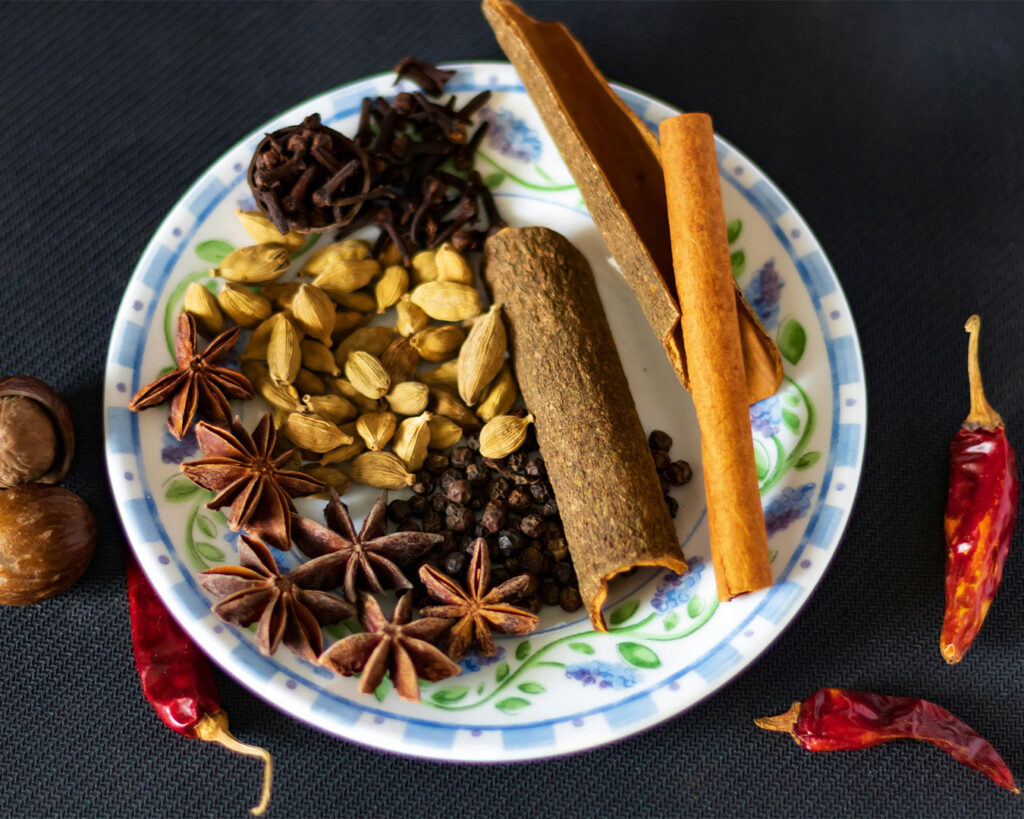
Homemade garam masala allows control over aroma, heat, and flavour. By toasting whole spices like cumin, coriander, cloves, cinnamon, cardamom, and nutmeg, then grinding them fresh, the resulting blend is fragrant and alive.
In soup curry, this freshness is essential. The soup is not thick enough to hide dull spices. Every element must contribute meaningfully to the bowl. A well-made homemade garam masala ensures that each spoonful carries warmth without bitterness, richness without heaviness.
Toasted, Ground, and Carefully Balanced
The process begins with whole spices, gently toasted until fragrant. This step releases oils that define the smell and flavour of the blend. Once cooled, the spices are ground into a fine powder. The timing of when garam masala is added matters too. Adding it too early dulls its aroma. Adding it too late can overwhelm the soup.
In authentic Hokkaido soup curry, garam masala is incorporated at just the right moment, allowing it to bloom within the broth and marry with curry powder, tomato paste, garlic, and herbs.
Curry Powder and Garam Masala: A Delicate Partnership
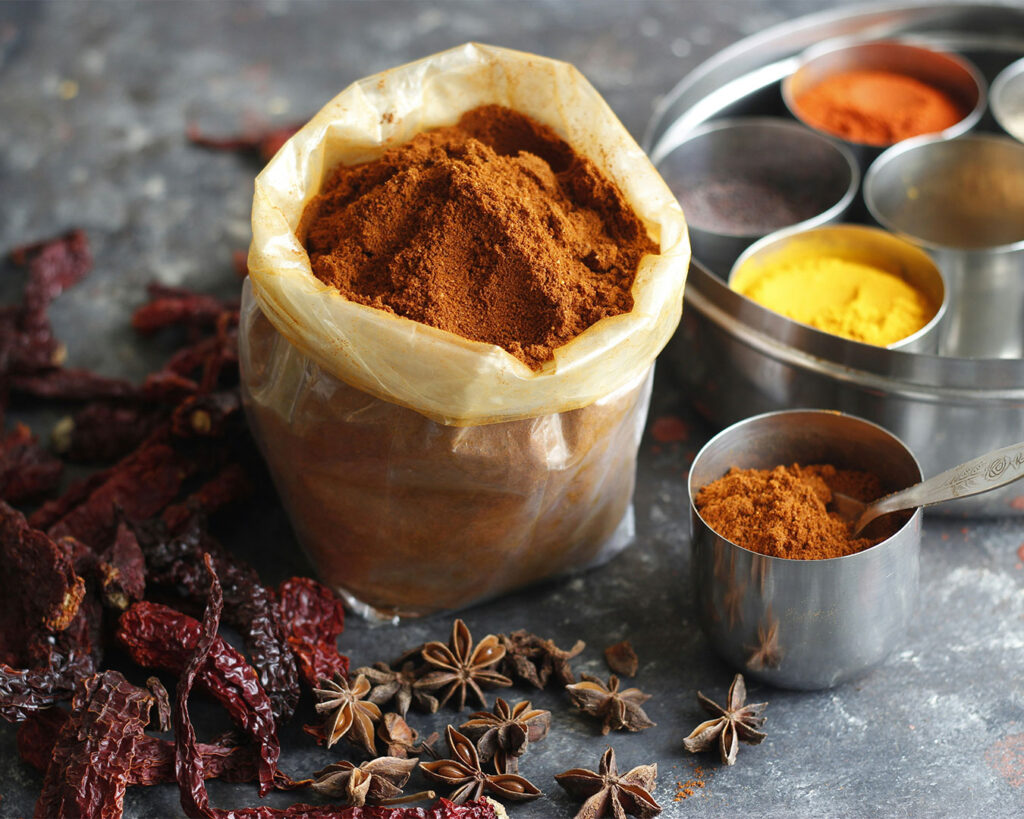
Curry powder is a cornerstone of Japanese curry, itself a blend influenced by Indian spices introduced through historical trade. It often includes turmeric, coriander, cumin, fenugreek, and pepper, creating a familiar curry flavour that many associate with comfort food.
However, curry powder alone can feel one-dimensional in a soup-based dish. This is where garam masala steps in.
The Balance Between Spice and Aroma
Garam masala adds complexity without heaviness. While curry powder provides structure and colour, garam masala contributes aroma and warmth. Together, they form the backbone of soup curry’s flavour profile.
This partnership is essential in achieving the authentic taste of Hokkaido soup curry in Singapore. It allows the soup to remain light, fragrant, and deeply satisfying, whether enjoyed with chicken, pork, lamb, or vegetables like eggplant and potato.
Ingredients That Complete the Bowl
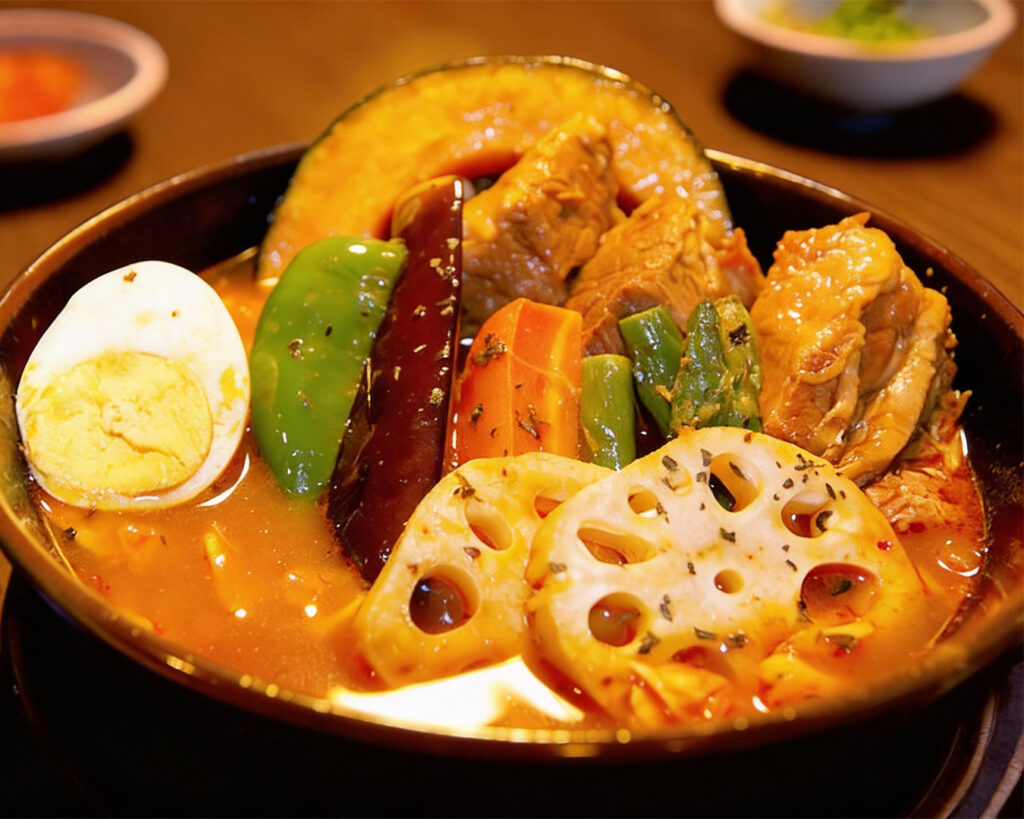
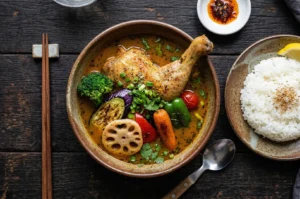
Soup curry is a combination of thoughtful elements, each prepared with intention. Our bowls feature tender chicken thighs and legs, simmered until cooked but still juicy. Vegetables are deep-fried separately, including bell pepper, lotus root, eggplant, and potato, enhancing their sweetness and texture.
The soup itself is poured over these ingredients, creating a vibrant bowl where colour, aroma, and flavour come together. Steamed rice is served on the side, allowing diners to dip, pour, or alternate as they prefer.
This interactive way of eating reflects the soul food nature of soup curry. It is a meal meant to be enjoyed at one’s own pace, guided by personal taste.
Hokkaido Tradition Meets Singapore
Bringing authentic Hokkaido soup curry to Singapore has always been about more than serving a dish. It is about sharing a cultural experience that has never truly existed here before. Many establishments serve curry, but soup curry is a different expression of comfort, rooted in northern Japan’s climate and culinary philosophy.
At Soup Curry by Ki-Setsu, we remain dedicated to that authenticity. From our spice blend to our preparation methods, every detail reflects respect for the origins of soup curry. Even as we adapt to local preferences, the heart of Hokkaido remains in every bowl.
Those seeking deeper insight into this unique cuisine can explore The Art of Making the Perfect Soup Curry Broth to learn more about our approach and philosophy.
From Daytime Comfort to Evening Izakaya Warmth
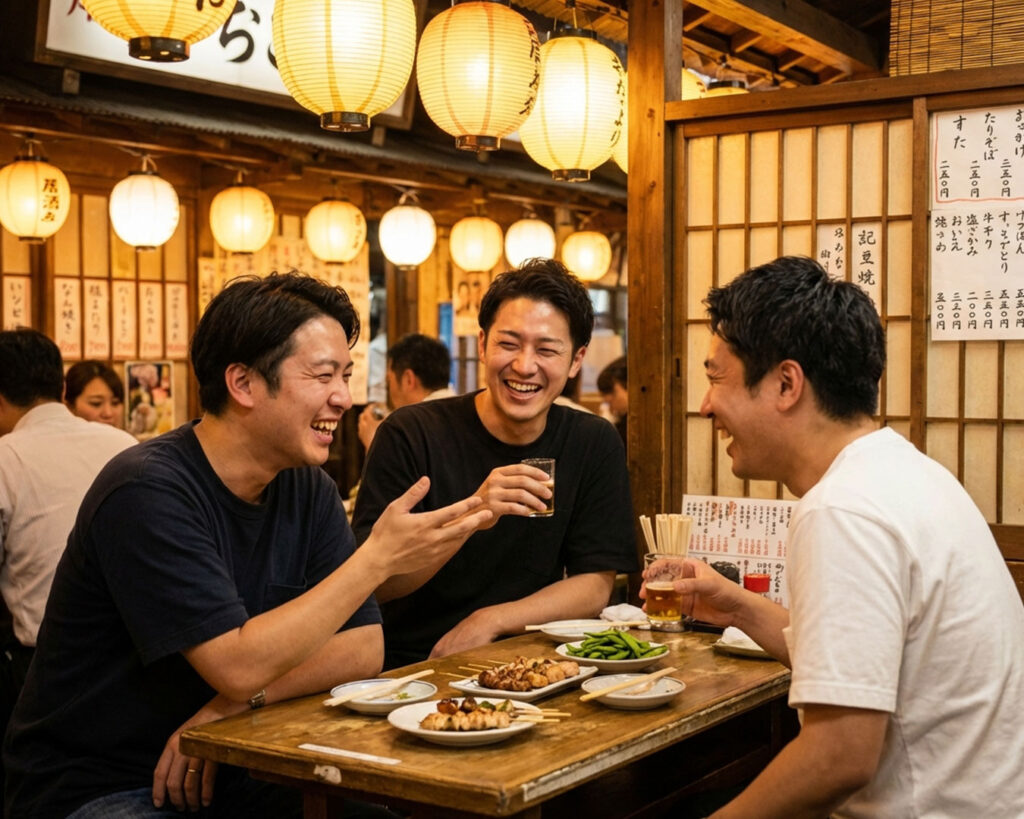
Our space evolves as the day progresses. From 6 PM onwards, Soup Curry by Ki-Setsu transforms into a cosy izakaya-style experience. Alongside our signature soup curry, we offer Japanese small plates, sake, and a welcoming atmosphere designed for sharing food and conversation.
This dual concept reflects the way soup curry is enjoyed in Hokkaido. It is both a nourishing meal and a social experience. Whether enjoyed as dinner with friends or a quiet meal to unwind, the aroma of spices, the warmth of the soup, and the comfort of familiar flavours create a sense of home.
Dinner reservations are available exclusively at 6:30 PM, with tables held for a maximum of 15 minutes past the reserved time, allowing us to maintain the flow and warmth of the dining experience.
Why Garam Masala Defines Authenticity
Authenticity is not about intensity, but about harmony. Garam masala, when used thoughtfully, defines the character of soup curry without shouting. It supports the broth, enhances the vegetables, and complements the meat.
Without it, soup curry loses its depth. With too much, it loses balance. The role of garam masala is subtle yet essential, much like the spirit of Hokkaido cuisine itself.
For many guests, the first taste of authentic soup curry is a revelation. The lightness, the aroma, the way the spices unfold gradually. It is comfort food, but refined. Familiar, yet entirely new.
A Bowl That Tells a Story
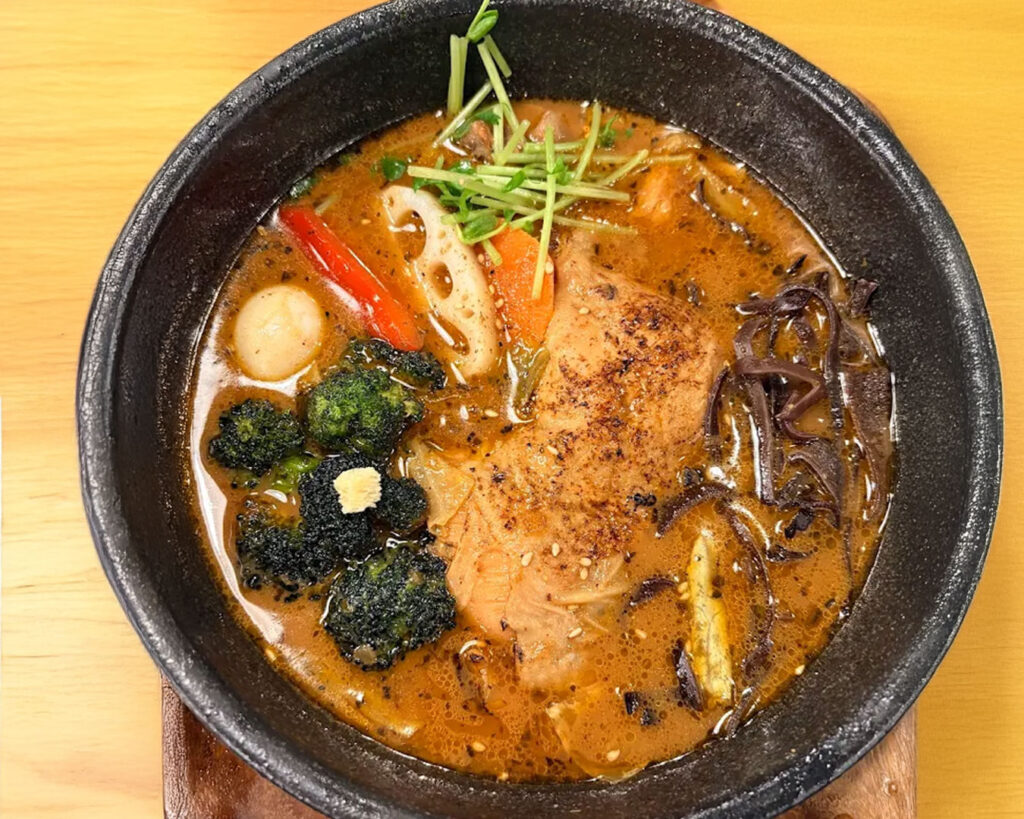
Soup curry is more than a dish. It is a story of place, climate, and care. From the streets of Sapporo to the heart of Singapore, it carries with it the warmth of Hokkaido and the soul of its people.
At Soup Curry by Ki-Setsu, we invite you to experience this story through a carefully crafted bowl, where garam masala, curry powder, and fresh ingredients come together in harmony. Whether it is your first time or a familiar comfort, each meal is a reminder that great food does not need to be heavy to be rich, nor loud to be memorable.
We look forward to welcoming you, sharing our passion, and serving a bowl of Hokkaido soup curry that warms from the inside out.