There is a particular kind of exhaustion that only a warm bowl can fix. In Japan, this is not a romantic idea. It is a lived reality, woven into the fabric of daily life. Japanese comfort food is not about luxury or spectacle. It is about the quiet, restorative power of food that feels like home: a steaming pot left on the stove, the smell of miso paste dissolving into hot broth, warm rice pressed into the palm of a hand.
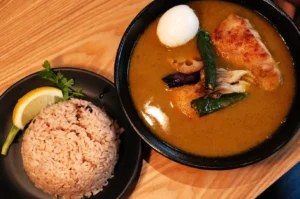
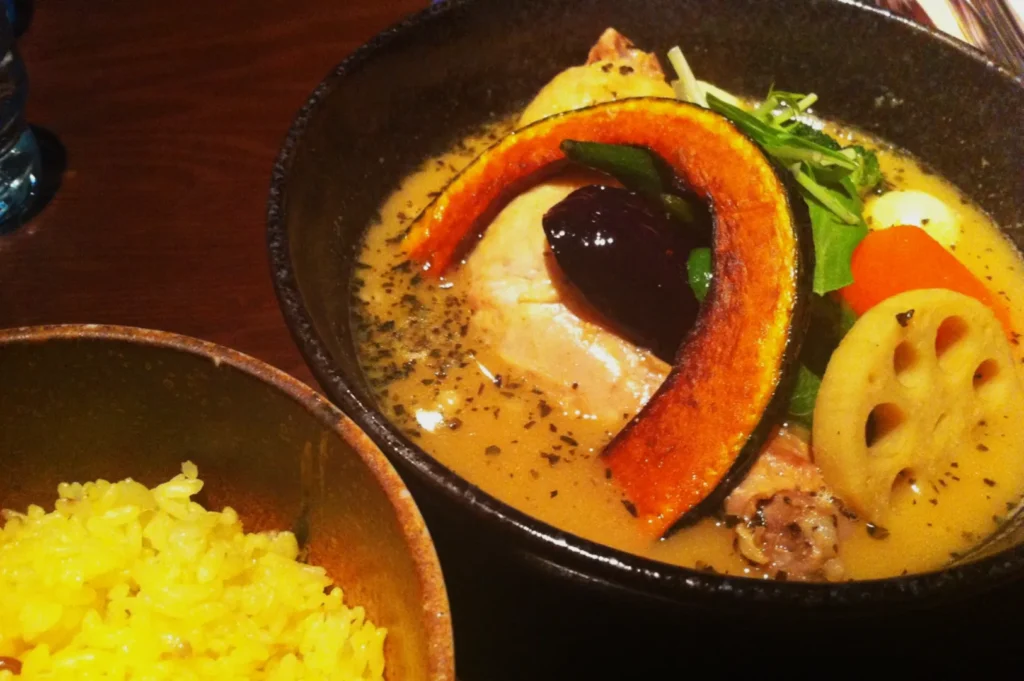
From the snowy north of Hokkaido to the lantern-lit food stalls of Tokyo, these are the dishes Japan reaches for when the day has simply been too long. One such dish that embodies this comfort is Hokkaido soup curry, a soul-warming specialty from the northernmost island, known for its aromatic broth and vibrant vegetables.
What Japanese Comfort Food Really Means
The concept of comfort food in Japan is deeply tied to what the Japanese call shiawase, a kind of contentment that comes not from extravagance, but from simplicity done well. Japanese comfort food is rarely bold or theatrical. It is subtle, layered, and familiar. A gentle sweetness in a simmered broth. The softness of rice cooked just right. The satisfying chew of udon noodles in a warm bowl of simple broth.
At its core, Japanese home cooking is about nourishment in the truest sense. It feeds both body and spirit. It is mom’s home cooking at the end of a school day, the bowl of rice balls tucked into a lunchbox, the smell of shiitake mushrooms and daikon radish bubbling in a pot. These dishes do not need to be complicated. They only need to feel right.
The Dishes That Define Japanese Comfort
Japanese cuisine has always understood that the most deeply satisfying meals are rarely the most complicated ones. From bustling cities to quiet rural towns, the dishes that endure are the ones that arrive warm, taste familiar, and ask nothing of the person eating them except that they slow down for a moment.
Miso Soup: The Soul of Every Meal
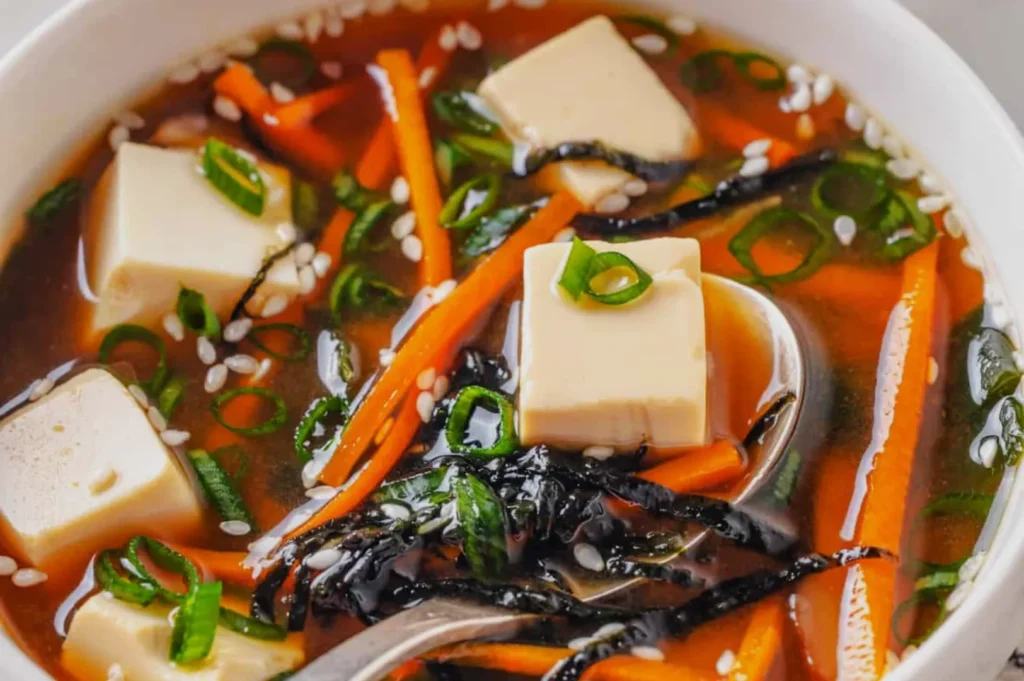
Ask any Japanese person what they think of when they hear the phrase “home cooking,” and miso soup will almost always be the first answer. This warm soup, built on a foundation of miso paste dissolved into a simple broth made from dashi, is a daily staple across Japan. It is served alongside warm rice at breakfast, lunch, and dinner. It can be dressed with tofu, seaweed, fish cakes, boiled eggs, or seasonal vegetables. It is endlessly adaptable, yet always unmistakably itself.
Miso soup is central to the traditional ichiju sansai concept of Japanese cuisine: one soup, three sides. It is not a starter. It is a constant, a grounding presence in the Japanese diet that anchors a meal and signals that everything is going to be all right.
Udon Noodles: Warmth in Every Strand
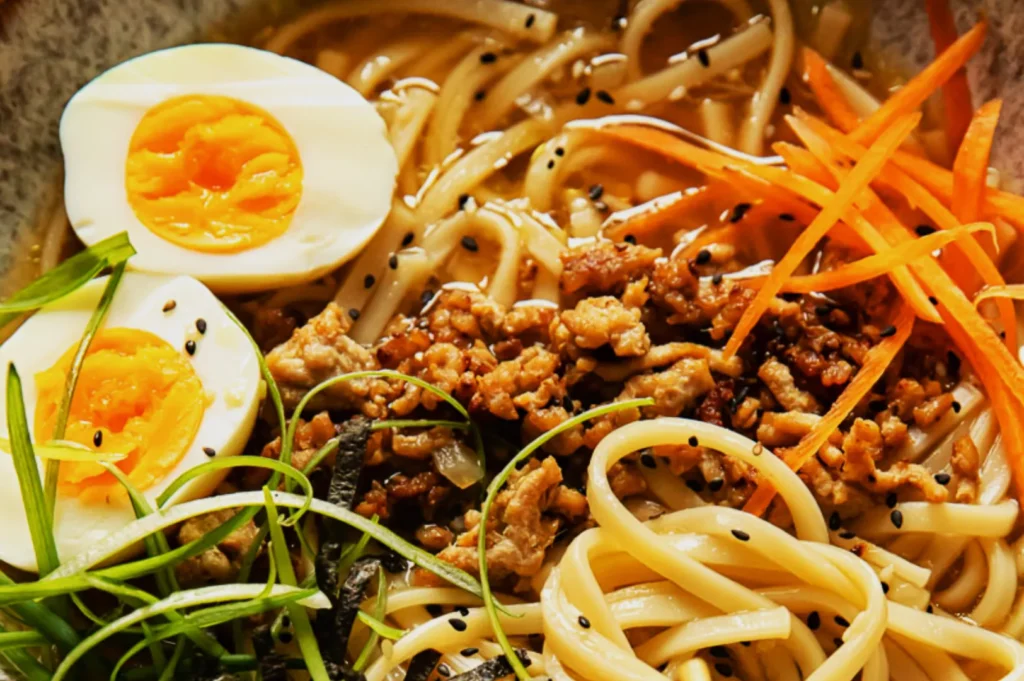
Few things in Japanese food speak to comfort more plainly than a bowl of udon. These thick wheat noodles, soft and yielding in a golden soup base, are a staple of udon shops across the country. Whether served with a beaten egg cracked in at the last moment, fish cakes floating on the surface, or a piece of deep fried tofu resting at the side, udon is warmth made edible.
In the Edo period, udon became a dish for the people, sold cheaply at food stalls along busy streets. Today, it remains one of the most popular examples of Japanese dishes that are deeply satisfying without being heavy. The eating of udon is not rushed. It is an act of slowing down.
Hot Pot Dishes: Eating Together When It Matters
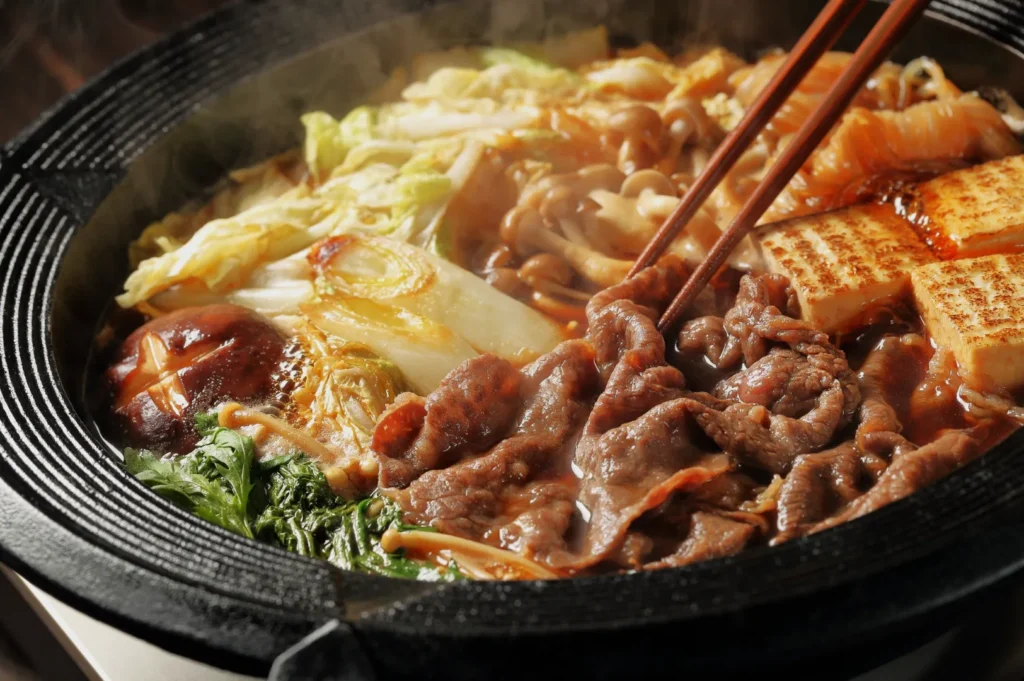
When the cold arrives and the day has been hard, Japan reaches for the pot. Hot pot dishes, or nabe, gather families around a shared table. Ingredients, including meat, tofu, shirataki noodles, vegetables, and sometimes chunks of salmon, are placed into a warm broth and cooked together. Everyone eats from the same pot. The act itself is comforting: the steam, the shared ritual, the sound of a simmering broth.
Ishikari nabe, a hot pot from Hokkaido, is a celebrated example of this tradition. Salmon, miso, and root vegetables come together in a bowl that tastes unmistakably of the north. Sumo wrestlers, it is often noted in Japanese food culture, have long relied on large pots of chanko nabe as the cornerstone of their Japanese diet, proof that there is power, not just nostalgia, in a deeply made broth.
Curry Rice, Katsu Curry, and the Comfort of a Full Plate
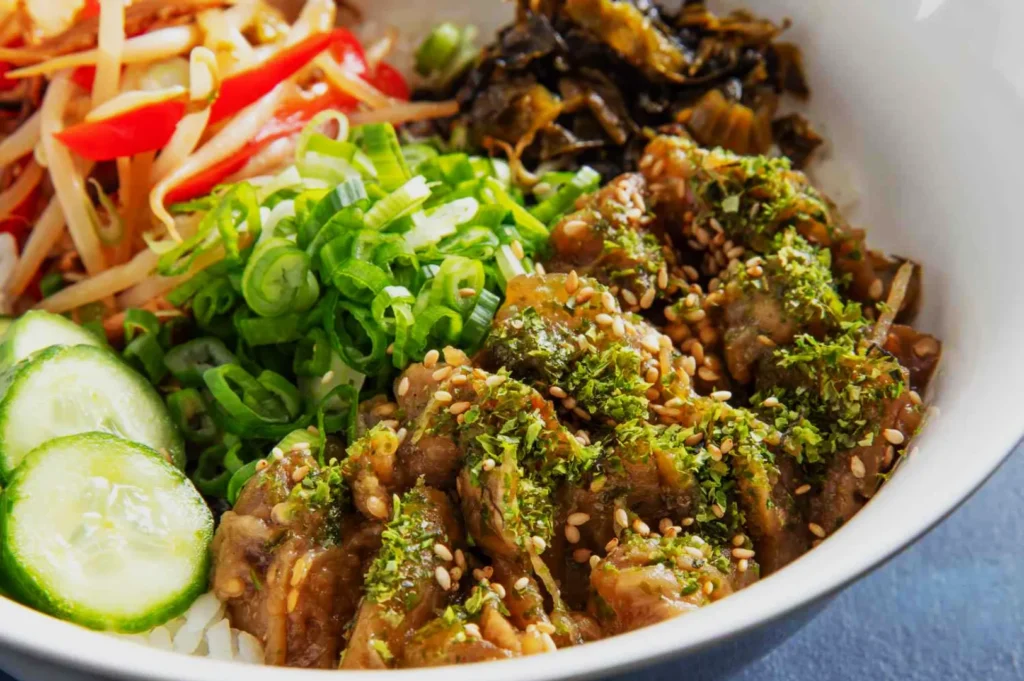
Donburi, or rice bowls, are sacred in Japanese culture. Warm rice forms the base upon which everything else is built. These bowls layer rice with everything from chicken simmered in a soy sauce broth to raw egg and tender meat simmered low and slow. They are the weeknight meal, the lunch counter staple, the dish that asks nothing of the eater except that they sit down and rest for a moment.
Katsu curry is perhaps the most universally beloved of all Japanese comfort food. A breaded, deep fried cutlet laid over warm rice, blanketed in a thick, gently spiced curry sauce with a subtle sweetness. It is the dish that Japanese schoolchildren dream about, that tired salarymen order without even glancing at the menu. Curry rice in this form is one of the great gifts of Japanese cuisine to the world: simple, filling, and deeply satisfying.
Japanese curry as a whole occupies a singular place in the country’s food culture. It sits at the intersection of tradition and everyday practicality, appearing in convenience stores, school canteens, and neighbourhood restaurants alike. The sauce is warm, the rice is always generous, and the combination never fails.
Read Why People Keep Confusing Japanese Soup Curry with Japanese Curry (And Why They Shouldn’t)
Soup Curry: The Japanese Comfort Food That Changed Everything
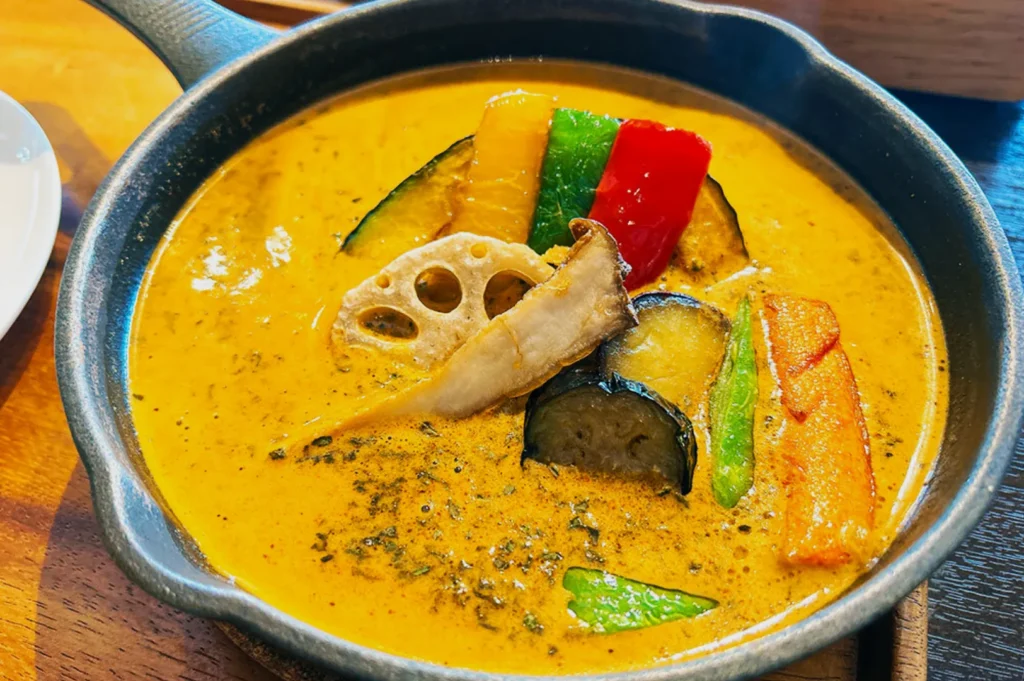
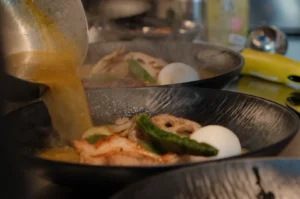
Among all the dishes in the canon of Japanese comfort, there is one that stands apart in its depth, its warmth, and its particular genius. Soup curry was born in Sapporo, the capital of Hokkaido, in the early 1970s, and it represents the very best of what Japanese curry can be when it is allowed to be something entirely its own.
Unlike katsu curry or curry rice, where the sauce is thick and coats every bite, soup curry is built around a light, aromatic curry-flavoured broth. Think chicken bones, garam masala, tomato paste, and layers of caramelised onion, garlic, and ginger, slow-cooked until the broth carries genuine depth. The result is a soup that warms from the inside out, served alongside steamed white rice that you dip or mix in at your own pace.
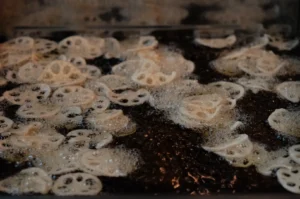
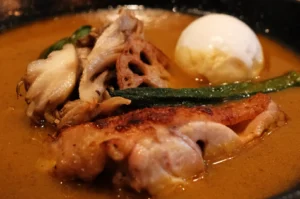
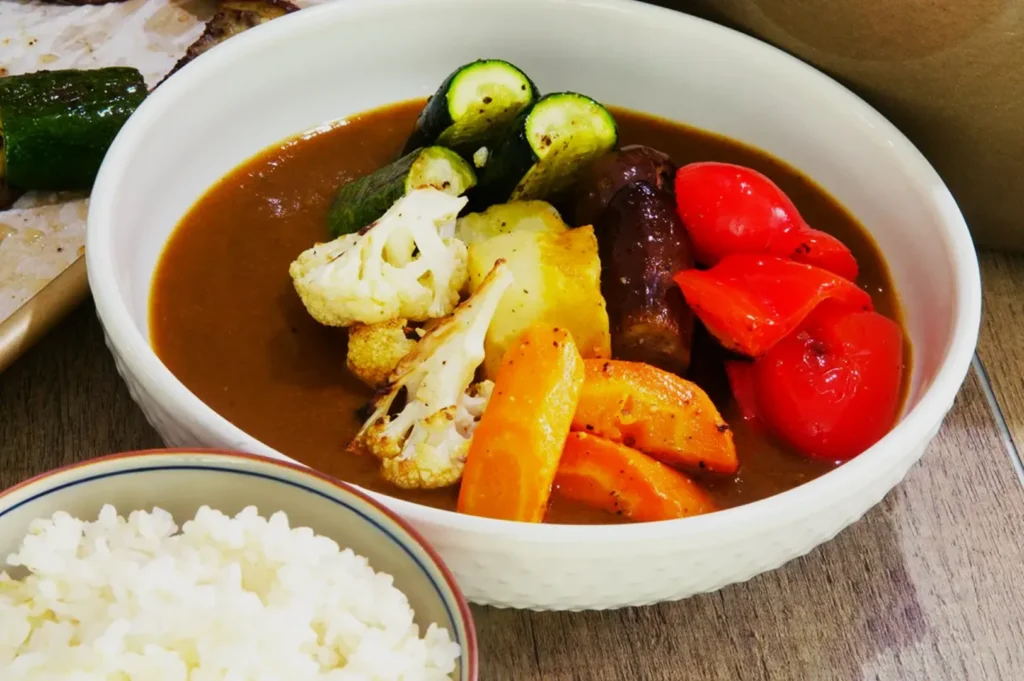
What makes soup curry so remarkable as a comfort food is its combination of boldness and gentleness. The spices are present but never aggressive. The vegetables, including lotus root, bell pepper, aubergine, potato, and pumpkin, are deep fried using the Japanese su-age technique, which flash-fries them without batter to preserve their natural colour and flavour before they are nestled into the curry soup. Each vegetable arrives vibrant, texturally distinct, and deeply flavoured by the hot broth it rests in.
At Soup Curry by Ki-Setsu, Singapore’s first and only authentic Hokkaido soup curry restaurant, this is precisely what we serve. Our approach follows the traditions of Sapporo’s most beloved soul food: aromatic, light, and layered. Tender chicken, root vegetables prepared using Japanese cutting methods, and a broth built with patience. It is Japanese comfort in its fullest expression.
Cherry Blossoms, Cold Nights, and the Comfort of Home Cooking That Carries You Through
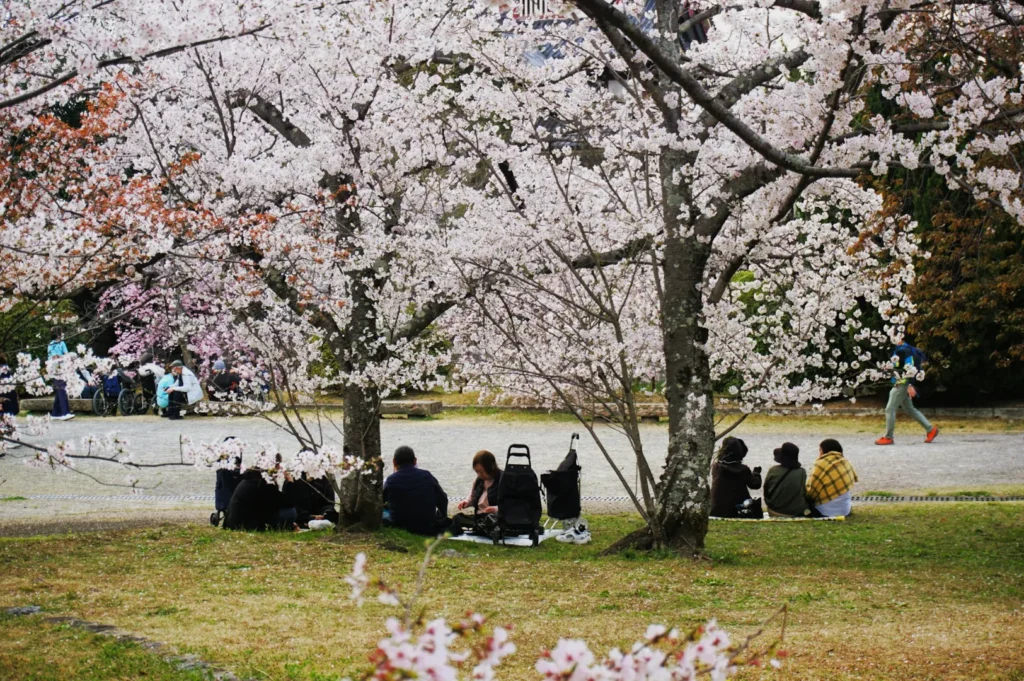
Japan’s relationship with comfort food shifts with the seasons. Under cherry blossoms in spring, the Japanese gather for hanami picnics with rice balls and warm tea. In the depths of winter, hot pot dishes and steaming bowls of udon and miso soup become essential. Soup curry, born in Hokkaido where winters are long and the nights arrive early, has always understood this. It is a dish designed for grey days, for the commute home on a wet evening, for the moment when what you need most is something that holds you.
This is what home cooking in Japan has always understood: that food is not separate from feeling. That a warm bowl, crafted with care and served with intention, is one of the most human things we can offer one another. In traditional Japanese culture, the table is a place of restoration. Whether it is a quiet bowl of miso soup at breakfast or a rich, aromatic bowl of soup curry at the end of a long week, the intention is always the same: to bring you back to yourself.
Japanese Dishes That Stay With You
What distinguishes truly great Japanese comfort food from simply filling food is the sense that someone cared. That the broth was made slowly. That the vegetables were chosen well. That the rice was cooked with attention. Japanese cooking, at its most honest, is an act of consideration.
From the simplicity of miso soup to the satisfying weight of curry rice, from the communal warmth of hot pot dishes to the aromatic depth of a proper bowl of Hokkaido soup curry, these are Japanese dishes that do more than fill the stomach. They restore something. That is why, when the day has been too long and the world feels heavier than expected, Japan reaches for these bowls, again and again, without hesitation.
Come and discover what we mean.