Singapore’s dining scene moves quickly. A cuisine becomes fashionable, restaurants multiply within months, and then attention shifts elsewhere. Anyone who has watched this cycle long enough starts to notice a pattern: some restaurants are built because a market looks promising, while others exist because someone simply could not imagine practising their craft anywhere else. These two starting points sound similar from the outside, yet they shape everything that follows, from the ingredients on the plate to the way a kitchen behaves on a slow Tuesday night.
We think about this distinction often, because it defines how we approach Hokkaido soup curry in a country that had, until recently, never really encountered it. The question is not whether a restaurant is popular or profitable. The question is why it was opened in the first place, and whether that reason still shows up in the food years after the opening excitement has faded.
When a Restaurant Is Built for a Trend
A trend-driven restaurant usually begins with a gap in the market rather than a personal connection to the cuisine. Someone notices that a particular dish is gaining traction online, checks that no one else in the country is serving it yet, and moves to fill that space before competitors catch on. There is nothing inherently wrong with spotting an opportunity. Many successful businesses start exactly this way. The issue is what tends to happen next.
Because the priority is speed to market, recipes are often adapted rather than learned properly. Ingredients get swapped for whatever is locally convenient, cooking techniques get simplified to suit a smaller kitchen team, and the dish is reshaped to match what local diners are assumed to want, sometimes before anyone has actually asked them. The result can still taste pleasant, but it is frequently a version of the cuisine rather than the cuisine itself.
The Signs of a Trend-Driven Concept
There are a few patterns worth watching for. The menu often expands rapidly to include unrelated dishes, diluting focus in an attempt to appeal to as many people as possible. Descriptions lean heavily on buzzwords rather than specifics about origin, technique or region. And when asked direct questions about the cuisine’s background, such as which part of Japan a dish actually comes from or why it is traditionally prepared a certain way, the answers tend to be vague or inconsistent between staff members.
None of this makes a restaurant dishonest. It simply means the food was designed around a market opportunity first, with authenticity treated as a secondary concern that can be adjusted if it does not perform well commercially.
When a Restaurant Is Built from Craft
A craft-driven restaurant works in the opposite direction. It begins with a person, or a small group of people, who have spent years, sometimes decades, mastering a specific style of cooking somewhere else. Becoming an authentic restaurant is never the starting goal here, it is simply the natural outcome of that discipline. The decision to open in Singapore comes after that mastery, not before it..
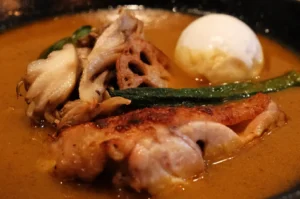
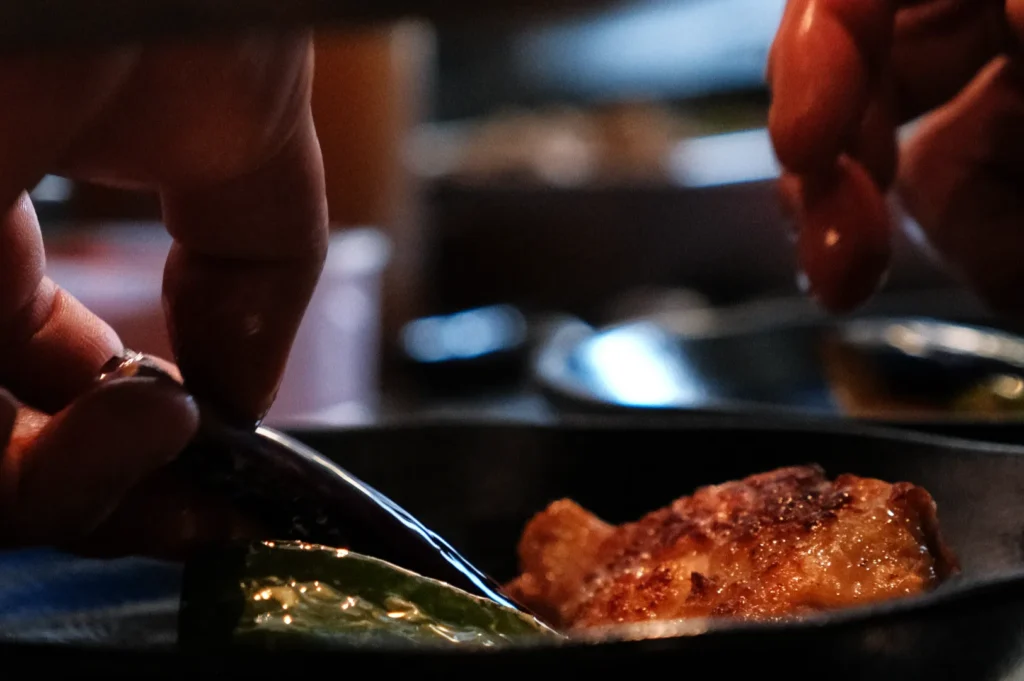
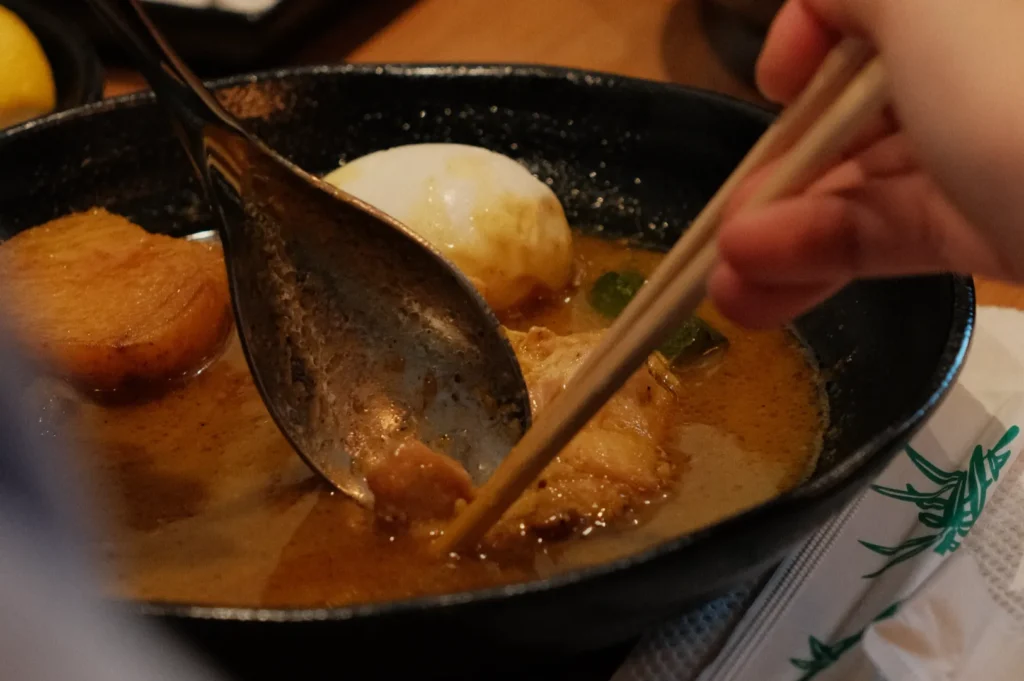
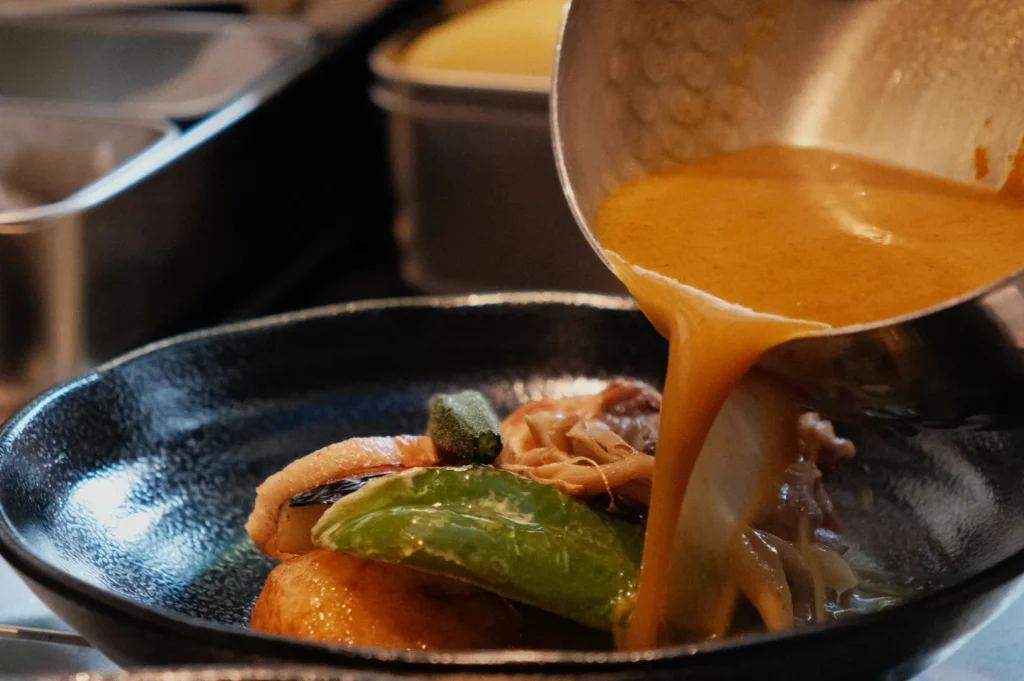
For us, this meant bringing a dish that had never had a proper home in Singapore: Sapporo style soup curry from Hokkaido. This is not a dish we discovered through research or trend reports. It is a cuisine our head chef trained in directly, understanding the light, aromatic broth built from chicken bones, curry powder, garam masala and fresh aromatics, and the traditional su-age method of deep frying vegetables quickly without batter, so that bell pepper, lotus root, aubergine and potato retain their natural colour and texture rather than turning heavy or greasy.
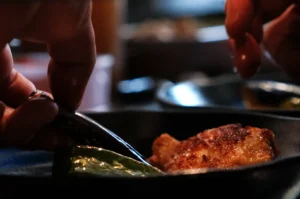
That difference in starting point shows up in small, unglamorous decisions that no marketing campaign would ever highlight. It shows up in refusing to thicken the soup base to suit expectations shaped by conventional Japanese curry, and in keeping chicken legs on the bone because that is how the broth develops proper depth, even though boneless cuts would be faster to plate and easier to eat. It also shows up in maintaining the same deep frying technique for every single order, regardless of how busy service becomes, because cutting that corner would compromise the dish’s entire identity.
What Genuine Craft Looks Like in the Kitchen
Craft rarely announces itself loudly. It tends to appear in consistency rather than spectacle. A craft-driven kitchen will usually resist the temptation to expand the menu with easy, crowd-pleasing additions that have nothing to do with the core cuisine. It will keep the dish close to its traditional form even when a simplified version might sell faster or cost less to produce. And it will treat questions about origin and technique as an opportunity to educate rather than a nuisance to deflect.
This is also why we operate as a soup curry restaurant during the day and transform into a cosy izakaya from six in the evening, rather than trying to be everything to everyone at once. Both concepts draw from the same Hokkaido sensibility: honest ingredients, unhurried technique and a warm, unpretentious atmosphere. Expanding sideways into unrelated cuisines might broaden appeal, but it would dilute the very thing that made the restaurant worth opening in the first place.
How Guests Can Tell the Difference
For diners without a culinary background in a specific cuisine, telling a trend-driven restaurant from a craft-driven one is not always straightforward. Marketing photography can make almost anything look authentic. There are, however, a few practical ways to look past the surface.
Pay attention to whether the dish stays recognisably close to its traditional form or whether it has been noticeably localised to fit familiar flavour profiles. Notice whether the kitchen can explain why a dish is prepared a certain way, not just what is in it. A team working from genuine craft will usually speak about technique with specificity, mentioning things like frying temperature, broth reduction time or the reasoning behind a particular spice blend, rather than relying on general descriptors.
It is also worth watching how a restaurant behaves once the initial hype settles. Trend-driven concepts often lose consistency once footfall becomes predictable, quietly cutting corners that were never visible to most guests anyway. Craft-driven restaurants tend to hold their standards steady precisely because those standards were never dependent on popularity in the first place. They existed before the restaurant opened its doors, and they remain the reason it continues operating the way it does.
Beyond the Menu: Consistency and Commitment
Consistency is perhaps the clearest signal of all. A dish built on genuine craft should taste essentially the same on a quiet Monday lunch as it does during a packed Saturday dinner. That level of discipline is difficult to fake and expensive to maintain, which is exactly why it separates restaurants opened around a market opportunity from those opened around a personal commitment to a cuisine.
Guests who visit our restaurant, whether during a walk-in lunch or dinner within the izakaya hours, encounter the same broth, the same frying technique and the same attention to ingredient quality every time. That repetition is not accidental. It reflects a standard that was set before Singapore was ever part of the plan, back when Hokkaido soup curry was simply something worth mastering properly.
Why This Distinction Matters for Singapore’s Dining Scene
Singapore’s diners are increasingly discerning, and many have travelled widely enough to recognise when a cuisine has been simplified for convenience. This creates a genuine opening for restaurants built on craft rather than opportunity, because authenticity, once it becomes noticeable, tends to earn a kind of loyalty that trends struggle to replicate.
This is not a claim that trend-driven restaurants have no value. Some evolve into genuinely thoughtful establishments over time, and craft can be built retroactively if a team commits to it seriously. But the restaurants that tend to endure, particularly with niche or unfamiliar cuisines like Hokkaido soup curry, are usually the ones where the craft came first and the business decision to open in Singapore came second.
For us, being Singapore’s first and only Hokkaido soup curry restaurant was never really the goal. Being a faithful, consistent representation of a dish we believe deserves to be understood properly was always the actual point. Soup Curry by Ki-Setsu exists because of that belief, not because a gap in the market happened to appear at a convenient time.
Whether a restaurant was opened for Singapore or opened out of genuine craft is not something a menu description can settle. It shows up over time, in the small decisions a kitchen makes when nobody is watching closely, and in whether a dish still tastes like itself long after the novelty has worn off.