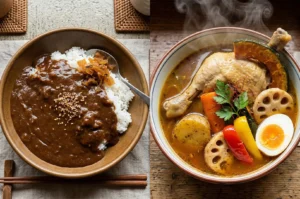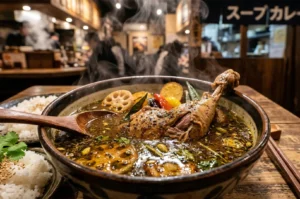
Sake and izakaya food belong together at the table. Across Japan, locals sit with small dishes, warm conversation, and bottles of sake shared among friends. Pairing sake with izakaya food feels relaxed, social, and full of surprise. Many guests ask where to start, which sake suits fried chicken, grilled fish, or vegetable dishes, and how flavour balance works.
We see pairing as a guide rather than a rulebook. This introduction focuses on helping beginners enjoy sake pairing with confidence, especially alongside comforting dishes such as soup curry served within a Japanese izakaya setting.
Why Sake and Izakaya Food Work So Well Together
Izakaya food covers a wide range of textures and flavours. Fried food, grilled meat, fresh sashimi, light vegetables, and salty snacks all appear on one menu. Sake suits this variety due to balance, acidity, and rice-based sweetness. Unlike wine, sake shows lower acidity and gentle alcohol heat. This structure supports salty dish flavours without overpowering food.
Sake works with Japanese cuisine due to shared ingredients. Rice grains form the base of both sake and many dishes. Fermentation adds savoury depth known as umami. This shared character helps sake pair smoothly with yakitori, agedashi tofu, grilled chicken skewers, and tempura prawn.
Understanding Basic Sake Styles Before Pairing
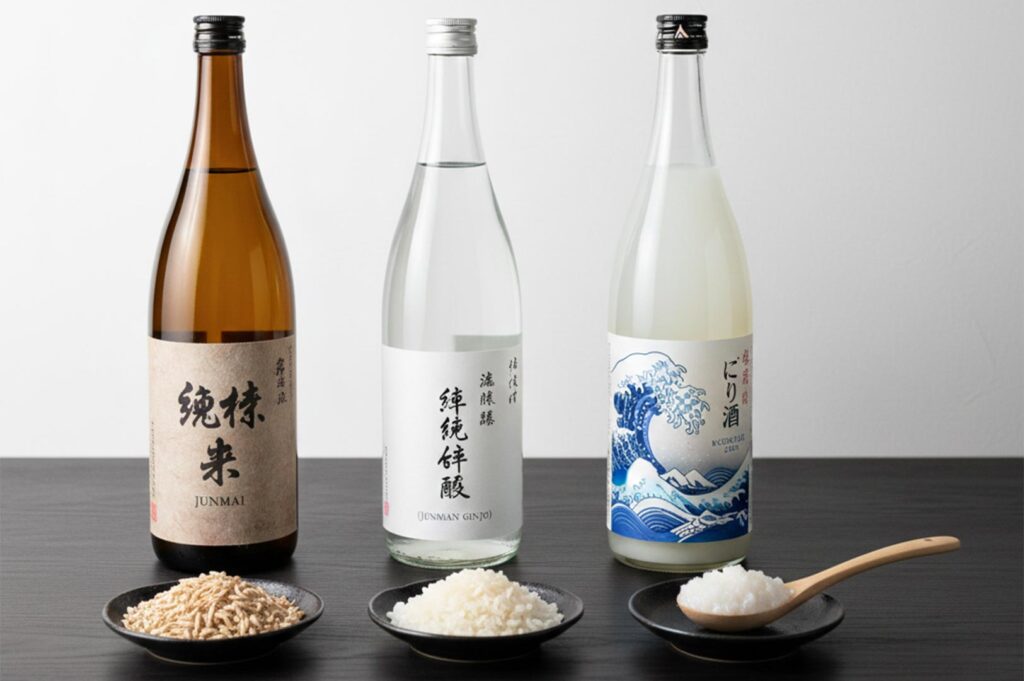
Before diving into specific pairings, it helps to look at the bottle. Most sake characteristics are defined by two main factors: whether extra alcohol was added to the brew and how much of the rice grain was polished away. These choices by the brewer directly dictate the weight, aroma, and texture you’ll feel on your palate.
Junmai Sakes and Non Junmai Sakes
Junmai sakes contain only rice, water, yeast, and koji. No alcohol added appears during making sake. These styles feel rich, savoury, and rounded. Junmai sakes suit grilled meat, fried chicken, and other rich izakaya food.
Non junmai sakes include a small amount of distilled alcohol added near the end of brewing. This method lifts aroma and sharpens finish. These styles feel lighter and cleaner on the palate. Non junmai sakes suit sashimi, sushi, and light vegetable dishes.
Polishing Ratio and Flavour Impact
Polishing ratio refers to how much rice grain remains after milling. A lower polishing ratio means more rice removed. Junmai ginjo often features a minimum polishing ratio of 60 percent or lower, indicating a less polishing ratio that results in fragrant, light, and elegant sake.
A higher polishing ratio leaves more rice intact. These styles taste fuller and rice-forward. Pair these bottles with salty food, grilled fish, or fried food. Beginners benefit from remembering one rule. Lighter dishes suit lighter sake, richer dishes suit richer sake.
Key Izakaya Food Categories and Sake Pairing Tips
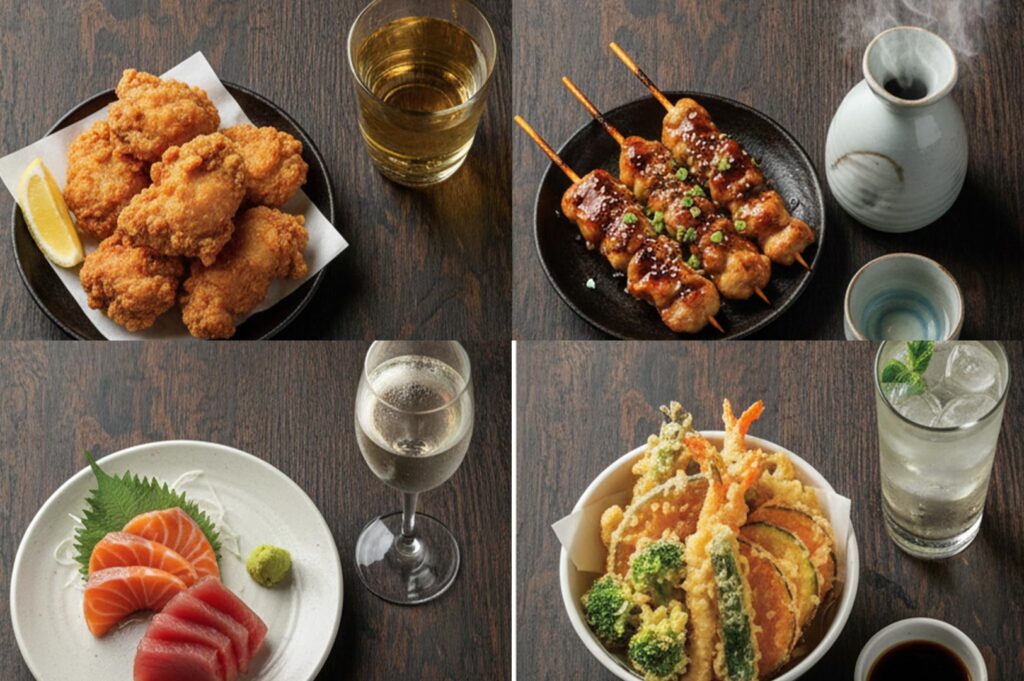
Because an izakaya menu is so diverse, the best approach is to categorize your meal by preparation style. Whether your table is covered in crispy fried snacks, charred skewers, or delicate raw fish, certain sake profiles are naturally better at cutting through fats or highlighting subtle textures.
Fried Food and Crispy Snacks
Dry sake: Its crispness cuts through oil and balances the saltiness.
Clean sake styles: Light and refreshing, they cleanse the palate between bites.
Junmai sakes (served cold or slightly chilled): Rich and savory, they complement the fried textures.
Sparkling sake: Effervescent bubbles lift the fat, while soda water notes add a playful texture without masking flavour.
Grilled Meat and Yakitori
Yamahai sake: Offers depth, earthiness, and gentle acidity, complementing the richness of grilled meats.
Aged sake: Provides nutty notes and savory warmth, enhancing the flavors of meat dishes.
Undiluted sake (Genshu): Features higher alcohol content and fuller body, ideal for hot grilled meat. Best served slightly warm or at room temperature for optimal flavor.
Fish, Sashimi, and Sushi
Clean Sake Styles: Low sweetness and crisp flavors that highlight the delicate nature of raw fish.
Junmai Ginjo: Known for its floral aroma and smooth finish, making it ideal for sashimi and sushi.
Nigori Sake: Cloudy texture with a touch of sweetness, pairing well with richer fish like salmon and crab.
Avoid Aged Sake: Overly aged sake has strong flavors that can overpower delicate raw fish, so it’s best to steer clear.
Vegetable Dishes and Light Plates
Light Sake with Gentle Sweetness: Complements subtle vegetable flavors without overpowering them.
Ginjo Styles: Known for their fresh and elegant aroma, they highlight the natural freshness of vegetables and light dishes.
Slightly Sweet Sake: Pairs well with fresh goat cheese and other mild appetizers, enhancing the flavor experience.
How Izakaya Culture Shapes Pairing Choices
Izakaya culture values sharing, flexibility, and enjoyment. No strict course structure applies. Food arrives as ready, bottles appear as conversation flows. Pairing follows mood rather than rules.
In Japan, locals order sake based on weather, company, and appetite. Some nights call for cold sake and light snacks. Other nights suit warm sake and rich dishes. This approach removes pressure and builds confidence.
Our space reflects this culture, shifting toward a cosy izakaya atmosphere from evening onward. Small plates, soup curry, and sake coexist naturally at the table.
Soup Curry and Sake at the Izakaya Table
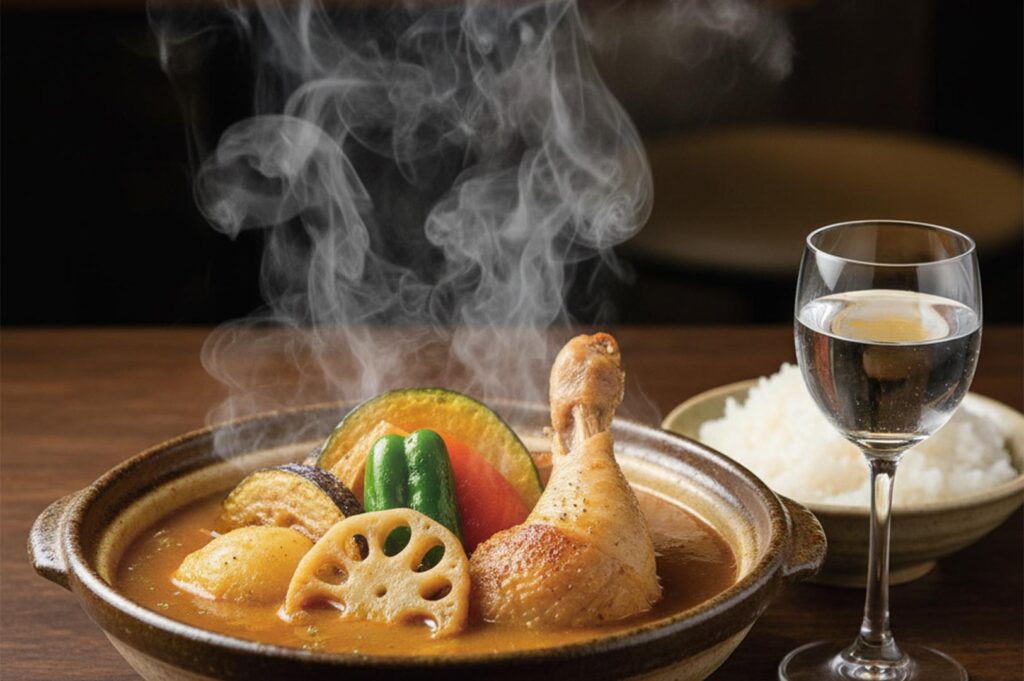
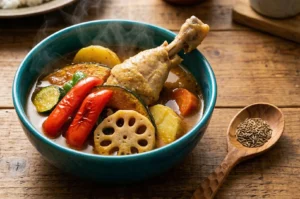
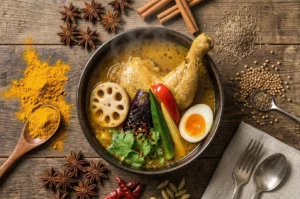
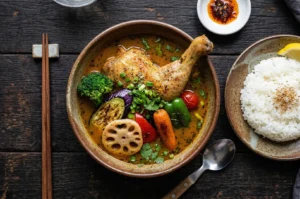
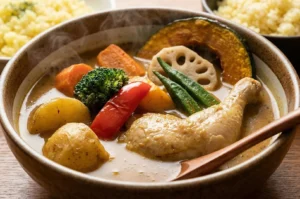
Soup curry holds a unique place among izakaya food. This dish brings spice, aroma, and warmth without heaviness. A light curry flavoured soup base supports pairing flexibility. Chicken, vegetables, and rice appear separately, allowing control over each bite.
Dry sake suits spicy soup curry well. Sweetness clashes with spice heat, while dryness refreshes the palate. Junmai ginjo or clean non junmai styles balance spice and savoury broth. For guests seeking comfort, lightly warmed junmai sakes offer harmony with rich soup.
At our restaurant, soup curry shares space with small plates during evening service, forming a complete meal alongside izakaya classics. Guests often start with appetizers and drinks, then move toward soup curry as a centrepiece.
Choosing Sake at Japanese Restaurants
Japanese restaurants often list many bottles. Beginners feel unsure. Start by asking three questions: Which dish leads the meal? Which flavours dominate, light or rich? Which temperature suits the mood?
Many establishments group sake by style. Look for junmai ginjo for light dishes. Look for junmai for rich food. Trust staff recommendations and remain open to surprise.
Building Your Own Pairing Confidence
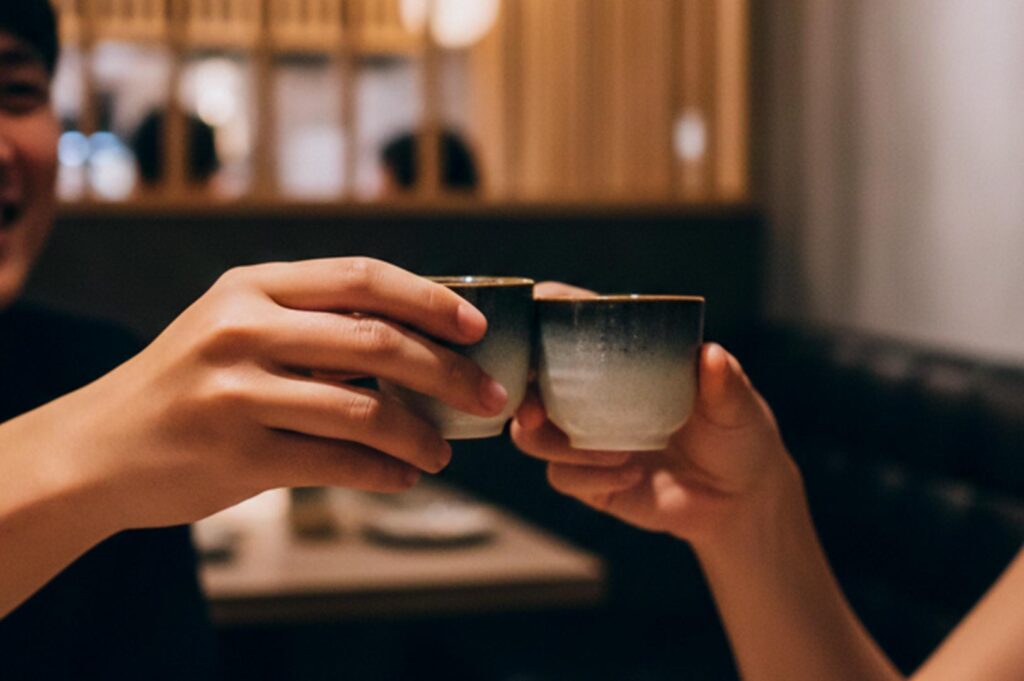
Confidence grows through tasting. Try small pours. Share bottles. Take notes mentally. Notice sweetness, dryness, aroma, and texture. Over time, preferences emerge.
Food pairing involves enjoyment rather than perfection. Each table builds personal rules. Izakaya dining supports exploration and fun.
Mastering the Art of Sake and Izakaya Food Pairing
At its heart, sake pairing is an act of curious exploration rather than a rigid science. By focusing on balance and contrast by matching the weight of the dish to the body of the pour, you can transform a casual dinner into a standout sensory experience. Whether it is a dry, clean sake cutting through the aromatic heat of a soup curry or a rich Junmai elevating charred skewers, the right bottle turns every bite into a discovery.
In the unique landscape of Singapore’s izakayas, the best pairings are often found where great food meets spirited conversation. Whether you are exploring the hidden bars of Tokyo or joining us at our own tables, let the menu and your mood be your guide. Sit back, eat well, and let each pour lead the way to your next favorite flavor.