There are cities that simply receive food trends, and then there are cities that deserve them. Singapore belongs firmly in the second category. When we began thinking seriously about where to bring authentic Hokkaido soup curry beyond Japan’s shores, the answer kept returning to the same place: this island, this people, this culinary culture. It was never really a question. It was a recognition.
Singapore did not need convincing. It was already ready.
A City Built on the Language of Flavour
To understand why Singapore was the natural home for soup curry, you have to understand what this city has always done extraordinarily well: it holds multiple culinary traditions simultaneously, without flattening any of them. Singaporeans do not merely tolerate complexity in a bowl. They expect it. They seek it. They know the difference between something made with care and something assembled for convenience.
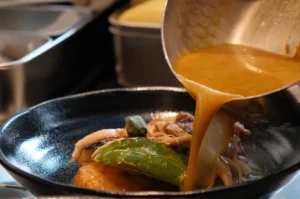
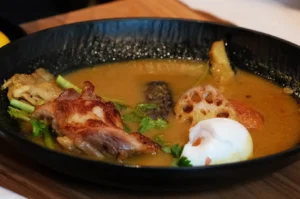
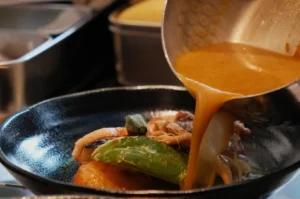
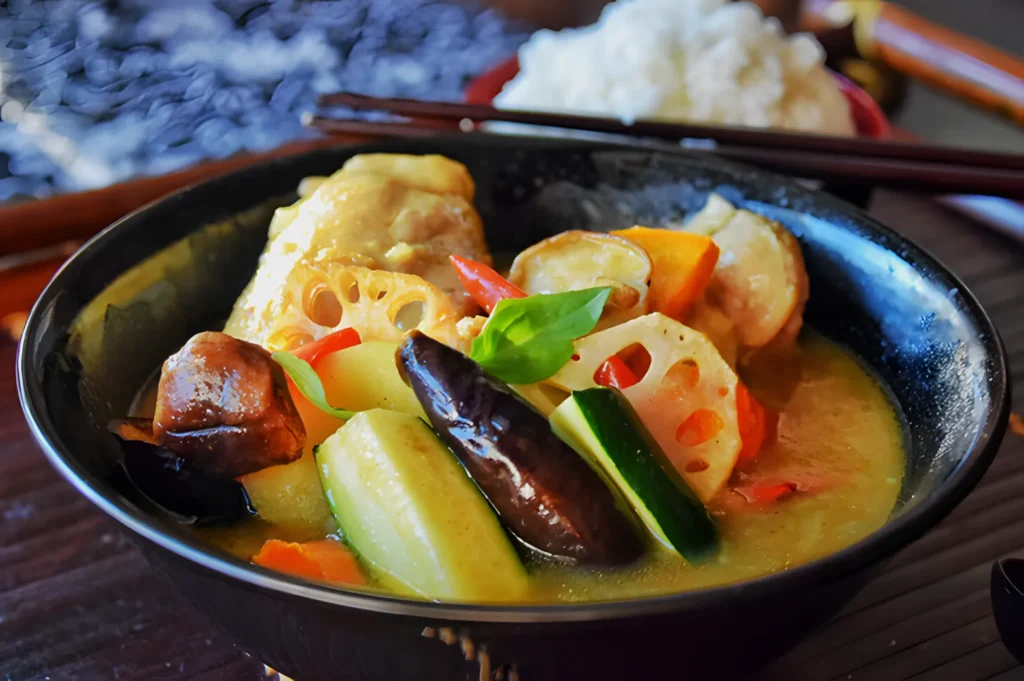
Soup curry is, at its core, a dish of careful construction. The broth is built from chicken bones, aromatics, garam masala, and tomato paste, simmered and layered until each element contributes to a whole that is neither heavy nor thin, but precisely itself. It is served alongside steamed rice rather than mixed into it, inviting the diner to engage with the meal on their own terms. This is not a dish that rewards passivity. It rewards attention.
Singaporeans, by nature and by culture, pay attention to food. The city’s hawker heritage has cultivated generations of diners who can identify a good stock, who notice when vegetables have been handled correctly, who understand that the shortest path between ingredients and a bowl is not always the best one. For a dish as nuanced as soup curry, this audience matters enormously.
The Spice Familiarity That Makes Space for the New
There is another dimension to Singapore’s readiness that we find quietly compelling: the city’s deep, lived fluency with spice.
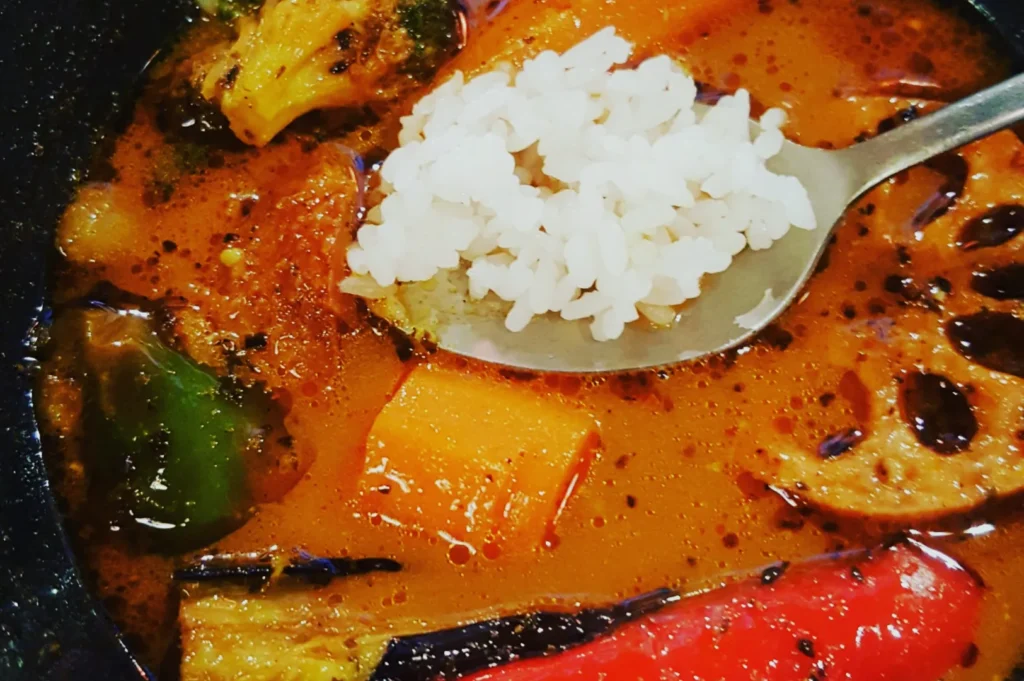
Most Singaporean diners have grown up alongside curry in some form, whether that is the rich gravies of Indian cuisine, the coconut-forward curries of Malay cooking, or the various Japanese curry adaptations that have passed through the market over the years. This familiarity means that when soup curry arrives, it does not land as alien. It lands as different, which is a far more interesting position.
Soup curry is not trying to be any of those things. The spice profile is aromatic rather than fiery, complex rather than one-dimensional, warming rather than overwhelming. It is a curry that opens a conversation rather than ending one. In a city where diners have the vocabulary to appreciate that distinction, the dish has room to be understood on its own terms.
This matters to us deeply. We did not come to Singapore to compete with beloved local traditions. We came because Singapore’s spice literacy creates exactly the kind of discerning, open-minded diner who can appreciate what Hokkaido soup curry actually is, rather than what they might assume it to be.
A Culture That Honours Craft
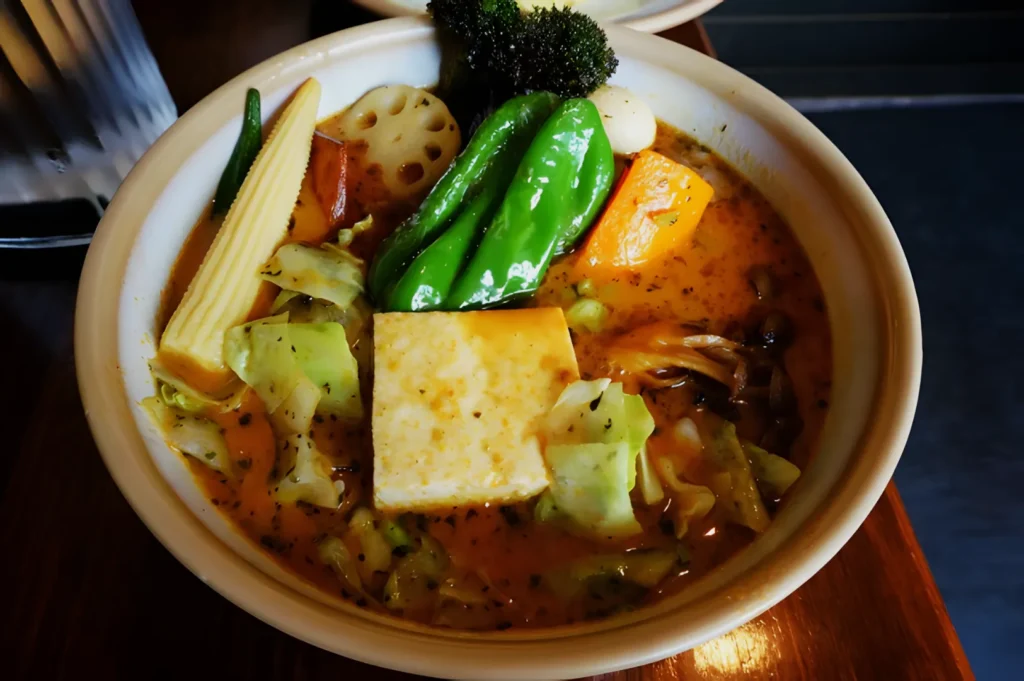
Soup curry emerged in Sapporo in the early 1970s, not as a restaurant invention designed for mass appeal, but as a slow-grown local soul food. This quintessential Japanese comfort dish spread through Hokkaido’s capital because it was genuinely good, because it nourished people through long winters, because chefs cared about the details. In Chuo Ward, near Susukino Station, soup curry became part of the fabric of daily life.
What Singapore shares with that origin story is a profound respect for craft. The city’s food culture, at its best, does not celebrate shortcuts. There is an understanding that certain things take time, that technique is not ornamentation but foundation.
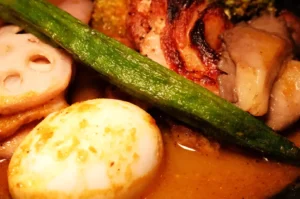
Our vegetables, for instance, are prepared using the Japanese su-age method: deep-fried without batter, at precise temperatures, until the exterior takes on colour while the interior retains its natural moisture and sweetness. Bell pepper, lotus root, aubergine, potato, pumpkin, okra, carrot. Each is treated as an individual ingredient with its own requirements, not as a collective afterthought. In many cities, this level of attention would be considered excessive. In Singapore, we find that guests simply notice it and appreciate it, often without needing it explained.
The same applies to our broth. Onions, garlic, and ginger are caramelised properly before the curry spices are introduced. The chicken is handled so that texture is preserved through the cooking process, arriving in the bowl tender but with integrity. These are not dramatic techniques. They are disciplined ones. Singapore’s food culture understands the difference.
The Evening Dimension: Izakaya Culture in a City That Stays Up Late
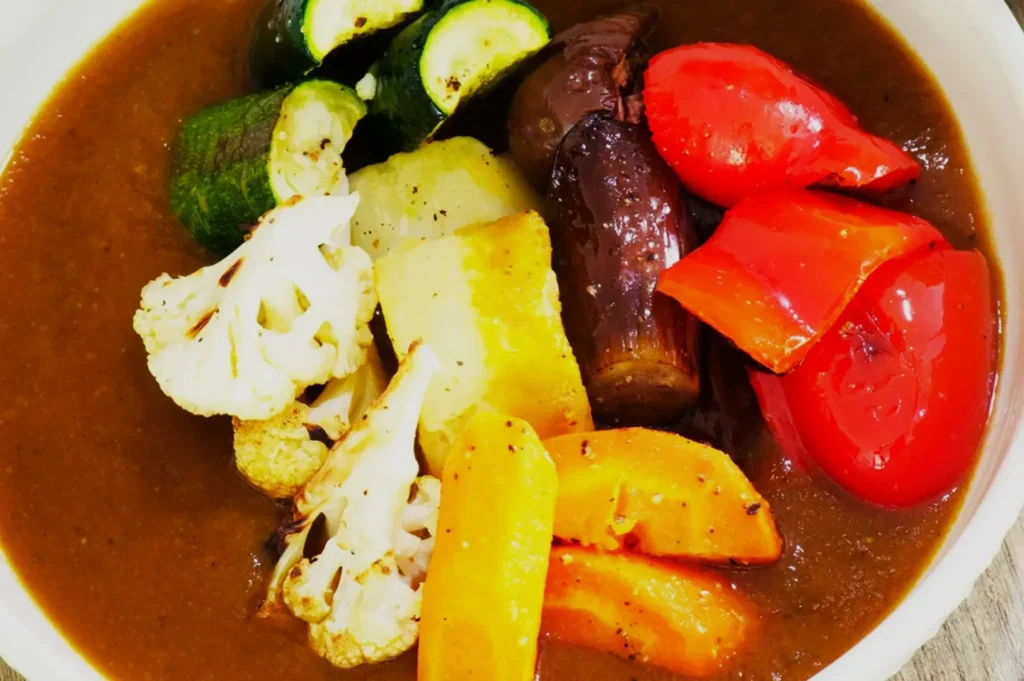
Singapore is a city that eats late, gathers easily, and understands the value of a space that shifts its mood without losing its identity. This made the izakaya dimension of our concept feel not just appropriate, but almost inevitable.
From 6 PM onwards, our space transforms into something quieter and more intimate. Japanese small plates, sake, good company. The soup curry remains, but the atmosphere deepens. This dual character, the lunchtime warmth of a nourishing bowl and the evening ease of an izakaya gathering, maps naturally onto how Singaporeans actually live and dine.
The after-work meal in Singapore is a social ritual. People do not rush home. They linger. They order another round. They talk. An izakaya setting is not a novelty here; it is a familiar rhythm in Japanese form. We simply brought it together with something that had never existed on the island before.
Why This City, Why Now
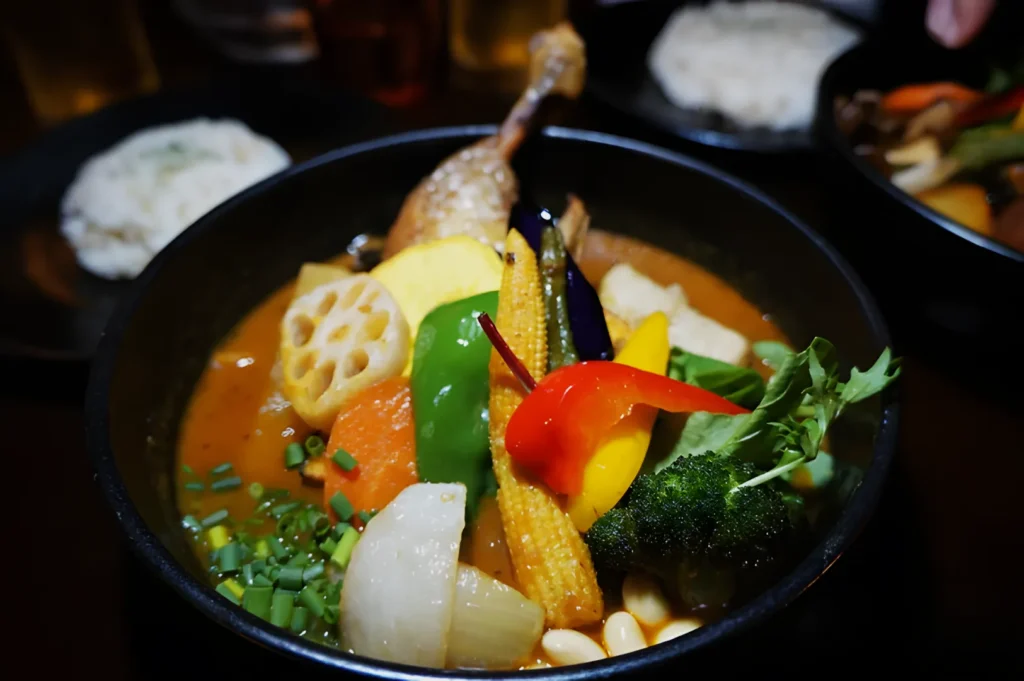
Soup Curry by Ki-Setsu exists in Singapore because Singapore was the only city outside Japan where this dish could arrive fully itself, without compromise or translation into something more familiar or more commercial.
The diners here have the palate for it. The food culture here has the patience for it. The city’s relationship with Japanese cuisine, already deep and genuinely affectionate, creates a context in which authentic Hokkaido cooking is not a curiosity but a welcome addition to a conversation that has been going on for decades.
We did not choose Singapore because it was convenient. We chose it because it was correct. Every bowl we serve is, in a quiet way, an expression of that conviction: that this dish and this city were always going to find each other.
A Welcome Long Overdue
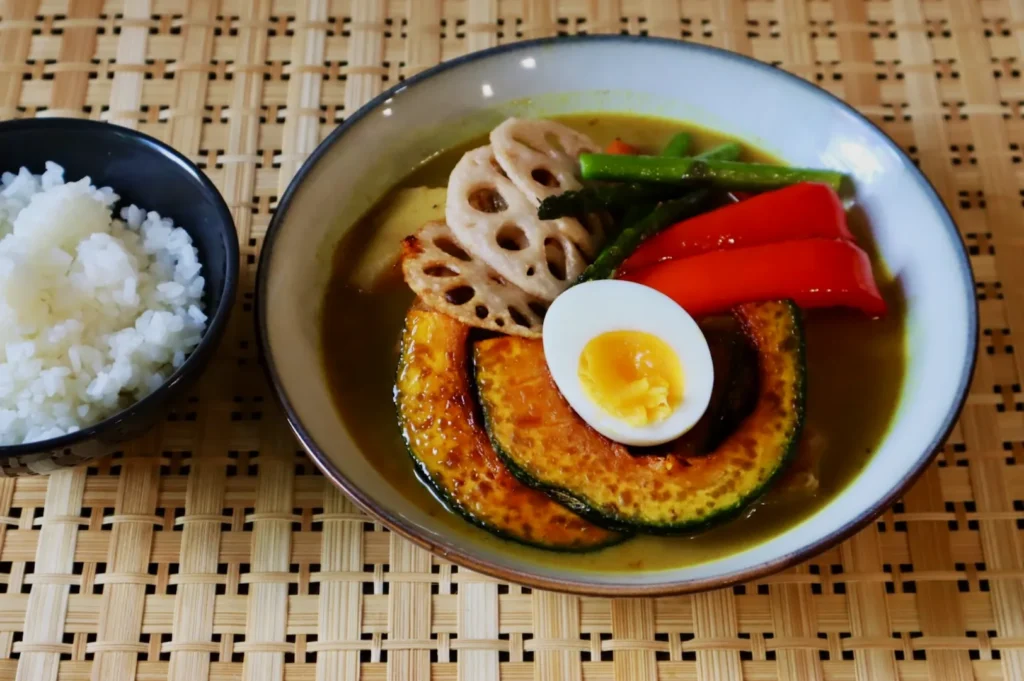
Singapore has always known how to receive something new and make it feel like it was always meant to be here. That is a rare quality in a dining culture, and it is precisely why we are here. Soup curry is not an experiment on this island. It is a homecoming of sorts, the arrival of a Hokkaido soul food tradition in the one city outside Japan that was genuinely prepared to understand it.
For anyone discovering it for the first time: you are not late. You are exactly on time.