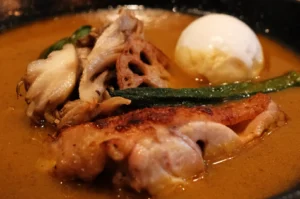
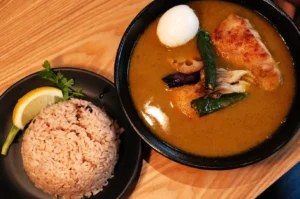
In Hokkaido, food is more than nourishment. It is warmth against the cold, comfort after a long day, and a quiet ritual that brings people together. At Soup Curry by Ki-Setsu, we carry this philosophy with us every day as we introduce Singapore to an iconic dish born in Sapporo in the early 1970s. Soup curry is not just a curry, and it is certainly not just soup. It is a carefully simmered spiced broth, a vibrant bowl of vegetables, tender meat, and a deeply satisfying meal that speaks to both flavour and health.
When guests first discover soup curry, many are surprised by how light yet flavourful it feels. Unlike thick and sweet traditional Japanese curry, soup curry is clear, aromatic, and designed to highlight the natural taste of each ingredient. Beyond taste, there is growing interest in the health benefits of soup curry, from the nutritional value of its vegetables to the potential health benefits of spices long used in Indian curries and Japanese home cooking. In this article, we share why soup curry has earned its place as Hokkaido soul food, and how its thoughtful balance of ingredients supports overall health and wellbeing.
Soup Curry and Its Roots in Hokkaido
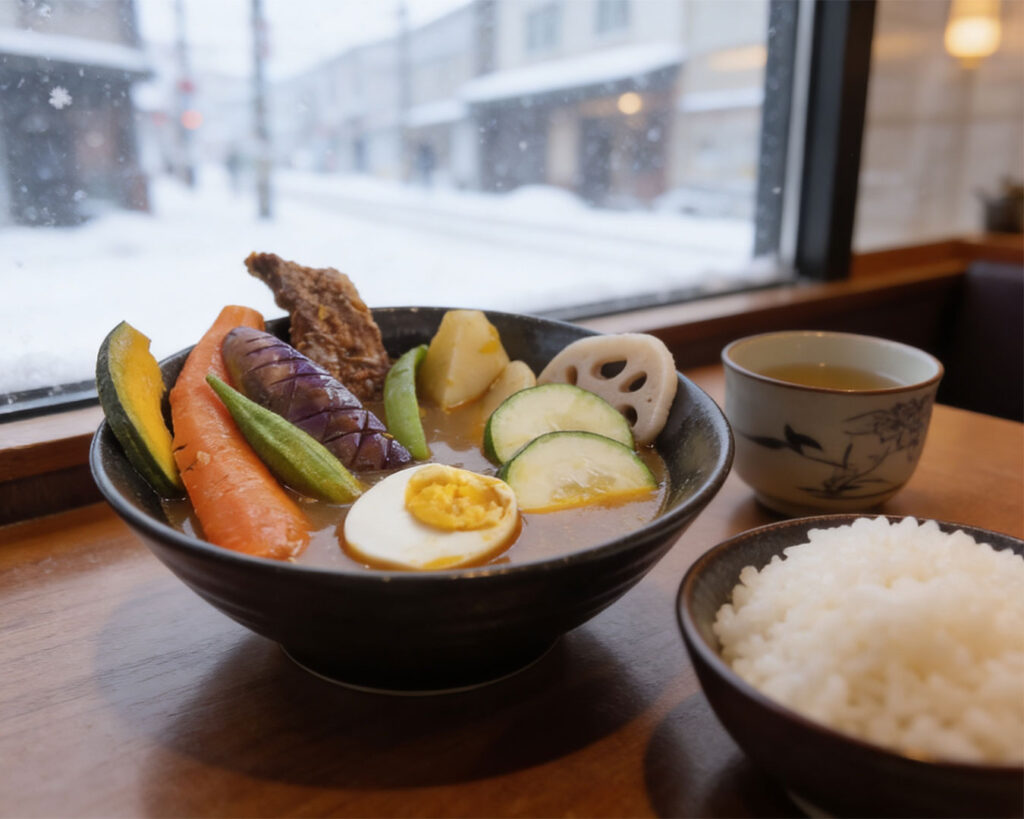
Soup curry emerged in Sapporo at a time when chefs were experimenting with lighter, more spice-forward dishes. Influenced by Indian curries yet shaped by Japanese cooking techniques, soup curry evolved into a signature dish defined by its spiced broth and colourful presentation. Steamed rice is served on the side, allowing diners to enjoy the soup on its own or together with rice, depending on taste.
At Soup Curry by Ki-Setsu, we honour this tradition by staying true to Hokkaido methods. Our broth is built on chicken stock, curry powder, garam masala, and a carefully balanced blend of spices such as cumin, coriander, turmeric, cardamom, cinnamon, black pepper, and ginger. The result is a bowl that feels comforting without being heavy, and deeply flavourful without relying on excessive fat or cream.
This balance is what makes soup curry stand apart from typical curry restaurants. It is designed to be enjoyed slowly, spoonful by spoonful, with each vegetable and protein contributing to the overall experience.
Health Benefits of Soup Curry as a Balanced Meal
One of the most notable health benefits of soup curry lies in its structure. The broth-based curry naturally contains less saturated fat compared to thick curry paste preparations that rely on milk or cream. While richness is still present, it comes from spices, stock, and slow simmering rather than excessive fat content.
For guests who are mindful of cholesterol levels or overall fat intake, soup curry broth offers a satisfying option that does not feel indulgent in the wrong way. The broth allows flavours to bloom while keeping the meal lighter and easier to digest.
Supporting Digestion Through Spices
Spices have long been valued not only for flavour but also for their role in digestion. Ingredients such as cumin, coriander, ginger, and black pepper are known to support digestion and stimulate metabolism. Ginger, in particular, is often associated with how food reduces nausea and settles the stomach.
When combined in a spiced broth, these spices work together gently. The warmth of the soup, served hot, further encourages digestive comfort, making soup curry an ideal meal at any time of day.
Anti Inflammatory and Antioxidant Properties in Spices
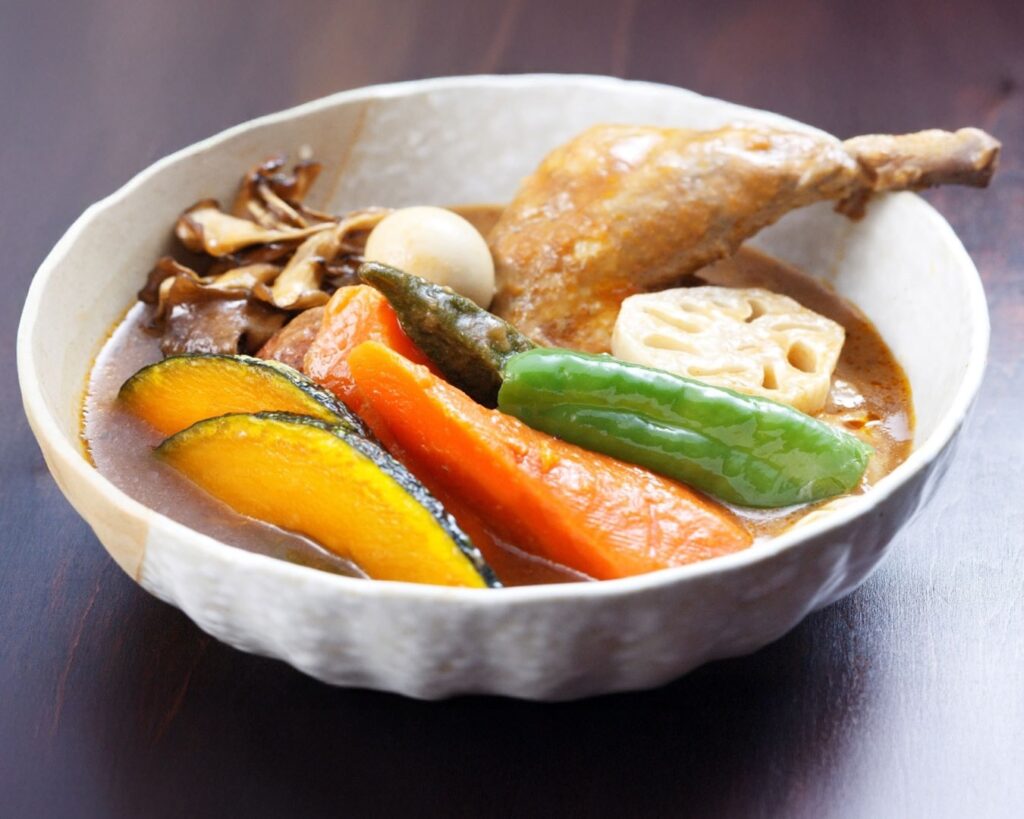
Turmeric is one of the most talked-about spices in curry, valued for its anti inflammatory properties. Alongside turmeric, spices such as cinnamon, cardamom, and garlic contribute to the overall anti inflammatory profile of soup curry.
These spices have been used for generations in Indian curries and Asian cooking, long before modern research began to explore their benefits. In soup curry, they are not overpowering. Instead, they are blended carefully to create warmth and depth while supporting the body’s natural balance.
Antioxidants for Everyday Health
Many spices used in soup curry are rich in antioxidants, which help protect the body from oxidative stress. Antioxidant properties are also found in vegetables such as bell peppers, broccoli, carrots, and sweet potatoes. Together, these ingredients create a meal that is both comforting and nourishing.
The vibrant colours in a bowl of soup curry are not just visually appealing. They are a reflection of the vitamins, minerals, and antioxidants present in each serving.
Immune Health Through a Nourishing Broth
A properly simmered broth forms the foundation of soup curry nutrition. Chicken broth provides protein and minerals, while slow cooking allows flavours to deepen without the need for heavy seasoning. Garlic, ginger, and spices contribute to immune health, especially when enjoyed regularly as part of a balanced diet.
At Soup Curry by Ki-Setsu, we believe that comfort food should also support the body. A warm bowl of soup curry can feel especially soothing, offering both physical warmth and emotional comfort.
Vegetables That Support the Body
Our soup curry features a generous mix of vegetables, each prepared to highlight its natural taste. Deep-fried vegetables such as bell pepper, lotus root, eggplant, and potato are cut using Japanese techniques that preserve texture and flavour. Additional vegetables like broccoli, carrots, mushrooms, okra, sweet potatoes, and sometimes tofu add fibre, vitamins, and iron to the dish.
These vegetables support immune health while making the meal satisfying and complete.
Cholesterol Levels and Heart-Friendly Choices

Soup curry’s lighter broth and controlled fat content make it a thoughtful choice for those watching cholesterol levels. Unlike curries that rely heavily on coconut milk or cream, soup curry achieves richness through spices and stock.
By focusing on vegetables, lean chicken thighs and legs, or seafood options, the dish provides protein without excessive saturated fat. Rice is served separately, allowing diners to adjust their serving according to appetite and preference.
Reduces Nausea and Encourages Comfort
Warm soup has long been associated with comfort and recovery. The combination of ginger, garlic, and spices in soup curry can help reduce nausea and create a calming effect on the stomach. This makes it a popular choice for guests seeking a meal that feels gentle yet flavourful.
The heat of the broth, combined with aromatic seasoning, encourages slow eating and mindful enjoyment, which further supports digestion and overall wellbeing.
Soup Curry Nutrition in Every Bowl: A Balanced Blend of Protein, Vegetables, and Spices
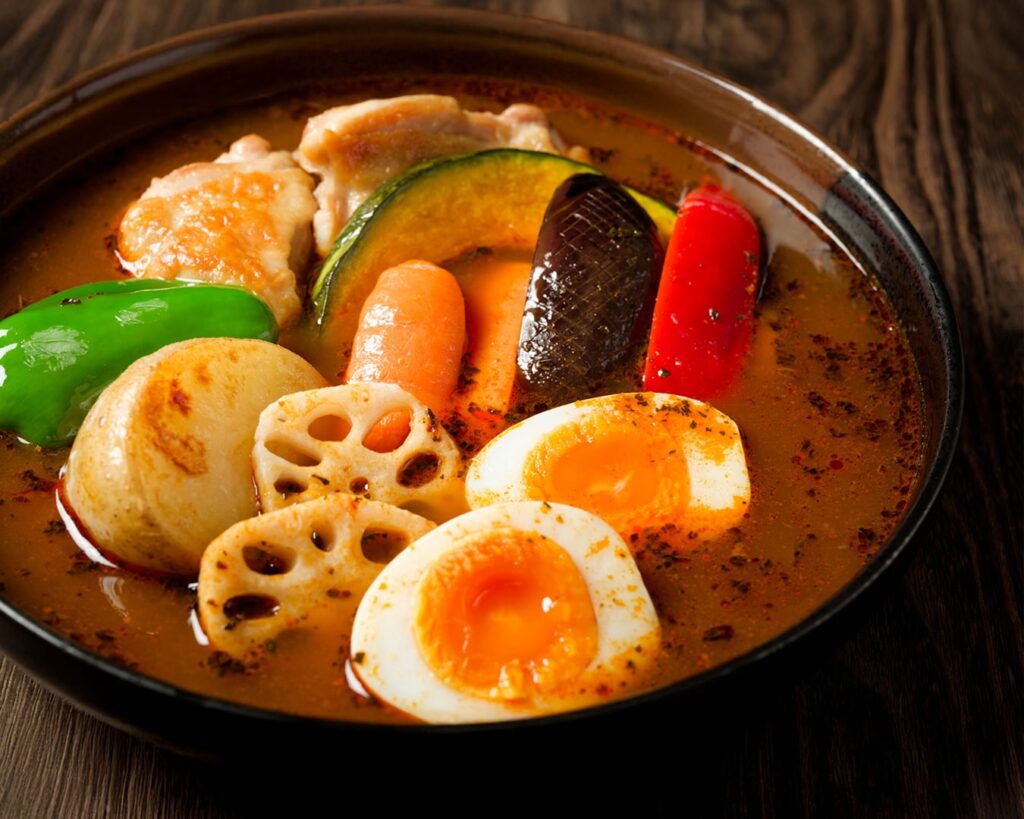
From a nutritional perspective, soup curry offers balance. Protein from chicken, meat, seafood, or tofu supports muscle health. Vegetables provide fibre, vitamins, and minerals. Spices contribute antioxidants and anti inflammatory benefits. The broth ties everything together without overwhelming the palate.
Soup curry nutrition is not about restriction. It is about harmony. Each ingredient has a purpose, and together they create a meal that feels complete.
Vitamins, Iron, and Metabolism Support
Vegetables such as spinach alternatives, lotus root, and mushrooms contribute iron and essential vitamins. Spices like black pepper and ginger may help support metabolism, while turmeric and coriander support overall health.
This thoughtful composition is why soup curry has remained a beloved dish in Hokkaido for decades.
How Soup Curry Differs from Traditional Japanese Curry
Traditional Japanese curry is typically thick, mildly sweet, and served poured over rice. Soup curry takes a different approach. The curry is a soup, clear and aromatic, with rice served on the side. This allows diners to experience the spiced broth on its own or combine it with rice as they wish.
The flavour profile is more complex and spice-forward, drawing inspiration from Indian curries while remaining distinctly Japanese. The result is a dish that feels lighter, more flexible, and deeply satisfying.
If you would like to learn more about their differences, you can read our article: Japanese Curry vs Soup Curry: The Difference Explained.
The Dining Experience at Soup Curry by Ki-Setsu
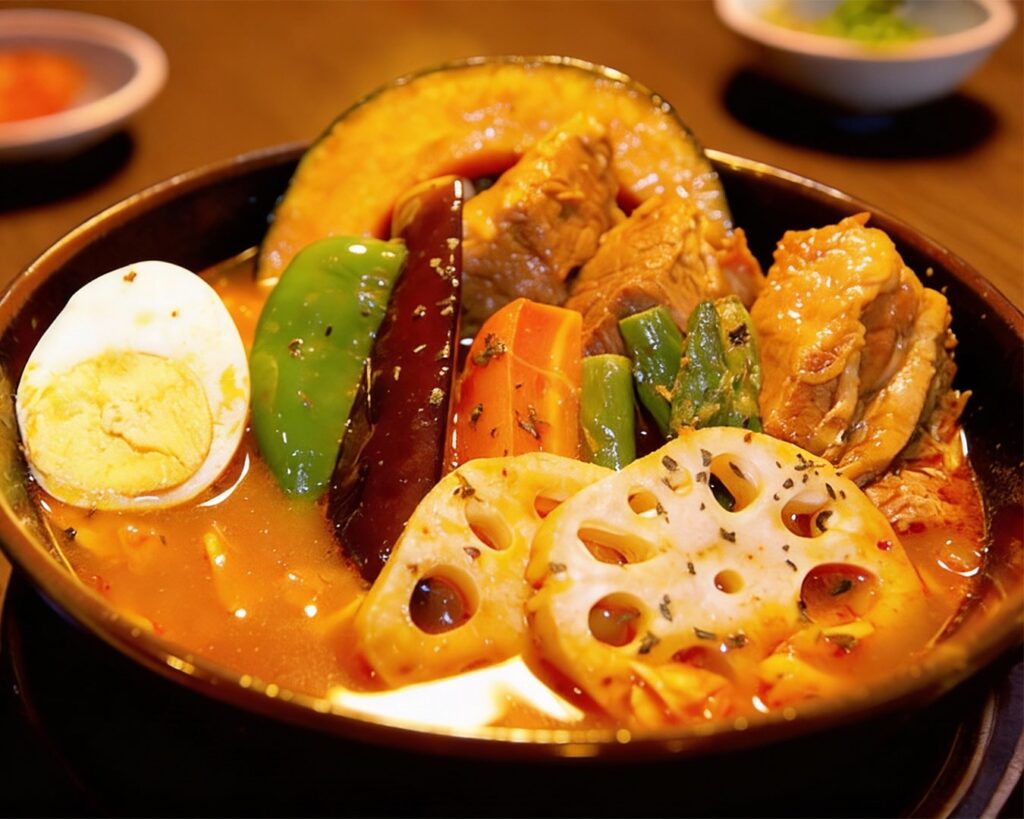
At Soup Curry by Ki-Setsu, we aim to recreate the warmth of a Hokkaido kitchen. Our space reflects the soul food nature of soup curry, inviting guests to slow down and enjoy the meal. From 6 PM onwards, we transform into a cosy izakaya experience, offering Japanese small plates, sake, and good company alongside our signature soup curry.
Our restaurant operates from 11:30 AM to 10:00 PM daily, welcoming guests for walk-in lunches and relaxed dinners. Dinner reservations are available exclusively at 6:30 PM, with tables held for a maximum of 15 minutes past the reserved time.
While we focus on authenticity, our goal is simple. We want every guest to leave feeling nourished, comforted, and curious to return.
Why Soup Curry Is More Than Just Food
Soup curry is not a trend. It is a dish shaped by climate, culture, and care. In Hokkaido, it is eaten to warm the body and lift the spirit. In Singapore, we share it as a bridge between cultures, inviting guests to experience something both new and deeply comforting.
The health benefits of soup curry come naturally from its ingredients and preparation. There is no need for exaggeration. When food is made with intention, balance follows.
For those discovering soup curry for the first time, we invite you to approach it with an open mind and an empty bowl. For those returning, we hope each visit feels like coming home.
To learn more about our philosophy and Hokkaido roots, visit Soup Curry by Ki-Setsu at https://soupcurry.com.sg.
A Bowl That Warms Body and Soul
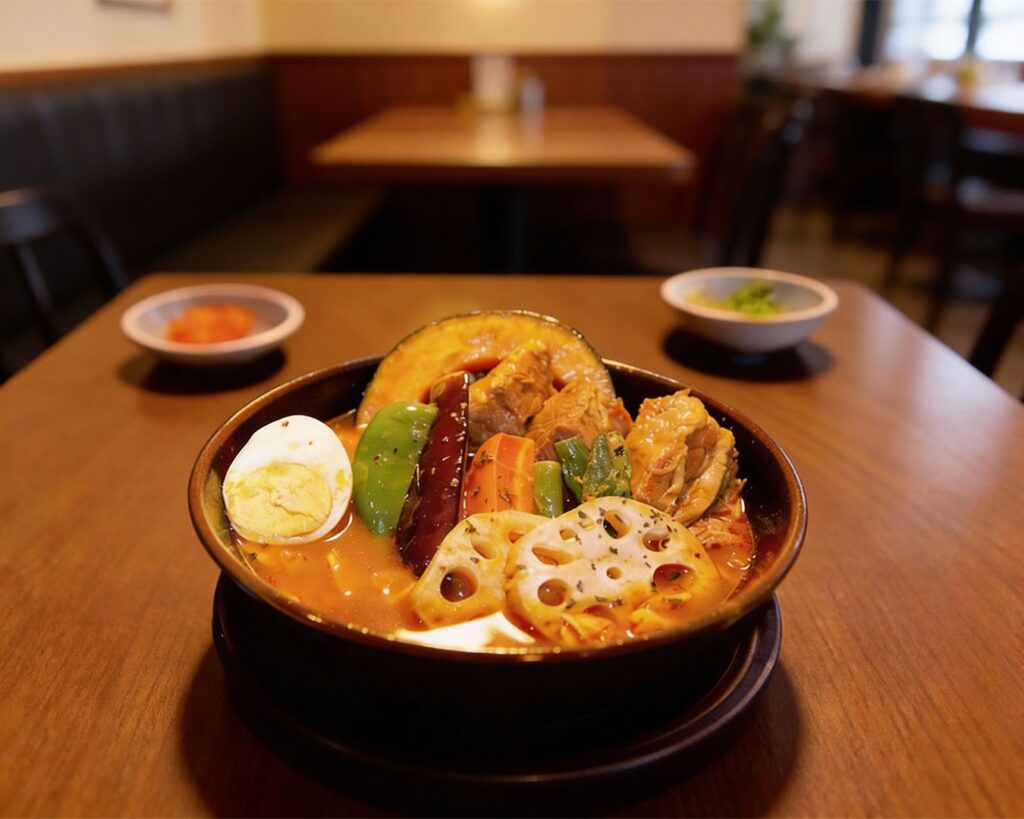
Soup curry is a celebration of flavour, nutrition, and tradition. Its spice-rich broth offers anti inflammatory properties, supports immune health, helps manage cholesterol levels, and gently supports digestion. With vibrant vegetables, thoughtful seasoning, and a comforting broth, it stands as a meal that nourishes both body and soul.
At Soup Curry by Ki-Setsu, we are proud to share this iconic Hokkaido dish with Singapore. Whether you come for the health benefits, the flavour, or the experience, we hope each bowl reminds you that good food has the power to comfort, connect, and heal.