Soup curry spice defines the experience of this Hokkaido comfort dish. For beginners, choosing the right level shapes enjoyment from the first spoonful to the last bite of rice. In Sapporo, locals treat soup curry as a daily staple rather than a challenge dish; the heat is there to lift the ingredients, not to mask them.
At our restaurant, we guide guests through this journey with care, warmth, and respect for tradition. This guide explains how soup curry spice works, how beginners should approach it, and how to build confidence one bowl at a time.
Understanding Sapporo Soup Curry in Hokkaido Cuisine
The tradition of Sapporo soup curry began in the early 1970s in Hokkaido, blending Chinese medicinal soup and Southeast Asian curry influences. Created for warmth during long winters, it features a light curry flavored soup made from chicken broth, pork bones, vegetables, and spices like curry powder and garam masala that add aroma without thickness.
Its distinctive flavor comes from a unique spice blend including turmeric, cumin, coriander, and garam masala. The heat enhances fresh vegetables, meat, and broth, focusing on comfort rather than intensity. Hokkaido’s cold climate boosts the natural sweetness of vegetables often used in this signature dish. Many variations and spice blends preserve the tradition of flavorful soup curry spice.
How Soup Curry Differs From Traditional Japanese Curry
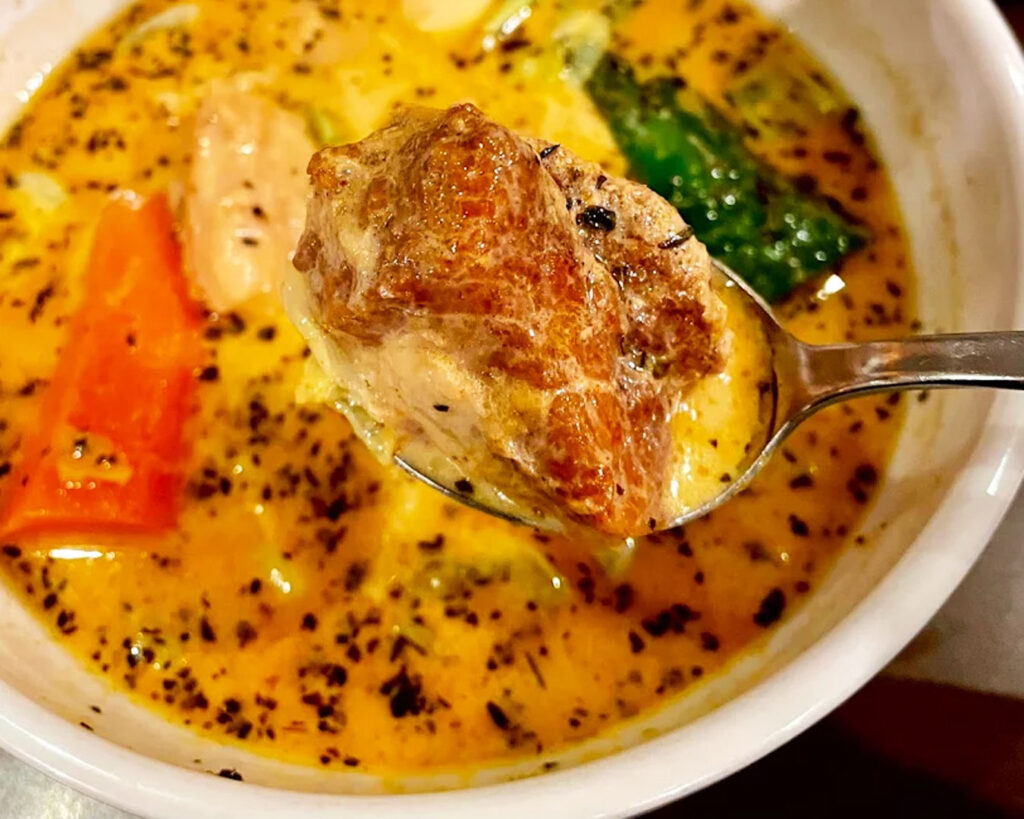
Traditional Japanese curry often feels thick, sweet, and rich. The sauce coats rice and meat in a single texture. This dish moves in another direction. The broth stays light yet deeply flavoured. While coconut milk may appear in some styles, it is always used in balance with chicken stock and spices.
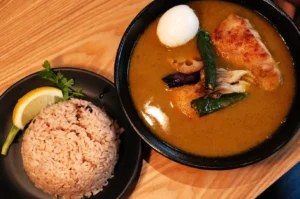
The dish is served with steamed rice in a small bowl, separate from the soup. This allows you to manage the heat personally by scooping rice and dipping it into the soup, unlike traditional Japanese curry where rice and curry are mixed. The spices in soup curry spice, including black pepper, garlic, ginger, and chili peppers, remain distinct and clear, enhancing the light curry flavored soup. For more, see our guide on How to Eat Soup Curry Like a Local: Tips from Sapporo.
What Soup Curry Spice Really Means for Your Soup Recipe
The heat in a professional soup recipe reflects depth, warmth, and aroma, not pain. The spicy soup broth is a hallmark of soup curry, offering a hot, flavorful base distinct from traditional curry. Spice blends include curry powder, garam masala, freshly ground black pepper, minced garlic, and fresh ginger. Spices like turmeric and black pepper have anti-inflammatory properties, while chili peppers boost metabolism due to capsaicin. The unique spice blend varies, providing different health benefits depending on the spices used.
Beginners often worry about heat levels dominating the experience. In truth, Hokkaido soup curry welcomes all diners. Soup curry is customizable, allowing diners to choose their spice level and the types of vegetables and proteins.
Mild Levels: Focus on the sweetness of the vegetable soup and the richness of the chicken soup base.
Medium Levels: Bring a gentle heat that stimulates the palate.
High Levels: Suit those who enjoy a curry soup without losing the underlying flavour profile.
Beginner Soup Curry: Where to Start With Japanese Recipes
For your first experience with Japanese recipes, start at a low to medium spice level to enjoy the soup base. The broth, simmered slowly with chicken and vegetable stocks, onion, and garlic, highlights the natural sweetness of fresh vegetables like carrots, potatoes, kabocha pumpkin, tomato, and others.
Common vegetables in soup curry include carrots, potatoes, bell peppers, okra, and kabocha squash. To keep vibrant colors and textures, vegetables such as kabocha, lotus root, broccoli, and carrots are prepared separately. Many vegetables, like broccoli and bell peppers, are rich in vitamins and antioxidants supporting immune health.
Gradually increase spice over future visits, as locals in Sapporo do, to build true appreciation for the ingredients.
How Spice Interacts With Fresh Vegetables and Proteins
The heat behaves differently with each ingredient. Fresh vegetables deep fried using the traditional Japanese su-age technique, such as bell pepper, lotus root, eggplant, and potato, soften the spice impact with their golden-brown exterior and soft centers.
Proteins like chicken thighs and chicken legs, cut into bite-sized pieces, absorb spices well, carrying warmth without sharpness. Seafood reacts faster to spice due to its lighter texture. Rice acts as a cooling agent; dipping cooked rice into the soup reduces intensity and extends enjoyment, making the dish a complete, harmonious meal. Soup curry is celebrated for its health benefits from its fresh ingredients and spices, combining protein, vegetables, and grains into a complete meal.
The Role of the Chicken Soup Base
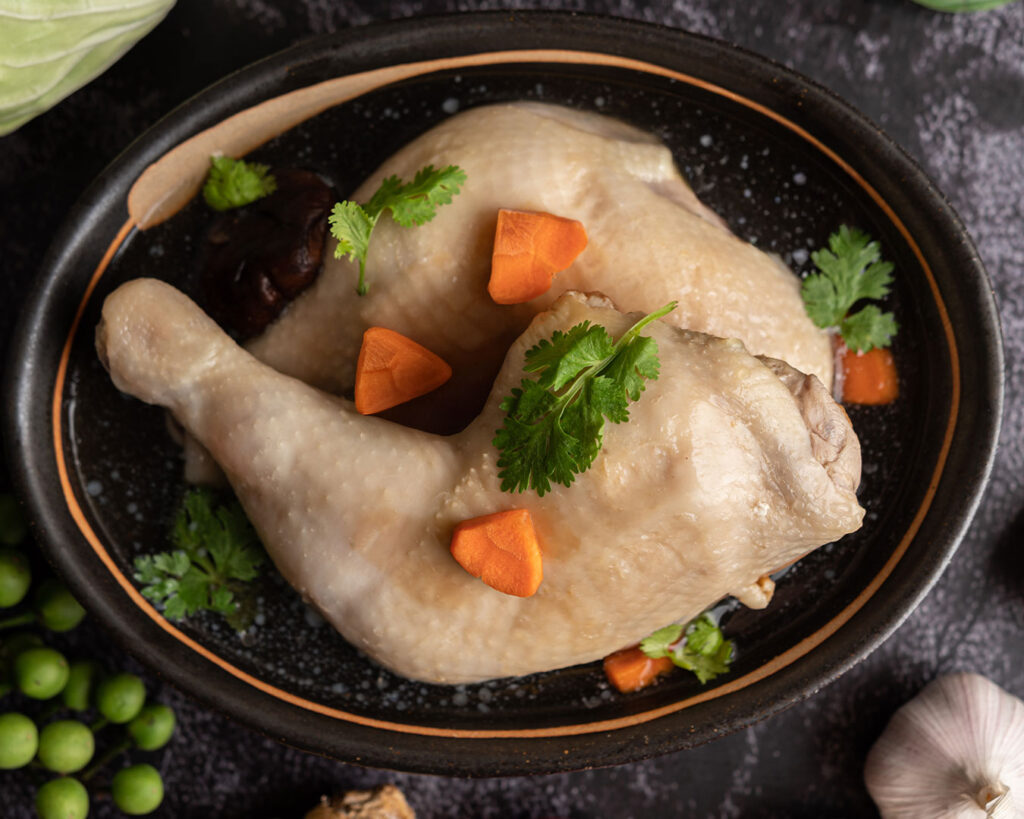
The base shapes how the soup curry spice feels on the tongue. Traditionally, the soup base is made by simmering chicken bones and vegetables in a large pot, which provides richness and sweetness, while pork bones contribute depth. The soup base for soup curry can be made from chicken, tomato, or a combination of several broths, and umami is often enhanced with a stock base of chicken, vegetables, or seafood. A well-built chicken soup allows spice to sit comfortably. Without this balance, heat can feel harsh or metallic. This explains why authentic Sapporo soup curry tastes smooth even at higher heat levels.
How to Eat Soup Curry With Spice in Mind
Learning how to eat soup curry properly helps manage the heat.
Taste the Broth First: Start with one spoonful of soup alone to set your expectations.
Savor the Veggies: Eat the fresh vegetables separately; their natural sweetness often calms the palate.
Adjust the Seasoning: Before serving, you can add salt to taste, as is common in many soup curry restaurants, to enhance the flavors and adjust the seasoning to your preference.
The Rice Dip: Finally, add the rice gradually. Small spoonfuls maintain the balance of flavours. Avoid stirring the entire plate of rice into the bowl early on, as this can concentrate the spice too quickly.
Locals prefer this layered approach to maintain a steady pace throughout the meal. Many soup curry restaurants in Sapporo also allow customers to customize their spice levels and choose from a variety of vegetables and proteins.
Why Beginners Should Avoid Rushing Spice Levels in Japanese Curry
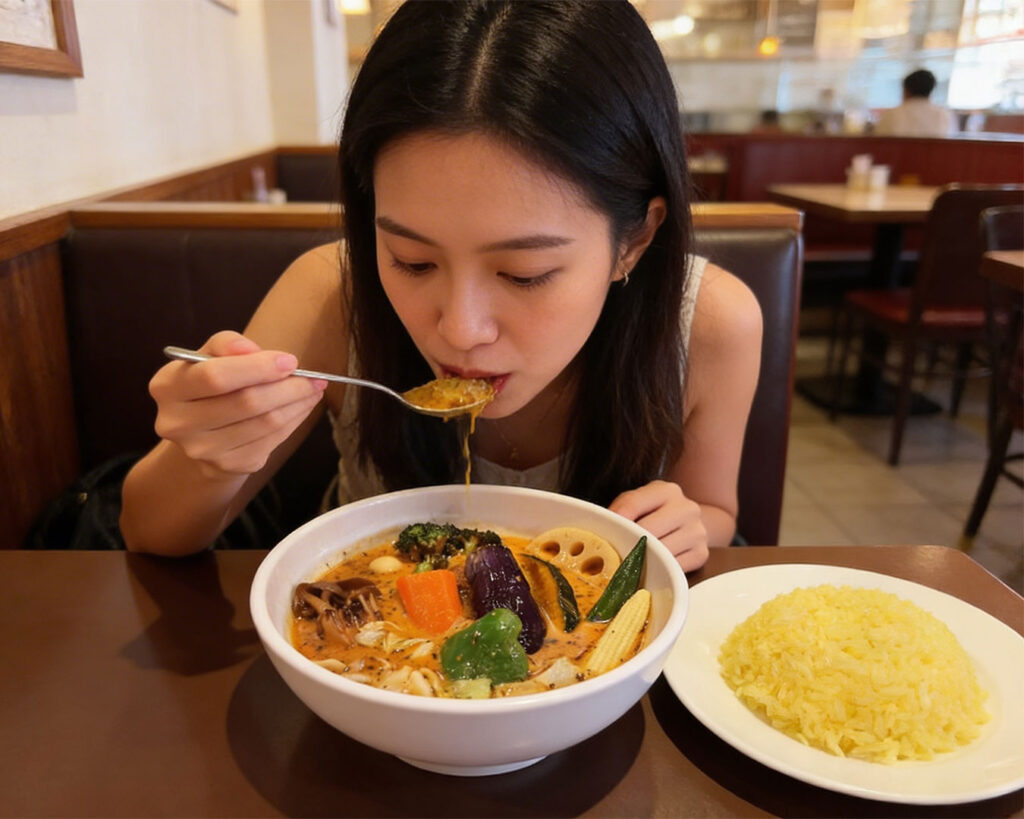
Beginners sometimes choose a high spice level to prove confidence, but this often masks the delicate flavours of the curry soup.
This meal rewards patience. The heat develops during the meal; while the first few spoonfuls may feel gentle, the spices warm the body slowly. Eating too fast can exaggerate this effect. Slow eating allows the Hokkaido soup curry to shine, revealing the sequence of garlic, ginger, and vegetable sweetness.
Soup Curry Spice and Nutrition
Beyond flavour, this dish offers significant nutrition. Fresh vegetables provide vitamin C and fibre, while chicken supplies essential protein. The broth is rich in minerals from bones and vegetables. Its light liquid keeps fat balanced with monounsaturated, polyunsaturated, and saturated fats.
Soup curry is celebrated for health benefits from fresh ingredients and spices. Vegetables like broccoli and bell peppers are packed with vitamins and antioxidants supporting immune health. Spice stimulates appetite and aids digestion.
Common Spice Mistakes Beginners Make
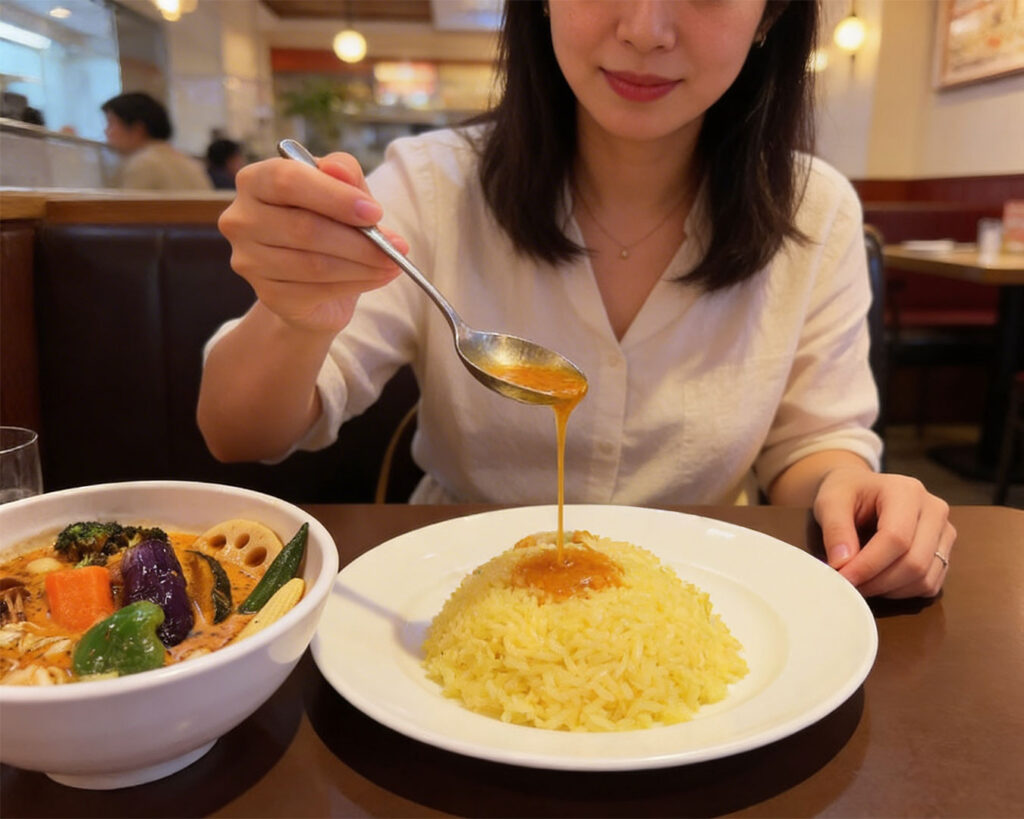
A common mistake is treating this dish like a standard thick Japanese curry by pouring all the rice into the soup at once. This changes the consistency and can make the heat feel overwhelming. Others add too many table condiments, such as extra chili or “magic spice,” before tasting the original soup recipe. Rushing the meal is the final pitfall; the dish needs time to be appreciated.
Why Soup Curry Spice Feels Different in Singapore
Diners in Singapore are often accustomed to the immediate “sting” of local chili heat. Soup curry spice is different; it is a “creeping” warmth that builds from within. At our restaurant, we bring Sapporo soup curry to Singapore with respect and care. We follow traditional methods, focusing on a signature dish that reflects decades of culinary history. We prepare vibrant mixes of vegetables using Japanese cutting methods to ensure every bell pepper and lotus root adds the perfect texture.
Our space welcomes diners for both lunch and dinner. In the evening, the atmosphere shifts into a cosy izakaya style experience, where Japanese small plates and sake can be enjoyed alongside a warm curry soup. We pride ourselves on guiding guests through their spice choices to ensure a positive experience.
How Beginners Grow Into Spice Lovers
This dish turns beginners into confident diners over time. Each visit builds understanding, and what once felt spicy becomes familiar and aromatic. Many of our guests start mild and move toward medium or high levels as they learn to identify the subtle notes in the curry powder. This journey mirrors the way the dish is enjoyed in Japan, seasonally, socially, and with an appreciation for heat.
If you’re curious to explore this flavorful progression yourself, consider joining us for a bowl that suits your current spice comfort; each visit offers a new layer of discovery and enjoyment.